Whether a Pomsky Chases Rabbits
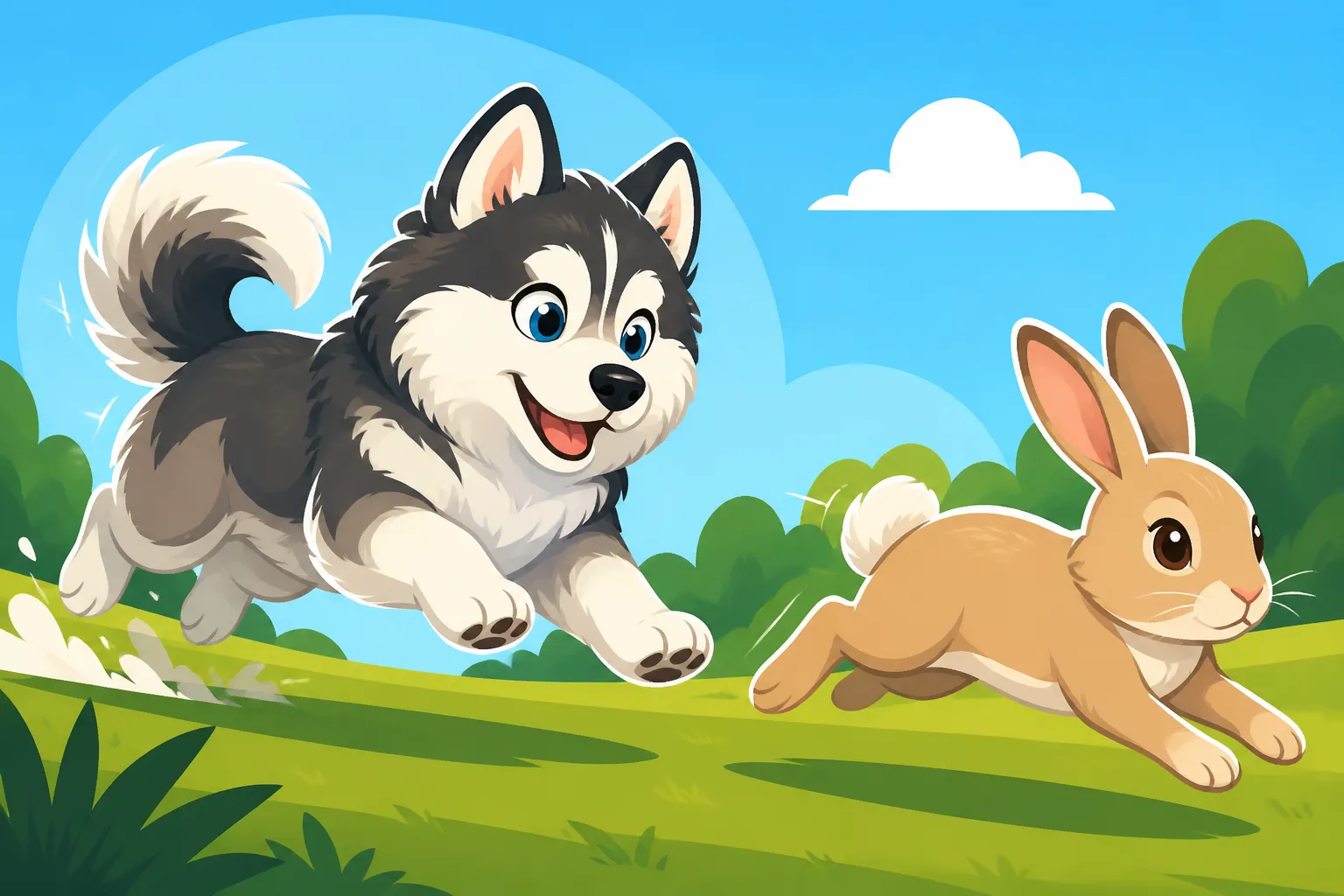
It’s a common scenario for many Pomsky owners: you’re enjoying a quiet moment in the backyard, perhaps sipping your coffee, when suddenly your dog spots a flash of movement – a rabbit. In an instant, that calm, fluffy companion transforms into a blur of fur, driven by an ancient, undeniable instinct. This isn't just a playful chase; it’s a deep-seated prey drive, and it’s something every Pomsky parent needs to understand and manage to keep both their dog and local wildlife safe. This guide will delve into why Pomskies are so keen on chasing rabbits, the risks involved, and, most importantly, practical strategies to manage this powerful natural urge.
The Husky and Pomeranian Influence on Prey Drive
To truly understand why your Pomsky might become a furry rocket when a rabbit appears, we need to look at their ancestral roots. Both parent breeds, despite their size differences, contribute significantly to this inherent drive. It’s not a flaw in your Pomsky’s personality; it’s a genetic blueprint.
Tracing the Husky's Hunting Instincts
The Siberian Husky, one half of your Pomsky's genetic makeup, was originally bred for endurance and pulling sleds in harsh, unforgiving environments. However, these dogs also possessed a strong prey drive, a necessary trait for survival in their native lands where finding food wasn't always a guarantee. They were known to hunt small game, like rodents and birds, to supplement their diet. This instinct isn't about cruelty; it's about survival and the thrill of the chase.
When a Husky, or a Pomsky with strong Husky traits, sees something small and fast dart across their vision – like a rabbit – it immediately triggers this ingrained chase response. Their eyes are sharp, their movements quick, and their focus laser-like. They often won't stop until the perceived "prey" is out of sight, or, in some cases, caught. Even a well-fed Husky can't simply ignore this urge; it's a hardwired program in their brain. This means your Pomsky, even if they're only twenty pounds, might have the heart and drive of a wolf pursuing its quarry, especially when that quarry is a quick-moving bunny.
The Pomeranian's Unexpected Contribution
Now, you might think the tiny, fluffy Pomeranian has nothing to do with chasing rabbits. After all, they’re known more for being lapdogs and pampered companions. But don't let their small stature fool you. Pomeranians descend from larger Spitz-type dogs and were historically used as alert dogs and ratters. This means they also possess a surprising amount of prey drive, albeit typically directed towards smaller vermin like mice or rats. They are intelligent, tenacious, and incredibly feisty for their size.
When you blend the powerful, enduring chase instinct of the Husky with the keen, sharp-witted pursuit of the Pomeranian, you get a Pomsky who might be even more enthusiastic about the chase. The Pomeranian's alertness and quick reflexes can kick off the pursuit, while the Husky's stamina and drive see it through. It's a potent combination, and it means that your Pomsky, regardless of their individual size or how much they lean towards one parent's look, will likely have at least some degree of interest in chasing small, fast-moving creatures. It's a part of what makes them a Pomsky!
Understanding the Pomsky's Prey Drive in Action
Knowing the genetic predisposition is one thing, but seeing it in action can be quite another. A Pomsky's prey drive isn't just a theoretical concept; it's a powerful force that dictates much of their behavior when a suitable trigger, like a rabbit, presents itself.
The Irresistible Lure of a Rabbit
Rabbits are practically tailor-made to trigger a Pomsky's prey drive. Their movements are erratic, fast, and often involve sudden stops and starts – precisely the kind of motion that screams "prey!" to a canine brain. Consider a scenario: your Pomsky is casually sniffing around the yard, minding their own business. Suddenly, a cottontail darts from under a bush, freezes for a split second, and then bolts across the lawn. For a Pomsky, this isn't just a creature passing by; it's a challenge, an invitation to a primal dance.
The visual stimulus is paramount, but it’s not just about sight. Rabbits also leave a strong scent trail, which can activate your Pomsky's highly developed sense of smell. Even if the rabbit is out of sight, that lingering scent can keep your dog hyper-focused on the pursuit. For a Pomsky, chasing a rabbit is an exhilarating game, a burst of pure, unadulterated instinct. They’re not being "bad"; they’re simply being dogs, acting on deeply ingrained impulses that have ensured survival for their ancestors for millennia. The sheer joy and focus you see in their eyes during such a chase can be mesmerizing, but it also signals a potential problem.
The Dangers of the Chase
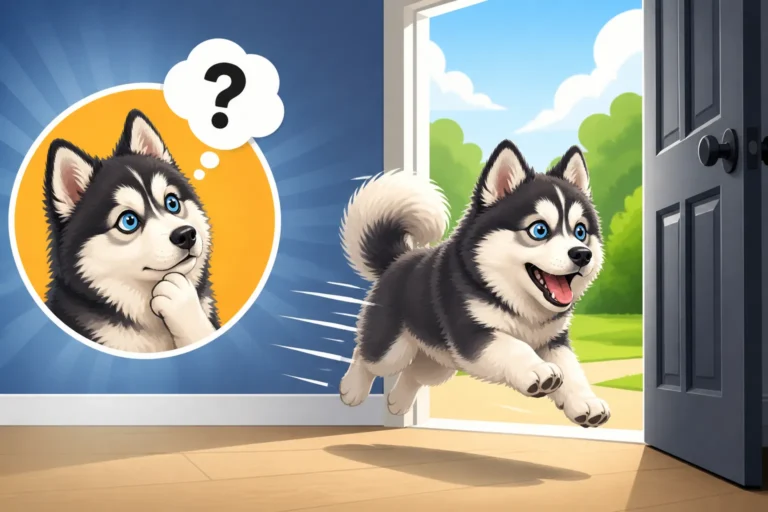
While a rabbit chase might seem harmless, there are significant dangers involved, both for your Pomsky and for the wildlife. The most immediate risk for your Pomsky is getting lost or injured. When a Pomsky enters "hunt mode," their focus on the rabbit overrides almost everything else, including your calls, their leash limits, or even awareness of their surroundings. Whether a Pomsky Runs If a Door Opens is a crucial concern here; if a rabbit bolts while a door is ajar, your Pomsky could be out and gone in seconds.
Imagine this: your Pomsky, driven by instinct, spots a rabbit outside your fence. If there’s even a small gap or a flimsy gate, they might squeeze through, dig under, or even jump over, entirely heedless of the consequences. They could bolt into a busy road, get tangled in unfamiliar terrain, or wander so far they can't find their way back. This is why a strong, reliable recall is so difficult to achieve when prey drive is in full swing – the reward of the chase often far outweighs any treat you might offer. Furthermore, chasing through brush or over uneven ground can lead to paw injuries, scrapes, or even more serious sprains or fractures. While a rabbit is unlikely to injure a Pomsky, other wildlife encountered during an unsupervised chase could pose a threat. Beyond the immediate risks to your dog, there's also the ethical consideration for the rabbit. While most Pomskies won't necessarily "catch" a rabbit, the stress of being relentlessly pursued can be traumatic, and for very young or old rabbits, it could be fatal due to shock or exhaustion.
Recognizing the Signs of Prey Drive
Learning to recognize the early signs that your Pomsky has locked onto potential prey is a game-changer. It gives you a precious window of opportunity to intervene before the chase begins in earnest. Look for a sudden change in their demeanor: their ears might snap forward, their body language will become stiff and low to the ground, and their tail, which might have been wagging, could drop or become rigid. Their eyes will narrow and fixate intently on the object of their attention, almost like a predator calculating its next move.
You might also notice a subtle change in their breathing, a low, guttural growl, or a soft whine of anticipation. Sometimes, they'll freeze completely, utterly still, before springing into action. This intense focus means they've tuned out the world around them – including you. Knowing these signals allows you to tighten the leash, redirect their attention with a sudden noise, or use a high-value treat to break their focus before they get too invested in the pursuit. Being proactive is far easier than trying to stop a Pomsky mid-chase.
Managing and Mitigating Rabbit Chasing Behavior
Given the strong genetic wiring, eradicating a Pomsky's prey drive is almost impossible. The goal isn't to eliminate the instinct, but to manage it safely and responsibly. This involves a multi-pronged approach combining secure containment, consistent training, and providing appropriate outlets.
The Importance of Leash and Containment
The absolute first line of defense against your Pomsky chasing rabbits (or any wildlife) is physical containment. This means a secure leash and harness, and a properly fenced yard. Never underestimate the determination of a Pomsky in pursuit. A regular flat collar can easily allow them to slip out if they pull hard enough, especially if they are squirmy. Investing in a well-fitting, escape-proof harness is crucial. Many owners find a Y-front or even a double-clip harness (one clip on the back, one on the chest) offers more security and control. For extra peace of mind, some owners even use a double-leash system, attaching one leash to the harness and one to a martingale collar, just in case. Whether a Pomsky Slips a Collar is a common concern, and a good harness is the best preventative measure.
When it comes to your yard, think like a rabbit – and like a Husky. Rabbits are small and can squeeze through tight spaces. Huskies are known for digging and climbing. Your fence needs to be tall enough to prevent jumping, and ideally, have a secure footing that prevents digging underneath. The Fence a Pomsky Actually Needs is often higher and more robust than owners initially anticipate. Invisible fences, while convenient, are generally not recommended for dogs with high prey drive. The urge to chase a rabbit often outweighs the momentary discomfort of a static correction, meaning your Pomsky could still bolt and then be reluctant to return to the yard due to the boundary shock. Supervised outdoor time, even in a secure yard, is also essential, especially during dawn and dusk when rabbits are most active.
Training for Impulse Control and Recall
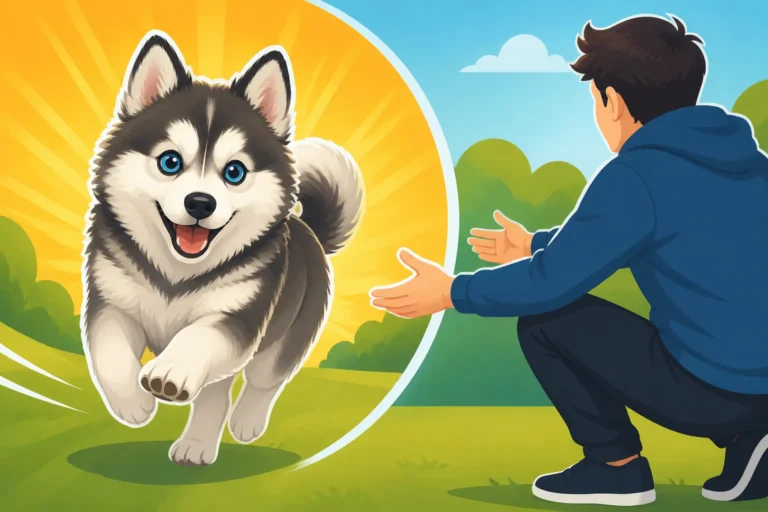
While physical barriers are critical, training plays an equally vital role in managing prey drive. The goal is to build impulse control and a rock-solid recall, making you more interesting than the fleeting rabbit. This is a long-term commitment, not a quick fix. Start with "leave it" and "watch me" commands in low-distraction environments, using high-value treats that your Pomsky absolutely adores – think bits of cooked chicken or cheese, not just kibble. Gradually increase the distractions, but always set your Pomsky up for success.
A reliable recall is paramount. Practice in a safe, enclosed area, initially with no distractions. Use a unique, happy-sounding recall word or whistle. When your Pomsky comes, make it a massive celebration with treats and praise. As they improve, introduce mild distractions, always keeping them on a long line (a 20-50 foot leash) so you can physically prevent them from bolting if they ignore your call. Many online training platforms, such as BAXTER & Bella, offer comprehensive programs specifically designed to build these foundational skills and address common challenges like prey drive. Their structured lessons and support can be invaluable for consistent practice. Remember, Building a Recall a Pomsky Answers takes time, patience, and consistent positive reinforcement, especially when competing with the thrill of the chase.
Providing Alternative Outlets for Prey Drive
Since you can't eliminate prey drive, channel it into appropriate activities! Giving your Pomsky safe and acceptable ways to express their natural hunting instincts can reduce the intensity of their urges when faced with real wildlife. Flirt poles are fantastic for this; they simulate a small animal darting and allow your dog to chase and "catch" a lure, expending energy and satisfying that instinct in a controlled way.
Scent work is another excellent option. This taps into their sniffing abilities, which are also part of their hunting heritage. Hide treats around the house or yard and let them sniff them out. Puzzle toys and slow feeders, many of which are readily available on Amazon, can also engage their minds and make them "work" for their food, mimicking the problem-solving aspect of a hunt. Tug-of-war games, played according to rules (e.g., "drop it" on command), can also be a good outlet for their desire to grab and hold. Providing these structured activities not only tires them out mentally and physically but also strengthens your bond, as you become the provider of exciting, fulfilling "hunts." Ultimately, Whether a Pomsky Needs a Job is a resounding yes; providing purpose and mental stimulation is crucial for a well-adjusted Pomsky.
Living with a Pomsky and Local Wildlife
Coexisting peacefully with local wildlife, especially fast-moving creatures like rabbits, requires ongoing vigilance and a mindful approach to your Pomsky's environment and daily routine. It's about creating boundaries and understanding the natural world around you.
Creating a "Rabbit-Safe" Environment
Your own backyard can be a haven for rabbits, especially if it provides cover and food. Making your yard less appealing or accessible to them can naturally reduce the opportunities for your Pomsky to engage in a chase. Start by inspecting your fencing thoroughly. Are there any gaps? Can a rabbit squeeze under a gate? Consider adding a "dig bar" or burying wire mesh along the base of your fence if you have persistent diggers.
Beyond the fence, think about landscaping. Rabbits love to hide in dense bushes, tall grasses, and brush piles. Trimming low-hanging branches, keeping your lawn mowed, and clearing away any debris or woodpiles can make your yard less attractive as a rabbit sanctuary. If you have a vegetable garden, consider investing in sturdy, rabbit-proof netting or fencing to protect both your plants and to deter rabbits from entering the immediate vicinity of your home. Remember to supervise your Pomsky closely when they are outside, especially during dawn and dusk, which are prime times for rabbits to be out and about feeding. Even in a secure yard, your presence can help you intervene quickly if a rabbit makes an appearance.
Understanding Local Wildlife Laws and Ethics
It’s important for every pet owner to understand their responsibility towards local wildlife. While your Pomsky’s prey drive is a natural instinct, allowing them to freely pursue and potentially harm wildlife can have legal implications depending on where you live and the species involved. Many jurisdictions have laws protecting local wildlife, and allowing your dog to chase or injure animals could lead to fines or other penalties. Beyond the legal aspect, there's a strong ethical responsibility we hold as pet owners.
We share our spaces with countless wild creatures, and it’s our duty to minimize our pets’ impact on them. This means ensuring your Pomsky is always under control when outdoors, whether that’s on a leash or in a secure, supervised environment. Educating yourself about the wildlife in your area can also be helpful. Knowing when certain animals are most active or when young are born can help you adjust your Pomsky's outdoor schedule accordingly. Ultimately, managing your Pomsky's prey drive isn't just about keeping your dog safe; it's about being a responsible, respectful member of the broader ecosystem.
| Management Strategy | Description | Best Scenario |
|---|---|---|
| Secure Leash/Harness | Using a properly fitted, escape-proof harness and a sturdy leash ensures physical control, preventing your Pomsky from bolting. Double-leashing can add extra security. | Walks in unfenced areas, public parks, urban environments. |
| Fenced Yard | A tall, dig-proof fence creates a safe containment area. Regular inspection for gaps or weak spots is vital. | Backyard play, supervised outdoor time at home. |
| "Leave It" Command | Teaches your Pomsky to ignore a distraction or object when instructed. | Early intervention when a rabbit is sighted but not yet fully engaged in the chase. |
| Reliable Recall | Training your Pomsky to come back immediately when called, regardless of distractions. This requires consistent practice with high-value rewards. | Crucial for emergencies, though challenging against high prey drive. |
| Flirt Pole Play | A toy that simulates prey movement, allowing your Pomsky to chase and "catch" a lure in a controlled, safe way. | Structured play sessions in the yard to satisfy predatory instincts. |
| Scent Work/Puzzles | Engaging your Pomsky's nose and mind to "hunt" for treats or toys, providing mental stimulation. | Indoor activities, enrichment when outdoor access is limited or weather is poor. |
| Environmental Control | Making your yard less appealing to rabbits by clearing brush, trimming plants, and securing garden areas. | Long-term strategy for homeowners to reduce rabbit presence. |
Disclaimer
This article is for general informational purposes only and does not constitute professional advice. Laws, prices and regulations vary by location and change over time. Consult a qualified professional for guidance on your specific situation.