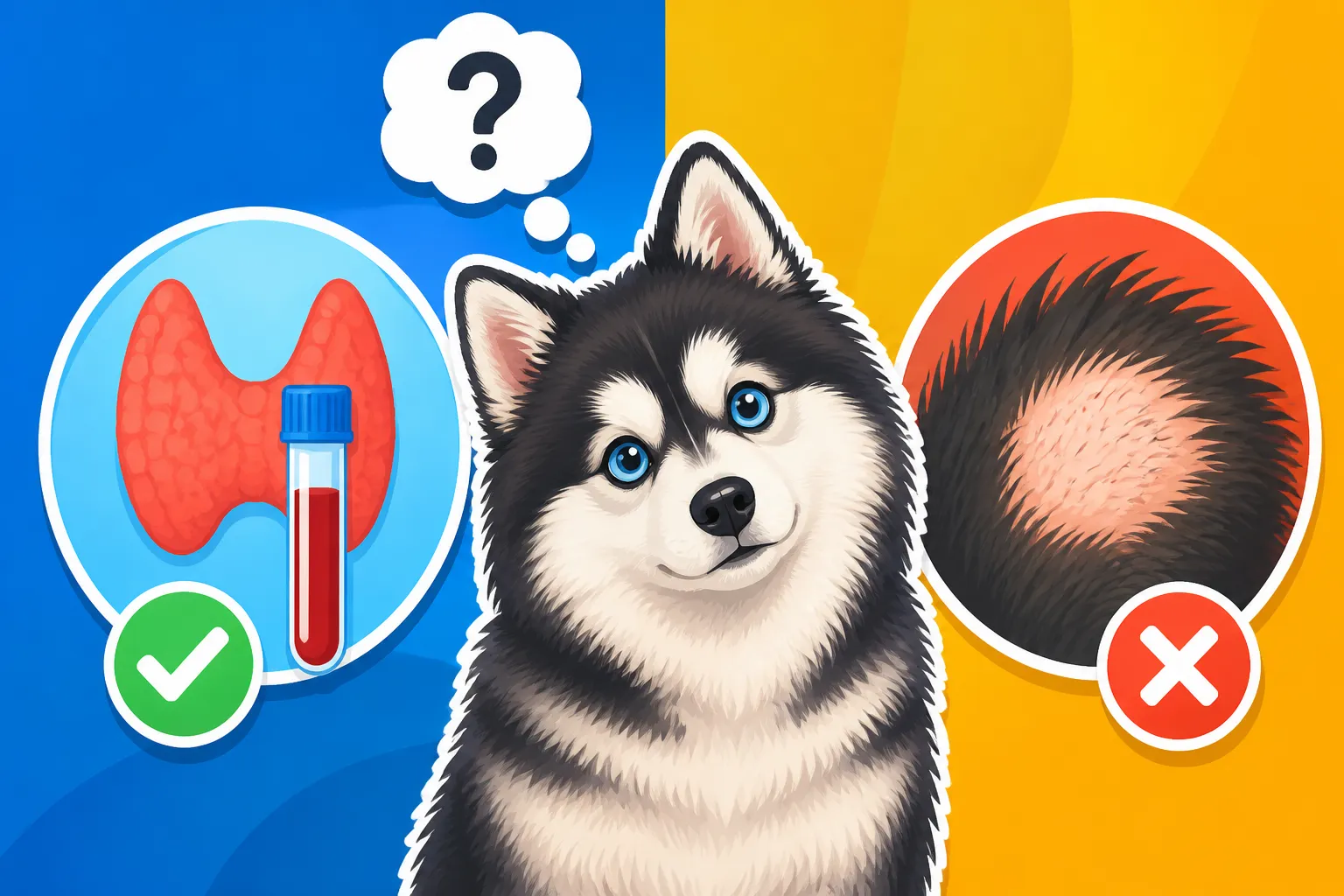
Whether a Thyroid Test Rules Out Alopecia X in a Pomsky
It’s incredibly disheartening and confusing when your beloved Pomsky starts losing their beautiful double coat, leaving you to wonder what on earth is going on. Often, one of the first things a vet will suggest when faced with canine hair loss is a thyroid test, and it leaves many owners thinking that a "normal" result means they can cross a major issue off the list. But here’s the thing many folks don’t realize: a normal thyroid test, while ruling out hypothyroidism, absolutely does not rule out Alopecia X in your Pomsky. It's a common misconception, and understanding why is key to navigating your dog's health journey.
Understanding Alopecia X in Pomskies
Alopecia X, often referred to as Black Skin Disease, Coat Funk, or Post-Clipping Alopecia, is a frustratingly common condition in Pomskies and other Nordic breeds, and it's surrounded by a lot of mystery and misdirection. It’s not a life-threatening illness, but it can significantly impact your dog’s appearance and your peace of mind as an owner.
What Is Alopecia X and How Does It Present?
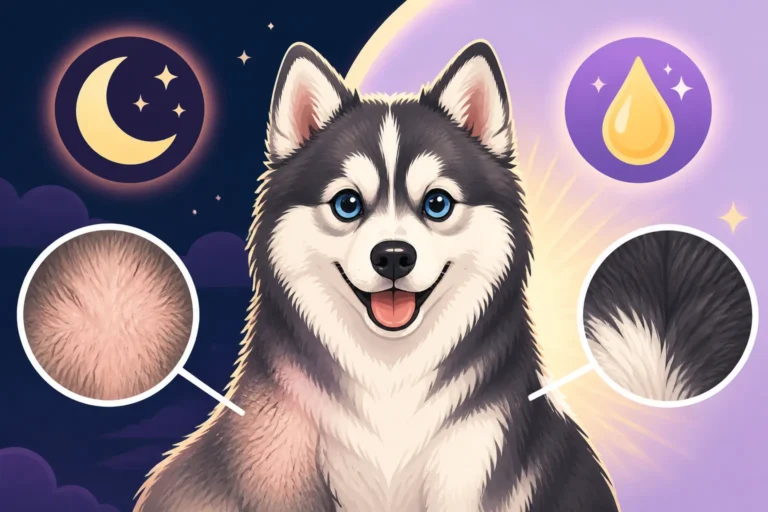
Imagine your Pomsky’s once lush, thick double coat starting to thin, usually in patches, or losing its primary guard hairs first. That’s often the initial sign of Alopecia X. This non-inflammatory, non-itchy hair loss typically begins on the flanks, tail, and hindquarters, eventually spreading to the torso, neck, and sometimes the head, though the head and paws often remain unaffected. The skin in affected areas might darken, become rough, dry, or even leathery, hence the "Black Skin Disease" moniker. The underlying cause is still not fully understood, but it's believed to be a hormonal imbalance related to sex hormones or adrenal gland abnormalities, though routine tests often come back normal.
The onset typically occurs in young to middle-aged adult dogs, usually between one and six years old, but it can appear earlier or later. It’s not uncommon to see a Pomsky puppy with an unusual coat texture that never quite "blows" into a proper adult double coat, or for a dog to suddenly start showing signs after a stressful event or even after neutering or spaying. For many owners, the first bald patch on a Pomsky can be a genuinely alarming sight, especially since their ancestors, the Husky and Pomeranian, both have such magnificent coats.
The Frustrating Diagnostic Journey for Alopecia X
The journey to diagnose Alopecia X can be a long and winding one, filled with multiple vet visits, various tests, and often, a lot of head-scratching. Because there’s no single definitive test for Alopecia X, it’s primarily a diagnosis of exclusion. This means your veterinarian has to systematically rule out every other possible cause of hair loss before they can confidently say it’s Alopecia X.
This process involves a thorough physical exam, blood tests, skin scrapes to check for parasites like mites (think demodex), fungal cultures to rule out ringworm, and often, a full thyroid panel. Vets are trained to approach hair loss methodically, ticking off the most common and treatable causes first. It’s completely understandable why a thyroid test is high on that list – thyroid issues are relatively common and easily managed. However, when those tests come back negative, and your Pomsky is still losing their beautiful fur, the frustration can build quickly. You might find yourself wondering, "Whether a thyroid test rules out Alopecia X in a Pomsky" in the first place, and the answer is a resounding 'no' because they are fundamentally different conditions.
The Role of Thyroid Testing in Diagnosing Hair Loss
Thyroid problems, specifically hypothyroidism (underactive thyroid), are a well-known cause of dermatological issues in dogs, including hair loss. It's a systemic problem that affects metabolism throughout the body, so its symptoms can be quite varied.
Hypothyroidism and Its Clinical Signs in Pomskies
When a Pomsky has an underactive thyroid, their body isn't producing enough thyroid hormones, which are crucial for regulating metabolism. The symptoms can be subtle at first and progress over time. Beyond hair loss, you might notice your Pomsky becoming lethargic, gaining weight despite no change in diet, seeking warmth more often, or even experiencing mental dullness. The hair loss associated with hypothyroidism typically presents as symmetrical thinning or balding, often on the flanks, chest, and tail, and the remaining hair might be dry and brittle. The skin itself can become thick and greasy, and dogs might be more prone to skin infections.
Unlike Alopecia X, where the hair loss is purely cosmetic and the dog usually feels fine otherwise, a hypothyroid Pomsky will often show other signs of being unwell. They might be less enthusiastic about walks, sleep more, and generally just not have their usual sparkle. This difference in overall health is a key indicator for veterinarians when differentiating between potential causes of hair loss.
Why Thyroid Tests Are Often the First Step
Given the clear link between hypothyroidism and hair loss, and the fact that it’s a relatively common and treatable condition, it makes perfect sense for veterinarians to start with a thyroid panel. It's a straightforward blood test that can quickly identify if the thyroid gland is functioning properly. If the thyroid hormone levels (specifically T4 and TSH) are outside the normal range, then you have a clear diagnosis and a clear path to treatment, which usually involves daily thyroid hormone supplementation.
This initial diagnostic step is both practical and responsible. Why go down a rabbit hole of more invasive or expensive tests if a simple blood draw can pinpoint the problem? Many pet insurance providers, such as Healthy Paws, recognize the importance of these initial diagnostic tests and often cover them, which can be a huge relief for owners facing unexpected vet bills. Early and accurate diagnosis of hypothyroidism can save your Pomsky from prolonged discomfort and prevent other health issues from developing.
Interpreting Thyroid Test Results
Interpreting thyroid test results isn’t always as simple as a clear "yes" or "no." Veterinarians typically look at a few different markers:
- Total T4 (TT4): This measures the total amount of thyroid hormone circulating in the blood. Low TT4 can indicate hypothyroidism, but it can also be influenced by non-thyroidal illnesses or certain medications.
- Free T4 (fT4): This measures the unbound, biologically active form of the thyroid hormone. It's generally considered a more reliable indicator because it's less affected by other factors.
- Thyroid-Stimulating Hormone (TSH): Produced by the pituitary gland, TSH stimulates the thyroid to produce hormones. In hypothyroidism, TSH levels are often elevated as the body tries to "kick-start" a failing thyroid gland.
A diagnosis of hypothyroidism is usually made when a dog has low TT4 and/or fT4 and a high TSH. However, it's not always cut and dry. Sometimes, a dog might have "sick euthyroid syndrome," where non-thyroid illnesses or certain medications can temporarily lower thyroid hormone levels, mimicking hypothyroidism, even though the thyroid gland itself is healthy. This is why a complete thyroid panel, including TSH, and a thorough clinical picture are essential. Your vet will evaluate your Pomsky’s overall health, other symptoms, and breed predisposition to make the most accurate diagnosis. This detailed approach is crucial, especially when distinguishing whether a Pomsky's coat loss is thyroid or Alopecia X.
Why a Normal Thyroid Test Doesn't Rule Out Alopecia X
This is the crux of the matter: a normal thyroid test simply tells you that your Pomsky's thyroid gland is doing its job. It doesn’t tell you anything about other potential causes of hair loss, especially complex conditions like Alopecia X.
Alopecia X as a Separate, Distinct Condition
Alopecia X is not a thyroid disorder. It’s believed to be a dermatological manifestation of an underlying hormonal imbalance, possibly involving sex hormones or adrenal gland hormones, or a defect in the hair follicles themselves, rather than a problem with the thyroid gland directly. Think of it this way: your car can have an engine problem (hypothyroidism) that causes it to stop, or it can have a flat tire (Alopecia X) that also prevents it from moving forward. Fixing the engine doesn't fix the flat tire.
When your Pomsky has Alopecia X, their thyroid gland is functioning perfectly normally. This means all those T4, fT4, and TSH levels will come back squarely within the healthy range. So, while a normal result is good news for their metabolic health, it doesn’t shed any light on why their fur is disappearing. This can be incredibly frustrating for owners who are hoping for a quick answer and a simple fix.
The Limitations of Blood Tests for Alopecia X
Unfortunately, there is no direct blood test to diagnose Alopecia X. Unlike hypothyroidism, which has clear hormonal markers that can be measured, Alopecia X doesn't have a single, measurable deficiency or excess in standard blood panels. Vets might perform specialized adrenal hormone tests (like an ACTH stimulation test or a dexamethasone suppression test) to investigate adrenal hyperplasia, which is sometimes associated with Alopecia X, but even these tests aren't definitive and often yield normal results in affected dogs.
This lack of a simple blood test is why Alopecia X remains a diagnosis of exclusion. You rule out all the other common, diagnosable causes of hair loss, and if nothing else fits, Alopecia X is the likely culprit. This can involve multiple rounds of testing and waiting, which can be stressful both emotionally and financially. This is where pet insurance, like a plan from Healthy Paws, can become invaluable, helping to ease the financial burden of these extensive diagnostic workups.
When a Skin Biopsy Becomes Necessary
If your vet has ruled out all the usual suspects – parasites, fungal infections, bacterial infections, and thyroid issues – and your Pomsky is still experiencing hair loss consistent with Alopecia X, a skin biopsy might be the next step. This is a minor surgical procedure where a small punch biopsy (a tiny circle of skin) is taken from the affected area, usually under local anesthetic and sedation, and sent to a specialized veterinary pathologist.
The pathologist examines the tissue under a microscope, looking for characteristic changes that indicate Alopecia X, such as "flame follicles" or "arrested hair follicles" and specific patterns of collagen deposition. While not always 100% definitive, a skin biopsy can provide strong supportive evidence for an Alopecia X diagnosis and further rule out other less common skin conditions. It's a more invasive step, but it can provide peace of mind and help confirm that you're dealing with a cosmetic issue rather than a more serious underlying disease.
Managing Your Pomsky's Hair Loss Journey
Dealing with a Pomsky's hair loss, especially when it's Alopecia X, requires patience, a good relationship with your vet, and often, some trial and error with management strategies.
Beyond the Thyroid: Other Causes of Hair Loss to Consider
It's vital to remember that hair loss isn't always Alopecia X or a thyroid problem. There's a whole host of other conditions that can cause a Pomsky to lose its fur, and your vet will want to explore these possibilities systematically.
- Allergies: Environmental allergies (atopy) or food allergies can lead to intense itching, which in turn causes scratching, biting, and rubbing, leading to hair loss. You might notice your Pomsky licking its paws or developing hot spots under a Pomsky's undercoat.
- Parasites: Fleas, mites (like sarcoptic or demodectic mange), and even some types of lice can cause severe itching and subsequent hair loss. Skin scrapes are usually done early in the diagnostic process to rule these out.
- Cushing's Disease (Hyperadrenocorticism): This condition, where the adrenal glands produce too much cortisol, can also cause symmetrical hair loss, thin skin, a pot-bellied appearance, increased thirst, and urination. Interestingly, the hair loss in Cushing's can sometimes look like Alopecia X in a Pomsky.
- Nutritional Deficiencies: While less common in dogs fed a high-quality commercial diet, deficiencies in certain nutrients, like zinc, can lead to skin and coat problems. Zinc Responsive Dermatosis in a Pomsky is a specific condition where dogs can develop crusty skin lesions and hair loss.
- Folliculitis and Pyoderma: Bacterial or fungal skin infections can cause inflammation, itching, and patchy hair loss.
- Genetics: Some breeds are simply predisposed to certain types of hair loss, and it’s important to understand the two opposite disease lists a Pomsky inherits from its parent breeds.
A good veterinarian will carefully consider all these possibilities, using diagnostic tests to narrow down the cause before settling on a diagnosis of Alopecia X.
Treatment Options and Management Strategies for Alopecia X
Since Alopecia X is largely a cosmetic condition and its exact cause isn't fully understood, treatment focuses on management rather than a cure. What works for one Pomsky might not work for another, so it's often a process of trying different things to see what helps.
One common treatment is oral melatonin supplementation. Many owners have seen anecdotal success with melatonin, with some Pomskies experiencing significant hair regrowth. The exact mechanism isn't fully understood, but it's thought to influence hair follicle cycles. What Melatonin Does for a Pomsky With Alopecia X delves into this further.
Another approach is neutering or spaying, especially if the hair loss is thought to be linked to sex hormone imbalances. Some dogs experience regrowth after being desexed, though it's certainly not a guarantee. Some dogs will also respond to specific microneedling techniques which stimulate the hair follicles.
It's crucial to avoid shaving a Pomsky with Alopecia X, or any double-coated breed for that matter. Shaving can actually exacerbate the problem, and in some cases, the hair may never grow back properly, or it might grow back only as a patchy, dull undercoat. Whether Shaving Triggers Coat Loss in a Pomsky is a vital read for any Pomsky owner. Regular bathing with specialized shampoos (such as those containing selenium sulfide or benzoyl peroxide) and conditioning treatments can help keep the skin healthy and prevent secondary infections, though they won't regrow hair.
Ultimately, accepting that Alopecia X is part of your Pomsky's unique makeup can be the healthiest approach. They might not have a perfect show coat, but they are still the same loving companion underneath.
The Importance of Working with a Veterinary Dermatologist
While your primary veterinarian can certainly start the diagnostic process, if you're struggling to get answers or your Pomsky isn't responding to initial treatments, consulting a board-certified veterinary dermatologist can be incredibly beneficial. These specialists have advanced training in skin and coat conditions and are often the best equipped to diagnose and manage complex cases of hair loss.
A dermatologist can perform more specialized tests, interpret biopsies with a higher level of expertise, and offer a wider range of treatment options based on the latest research. They can guide you through the pros and cons of various approaches, helping you make informed decisions for your Pomsky. While specialist visits can add to the cost of care, a good pet insurance plan from a company like Healthy Paws can help cover these expenses, ensuring your Pomsky gets the best possible attention without breaking the bank. Don't be afraid to ask for a referral if you feel like you're not making progress.
Here’s a quick comparison of Alopecia X and Hypothyroidism:
| Feature | Alopecia X (Black Skin Disease) | Hypothyroidism (Underactive Thyroid) |
|---|---|---|
| Primary Cause | Unknown, suspected hormonal imbalance (non-thyroidal) or follicular defect | Insufficient production of thyroid hormones by the thyroid gland |
| Hair Loss Pattern | Non-itchy, symmetrical or patchy, often on flanks, tail, hindquarters. Guard hairs may go first. | Symmetrical, thinning or balding, often on flanks, chest, tail. Dry, brittle hair. |
| Skin Appearance | Often darkens (hyperpigmentation), becomes dry, flaky, or leathery. | Thick, greasy skin; prone to secondary infections; sometimes hyperpigmented. |
| Other Symptoms | Generally no other signs of illness; dog feels well. | Lethargy, weight gain, cold intolerance, mental dullness. |
| Diagnostic Test | Diagnosis of exclusion; confirmed by skin biopsy. No specific blood test. | Blood tests (TT4, fT4, TSH) confirm low thyroid hormone levels. |
| Thyroid Test Result | Normal | Abnormal (low T4/fT4, high TSH) |
| Treatment | Melatonin, neutering/spaying, specific shampoos, sometimes micro-needling. Cosmetic focus. | Oral thyroid hormone supplementation (lifelong). |
| Prognosis | Cosmetic condition, generally good quality of life. Hair regrowth variable. | Excellent with proper medication; symptoms reverse with treatment. |
Disclaimer
This article is for general informational purposes only and does not constitute professional advice. Laws, prices and regulations vary by location and change over time. Consult a qualified professional for guidance on your specific situation.