What a Cesarean Costs a Pomsky Breeder
The journey of breeding Pomskies, while incredibly rewarding, often comes with unique challenges, and one of the most significant—both emotionally and financially—is the potential need for a Cesarean section. This guide aims to shed light on what a Pomsky breeder can expect regarding the costs and considerations involved when a C-section becomes necessary, offering a realistic look at this crucial aspect of responsible breeding.
Understanding Why a Cesarean Might Be Necessary for a Pomsky Dam
It's a common misconception that all dogs can just 'do their thing' when it comes to having puppies. For Pomskies, the reality is often quite different, largely due to the inherent size disparity between their parent breeds: the Siberian Husky and the Pomeranian. This difference isn't just about the parents; it affects the size of the puppies and the birthing canal of the mother.
The Challenges of Natural Birth in Pomskies
Pomsky breeding is almost exclusively done through artificial insemination, primarily because of the vast size difference between the male Pomeranian and the female Husky. The female Husky is chosen as the dam to ensure a safe pregnancy and delivery, as a Pomeranian dam carrying larger Husky-mix puppies would be exceptionally risky, if not impossible. Even with a Husky mother, however, there can still be challenges. Puppies can inherit a mix of sizes from both parents, and sometimes a puppy can simply be too large for the birth canal. This isn't just about the puppy's head size, but its overall body structure. A breeder preparing for a litter will already have invested a significant amount into "What a Pomsky Breeder Spends Before a Litter Exists" long before puppies are even conceived, let alone delivered.
Additionally, the unique genetic combination can sometimes lead to issues with uterine inertia, where the mother's uterus simply doesn't contract effectively enough to push the puppies out, even if they are appropriately sized. This can be primary inertia, where labor never properly starts, or secondary inertia, where the contractions stop due to exhaustion or other factors. These complications mean that even a well-planned breeding can quickly become a medical emergency. Understanding "Why a Pomsky Cannot Be Bred Naturally" gives you a glimpse into the delicate balance these breeders navigate.
Recognizing When a C-Section Becomes Crucial
Knowing when to intervene is paramount. Experienced breeders monitor their dams very closely as their due date approaches. Signs of trouble can include prolonged labor without a puppy being born, the mother straining for a long time without progress, visible signs of distress, or a drop in body temperature without subsequent labor within 12-24 hours. A veterinarian will often perform an ultrasound or X-ray to determine the number and size of puppies, and to assess whether they are in the correct position for birth. If it's clear that natural birth isn't progressing safely, a Cesarean section quickly transitions from a 'what if' to a 'must-do'. This decision is always made with the health and survival of both the mother and the puppies in mind. It's not a choice taken lightly, as it carries its own set of risks and, of course, costs.
Dissecting the Financial Impact of a Pomsky Cesarean
The cost of a Cesarean section for a Pomsky dam isn't a single, fixed number. It's a spectrum influenced by several critical factors, from whether it's an emergency procedure to the geographical location of the veterinary clinic.
Factors Influencing the Cost of a C-Section
First and foremost, whether the C-section is planned or an emergency plays a huge role. A planned C-section, often scheduled when a breeder and vet anticipate difficulties (e.g., historical issues, known large litter, specific breed concerns), is usually less expensive. Why? Because staff is scheduled, the procedure can happen during regular business hours, and there's less urgency and associated stress. An emergency C-section, however, typically occurs outside of normal hours – late at night, on weekends, or holidays – when veterinary emergency clinics charge significantly higher rates for their immediate availability and specialized care.
Location also matters immensely. Veterinary costs, like everything else, vary by region. A procedure in a large metropolitan area, say New York City or Los Angeles, will almost certainly cost more than the same procedure in a rural town. The type of veterinary facility also makes a difference; a specialized reproductive clinic or a 24-hour emergency hospital often has higher overheads than a smaller, general practice. The complexity of the case itself, including any complications with the dam or puppies, will also drive costs up. For instance, if the mother experiences excessive bleeding, or if puppies require intensive resuscitation, these additional efforts are factored into the total bill. Finally, the number of puppies, while not directly impacting the C-section surgical fee, can influence post-operative care if many puppies need extra attention or specialized equipment.
Breaking Down the Components of a C-Section Bill
When that bill arrives, it's typically a multi-faceted document. Here's what breeders often see:
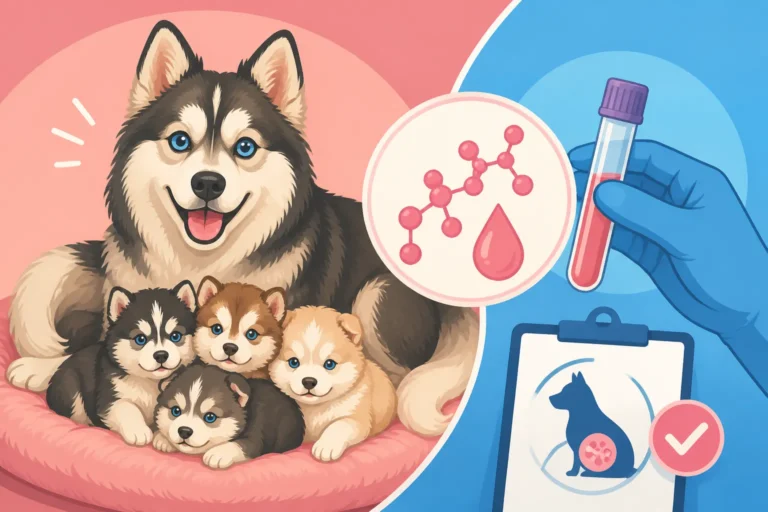
- Pre-operative care: This includes initial examinations, blood work to assess the dam's health and anesthesia risk, IV fluids, and potentially X-rays or ultrasounds to confirm the need for surgery. These diagnostic steps are crucial for ensuring the safest possible outcome.
- Anesthesia and surgical fees: This is the core cost. It covers the anesthetic drugs, monitoring equipment, the time of the veterinary surgeon and support staff (often multiple technicians), and the sterile surgical environment. "Whether Anesthesia Is Riskier on a Small Pomsky" is a concern, but the principles of safe anesthesia apply across all sizes, and good clinics use protocols tailored to the individual dog.
- Medications: Pain relief, antibiotics, and any other post-operative medications for the dam are included. This ensures her comfort and helps prevent infection during her recovery.
- Post-operative care for the dam: This might include an overnight stay for monitoring, continued IV fluids, and regular checks to ensure she's recovering well and bonding with her puppies.
- Puppy resuscitation and initial care: This is a vital, often labor-intensive part of the process. Each puppy needs to be revived, warmed, checked for abnormalities, and encouraged to breathe. Sometimes, special equipment like oxygen tents or incubators are needed, especially for weaker puppies. This initial, critical period sets the stage for "How Many Puppies a Pomsky Litter Holds" to survive and thrive.
- Additional supplies: Things like special bedding, nursing bottles, or colostrum supplements if the dam is slow to produce milk. Companies like Chewy offer a wide range of these essential supplies that breeders often stock up on in advance, just in case.
It's clear that a C-section is a significant financial undertaking, emphasizing the commitment required in responsible Pomsky breeding.
Navigating the Aftermath: Recovery and Long-Term Considerations
A C-section isn't just about the surgery itself; it's also about the critical recovery period for both the mother and her precious new litter. This phase demands careful attention and often extends the financial implications.
Post-Operative Care for the Dam
After a C-section, the dam needs a quiet, clean, and warm environment to recover. Her incision site must be monitored daily for any signs of infection or complications. This often means limiting her activity, preventing her from licking or chewing at her sutures (which might require an e-collar), and ensuring she has easy access to food, water, and a comfortable place to nurse her puppies. Pain management is crucial, and breeders will typically administer prescribed medications diligently.
The goal is to get her back on her feet quickly so she can focus on her maternal duties. A healthy, well-fed mother is essential for the puppies' early development. Sometimes, a high-quality food, perhaps from a brand like Ollie, is recommended to provide the extra nutrients a lactating mother needs to recover and produce sufficient milk for her growing family. This period also involves keeping a close eye on her temperament; a mother who has undergone surgery might be a bit disoriented or uncomfortable, and ensuring she feels secure with her puppies is vital for successful bonding and nursing.
Critical Care for Newborn Pomsky Puppies
Newborn Pomsky puppies, especially those born via C-section, can sometimes be a bit slower to get going. They might need extra help stimulating breathing, staying warm, and initiating nursing. The breeder often acts as a round-the-clock nurse, making sure each puppy gets a fair chance at the mother's milk, particularly the vital colostrum in the first 24 hours. Puppies born via C-section might also be more prone to issues like "Whether a Pomsky Puppy Crashes on Blood Sugar", requiring close monitoring and supplemental feeding if necessary.
The breeder's vigilance extends to monitoring for any signs of distress, ensuring they are gaining weight, and helping them find nipples. If the dam is recovering slowly or struggling with milk production, supplemental feeding with puppy formula might be needed, which adds to the ongoing costs. For a comprehensive look at the necessities, consider the information in "What Raising a Pomsky Litter Costs." Every healthy puppy that thrives post-C-section is a testament to the breeder's dedication and the veterinary team's skill.
The Breeder's Financial Preparedness
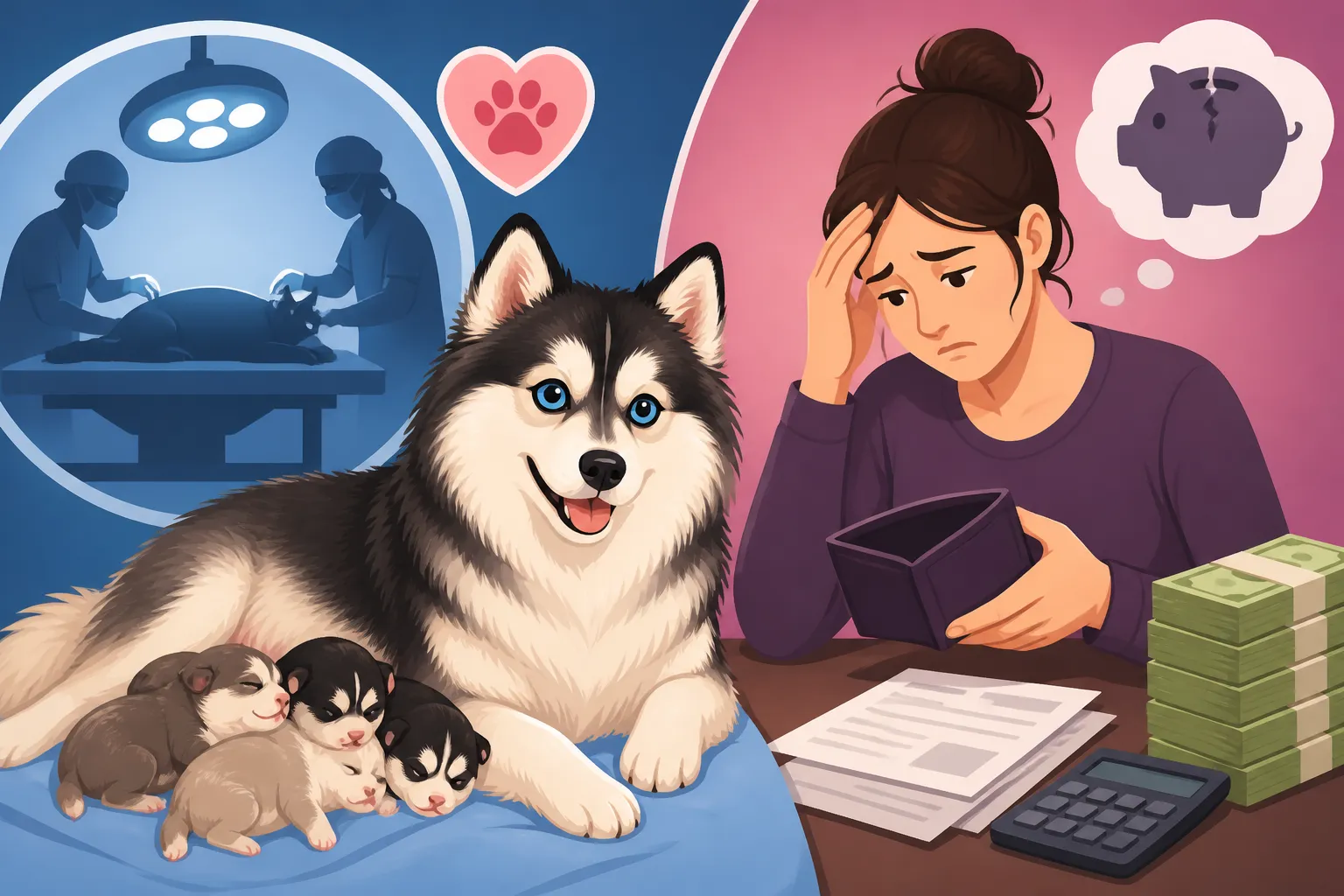
For any reputable Pomsky breeder, planning for a potential C-section is a non-negotiable part of the breeding budget. It's not a matter of 'if,' but 'when' it might be needed, and having funds set aside is crucial. Some breeders opt to budget for a planned C-section for every litter, even if it's not always used, because the costs are so substantial. Others rely on a dedicated savings account specifically for veterinary emergencies.
While pet insurance can be a lifesaver for individual pets, it's important to understand its limitations for breeding. Many standard pet insurance policies, even from providers like Healthy Paws, have specific exclusions for breeding-related expenses, including planned or emergency C-sections. Therefore, breeders cannot typically rely on insurance to cover these costs. Instead, they must incorporate these potential high expenses into their overall business model, which ultimately influences the price of puppies. It’s part of the extensive commitment, ensuring that the health and safety of the dam and puppies always come first. This upfront financial planning is integral to responsible breeding, often discussed in resources like "Setting Money Aside for a Pomsky's Vet Bills."
Here's a simplified look at potential C-section scenarios and their average cost factors (remembering these are highly variable and theoretical):
| Scenario | Urgency | Time of Day | Typical Cost Factors | Impact on Breeder |
|---|---|---|---|---|
| Planned C-Section | Low | Regular Business Hours | Pre-op diagnostics, surgery, routine post-op, medications | Manageable, budgeted, less stressful |
| Emergency C-Section | High | Nights, Weekends, Holidays | Higher emergency fees, diagnostics, extended staff time, complex post-op | Significant, unexpected, high-stress |
| C-Section with Complications | High (often) | Any time | All of the above, plus treatment for dam/puppy issues (e.g., hemorrhage, sick puppies) | Extremely high, potentially life-threatening for dam/puppies |
As you can see, the variables are many, and the price tag can quickly escalate. This is why transparency from breeders about their practices and costs is so valuable to prospective puppy owners.
Disclaimer
This article is for general informational purposes only and does not constitute professional advice. Laws, prices and regulations vary by location and change over time. Consult a qualified professional for guidance on your specific situation.