Whether a Mask Marked Pomsky Is Priced Higher
It's completely understandable to fall head over heels for the striking appearance of a Pomsky, especially when you see those adorable photos online with that signature "Husky mask." You start imagining your own little fluffball with those distinct facial markings, only to discover that some puppies with these coveted traits seem to carry a higher price tag. This can feel confusing and even a little frustrating, as you try to figure out if it's just hype or if there's a genuine reason behind the cost difference. This guide is here to shed some light on whether a mask-marked Pomsky is typically priced higher, and what really influences these pricing decisions.
Understanding Pomsky Pricing: The Basics Beyond Color
Before we dive into the specifics of mask markings, it's crucial to understand the fundamental factors that drive the overall cost of a Pomsky. The price isn't just pulled out of thin air; it reflects a multitude of expenses and efforts on the breeder's part, regardless of the puppy's eventual appearance.
Core Cost Drivers: What Really Sets the Price?
The baseline cost of a Pomsky is already elevated compared to many other breeds, and there are very specific reasons for this. First and foremost, Pomskies cannot be bred naturally. The significant size difference between a male Pomeranian and a female Husky makes natural breeding unsafe and virtually impossible for the dam. This means that conception almost always requires artificial insemination, a veterinary procedure that adds considerable expense. You can read more about this in Why Artificial Insemination Sets a Pomsky's Floor Price.
Beyond the initial breeding, a reputable breeder invests heavily in the health and well-being of their breeding dogs and puppies. This includes comprehensive health testing for the parent dogs, ensuring they are free from genetic conditions that can be passed down. Think about screenings for things like hip and elbow dysplasia, eye conditions, and patellar luxation – these aren't cheap tests. Then there's the cost of prenatal care for the Husky dam, potential C-sections if complications arise (which isn't uncommon given the mixed parentage), and the immense time and resources dedicated to raising a healthy litter. This encompasses quality food, vaccinations, deworming, initial vet checks, and proper socialization before the puppies go to their forever homes. What a Pomsky Breeder Spends Before a Litter Exists covers many of these unseen costs.
Reputation also plays a massive role. Breeders who consistently produce healthy, well-socialized puppies with predictable temperaments and looks often have higher prices due to demand and the trust they've built within the Pomsky community. This includes the effort to adhere to standards set by organizations like the International Pomsky Association (IPA), which, while not a traditional kennel club, strives for ethical breeding practices.
The "Mini Husky" Dream vs. Reality: Size and Appearance
One of the initial surges in Pomsky popularity stemmed from viral images circulating online, often depicting miniature Huskies. While many Pomskies certainly carry strong Husky traits, the reality is that the mix often leans more towards the Pomeranian in size and sometimes even in facial structure. It's a bit of a genetic lottery! Many prospective owners are specifically seeking that distinct Husky look in a smaller package. This includes the striking coat patterns, upright ears, often piercing blue eyes, and, of course, the facial mask.
When a breeder manages to produce puppies that strongly resemble this "miniature Husky" ideal – especially in terms of facial markings and eye color – the demand for those particular puppies can be significantly higher. Scarcity and desirability, like in any market, naturally drive up value. While it's important to remember that Why Most Pomskies Look Like Large Pomeranians is a common outcome, those who resemble Huskies more closely often capture more attention. This visual appeal directly translates into increased interest and, consequently, a premium price.
The Allure of the Masked Pomsky: Why Markings Matter
Now, let's talk about that captivating Husky mask. It’s undeniably one of the most recognizable and sought-after traits in a Pomsky, drawing people in with its wild, wolf-like charm.
Defining the Husky Mask: What It Is and Why It's Desired
When we talk about a "Husky mask," we're generally referring to the distinct patterns of dark fur around the eyes and sometimes extending over the forehead, creating a cap-like effect or spectacles. This can range from a full black or gray mask to a more subtle shading. It’s a trait that instantly connects a Pomsky visually to its Siberian Husky heritage. This isn't just about color; it's about the specific arrangement and definition of those patterns.
For many potential owners, this mask is the epitome of what they envision when they think of a Pomsky. It evokes images of majestic sled dogs, bringing a touch of wilderness into a compact, cuddly companion. This desire for an animal that clearly showcases its Husky lineage, even in a smaller size, means that puppies with a prominent and well-defined mask often stand out in a litter. It adds an exotic and striking element to their appearance, making them particularly photogenic and, for many, irresistible. The psychological impact of seeing a puppy that perfectly embodies this ideal is powerful.
The Rarity Factor and Visual Appeal
While many Pomskies will have some degree of marking on their face, a truly distinct, symmetrical, and well-pigmented mask isn't necessarily a guarantee in every litter. The genetic lottery of mixing two breeds means that traits can express themselves in countless ways. Some puppies might have a faint mask, an incomplete one, or a "dirty face" where the markings aren't crisp. Others might have no mask at all, or a completely different pattern.
A Pomsky puppy that displays a clear, balanced Husky mask, especially one combined with desirable eye colors, immediately becomes a high-demand individual. Breeders often find that these puppies are reserved quickly, sometimes even before they are old enough to leave their mother. The intense visual appeal and the perceived rarity of such a perfect expression of the Husky mask contribute significantly to its higher asking price. It's not just a mask; it's the fulfillment of the "mini Husky" aesthetic that many buyers are specifically seeking.
Factors Influencing Masked Pomsky Prices
So, while a mask itself might raise the price, there are nuances even within mask-marked Pomskies that can further differentiate their value. It's not just having a mask, but the quality of that mask, and what other traits it's paired with.
Quality of the Markings: Symmetry and Definition
Just like with any aesthetic trait, perfection commands a premium. A Pomsky with a mask that is clear, symmetrical, and sharply defined will often be priced higher than one with a smudged, uneven, or less distinct mask. Think of it like a piece of art; the precision and balance of the "design" on the puppy's face contribute to its perceived value.
Breeders, even those not strictly adhering to a formal breed standard (as Pomskies are a designer cross), understand what potential buyers find attractive. They know that a beautifully framed face, perhaps with distinct "eyebrows" or a perfectly proportioned cap, will draw more attention and offers. Conversely, a mask that looks more like random smudges or is heavily broken up might not fetch the same premium, even if it's technically a mask. This is often an area where a breeder's experience and eye for desirable traits come into play when setting individual puppy prices.
Overall Appearance Package: Eyes and Coat Color
A mask rarely acts alone in influencing price; it's often part of a complete "appearance package" that collectively increases desirability. The most significant enhancer to a Husky mask is undeniably eye color. Blue eyes, especially two clear blue eyes, are incredibly sought after in Pomskies and can significantly drive up the price. When you combine a striking Husky mask with those captivating blue eyes, you have a visual combination that many buyers are desperate for. The Blue Eyes People Buy a Pomsky For explains this phenomenon well.
You'll also find that specific coat colors and patterns can play a role. A classic black and white or gray and white Pomsky with a mask and blue eyes is often considered the "quintessential" look. However, unique colors like reds, sables, or even chocolates with well-defined masks can also command higher prices due to their rarity and the specific preferences of some buyers. What a chocolate Pomsky costs is an example of how unique colors can also add value. Conversely, less common eye colors like parti-eyes (one blue, one brown, or marbled) or bi-eyes (two different colored eyes) also have their unique appeal, and when paired with a good mask, can influence pricing upwards. What a Bi Eyed Pomsky Costs discusses this specific pricing detail.
Breeder Reputation and Demand
A breeder's reputation and the demand for their specific lines significantly impact pricing, regardless of individual markings. Breeders known for consistently producing healthy, well-tempered, and visually appealing Pomskies, particularly those with strong Husky characteristics like masks, will naturally have higher prices. They often have extensive waiting lists, and their puppies are snapped up quickly.
If a breeder has a history of producing mask-marked Pomskies with excellent health clearances and wonderful temperaments, they can justify a premium. This isn't just about the aesthetic; it's about the peace of mind that comes from knowing you're getting a puppy from a responsible source. While there's no official kennel club for Pomskies, organizations like the International Pomsky Association (IPA) do exist to promote responsible breeding. Checking for breeders who adhere to such guidelines, even informally, can be a good indicator of their commitment. What the International Pomsky Association Does provides more insight into their role. High demand, combined with limited supply of these specific, highly desirable looks, directly correlates to a higher price point.
Here’s a quick overview of how different appearance traits can affect a Pomsky's price:
| Appearance Trait | Typical Price Impact | Reasoning |
|---|---|---|
| Distinct Husky Mask | Moderate to High | High demand for "mini Husky" aesthetic, striking visual appeal. |
| Two Blue Eyes | High | Extremely sought after, exotic look, often paired with masks for maximum impact. |
| Bi-Eyes (e.g., one blue, one brown) | Moderate | Unique and captivating, also highly desired by many. |
| Wooly Coat | Moderate | Fluffier and denser coat, can be seen as more luxurious, but requires more grooming. The Wooly Pomsky Coat and Its Upkeep |
| Standard Coat | Neutral | Most common coat type, generally doesn't command a premium on its own. |
| Rare Coat Colors (e.g., chocolate, red, sable) | Moderate | Rarity can increase demand for specific aesthetic preferences. |
| Symmetry and Definition of Markings | Higher for crisp, even markings | Perceived quality and aesthetic perfection. |
Navigating the Pomsky Market for Specific Markings
When you're set on a Pomsky with specific markings like a striking mask, it’s important to approach the market strategically and with realistic expectations. The visual appeal is undeniable, but it's only one piece of the puzzle for a happy, healthy companion.
Asking the Right Questions to Your Breeder
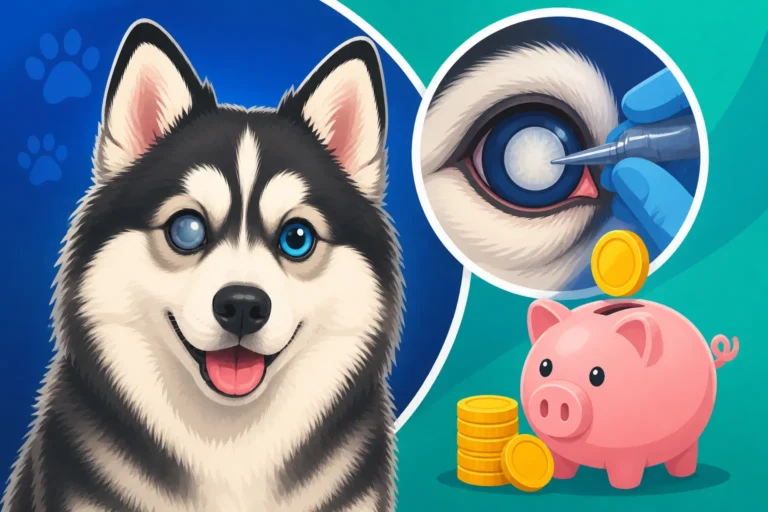
Falling in love with a photo of a masked Pomsky puppy is easy, but your due diligence shouldn't stop there. When speaking with breeders, don't just ask about the mask or eye color. Dive deep into questions about the health of the parents and previous litters. Ask about genetic testing results for both the Husky and Pomeranian parents. This includes screenings for common issues like patellar luxation, eye diseases, and hip dysplasia, all of which can affect Pomskies. The Health Tests a Pomsky Breeder Should Show will give you a comprehensive list of what to ask for.
A responsible breeder will be transparent about these things and happy to provide documentation. They should also be able to discuss the temperament of the parents, as this is a strong indicator of what you can expect from your puppy. Remember, you're not just buying a look; you're bringing a family member into your home for over a decade. Focus on finding a breeder who prioritizes health, temperament, and ethical practices above all else. For instance, a gorgeous mask won't prevent potential issues like Slipping Kneecaps in a Pomsky or The Eyes a Pomsky Gets From the Husky if the parents weren't properly screened.
Temperament Over Traits: A Word of Caution
It's so easy to get fixated on a specific look – that perfect mask, those blue eyes – but it's crucial to remember that a puppy's temperament and health are far more important in the long run. A Pomsky with a stunning mask might be incredibly stubborn, prone to separation anxiety, or have underlying health issues that could lead to significant heartbreak and expense down the line.
While the "mini Husky" look is what initially draws many people to the breed, the personality traits inherited from both parent breeds – the Husky's independence and high energy, and the Pomeranian's sometimes feisty and alert nature – mean that Pomskies require dedicated training and socialization. A beautiful mask won't make an untrained puppy any easier to live with. Prioritize a well-socialized, healthy puppy from a reputable breeder, even if their mask isn't absolutely "perfect."
Planning for the long term is also essential. Even the healthiest puppy can encounter unexpected medical issues. Having a robust pet insurance plan, like one offered by Healthy Paws, can provide significant peace of mind and financial protection against unforeseen veterinary costs throughout your Pomsky's life. Similarly, establishing a consistent diet from reliable sources like Chewy or exploring fresh food options from services like Ollie can contribute to their overall well-being. And remember, a Pomsky's mask can change or fade as they mature, so don't let it be your sole decision-making factor. Whether a Pomsky's Mask Fades is a good read on this topic. Ultimately, a happy, healthy Pomsky, regardless of its exact markings, will bring you far more joy than a visually perfect one with behavioral or health challenges.
Disclaimer
This article is for general informational purposes only and does not constitute professional advice. Laws, prices and regulations vary by location and change over time. Consult a qualified professional for guidance on your specific situation.