Slipping Kneecaps in a Pomsky
It's heartbreaking to watch your lively Pomsky suddenly yelp, pull up a back leg, and hop on three paws for a few steps before acting like nothing happened. This common scenario is often the tell-tale sign of a slipping kneecap, medically known as patellar luxation, a condition many Pomsky owners encounter. This comprehensive guide will walk you through everything you need to know about this painful and often confusing issue, from understanding its causes to managing symptoms and exploring treatment options, so you can help your beloved companion live a comfortable, happy life.
Understanding Patellar Luxation in Pomskies
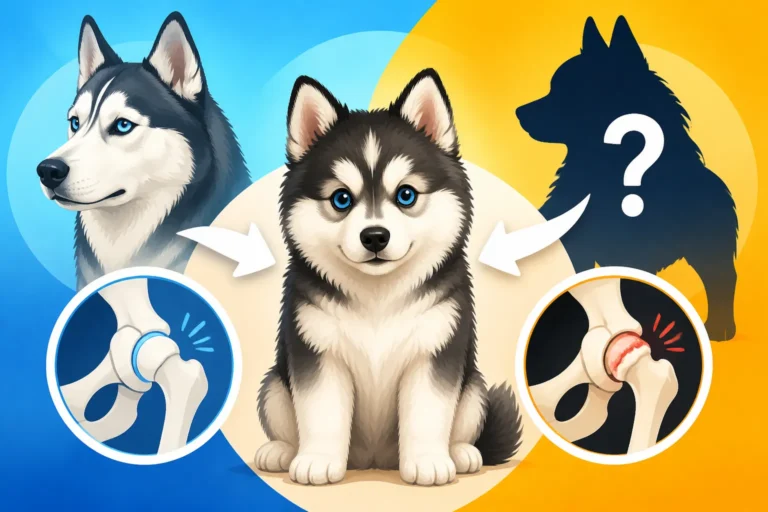
As a Pomsky parent, you’re probably already familiar with the unique blend of traits these wonderful dogs inherit from their Husky and Pomeranian lineages. While we adore their spirited personalities and stunning looks, it also means they can be susceptible to certain health conditions common in either parent breed. Patellar luxation, or a slipping kneecap, is one such concern, particularly inherited from the smaller, Pomeranian side of the family.
What Exactly is a Slipping Kneecap?
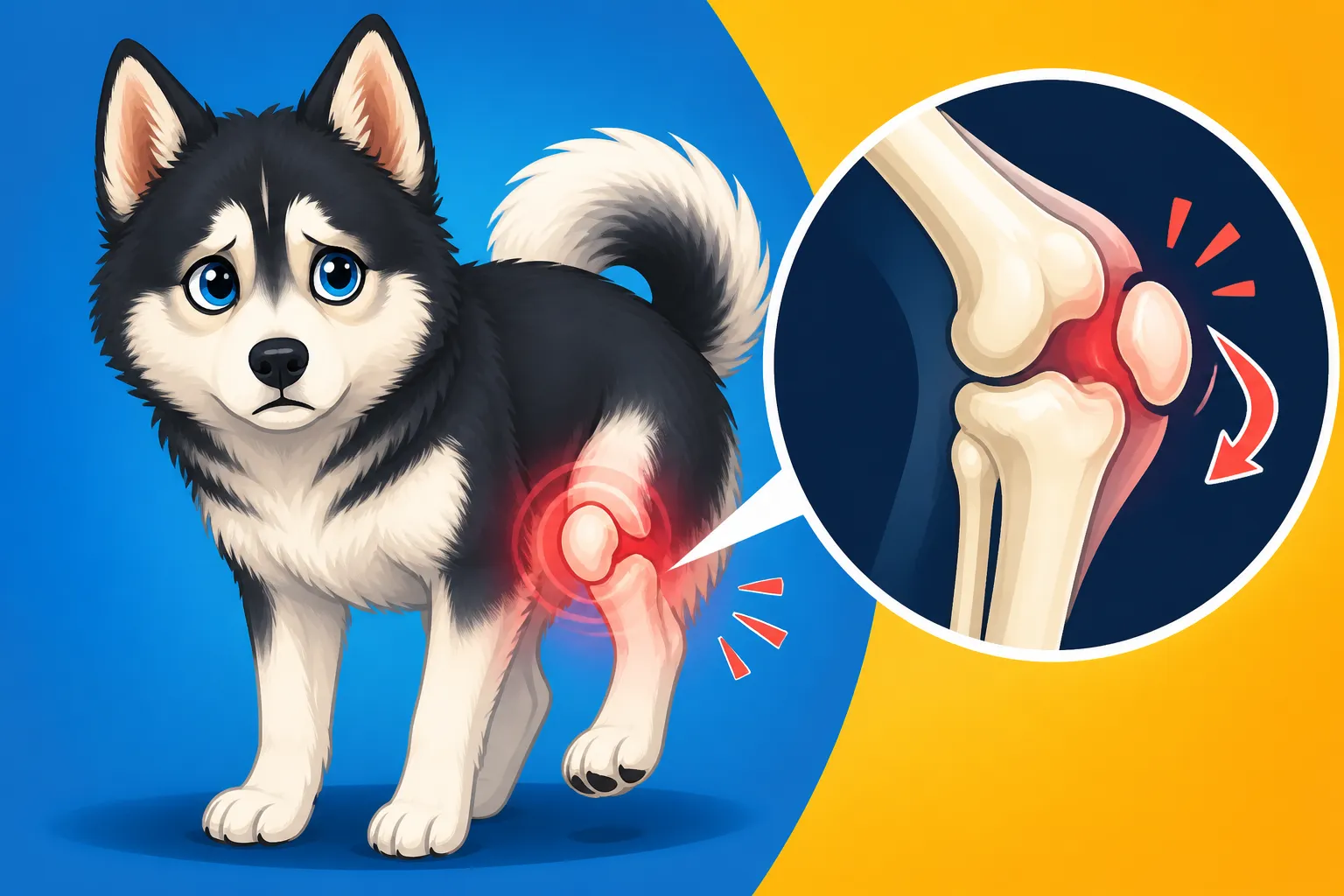
Let's break down what's actually happening when your Pomsky's kneecap decides to take an unauthorized detour. The kneecap, or patella, is a small, flat bone that sits in a groove at the end of the thigh bone (femur). It's connected to the muscles in the thigh by tendons, and its job is to act like a pulley, helping your dog extend its leg smoothly. Think of it as a crucial component in the knee joint's intricate machinery.
When we talk about patellar luxation, it simply means that this kneecap moves out of its normal position, slipping either to the inside (medial luxation, which is far more common in small breeds like the Pomeranian and, by extension, the Pomsky) or to the outside (lateral luxation) of that groove. This "luxation" causes pain and instability, leading to those moments of lameness you might observe. It’s not just a momentary inconvenience; repeated slipping can wear down cartilage and bone, paving the way for more serious issues like arthritis over time.
Why Pomskies are Prone to This Condition
The unfortunate truth is that patellar luxation is largely a hereditary condition, meaning it's passed down through generations. Pomskies inherit their susceptibility primarily from their Pomeranian parentage. Small and toy breeds are disproportionately affected due to certain anatomical characteristics. Their legs are often structured in a way that predisposes the kneecap to slip. For instance, the trochlear groove, where the kneecap normally rests, might be too shallow, or the attachment points of the tendons might be misaligned, pulling the kneecap off course.
It’s a cruel twist of fate for these charming dogs. While the Husky side of a Pomsky might lend some robustness, the delicate joint structures inherited from the Pomeranian can be a weak link. This combination makes it a prevalent concern, and responsible breeding practices are absolutely vital to try and mitigate its occurrence, though it's never a guarantee.
The Genetic Component of Patellar Luxation
Understanding the genetic aspect is critical for any Pomsky owner or prospective owner. Patellar luxation is considered a polygenic trait, meaning multiple genes contribute to its development, making it a complex issue to breed out entirely. However, responsible breeders strive to minimize its incidence by carefully screening their breeding stock. They typically have their parent dogs evaluated by the Orthopedic Foundation for Animals (OFA) or similar organizations for patellar health.
Even with the most meticulous genetic screening, an individual puppy might still develop the condition. It’s frustrating, to say the least, to do everything right and still face this challenge. But knowing that it has a strong genetic basis helps us understand why it appears and emphasizes the importance of supporting breeders who are transparent about their health testing and lineage. This commitment helps future generations of Pomskies have the best possible start in life, reducing the chances of passing on these predispositions.
Recognizing the Signs of a Slipping Kneecap
It can be unsettling to see your energetic Pomsky suddenly favoring a leg, especially when they bounce back so quickly. Identifying the signs of patellar luxation early can make a big difference in managing the condition and ensuring your dog's comfort.
The Classic Skip and Hop Gait
This is probably the most commonly observed symptom and often the first thing that makes owners suspect something is amiss. Your Pomsky will be trotting along, seemingly fine, and then suddenly, they'll pick up one of their back legs, taking a few steps or even a hop on three paws. Sometimes, they might give a quick kick out to the side before putting the leg back down, and then they carry on as if nothing ever happened. This "reset" motion is often them trying to pop the kneecap back into its groove manually.
The intermittent nature of this lameness is what often confuses owners. It's not a constant limp, which might signal a more obvious injury. Instead, it's a fleeting moment of discomfort that resolves almost immediately, making it easy to dismiss or attribute to a momentary stumble. But if you see this skip-and-hop repeatedly, especially when your Pomsky is excited or running, it’s a strong indicator of patellar luxation. This distinctive movement is often referred to as The Skip That Means a Pomsky's Knee Has Gone, and it's something to pay close attention to.
Other Subtle and Overt Symptoms
While the skip-and-hop is a classic, patellar luxation can manifest in other ways, some more subtle than others. You might notice your Pomsky being reluctant to engage in activities they once loved, such as jumping onto the couch or climbing stairs. They might hesitate before running or seem less enthusiastic about long walks. Sometimes, they might hold the affected leg up for longer periods, or you could observe a general stiffness, particularly after resting.
In more severe cases, you might even notice a change in how your Pomsky stands or walks permanently. For instance, with bilateral medial luxation (both kneecaps slipping inward), they might appear bow-legged, almost like they're walking on eggshells. If the luxation is severe or chronic, continuous pain or discomfort might lead to muscle atrophy in the affected limb due to disuse. You might also notice them being sensitive if you touch their knee area. The age this condition first appears can vary, but many owners notice The Age a Pomsky's Kneecap First Slips as early as puppyhood or young adulthood.
When to Consult Your Veterinarian
If you observe any of these symptoms, even if they seem minor or intermittent, it's crucial to consult your veterinarian without delay. Early diagnosis is key to managing patellar luxation effectively and potentially slowing its progression. Don't wait for the symptoms to become constant or debilitating. A quick examination can often confirm the suspicion, and then you and your vet can discuss the best course of action.
Your vet will conduct a thorough physical examination, manipulating the knee joint to assess its stability. They'll also likely ask you detailed questions about when you notice the lameness, how long it lasts, and what activities seem to trigger it. Providing a clear history of your Pomsky's symptoms is incredibly helpful for an accurate diagnosis. Remember, this isn't a condition that will just "get better on its own"; it requires intervention to prevent further damage and ensure your dog's long-term comfort.
Diagnosing Patellar Luxation in Your Pomsky
Once you've noticed the tell-tale skip or other concerning signs, the next step is a trip to your vet for a proper diagnosis. It’s natural to feel anxious, but a clear diagnosis is the first step toward effective management and relief for your Pomsky.
The Physical Examination Process
Diagnosing patellar luxation usually begins with a comprehensive physical examination by your veterinarian. They'll carefully observe your Pomsky's gait as they walk and trot. Then, they'll gently palpate, or feel, the knee joint, specifically looking for any instability of the patella. Your vet will flex and extend the leg, and sometimes apply gentle pressure to the kneecap, attempting to manually move it out of its groove. This manipulation helps them determine if the patella can be luxated, and if so, how easily.
A skilled veterinarian can often feel the kneecap slip out and back into place during this examination. They'll assess the range of motion in the joint and check for any discomfort or pain your Pomsky might express during the process. This hands-on evaluation is the cornerstone of diagnosing patellar luxation and provides invaluable information about the severity and specific type of luxation present.
Patellar Luxation Grades and What They Mean
During the physical exam, your vet will assign a grade to your Pomsky’s patellar luxation. This grading system, ranging from Grade I to Grade IV, helps categorize the severity of the condition and guides treatment decisions. It’s really helpful for understanding the full picture of what’s going on in that knee.
- Grade I: The patella can be manually luxated (slipped out of its groove) but immediately returns to its normal position once the pressure is released. Your Pomsky might show very infrequent signs of lameness, if any at all.
- Grade II: The patella luxates spontaneously or can be manually luxated, and it remains luxated for a short period before returning to its normal position, either on its own or with a little manipulation. This is where you'll most often see that characteristic "skip and hop" gait.
- Grade III: The patella is permanently luxated, meaning it's almost always out of its groove, but it can be manually returned to its normal position. However, it will slip out again almost immediately. Dogs with Grade III luxation often have a more persistent limp and may show more significant changes in leg structure, such as a bow-legged appearance.
- Grade IV: This is the most severe form. The patella is permanently luxated and cannot be manually returned to its normal position. Dogs with Grade IV luxation often exhibit severe lameness, pain, and significant skeletal deformities.
Understanding these grades, like those discussed in Patellar Luxation Grades in a Pomsky, is crucial for deciding on the best course of treatment, from conservative management to surgical intervention.
The Role of X-rays and Other Diagnostics
While a physical examination is typically sufficient for an initial diagnosis and grading, X-rays often play a supporting role. X-rays won't necessarily show the kneecap "slipping" in real-time, but they are incredibly useful for assessing the underlying bone structure. They can reveal the depth of the trochlear groove, the alignment of the tibia and femur, and detect any secondary changes that might have occurred due to chronic luxation, such as arthritis or bone deformities.
These images are also vital for ruling out other orthopedic conditions that can cause similar symptoms, like hip dysplasia, which can sometimes co-exist or mimic knee issues, or conditions like Legg Calve Perthes in a Small Pomsky. In rare, complex cases, or if surgery is being considered by a specialist, more advanced imaging like an MRI or CT scan might be recommended to get an even clearer picture of the soft tissues and joint structures. However, for most patellar luxation diagnoses, X-rays combined with a thorough physical exam provide all the necessary information.
Managing Patellar Luxation Without Surgery
For Pomskies with lower-grade patellar luxation (Grade I or II), or those who are not ideal candidates for surgery, conservative management can often significantly improve their quality of life. This approach focuses on minimizing pain, preventing further damage, and strengthening the surrounding structures.
Weight Management and Diet Adjustments
This is perhaps one of the most impactful, yet often overlooked, aspects of managing joint issues. Every extra pound your Pomsky carries puts additional stress on their joints, exacerbating the pressure on an already unstable kneecap. Maintaining an ideal body weight is paramount. Talk to your vet about your Pomsky's optimal weight range and how to achieve it. This might involve carefully measured portions of a high-quality, balanced diet, and potentially switching to a veterinary-prescribed weight-management food if your Pomsky is overweight.
Even small adjustments can make a huge difference. Swapping out high-calorie treats for healthier alternatives like plain cooked green beans or small pieces of carrot, and being consistent with meal times, can help keep those pounds in check. Keeping your Pomsky lean isn't just about looking good; it's a critical component of alleviating joint pain and preventing the progression of patellar luxation, providing a foundation for all other management strategies.
Exercise Modifications and Physical Therapy
While it might seem counterintuitive, exercise is still important, but it needs to be carefully modified. High-impact activities like jumping, sprinting, or extensive rough-and-tumble play with other dogs should be avoided as they can cause the kneecap to luxate repeatedly and worsen the condition. Instead, focus on low-impact activities that help build muscle strength around the joint without putting excessive strain on it.
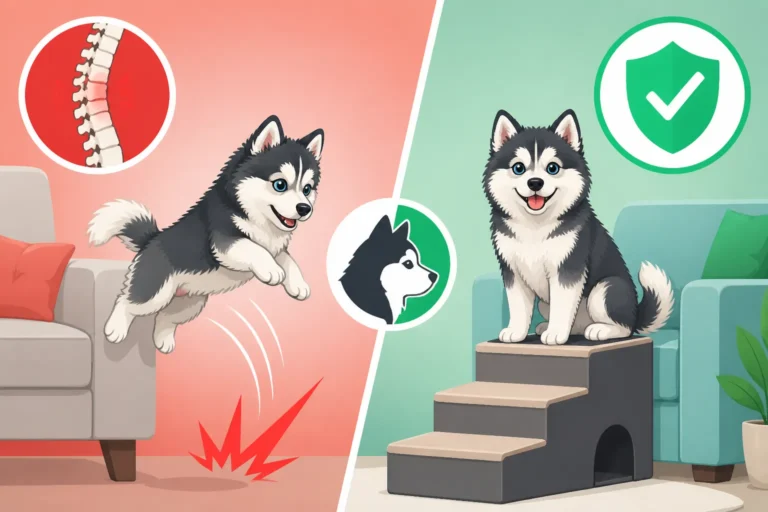
Controlled leash walks on even surfaces are excellent. Swimming is particularly beneficial because it allows for full range of motion without bearing weight, making it a fantastic way to strengthen supporting muscles. Canine physical therapy, including exercises designed to build quadriceps strength, can also be incredibly effective. A certified canine rehabilitation therapist can develop a tailored program for your Pomsky, including exercises like controlled sitting and standing, or gentle range-of-motion work. Furthermore, considering how your Pomsky interacts with its environment, preventing them from doing things like repeatedly jumping off furniture is important, so you might consider providing ramps or steps. These environmental modifications can significantly help, as outlined in guides like Whether a Pomsky Should Use Steps to the Couch or even Whether Stairs Damage a Pomsky's Knees.
Supplements and Medications for Joint Support
A range of supplements and medications can play a vital role in supporting joint health and managing pain for Pomskies with patellar luxation. Joint supplements containing ingredients like glucosamine, chondroitin sulfate, and MSM are widely recommended. These compounds are believed to help maintain cartilage health, reduce inflammation, and improve joint lubrication. Brands like Dasuquin and Cosequin are popular choices, but always discuss any supplements with your vet before introducing them to your dog's regimen.
Omega-3 fatty acids, often found in fish oil, are also beneficial for their anti-inflammatory properties. For managing acute pain or inflammation during flare-ups, your veterinarian might prescribe non-steroidal anti-inflammatory drugs (NSAIDs) such as carprofen (Rimadyl) or meloxicam (Metacam). These medications help reduce pain and swelling, making your Pomsky more comfortable. However, NSAIDs should always be used under veterinary supervision, as they can have side effects. The question of Whether Joint Supplements Help a Pomsky is often a resounding yes in these cases, offering a significant improvement for many dogs. This comprehensive approach, combining diet, exercise modification, and appropriate supplementation or medication, forms the backbone of non-surgical management.
Surgical Interventions for Pomsky Kneecaps
When conservative management isn't enough, or for higher-grade luxations, surgery often becomes the most effective long-term solution to correct patellar luxation and provide lasting relief for your Pomsky.
Types of Surgical Procedures Available
Veterinary surgeons employ several techniques, often in combination, to stabilize the kneecap. The goal is always the same: to ensure the patella tracks smoothly within its groove and doesn't slip out.
- Trochleoplasty: This procedure involves deepening the trochlear groove in the femur where the kneecap sits. If the groove is too shallow, the patella has no stable channel to follow. Surgeons might use a wedge recession (removing a wedge of bone and cartilage, deepening the groove, and then replacing the wedge) or a block recession (removing a block, deepening the groove, and replacing the block).
- Tibial Crest Transposition: This is a very common technique. The tibial crest is a bony prominence on the shin bone (tibia) where the patellar ligament attaches. If this attachment point is misaligned, it pulls the kneecap out of its groove. The surgeon carefully cuts and moves this bony prominence to a new, correctly aligned position and then reattaches it with pins or sutures. This corrects the "pull" on the kneecap.
- Fibular Head Ostectomy / Lateral Release / Medial Imbrication: Sometimes, soft tissue procedures are also needed. A lateral release involves cutting tight tissues on the outside of the knee that are pulling the kneecap out, while a medial imbrication tightens the tissues on the inside to hold the kneecap in place. A fibular head ostectomy might be performed to reduce tension on the joint capsule in certain cases.
Often, a combination of trochleoplasty and tibial crest transposition yields the best results, addressing both the bony architecture and the soft tissue alignment.
Deciding if Surgery is the Right Choice
The decision to proceed with surgery is a significant one and typically involves a thorough discussion with your primary veterinarian and potentially a board-certified veterinary orthopedic surgeon. Generally, Pomskies with Grade III or IV patellar luxation are strong candidates for surgery because the condition is usually painful, debilitating, and unlikely to improve with conservative management. For Grade II luxation, surgery might be recommended if your Pomsky is experiencing persistent pain, lameness that significantly impacts their quality of life, or if the condition appears to be progressing.
Factors influencing the decision include your Pomsky's age, overall health, whether they have other orthopedic issues, and your commitment to the extensive post-operative rehabilitation. It's also important to consider the potential for developing arthritis if left untreated. The question of Whether a Pomsky's Kneecap Needs Operating is a complex one, but typically, if the luxation is causing consistent discomfort or significantly hindering your dog's mobility, surgery offers the best chance for long-term comfort and function. Likewise, understanding Which Patella Grade Needs Surgery in a Pomsky will be a key part of your vet's recommendation.
Post-Operative Care and Recovery Expectations
Undergoing knee surgery is just the beginning; the post-operative care and rehabilitation are just as crucial, if not more so, to a successful outcome. Immediately after surgery, your Pomsky will need strict rest and pain management. This means confinement to a crate or small, safe area, with only short, leashed walks for potty breaks. Pain medications will be prescribed to keep them comfortable during the initial healing phase.
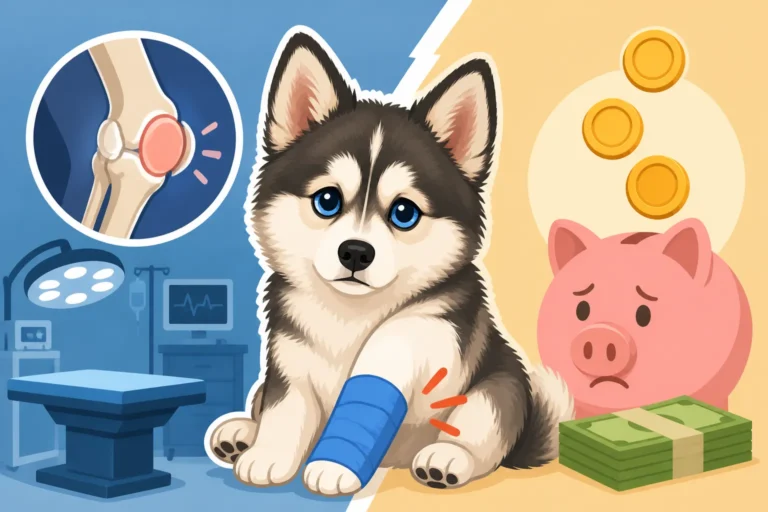
Physical therapy, often starting with passive range-of-motion exercises, is vital to restore strength, flexibility, and proper gait. This might involve regular visits to a canine rehabilitation specialist, or you might be taught exercises to do at home. Recovery is a gradual process, typically taking several weeks to a few months for full weight-bearing and return to normal activity. Throughout this period, adherence to your vet's instructions is paramount to prevent complications such as infection, implant failure, or re-luxation. It’s a dedicated journey, but seeing your Pomsky regain their mobility and joy is incredibly rewarding. Of course, the costs associated with these procedures can be significant, so understanding What Patella Surgery Costs a Pomsky Owner is also important. This is an area where having a good pet insurance plan, like those offered by Healthy Paws, can really come in handy, helping to cover a substantial portion of the surgical and rehabilitation expenses.
Living with a Pomsky with Patellar Luxation
Whether your Pomsky has undergone surgery or is managed conservatively, living with patellar luxation requires ongoing attention and a commitment to their comfort and well-being. It's about adapting and creating the best possible life for your furry friend.
Creating a Safe and Supportive Home Environment
Making small adjustments to your home environment can significantly reduce strain on your Pomsky's knees and prevent further luxation. One of the biggest culprits for joint stress is jumping. Consider providing ramps or pet stairs for accessing furniture like sofas and beds. This eliminates the impact of repeated jumping down, which can be detrimental to unstable joints.
Hard, slippery floors can also pose a challenge, as your Pomsky might struggle to gain traction, leading to slips and falls that could re-injure the knee. Lay down non-slip rugs or runners in high-traffic areas to provide better grip. Ensure their bedding is supportive and comfortable, providing adequate cushioning for their joints. Investing in an orthopedic bed can make a big difference, especially as they get older. These simple changes can create a much safer and more comfortable living space for your Pomsky, reducing the risk of accidental slips and further injury.
Long-Term Outlook and Potential Complications
The long-term outlook for Pomskies with patellar luxation varies depending on the severity of the condition, the chosen treatment, and the owner's diligence in management. With successful surgical correction and diligent post-operative care, many dogs regain excellent function and live full, active lives. However, even with successful surgery, there's always a risk of arthritis developing in the affected joint later in life due to the previous instability and wear-and-tear. This is why ongoing joint support, through diet and supplements, is often recommended for the rest of their lives.
Another consideration is the potential for the other kneecap to luxate, as the condition often affects both knees. This is a common concern among owners, and understanding Whether Both of a Pomsky's Knees Go is a valid query. Careful monitoring of the unaffected knee is important. Regularly assessing your Pomsky for signs of pain, stiffness, or changes in gait will be a lifelong commitment. While complications like infection or re-luxation are rare after successful surgery, they can occur, highlighting the need for vigilance and prompt veterinary attention if any new issues arise.
The Importance of Regular Vet Check-ups
Even after initial treatment, regular veterinary check-ups are absolutely vital for any Pomsky with a history of patellar luxation. These appointments allow your vet to continuously monitor the health of the affected joint(s), assess for any signs of developing arthritis, and make necessary adjustments to medication or supplement regimens. Your vet can check your Pomsky's muscle condition, range of motion, and pain levels, ensuring they remain as comfortable as possible.
These routine visits are also an excellent opportunity to discuss any new concerns you might have or observe at home. Early detection of secondary issues, like the onset of arthritis or luxation in the opposite knee, allows for prompt intervention, which can significantly improve outcomes. Building a strong, trusting relationship with your veterinarian is invaluable; they are your best resource for navigating the long-term care of a Pomsky with patellar luxation, helping you ensure they maintain the best possible quality of life for years to come. When you're looking at long-term care, especially with a breed prone to specific issues, having robust pet insurance like Healthy Paws can truly ease the financial burden of these ongoing appointments, diagnostics, and potential future treatments.
Preventing Patellar Luxation in Pomskies
While patellar luxation has a strong genetic component that can't be entirely eliminated through lifestyle, there are definitely steps responsible owners and breeders can take to reduce its risk and impact. Prevention truly starts before your Pomsky even enters your home.
Responsible Breeding Practices
This is arguably the most critical aspect of prevention. Because patellar luxation is largely hereditary, responsible breeders play an immense role in minimizing its prevalence. A reputable Pomsky breeder will meticulously health test their breeding dogs, including specific orthopedic evaluations for patellar luxation. They should be able to provide clear documentation, such as Orthopedic Foundation for Animals (OFA) certifications, showing that both parent dogs have sound patellas with no evidence of luxation.
Breeders committed to the health of their lines will not breed dogs diagnosed with patellar luxation, regardless of how minor the grade. They understand that even a Grade I luxation, while perhaps not causing immediate clinical signs, still carries the genetic predisposition that could be passed on to puppies. Choosing a breeder who prioritizes health testing and is transparent about their dogs' lineage and health history is the single most important step you can take to bring home a Pomsky with the best chance of having healthy knees. This diligence helps to ensure that issues like Whether an F1 Pomsky Is Healthier Than an F2 are also considered in the broader context of genetic health.
Early Puppy Care and Environment
Once you bring your Pomsky puppy home, nurturing their development in a way that supports healthy joint growth is essential. While you can't change their genetics, you can influence how their body matures. Avoiding excessive strain on developing joints is crucial. This means:
- Controlled Exercise: Don't allow your puppy to engage in strenuous activities like forced long runs, excessive jumping, or rough, uncontrolled play for extended periods, especially on hard surfaces. Their bones and joints are still developing, and too much impact can stress them.
- Preventing Obesity: Puppy fat might look cute, but carrying excess weight, even as a youngster, puts unnecessary strain on growing joints. Feed a high-quality puppy food appropriate for their projected adult size, and follow feeding guidelines to ensure they grow at a healthy, steady rate, not too quickly.
- Safe Environment: Provide a safe play area where slipping is minimized. Supervise interactions with other dogs to prevent overly boisterous play that could lead to injury.
Thoughtful early care can help ensure your Pomsky's joints develop as strongly as possible, giving them the best foundation to ward off or mitigate conditions like patellar luxation.
Nutrition and Exercise for Proactive Joint Health
Beyond puppyhood, maintaining excellent nutrition and appropriate exercise throughout your Pomsky's life continues to be vital for joint health. A balanced diet rich in essential nutrients supports strong bones, cartilage, and connective tissues. Some high-quality dog foods even include joint-supporting ingredients like glucosamine and chondroitin, which can be beneficial as a preventative measure for breeds prone to orthopedic issues. Discuss with your vet if a specific diet or a proactive joint supplement would be beneficial for your Pomsky, even before any symptoms appear.
Consistent, moderate exercise is key. Regular walks, swimming, and controlled play help to build and maintain strong muscles around the knee joint, which can act as natural stabilizers for the patella. However, always remember to keep it low-impact and avoid activities that involve repetitive jumping, twisting, or sudden stops and starts that could put undue stress on the knees. Just like people, dogs benefit from an active lifestyle, but it needs to be the right kind of activity. Proactive care for your Pomsky's joints isn't just about reacting to problems; it's about building a lifestyle that supports their long-term orthopedic health. Before committing to a Pomsky, it's wise to investigate how potential future conditions like patellar luxation might be covered by policies from providers such as Healthy Paws, specifically checking Whether Patella Trouble Is Excluded on a Pomsky Policy. Being prepared can save a lot of heartache and financial strain down the road.
Disclaimer
The information provided in this guide is intended for general informational and educational purposes only, and should not be considered as a substitute for professional veterinary advice, diagnosis, or treatment. Always seek the advice of your qualified veterinarian with any questions you may have regarding a medical condition or treatment for your Pomsky. Never disregard professional veterinary advice or delay in seeking it because of something you have read in this article.