Whether a Pomsky Can Live in a Hot State
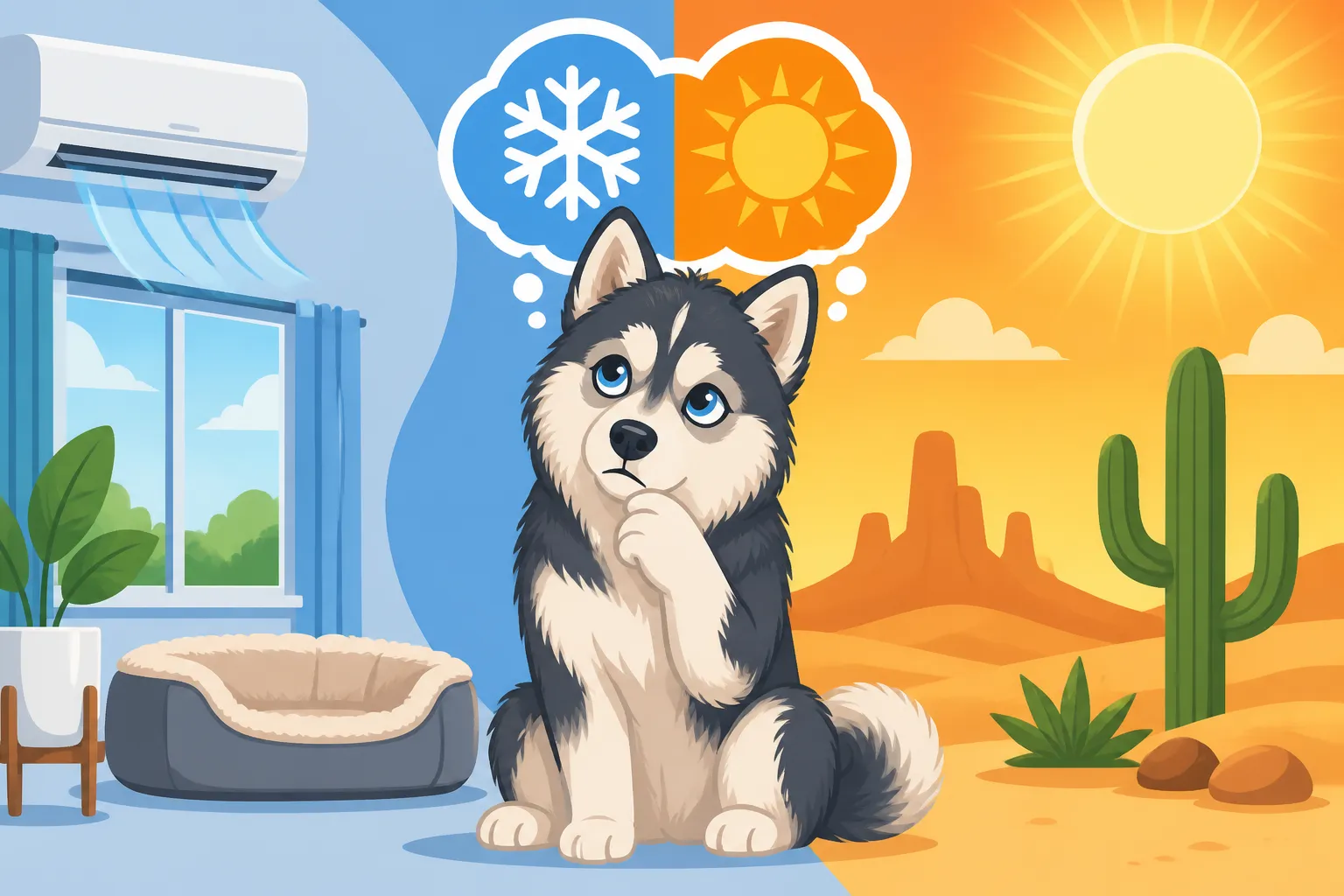
Many aspiring Pomsky parents living in sunnier climates often wonder if their adorable, fluffy companions can truly adapt to the heat without suffering. The truth is, while their stunning double coats make them seem perfect for snowy adventures, Pomskies can live comfortably in hot states, but it requires diligent care, a deep understanding of their unique needs, and significant adjustments to their daily lives. This comprehensive guide will walk you through everything you need to know to ensure your Pomsky stays happy and healthy, even when the mercury soars.
Understanding the Pomsky's Double Coat and Its Climate Adaptability
The Pomsky is a captivating blend of the Siberian Husky and the Pomeranian, and nowhere is this blend more evident than in their coat. Both parent breeds boast dense double coats, and your Pomsky will inherit some variation of this magnificent, yet demanding, fur. This coat is often the first thing people worry about when considering a Pomsky in a hot environment, and for good reason.
The Husky and Pomeranian Influence on Coat Type
Let's talk about those gorgeous coats. A Pomsky’s coat is typically a dense, double-layered affair, a legacy from both its Siberian Husky and Pomeranian ancestors. The outer layer consists of longer, coarser guard hairs that are water-resistant and protect against dirt and UV rays. Beneath that lies a soft, thick undercoat designed to provide insulation. When you look at The Pomsky That Carries a Husky Coat at Twenty Pounds, you're seeing a dog built for temperature regulation. Some Pomskies might lean more towards the longer, fluffier Pomeranian-like coat, while others will have the sleeker, yet still dense, Husky coat. There are generally The Three Pomsky Coat Types: standard, wooly, and short-coated. Even the short-coated variation retains a double layer, though less pronounced.
This double coat isn't just for looking pretty; it’s a sophisticated piece of natural engineering. In cold weather, it traps air to keep them warm. What many people don't realize is that this very same coat also helps keep them cool in warmer temperatures. It acts like an insulating barrier, preventing the sun's heat from reaching their skin and trapping cooler air close to their body. Think of it like a thermos: it keeps hot things hot and cold things cold. However, this natural mechanism works best when the coat is well-maintained and not matted or clogged with shed undercoat.
It’s crucial to understand that while the coat offers some protection, it doesn't make them immune to heat. It merely gives them a fighting chance. Without proper management and owner vigilance, that beautiful coat can quickly become a liability rather than an asset in scorching temperatures. Your Pomsky will also "blow" their coat, typically Whether a Pomsky Blows Its Coat Twice a Year, which is a significant shedding event where they lose large amounts of undercoat. Managing this shedding is vital for their comfort in any climate, especially a hot one.
How the Double Coat Works in Different Temperatures
As mentioned, the double coat is a marvel of nature's design. The dense undercoat provides insulation, and the guard hairs protect against external elements. In cold weather, the undercoat traps a layer of warm air generated by the dog's body, keeping them toasty. In hot weather, it works in reverse: it helps to keep external heat out and allows a layer of cooler air to circulate against the skin. This airflow is critical for cooling, as dogs primarily regulate their body temperature through panting and through the pads of their feet.
However, this system is not foolproof, especially in high humidity where panting becomes less effective. If the coat becomes matted or excessively dirty, it loses its insulating properties and impedes air circulation, making your Pomsky much more susceptible to overheating. This is why regular grooming is non-negotiable. Furthermore, even with a perfectly maintained coat, there's a limit to how much heat a Pomsky can dissipate, particularly when the ambient temperature is extremely high, or they are exposed to direct sunlight for prolonged periods. Think of yourself wearing a heavy winter coat in the summer – it offers insulation, but eventually, you'll still get uncomfortably hot.
Understanding The Temperature a Pomsky Starts Struggling At is key. Generally, any temperature above 75-80°F (24-27°C) with moderate to high humidity can start to pose a risk. Factors like age, overall health, and activity level also play a huge role. A young, active Pomsky might push themselves too far without realizing it, while an older or less active one might overheat simply by lying in the sun. This is where your constant monitoring comes into play.
Why Shaving is Never the Answer for a Hot Pomsky
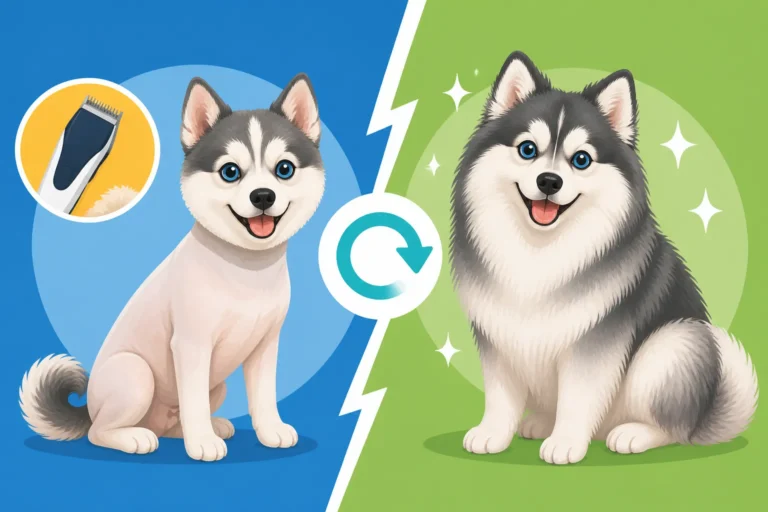
It’s a common, yet dangerous, misconception that shaving a double-coated dog like a Pomsky will keep them cooler. In reality, Why a Pomsky Must Never Be Shaved in hot climates. Shaving actually harms their natural temperature regulation system and exposes their delicate skin to the sun. When you shave off the guard hairs, you remove their natural sunblock, making them vulnerable to painful sunburn and increasing their risk of skin cancer.
Moreover, shaving can permanently damage the double coat. The undercoat often grows back faster and thicker than the guard hairs, leading to a "wooly" texture that can mat more easily and actually trap heat, rather than releasing it. This condition is often referred to as "post-clipping alopecia" or "clipper alopecia" and can result in patchy, poor regrowth or a permanently altered coat texture. Many owners report their Pomsky’s coat never fully recovers its original texture or density after being shaved.
Instead of shaving, focus on meticulous grooming to manage the undercoat. Regular brushing, especially with an undercoat rake, helps remove loose, dead fur, allowing air to circulate close to the skin. This keeps the insulating properties of the coat intact while maximizing cooling efficiency. Professional groomers specializing in double-coated breeds can perform "deshedding" treatments that thin out the undercoat without damaging the protective guard hairs. This is the only safe and effective way to help your Pomsky stay cool through their coat.
Recognizing and Preventing Overheating in a Hot Climate
Living in a hot state means you need to be constantly vigilant about your Pomsky's comfort and safety. Overheating can quickly escalate into a life-threatening emergency, so knowing the signs and taking proactive steps to prevent it are paramount.
Key Signs of Heat Stress and Heatstroke
It's absolutely vital to be able to spot the early warning signs that your Pomsky is getting too hot. Don't wait until it's too late. The initial stages of heat stress can be subtle, but they rapidly progress to dangerous heatstroke if not addressed. The most common early indicator is excessive panting – your Pomsky will be panting much harder and faster than usual, and it won't slow down. Their gums might appear a brighter red than normal, or in severe cases, pale or bluish.
Other critical Signs a Pomsky Is Overheating include:
- Excessive Thirst: They'll be drinking water constantly, or desperately trying to find it.
- Glazed Eyes: Their eyes may look unfocused or glassy.
- Lethargy or Weakness: They might stumble, seem disoriented, or simply lie down and refuse to move.
- Dark Red Gums and Tongue: This indicates increased blood flow as their body tries to cool down.
- Vomiting or Diarrhea: These can be serious signs of internal distress.
- Thick, Ropey Saliva: Their drool might become thick and sticky.
- Elevated Body Temperature: A rectal temperature above 104°F (40°C) is an emergency.
- Staggering or Collapse: Loss of coordination.
- Seizures: A sign of severe neurological damage due to overheating.
If you observe any of these symptoms, particularly the later ones, it's an emergency. Immediately move your Pomsky to a cooler environment, apply cool (not icy) water to their belly, armpits, and paw pads, and get them to a veterinarian as quickly as possible. Don't try to cool them too rapidly, as this can cause further complications. Just get them to the vet. This is where pet insurance, like a plan from Healthy Paws, can be invaluable, covering unexpected emergency costs.
Strategies for Exercising a Pomsky Safely in the Heat
Pomskies are energetic dogs, inheriting a need for activity from both their Husky and Pomeranian sides. However, intense exercise in hot weather is a recipe for disaster. You need to adjust their exercise routine drastically when temperatures climb. The most crucial rule is to avoid peak heat hours. This means early morning walks (before 8 AM) and late evening strolls (after 8 PM). On scorching days, sometimes only a very short potty break is safe.
Consider the surface your Pomsky walks on. When to Walk a Pomsky in Summer isn't just about air temperature; it's about pavement temperature. Asphalt can reach incredibly high temperatures, easily burning paw pads. If it's too hot for your bare hand to hold on the pavement for five seconds, it's too hot for your Pomsky's paws. Stick to grassy areas, shaded trails, or indoor activities. Investing in dog boots can offer some protection, but they shouldn't be relied upon for prolonged walks on hot surfaces.
Beyond walks, think about alternative ways to let them burn energy. Instead of a long outdoor hike, consider indoor games, puzzle toys, or short training sessions in an air-conditioned space. Supervised swimming can be a fantastic way to cool down and provide exercise, but always ensure they have a safe exit from the water and are closely monitored. Whether a Pomsky Should Swim to Cool Down can be a great option for some, but ensure they are comfortable swimmers and don't ingest too much water. Remember that even a walk on a cloudy day can be dangerous if the humidity is high, as it impairs their ability to cool through panting.
Creating a Cool Environment Indoors and Outdoors
Your home needs to be a sanctuary from the heat. If you live in a hot state, Whether a Pomsky Needs Air Conditioning isn't a luxury; it's a necessity. Keep your air conditioning running during the hottest parts of the day, even if you’re not home. Programmable thermostats can be a lifesaver. Ensure your Pomsky has access to the coolest rooms in the house, often tiled areas or rooms with good airflow.
For outdoor time, shade is paramount. If your Pomsky spends any time outside, they must have constant access to deep, natural shade, like under a tree, or a sturdy shaded structure. Even then, on extremely hot days, outdoor time should be minimal. Consider elevated dog beds, which allow air to circulate underneath, keeping them cooler than lying directly on hot pavement or grass. Cooling mats, which contain a gel that activates with pressure, can also provide relief. Simply put, if you wouldn't be comfortable outside, your Pomsky definitely won't be either.
Access to fresh, cool water is non-negotiable, both indoors and out. Use multiple water bowls in different locations, ensuring they are always full and clean. You can add ice cubes to their water to keep it cooler longer, or even offer frozen treats like canine-safe popsicles or ice cubes with low-sodium broth. A kiddie pool filled with a few inches of water in a shaded area can also offer a refreshing spot for your Pomsky to dip their paws or belly.
Practical Considerations for Pomsky Ownership in Hot States
Bringing a Pomsky into a hot climate isn't just about managing their coat or exercise; it involves a holistic approach to their daily life, health, and routine. It's about constant awareness and adapting everything from their grooming to their veterinary care.
Daily Routines and Lifestyle Adjustments
Successfully owning a Pomsky in a hot climate requires a significant overhaul of what might be considered a "normal" dog routine elsewhere. Your daily schedule will revolve around beating the heat. As mentioned earlier, all walks and outdoor potty breaks must be strategically timed for the coolest parts of the day – often dawn and dusk. This means you might need to adjust your own wake-up and evening schedules to accommodate your furry friend.
Indoor enrichment becomes incredibly important. Since extensive outdoor play might be limited for several months of the year, you'll need creative ways to keep their intelligent minds and active bodies engaged indoors. Think interactive puzzle feeders, snuffle mats, training new tricks, or even setting up a mini agility course in your living room. Mental stimulation can be just as tiring as physical exercise for a smart Pomsky. Rotate toys frequently to keep things novel and exciting.
Beyond managing exercise, consider how you travel with your Pomsky. A car can heat up incredibly fast, even on a mildly warm day. Never leave your Pomsky unattended in a vehicle, even for a few minutes with the windows cracked. Plan errands around your Pomsky's needs, or leave them at home in a cool environment. Always carry water when you're out and about, and know the locations of pet-friendly, air-conditioned establishments in your area for emergencies.
Grooming and Hydration in Warm Climates
Regular grooming is your best friend when owning a Pomsky in a hot state. This isn't just about aesthetics; it's critical for their health and comfort. A well-maintained double coat, free of mats and excessive undercoat, allows for proper air circulation and insulation. During shedding seasons, which happen Whether a Pomsky Blows Its Coat Twice a Year, you'll be brushing daily, sometimes even twice a day, to remove the copious amounts of loose undercoat. An undercoat rake and a high-velocity dryer are indispensable tools for any Pomsky owner, particularly in warm areas.
Regular bathing helps, too, but ensure you are using appropriate shampoos for double-coated breeds and that you dry their coat thoroughly to the skin. How Often a Pomsky Should Be Bathed might increase slightly in warmer weather to keep them clean and comfortable, but don't overdo it as it can strip natural oils. Avoid leaving them damp, especially the undercoat, as this can lead to skin issues like hot spots.
Hydration goes beyond simply having water available. Encourage your Pomsky to drink frequently. Consider adding water to their kibble or offering wet food to boost their water intake. As mentioned, ice cubes, frozen treats, and a splash pool can also encourage more drinking. If your Pomsky seems hesitant to drink, consult your vet, as dehydration can quickly become a serious issue in the heat.
The Importance of Veterinary Care and Insurance
Living in a hot climate places additional stressors on your Pomsky's body, making regular veterinary check-ups even more important. Your vet can provide tailored advice on heat management, identify any underlying health conditions that might make your Pomsky more susceptible to heatstroke (like respiratory issues or obesity), and recommend appropriate preventive care. They can also advise on proper diet and supplements, especially if your Pomsky is prone to conditions like Zinc Responsive Dermatosis in a Pomsky which can be exacerbated by stress.
It’s also wise to discuss a heat emergency plan with your vet, knowing what immediate steps to take if your Pomsky shows signs of overheating and where the closest emergency veterinary clinic is. Because heatstroke can be sudden and severe, leading to expensive emergency treatments, having pet insurance can offer immense peace of mind. Companies like Healthy Paws offer comprehensive plans that can cover a significant portion of unexpected veterinary bills, which can easily pile up during a heat-related crisis. Knowing that you won't have to choose between your pet's health and your finances can make all the difference.
Considering the potential for accidents or illnesses, investing in a robust pet insurance plan is a smart move. Insuring a Pomsky Against Two Parent Breeds can sometimes be tricky, but many providers like Healthy Paws understand the unique needs of designer breeds. While routine care costs are manageable, What a Pomsky's Vet Bills Look Like for emergencies or chronic conditions can quickly become prohibitive, making insurance a valuable safety net for your beloved companion.
| Aspect of Care | Hot Climate Adjustment | Why It's Important |
|---|---|---|
| Exercise Schedule | Early morning (pre-8 AM) & late evening (post-8 PM) walks only. Maximize indoor play. | Prevents overheating and paw pad burns. Maintains mental and physical well-being when outdoor time is limited. |
| Coat Management | Daily brushing, deshedding treatments (no shaving), professional grooming as needed. | Maintains natural insulation, prevents matting, allows proper air circulation, and protects skin from sun. |
| Hydration | Multiple water bowls, add ice, wet food, frozen treats, always carry water when out. | Essential for cooling; dehydration can quickly lead to heatstroke. |
| Environment | Constant access to A/C indoors, deep natural shade outdoors (limited outdoor time). | Creates a safe, cool refuge from external heat. |
| Monitoring | Constant vigilance for signs of heat stress (excessive panting, lethargy, red gums). | Early detection allows for immediate intervention, preventing life-threatening heatstroke. |
| Paw Protection | Avoid hot pavement, use dog boots for short walks on unavoidable hot surfaces. | Prevents painful burns and blistering on paw pads. |
| Veterinary Care | Regular check-ups, discuss heat plan, consider pet insurance (e.g., Healthy Paws). | Proactive health management, emergency preparedness, financial safety net for unexpected heat-related issues. |
Disclaimer
Please remember that the information provided in this guide is for educational purposes only and should not replace professional veterinary advice. Every Pomsky is an individual, and their specific needs may vary. Always consult with your veterinarian for any health concerns or before making significant changes to your pet's care routine.