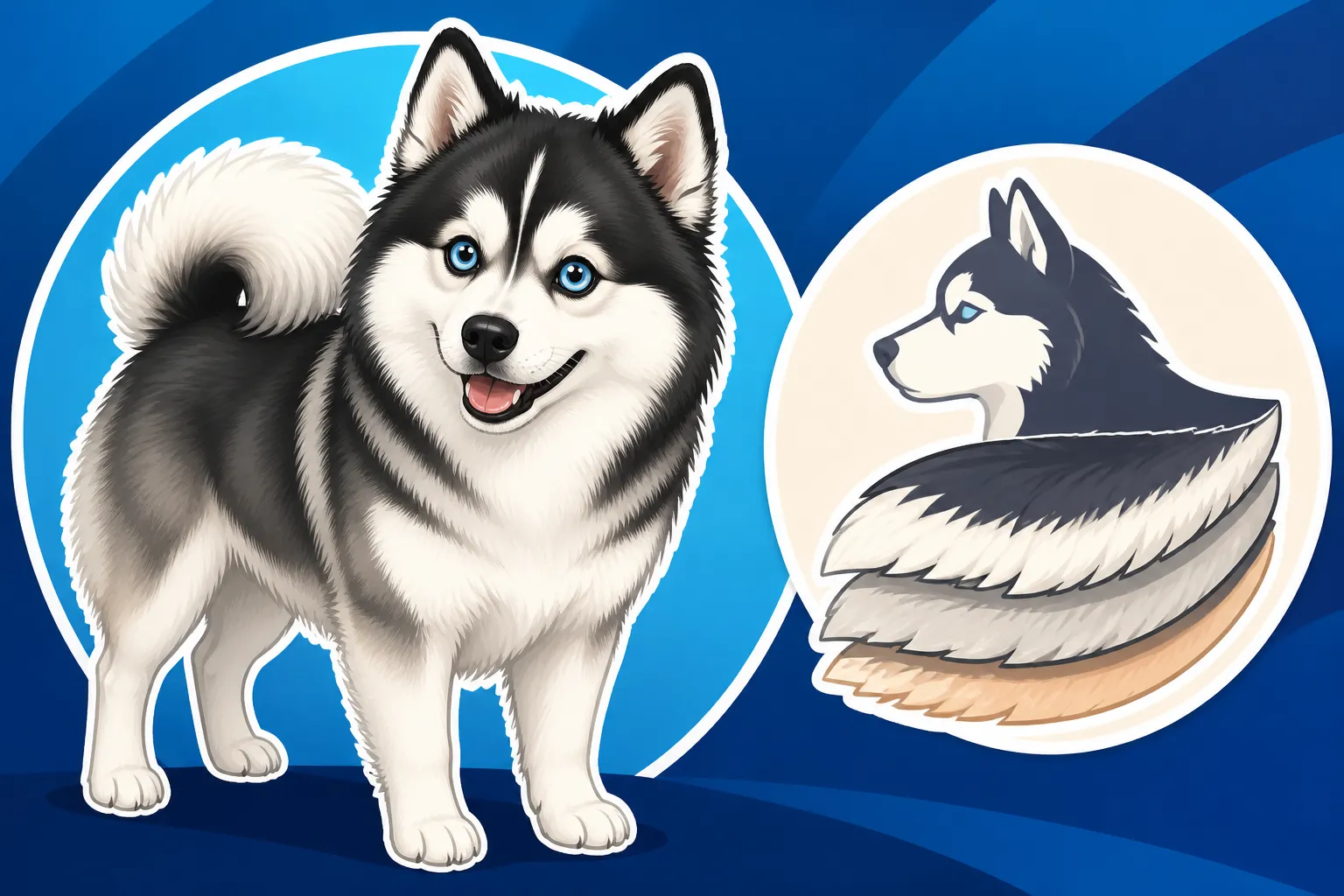
The Pomsky That Carries a Husky Coat at Twenty Pounds
Bringing a Pomsky into your life often comes with dreams of a pint-sized Husky, a fluffy, striking companion that fits neatly on your lap. What many people don't fully anticipate, however, is the sheer reality of caring for a dog that carries the magnificent, often overwhelming, double coat of a Siberian Husky packed onto a twenty-pound frame. This guide is dedicated to helping you navigate the unique challenges and joys of keeping your Pomsky's coat healthy, understanding its needs, and ensuring your adorable fluffball thrives.
Understanding the Pomsky's Double Coat: A Miniature Marvel
Let's be honest, one of the biggest draws to the Pomsky breed is that stunning coat, often a miniature version of the Siberian Husky's majestic fur. It's truly a marvel of nature, designed for survival in harsh, cold climates. But what does that mean when it's wrapped around a dog that might only weigh twenty pounds? It means you have all the grooming responsibilities of a larger Nordic breed, without the larger dog to contain all that hair!
The Anatomy of a Double Coat
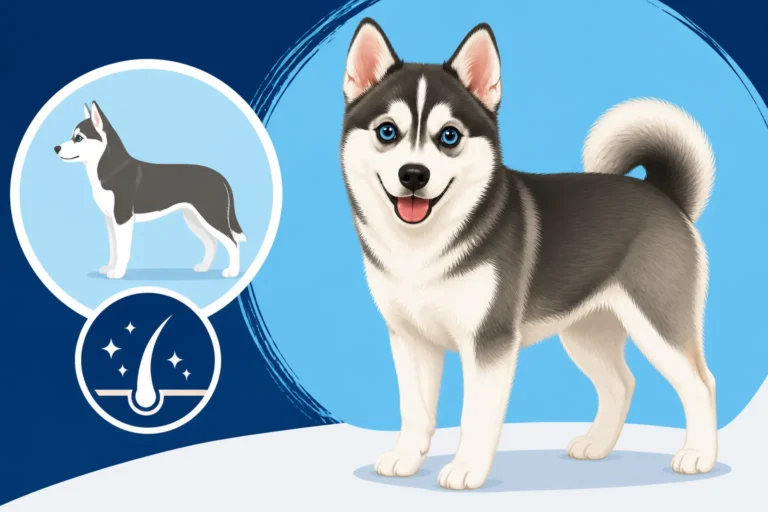
A Pomsky's double coat isn't just "lots of hair"; it's a finely tuned system comprising two distinct layers, each with its own crucial function. The outer layer, known as the guard hairs, is made up of stiffer, coarser hairs. These are what give your Pomsky its color and pattern, and they act as a protective barrier, repelling water, dirt, and UV rays. Think of them as the outer armor, resilient and tough.
Beneath this protective shield lies the undercoat, and this is where the real magic, and the real challenge, happens. The undercoat is dense, soft, and woolly, designed primarily for insulation. It traps air close to the body, keeping your Pomsky warm in winter and, surprisingly, helping to regulate body temperature and keep them cool in summer by preventing heat from penetrating to the skin. It's a complex system, and understanding Whether a Pomsky Has a Double Coat and Whether a Pomsky's Undercoat Is Husky Dense is key to appreciating what you're dealing with. Many first-time Pomsky owners are taken aback by the sheer volume and density of this undercoat, even on a smaller dog.
The Purpose of a Double Coat on a Small Dog
So, why does a twenty-pound dog need a coat built for the Arctic? It's all thanks to their Husky lineage. This double coat evolved to protect dogs from extreme temperatures, both hot and cold. In winter, the dense undercoat provides insulation against frigid air, while in summer, it acts like a natural air conditioner, protecting the skin from sunburn and allowing air to circulate. It's a common misconception that shaving a double-coated dog helps them cool down; in reality, it often does more harm than good, disrupting this natural thermoregulation and exposing their delicate skin.
The challenge for Pomsky owners is that this incredible coat, while functional and beautiful, demands significant care. It's not a wash-and-wear kind of fur. Neglecting it can lead to matting, skin issues, and discomfort for your dog, all of which are amplified by the fact that it's on a smaller body where mats can quickly become skin-tight and painful. The density means dirt can get trapped, and without proper airflow, skin infections can easily develop.
The Reality of Seasonal Shedding: Navigating the "Blowout"
If you thought you knew shedding, owning a Pomsky with a Husky coat will redefine your understanding. These dogs are champion shedder, a trait inherited directly from their cold-weather ancestors. It's not just a bit of hair here and there; it's a literal "coat blowout" twice a year, and often a consistent, lower level of shedding year-round.
When and How a Pomsky Blows Its Coat
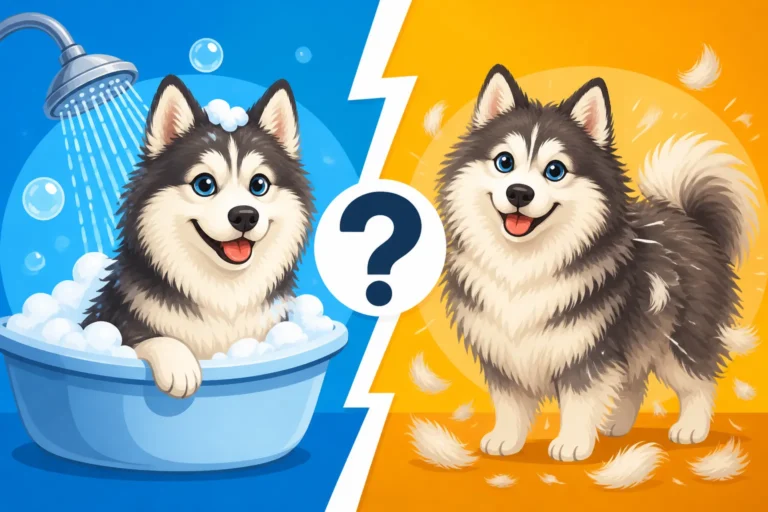
A Pomsky typically experiences two major shedding periods, often referred to as "blowing coat," usually in spring and fall. These periods align with the change in seasons, as their bodies prepare for either warmer or colder weather. In spring, they shed their dense winter undercoat to make way for a lighter summer coat. In the fall, they shed the summer coat to grow in a thicker, warmer winter undercoat. This cycle is completely natural and essential for their comfort and health.
During a blowout, the sheer volume of hair that comes off your Pomsky can be startling. It's not uncommon to fill grocery bags with their fur. You'll find tumbleweeds of hair floating through your home, clinging to furniture, and weaving itself into your clothes. When a Pomsky Blows Its Coat can vary slightly depending on climate and individual dog, but prepare for an intense grooming schedule during these times. It's a phenomenon that truly needs to be experienced to be believed, and it's a non-negotiable part of Pomsky ownership.
Living with Year-Round Shedding
Beyond the dramatic seasonal blowouts, most Pomskies also shed moderately throughout the year. Even if it's not a full-on blizzard of fur, you'll still notice their hair on your clothes, carpets, and upholstery. This constant shedding is just part of having a double-coated breed. It means that regular brushing isn't just for blowout season; it's an everyday commitment if you want to keep your home somewhat hair-free and your Pomsky comfortable.
Ignoring the year-round shedding will lead to a buildup of dead undercoat, which can easily mat, especially behind the ears, under the legs, and around the tail. These mats can pull at the skin, causing pain and irritation. For those considering a Pomsky, it's vital to understand that this level of shedding is non-negotiable. If you're particular about a hair-free home or have significant allergies, a Pomsky might not be the best fit. It's a commitment to daily vacuuming, lint rolling, and a consistent grooming routine. How Long a Pomsky's Blowout Lasts can feel like an eternity if you're not prepared, sometimes extending for several weeks.
Essential Grooming for a Twenty-Pound Pomsky with a Husky Coat
Grooming a double-coated Pomsky is a dedicated process, not just a quick brush-through. It's a labor of love that, when done correctly, keeps your dog healthy and comfortable, and your house slightly less hairy. Ignoring proper grooming can lead to painful mats, skin infections, and a generally unhappy dog.
The Right Tools for the Job
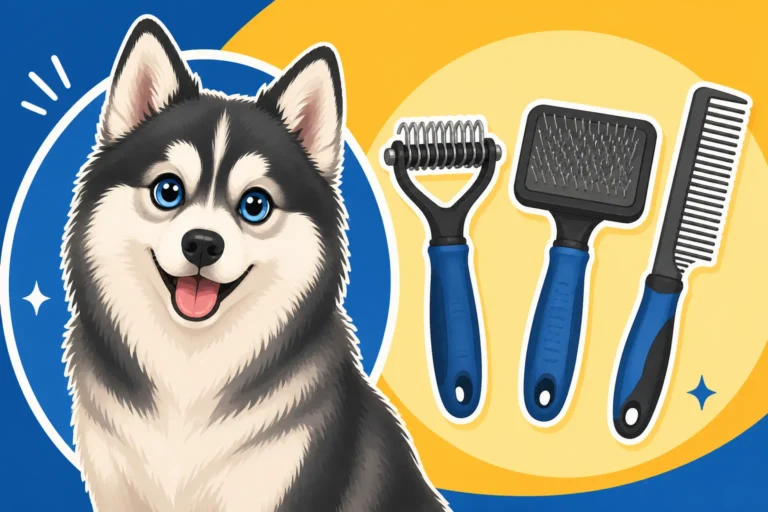
Having the correct grooming tools is non-negotiable for a Pomsky owner. You can't just rely on a standard bristle brush. Here’s a breakdown of what you'll need:
| Tool | Purpose | How to Use It |
|---|---|---|
| Undercoat Rake | Reaches deep into the undercoat to remove loose, dead hair without damaging guard hairs. Essential during blowouts. | Use in long, gentle strokes, working in sections. Always rake in the direction of hair growth. Be careful around bony areas and sensitive skin. It’s designed to pull out the fluffy undercoat, leaving the guard hairs intact. |
| Slicker Brush | Detangles and smooths the topcoat, removes lighter shedding hair, and can help work out smaller mats. | Use with a light hand, brushing through the topcoat and gently working into the undercoat to lift dead hair to the surface. Great for finishing and ensuring no surface tangles. |
| Metal Comb | Checks for hidden mats, especially in sensitive areas like behind ears, armpits, and feathering. Can also be used to part hair. | After raking and slicker brushing, comb through the coat from root to tip. If the comb snags, you've found a mat that needs to be carefully worked out. A good indicator that you’ve done a thorough job is when the comb glides through easily. |
| De-shedding Tool | Specifically designed to grab loose undercoat, often with fine, short teeth. Use sparingly to avoid damaging guard hairs. | Follow instructions for the specific tool; typically, short strokes over the body after a thorough rake. Be cautious not to overdo it, as some can cut healthy hair if misused. |
| High-Velocity Dryer | Forces water out of the coat after bathing, significantly reducing drying time and aiding in blowing out loose undercoat. | Essential for proper drying to prevent hot spots and damp undercoat smell. Keep the nozzle moving, don't focus heat on one spot. It also helps to "blow out" immense amounts of loose hair during shedding season. |
You can find all these essential tools, from high-quality rakes to slicker brushes, readily available on platforms like Amazon or at specialty pet stores. The Rake, Slicker and Comb a Pomsky Needs are your daily companions in the battle against fur.
The Art of Regular Brushing
Regular brushing is the cornerstone of Pomsky coat care. During non-shedding periods, aiming for 3-4 times a week is a good goal. During a blowout, you'll need to brush daily, sometimes twice a day, to keep up with the torrent of fur. The key is "line brushing," where you part the hair and brush in sections down to the skin, ensuring you remove all loose undercoat.
Start with your undercoat rake, working slowly and methodically. Once you've thoroughly raked, follow up with the slicker brush to smooth the guard hairs and catch any remaining loose fur. Finish with a metal comb to check for any missed tangles or mats. Pay special attention to areas prone to matting, like behind the ears, in the armpits, and around the "pants" on their hind legs. Make grooming a positive experience from puppyhood with treats and praise, so your Pomsky learns to tolerate and even enjoy these sessions.
Bathing and Drying: Preventing Mats and Skin Issues
Bathing a double-coated Pomsky isn't just about getting them clean; it's about conditioning their coat and removing loose hair. During a blowout, a deshedding bath can work wonders to loosen and wash away massive amounts of dead undercoat. Use a good quality dog shampoo and conditioner designed for double coats. Rinse thoroughly to prevent skin irritation.
The drying process is just as, if not more, important than the washing. A damp undercoat, especially on a smaller dog where it's dense and close to the body, can quickly lead to painful hot spots, yeast infections, and a musty smell. This is where a Whether a Force Dryer Is Essential for a Pomsky becomes invaluable. These powerful dryers rapidly remove water from the coat, separating the hairs and pushing out loose undercoat. If you don't have one, be prepared for a very long towel and air-drying session, often requiring hours of careful attention to ensure the undercoat is bone-dry. Many Pomsky owners find excellent drying solutions and pet shampoos on Chewy.
Managing the Pomsky's Environment: Heat, Cold, and Comfort
The Pomsky's double coat, while beautiful, also means they have specific environmental needs, especially when it comes to temperature regulation. Their smaller size doesn't necessarily mean they're less equipped for extreme weather; rather, it often means owners might underestimate their needs compared to a full-sized Husky.
Coping with Hot Weather and Humidity
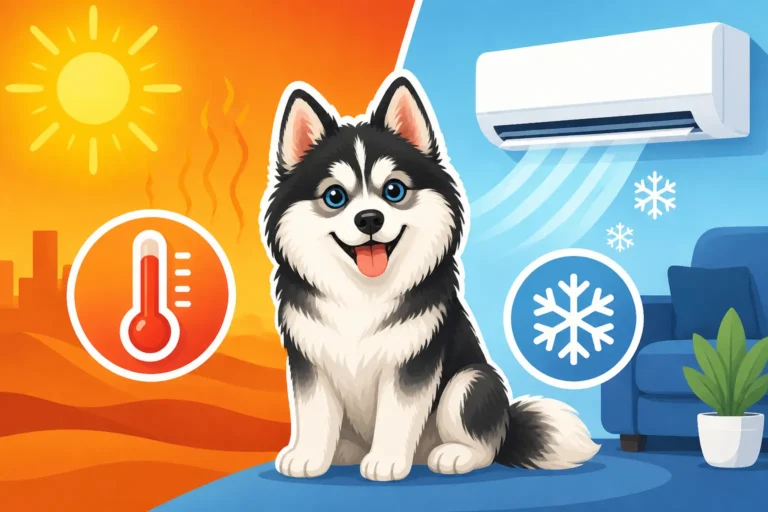
Despite their size, Pomskies with dense Husky coats are not built for prolonged exposure to hot, humid weather. Their double coat is excellent at keeping them warm, but it can also make them prone to overheating if not managed carefully in warmer climates. The undercoat, while insulating, can trap heat when not properly maintained or when ambient temperatures soar. This means that a walk that might be fine for a short-coated breed could be dangerous for your Pomsky on a hot day.
If you live in a region with consistently warm temperatures, you need to be extra vigilant. Walks should be scheduled for early mornings or late evenings when it's cooler. Always provide access to fresh, cool water, and consider cooling mats or vests for outdoor excursions. Never leave your Pomsky in a car, even with the windows cracked, as temperatures can rise rapidly to dangerous levels. Whether a Pomsky Copes in a Southern Summer is a serious consideration; many do, but it requires diligent management and understanding of their limits. Watch for signs of overheating, such as excessive panting, lethargy, or stumbling.
Thriving in Cold Climates
On the flip side, a Pomsky with a robust Husky coat is generally well-equipped for colder temperatures. Their thick undercoat provides fantastic insulation, allowing them to enjoy romps in the snow and cooler outdoor activities that might send other small breeds shivering indoors. This doesn't mean they're impervious to all cold, especially if they are very small or have a less dense undercoat, but they typically handle winter weather with aplomb.
When the temperatures drop, you'll likely see your Pomsky reveling in the snow, digging, and rolling around with glee. For very harsh conditions or extended outdoor stays, Whether a Pomsky Needs a Coat in Winter might be a valid question, but for most situations, their natural fur is usually sufficient. Just ensure their paw pads are protected from ice and road salt, and always provide a warm, dry place to rest once back inside. Monitor them for signs of discomfort or extreme cold, just as you would in heat.
Nutrition and Diet Considerations for a Pomsky
A healthy coat and overall well-being start from the inside out. Providing your twenty-pound Pomsky with a balanced, high-quality diet is crucial for maintaining their energy levels, supporting their dense coat, and ensuring they live a long, vibrant life.
Fueling a Smaller Body with Big Energy
Pomskies, even at twenty pounds, often have the energy levels of their Husky ancestors. This means they need a diet that can sustain their active lifestyle. High-quality dog food, whether kibble, wet food, or a fresh food diet, should be rich in animal protein to support muscle development and provide sustained energy. Look for foods that list meat as the first ingredient.
The amount you feed will depend on your individual Pomsky's age, activity level, and metabolism. While some Huskies can be notoriously light eaters, Pomskies often have a healthy appetite. It’s critical to monitor their weight regularly to prevent overfeeding, as excess weight can strain their joints and lead to other health issues. Always follow the feeding guidelines on the food packaging as a starting point, but adjust as needed based on your dog's condition. Feeding a Twenty Pound Pomsky is about balancing their energy needs with their smaller stature. Many excellent dog food options, from premium kibbles to fresh-prepared meals like Ollie, can be found online or at pet supply stores.
Supporting Coat Health Through Diet
The health and luster of your Pomsky's coat are directly linked to their nutrition. A diet rich in essential fatty acids, particularly Omega-3 and Omega-6, is vital for skin hydration and a shiny, healthy coat. These fatty acids can often be found in fish oil supplements or in dog foods formulated with ingredients like salmon, flaxseed, or chia seeds. Some Pomskies, inheriting traits from their Husky side, might also benefit from diets that consider potential sensitivities or specific nutrient absorption.
If your Pomsky's coat appears dull, dry, or if they have flaky skin, it might be an indicator that their diet needs adjustment. Consult with your veterinarian to rule out any underlying health issues and discuss dietary changes or supplements. Sometimes, a simple addition of a fish oil supplement can make a significant difference. Remember, a healthy coat is a strong coat, less prone to breakage and matting. Always ensure your Pomsky has access to clean, fresh water to aid in overall hydration and organ function, which also contributes to skin and coat health.
Preventing Overfeeding and Maintaining Ideal Weight
While it's tempting to spoil our furry friends with extra treats, maintaining an ideal weight is paramount for a Pomsky. Being twenty pounds with a dense coat means that even a few extra pounds can put undue stress on their smaller joints and increase the risk of conditions like Slipping Kneecaps in a Pomsky or Hip Dysplasia in a Twenty Pound Pomsky. It can also make them less tolerant of heat and more prone to lethargy.
Regularly assess your Pomsky's body condition. You should be able to feel their ribs easily without seeing them, and they should have a discernible waistline when viewed from above. If you're unsure, your veterinarian can help you determine their ideal weight and recommend appropriate portion sizes. How Much a Twenty Pound Pomsky Eats should be carefully measured, and treats should be given in moderation and accounted for in their daily caloric intake. Engaging them in plenty of exercise will also help burn off calories and keep them fit and trim.
Daily Care Beyond Grooming and Feeding
Beyond the meticulous coat care and proper nutrition, a twenty-pound Pomsky with a Husky coat has other daily needs that contribute to their overall happiness and well-being. These elements are just as crucial for ensuring they live a fulfilled life.
The Importance of Consistent Exercise
Don't let their smaller size fool you; Pomskies are energetic dogs that require consistent daily exercise. Their Husky heritage means they have a natural inclination for activity and can become destructive or vocal if their energy isn't properly channeled. Aim for at least 60-90 minutes of moderate to vigorous exercise daily, which can be broken into multiple sessions. This could include brisk walks, jogging, playing fetch in a secure yard, or even dog park visits if your Pomsky is well-socialized and has a reliable recall.
Mental stimulation is just as important as physical exercise. Puzzle toys, training sessions, and interactive games can help tire out their intelligent minds and prevent boredom. Remember, a tired Pomsky is usually a well-behaved Pomsky. Neglecting their exercise needs can lead to behavioral issues, excessive barking, or destructive chewing, especially in a home setting. The Exercise a Pomsky Needs Every Day is substantial for a dog of its size, so be prepared to dedicate time to keeping them active.
Dental Hygiene and Paw Care
Good dental hygiene is often overlooked but is crucial for a Pomsky's health. Smaller breeds, including Pomeranians and thus Pomskies, are prone to Dental Crowding in a Pomsky's Small Mouth and gum disease. Regular tooth brushing, ideally daily, can significantly reduce plaque and tartar buildup. Dental chews and water additives can also supplement brushing but should not replace it. Regular veterinary dental check-ups and professional cleanings are often necessary to maintain optimal oral health.
Paw care is another important aspect, especially for active Pomskies. Regularly check their paw pads for cuts, cracks, or foreign objects, especially after walks on rough terrain or in extreme weather. Trim their nails regularly to prevent them from growing too long, which can cause discomfort, alter their gait, and even lead to painful splayed toes. If you're unsure how to trim nails, your vet or a professional groomer can demonstrate the proper technique.
Socialization and Mental Enrichment
Pomskies are intelligent and social creatures. From puppyhood, consistent socialization is key to ensuring they grow into well-adjusted adults. Expose them to a variety of sights, sounds, people, and other friendly dogs in a positive and controlled manner. Continuing socialization throughout their lives helps prevent fearfulness or reactivity.
Mental enrichment isn't just about walks; it's about engaging their minds. Training sessions, learning new tricks, puzzle toys, and even simply exploring new environments on a sniffari walk can provide valuable mental stimulation. These activities help prevent boredom and can strengthen the bond between you and your Pomsky. A bored Pomsky is more likely to invent their own "fun," which often involves chewing inappropriate items or excessive vocalization.
Special Considerations for the Husky-Coated Pomsky
Living with a Pomsky means embracing their unique traits, particularly those stemming from their Husky heritage and formidable coat. There are specific aspects that owners should be particularly mindful of to ensure their health and happiness.
Preventing and Managing Matting
Despite diligent brushing, mats can still form, especially in denser areas of the coat or during heavy shedding periods. Mats are not just unsightly; they pull at the skin, can cause pain, restrict movement, and create an ideal environment for skin infections or parasites. The dense undercoat makes mats particularly difficult to detect and remove on a Pomsky.
If you find a mat, resist the urge to pull or cut it out with scissors, as this can easily injure your dog's skin. Instead, try to gently tease it apart with your fingers, then use a metal comb or a dematting tool. If the mat is severe or close to the skin, it's always best to seek assistance from a professional groomer. They have the expertise and specialized tools to safely remove mats without causing undue stress or injury to your Pomsky. Understanding Whether a Pomsky Mats at All is important, and the answer is a resounding "yes" if not properly cared for.
Understanding Skin Health Under the Coat
The dense double coat can sometimes mask underlying skin issues. Because the skin isn't easily visible, problems like dryness, redness, rashes, or hot spots can go unnoticed until they become severe. It's important to get into the habit of performing regular "skin checks" when you're grooming. Part the fur and visually inspect the skin, feeling for any lumps, bumps, or areas of tenderness.
If you notice any unusual skin conditions, such as excessive scratching, flaking, or a foul odor emanating from the coat, consult your veterinarian promptly. These could be signs of allergies, parasites, or other dermatological problems that require professional diagnosis and treatment. Early detection can prevent minor issues from escalating into more serious conditions for your Pomsky.
The Myth of Shaving for Summer Relief
Perhaps the most common misconception about double-coated breeds is that shaving them in summer will help them stay cool. This is a myth that can actually harm your Pomsky. As discussed earlier, their double coat acts as a natural insulator, protecting them from both heat and cold. Shaving removes this protective barrier, exposing their delicate skin to sunburn, insect bites, and making it harder for them to regulate their body temperature.
Furthermore, shaving can permanently damage the texture and growth cycle of the double coat, leading to "post-clipping alopecia" where the guard hairs may not grow back correctly, leaving them with a patchy, woolly undercoat. Instead of shaving, focus on proper grooming – regular brushing to remove dead undercoat, deshedding baths, and ensuring they have access to shade and water – to help your Pomsky stay comfortable in warmer weather.
Disclaimer
This article is for general informational purposes only and does not constitute professional advice. Laws, prices and regulations vary by location and change over time. Consult a qualified professional for guidance on your specific situation.