Whether a Pomsky Has a Double Coat
Many people fall in love with the Pomsky's adorable, fluffy appearance, dreaming of a miniature Husky prancing through their home. But before you bring one of these beautiful dogs into your life, it's crucial to understand the reality of their coat, which is often far more complex than people assume. A common question, and one with significant implications for care, is whether a Pomsky actually has a double coat. This guide will thoroughly explain why the answer is a resounding yes, what that truly means for you as an owner, and how to best care for this unique and demanding aspect of your Pomsky.
The Definitive Answer: Yes, a Pomsky Has a Double Coat
Let's clear the air right away: nearly all Pomskies possess a double coat. This isn't just a thick coat; it's a very specific type of coat structure composed of two distinct layers, each serving vital functions for your dog's health and comfort. Understanding these layers is the first step in truly appreciating what you're dealing with when you bring a Pomsky home.
Understanding the Double Coat's Layers
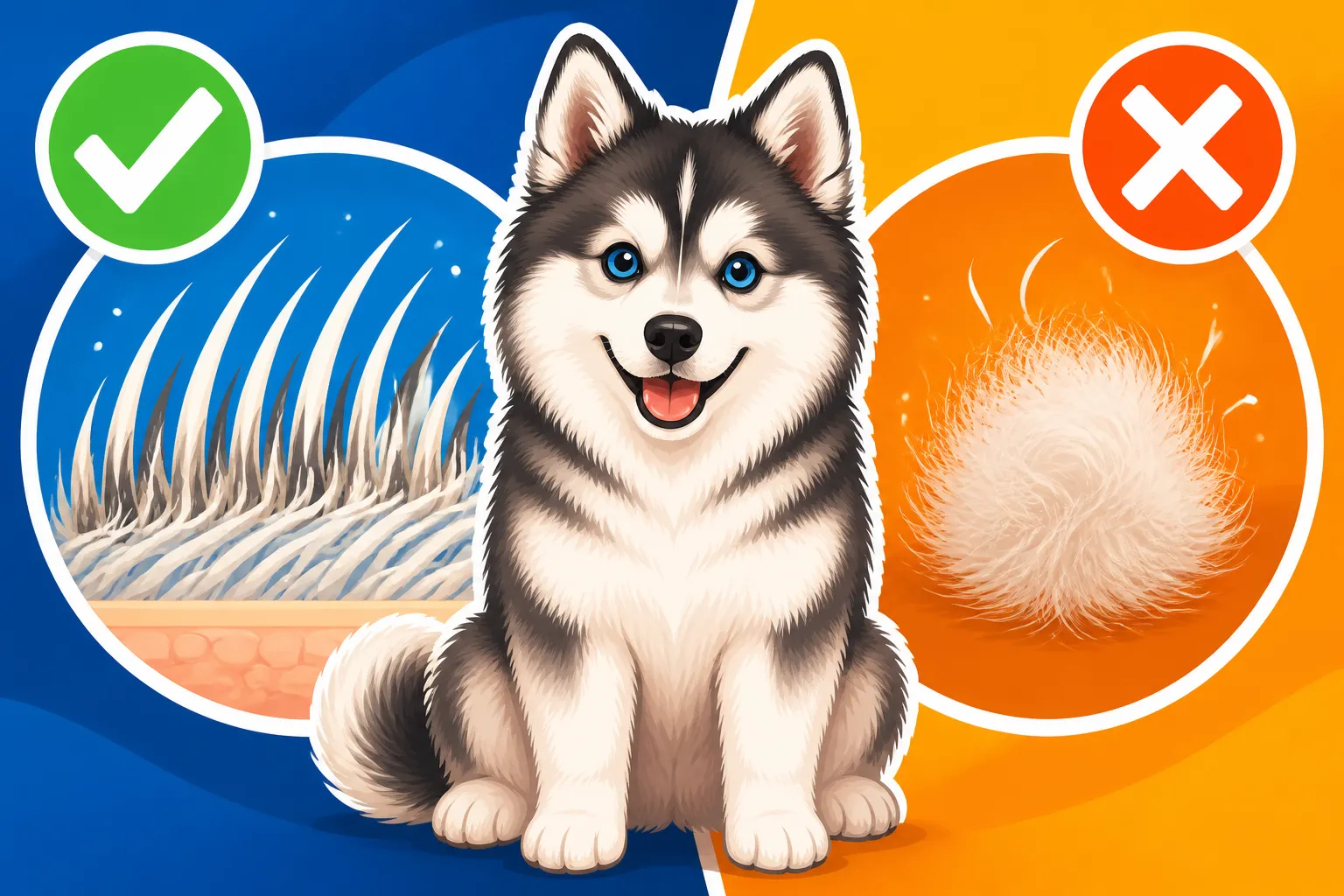
Think of a double coat as nature's ultimate temperature control system. It's not just fluff; it's sophisticated engineering. The outer layer consists of what are called "guard hairs." These hairs are typically longer, coarser, and somewhat stiff to the touch. Their primary job is protection: they repel water, shed dirt, and offer a crucial barrier against the sun's harsh UV rays. They're like the shingles on a roof, protecting the house beneath.
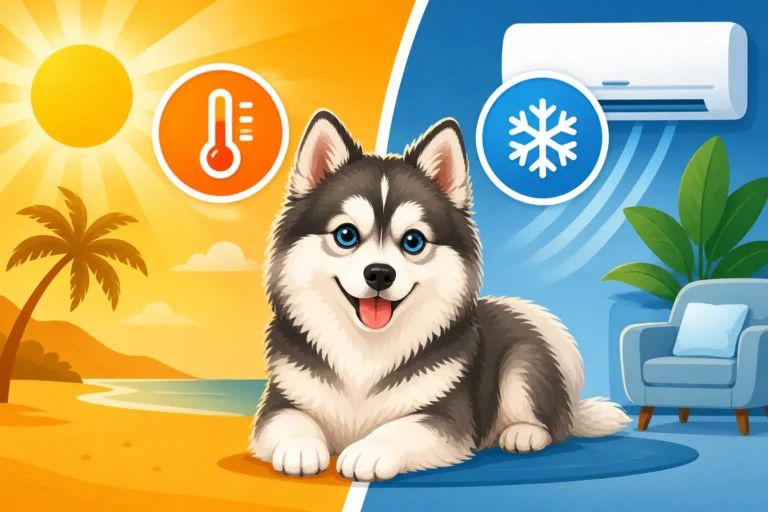
Beneath this protective outer layer lies the "undercoat." This is the part that gives your Pomsky that characteristic softness and plushness. The undercoat is incredibly dense, fine, and woolly, almost like cotton. Its main function is insulation. In cold weather, it traps warm air close to the dog's body, keeping them toasty. In hot weather, it works in reverse, trapping cool air and acting as a barrier against external heat, preventing sunburn, and protecting the skin. These two layers work in harmony, making the double coat an incredibly efficient system for regulating body temperature in various climates.
The Siberian Husky's Dominant Influence
When it comes to the double coat, the Siberian Husky side of your Pomsky's heritage is often the most impactful. Huskies are renowned for their incredibly thick, luxurious double coats, which are absolutely essential for their survival in the harsh, freezing Arctic environments they originated from. They have a soft, dense undercoat that can be an inch or two thick, coupled with straight, somewhat coarse guard hairs that lie flat, protecting the undercoat and skin.
A Pomsky inherits this remarkable coat structure directly from its Husky parent. Even if your Pomsky is on the smaller side, perhaps weighing in at twenty pounds, they often carry a full-blown Husky-grade double coat. This means they are equipped with the same insulating and protective qualities as their larger ancestors. You might marvel at how effectively their fur can keep them warm in winter or how quickly water beads off them in the rain, and that's all thanks to the superb design passed down from the Husky.
The Pomeranian's Contribution to the Fluff
While the Husky provides much of the density and functionality, don't underestimate the Pomeranian's role in the Pomsky's coat. Pomeranians are also a double-coated breed, though their fur typically has a different texture and stands off the body more, giving them their characteristic fluffy, cloud-like appearance. Their undercoat is soft and dense, and their guard hairs are longer and more profuse than a Husky's.
This Pomeranian influence often contributes to the overall volume and plushness you see in many Pomskies. If your Pomsky leans more towards the Pomeranian look, with a coat that seems to "stand out" more from their body, you're seeing that genetic contribution at play. The Pomeranian's coat, like the Husky's, is designed for warmth and protection, reinforcing the double-coated characteristic in the Pomsky. So, whether your Pomsky looks more like a mini Husky or a larger, fluffier Pomeranian, you can be almost certain they are rocking that double-coat insulation package.
Why a Double Coat Matters: More Than Just Pretty Fur
Understanding that your Pomsky has a double coat isn't just a fun fact; it's foundational to providing proper care. This coat type dictates much of their grooming needs, how they regulate temperature, and how you should interact with their fur.
The Infamous Seasonal Shedding, or "Blow Out"
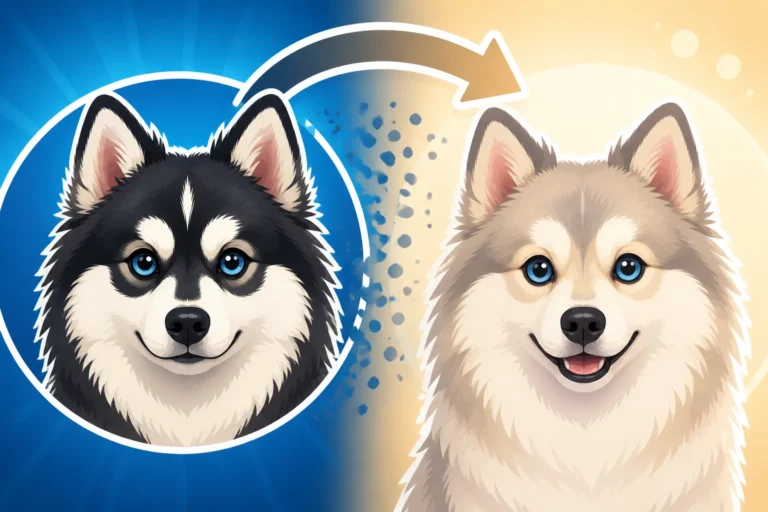
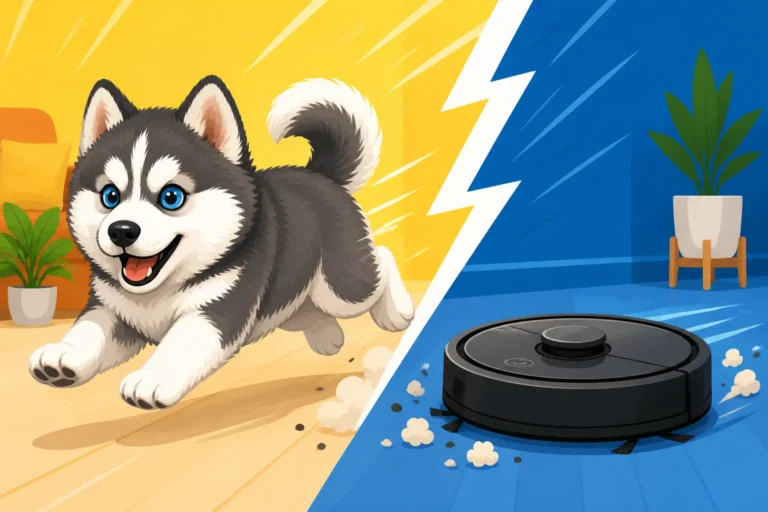
One of the most significant realities of owning a double-coated Pomsky is the "blow out." This isn't just regular shedding; it's an event. Twice a year, typically in spring as they prepare for warmer weather and again in the fall to make way for a new winter coat, your Pomsky will shed their entire undercoat. And when I say shed, I mean it will feel like they are quite literally exploding with fur. You'll find tumbleweeds of soft undercoat everywhere, sticking to furniture, clothes, and floating through the air.
This process can last for several weeks, sometimes even a couple of months. During this time, your regular brushing routine will need to intensify dramatically. You might feel like you're constantly grooming, and still, the fur keeps coming. It can be incredibly frustrating, leaving you wondering if you'll ever see the bottom of it. But this is a perfectly natural and healthy process for a double-coated dog. Knowing The Months a Pomsky Blows Its Coat can help you prepare mentally and logistically. Be ready with your grooming tools, because you'll need them. You'll also want to read about How Long a Pomsky Blowout Takes to Finish so you know what to expect.
Natural Insulation and Temperature Regulation
A huge benefit of the double coat is its incredible ability to regulate your Pomsky's body temperature. In winter, the dense undercoat acts like a built-in down jacket, trapping warm air and keeping your dog comfortable even in very cold temperatures. This is why you might see Pomskies absolutely thriving in the snow, rolling around without a care in the world.
Conversely, in summer, the double coat provides an equally important function: cooling. The guard hairs reflect sunlight, and the undercoat creates a layer of insulation that prevents external heat from reaching the skin. It also protects their delicate skin from sunburn, which can be a serious issue for dogs with thinner coats or those who have been improperly shaved. Many people mistakenly believe that shaving a double-coated dog will keep them cooler in summer, but this is a dangerous misconception. The coat is designed to protect them from both heat and cold, acting like a natural air conditioning system. Tampering with this system can lead to heatstroke or sunburn, especially for dogs who might also be prone to conditions like Whether a Pomsky With Alopecia X Sunburns. Your Pomsky's double coat works year-round; for more on this, check out Whether a Pomsky's Double Coat Works in Both Seasons.
Significant Grooming Requirements
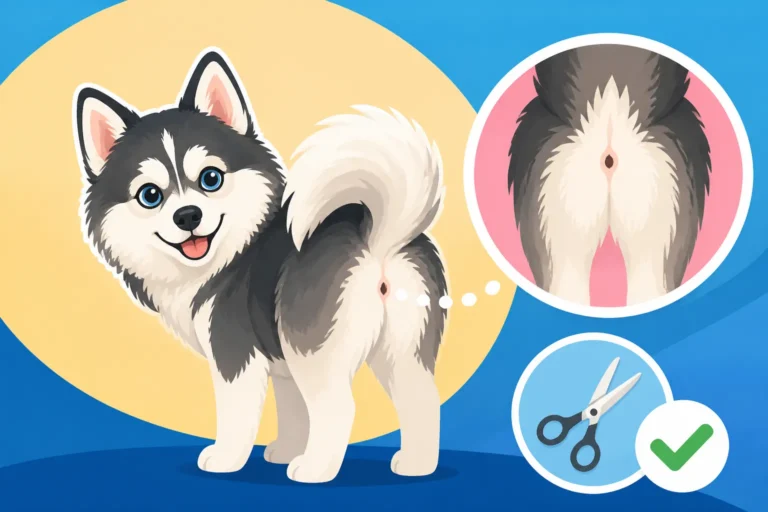
Let's be blunt: a double-coated Pomsky is not a low-maintenance dog when it comes to grooming. This isn't a coat you can just ignore between professional trims (which they don't get, more on that later!). Regular, thorough grooming is essential not just for aesthetics, but for your Pomsky's health and comfort.
Without consistent brushing, especially with the right tools, the dense undercoat can quickly mat and tangle. These mats aren't just unsightly; they can pull on the skin, causing pain and irritation. In severe cases, mats can create a breeding ground for bacteria and parasites, leading to painful skin infections, sometimes called hot spots. During shedding season, the dead undercoat can also become impacted, preventing air circulation and leading to further skin problems. This is a big reason why The Undercoat Rake a Pomsky Owner Lives With becomes an indispensable tool. Be prepared to dedicate consistent time to brushing, because your Pomsky will thank you for it with a healthy, happy coat and skin.
Essential Care for Your Pomsky's Double Coat
Now that we understand why your Pomsky has a double coat and why it's important, let's talk about the how – how to care for it properly. This involves using the right tools, mastering bathing techniques, and knowing what absolutely not to do.
The Right Tools for the Job
Investing in quality grooming tools is non-negotiable for a Pomsky owner. Trying to make do with a cheap brush from the dollar store simply won't cut it. Here's what you'll need in your grooming arsenal, and where you might find them:
- Undercoat Rake: This is your MVP. An undercoat rake has long, sturdy teeth designed to penetrate the dense topcoat and reach deep into the undercoat to pull out loose, dead fur without damaging the guard hairs. Look for one with rotating teeth, as these can be gentler on the skin. You can find a good selection on Amazon or Chewy. This tool is key to keeping shedding manageable and preventing mats.
- Slicker Brush: A slicker brush has fine, short wires packed closely together on a flat or curved surface. It's excellent for detangling the topcoat, smoothing out any minor knots, and generally tidying up the coat. It won't penetrate the undercoat as effectively as a rake but is great for finishing touches.
- Pin Brush: This brush has widely spaced metal pins with rounded tips. It's gentle and ideal for longer guard hairs, distributing natural oils, and providing an overall fluff to the coat. It's less effective for deep undercoat removal but good for general maintenance.
- High-Velocity Dryer (Force Dryer): This might seem like a luxury, but for a double-coated dog, it's a game-changer. A force dryer (not a human hairdryer, which can burn their skin) blows air at high speed, literally "forcing" water and loose undercoat out of the dense fur. It dramatically reduces drying time and is incredibly effective during shedding season for blowing out vast amounts of dead fur. Many professional groomers use these, and you can find consumer-grade versions on sites like Amazon. If you're wondering Whether Any Brush Keeps Up With a Pomsky during a blowout, the answer is often "no, you need a dryer too!"
Here's a quick comparison of essential tools:
| Tool | Primary Use | Best For | Notes |
|---|---|---|---|
| Undercoat Rake | Removing dead undercoat, preventing mats | Dense undercoats, seasonal shedding | Essential for Pomskies, penetrates to the skin |
| Slicker Brush | Detangling topcoat, smoothing, minor knot removal | Topcoat grooming, general tidying | Good for superficial tangles, less effective on deep undercoat |
| Pin Brush | Finishing, distributing oils, fluffing | Longer guard hairs, overall coat appearance | Gentle, good for daily upkeep, not deep detangling or deshedding |
| High-Velocity Dryer | Drying quickly, blowing out loose undercoat | Post-bath drying, severe shedding periods | Prevents hot spots, speeds up drying, aids in deshedding significantly |
Mastering Bathing and Drying
Bathing a double-coated dog isn't like washing a short-haired breed. It requires specific techniques to ensure their coat remains healthy.
First, always pre-brush your Pomsky thoroughly before a bath. This helps remove as much loose fur and any minor tangles as possible, which prevents mats from tightening when wet. When bathing, make sure to thoroughly wet the coat all the way down to the skin. Their dense undercoat can be surprisingly resistant to water, so take your time and use plenty of lukewarm water and a good quality dog shampoo. Lather thoroughly and then rinse, rinse, rinse! Any shampoo residue left behind can irritate the skin and lead to dryness or flakiness. If you're curious How Often a Pomsky Should Be Bathed, keep in mind that too frequent bathing can strip natural oils, so aim for as-needed, or perhaps every 4-8 weeks, adjusting during shedding season.
The most critical part of the bath, however, is the drying. You must dry your Pomsky completely, all the way to the skin. Leaving the undercoat damp, even slightly, can create a warm, moist environment that is perfect for bacterial and fungal growth, leading to serious skin infections like hot spots. This is where a high-velocity dryer becomes invaluable. It not only dries the coat quickly but also helps to separate the hairs, ensuring air circulates to the skin. If you don't have one, be prepared for a very long towel-drying and air-drying process, often requiring multiple thorough brush-throughs. Learning how to manage Drying a Pomsky to the Skin effectively is crucial for their skin health.
The Absolute No-No: Shaving Your Pomsky
I cannot stress this enough: do not shave your double-coated Pomsky. This is one of the most common and damaging mistakes owners make, often with good intentions, thinking it will cool their dog in summer or reduce shedding. However, it does the exact opposite and can have permanent, negative consequences.
When you shave a double coat, you strip away the protective guard hairs. These guard hairs often take a very long time to grow back, and sometimes, they never grow back correctly at all. What often grows back is only the soft undercoat, which is typically woollier, more prone to matting, and provides no natural protection. This can lead to a condition known as "post-clipping alopecia," where patches of hair simply don't grow back, or the coat texture is permanently altered. You might want to research Whether Shaving Triggers Coat Loss in a Pomsky or Whether a Shaved Pomsky Regrows Only Undercoat for more details on this irreversible damage.
Without their guard hairs, your Pomsky loses their natural defense against the sun, making them highly susceptible to painful sunburn and increasing their risk of skin cancer. They also lose their natural insulation, making them less able to regulate their body temperature, ironically putting them at higher risk for heatstroke. The double coat is a marvel of nature's design; trust it to do its job. If you're struggling with the heat, look for alternatives like ensuring shade, providing plenty of water, and walking during cooler parts of the day, rather than resorting to shaving.
Common Pomsky Coat Variations and What They Mean
While most Pomskies have a double coat, there can be variations in its length, density, and texture. These differences are largely due to the genetic lottery and how much of each parent breed's coat characteristics manifest. Understanding these variations can help you predict grooming needs and manage expectations.
Standard, Wooly, and Short Coats
- Standard Coat: This is often considered the ideal Pomsky coat and what most people envision. It features a medium-length outer coat of guard hairs that lie relatively flat, with a dense, soft undercoat beneath. This coat type gives the classic "mini Husky" look, offers excellent protection, and while it sheds, it's generally manageable with regular grooming.
- Wooly Coat: This coat type leans more towards the Pomeranian side in terms of fluff and length. Wooly-coated Pomskies have noticeably longer, softer guard hairs and an even denser, cotton-like undercoat. While beautiful, this coat type is a grooming challenge. It's far more prone to matting and tangling, sometimes even felting, which makes daily brushing absolutely critical. If you have a wooly Pomsky, you'll want to dive deep into The Wooly Pomsky Coat and Its Upkeep, because your grooming commitment will be significant. These coats can also feel much hotter in warm weather because of their extreme density, so extra precautions are needed.
- Short Coat: Less common, a short-coated Pomsky will have shorter guard hairs and a less dense undercoat compared to the standard. They might look more sleek and less fluffy. However, it's important to remember that this is still a double coat; it still sheds, and still requires regular brushing to maintain skin health. It's not a "single coat" in the true sense, so don't let the shorter length fool you into thinking grooming will be minimal.
Predicting a Puppy's Adult Coat
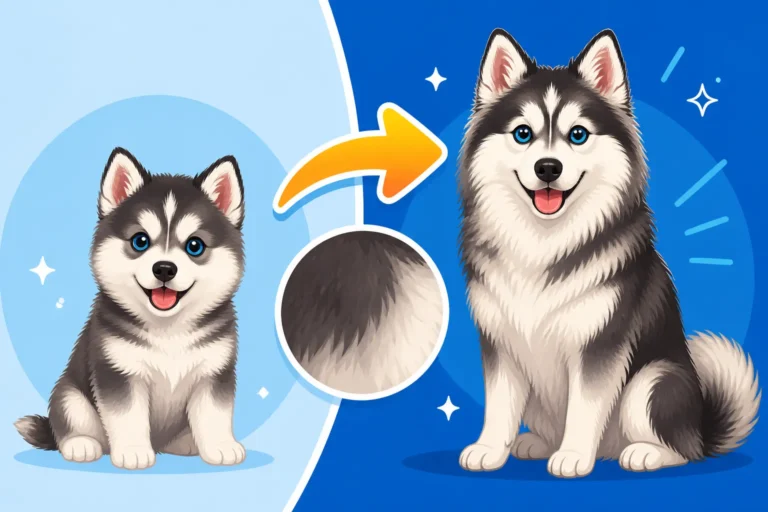
One of the challenges with designer breeds like the Pomsky is the inherent variability in genetics. While a breeder can give you an educated guess based on the parent dogs and previous litters, it's very difficult to predict with absolute certainty what a Pomsky puppy's adult coat will look like. Their puppy fluff can be deceiving, often appearing much softer and less dense than their mature double coat will become.
The full texture, length, and density of the guard hairs and undercoat typically don't fully develop until a Pomsky is closer to 6-12 months old, and sometimes even a bit later. This means that the little ball of fluff you bring home might develop into a standard, sleek coat or a much more demanding wooly coat as they mature. This unpredictability is simply part of the journey with a Pomsky, and it reinforces the need to be prepared for all potential coat types and their associated grooming demands.
Disclaimer
This article is for general informational purposes only and does not constitute professional advice. Laws, prices and regulations vary by location and change over time. Consult a qualified professional for guidance on your specific situation.