The Undercoat Rake a Pomsky Owner Lives With
If you're a Pomsky parent, you know the struggle is real. That adorable fluffball in your living room comes with a hidden superpower: the ability to shed enough fur to build a new dog twice a year, and then some. It’s not just about cleaning up hairballs; it’s about maintaining their health and comfort. This guide is all about mastering the undercoat rake, the unsung hero in every Pomsky owner's grooming arsenal, to keep your furry friend happy and your home a little less hairy.
The Unique Challenge of the Pomsky Double Coat
Let's be honest, part of the Pomsky's undeniable charm is that luxurious, thick coat. It's one of the first things that draws people in, whether it reminds them of a fluffy cloud or a mini-wolf. But that beauty comes with a responsibility, and often, a lot of questions. Understanding this coat is the first step in properly caring for it, and it explains precisely why an undercoat rake isn't just a suggestion, it's a necessity.
What Makes a Pomsky's Coat So Special
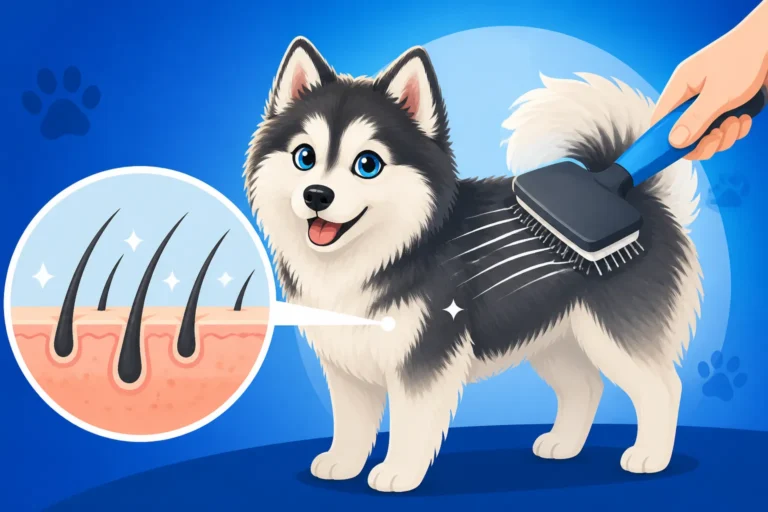
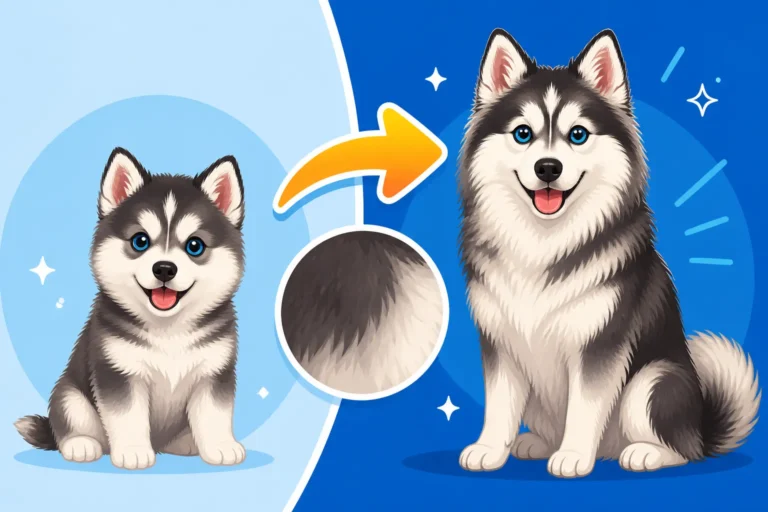
Pomskies inherit their distinctive double coat from both their Siberian Husky and Pomeranian parents. This isn't just one layer of fur; it's two distinct layers designed for very different purposes. The outer layer, known as the guard hairs, is typically longer, coarser, and somewhat water-resistant. These hairs protect your Pomsky from external elements like rain, snow, and even UV rays. They're the visible coat, giving your Pomsky its unique color and markings.
Beneath this protective outer layer lies the undercoat – a dense, soft, and much shorter layer of fur. This undercoat acts as a natural insulator, keeping your Pomsky warm in cold weather and, perhaps surprisingly, cool in warmer temperatures by trapping air. It’s a marvel of natural engineering, but without proper care, it can become a matted mess, leading to discomfort and potential skin issues. Many people are surprised to learn that The Pomsky That Carries a Husky Coat at Twenty Pounds is going to have significant grooming needs despite their smaller size.
Why a Double Coat Demands Specific Care
Because of this dual-layer system, a Pomsky's coat can't be treated like a single-coated breed's. You can't just brush the surface and call it a day; you have to get down to the dense undercoat. If the undercoat isn't regularly brushed out, it can become tightly packed and tangled, forming mats that pull on the skin. These mats are not only uncomfortable, but they can also hide skin infections, parasites, or other dermatological problems that go unnoticed until they become severe.
The sheer volume of fur means that standard brushes often just glide over the top, leaving the real problem areas untouched. This is where the undercoat rake becomes indispensable. It's specifically designed to penetrate the longer guard hairs and gently reach deep into the undercoat to remove loose and dead fur without damaging the healthy guard hairs. This targeted approach is crucial for maintaining both the health and appearance of your Pomsky's beautiful coat.
The Perpetual Cycle of Shedding
If you own a Pomsky, you're intimately familiar with shedding. Pomskies shed year-round, but they also experience what's known as "blowing their coat" twice a year, typically in spring and fall. During these periods, the undercoat sheds heavily to prepare for the upcoming season, exchanging a thicker winter coat for a lighter summer one, and vice-versa. This is when the amount of fur seems to reach epic proportions, covering your furniture, clothes, and practically every surface in your home.
This seasonal shedding is completely natural and essential for your Pomsky's comfort and health, but it also means that your grooming routine needs to intensify. Neglecting to remove this shedding undercoat can quickly lead to painful mats, overheating, and a general state of discomfort for your dog. Understanding this cycle helps you anticipate their grooming needs and ensures you have your undercoat rake ready for action when the fur storms begin. Many owners wonder Whether a Pomsky Blows Its Coat Twice a Year and the answer is a resounding yes!
Demystifying the Undercoat Rake: Your Grooming MVP
When you first dive into the world of Pomsky grooming, you might feel overwhelmed by the sheer number of brushes and tools available. Slicker brushes, pin brushes, deshedding tools, combs – it's a lot to take in. But among these, the undercoat rake stands out as a specialized tool specifically designed for double-coated breeds like your Pomsky. It’s not just another brush; it’s engineered to perform a very particular and vital function.
What Exactly is an Undercoat Rake?
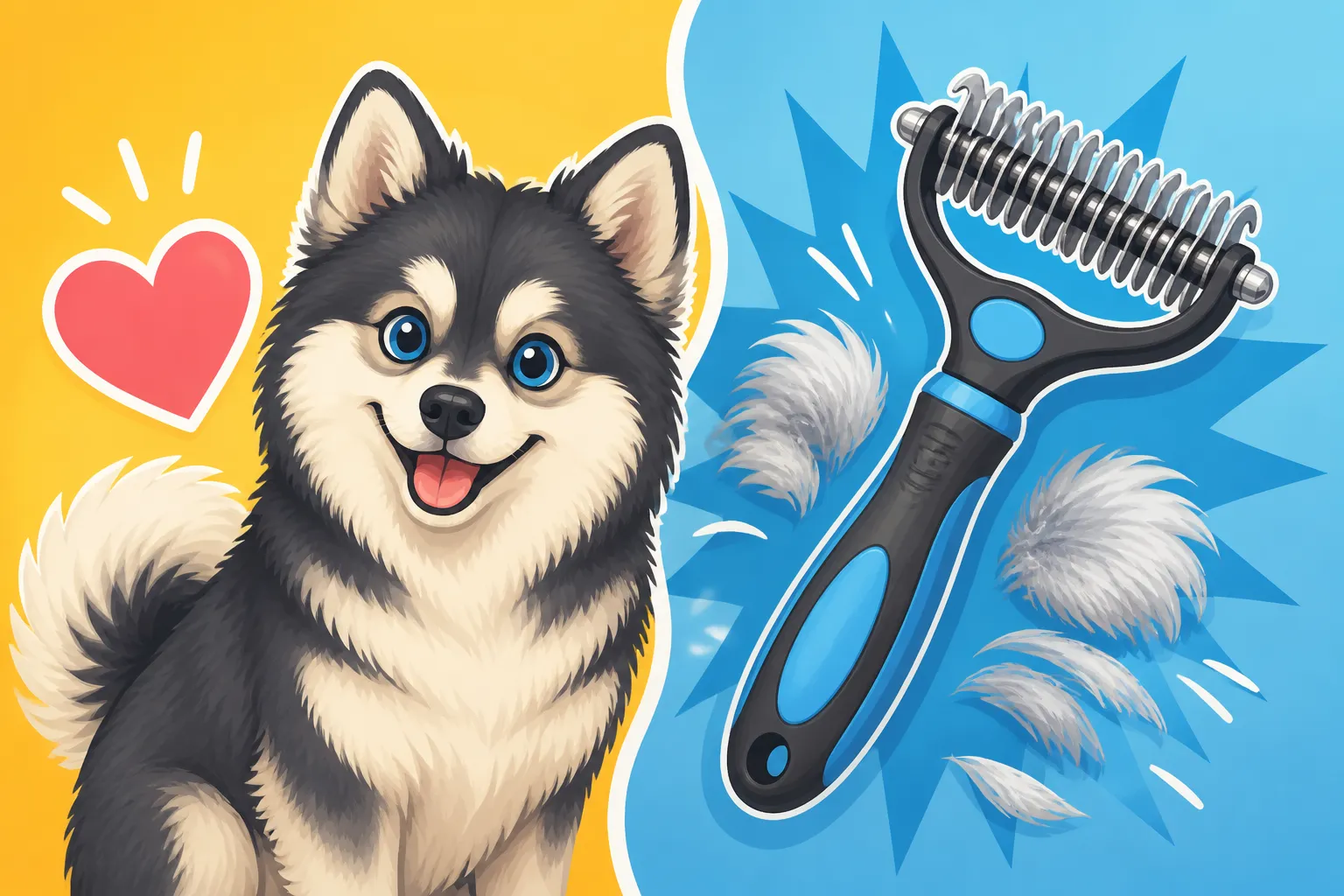
An undercoat rake is a grooming tool characterized by its long, widely spaced teeth, often with rounded ends, set into a handle. Unlike a slicker brush, which has many fine wire bristles, or a pin brush with widely spaced wires, an undercoat rake's teeth are designed to go through the topcoat. Its purpose is to reach deep into the dense undercoat and gently pull out loose, dead hair that would otherwise get trapped, form mats, and cause problems.
Think of it as a small, specialized comb that separates the layers of fur. It effectively "rakes" out the old undercoat without cutting or damaging the healthy guard hairs. This is particularly important for breeds like Pomskies, where the integrity of the topcoat is crucial for protection against the elements. Using the right tool for the job makes all the difference, and for that thick undercoat, nothing compares to a dedicated rake.
How an Undercoat Rake Differs from Other Brushes
It's easy to confuse an undercoat rake with other grooming tools, but their functions are distinct. A slicker brush, for example, is excellent for general brushing, removing surface tangles, and smoothing the topcoat. A pin brush is great for fluffing and working through longer fur, helping to detangle without pulling. However, neither of these is truly designed to penetrate the dense undercoat efficiently without significant effort or risk of causing discomfort.
Deshedding tools, often with fine, sharp blades, are also popular, but they can be aggressive and, if used incorrectly or too frequently, can cut and damage the guard hairs. The undercoat rake, on the other hand, is generally much gentler. Its rounded teeth are designed to glide through the undercoat, catching only the loose, dead fur. This minimizes the risk of irritating the skin or damaging the precious outer coat that helps your Pomsky regulate their body temperature and protects them. For more on what brushes work best, check out The Rake, Slicker and Comb a Pomsky Needs.
The Science Behind Effective Undercoat Removal
The effectiveness of an undercoat rake lies in its design, which leverages the natural structure of a double coat. When a Pomsky sheds, the dead undercoat hairs become detached from the follicle but remain entangled within the living undercoat and guard hairs. If left in place, this dead hair acts like a felt, trapping moisture, debris, and creating perfect conditions for mats to form. These mats can restrict air circulation to the skin, leading to hot spots and other skin infections.
The long, strong teeth of an undercoat rake are precisely spaced to navigate this dense landscape. As you pull the rake through the fur, the teeth gently separate the individual hairs. The dead, loose undercoat, which has a different texture and is no longer anchored to the skin, is caught by the rake and pulled free. The healthy, attached hair, along with the coarser guard hairs, typically slides past the teeth. This targeted removal of dead undercoat is what allows for proper air circulation, reduces matting, and significantly lessens the amount of fur shed around your home.
Choosing the Right Undercoat Rake for Your Pomsky
Stepping into the pet grooming aisle or browsing online, you'll find a dizzying array of undercoat rakes. It’s not a one-size-fits-all situation when it comes to grooming tools for a Pomsky, as their coats can vary slightly in density and length. Making an informed choice about which rake to buy can save you frustration, money, and most importantly, ensure your Pomsky has a comfortable and effective grooming experience.
Navigating the Different Types of Rakes
While all undercoat rakes share a similar core function, there are variations in design that cater to different coat types and grooming preferences. Some rakes feature a single row of widely spaced, blunt teeth, which are excellent for general deshedding and breaking up minor tangles. Others might have a double row of teeth, designed to be even more efficient at catching loose fur, though these require a bit more care to ensure they don't pull too much.
You might also encounter "dematting rakes" or "shedding blades" that look similar but have sharper, hooked teeth. These are specifically for cutting through severe mats and should be used with extreme caution, often by professionals, as they can easily cut skin or damage healthy fur if not handled properly. For regular undercoat maintenance, stick to rakes with rounded, smooth teeth that are designed to pull dead hair, not cut it. Knowing your Pomsky's specific coat type, whether it’s a standard, wooly, or even shorter coat, will help you decide. Learning about The Three Pomsky Coat Types can be a huge help here.
Factors to Consider: Size, Teeth, and Handle
When selecting an undercoat rake, several factors come into play. Firstly, consider the size and spacing of the teeth. For a Pomsky, especially one with a very dense undercoat or during a heavy shedding season, you'll want teeth that are long enough to penetrate deeply but spaced wide enough to prevent snagging. Too many teeth too close together can pull too much hair at once, causing discomfort.
Secondly, look at the material and shape of the teeth. Stainless steel teeth are durable and easy to clean. Ensure the tips are rounded or blunted to prevent scratching your Pomsky's skin, which is surprisingly sensitive underneath all that fur. Finally, don't overlook the handle. A comfortable, ergonomic handle with a good grip is essential, especially during those marathon grooming sessions. Your hand will thank you, and a steady grip helps ensure you don't accidentally slip and hurt your dog.
Where to Find Quality Undercoat Rakes
The good news is that quality undercoat rakes are widely available, both in physical pet stores and online. For a broad selection, online retailers like Amazon and Chewy are fantastic resources. You can read reviews from other pet owners, compare different brands, and often find competitive prices. Brands like Furminator (though primarily known for their shedding blades, they also offer rakes), Andis, and Hertzko are often well-regarded for their grooming tools.
When purchasing, prioritize tools made from durable materials that will last. While it might be tempting to opt for the cheapest option, investing a little more in a well-made rake can make a significant difference in its effectiveness and your Pomsky's comfort. Remember, this isn't a one-time purchase; this rake will be a long-term partner in your Pomsky grooming journey. You might even find specialized undercoat rakes designed specifically for specific coat densities, so do a little research before committing.
A Step-by-Step Guide to Raking Your Pomsky Like a Pro
Raking your Pomsky effectively isn't just about owning the right tool; it's about technique, patience, and creating a positive experience for your dog. A rushed or uncomfortable grooming session can quickly turn your Pomsky into a reluctant participant, making future sessions a battle. The goal is to make it a calm, regular part of their routine.
Preparation is Key: Setting the Stage for Success
Before you even touch your Pomsky with the rake, preparation is vital. Find a quiet, comfortable spot where both you and your dog can relax. A grooming table with a non-slip surface is ideal, but a sturdy table or even the floor can work if your Pomsky is calm. Have all your tools laid out: the undercoat rake, a slicker brush for initial detangling, treats for positive reinforcement, and maybe even a helper if your Pomsky is particularly wiggly.
Start by giving your Pomsky a good once-over with a regular slicker brush or pin brush. This helps to remove any surface debris, loose guard hairs, and work out any minor tangles in the topcoat. Trying to force an undercoat rake through knotted topcoat fur can be painful for your dog and make them wary of the process. If you encounter any significant mats, try to gently work them out with your fingers or a wide-tooth comb first. Never try to rake through a solid mat, as this will pull on their skin and hurt them.
The Art of the Gentle Stroke: Technique and Pressure
Once the topcoat is prepped, it's time for the undercoat rake. Always start with a light touch. Position the rake so its teeth are perpendicular to your Pomsky's skin. Begin by raking in the direction of hair growth, starting from the head and working your way back towards the tail, then down the legs. Use short, gentle strokes, applying minimal pressure. The idea is to allow the teeth to penetrate the topcoat and pull out the loose undercoat.
As you rake, you'll see clumps of dead fur accumulating in the rake's teeth. Stop frequently to pull this fur out; otherwise, the rake won't be as effective. Pay extra attention to areas where the undercoat is thickest, such as around the neck, chest, hindquarters, and the "pantaloons" on their back legs. These are common areas for matting. Hold the skin taut with one hand while raking with the other to minimize pulling and make it more comfortable for your dog. For more information on dealing with stubborn shedding, check out How Much Undercoat Comes Off a Pomsky.
Post-Raking Care: Finishing Touches and Rewards
After a thorough raking session, your Pomsky's coat should feel noticeably lighter and smoother. Finish up with another pass with the slicker brush to smooth down the topcoat and ensure no stray hairs are left. Many owners also like to follow up with a quick wipe-down to remove any remaining loose hairs. Most importantly, reward your Pomsky generously! Treats, praise, and a short play session immediately after grooming can help them associate the process with positive experiences, making them more cooperative next time.
Regularity is key here. Depending on your Pomsky's individual shedding cycle and coat density, you might need to use the undercoat rake once or twice a week for general maintenance, increasing to daily or every other day during heavy "blowing coat" periods. Consistency not only keeps their coat healthy but also reduces the amount of fur you find all over your home.
Troubleshooting Common Raking Challenges and Mistakes
Even with the best intentions and the right tools, grooming a Pomsky can present its own set of challenges. Their independent nature, combined with a surprisingly sensitive skin, means you might hit a few bumps in the road. Knowing how to troubleshoot these common issues can prevent frustration for both you and your furry companion.
When Your Pomsky Hates Being Raked
It's not uncommon for Pomskies to be a bit opinionated about grooming, especially if they weren't introduced to it early or had a negative experience. If your Pomsky resists the rake, don't force it. Forcing them will only create more negative associations. Instead, break grooming down into very short, positive sessions. Start with just a few strokes, then immediately stop and reward them with a high-value treat and praise. Gradually increase the duration as they become more comfortable.
Consider teaching them a "stand" or "relax" command for grooming. Use a calming voice and gentle movements. If they get agitated, take a break and try again later. Sometimes, experimenting with different types of rakes or brushes can help; some dogs simply prefer the feel of one over another. Positive reinforcement, patience, and consistency are your best tools here, not force. Remember, your goal is a happy, cooperative Pomsky.
Avoiding Skin Irritation and Coat Damage
One of the biggest mistakes owners make is raking too aggressively or using a rake with sharp, unblunted teeth. This can easily scratch your Pomsky's delicate skin, leading to redness, irritation, or even infection. Always use gentle, sweeping strokes and make sure the rake is clean and free of trapped fur, which can snag. If you notice any redness or tenderness, stop immediately and inspect the area.
Another common issue is over-raking. While it’s important to remove dead undercoat, excessive or prolonged raking can strip too much healthy undercoat or damage the guard hairs, affecting their natural insulation and protection. During non-shedding periods, a weekly light raking might be sufficient. During a "blowout," you might need to rake more frequently, but always listen to your dog and observe their coat's condition. The key is to remove loose hair, not healthy hair. Learning about Whether Shaving a Pomsky Damages the Coat is important because improper grooming can sometimes mimic the effects of shaving.
Dealing with Mats and Tangles
Despite your best efforts, mats and tangles can still form, especially in high-friction areas like behind the ears, under the legs, or around the tail. Trying to rake through a solid mat with an undercoat rake is a definite no-no; it will pull painfully on the skin. For minor tangles, you might try working them out gently with your fingers or a wide-tooth comb, using a detangling spray to help loosen the hair.
For more significant mats, particularly those close to the skin, it’s often best to seek professional help from a groomer. They have specialized tools and techniques to safely remove mats without causing pain or injury. Sometimes, shaving a matted area is the only humane option. Preventing mats through regular, consistent raking is always preferable to dealing with severe tangles, which can be a very uncomfortable experience for your Pomsky.
| Tool Type | Primary Use | Best For Pomsky Coat | Pros | Cons |
|---|---|---|---|---|
| Undercoat Rake | Removing loose undercoat | Dense double coats, especially during shedding seasons | Effectively removes dead undercoat without damaging topcoat, prevents mats | Can pull if used improperly, some dogs dislike the sensation |
| Slicker Brush | Detangling, smoothing topcoat | All coat types, general grooming, surface tangles | Good for finishing, adds shine, removes loose guard hairs | Doesn't penetrate deep undercoat effectively, bristles can scratch if too hard |
| Pin Brush | Gentle detangling, fluffing | Longer coats, sensitive skin, general daily brushing | Good for initial brush, comfortable for dog, good for fluffing | Not effective for deep undercoat removal or heavy shedding |
| Wide-Tooth Comb | Checking for tangles, finishing | All coat types, especially for checking work | Helps find missed tangles, good for sensitive areas like face/ears | Not designed for bulk fur removal, slow for large areas |
| Deshedding Tool | Aggressive undercoat removal | Very heavy shedding (use with caution and infrequently) | Extremely efficient at removing undercoat | Can cut guard hairs, may irritate skin if overused, can thin coat |
| Force Dryer | Drying, blowing out undercoat | All coat types, especially after baths and during shedding | Speeds drying, very effective at blowing out loose undercoat | Can be loud and frightening for some dogs, requires training |
Beyond the Rake: Complementary Grooming Tools
While the undercoat rake is undeniably your MVP for managing that thick Pomsky coat, it’s not a standalone solution. A comprehensive grooming routine involves several tools, each playing a crucial role in maintaining your Pomsky's comfort, coat health, and overall well-being. Thinking of your grooming kit as a toolbox, rather than just a single brush, will set you up for success.
The Essential Slicker Brush and Pin Brush
Before you even reach for the undercoat rake, a good quality slicker brush or pin brush should be your first line of defense. A slicker brush with its fine, bent wire bristles, is excellent for removing surface tangles, loose guard hairs, and debris from the topcoat. It also helps to smooth out the fur, giving it that polished look. Use it in short, gentle strokes, making sure not to press too hard, as the wire bristles can irritate the skin. It’s perfect for the finishing touches after a raking session.
A pin brush, on the other hand, has longer, wider-spaced pins, often with rubber tips. This brush is fantastic for fluffing up the coat, gently detangling longer sections, and can be more comfortable for Pomskies with sensitive skin or for puppies being introduced to grooming. It’s a good general-purpose brush for daily quick passes and helps to prepare the coat by working through the top layer before you tackle the dense undercoat. Using both ensures you address both the outer and inner layers in sequence.
The Mighty Force Dryer: A Game-Changer
If you're serious about managing your Pomsky's shedding and coat health, a high-velocity force dryer (also known as a dog-specific blow dryer) is an absolute game-changer. This isn't your human hairdryer; it’s much more powerful and designed to literally force water out of the coat after a bath and, more importantly, blow out loose undercoat. Whether a Force Dryer Is Essential for a Pomsky is a question many ask, and for serious shedding, the answer is often yes.
During a "blowout" season, a force dryer used on a dry coat can remove an incredible amount of loose undercoat, far more efficiently than brushing alone. It works by creating a strong jet of air that pushes out the dead, detached hairs. Using it correctly can drastically reduce the amount of fur shed around your home and prevent mats from forming. Introduce your Pomsky to it slowly, starting on a low setting and associating it with treats, as the noise can be startling at first.
The Role of Combs and Deshedding Shampoos
Beyond brushes and dryers, a good wide-tooth comb is invaluable for checking your work and tackling stubborn tangles. After raking and brushing, run the comb through the coat to ensure you haven't missed any knots, particularly in those problem areas like behind the ears or under the legs. It’s also useful for grooming sensitive areas like the face where a rake might be too large.
Deshedding shampoos and conditioners can also play a supporting role, especially during a heavy shedding period. These products are formulated with ingredients that help to loosen dead hair and facilitate its removal during bathing and subsequent drying. While they won't magically stop shedding, they can make the fur easier to brush out. Remember to follow up a deshedding bath with a thorough force drying and raking session for maximum effectiveness. For more on this, you can look into Whether a Deshedding Bath Is Worth It for a Pomsky.
Integrating the Undercoat Rake into Your Pomsky's Routine
The key to successfully managing your Pomsky's coat isn't just knowing how to use an undercoat rake, but when and how often. Grooming isn't a one-off event; it's a consistent commitment that varies with the seasons and your Pomsky's individual coat. Establishing a routine that works for both of you will make the process much smoother and more effective.
Seasonal Shedding: Raking During a "Blowout"
As we've discussed, Pomskies experience two major "blowouts" each year, typically in spring and fall. This is when they shed their entire undercoat to adapt to the changing temperatures. During these periods, your undercoat rake becomes your absolute best friend, and you'll need to use it much more frequently. You might find yourself raking your Pomsky every day or every other day, focusing on systematically removing as much of that dead undercoat as possible.
Ignoring these heavy shedding phases will almost guarantee mats, discomfort, and a house covered in fur. The more diligently you rake during a blowout, the quicker the process will be over, and the healthier your Pomsky's coat will remain. This is also when a force dryer truly earns its keep, as it can significantly reduce the time and effort needed to clear out the shedding undercoat. Be prepared to fill up your vacuum cleaner often; the sheer volume of fur can be astonishing!
Regular Maintenance: Preventing Problems Year-Round
Even outside of the heavy shedding seasons, Pomskies shed continuously, albeit at a slower rate. Therefore, regular undercoat raking is still essential for year-round maintenance. A good routine might involve using the undercoat rake once or twice a week, depending on your Pomsky's specific coat density and lifestyle. This consistent removal of loose undercoat helps to prevent the buildup of dead hair that can eventually lead to matting.
Regular grooming sessions also allow you to bond with your Pomsky and check their skin for any abnormalities like bumps, rashes, or parasites that might otherwise go unnoticed. It’s about more than just aesthetics; it's about preventative health care. Making these sessions a positive, calm experience will ensure your Pomsky remains cooperative and enjoys their grooming time, rather than dreading it.
Creating a Positive Grooming Experience for Life
The foundation of any successful grooming routine is positive association. From puppyhood, introduce your Pomsky to the undercoat rake gently and positively. Let them sniff the tool, give them a treat, and then perform a very short, light stroke, followed by another treat and praise. Gradually extend the duration and intensity of the sessions as they become more comfortable. This is similar to how you would approach Teaching a Pomsky to Be Brushed.
Never punish your Pomsky for resisting grooming. If they become agitated, take a break and try again later. Consistency is key; short, frequent positive sessions are far more effective than infrequent, long, and stressful ones. Over time, your Pomsky will learn that grooming is a normal, even pleasant, part of their life, rewarded with attention and tasty snacks. This early positive conditioning will pay dividends throughout their entire life.
When to Call in the Professionals: Groomer or Vet?
Despite your best efforts and the arsenal of grooming tools at your disposal, there will be times when a professional touch is needed. Recognizing when to seek outside help, whether from a professional groomer or your veterinarian, is an important part of responsible Pomsky ownership and ensures your dog's comfort and health.
Recognizing When DIY Isn't Enough
Sometimes, the matting becomes too severe, too close to the skin, or too widespread for you to safely handle at home. Attempting to cut out deep mats with scissors yourself is incredibly risky, as it's easy to accidentally cut your dog's skin, which can be thin and delicate in these matted areas. If your Pomsky develops hot spots under a mat or you find skin irritation that isn't resolving, it's definitely time to call in a professional.
Similarly, if your Pomsky has an intense aversion to grooming that you can't overcome with positive reinforcement, a professional groomer might be able to help. They have specialized training, tools, and often calming techniques to work with difficult dogs, helping to make the experience less stressful. Don't feel like a failure if you need to defer to an expert; it's a sign of a caring owner who prioritizes their dog's well-being.
Finding a Groomer Experienced with Double Coats
Not all groomers are created equal, especially when it comes to double-coated breeds like Pomskies. When looking for a professional, specifically ask if they have experience with Huskies, Pomeranians, or Pomskies, and how they approach grooming these breeds. A reputable groomer will understand the importance of preserving the double coat and will never recommend shaving it unless it's the absolute last resort for severe matting or medical reasons.
Inquire about their methods for deshedding and dematting. They should be using tools like undercoat rakes and force dryers, not just clippers. Visiting the salon or asking for references can give you peace of mind. A good groomer will also be able to advise you on your at-home routine and might even offer tips and tricks specific to your Pomsky's coat type. They're an invaluable resource in your grooming journey.
Addressing Underlying Health Issues Affecting the Coat
Sometimes, excessive shedding, persistent matting, or poor coat quality can be more than just a grooming challenge; it can be a sign of an underlying health issue. Skin allergies, nutritional deficiencies, hormonal imbalances (like hypothyroidism), or parasites can all manifest as coat problems. If you notice changes in your Pomsky's coat or skin that seem unusual, despite a consistent grooming routine, a trip to the veterinarian is warranted.
Your vet can perform diagnostic tests to rule out medical causes for skin and coat issues. For instance, if you suspect Whether a Pomsky Needs Extra Zinc, your vet can test for deficiencies. They might recommend specific supplements, dietary changes, or medications to address the root cause, which will, in turn, improve the coat's condition. Never hesitate to involve your vet when you have concerns; they are your primary partner in your Pomsky's overall health.
Disclaimer
This article is for general informational purposes only and does not constitute professional advice. Laws, prices and regulations vary by location and change over time. Consult a qualified professional for guidance on your specific situation.