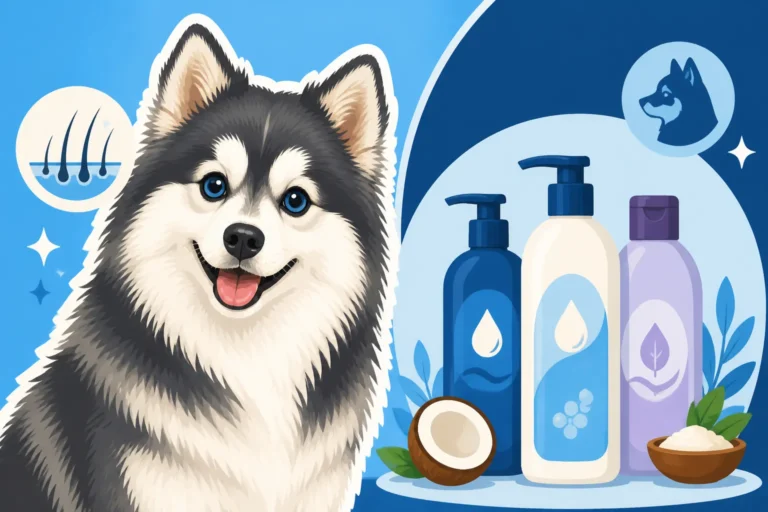
The Three Pomsky Coat Types
One of the biggest surprises, and sometimes frustrations, for new Pomsky owners is the sheer variety and intensity of their dog's coat. You might picture a tiny, fluffy Husky, but the reality of a Pomsky's double coat can range from plush and manageable to a dense, wooly beast that seems to shed perpetually. Understanding the three main coat types your Pomsky can inherit is absolutely crucial for proper grooming, maintaining their health, and keeping your sanity (and your furniture!) intact. This guide will walk you through each coat type, its characteristics, and the dedicated care it demands.
Understanding the Pomsky's Double Coat Foundation
Before we dive into the specific coat types, it’s important to remember that all Pomskies, at their core, are designed by nature to have a double coat. This means they possess a softer, dense undercoat that acts as insulation, and a coarser, protective outer layer known as guard hairs. Both parent breeds – the Siberian Husky and the Pomeranian – contribute to this double-coat genetic blueprint, but the way these traits combine can lead to quite distinct variations.
The Husky Influence: Density and Shedding
The Siberian Husky brings a truly formidable double coat to the Pomsky mix. This is a breed designed for arctic conditions, so their coat is incredibly dense, providing superior insulation against cold and, surprisingly, against heat. Huskies are famous for their seasonal "blows," where they shed massive amounts of undercoat to adapt to changing temperatures. If your Pomsky leans heavily towards the Husky side in its coat genetics, you’ll be dealing with a lot of this density. This means more brushing, more shedding, and more diligence required to prevent mats, especially during those infamous seasonal coat blows. Owners often grapple with the sheer volume of fur, and realizing that your twenty-pound companion can produce as much shedding as a much larger dog can be quite the revelation.
The guard hairs from the Husky side tend to be relatively straight and protective, designed to repel water and dirt. Beneath them lies a thick, soft undercoat that feels almost like cotton. This combination, while beautiful, requires consistent attention. Many Pomsky owners find themselves investing in specialized tools and techniques just to manage the daily realities of this dense fur. It’s not just about aesthetics; a well-maintained double coat is essential for the dog's comfort and skin health.
The Pomeranian Influence: Texture and Loft
On the other side of the genetic coin, we have the Pomeranian. Poms also have a double coat, but it's often described as "stand-off" due to the fluffy, abundant undercoat that gives them their characteristic poofy appearance. Their guard hairs are longer, straighter, and can have a more silky texture than a Husky's. This loft and volume from the Pomeranian can add a different dimension to the Pomsky's coat, often contributing to a softer, more voluminous appearance, particularly in the neck ruff and tail.
While the Pomeranian's coat is undeniably beautiful, it also brings its own set of grooming demands. Their fine undercoat can be prone to matting if not brushed regularly, and their longer guard hairs can trap debris. The combination of Husky density and Pomeranian fluff creates a spectrum of coats, each with its unique blend of these traits. This is why The Pomsky That Carries a Husky Coat at Twenty Pounds can still look so different from one littermate to another, or even from the parent Pomsky generations.
The "Standard" or "Plush" Pomsky Coat
This is arguably the most common and often sought-after Pomsky coat type, as it tends to strike a harmonious balance between both parent breeds. The "standard" or "plush" coat is what many people envision when they think of a well-groomed Pomsky.
Characteristics and Appearance
A standard Pomsky coat typically has a medium-length outer coat that is soft but still has a protective texture. The undercoat is dense and soft, much like a Husky's, but perhaps not quite as overwhelmingly thick. The overall impression is one of lushness and fullness without being overly fluffy or prone to extreme matting. You'll often see the classic "Husky mask" or markings clearly defined on a plush coat, and the fur tends to lie relatively smoothly against the body, with a noticeable ruff around the neck and feathering on the legs and tail.
This coat feels luxurious to the touch, often resembling a high-quality plush toy. It has enough substance to provide good insulation but isn't so long or fine that it immediately tangles. While still a double coat, it generally appears more "groomed" and less wild than some other variations. This is often the coat type that breeders aim for, as it provides that ideal miniature Husky look combined with a more manageable texture.
Grooming Needs for the Standard Coat
Even with a "standard" coat, grooming is still a significant commitment. These Pomskies will shed year-round, with two major "blowouts" annually, usually in spring and fall, where they shed their undercoat in vast quantities. During these periods, daily brushing is non-negotiable. Outside of blowouts, a good thorough brushing 2-3 times a week is usually sufficient to prevent mats, remove loose hair, and distribute natural oils.
You'll want to invest in a quality undercoat rake and a slicker brush. Tools like these, readily available from online retailers like Chewy or Amazon, are essential for reaching deep into the undercoat and pulling out dead hair before it forms tangles. Regular bathing, perhaps every 4-6 weeks, with a good dog-specific shampoo and conditioner, followed by thorough drying, will also help manage shedding and keep the coat healthy. The goal is to keep the undercoat from packing down, which can lead to skin issues and uncomfortable matting. This coat type requires attention, but it's generally predictable once you get into a routine. Understanding Whether a Pomsky Blows Its Coat Twice a Year is key to managing this shedding effectively.
The "Wooly" Pomsky Coat
Ah, the wooly Pomsky. This coat type often gets a lot of attention because of its incredibly fluffy, teddy-bear like appearance. While undeniably adorable, it comes with a significantly higher grooming commitment.
Identifying a Wooly Coat
A wooly Pomsky coat is characterized by noticeably longer, softer, and often finer guard hairs that blend almost seamlessly with an extremely dense and copious undercoat. Instead of lying flat, the fur tends to stand off the body, giving the dog a rounder, more voluminous silhouette. It can feel incredibly soft, like a cloud, but this softness comes at a cost in terms of maintenance. The guard hairs might be wavy or slightly curly, unlike the straighter coats of the standard type.
You’ll see the length particularly around the ears, tail, and often on the body. This coat type is usually a stronger expression of the Pomeranian's long, fluffy coat genes, combined with the Husky's undercoat density. While stunning, it’s a magnet for debris, moisture, and, most notably, mats. Owners of wooly Pomskies quickly learn that their dog is not just a pet, but a canvas that requires constant care.
The Challenges and Rewards of Wooly Coat Grooming
Grooming a wooly Pomsky is a full-time commitment. The combination of long, fine guard hairs and a super dense undercoat makes them incredibly prone to matting. These mats can form quickly, especially in friction areas like behind the ears, under the legs, on the belly, and around the tail. If left unchecked, mats can pull at the skin, causing pain, irritation, and potentially serious skin infections. This is where the frustration can really set in for owners who aren't prepared for the daily battle against tangles. Whether a Wooly Pomsky Mats isn't a question of if, but when and how severely.
However, the reward is a truly magnificent-looking dog. A well-maintained wooly coat is breathtakingly beautiful, soft, and inviting. The key is consistency: daily brushing, particularly during shedding seasons, and potentially more frequent professional grooming appointments. Many owners find that a high-velocity force dryer is indispensable for drying the dense coat thoroughly after a bath, and for blowing out loose undercoat. You can find excellent options on Amazon that can make a huge difference in your grooming routine.
Preventing Mats and Managing Shedding
To combat matting in a wooly Pomsky, you need a multi-pronged approach. First, invest in a quality pin brush, a wide-toothed comb, and an undercoat rake. Line brushing, which involves parting the hair and brushing in sections down to the skin, is crucial to ensure you're getting through all layers of the coat. Second, regular baths are important, but only if you can fully dry the dog afterward. A damp undercoat is a breeding ground for matting and skin issues. Using a force dryer (as mentioned, available on sites like Chewy) helps blast out loose hair and dries the coat to the skin, preventing moisture-related problems.
Beyond home grooming, many wooly Pomsky owners opt for professional grooming every 4-8 weeks. A professional groomer has the tools and expertise to handle this challenging coat, often performing thorough de-shedding treatments and addressing any developing mats before they become severe. It’s a significant investment in time and money, but essential for the comfort and health of a wooly-coated Pomsky.
The "Fuzzy" or "Short/Smooth" Pomsky Coat
This coat type is less commonly seen but definitely exists within the Pomsky spectrum. It's often referred to as a "fuzzy," "short," or "smooth" coat, and it represents a stronger genetic pull from the Pomeranian side, or sometimes a unique blend that results in less length overall.
Describing the Shorter Coat
A fuzzy or short-coated Pomsky will have a double coat, but both the guard hairs and the undercoat will be notably shorter than the standard or wooly types. The fur lies closer to the body, lacking the stand-off fluffiness of a Pomeranian or the lush length of a Husky. While still possessing an undercoat, it might be less dense, leading to a sleeker appearance. These Pomskies can sometimes look more like a slightly larger Pomeranian with Husky coloring, or even resemble a short-haired Husky puppy, though they will always have that defining double coat.
This coat type might lead some owners to believe they have a "low maintenance" Pomsky, but that's not entirely true. They still shed, and they still have an undercoat that needs care, it just might not be as dramatic or as prone to severe matting as the wooly coat. The texture might be a bit coarser than the plush coat, but softer than a smooth, single-coated dog.
Grooming for the Less Common Short Coat
While generally easier to maintain than the other two types, the fuzzy Pomsky coat still requires regular grooming. You won't face the same matting battles as with a wooly coat, but shedding is still a reality. These dogs will still experience seasonal coat blows, albeit potentially with less volume of hair than their more heavily coated counterparts. Regular brushing, perhaps 2-3 times a week, with a slicker brush and a rubber curry comb or shedding blade, will help remove loose undercoat and keep the guard hairs smooth.
Bathing can be done less frequently, perhaps every 6-8 weeks, but thorough drying is still important. The shorter length means they typically dry faster, which is a bonus. The main focus for this coat type is managing the shedding and keeping the coat clean and healthy. While you might not need a force dryer as urgently as a wooly Pomsky owner, it can still be a beneficial tool during heavy shedding periods. Never think that "short" means "no grooming," especially when it comes to Whether a Pomsky Sheds All Year as Well. Every double-coated dog sheds, it's just a matter of degree.
Why Coat Type Matters for Lifestyle and Care
Understanding your Pomsky's coat type isn't just about winning ribbons in the grooming ring; it fundamentally impacts your daily life with your dog. The differences in coat mean vastly different care routines, environmental considerations, and financial commitments.
Impact on Shedding and Housekeeping
Let's be blunt: all Pomskies shed. But the amount and type of shedding vary significantly with their coat type. A wooly Pomsky will shed prodigious amounts of soft, downy undercoat, which can become airborne and settle on every surface, forming "tumbleweeds" of fur in your home. A standard coat will also shed heavily, especially during seasonal blows, but the hair might be slightly coarser and easier to vacuum. A short-coated Pomsky will shed, but potentially less dramatically, though the shorter hairs can be stickier and harder to remove from fabric.
This impacts your housekeeping routine dramatically. You might need to vacuum daily, invest in lint rollers by the dozen, and consider specific types of furniture or flooring that are easier to clean. For those with allergies, even the short coat can be a trigger, as Whether a Pomsky Suits a Household With Allergies is generally answered with a cautious 'no' regardless of coat type. The density of their undercoat means they are not considered hypoallergenic by any stretch.
Adapting to Climate and Outdoor Activities
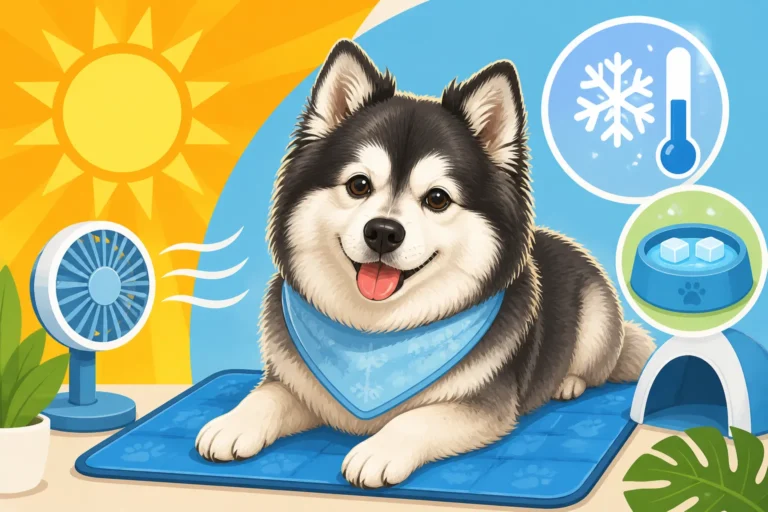
A Pomsky's double coat is a marvel of natural engineering, designed for insulation. It works in both hot and cold weather by trapping air, keeping them warm in winter and helping to regulate body temperature in summer. However, a dense, wooly coat can be more challenging to manage in very hot and humid climates compared to a standard or short coat. Overheating is a serious concern for any Pomsky, and a thick coat can exacerbate this if not properly managed. The Temperature a Pomsky Starts Struggling At is often lower than owners expect, particularly for those with very dense coats.
For outdoor activities, a long, wooly coat will pick up more burrs, twigs, and dirt than a shorter coat. If you're an avid hiker or enjoy off-leash adventures in nature, a wooly Pomsky will require immediate and thorough cleaning upon return to prevent matting and skin irritation. Owners of plush or short-coated Pomskies might find post-adventure cleanup a bit less intense, but it's still necessary. Regardless of coat type, proper hydration and monitoring for signs of overheating are critical when exercising in warmer weather.
The Time and Cost Commitment
The differences in coat type directly translate to variations in your time and financial commitment. A wooly Pomsky will demand daily brushing sessions that can last 20-30 minutes, especially during a coat blow, and likely professional grooming every month or two. This adds up quickly in terms of both your personal time and professional service fees. What Grooming a Pomsky Costs a Year can be a significant budget item for owners of wooly-coated dogs.
A standard coat will require consistent weekly brushing and perhaps professional grooming every 2-3 months. The short coat might need less frequent intense brushing, but still regular attention. Beyond brushes and combs, you'll need specialized shampoos, conditioners, a good quality force dryer, nail clippers, and possibly professional dematting sprays. These aren't just "nice-to-haves" for a Pomsky; they are essential tools for maintaining their health and comfort, irrespective of which of the three coat types they inherited.
Predicting Your Pomsky's Coat Type
When you bring home an adorable Pomsky puppy, it can be hard to tell exactly what their adult coat will look like. Their puppy fluff is often deceptive, and predicting the final coat type requires a bit of knowledge about genetics and development.
Puppy Coat vs. Adult Coat Development
A Pomsky puppy's coat is almost universally soft and fluffy, but this "puppy fluff" is not a reliable indicator of its adult coat type. Puppies typically start growing their adult coat between 4-6 months of age, and the true texture, length, and density won't fully develop until they are around a year to 18 months old. This transition period can be a bit messy, with uneven patches of fur and increased shedding as the puppy coat gives way to the adult coat.
It's during this time that you'll begin to see whether your Pomsky is developing a plush, wooly, or shorter coat. The guard hairs will start to emerge, and the undercoat will become more dense. Don't be fooled by how easy a puppy's coat is to brush; the real work often begins once they hit adolescence. Whether a Pomsky Puppy's Fluff Predicts the Adult Coat is a common question, and the answer is usually "not entirely."
The Role of Generation F1, F2, and Beyond
The generation of your Pomsky (F1, F2, Multigen) can offer some clues, though it's not a guarantee.
- F1 Pomskies (first generation, Husky x Pomeranian) tend to have the widest variation in coat types, as they are a direct 50/50 mix. You could get anything from a very Husky-like plush coat to a more Pomeranian-leaning wooly coat, or even the rarer short coat. The genetic lottery is strongest here.
- F2 Pomskies (Pomsky x Pomsky) or later generations often show breeders attempting to stabilize desired traits, including coat type. Responsible breeders will select parent dogs with complementary coat types to try and produce more consistent results. You might see a higher percentage of standard/plush coats in these generations, but wooly or short coats can still appear.
- Multigenerational Pomskies are bred over several generations to further refine traits. While theoretically leading to more predictability, there's always a chance for genetic throwbacks, and the full spectrum of coats can still occur.
Ultimately, while generations can give a hint, genetics are complex, and individual variation is still high.
What a Responsible Breeder Should Tell You
A truly responsible Pomsky breeder will be transparent about the potential coat types in their lines. They should be able to show you photos of previous puppies from the same parents as adults, and discuss the typical coat characteristics. They won't guarantee a specific coat type, especially in F1s, but they can give you a strong indication based on the parents' genetics and prior litters. They should also educate you on the grooming commitment required for a double-coated breed, regardless of the specific type.
Good breeders will also perform health testing on the parent dogs, which indirectly impacts coat health, as a healthy dog generally has a healthier coat. Don't hesitate to ask about the parents' coats and what to expect as your puppy matures. A breeder committed to the breed's well-being will prioritize educating buyers on all aspects of Pomsky care, including the intensive grooming often required.
General Grooming Principles for All Pomsky Coats
No matter which of the three types your Pomsky's coat turns out to be, certain grooming principles apply universally. Consistency, the right tools, and a calm approach are your best friends.
The Importance of Regular Brushing
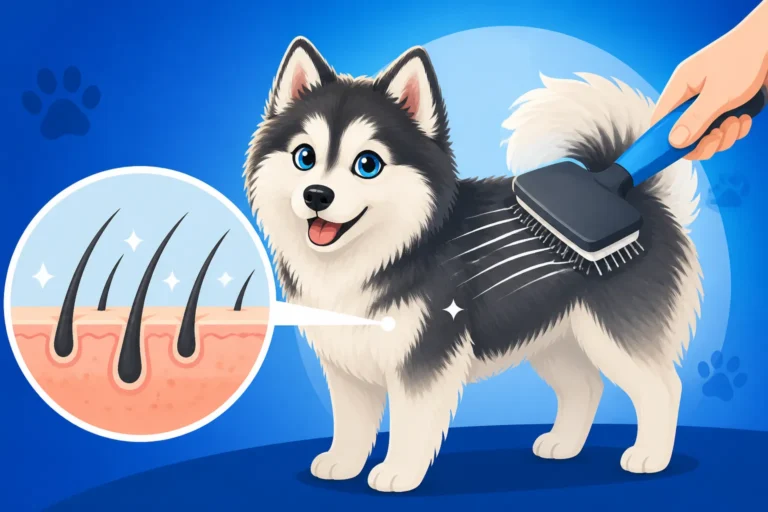
Regular brushing is the cornerstone of good Pomsky coat care. It's not just about removing loose hair; it's about preventing mats, distributing natural skin oils, stimulating circulation, and checking for any skin issues, parasites, or lumps. For wooly and standard coats, this means several times a week, potentially daily during shedding season. For short coats, 2-3 times a week is often sufficient. The key is to make it a positive experience for your dog from a young age.
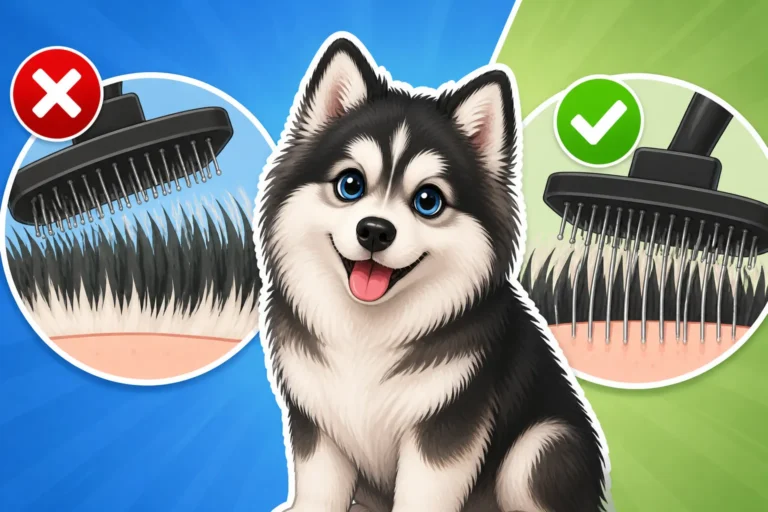
Start with short, positive sessions when your Pomsky is a puppy, associating brushing with treats and praise. Teach them to tolerate being handled, particularly their paws, ears, and tail. Invest in a good quality undercoat rake, a slicker brush, and a metal comb. These tools, available on platforms like Chewy, are designed to work through the double coat effectively. Remember, superficial brushing only removes the top layer of hair; you need to brush down to the skin to be truly effective. This is particularly important for avoiding the dreaded impacted undercoat that can cause painful matting.
Bathing Best Practices
While Pomskies don't need frequent baths, when they do get one, it needs to be done thoroughly. Over-bathing can strip their natural oils, but infrequent or incomplete bathing can lead to skin issues and a dull coat. Aim for a bath every 4-8 weeks, depending on their activity level and coat type. Always use a shampoo and conditioner specifically formulated for dogs with double coats. Look for products that help release undercoat, which can be particularly useful during a blowout.
The most critical step after a bath is complete drying. A damp undercoat can lead to "hot spots" – moist skin infections – and severe matting. A high-velocity force dryer is an absolute game-changer for Pomsky owners. It not only dries the coat quickly and efficiently but also helps to blow out loose undercoat that brushing might miss. This can significantly reduce shedding in your home. If you don't have a force dryer, be prepared for a very long drying session with a regular hairdryer on a cool setting, ensuring you get right down to the skin. Remember, Drying a Pomsky to the Skin is non-negotiable for their health and comfort.
Essential Grooming Tools
Building your Pomsky grooming kit is an investment, but a worthwhile one. Here’s a basic list of what you’ll need:
- Undercoat Rake: Indispensable for removing loose undercoat from standard and wooly coats. Brands like Furminator or others found on Amazon offer various options.
- Slicker Brush: Great for detangling surface mats and smoothing the topcoat.
- Metal Comb: Crucial for checking for mats, especially behind the ears and on the legs, and for finishing touches.
- High-Velocity Force Dryer: As discussed, a must-have for thoroughly drying and de-shedding, available from many online pet supply stores like Chewy.
- Dog-Specific Shampoo and Conditioner: Choose formulas designed for double coats or shedding control.
- Nail Clippers or Grinder: Regular nail trims are essential for paw health.
- Ear Cleaner: For routine ear hygiene.
Having these tools on hand, and knowing how to use them effectively, will empower you to keep your Pomsky's coat in prime condition, no matter if it's plush, wooly, or short. The more proactive you are, the less likely you'll be dealing with severe matting or skin issues later on.
| Coat Type | Appearance | Shedding Level | Grooming Frequency | Primary Challenges |
|---|---|---|---|---|
| Standard/Plush | Medium length, dense undercoat, smooth-lying guard hairs, lush look | Moderate to Heavy (seasonal blows) | 2-3 times/week, daily during blowouts | Consistent undercoat removal, seasonal shedding |
| Wooly | Long, soft, fluffy, voluminous guard hairs, extremely dense undercoat, stands off body | Heavy (year-round with extreme seasonal blows) | Daily, often 20-30 min/session | Matting, debris accumulation, thorough drying |
| Fuzzy/Short | Shorter guard hairs and undercoat, lies closer to body, sleeker appearance | Moderate (less dramatic seasonal blows) | 2-3 times/week | Managing everyday shedding, skin health |
Disclaimer
This article is for general informational purposes only and does not constitute professional advice. Laws, prices and regulations vary by location and change over time. Consult a qualified professional for guidance on your specific situation.