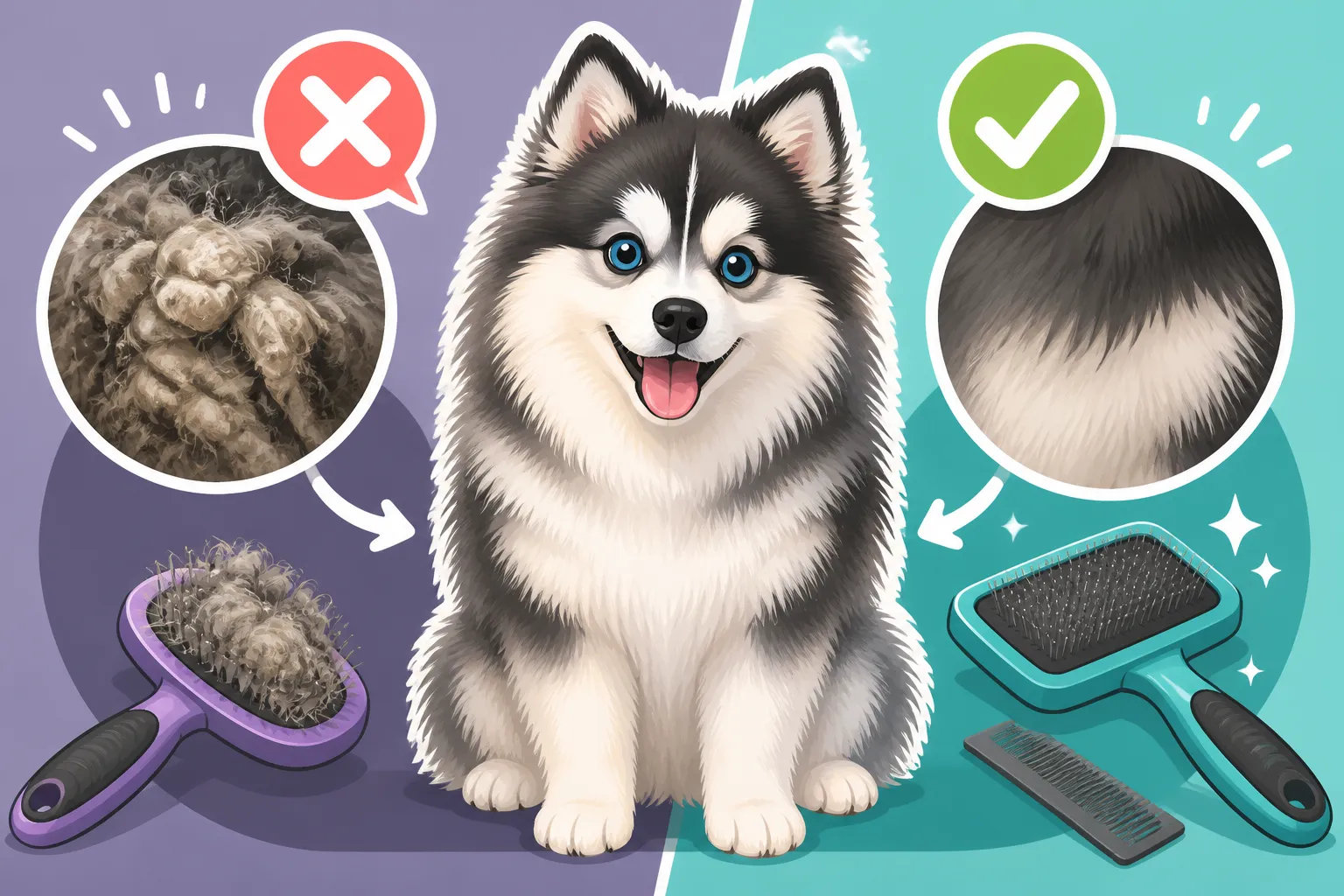
Whether a Wooly Pomsky Mats
Oh, the wooly Pomsky coat! It's truly stunning, isn't it? That soft, fluffy, often slightly wavy fur gives them such an enchanting, teddy bear-like appearance that captures hearts everywhere. But with that gorgeous fluff comes a very real concern, one that can quickly turn from a minor tangle to a painful problem: matting. If you’ve ever found yourself wondering if your wooly Pomsky’s luxurious coat is destined to become a knotted mess, or how on earth to prevent it, you’ve come to the right place. This guide is all about demystifying the wooly Pomsky coat, explaining why it mats, and most importantly, arming you with the knowledge to keep your furry friend’s coat beautiful and tangle-free.
Understanding the Wooly Pomsky Coat
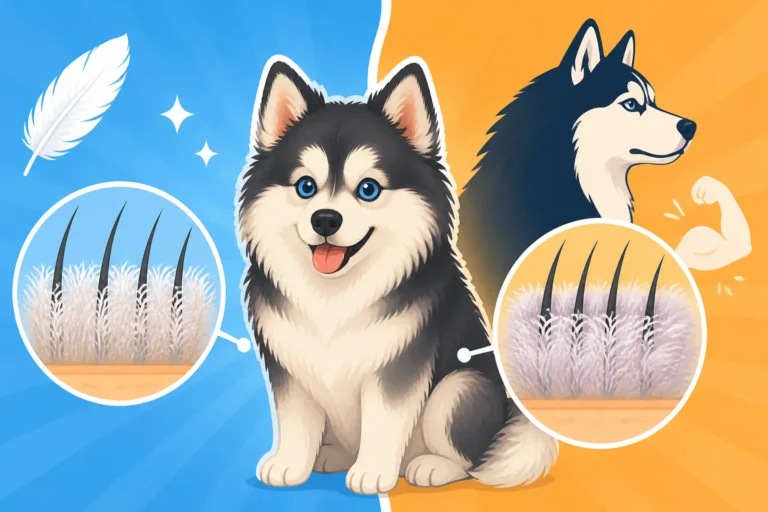
Let's start by getting to grips with what makes a "wooly" Pomsky coat so distinct. Unlike many dogs with simpler fur, Pomskies inherit a double coat from their Husky and Pomeranian parents. While all Pomskies have a double coat, the type of coat can vary wildly. The wooly coat is one of the more unique variations, characterized by its noticeably longer, softer guard hairs and incredibly dense undercoat. It’s this specific combination that, while visually appealing, sets the stage for potential matting issues.
Characteristics of the Wooly Coat
Imagine a cloud, soft and billowy, but with an underlying thickness you can feel. That's often what a wooly Pomsky coat feels like. The texture tends to be much softer and finer than the standard Pomsky coat, which usually has coarser, straighter guard hairs. You might notice a slight wave or even a gentle curl, especially on the back and flanks, giving that coveted plush look. When we talk about length, wooly coats are generally longer than what you'd see on a typical husky or even a standard Pomsky, sometimes even sweeping the ground if not kept tidy. This extra length and softness are part of its charm, but also its biggest challenge.
Beneath those flowing guard hairs lies a truly formidable undercoat. It’s still a double coat, meant to insulate your Pomsky from both heat and cold, but the guard hairs are less structured than in a "standard" or "plush" coat. This means they tangle more easily and hold onto shed undercoat with tenacious grip. The density is no joke either; if you've ever tried to get to the skin of a freshly bathed wooly Pomsky without the right tools, you know the struggle!
Why Wooly Coats are Prone to Matting
The reason wooly coats are mat magnets comes down to this specific blend of characteristics. Think of it like a tangled mess of human hair that hasn’t been brushed in days, but multiply that by the sheer volume and density of a dog’s double coat. The fine, soft guard hairs readily intertwine, especially when shed undercoat gets caught within them. This trapped, dead fur then forms the nucleus of a mat.
Add to this equation friction, moisture, and everyday debris, and you’ve got a recipe for disaster. Every time your Pomsky lies down, rubs against furniture, or wears a harness, those long, soft hairs rub together, creating friction that encourages tangles. When the coat gets wet – whether from a bath, rain, or even just humidity – and isn't thoroughly dried and brushed, the hairs can clump together and dry into tight knots. And let’s not forget the fun things our Pomskies roll in: dirt, leaves, burrs, or anything else from the great outdoors can become embedded in the coat, acting like anchors for mats to form around. The more these tangles are ignored, the tighter they become, eventually forming a dense, painful felted mat that can pull on the skin and even restrict movement.
Common Areas Where Wooly Pomsky Coats Mat
It's not always a mystery where mats pop up on a wooly Pomsky; certain areas are notorious hotspots. Knowing these common trouble zones can help you be proactive in your grooming routine. It's often about where there's the most movement, friction, or exposure to moisture and dirt. These are the places you'll want to pay extra attention to during your daily brushing sessions.
High-Friction Zones
Think about where your dog's body parts move the most or rub against things consistently. These are prime areas for mat formation. The delicate fur behind their ears is a classic example. Every head tilt, every scratch, every time they rub their head on the carpet or a toy, it creates friction that encourages tangles. These mats can be particularly painful because the skin behind the ears is thin and sensitive.
Another big one is the armpits and groin area. These are high-movement zones, with legs constantly rubbing against the body, causing the fur to tangle and knot. Similarly, where a collar or Why a Pomsky Should Wear a Harness sits can be a major source of friction. If not properly fitted or if left on for extended periods without brushing underneath, the rubbing can quickly felt the fur. This is also why you'll often see mats forming in the "feathering" on their legs, especially on the back of the front legs and the culottes around their hindquarters, as these areas brush against things and collect shed fur.
Moisture and Debris Magnets
Beyond friction, moisture and debris are huge contributors to matting, especially in the wooly coat’s soft texture. The fur on your Pomsky's paws and between their toes is constantly exposed to the elements. Walking on wet grass, through mud, or even just a splash in a puddle can cause these fine hairs to clump. If left to air dry without proper brushing, these clumps can quickly become painful mats that impact your dog’s ability to walk comfortably. Imagine getting Whether Snow Balls Up in a Pomsky's Feet; if not removed promptly, that can easily lead to matting.
The sanitary area, under the tail, is another spot that collects moisture and, well, other things. Urine and feces can stick to the longer fur, causing it to mat and become unhygienic. This isn't just a comfort issue but a health one, potentially leading to skin infections. And don't forget the belly fur! When your Pomsky lies down, especially on damp ground, or simply walks through tall grass, the fur on their underside can easily pick up dirt, leaves, and moisture, leading to mats that are often hidden until they become quite severe.
Preventing and Managing Mats in a Wooly Pomsky
The good news is that while wooly Pomsky coats are prone to matting, it's absolutely manageable with the right routine and tools. The key, and I cannot stress this enough, is consistent, proactive grooming. Think of it as a small daily investment that pays off big time in comfort for your dog and less stress for you. Neglecting a wooly coat, even for a few days, can lead to a snowball effect where small tangles quickly become large, formidable mats.
Daily Brushing is Non-Negotiable
For a wooly Pomsky, "brushing when you remember" just isn't going to cut it. Daily, or at the very least every other day, full-body brushing is essential. You'll need a specific toolkit to tackle that dense double coat effectively. An The Undercoat Rake a Pomsky Owner Lives With is your best friend for getting through that thick undercoat and removing shed hair before it can tangle. Follow up with a good slicker brush to smooth out the guard hairs and work out any surface tangles. Finally, a metal comb is crucial for checking your work – if the comb can glide smoothly from root to tip, you've done a good job.
The technique is as important as the tools. You can't just brush the top layer of fur. You need to "line brush," which means parting the fur and brushing in small sections, always making sure your brush and comb reach all the way down to the skin. This ensures you're removing all the loose undercoat and preventing mats from forming close to the body, where they're hardest to see and most painful to remove. Start early with your puppy, making grooming a positive experience with treats and praise, so they learn to tolerate and even enjoy it. You can learn more about Teaching a Pomsky to Be Brushed to set up good habits from the start.
Strategic Bathing and Drying
Bathing a matted dog is one of the biggest no-nos in grooming, as water only tightens existing mats, making them nearly impossible to remove without shaving. So, always thoroughly brush and detangle your Pomsky before a bath. When it's bath time, use a good quality dog shampoo and conditioner, formulated for double coats, to keep the fur clean and hydrated. Rinse thoroughly, ensuring no residue is left behind, as this can attract dirt and cause skin irritation.
The drying process is where many owners of wooly coated dogs make a critical mistake. Air drying is simply not enough for a dense double coat. You need to thoroughly dry your Pomsky right down to the skin, and for that, a high-velocity force dryer is an absolute game-changer. Whether a Force Dryer Is Essential for a Pomsky is a definite yes for wooly coat owners. This powerful tool blows water out of the coat, helping to separate the individual hairs and the undercoat, which is vital for preventing mats as the fur dries. As you dry, continue brushing and combing to ensure all the hair shafts are separated and completely dry. Remember, Drying a Pomsky to the Skin is non-negotiable to prevent moisture-related mats and skin issues like hot spots.
Professional Grooming and Prevention Tips
Even with diligent home care, a professional groomer can be an invaluable partner for a wooly Pomsky. They have specialized tools, techniques, and experience with double coats, and can often catch early signs of matting you might miss. Regular appointments, perhaps every 6-8 weeks, can help keep the coat in top condition. They can perform "sanitary trims" to keep the fur around the private areas short and clean, preventing unsightly and unhygienic mats. They can also trim the fur on the paw pads to prevent splaying and discomfort.
For wooly Pomskies, some owners opt for a slightly shorter "puppy cut" style, which can make daily maintenance a bit easier by reducing the overall length of the guard hairs. However, it's absolutely crucial to remember that Why a Pomsky Must Never Be Shaved. Shaving a double-coated dog can permanently damage their coat, causing it to grow back unevenly, coarse, or fail to protect them from temperature extremes. If you find a mat forming despite your best efforts, detangling sprays can be helpful. Spray the mat, let it sit for a few minutes, and then gently tease it apart with your fingers before using a comb. This can save minor tangles from becoming major problems. Truly, Whether a Wooly Pomsky Needs Daily Work is more than a question; it's a statement of fact for keeping their coat healthy.
Dealing with Existing Mats
Despite your best efforts, sometimes a mat still manages to sneak in, especially in those high-friction zones. While prevention is always the goal, knowing how to safely and gently deal with existing mats is an important skill. The golden rule here is: gentleness and patience. Never yank or rip through a mat, as this is incredibly painful for your dog and can cause skin damage.
Tackling Small, Surface Mats
For small, relatively loose mats or tangles that are still on the surface of the coat, you have a few options to try at home. Start by applying a good quality detangling spray or a small amount of dog-safe conditioner directly onto the mat. Let it soak in for a few minutes to help loosen the hairs. Then, using your fingers, try to gently pull the mat apart, working from the outside edges inwards. Once you've loosened it somewhat, use a wide-toothed comb, slowly working through the strands, holding the base of the mat near the skin to prevent pulling. Finally, you can use a slicker brush to smooth the area. Always take breaks if your dog seems uncomfortable, and reward them generously for their patience. Remember, cutting out mats with scissors at home is risky – it's incredibly easy to accidentally snip your dog's skin, which is often pulled up into the mat.
When Professional Intervention is Needed
There will be times when a mat is simply too large, too tight, or too close to the skin for you to safely remove at home. These severe mats can be incredibly painful, causing skin irritation, bruising, and even infections underneath. They can also restrict your Pomsky's movement and overall comfort. In these situations, professional intervention is not just recommended, it's essential.
A professional groomer has specialized tools, like dematting rakes and clippers, and the expertise to remove even the most stubborn mats with minimal discomfort to your dog. They can assess the severity of the matting and determine whether it can be carefully brushed out or if it needs to be clipped or shaved. In cases of severe matting, the kind that feels like a solid sheet of felt against the skin, shaving the entire coat might be the only humane option. While nobody wants to shave a beautiful wooly coat, your dog's comfort and health must always come first. The groomer will prioritize your dog's well-being over aesthetics. Be prepared that dealing with severe matting can add to your What Grooming a Pomsky Costs a Year, but it's an investment in your dog's health and happiness.
In conclusion, the wooly Pomsky coat is undeniably gorgeous, but it demands dedication. While prone to matting due to its unique texture and density, with a consistent routine of daily brushing, strategic bathing and drying, and occasional professional help, you can absolutely keep your furry friend’s coat beautiful, healthy, and mat-free. It’s a labor of love, but one that ensures your Pomsky is always comfortable and looking their absolute best!
Disclaimer
This article is for general informational purposes only and does not constitute professional advice. Laws, prices and regulations vary by location and change over time. Consult a qualified professional for guidance on your specific situation.