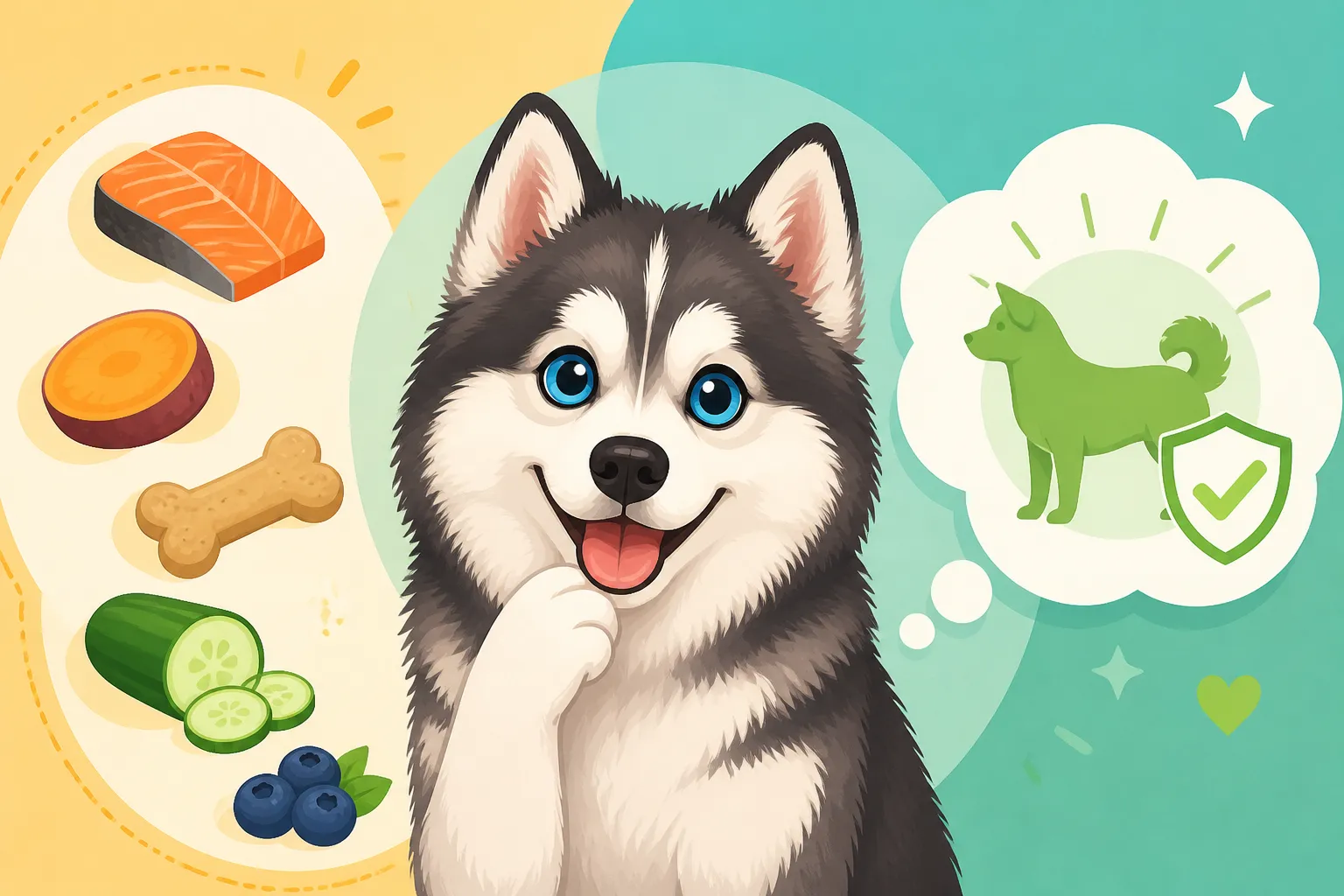
Treats That Suit a Pomsky on a Diet
It's a familiar struggle for so many of us Pomsky parents: those big, beautiful eyes looking up at us, silently pleading for a treat. How can you say no? But if your precious pup is carrying a few extra pounds, saying yes too often can have serious consequences for their health and happiness. Navigating the world of treats while trying to keep your Pomsky at a healthy weight can feel like walking a tightrope, but don't worry, this guide is here to help you find delicious, low-calorie options that will keep their tails wagging without derailing their diet.
Understanding Why Your Pomsky Might Need a Diet
It's easy to look at our fluffy Pomskies and not immediately recognize if they're a bit chunky. Their dense double coats can hide a multitude of sins, and sometimes, those extra pounds creep on so gradually you barely notice until it's a real concern. But understanding why your Pomsky might be gaining weight is the first step towards getting them back to their ideal figure.
The Pomsky's Metabolism and Activity Level
Pomskies are a fascinating blend, inheriting traits from both the energetic Siberian Husky and the spirited Pomeranian. This means their metabolism can be a bit of a wildcard! Some Pomskies might take after their Husky ancestors, known for being "easy keepers" who can thrive on less food than you'd expect for their size, a trait linked to their sled dog heritage. This can sometimes lead to owners inadvertently overfeeding them. Others might have the more robust appetite often seen in smaller breeds. The truth is, many Pomskies are kept as beloved house pets, and while they absolutely need regular activity, they're not typically pulling sleds or herding sheep all day. This lower-than-expected activity level, combined with a diet formulated for more active dogs or too many calorie-dense treats, can quickly lead to a caloric surplus.
Think about it: a small Pomsky, perhaps 20 pounds, might only need a few hundred calories a day to maintain a healthy weight. If you're giving them a standard dog biscuit that's 30-50 calories, that's a significant chunk of their daily allowance in just one bite! It’s not uncommon for owners to underestimate just how little food and how few treats a smaller, less intensely exercised dog actually requires. We see our dogs as needing all the fuel, but for a compact companion, less is often more. This is why it’s so important to really understand The Exercise a Pomsky Needs Every Day and tailor their food intake accordingly.
Recognizing the Signs of an Overweight Pomsky
Spotting an overweight Pomsky isn't always as simple as a quick glance. Their luxurious coats can be incredibly deceiving. However, there are some clear physical cues and behavioral changes that indicate your Pomsky might be carrying too much weight. One of the easiest ways to check is to feel their ribs. You should be able to easily feel your Pomsky's ribs without pressing too hard, almost like feeling the back of your hand. If you have to dig your fingers in to find them, or if there's a significant layer of fat over them, that's a red flag.
Another key indicator is their waistline. When viewed from above, your Pomsky should have a noticeable "tuck" or hourglass shape behind their ribs. If they look more like a sausage, or their back is broad and flat, they're likely overweight. From the side, their abdomen should also tuck up slightly, rather than hanging low or being parallel to the ground. You might also notice them panting more easily after minimal exercise, being slower to get up or lie down, or generally having less energy than usual. These are all signs that you need to take action to get them back to a healthy weight. Beyond the aesthetic, being overweight puts immense strain on their joints, potentially worsening conditions like Hip Dysplasia in a Pomsky or Slipping Kneecaps in a Pomsky, and can even exacerbate respiratory issues like The Collapsing Trachea a Pomsky Gets From the Pomeranian. It's crucial for their long-term health to manage their weight effectively.
The Pitfalls of High-Calorie Treats for Pomskies
As much as we adore our Pomskies, showering them with treats, especially the wrong kind, can be a fast track to unhealthy weight gain. It’s not about being mean; it’s about being responsible and understanding the impact of every little morsel.
Hidden Calories in Commercial Dog Treats
Many popular commercial dog treats, even those marketed as "healthy" or "natural," can be calorie bombs, especially for a small-to-medium sized dog like a Pomsky. They're often packed with fats, sugars, and fillers that taste great to dogs but offer little nutritional value beyond calories. Think about the crunchy biscuits, soft chews, or even dental sticks – a single item can sometimes contain as many calories as a small meal for your Pomsky! And if you're like many owners, you might not be strictly adhering to the "one-a-day" recommendation on the package, especially if your Pomsky is particularly persuasive.
The tricky part is that packaging rarely highlights the calorie count per treat in an obvious way. You often have to dig into the fine print or search online. This makes it incredibly easy to unknowingly overfeed your dog, even if you think you're being reasonable. A few extra treats a day might seem insignificant to us, but for a Pomsky with a smaller daily caloric need, those few treats can represent a substantial percentage of their total intake. It's a classic case of hidden calories adding up, pushing your Pomsky past their ideal Keeping a Pomsky's Weight in Range.
The Cycle of Guilt-Feeding and Weight Gain
Let's be honest, we've all been there. Your Pomsky gives you that look, a deep, soulful gaze that seems to say, "I'm starving, and you're the only one who can save me." Or perhaps they've just been so good, sitting patiently while you cooked dinner, and you feel a pang of guilt that they haven't gotten their share. This emotional connection, while beautiful, can sometimes lead to what I call "guilt-feeding." We want to make our dogs happy, and giving them food is a tangible way to express our love.
However, this often results in a vicious cycle. The more treats they get, the more they learn to beg, and the harder it becomes to resist. This isn't just about weight gain; it can also affect their training and behavior. If they know that persistent begging eventually leads to a treat, they'll keep doing it. It’s tough to break, but remember that true love for your Pomsky also means prioritizing their long-term health over immediate gratification. They might not understand why you're suddenly being stricter with treats, but their future mobility, energy levels, and overall lifespan will thank you.
Healthy and Low-Calorie Treat Options for Your Dieting Pomsky
The good news is that putting your Pomsky on a diet doesn't mean an end to treat time! It just means being smarter and more intentional about what you offer. There are plenty of healthy, low-calorie alternatives that your Pomsky will likely adore, often more than their traditional, calorie-laden counterparts.
Fresh Fruits and Vegetables as Pomsky Treats
This is my go-to category for guilt-free snacking. Many fruits and vegetables are incredibly low in calories, high in fiber, and packed with vitamins. My Pomsky, Luna, goes absolutely wild for green beans and carrot sticks – who knew? It might seem strange to offer your dog a veggie, but once they try it, many pups are surprisingly enthusiastic.
Excellent choices include:
- Green Beans: A fantastic, crunchy, very low-calorie snack.
- Carrots: Great for chewing, good for dental health, and sweet enough to be appealing.
- Cucumber Slices: Refreshing and mostly water, making them super low in calories.
- Apple Slices: (without seeds!) A delicious, slightly sweet treat in moderation.
- Blueberries: Small, antioxidant-rich powerhouses, but feed sparingly due to natural sugars.
- Celery: Another crunchy, high-fiber option.
Always remember to introduce new foods slowly and in small quantities to avoid upsetting their stomach. And a huge word of caution: always know which human foods are toxic to dogs. This means absolutely no grapes, raisins, onions, garlic, avocado, or anything with pits or seeds like apple cores or cherry stones. A quick search on safe dog foods is always a good idea before offering something new. Cutting these into tiny, pea-sized pieces is ideal, especially for training.
Lean Protein-Based Treats
When you need a high-value treat that’s still diet-friendly, lean proteins are your best friend. Small, cooked pieces of unseasoned meat can be incredibly motivating for a Pomsky. They're packed with protein, which helps them feel full and supports muscle mass, without adding excessive fat or sugar.
Consider these options:
- Cooked Chicken Breast: Plain, boiled or baked chicken breast, shredded or diced into tiny cubes. This is often a huge hit!
- Cooked Turkey: Similar to chicken, unseasoned turkey is another fantastic lean protein.
- Lean Fish: Small flakes of cooked, unseasoned white fish (like cod or tilapia) can be a special treat.
The key here is unseasoned. No salt, pepper, garlic powder, onion powder, or any other spices that are common in human cooking but potentially harmful to dogs. These treats are particularly effective for training sessions when you need something that really holds their attention. You can even dehydrate thin slices of lean meat at home to create chewy, longer-lasting treats that are still low in calories. Remember that even healthy proteins should be given in moderation as part of their overall How Much Food a Pomsky Eats Monthly plan.
Store-Bought Low-Calorie Options
While fresh foods are often ideal, sometimes you need the convenience of a ready-made treat. The market has expanded significantly, and you can now find commercial treats specifically designed for weight management. When browsing sites like Chewy or Amazon, look for terms like "low calorie," "lite," "weight control," or "healthy weight."
Be diligent about reading the ingredient list and the nutritional information. Prioritize treats with whole food ingredients, and avoid those with excessive fillers, artificial colors, or a long list of unpronounceable chemicals. Brands that focus on natural, often human-grade ingredients, like Ollie, might have options that fit the bill, but you'll still need to check their specific calorie counts per serving. What counts as "low calorie" for a Great Dane might still be high for a Pomsky. Compare the calorie count per treat – sometimes, a treat that seems small can still pack a punch. Don't be afraid to break these treats into even smaller pieces to stretch them further and reduce the caloric impact of each reward.
Smart Treat Strategies for Weight Management in Pomskies
Getting your Pomsky to a healthy weight and keeping them there requires more than just swapping out treats; it involves a whole new mindset around how and why you give them. It’s about being strategic and consistent, just like you would be with your own diet goals!
The "Treat Budget" and Portion Control
One of the most effective strategies is to think of your Pomsky's daily treats as having a "budget." After consulting with your vet to determine your Pomsky's ideal weight and daily caloric needs, you can then allocate a small percentage of those calories to treats. A common guideline is that treats should make up no more than 10% of your dog's total daily calorie intake. This means if your vet recommends 400 calories a day for your Pomsky, treats should account for no more than 40 calories. That's not a lot, so every treat counts!
To make this budget work, strict portion control is essential. This often means breaking even small treats into tiny, pea-sized pieces. For example, if a store-bought low-calorie treat is 10 calories, but you only give a quarter of it, that's just 2.5 calories! This way, you can offer more individual "rewards" without exceeding the calorie limit. It feels like you're giving them more, and they get the satisfaction of multiple rewards. This table might help you visualize the impact of different choices:
| Treat Type | Example | Typical Calorie Impact (per small piece) | Notes |
|---|---|---|---|
| Fresh Veggies | Green Bean, Carrot Slice | Very Low (1-5 kcal) | Excellent, high fiber, always confirm safety. Ideal for frequent rewards. |
| Fresh Fruits | Blueberry, Apple Slice | Low (3-10 kcal) | Moderate natural sugars, feed sparingly, check safety (no seeds/pits). |
| Lean Cooked Meats | Chicken Breast Cube | Moderate (5-15 kcal) | High protein, unseasoned. High-value for training, use very tiny pieces. |
| Commercial Low-Cal | Specific "diet" dog treats | Low-Moderate (5-20 kcal) | Varies greatly by brand and size. Always read labels and consider breaking into smaller portions. |
| Regular Dog Biscuits | Standard bone-shaped biscuit | High (20-50+ kcal) | Generally best to avoid for dieting Pomskies, or break into micro pieces for rare, high-value rewards. |
This clear approach helps you manage their intake and avoid the creeping weight gain that can lead to Signs a Pomsky Is Carrying Too Much Weight.
Using Treats for Training, Not Just Spoiling
One of the best ways to justify a treat is to make your Pomsky work for it! Instead of simply handing out treats just because your dog is cute, integrate them into training sessions. This way, the calories they consume are paired with mental stimulation and physical activity, making them much more "earned." A treat isn't just a snack; it's a reward for a job well done.
This strategy is especially effective for Pomskies, who can sometimes be described as independent or even a bit stubborn. Using very small, high-value treats (like those tiny pieces of cooked chicken breast) can be a powerful motivator during training. Use them to reward successful sits, stays, recalls, or any new trick you're teaching. This turns treat time into a positive reinforcement opportunity, strengthening your bond and their manners. You can also utilize interactive puzzle toys, filling them with a small amount of their regular kibble or a few tiny, low-calorie treats. This makes them use their brains and bodies to get their reward, extending the "treat" experience without adding many extra calories.
Non-Food Rewards and Affection
Sometimes, we project our human desires for food onto our dogs. While they certainly appreciate a tasty bite, often what they truly crave is our attention, praise, and physical affection. Many Pomskies thrive on interaction, and you'll be surprised how often a happy "Good boy!" or a vigorous belly rub can be just as rewarding as a treat.
It might take some time to re-train a heavily food-motivated Pomsky to accept non-food rewards, but it's entirely possible. Start by pairing praise and petting with the low-calorie treats, then gradually try offering praise alone for minor achievements. A quick game of tug, a toss of their favorite toy, or even a short burst of fetch in the yard can also serve as powerful, calorie-free rewards. Remember, you're not denying them love by reducing food; you're showing love by safeguarding their health and preventing issues like Getting Weight Off an Overweight Pomsky. Ultimately, their health and longevity are the greatest rewards for both of you.
Disclaimer
This article is for general informational purposes only and does not constitute professional advice. Laws, prices and regulations vary by location and change over time. Consult a qualified professional for guidance on your specific situation.