Whether a Pomsky’s Sanitary Area Needs Trimming
You adore your Pomsky, with their gorgeous double coat, playful spirit, and those captivating eyes. But let's be real, dog ownership isn't always about picture-perfect moments; sometimes it's about managing the less glamorous aspects, like keeping their private areas clean. If you've ever found yourself wondering, "Does my Pomsky's sanitary area actually need trimming, or am I just being overly fastidious?" you're definitely not alone. This guide is here to shed some light on this sometimes awkward but incredibly important part of your Pomsky's hygiene and comfort.
Understanding the Pomsky Coat and the Sanitary Area
Pomskies inherit their stunning, dense coats from both the Siberian Husky and the Pomeranian, and while beautiful, this genetic gift comes with its own set of grooming challenges. The sanitary area, in particular, is one spot where that luxurious fur can become a real problem if not managed correctly.
The Double Coat Dilemma: How It Impacts Hygiene
A Pomsky's coat is a marvel of nature, featuring a soft, dense undercoat for insulation and longer, coarser guard hairs that protect against elements. This combination is fantastic for keeping them warm in winter and surprisingly, cool in summer, as long as it's properly maintained. However, around the rear and belly, these thick layers of fur can easily trap moisture, fecal matter, and urine. Imagine trying to keep clean when you're constantly wearing a thick, furry pantaloons! It's not just unsightly or smelly; it creates an environment ripe for skin irritation, matting, and even infections. Owners of longer-coated Pomskies, especially those with what we call The Wooly Pomsky Coat and Its Upkeep, often find themselves battling this issue more frequently. The longer, softer fur in these areas is more prone to tangling and collecting debris.
This isn't just a minor annoyance; it can become a significant discomfort for your dog. A thick, matted clump of fur can pull at the skin, making defecation painful or difficult. Urine can soak into the fur on the belly and inner thighs, leading to skin scald or yeast infections. It's a prime example of how a beautiful trait needs careful human intervention to ensure health and happiness. We want our Pomskies to run and play without feeling uncomfortable or having a perpetually sticky bottom, and understanding their coat type is the first step toward achieving that.
Defining "Sanitary Area" for Grooming Purposes
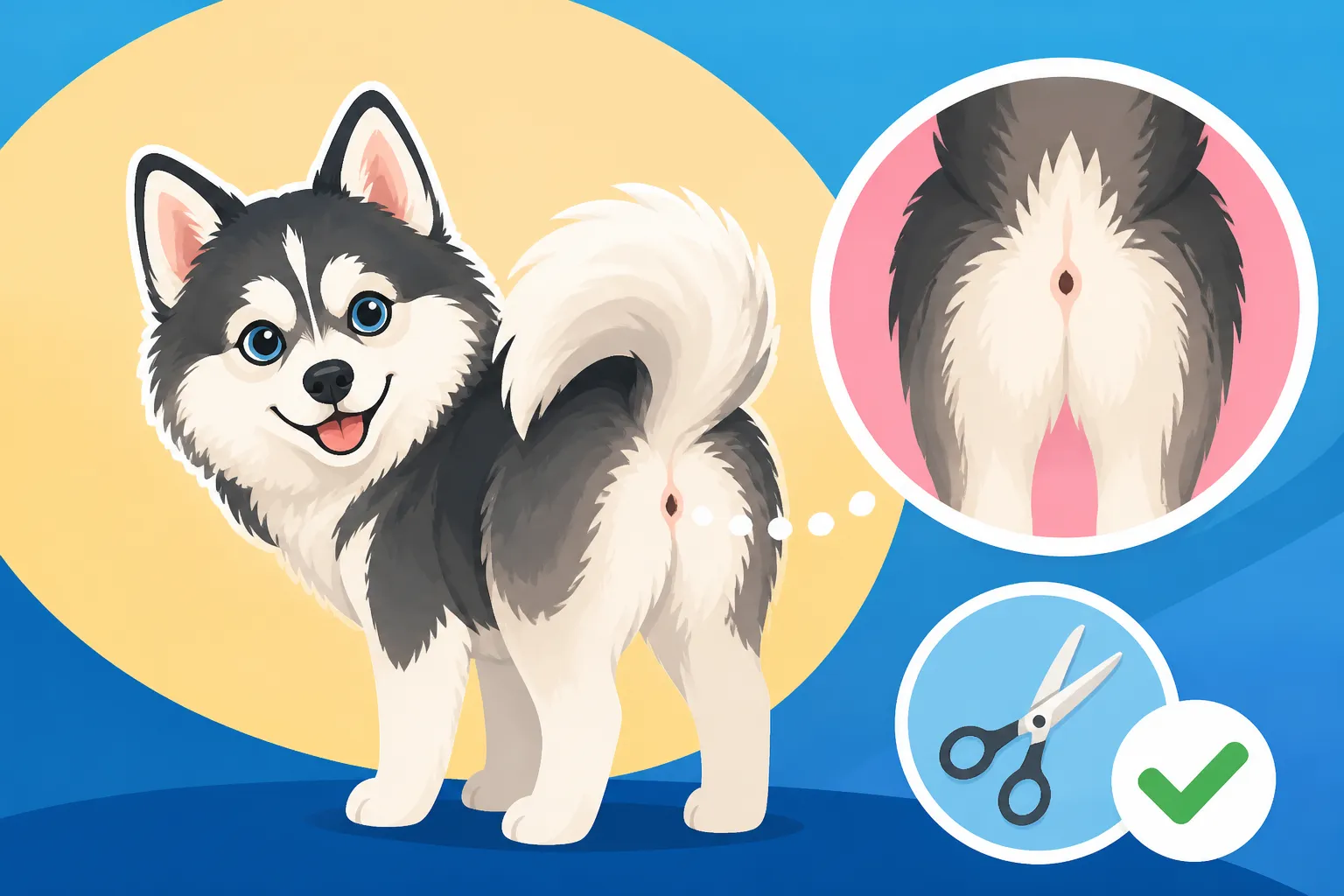
When we talk about a "sanitary area" trim for your Pomsky, we're not talking about any elaborate styling. This specific grooming task focuses on a very practical goal: cleanliness and preventing health issues. The areas typically included are:
- Around the anus: This is the most critical spot to prevent fecal matter from getting caught and matted.
- Under the tail: For dogs with longer, fluffier tails that curl over their backs, the fur right beneath the tail can also contribute to trapping debris.
- Around the vulva (females) or prepuce/penis (males): Keeping this area free of long fur helps prevent urine staining, which can lead to skin irritation and odor.
- Inner thighs: Especially for dogs with longer leg furnishings, the fur on the inside of the thighs can get tangled and soiled.
The goal is to create a small, tidy zone where waste can exit cleanly without adhering to the surrounding fur. Think of it as creating a short "landing strip" for hygiene purposes. It's about functionality, not fashion, ensuring that your Pomsky can relieve themselves without carrying around unwelcome souvenirs, and that their skin can breathe and stay dry.
Why Trimming Might Be Necessary (or Not)
Deciding whether to trim your Pomsky's sanitary area often comes down to their individual coat type, lifestyle, and how well they manage to keep themselves clean. There are compelling reasons for regular trims, and also situations where it might be less of a priority.
The Case for Trimming: Hygiene and Comfort
For many Pomskies, a sanitary trim is an absolute necessity for their overall well-being. The thick double coat, while lovely, can be a magnet for mess. Imagine your Pomsky doing their business, and then the stool gets stuck in the long fur around their rear. This isn't just gross; it's a hygiene nightmare. Fecal matter can dry and harden, pulling painfully on the skin, and creating a breeding ground for bacteria. This can lead to skin infections, discomfort, and even blockages if it becomes severe. For females, urine can cling to the fur around the vulva, causing constant dampness, skin scalding, and urinary tract infections. Males can experience similar issues with urine staining and irritation on their belly fur.
Regular sanitary trims prevent these frustrating and uncomfortable scenarios. By carefully shortening the fur in these critical areas, you allow waste to fall away cleanly, reducing the risk of matting, staining, and odor. It makes daily clean-ups much easier, and most importantly, keeps your Pomsky more comfortable and healthier. It's a proactive step that can save you and your dog a lot of grief (and vet visits!) down the line. It's especially vital for puppies, older dogs, or those with sensitive skin.
When Trimming Isn't a Priority: Daily Cleaning and Monitoring
While a sanitary trim is often highly recommended, it's not always an every-dog, every-time scenario. Some Pomskies have a slightly shorter coat type, or perhaps their fur around the sanitary area isn't as dense and long, making it naturally less prone to collecting debris. Others might be meticulous self-groomers who keep themselves surprisingly clean. In these cases, extensive trimming might not be the highest priority, or may only be needed very infrequently.
For such dogs, a rigorous daily routine of checking and cleaning might suffice. This involves a quick visual inspection after every potty break, and a gentle wipe with a dog-specific cleansing wipe if needed. Ensuring their stool consistency is firm and healthy (which ties into their diet, as we'll discuss later) also plays a huge role in preventing messes. If your Pomsky consistently stays clean and dry in these areas without trimming, and you're regularly performing other essential grooming tasks like Teaching a Pomsky to Be Brushed to keep their overall coat healthy, then perhaps you can hold off on the scissors for a bit. However, always be vigilant, as coat density and texture can change with age or season.
Potential Downsides or Risks: Why Caution is Key
While sanitary trims are beneficial, they are not without potential pitfalls, especially if performed incorrectly. The skin in the sanitary area is incredibly delicate and close to sensitive tissues. Using the wrong tools or technique can lead to nicks, cuts, or irritation, which can be painful and even lead to infections. The guard hairs, once cut, can also grow back prickly, causing itching or discomfort as they emerge, though this is usually temporary. This is why blunt-nosed scissors are often recommended over sharp-pointed ones for home grooming, as they greatly reduce the risk of accidental injury.
Another consideration is the dog's temperament. If your Pomsky is squirmy, anxious, or particularly sensitive about being handled in that area, attempting a trim yourself could be stressful for both of you. A bad experience could make future grooming sessions even more challenging. In such cases, the stress and potential for injury might outweigh the benefits of a home trim, making a professional groomer a much safer and more humane option. Remember, we want to make grooming a positive experience, not a traumatic one.
How to Safely Trim a Pomsky's Sanitary Area
If you've decided a sanitary trim is necessary for your Pomsky's comfort and hygiene, doing it safely and effectively is paramount. This isn't a task to rush, and proper preparation and technique are key.
Gathering Your Tools: Essential Grooming Supplies
Before you even think about bringing scissors near your Pomsky's delicate areas, make sure you have the right tools at hand. Using inappropriate or dull tools can lead to nicks, pulled hair, and unnecessary stress for your dog. Here's what you'll typically need:
- Blunt-nosed grooming scissors: These are crucial. Their rounded tips significantly reduce the risk of accidental pokes or cuts to the skin, which is especially thin and sensitive around the anus and genitals.
- Fine-toothed comb: This is essential for brushing out the fur and identifying exactly what needs to be trimmed. It helps separate the hair you want to cut from the skin.
- Clippers (optional, for experienced users): If you're confident with clippers and your dog tolerates them well, a small, quiet clipper with a #10 blade can be very effective for a clean, short trim. Ensure it's specifically designed for pet grooming to prevent overheating and ensure safety.
- Dog-specific wipes or a damp cloth: For a quick clean-up before and after, or if there's any immediate mess.
- Plenty of high-value treats: Positive reinforcement is your best friend during grooming.
- A stable, non-slip surface: Whether it's a grooming table or a sturdy bathroom counter with a mat, a stable surface makes the job safer and easier.
You can find a great selection of these grooming tools on online retailers like Chewy or Amazon. Investing in quality, safe tools is really important; it's not an area to cut corners, pun intended! Having everything ready before you start also minimizes the time your Pomsky has to sit still, making the experience more pleasant for them.
Step-by-Step Trimming Guide for a Clean Finish
Once you have your tools and your Pomsky is calm and comfortable, you can begin the trimming process. Remember, slow and steady wins the race when it comes to grooming sensitive areas.
- Preparation is Key: Start by tiring your Pomsky out with a good walk or play session. A relaxed, tired dog is much easier to work with. Brush their entire coat, including the area you plan to trim, to remove any tangles or loose hair. This can also be part of their regular grooming routine which involves tools like The Undercoat Rake a Pomsky Owner Lives With.
- Positioning Your Pomsky: Ideally, your Pomsky should be standing on a non-slip surface at a comfortable height for you. Alternatively, some dogs are more relaxed lying on their side with you gently holding their upper leg out of the way. Always have a helper if your dog is particularly squirmy.
- Combing and Identifying the Area: Gently comb the fur around the anus, vulva/penis, and inner thighs to separate the hairs and expose the skin. This allows you to clearly see what needs trimming. The goal is to trim the fur that directly touches the skin or would collect waste.
- The Actual Trim (Scissors): Holding the blunt-nosed scissors with the blades pointing away from your dog's body, carefully snip small amounts of hair at a time. Always keep your fingers between the scissors and the skin if possible, or use your comb as a guard. For the area around the anus, imagine a small circle (about the size of a quarter or fifty-cent piece, depending on the dog's size) and trim the hair within that circle to about ¼ to ½ inch long. For females, trim the hair around the vulva in a similar fashion. For males, gently push the prepuce to one side and trim the hair around it, and any long hairs on the underside of the penis that might get urine-soaked. For the inner thighs, just trim the longest hairs that might interfere with cleanliness or mat easily.
- The Actual Trim (Clippers, if using): If you're using clippers, ensure they are clean, well-oiled, and cool. Use a #10 blade. Hold the skin taut with one hand and gently glide the clippers with the direction of hair growth for a slightly longer cut, or against for a closer cut. Always be aware of folds of skin and bony prominences. Don't press hard, and never rush.
- Post-Trim Inspection and Praise: Once you're done, wipe the area clean with a damp cloth or dog wipe. Give your Pomsky lots of praise, cuddles, and those high-value treats. You want them to associate this necessary task with positive rewards. If you've been consistent with positive reinforcement for general handling, this process will be much smoother.
When to Seek Professional Help: Groomer vs. DIY
Let's face it, not everyone is comfortable with, or skilled at, wielding sharp objects around their dog's nether regions. And that's perfectly okay! If you're feeling anxious, your Pomsky is particularly squirmy, or you simply don't have the right tools, a professional groomer is always your best bet.
Professional groomers are trained and experienced in handling dogs of all temperaments and coat types. They have specialized equipment, like quiet, cool-running clippers and a variety of safety scissors, and they know exactly how to safely and efficiently perform a sanitary trim without causing stress or injury. They can usually get it done quickly and cleanly, often as part of a routine bath and brush-out. Don't feel guilty about outsourcing this task; your dog's comfort and safety are the priority. Many Pomsky owners budget for regular professional grooming, understanding that their dog's thick double coat requires more than just a quick brush at home. This can also be factored into The Grooming Bill on a Double Coated Pomsky. A professional can also advise you on how often your specific Pomsky needs this done, and can even demonstrate some safe techniques for home maintenance if you want to give it a try between appointments.
Beyond Trimming: Other Sanitary Care Considerations
A sanitary trim is just one piece of the puzzle when it comes to maintaining your Pomsky's overall hygiene and health. There are several other practices that work in conjunction with trimming to ensure your furry friend stays clean, comfortable, and free from irritation.
Daily Hygiene Practices: Wiping and Monitoring
Even with a perfectly trimmed sanitary area, daily attention is crucial. Your Pomsky will still be doing their business, and some residue or dampness is inevitable. Making a quick post-potty check a part of your routine can prevent many problems before they start. After your Pomsky goes to the bathroom, especially number two, take a moment to look at their rear. If you see any clinging fecal matter or if the area appears damp from urine, gently wipe it clean with a dog-specific cleansing wipe or a soft, damp cloth. Always wipe from front to back to avoid spreading bacteria.
This simple habit takes very little time but goes a long way in preventing odors, skin irritation, and the dreaded "sticky bottom." For female Pomskies, regular wiping can also help prevent potential urinary tract issues by keeping the vulva clean and dry. It's about proactive care – catching small messes before they become big, uncomfortable problems for your dog.
Diet and Stool Consistency: The Hidden Link
You might not immediately connect your Pomsky's diet with their sanitary area hygiene, but the two are intimately linked! A dog's stool consistency is a major factor in how clean their rear stays. If your Pomsky frequently has soft, loose stools, it's far more likely to get caught in their fur and make a mess, regardless of how well-trimmed they are. Conversely, firm, well-formed stools tend to pass cleanly without leaving residue.
Ensuring your Pomsky is on a high-quality, balanced diet that suits their individual needs is paramount. Look for dog foods with wholesome ingredients and appropriate fiber content. If your dog frequently has loose stools, it's worth discussing with your vet. They might recommend a dietary change or a probiotic supplement. Brands like Ollie, known for their fresh, balanced meals, often focus on ingredients that promote healthy digestion and firm stools. Remember, a healthy gut means a cleaner exit strategy, which means less cleanup for you and more comfort for your Pomsky. For more on what your Pomsky should be eating, check out Feeding a Twenty Pound Pomsky.
Recognizing and Addressing Problems: When to Call the Vet
Your diligence in sanitary grooming and daily checks isn't just about preventing messes; it's also about early detection of potential health issues. The sanitary area is sensitive, and problems can develop quickly. Be on the lookout for signs that something isn't right:
- Excessive licking or scooting: This is a classic sign of irritation, itchiness, or full anal glands.
- Redness, swelling, or rash: These indicate inflammation or infection of the skin.
- Foul odor: A strong, unpleasant smell that lingers even after cleaning could point to a bacterial or yeast infection.
- Discharge: Any unusual discharge from the anus or genitals warrants immediate attention.
- Pain or sensitivity: If your Pomsky flinches, growls, or tries to bite when you touch the area, they're in pain.
If you notice any of these symptoms, don't delay in contacting your veterinarian. Issues like anal gland impaction, skin infections (which can sometimes manifest as Hot Spots Under a Pomsky's Undercoat), or urinary tract infections can be very uncomfortable and require professional medical intervention. Early detection and treatment can prevent more serious complications and alleviate your Pomsky's suffering. Your vet might need to do a thorough examination, and sometimes, a What a Skin Workup Costs on a Pomsky might be required to diagnose the underlying cause of persistent irritation.
General Grooming Routine: A Holistic Approach
Finally, remember that sanitary trimming doesn't happen in a vacuum. It's part of a comprehensive grooming routine that is essential for your Pomsky's overall health and well-being. Regular brushing, bathing, and nail trims all contribute to keeping your dog healthy and comfortable. How Often a Pomsky Should Be Bathed often comes up, and while it's not daily, regular baths are important.
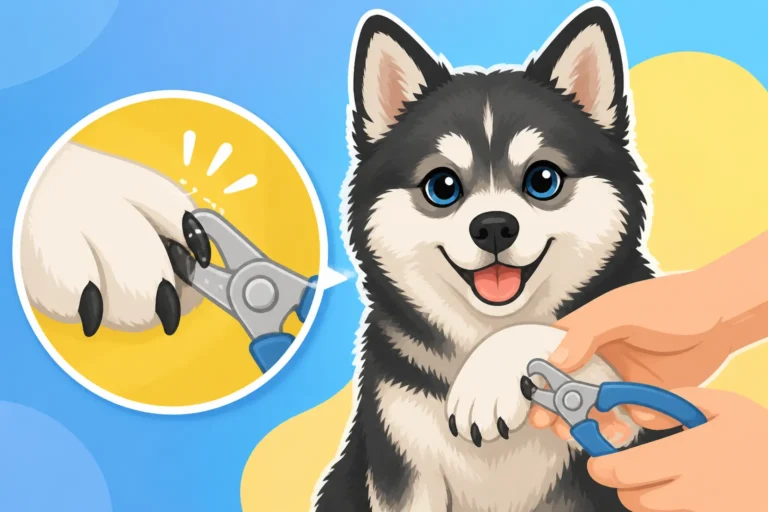
Consistent brushing helps prevent mats from forming not just in the sanitary area, but all over their body, which can cause skin irritation and pain. Regular bathing, using a dog-specific shampoo, helps keep their skin and coat clean and healthy, reducing the buildup of oils and dirt that can exacerbate skin issues. And let's not forget nail trims – overgrown nails can affect their gait, posture, and even lead to painful injuries. By integrating sanitary care into a consistent and positive overall grooming regimen, you're investing in your Pomsky's long-term health, happiness, and your bond together.
Disclaimer
This article is for general informational purposes only and does not constitute professional advice. Laws, prices and regulations vary by location and change over time. Consult a qualified professional for guidance on your specific situation.