How Often a Pomsky Should Be Bathed
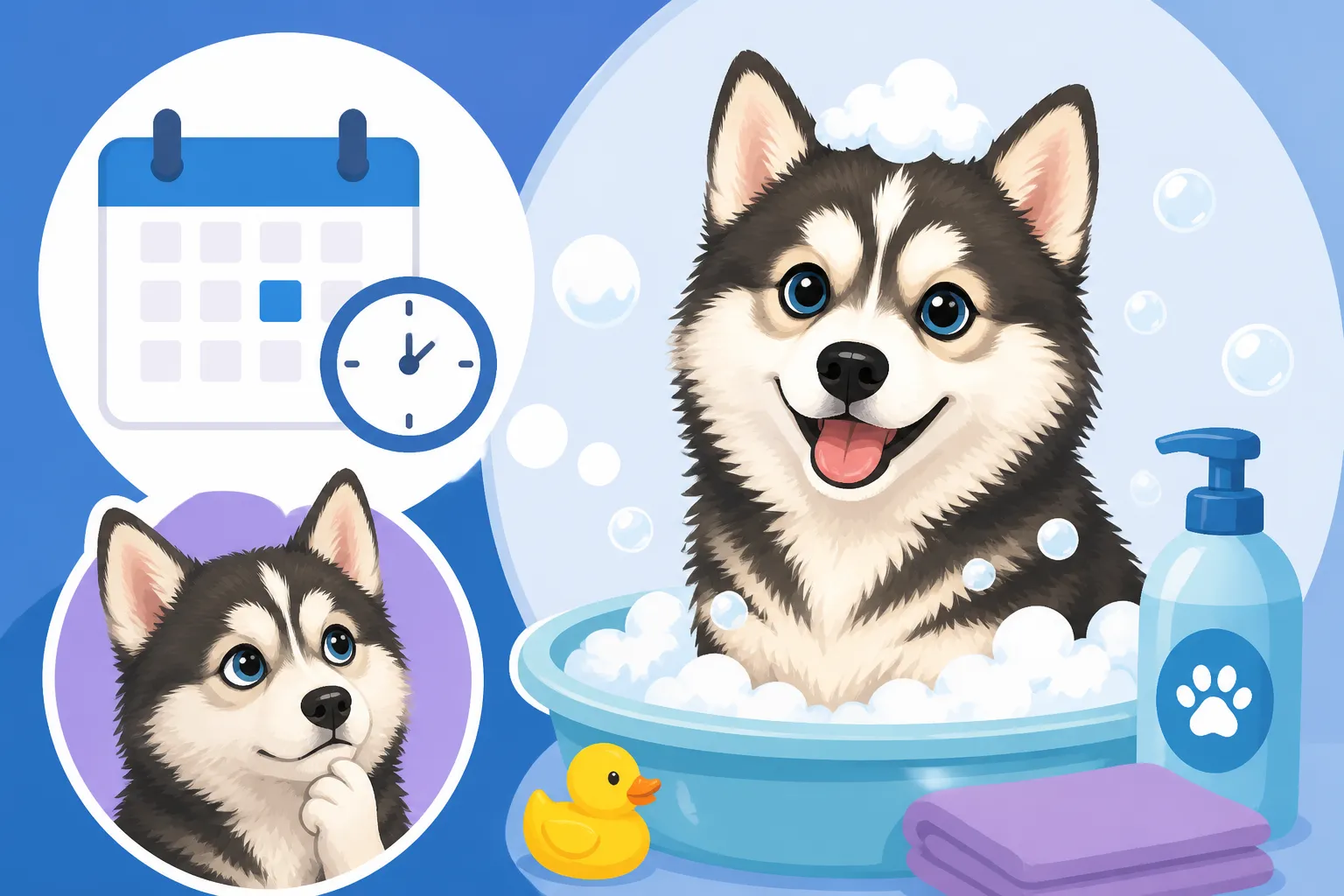
One of the most common worries new Pomsky owners have is figuring out how often to actually bathe their fluffy companion. You've probably heard conflicting advice: some say constantly, others say rarely, and then there's the whole "double coat" thing that just adds another layer of confusion. It's completely understandable to feel a bit lost, especially when you want to do right by your furry friend without damaging their beautiful, protective fur. This comprehensive guide is here to cut through the noise, helping you understand the nuances of Pomsky grooming and establish a bathing routine that keeps your dog clean, comfortable, and healthy.
Understanding the Pomsky's Unique Double Coat
Before we even dive into how often to bathe, it's absolutely crucial to understand the masterpiece that is your Pomsky's coat. They inherited this magnificent double layer from their Siberian Husky and Pomeranian ancestors, and it’s designed for a very specific purpose: protection. Treating it like any other dog coat can lead to all sorts of issues, from skin irritation to coat damage.
The Anatomy of a Double Coat: Guard Hairs vs. Undercoat
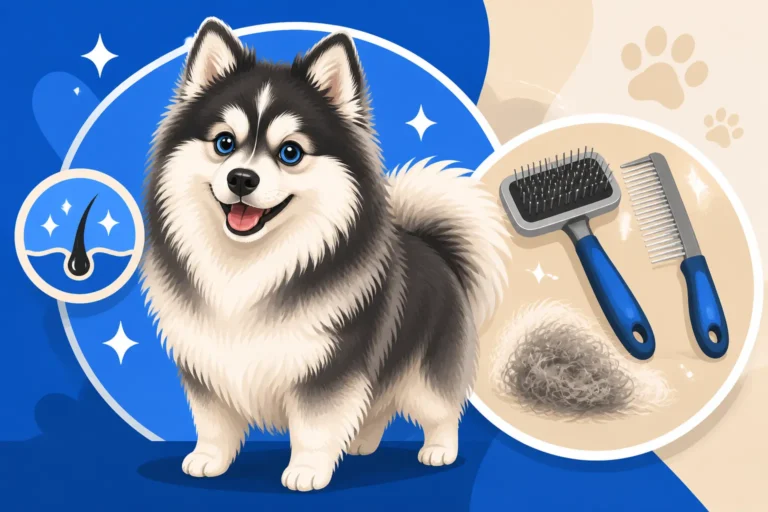
Imagine two distinct layers working in harmony, and that's exactly what a double coat is. The outer layer consists of what we call "guard hairs." These are tougher, longer, and coarser hairs that lie flat, giving your Pomsky its color and markings. Their primary job is to repel water, dirt, and debris, acting like a natural raincoat and shield against external elements. They're surprisingly resilient and play a huge role in keeping your dog clean by preventing foreign matter from reaching the delicate skin beneath.
Beneath this protective outer layer lies the "undercoat." This is where the real fluff happens! The undercoat is made up of dense, soft, downy hairs that are much shorter than the guard hairs. Its main function is insulation – it keeps your Pomsky warm in winter and, surprisingly, helps them stay cool in summer by trapping air, acting like a natural air conditioner. This dense undercoat is also responsible for the incredible shedding known as "blowing coat," a spectacle that every Pomsky owner quickly becomes familiar with. The Pomsky That Carries a Husky Coat at Twenty Pounds details just how much fur they can pack into a smaller body.
How the Double Coat Protects Your Pomsky
This dual-layer system is nothing short of brilliant. The guard hairs are the first line of defense, shedding water and preventing dirt from becoming deeply embedded in the coat. Think of it like a self-cleaning mechanism; much of the loose dirt and mud will simply dry and fall off, or be easily brushed away. This natural waterproofing and dirt resistance means that, often, what looks like a dirty Pomsky just needs a good brush, not a full bath.
The undercoat, as mentioned, is all about temperature regulation. In cold weather, it traps warm air close to the body, insulating against the chill. In warmer months, it acts as a barrier against the sun's harsh rays and helps air circulate against the skin, keeping your dog cooler. When you consider how vital these functions are, you start to understand why improper bathing and grooming can disrupt this delicate balance, potentially making your Pomsky less comfortable and more susceptible to environmental extremes. Why a Pomsky Must Never Be Shaved goes into more detail about how shaving can permanently damage this protective system.
The Impact of Improper Bathing on the Double Coat
Now, here's where things can go wrong if you're not careful. Over-bathing, or using the wrong products, can strip the natural oils from both the guard hairs and the skin. These oils are essential for the coat's health and its dirt-repelling properties. When they're gone, the coat can become dry, brittle, and lose its natural luster. More importantly, it can leave the skin underneath dry, itchy, and prone to irritation or even infection.
Another major concern with improper bathing, especially not drying thoroughly, is matting. The dense undercoat, when wet and not properly dried and brushed out, can clump together, forming painful mats that pull on the skin. These mats can trap moisture, leading to skin infections and discomfort. It's a common issue, and addressing it before bathing is key. Understanding The Three Pomsky Coat Types can also help you tailor your bathing approach, as wooly coats, for example, are more prone to matting.
Factors Influencing Your Pomsky's Bathing Schedule
There's no single "right" answer for how often to bathe a Pomsky, because every dog and every household is different. Instead of a rigid rule, think of it as a flexible schedule dictated by several key factors. You're trying to find that sweet spot: clean enough without being over-bathed, and healthy enough without developing skin issues from neglect.
Lifestyle and Activity Level
This is probably the biggest determinant of how often your Pomsky needs a bath. Does your Pomsky spend most of their time lounging indoors, perhaps with a short, leashed walk around the neighborhood? Or are they an adventurous explorer, regularly romping through muddy trails, splashing in puddles, or rolling in questionable outdoor discoveries? An indoor Pomsky with a low-impact lifestyle might only need a bath every two to three months, or even less frequently if their coat is kept well-brushed.
Conversely, a Pomsky who loves to embrace the great outdoors, especially during rainy seasons or visits to the dog park where they might pick up dirt and odors from other dogs, will undoubtedly need more frequent cleaning. Muddy paws and bellies after a hike are a clear sign it's time for at least a spot clean, if not a full wash. Think about the specific activities: a beach trip means sand everywhere, a romp in the woods might mean burrs and sticky sap, and a muddy field means, well, mud. Your dog's "job" and playtime habits will directly impact how often they need a proper soak.
Skin and Coat Health
Your Pomsky's individual skin and coat condition also plays a significant role. Some dogs naturally have oilier skin or produce more dander, which can contribute to a "doggy odor" more quickly, prompting more frequent baths. Others might have very dry skin or be prone to allergies, which means you need to be very careful with bathing frequency and the types of products you use. For a Pomsky prone to dryness or allergies, over-bathing can exacerbate these problems, stripping away essential moisture and potentially triggering allergic reactions.
During shedding season, when your Pomsky is "blowing their coat" (and they do it twice a year!), a bath can actually be incredibly helpful. Whether a Pomsky Blows Its Coat Twice a Year explains this phenomenon. A deshedding bath can help loosen and wash away a huge amount of dead undercoat, making subsequent brushing much more effective and reducing the amount of fur floating around your home. However, even during these times, you still need to ensure you're using appropriate shampoos and conditioners to avoid stripping the coat. If you notice persistent itching, flaky skin, or an unusual odor that doesn't go away with brushing, it's always a good idea to consult your vet, as these could be signs of an underlying skin condition that requires specific treatment rather than just a bath.
Environmental Factors
The climate you live in and seasonal changes can also influence how often your Pomsky needs bathing. In humid environments, coats can sometimes feel greasier or develop a subtle mildewy smell if not properly aired and brushed. During hot summer months, outdoor activities might increase, leading to more exposure to dirt, sweat, and pollen, which might necessitate more frequent baths to keep them comfortable and clean.
Conversely, in dry winter climates, over-bathing can lead to very dry, flaky skin, especially if humidifiers aren't used indoors. The type of terrain your dog navigates also matters. If you live in an area with a lot of dust or sandy soil, your Pomsky might accumulate more grime even with moderate activity. Consider the allergens in your environment too; if your Pomsky has seasonal allergies, more frequent baths (with a gentle, hypoallergenic shampoo) might help wash away pollen and irritants that cling to their fur, providing relief.
Here's a quick guide to help you gauge typical bathing frequency:
| Factor | Low Activity/Indoor | Moderate Activity/Mixed | High Activity/Outdoor | Specific Needs |
|---|---|---|---|---|
| Typical Frequency | Every 2-3 months | Every 6-8 weeks | Every 4-6 weeks | As needed (vet advice) |
| Examples | Apartment living, short walks, minimal dirt | Regular park visits, light trails, occasional mud | Daily hikes, beach trips, dog parks, heavy mud | Allergies, oily skin, medical baths, shedding season |
| Key Considerations | Regular brushing is paramount | Spot cleaning often helpful | Thorough drying is critical | Consult vet for persistent issues |
The Actual Process of Bathing a Pomsky
Bathing a Pomsky isn't just about getting them wet and scrubbing. Their double coat demands a specific approach to ensure you're cleaning them effectively without causing mats or skin issues. It's a multi-step process that, when done right, leaves them looking and feeling fantastic.
Essential Tools and Products
Before you even think about turning on the tap, gather your supplies. Being prepared makes the whole process smoother and less stressful for both you and your Pomsky. You'll need a good quality dog shampoo specifically formulated for double coats or sensitive skin. Avoid human shampoos, as their pH levels are too different and can irritate your dog's skin. A conditioner is also a great idea, especially for detangling and moisturizing the coat. Look for brands known for gentle, effective dog grooming products, available at retailers like Chewy or Amazon.
Other essential tools include a sturdy brush, like an undercoat rake or a deshedding tool The Undercoat Rake a Pomsky Owner Lives With, for pre-bath detangling. You'll also need a force dryer – this is non-negotiable for a double-coated breed. Towels, a non-slip mat for the tub, and plenty of high-value treats for positive reinforcement will round out your kit. Having everything within arm's reach prevents frantic searches mid-bath.
Step-by-Step Home Bathing Guide
-
Pre-Bath Brush: This is the most critical step before wetting your Pomsky. Thoroughly brush out any loose fur and mats using your undercoat rake. Water will tighten mats, making them nearly impossible to remove without cutting, which can be painful and damage the coat. If you encounter a stubborn mat, try to work it out gently with a detangling spray and a comb, or consider trimming it out if it’s too tight. This step alone can prevent a lot of post-bath headaches.
-
Wet the Coat Thoroughly: Use lukewarm water – not too hot, not too cold. Start wetting from the paws up, working your way towards the body and eventually the head. Ensure the entire double coat is saturated right down to the skin. This can take a surprisingly long time due to the dense undercoat. A detachable showerhead or hose attachment can make this much easier.
-
Shampoo Application: Apply a good quality dog shampoo Shampoos That Suit a Pomsky's Double Coat, diluted according to the instructions if necessary, and work it gently into the coat. Focus on massaging it down to the skin, paying attention to often-dirty areas like the paws, belly, and behind the ears. Avoid getting soap in their eyes or ears. You might need to do a second shampoo if your Pomsky is particularly dirty or smelly. Rinse thoroughly until all shampoo is gone. Any residue can cause skin irritation.
-
Condition: Follow up with a dog conditioner. This helps to restore moisture, soften the coat, and make it easier to brush. Leave it on for the recommended time, then rinse even more thoroughly than the shampoo. Again, residue is the enemy.
-
Initial Towel Dry: Once rinsed, gently squeeze excess water from the coat. Then, use absorbent towels to blot and pat your Pomsky dry. Do not rub vigorously, as this can tangle the coat and create new mats. Your goal here is to remove as much surface water as possible before moving to the force dryer.
Drying Your Pomsky Properly: A Critical Step
This is arguably the most important part of bathing a double-coated breed like a Pomsky. Air drying is simply not an option. The dense undercoat will trap moisture, leading to skin irritation, fungal infections, and painful hot spots. Drying a Pomsky to the Skin is the goal.
Use a high-velocity force dryer (like those found on Amazon) to blow out all the moisture from the undercoat. Start on a lower setting if your dog is sensitive, and gradually increase the power. Work in sections, moving the dryer against the grain of the fur to lift the undercoat and ensure air circulation. Use a brush simultaneously to help separate the hairs as you dry. This process not only dries the coat efficiently but also helps to blow out any remaining loose undercoat that the bath loosened. Be patient; this can take a significant amount of time, especially for a Pomsky with a very dense or wooly coat. Ensure you dry them completely to the skin to prevent issues like Whether a Damp Pomsky Undercoat Causes Hot Spots.
Common Bathing Mistakes to Avoid
Even with the best intentions, it's easy to fall into common bathing traps when you own a double-coated breed. Avoiding these pitfalls can save you a lot of trouble, expense, and keep your Pomsky much happier in the long run.
Over-Bathing and Under-Bathing
Finding the right balance is key. Over-bathing is a common mistake, often driven by a desire to keep our pups perpetually pristine. However, frequent baths (more than once every 4-6 weeks for an active dog, or every 2-3 months for a less active one) can strip your Pomsky's coat of its natural oils, leading to dry, flaky skin, dull fur, and even a compromised immune barrier on the skin itself. This can paradoxically make them more susceptible to skin issues. Their coat is designed to be self-cleaning to a certain extent, and we need to respect that natural balance.
On the flip side, under-bathing also presents problems. If your Pomsky is genuinely dirty, covered in mud, or has picked up an unpleasant smell, delaying a bath can lead to skin infections from trapped grime, matting, and general discomfort. Excess dander and loose fur can also build up, contributing to skin irritation. It's about responding to the actual needs of your dog and their environment, rather than a fixed calendar date. For instance, if your Pomsky rolls in something truly foul, a bath is absolutely necessary, even if it's "not time yet."
Using the Wrong Products or Techniques
This is where many well-meaning owners inadvertently cause harm. As mentioned, never use human shampoo or conditioner on your Pomsky. Our skin pH is different, and these products can be too harsh for a dog's delicate skin, stripping essential oils and causing dryness, itching, or even allergic reactions. Always opt for dog-specific shampoos and conditioners, ideally those formulated for double coats or sensitive skin. Brands like Earthbath or Burt's Bees offer gentle, effective options often found at retailers like Chewy or through online marketplaces like Amazon.
Beyond products, technique matters. Vigorous scrubbing, especially when rinsing, can tangle the undercoat and create mats. Gentle massaging is far more effective. And speaking of rinsing, not rinsing thoroughly enough is a huge mistake. Shampoo or conditioner residue left on the skin can cause severe irritation, flakiness, and itching, sometimes mimicking other skin conditions. You should continue rinsing until the water runs completely clear and you can no longer feel any slickness on the coat.
Neglecting Pre-Bath Prep or Post-Bath Drying
These two steps are often overlooked but are paramount for a double-coated breed. Skipping the pre-bath brush is a recipe for disaster. Any mats or tangles present before the bath will only get tighter and more severe when wet, becoming incredibly difficult and painful to remove afterwards. This is why a thorough brush-out beforehand is non-negotiable.
Equally critical, and often underestimated, is the drying process. Letting a Pomsky air dry, especially indoors, is a major mistake. Their dense undercoat will retain moisture for an extended period, creating a damp, warm environment perfect for bacterial or fungal growth. This is a common cause of hot spots and other skin infections. Furthermore, a damp undercoat will mat and clump, leading to extreme discomfort and the need for professional dematting, which can be stressful and expensive. Invest in a good force dryer and use it diligently until your Pomsky is absolutely dry down to the skin. Whether a Pomsky's Coat Comes Back After a Shave also highlights how careful you need to be with their fur, as improper drying or grooming can impact coat health long-term.
Alternative Cleaning and Grooming Between Baths
While full baths are essential when needed, they shouldn't be your only line of defense against dirt and odor. There are many ways to keep your Pomsky fresh and clean between those deeper cleaning sessions, making the full bath less frequent and more manageable.
Regular Brushing and Deshedding
This is the cornerstone of Pomsky coat care. Consistent brushing is more important than frequent bathing for a double-coated breed. It removes loose hair, prevents matting, distributes natural skin oils, and helps to keep the coat clean by removing dirt and debris that might otherwise necessitate a bath. Aim for at least 3-4 times a week, and daily during shedding season. How Often a Pomsky Needs Raking During a Blowout gives excellent guidance on this.
Use an undercoat rake to reach deep into the undercoat and pull out dead fur without damaging the guard hairs. A slicker brush can then be used to smooth the outer coat. During a "blowout," you'll be amazed at how much hair comes out, and removing it mechanically is far better than letting it sit on your dog, trapping heat and potentially causing discomfort or matting. Regular brushing not only keeps your Pomsky cleaner but also stimulates circulation and provides a great bonding experience. It truly prevents a lot of dirty dog problems before they start.
Spot Cleaning and Waterless Shampoos
For localized messes, a full bath is overkill. Did your Pomsky roll in a small patch of mud? Just their paws and belly might be dirty. A quick wipe down with a damp cloth or a targeted spray with a waterless shampoo is often all that's needed. Waterless shampoos (also known as dry shampoos) are fantastic for freshening up your Pomsky between baths. You simply spray or foam it onto the coat, massage it in, and then brush it out. They help absorb oils, neutralize odors, and remove light dirt without the need for water or extensive drying.
These products are perfect for a quick refresh before company arrives, or if your Pomsky has a lingering "doggy smell" but isn't truly dirty. Brands like TropiClean or Earthbath offer popular waterless options. You can find a wide variety on Chewy or Amazon. Remember, while effective for minor issues, they don't replace a proper bath for heavy grime or significant odor.
Paw Cleaning and Ear Care
Don't forget the details! Your Pomsky's paws take the brunt of outdoor adventures. Keep a towel near the door and wipe down their paws after every walk, especially if it's wet or muddy. This prevents dirt from being tracked into your home and keeps their paw pads healthy. You can also use paw wipes for a quick clean.
Ear care is another important aspect of hygiene. Pomskies often have upright ears, which typically have good airflow and are less prone to ear infections than floppy-eared breeds. However, they can still accumulate wax, dirt, or debris. Check your Pomsky's ears weekly. If you notice any redness, discharge, foul odor, or excessive head shaking, it's time for a vet visit. For routine cleaning, use a veterinarian-approved ear cleaner and a cotton ball (never a cotton swab) to gently wipe the visible parts of the ear. Never insert anything into the ear canal. This simple routine can prevent discomfort and potential infections.
When to Seek Professional Grooming Help
While you can do a fantastic job with home grooming, there are definitely times when calling in a professional is not just a luxury, but a necessity. Groomers have specialized tools, training, and experience with double-coated breeds that can be invaluable.
Dealing with Difficult Coats or Problematic Behavior
Some Pomskies just have extremely challenging coats. Perhaps they have an exceptionally dense, wooly undercoat that's prone to matting despite your best efforts. Or maybe their fur seems to attract every piece of debris on the planet. If you're consistently battling severe mats that you can't safely remove yourself, or if your Pomsky develops a coat texture that you struggle to manage, a professional groomer can be a lifesaver. They have the expertise and tools, like high-quality professional force dryers and specialized dematting tools, to tackle even the trickiest coats without causing pain or stress to your dog.
Beyond coat texture, some Pomskies simply do not tolerate grooming at home. They might be anxious about the dryer, fearful of brushes, or just generally uncooperative during baths. A professional groomer is often better equipped to handle these behaviors. They use positive reinforcement, specialized restraints (if necessary and safe), and a calm, confident approach to make the grooming experience as stress-free as possible. For dogs with significant grooming anxieties, regular professional sessions can help them become more comfortable over time.
The Benefits of Professional Deshedding Treatments
During those notorious "blowing coat" seasons, a professional deshedding treatment can make a world of difference. These treatments typically involve a specialized deshedding shampoo and conditioner, followed by a powerful force-dry and thorough brushing with professional-grade tools. The groomer's high-velocity dryer is far more powerful than most home units and can literally "blow out" an incredible amount of dead undercoat that you might struggle to remove on your own. Whether a Deshedding Bath Is Worth It for a Pomsky is a definite yes, especially when performed professionally.
This intensive shedding process not only significantly reduces the amount of fur shed in your home but also helps to keep your Pomsky more comfortable by removing suffocating dead hair. It also helps prevent matting and allows the skin to breathe better. Many owners find that investing in a professional deshedding treatment every few months, particularly during spring and fall, drastically improves their Pomsky's coat health and their own sanity when it comes to managing shedding.
Choosing a Groomer Experienced with Double-Coated Breeds
When selecting a professional groomer, it's absolutely vital to find one who has specific experience with double-coated breeds like Huskies, Pomeranians, or Pomskies. Not all groomers are equally knowledgeable about these coats. You want a groomer who understands the nuances of the undercoat and guard hairs and, crucially, will never shave a double-coated dog unless medically necessary. Shaving a Pomsky can permanently damage their coat, impacting its ability to regulate temperature and protect the skin.
Ask potential groomers about their experience with Pomskies or similar breeds. Inquire about their drying methods – they must use force dryers. Ask what products they use and if they offer deshedding services. A good groomer will be happy to answer your questions, show you their facility, and demonstrate their understanding of your Pomsky's specific coat needs. Don't be afraid to interview a few before committing; your Pomsky's coat health is too important to leave to someone who isn't properly equipped or educated.
Disclaimer
This article is for general informational purposes only and does not constitute professional advice. Laws, prices and regulations vary by location and change over time. Consult a qualified professional for guidance on your specific situation.