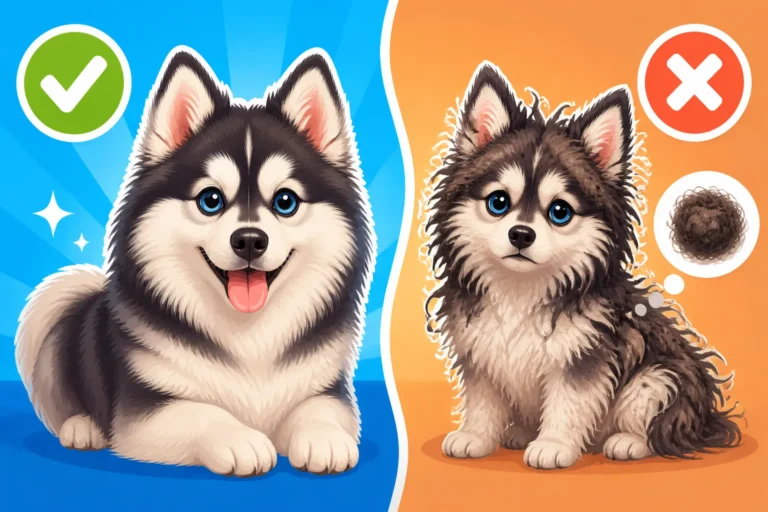
Whether a Pomsky Smells
It’s a question many Pomsky owners, or those considering bringing one into their home, secretly wonder about but might feel a little awkward asking out loud: "Does a Pomsky smell?" Let's be real, no one wants to live with a perpetually stinky pup, no matter how cute they are! The good news is, a healthy Pomsky, properly cared for, shouldn't have an overpowering or unpleasant odor. However, like all dogs, they do have a natural scent, and certain factors can definitely make them smell less-than-fresh. This guide will walk you through what's normal, what's not, and how to keep your adorable Pomsky smelling like sunshine and puppy kisses, or at least, not like an old gym sock.
Understanding the "Dog Smell" Phenomenon
We all know that smell. The one that hits you when you walk into a house with dogs, or when your own beloved furry friend curls up next to you after a long day. It’s often generalized as "dog smell," but in reality, it's a complex mix of many things. Understanding these components is the first step to figuring out if your Pomsky's scent is normal or signaling something more.
The Myth vs. Reality of Canine Odor
Let's bust a common myth right away: not all dogs inherently stink. Many people grow up with the idea that "dogs smell like dogs," and that's just the way it is. But a strong, pungent, or sour odor usually points to an underlying issue, not just typical canine musk. Think of it this way: humans have a natural scent, but persistent body odor often means we need a shower or there's a problem like an infection. The same goes for our pups. A healthy dog should have a mild, almost warm, bready smell, if anything at all, especially right after a bath.
However, a mild natural scent is entirely normal. This scent comes from the oils and pheromones secreted by their skin and glands, which are part of their unique biological makeup. It’s how they identify each other and communicate in the canine world. You might notice it more when they're wet, as water can amplify these natural odors. It's when this mild scent turns strong, sour, fishy, or yeasty that we need to pay closer attention.
Common Sources of Pomsky Odor
When your Pomsky starts to smell beyond that faint, natural "doggy" essence, it's time to play detective. The odors aren't usually coming from nowhere; they originate from specific parts of their body or external factors. Pinpointing the source is key to addressing the problem effectively.
One of the most frequent culprits is simply the buildup of natural skin oils and dirt in their magnificent double coat. Pomskies have a dense coat that can easily trap environmental odors, moisture, and debris. If not regularly brushed and bathed, these can accumulate and create a rather unpleasant smell. It’s like wearing the same sweater for a week without washing it – eventually, it’s going to hold onto all the smells it’s encountered.
Beyond general grime, specific areas can be hotbeds for odor. Their ears, if not cleaned regularly, can develop a yeasty or sweet smell due to infection. Their paws, especially between the pads, can harbor bacteria and yeast, leading to a distinct "corn chip" smell. Dental issues are another major contributor; a mouth full of plaque and tartar can create truly foul breath that seems to permeate their whole being. Lastly, anal glands, if impacted or expressed inappropriately, can release an incredibly pungent, fishy odor that no amount of bathing will permanently fix until the underlying issue is resolved.
Specific Pomsky Factors Contributing to Smell
Pomskies, with their unique blend of Husky and Pomeranian traits, have a few specific characteristics that can make them prone to certain types of odors if not managed correctly. Understanding these breed-specific tendencies is vital for proactive care.
The Double Coat's Role in Trapping Odors
The Pomsky's crowning glory is often their beautiful, dense double coat, The Pomsky That Carries a Husky Coat at Twenty Pounds. While it provides excellent insulation in various weather conditions, it also presents a particular challenge when it comes to odor control. This thick coat, comprising a soft, downy undercoat and coarser guard hairs, is designed to keep them warm in winter and cool in summer. However, its density also means it's incredibly efficient at trapping things.
Imagine all the things your Pomsky rolls in: grass, dirt, other dogs' scents, even just everyday dust. This double coat acts like a sponge, soaking up and holding onto these external odors. More importantly, it can trap moisture close to the skin. If a Pomsky isn't thoroughly dried after a swim, a rainy walk, or even just a quick rinse, that dampness deep within the undercoat creates a perfect humid environment for bacteria and yeast to flourish. This bacterial or yeast overgrowth is a very common cause of that musky, sour, or distinctly "wet dog" smell that persists long after they're supposedly dry. It's why proper drying is just as crucial as the bath itself, especially for dogs that blow their coat Whether a Pomsky Blows Its Coat Twice a Year.
Skin and Allergy Issues that Create Odor
Sometimes, a persistent smell isn't just about trapped dirt; it's a red flag for underlying skin conditions or allergies. Pomskies, inheriting genetics from two breeds, can be susceptible to various skin sensitivities. When the skin's natural barrier is compromised, it becomes more vulnerable to infections that can produce strong odors.
Yeast infections, often caused by the Malassezia fungus, are notorious for creating a sweet, musty, or corn-chip-like smell, particularly noticeable on the paws, in the ears, or in skin folds. Your Pomsky might also be excessively licking or scratching these areas. Bacterial skin infections, or pyoderma, can result in a more pungent, foul, or rotten odor. These often appear as red, irritated patches, sometimes with pustules or crusts. Conditions like Hot Spots Under a Pomsky's Undercoat are classic examples where localized infection leads to intense odor and discomfort. Allergies, whether to food or environmental triggers, can predispose a Pomsky to these infections by causing inflammation and irritation, making them scratch and damage their skin. If your Pomsky smells persistently "yeasty" or "rancid" despite regular bathing, it's often a sign that something more than just grime is at play, and it's worth investigating whether Whether a Pomsky Gets Allergies is contributing to the problem. In some cases, nutritional deficiencies like Zinc Responsive Dermatosis in a Pomsky can also lead to skin issues and a noticeable odor.
Dental Health and Bad Breath
While not always considered a full-body odor, genuinely bad breath can contribute significantly to a dog's overall perceived smell. And unfortunately, Pomskies can be prone to dental issues that make this a very real concern. Due to their mixed heritage, particularly the Pomeranian influence, many Pomskies end up with mouths that are a bit too small for all their teeth, leading to Dental Crowding in a Pomsky's Small Mouth.
When teeth are crowded or misaligned, it's much easier for food particles and bacteria to get trapped, leading to rapid plaque and tartar buildup. This bacterial accumulation in the mouth ferments, producing volatile sulfur compounds that are the source of truly foul breath. Beyond just being unpleasant, this also opens the door to gum disease (gingivitis and periodontitis), which can cause pain, tooth loss, and even systemic health issues. You might not just smell it on their breath; if your Pomsky is excessively licking your face or their own paws, that unpleasant odor can transfer. Regular dental care, including brushing their teeth and professional cleanings, is paramount to prevent their breath from becoming a pungent problem.
Practical Strategies for Managing Pomsky Odor
The good news is that most Pomsky odor issues are manageable with a consistent routine and a keen eye for potential problems. It's all about proactive care, not just reactive solutions when they start to smell.
Regular Grooming and Bathing Routine
For a double-coated breed like the Pomsky, grooming isn't just about looking good; it's crucial for their skin and coat health, and by extension, their smell. Regular brushing is your first line of defense. Using the right tools, like The Undercoat Rake a Pomsky Owner Lives With, helps remove loose undercoat, dirt, and debris that can trap odors and moisture. Aim for several times a week, and more frequently during seasonal coat blows when they're shedding heavily.
Bathing is also essential, but it needs to be done correctly to avoid causing more issues. The question of How Often a Pomsky Should Be Bathed depends on their lifestyle, but generally, once every 4-8 weeks is a good starting point, unless they get particularly dirty. Use a dog-specific shampoo that is gentle and suitable for their skin, available from reputable retailers like Chewy or Amazon. The most critical step after bathing is thorough drying. A high-velocity force dryer is invaluable for a Pomsky, as it pushes water out of the dense undercoat and helps prevent that damp, musty smell and potential skin issues Drying a Pomsky to the Skin. Skipping this step or letting them air dry can easily lead to Whether a Damp Pomsky Undercoat Causes Hot Spots and an accompanying sour smell.
Addressing Underlying Health Issues
If your Pomsky has a persistent, strong odor that isn't resolved with regular grooming, it's highly likely there's an underlying health issue that needs professional attention. Don't just mask the smell; get to the root cause. This means a visit to your veterinarian is in order. They can examine your Pomsky's skin, ears, and mouth for signs of infection, allergies, or other medical conditions.
For instance, if your Pomsky has a yeasty smell, your vet can prescribe antifungal treatments or medicated shampoos. If it's a bacterial infection, antibiotics might be necessary. Dietary changes might be recommended if allergies are suspected. There are many excellent hypoallergenic or limited-ingredient dog foods available, and brands like Ollie offer fresh, customized meal plans that can be beneficial for sensitive pups. Remember, a vet visit isn't just about treatment; it's about diagnosis, which is crucial for long-term management. Early detection of issues like Whether a Pomsky's Skin Cracks Around the Mouth can prevent more severe, odor-producing conditions. This kind of preventative care often includes The Screening a Pomsky Should Have Yearly.
Environmental Control and Home Care
Living with a Pomsky means their presence will extend beyond just the dog bed. To keep your home smelling fresh, a holistic approach is necessary. Start with what your Pomsky sleeps on. Their bed, blankets, and crate liners absorb oils, dirt, and shed hair, becoming a source of odor themselves. Wash these items regularly using a pet-safe detergent.
Regular vacuuming is also essential, especially if your Pomsky is shedding (which they do, a lot!). Their fine undercoat hairs can settle into carpets and upholstery, carrying odors with them. Consider using an enzymatic cleaner for accidents or specific spots where your Pomsky likes to lounge, as these break down odor-causing molecules rather than just covering them up. Wiping down your Pomsky's paws and face after outdoor adventures can also make a big difference, preventing outdoor smells from being tracked indoors. Sometimes, simple steps like opening windows for ventilation or using pet-friendly air purifiers can also contribute to a fresher living environment.
| Odor Type | Likely Source(s) | Potential Solutions | When to See a Vet |
|---|---|---|---|
| Musty/Yeasty | Damp coat, skin folds, ears, paws, yeast infection | Thorough drying, regular bathing, ear cleaning, paw wipes | If smell persists despite hygiene, excessive itching, redness, ear discharge, or black residue in ears. |
| Fishy | Anal glands (impacted/expressed), possibly diet | Regular vet checks for anal glands, diet adjustments | Immediately if suddenly strong and persistent, if dog is scooting, licking rear, or straining. |
| Foul Breath | Dental disease, crowded teeth, diet, stomach issues | Daily tooth brushing, dental chews, professional cleaning | If brushing doesn't help, visible tartar, red/bleeding gums, difficulty eating, or pawing at mouth. |
| Pungent/Sour | Bacterial skin infection, hot spots, dirty coat | Regular grooming, appropriate bathing, thorough drying | If accompanied by redness, lesions, hair loss, excessive scratching, or if smell is localized and intense. |
| Wet Dog | Trapped moisture in double coat | Always fully dry after baths/swims, use force dryer | If smell lingers after being fully dry, as it may indicate a deeper skin issue (see Musty/Yeasty above). |
When to Worry: Signs Your Pomsky's Smell Is a Problem
While a mild doggy scent is normal, an unusual, strong, or persistent odor is often your Pomsky's way of telling you something isn't quite right. Learning to differentiate between a normal odor and a problematic one is a crucial skill for any Pomsky owner.
Identifying Abnormal Odors
Not all bad smells are created equal. Different types of odors can point to specific issues, helping you narrow down the problem before consulting your vet. For instance, a "fishy" smell is almost universally associated with anal gland issues. These glands can become impacted or expressed at inappropriate times, releasing a very distinct and unpleasant odor. If your Pomsky is scooting their rear end along the carpet or licking excessively back there, alongside the smell, it's a strong indicator.
A sweet or fruity smell could be very serious, sometimes indicating a metabolic disease like diabetes. If you notice this, especially alongside increased thirst or urination, seek veterinary attention immediately. Yeasty smells, as mentioned, are often musty or reminiscent of corn chips, commonly found on paws, ears, or in skin folds, pointing to an overgrowth of yeast. A pungent, rotten, or intensely sour odor frequently signifies a bacterial skin infection or deeply embedded grime. And don't forget truly foul breath – it's not just "dog breath," it's often a sign of significant dental disease that requires professional intervention.
The Importance of Veterinary Consultation
Any time you notice a new, strong, or persistent odor from your Pomsky that doesn't resolve with a thorough bath and grooming, it's a clear signal to consult your veterinarian. Don't wait for other symptoms to appear. An abnormal smell is often one of the first indicators of an underlying health problem, and catching it early can make treatment much easier and more effective for your furry friend.
During your visit, be prepared to describe the smell, where it seems to be coming from, and any other symptoms you've noticed, even subtle ones like increased licking, scratching, changes in appetite, or lethargy. Your vet will conduct a thorough examination, which might include checking their skin, ears, mouth, and anal glands. They may also recommend tests like skin scrapes, ear swabs, or blood work to get to the bottom of the issue. Addressing the root cause, whether it's an infection, allergy, or dental problem, is the only way to truly eliminate the odor and ensure your Pomsky is healthy and comfortable. It’s a part of responsible pet ownership, just like ensuring they have enough exercise or a proper diet.
Disclaimer
This article is for general informational purposes only and does not constitute professional advice. Laws, prices and regulations vary by location and change over time. Consult a qualified professional for guidance on your specific situation.