Whether a Pomsky’s Skin Cracks Around the Mouth
It's incredibly unsettling when you notice something off with your beloved Pomsky, especially when it involves their delicate skin. Seeing dry, crusty, or even cracked skin around their mouth can be a source of real worry, making you wonder what's causing it and, more importantly, how to bring them relief. This comprehensive guide will delve deep into the potential reasons your Pomsky might be experiencing skin issues around their muzzle, from common environmental factors to underlying health conditions, and arm you with the knowledge to identify the signs, provide effective home care, and understand when it's time to seek professional veterinary attention.
Understanding Why Skin Cracks Around Your Pomsky's Mouth
Our dogs' skin is a vital organ, serving as a protective barrier against the outside world. When this barrier is compromised, it can lead to discomfort, infection, and visible changes like cracking. For Pomskies, a delightful blend of the Siberian Husky and Pomeranian, there are unique factors at play that can contribute to this specific problem.
The Delicate Nature of Canine Skin and the Pomsky's Unique Factors
Think about your own skin when it gets dry and chapped – it feels tight, uncomfortable, and sometimes even painful. It’s no different for our canine companions. A dog's skin, particularly around sensitive areas like the mouth, is constantly exposed to moisture from licking, eating, and drinking, as well as friction from rubbing their faces. This constant moisture and friction can weaken the skin's natural barrier, making it more susceptible to dryness and cracking.
For a Pomsky, their genetic heritage brings a fascinating mix of skin characteristics. Huskies typically have a robust, double coat and generally hardy skin, though they can be prone to certain dermatological conditions. Pomeranians, on the other hand, can sometimes have more delicate skin and are known to be sensitive or prone to allergies. Your Pomsky inherits a blend of these traits, meaning their skin might not be as resilient in some aspects as a purebred Husky, nor as consistently delicate as a Pomeranian. This unique genetic blueprint can influence how their skin reacts to various stressors, making them potentially susceptible to dryness or irritation around the muzzle.
The physical structure of a Pomsky's muzzle also plays a role. Depending on whether your Pomsky takes more after the broader muzzle of a Husky or the more compact face of a Pomeranian, the skin folds and hair density around their mouth can vary. Areas where moisture tends to accumulate, such as the corners of the mouth or along the chin where food and water might linger, become prime spots for irritation if not kept clean and dry. It's a constant battle against dampness and debris in those sensitive zones.
Environmental Aggressors and Everyday Wear and Tear
Beyond genetics, the world they live in presents daily challenges to your Pomsky's skin. Just like our lips get chapped in harsh weather, your dog's muzzle can suffer too. Dry air, especially during winter months when indoor heating is on full blast, can strip moisture from the skin. Blustery winds and cold temperatures outdoors can also exacerbate dryness, leading to chapping and uncomfortable tightness around the mouth. Conversely, even overly humid environments can cause issues by creating a perpetually damp surface, fostering microbial growth.
Everyday activities, as mundane as they seem, contribute to the wear and tear on your Pomsky's mouth area. Think about how they eat: enthusiastically diving into their food bowl, perhaps getting kibble dust or wet food residue all over their muzzle. Then there's drinking, where the area around their mouth is consistently wet. After eating or drinking, many dogs will lick their chops, further keeping the area moist. While this is natural, prolonged dampness can lead to irritation and create a breeding ground for bacteria or yeast. Some Pomskies also have a habit of rubbing their faces on carpets, furniture, or the ground, which can cause friction and minor abrasions that then struggle to heal if the skin is already dry or irritated. It’s these seemingly small, daily interactions that can accumulate and lead to noticeable skin problems.
Common Health Issues Causing Mouth Cracks in Pomskies
While environmental factors are often the first culprits we think of, persistent or severe cracking around your Pomsky's mouth can signal deeper, underlying health issues. These often require a veterinarian's keen eye and diagnostic tools to properly identify and treat.
The Suspect of Zinc Responsive Dermatosis
One of the more common and serious dermatological conditions that can manifest as skin cracking around a Pomsky's mouth is Zinc Responsive Dermatosis (ZRD). This isn't just dry skin; it's a specific metabolic disorder where the body either doesn't absorb enough zinc from the diet or can't properly utilize the zinc it does absorb. Given that Siberian Huskies are one of the breeds predisposed to ZRD, it’s not uncommon for their Pomsky offspring to inherit this propensity. Zinc is crucial for healthy skin cell turnover and immune function, so a deficiency quickly shows up as skin problems.
The symptoms of ZRD extend beyond just the mouth. You'll often see symmetrical crusting, scaling, and hair loss around the eyes, nose, and ear flaps, as well as on pressure points like the elbows and hocks. The skin around the mouth can become particularly thickened, cracked, and crusted, sometimes with painful fissures. It’s not merely a surface issue but a deeper cellular dysfunction that impacts the integrity of the skin. If you notice these characteristic lesions, especially in a young adult Pomsky, it's a strong indicator to investigate ZRD. You can learn more about this condition in depth by reading our guide on Zinc Responsive Dermatosis in a Pomsky.
Diagnosing ZRD typically involves a combination of clinical signs, a thorough dietary history, and sometimes a skin biopsy that reveals specific microscopic changes. Blood tests for zinc levels can be indicative, but aren't always definitive due to various factors. Treatment, once diagnosed, almost always involves zinc supplementation, often for the dog's entire life. It’s crucial that this is done under veterinary supervision, as too much zinc can also be toxic. This condition highlights why it's so important to consult with a vet rather than just trying home remedies if the problem persists.
Allergies Both Food and Environmental
Allergies are another major player in canine skin issues, and they can certainly cause irritation and cracking around the mouth. Many people associate allergies with sneezing or watery eyes, but in dogs, they overwhelmingly manifest as skin problems, often called atopic dermatitis. Your Pomsky might be scratching, licking, or rubbing excessively, leading to secondary irritation and broken skin.
Food allergies occur when your Pomsky’s immune system overreacts to a protein source in their diet. Common culprits include chicken, beef, dairy, eggs, soy, and wheat. The symptoms can be varied but often include generalized itching, ear infections, paw licking, and yes, inflammation and irritation around the face and mouth. If your Pomsky's skin around the mouth seems chronically inflamed, red, and perhaps even broken, and it coincides with gastrointestinal upset like diarrhea or vomiting, a food allergy might be at play. We’ve covered this in more detail in our article, Whether a Pomsky Reacts to Its Food. An elimination diet, strictly followed under veterinary guidance, is usually the gold standard for diagnosing food allergies.
Environmental allergies, also known as atopy, are reactions to allergens like pollen (from trees, grasses, weeds), dust mites, or mold spores. These allergies are often seasonal but can be year-round depending on the specific triggers. Similar to food allergies, environmental allergies cause intense itching, leading your Pomsky to rub their face, scratch their ears, and lick their paws. This constant rubbing and licking around the muzzle can easily lead to inflammation, dryness, and cracking of the skin. You might notice other signs like recurrent ear infections, red paws, or a general itchiness that improves with certain medications or during specific times of the year. Our piece on Whether a Pomsky Gets Allergies dives into understanding these triggers.
Fungal, Bacterial, and Yeast Infections
The constant moisture around a Pomsky's mouth from eating, drinking, and licking creates a warm, damp environment that is simply irresistible to various microbes. This means fungal, bacterial, and yeast infections can easily take hold and cause significant skin irritation, leading to cracking.
Yeast infections, primarily caused by Malassezia pachydermatis, are particularly common in areas where moisture and warmth are prevalent. You might notice a strong, sometimes sweet or musty odor coming from the affected area, along with redness, a greasy or oily feel to the skin, and intense itching. The skin can become thickened, discolored (often brownish or reddish), and, yes, start to crack as the inflammation progresses. This often gets worse if the dog is constantly licking or rubbing the area. Our article on Whether a Pomsky Gets Yeast in Its Coat offers more insight into this common problem.
Bacterial skin infections, or pyoderma, often occur as a secondary problem when the skin barrier is already compromised by allergies, parasites, or excessive moisture. Small cuts, abrasions, or even just persistent dampness can allow bacteria, usually Staphylococcus species, to proliferate. You might see pustules, crusts, red bumps, and a general inflamed appearance around the mouth. These infections can be quite painful, leading to further licking and rubbing, creating a vicious cycle that makes the cracking worse. Both yeast and bacterial infections require specific medications – antifungals for yeast, antibiotics for bacteria – which can only be prescribed by a veterinarian after a proper diagnosis. Attempting to treat these at home with general balms might offer temporary relief but won't address the underlying infection.
Recognizing the Signs and What to Look For
Catching skin issues early is key to preventing them from becoming more severe and painful for your Pomsky. Knowing what to look for, both visually and behaviorally, can help you act quickly and get your furry friend the care they need.
Visual Clues and Skin Changes
When examining your Pomsky, pay close attention to the area around their mouth, including the corners, chin, and lips. In the early stages, you might notice subtle changes: the skin may appear slightly redder than usual, perhaps a bit dry or flaky. The hair around the muzzle might look dull or feel coarser. It’s easy to overlook these initial signs, thinking it’s just a bit of slobber or food residue.
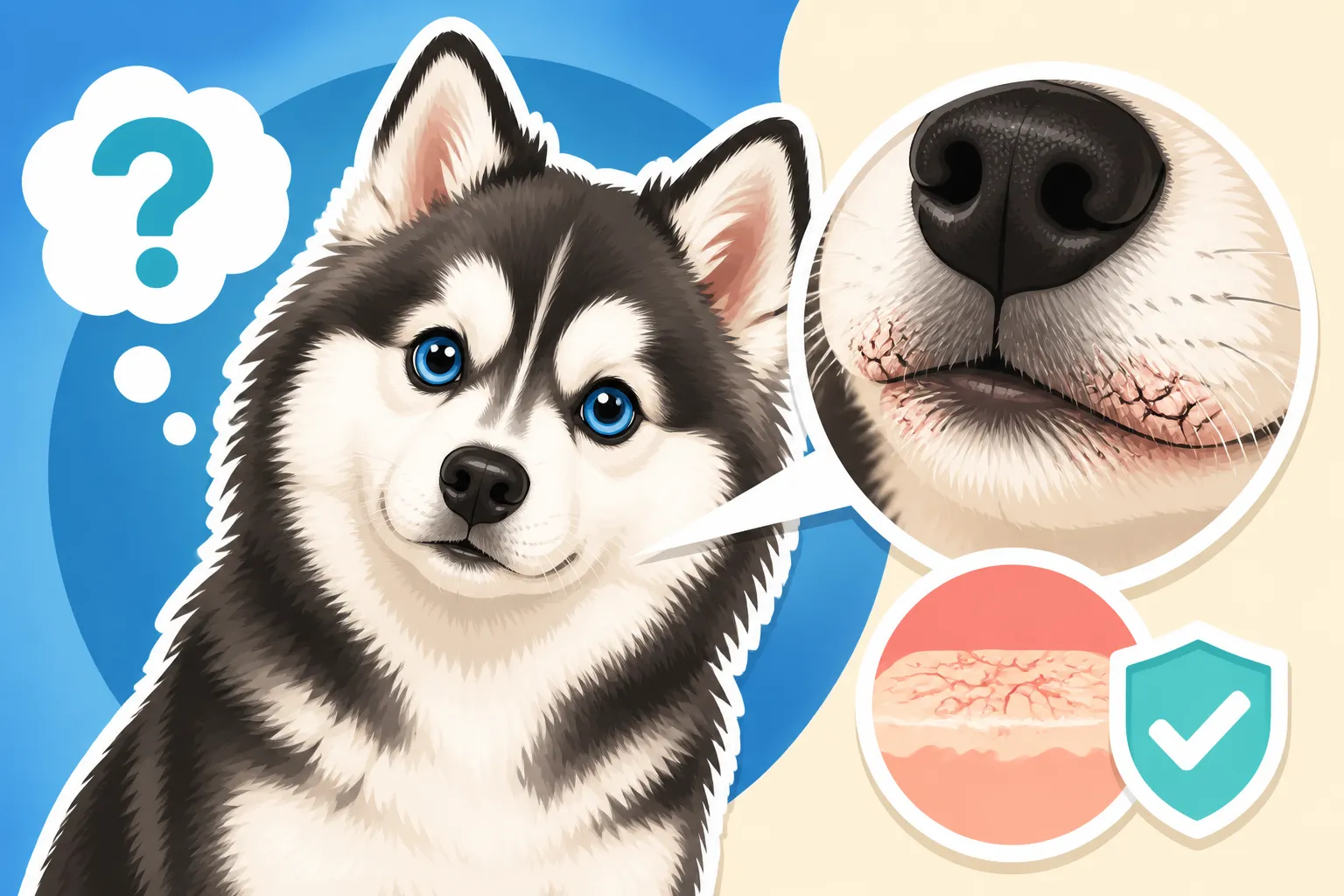
As the condition progresses, the signs become more apparent and concerning. The skin can start to show visible cracks, which can range from fine lines to deeper fissures. These cracks might be accompanied by crusting, where dried serum or discharge forms scabs on the surface. You might also see areas of hair loss, particularly if your Pomsky has been rubbing or scratching intensely. In more severe cases, the skin can appear thickened, inflamed, and even bleed. Look for any symmetry in the lesions – if they appear on both sides of the mouth in a similar pattern, it can be a clue towards conditions like Zinc Responsive Dermatosis or allergies. Also, observe if the problem is confined solely to the mouth area or if it extends to other parts of the face, such as around the eyes, which could indicate a more systemic issue. Our article Whether a Pomsky's Skin Crusts Around the Eyes can provide additional context here.
Behavioral Indicators of Discomfort
Dogs are masters at hiding discomfort, but persistent pain or irritation will almost always manifest in behavioral changes. One of the most obvious indicators is increased licking of the affected area. Your Pomsky might constantly try to soothe the irritated skin with their tongue, which, ironically, often makes the problem worse by introducing more moisture and potentially bacteria. You might also notice them rubbing their face excessively on carpets, furniture, or even your legs, attempting to relieve the itch or pain.
Beyond direct interaction with the affected area, other behavioral cues can signal discomfort. A Pomsky with painful mouth cracks might become reluctant to eat or drink, especially if the act of opening their mouth causes pain. They might approach their food bowl hesitantly or take smaller, more careful bites. You might observe increased drooling or pawing at their mouth. More generally, they might seem a bit more lethargic, withdrawn, or even irritable than usual. A normally playful Pomsky might not want to engage in games, or they might snap if you try to touch their face. Any significant change in your Pomsky's normal behavior, particularly if it coincides with visible skin changes, warrants a closer look and potentially a visit to the vet.
At-Home Care and Preventative Strategies
While a vet visit is essential for persistent or severe cases, there are many steps you can take at home to provide comfort to your Pomsky and prevent cracked skin around their mouth from recurring. Consistency and careful observation are key.
Gentle Cleaning and Moisturizing Routines
One of the simplest yet most effective ways to manage and prevent cracked skin around your Pomsky's mouth is to keep the area meticulously clean and dry. After every meal and drink, gently wipe your Pomsky's muzzle with a soft, damp cloth or a pet-safe, unscented cleansing wipe. Ensure you get into the corners of the mouth where food particles and moisture often linger. Then, follow up with a dry cloth or allow it to air dry completely. The goal is to prevent a constantly damp environment that fosters microbial growth and skin irritation.
Once the area is clean and dry, consider applying a vet-approved balm or moisturizer specifically formulated for dogs. Products designed for paws or noses, often containing ingredients like shea butter, coconut oil, or beeswax, can be excellent for soothing and protecting chapped skin. Brands like "Paw Soother" or "Musher's Secret" are popular choices. Gently apply a small amount to the dry or cracked areas, ensuring it’s spread evenly. It's crucial to avoid human lotions or creams, as they often contain perfumes, dyes, or ingredients like zinc oxide (found in many diaper rash creams) which can be toxic if ingested by your dog. Consistent application, perhaps a couple of times a day, can make a huge difference in improving skin hydration and elasticity.
Dietary Adjustments and Supplementation
What goes into your Pomsky's bowl can have a profound impact on their skin health. A well-balanced, high-quality diet provides the necessary nutrients for a healthy skin barrier. Look for dog foods with quality protein sources and healthy fats, especially Omega-3 fatty acids, which are known for their anti-inflammatory properties and ability to support skin and coat health. Many premium dog foods include ingredients like fish oil or flaxseed for this very reason. If your Pomsky's current food isn't cutting it, consider talking to your vet about switching to a formula designed for sensitive skin or specific dietary needs. You can also explore options and guidelines in our article Feeding a Twenty Pound Pomsky.
When it comes to supplementation, caution is always warranted, but certain supplements can be beneficial under veterinary guidance. If Zinc Responsive Dermatosis is suspected or diagnosed, prescription zinc supplementation is non-negotiable. However, never start zinc supplements without a vet's direction, as incorrect dosages can be harmful. For general skin health, your vet might recommend Omega-3 supplements, which can help reduce inflammation and improve skin hydration. These are widely available, but dosage is important based on your dog's weight and condition. Our guides Whether a Pomsky Needs Extra Zinc and What a Zinc Supplement Costs a Pomsky Owner provide more context on this particular nutrient. If allergies are suspected, your vet might suggest a prescription hydrolyzed protein diet or a limited ingredient diet trial to identify and eliminate dietary triggers.
Environmental Management and Routine Care
Managing your Pomsky's environment plays a significant role in preventing skin issues. In dry climates or during winter, using a humidifier indoors can add much-needed moisture to the air, benefiting both your skin and your Pomsky's. Also, ensure your Pomsky drinks from clean, non-reactive bowls. Stainless steel or ceramic bowls are usually recommended over plastic, as plastic can harbor bacteria and some dogs can develop contact allergies to it. Regularly clean food and water bowls to prevent bacterial and yeast buildup.
Routine grooming, while primarily focused on their magnificent double coat, also contributes to overall skin health, even around the face. While a Pomsky's coat isn't typically long around the mouth, ensuring any stray hairs are kept clean and free of debris can prevent matting that traps moisture and creates irritation. Though we usually talk about full body grooming, even a quick wipe-down and check of the muzzle is part of The Pomsky That Carries a Husky Coat at Twenty Pounds’s overall care. Regular baths with a gentle, moisturizing, pet-specific shampoo can also help maintain skin hydration and cleanliness, but avoid over-bathing which can strip natural oils.
Finally, never underestimate the power of routine veterinary check-ups. Even if your Pomsky seems fine, yearly visits allow your vet to spot subtle issues before they become major problems. If you have any concerns about skin cracking, mentioning it early allows your vet to investigate, often preventing the condition from worsening. Investing in pet insurance, such as through Healthy Paws, can provide peace of mind, knowing that you're covered for unexpected diagnostic tests, prescription medications, or long-term management strategies for skin conditions. This proactive approach ensures your Pomsky receives prompt, comprehensive care when needed.
When to Seek Veterinary Intervention
While home care and preventative measures are crucial, there are definitely times when trying to fix things yourself isn't enough, and a professional veterinary assessment becomes absolutely necessary. Ignoring severe or persistent skin issues can lead to worsened discomfort, secondary infections, and more complicated treatment down the line.
Recognizing When Professional Help is Necessary
It’s completely normal to want to try home remedies first, especially for minor dryness. But you need to know when to draw the line. If the cracking around your Pomsky's mouth is deep, bleeding, or shows signs of infection like pus, a foul odor, or intense redness and swelling, it’s time to call the vet. Similarly, if your Pomsky is clearly in pain, refusing to eat, or displaying lethargy, these are red flags that indicate a more serious underlying issue. Don't wait hoping it will clear up on its own.
Another key indicator for a vet visit is persistence. If you’ve been diligently applying balms, keeping the area clean, and adjusting their diet for a week or two, and you see no improvement, or if the condition actually worsens, then professional help is definitely needed. Self-diagnosing and delaying proper veterinary treatment can turn a manageable skin issue into a chronic, painful problem that is much harder and more expensive to resolve. Early intervention can prevent the spread of infection, halt further skin damage, and get your Pomsky on the road to recovery much faster. Your vet is the best resource for accurately diagnosing the cause and formulating an effective treatment plan.
Diagnostic Tests and Treatment Options
When you bring your Pomsky to the vet for cracked skin around the mouth, they won't just guess at a solution. A thorough diagnostic process is usually involved to pinpoint the exact cause. This might start with a simple skin scrape to check for mites or a fungal culture to identify yeast or ringworm. If an infection is suspected, your vet might take a swab for cytology (looking at cells under a microscope) or even a bacterial culture to determine the specific type of bacteria and which antibiotics will be most effective. For more persistent or unusual cases, a skin biopsy might be recommended, where a small tissue sample is taken and sent to a lab for detailed examination. Blood tests might also be part of the workup, especially if conditions like Zinc Responsive Dermatosis or hypothyroidism (which can also affect skin health) are on the radar. Our article, What a Skin Workup Costs on a Pomsky, provides an overview of the types of tests and their associated expenses.
Once a diagnosis is made, your vet will tailor a treatment plan. This could involve a course of oral antibiotics for bacterial infections, topical or oral antifungals for yeast, or anti-inflammatory medications to reduce swelling and discomfort. For allergies, they might prescribe antihistamines, steroids, or newer medications that target the itch response. If Zinc Responsive Dermatosis is confirmed, prescription zinc supplements will be started. In cases of severe discomfort or pain, pain relief might also be part of the plan. It's incredibly important to follow your vet's instructions precisely, completing full courses of medication even if symptoms improve, to prevent recurrence or antibiotic resistance. Navigating the costs of these diagnostics and treatments can be daunting, but pet insurance plans, such as those offered by Healthy Paws, can be invaluable in mitigating the financial burden of unexpected veterinary care, allowing you to focus on your Pomsky's recovery.
Understanding Breed-Specific Risks
It's always worth remembering that your Pomsky carries the genetic legacy of two distinct breeds: the Siberian Husky and the Pomeranian. This means they can inherit predispositions to certain health conditions from either side of their family tree. For instance, the Husky lineage contributes to the risk of conditions like Zinc Responsive Dermatosis, as discussed earlier. This knowledge isn't meant to worry you but to empower you with awareness, so you can be proactive about potential issues.
Understanding these breed-specific risks emphasizes the value of choosing a responsible breeder who performs health testing on their breeding stock. While no health guarantee is 100% foolproof, reputable breeders strive to minimize the risk of passing on known genetic conditions. For you as an owner, it means ongoing monitoring is key. If you know your Pomsky comes from a lineage with a history of certain skin issues, you can be extra vigilant for early signs and work closely with your vet on preventative strategies. For example, knowing that Whether a Pomsky's Zinc Problem Comes From the Husky is a possibility, you might discuss dietary needs and symptom vigilance with your veterinarian from the start. Being an informed Pomsky owner means appreciating their unique blend of traits, including their potential vulnerabilities, and providing care that is tailored to their specific needs.
| Potential Cause | Key Symptoms | Recommended Action |
|---|---|---|
| Dry Skin/Chapping | Dry, flaky, tight skin; mild redness; no severe itching | Pet-safe balm, humidifier, gentle cleaning |
| Zinc Responsive Dermatosis | Crusting, hair loss, cracks around mouth/eyes/joints; lethargy; poor appetite | Vet diagnosis, prescription zinc supplements |
| Allergies (Food/Environmental) | Redness, intense itching, licking, rubbing, ear infections; paw licking | Vet diagnosis, elimination diet, antihistamines, environmental control |
| Bacterial/Yeast Infection | Redness, pus, odor, greasy skin, severe itching; pain | Vet diagnosis, antibiotics/antifungals, medicated shampoos |
| Injury/Irritation | Localized cut/sore, minor swelling, pain on touch | Clean, apply antiseptic, monitor for healing, vet if worsening |
Disclaimer
The information provided in this guide is for general informational purposes only and does not constitute veterinary advice. Always consult with a qualified veterinarian for any health concerns or before making any decisions related to your Pomsky's care.