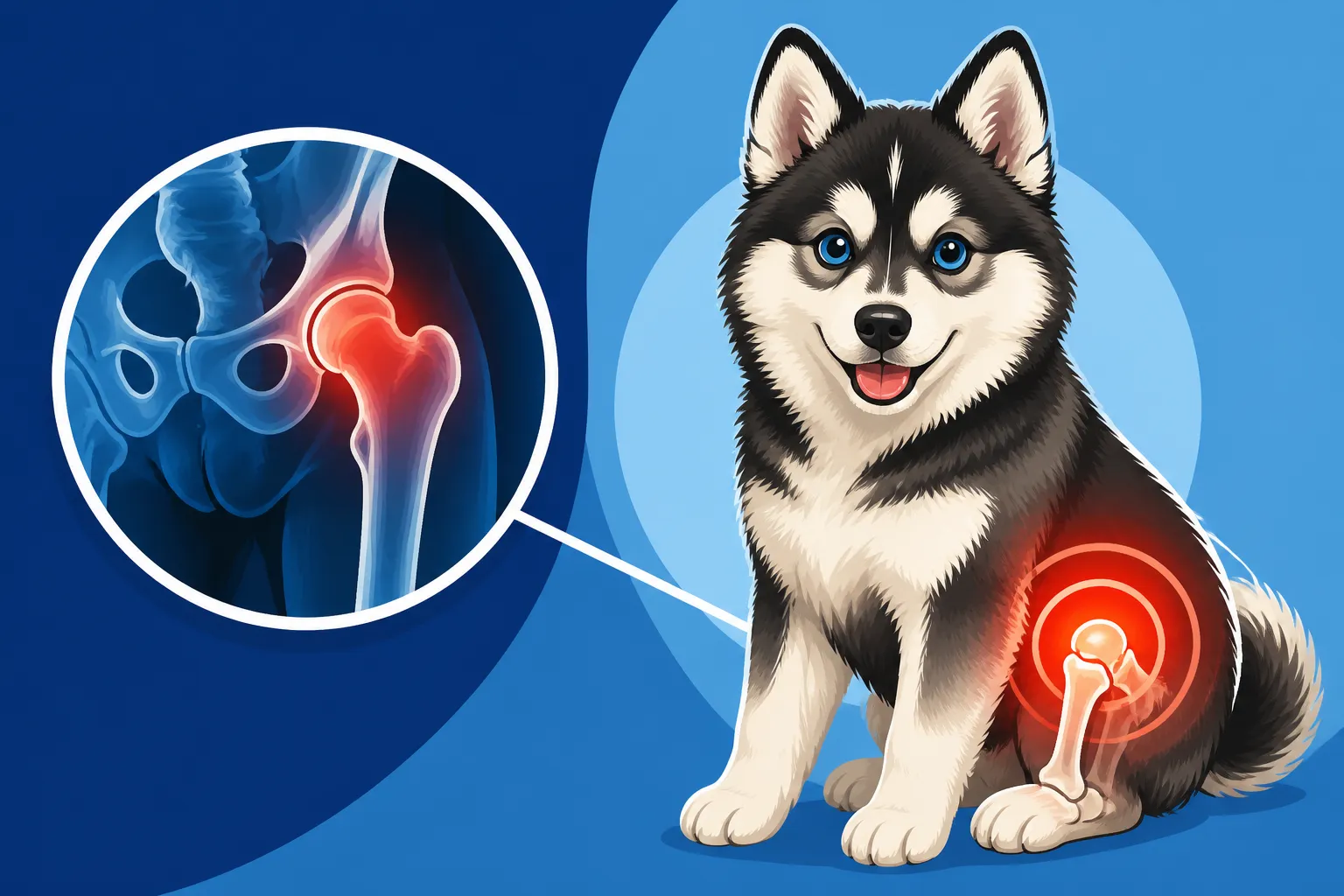
The Age Legg Calve Perthes Shows in a Pomsky
It’s truly heart-wrenching when your vibrant, playful Pomsky puppy suddenly starts limping or holding up a leg. That worry, that fear that something serious is happening, is completely valid. One of the often-misunderstood orthopedic conditions that can strike young Pomskies is Legg-Calve-Perthes disease, a painful hip issue that can appear seemingly out of nowhere. This comprehensive guide will walk you through what LCP is, why it affects Pomskies, and crucially, at what age you should be most vigilant for its signs.
Understanding Legg-Calve-Perthes in Young Pomskies
When you bring a Pomsky into your home, you're usually dreaming of years of happy zoomies and cuddles. The last thing you expect is a debilitating hip condition, especially in a dog so young. Legg-Calve-Perthes disease, often just called LCP, is a genuine concern for many small and toy breed owners, and unfortunately, our beloved Pomskies can be affected due to their Pomeranian lineage.
What Exactly is Legg-Calve-Perthes Disease?
Imagine the ball and socket joint of your hip – that’s essentially what your Pomsky has, too. The "ball" part is the head of the femur (thigh bone), and it fits into the "socket" of the pelvis. In Legg-Calve-Perthes disease, something goes wrong with the blood supply to that femoral head. For reasons that aren't always crystal clear, the blood flow to this specific area becomes disrupted. Without a consistent blood supply, the bone cells in the femoral head start to die, a process called avascular necrosis.
As these bone cells die off, the bone weakens, becomes brittle, and eventually starts to collapse and deform. This leads to excruciating pain, inflammation, and ultimately, a breakdown of the hip joint itself. It's not a sudden injury; it's a degenerative process that progresses over time, often making the joint feel like sandpaper rubbing together. This isn't like a sudden sprain or muscle pull; it's a structural failure that causes chronic discomfort and lameness.
Why Pomskies are Susceptible to LCP
The Pomsky, being a designer cross between a Siberian Husky and a Pomeranian, inherits traits from both sides. While Siberian Huskies are generally known for a different hip issue called Hip Dysplasia in a Pomsky, LCP is overwhelmingly associated with smaller breeds. This is where the Pomeranian side of your Pomsky's ancestry comes into play. Breeds like Miniature Poodles, West Highland White Terriers, Cairn Terriers, and yes, Pomeranians, have a higher genetic predisposition to LCP.
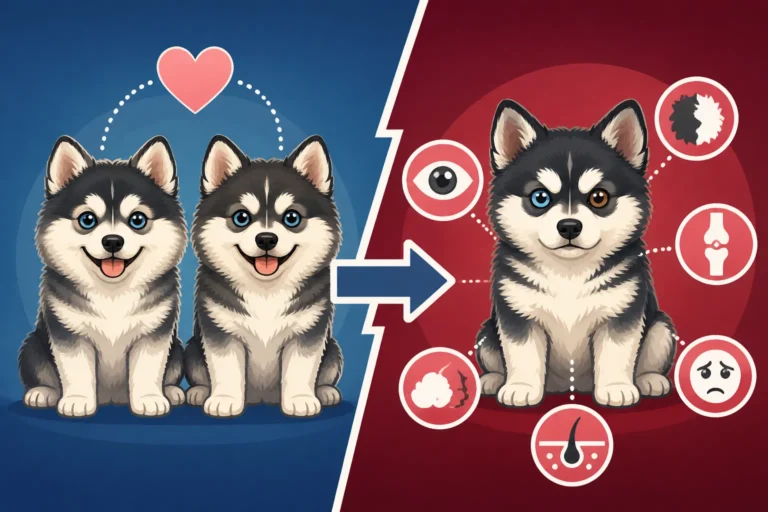
It's believed that LCP has a genetic component, meaning it can be passed down from parents to offspring. If one of your Pomsky's Pomeranian ancestors carried the genes for LCP, there's a chance your Pomsky might inherit them. This isn't a guarantee, of course, but it elevates the risk compared to larger breeds. The condition isn't caused by injury or diet, but rather an inherited susceptibility that manifests during the critical growth period of a puppy. Understanding this genetic link underscores the importance of choosing a responsible breeder who performs health screenings, even for a mixed breed like the Pomsky.
The Crucial Age Range for Onset in Pomskies
This is the big question on many Pomsky owners' minds, and for good reason. Unlike adult-onset arthritis, LCP is a disease of immaturity. It almost exclusively affects growing puppies. Typically, the signs of Legg-Calve-Perthes disease become apparent in Pomskies and other susceptible breeds when they are between 4 and 12 months of age.
It's a wide window, but it's important to remember that this is the period when their bones are rapidly developing. The onset can be gradual, starting with a subtle limp that seems to come and go, or it can be more sudden and pronounced. You might notice your Pomsky puppy, who was previously full of boundless energy, start to slow down, show reluctance to jump, or avoid putting weight on one of their hind legs. The pain usually intensifies as the femoral head continues to degenerate. It's rare for LCP to manifest outside of this age range, so if an older Pomsky develops similar symptoms, your vet will likely investigate other causes, such as arthritis or trauma. For more insights on joint health, you might find information on Whether a Pomsky Should Jump Off Furniture helpful, as reducing impact can be beneficial for young joints.
Recognizing the Early Signs of LCP in Your Pomsky
Catching LCP early can make a significant difference in managing the condition and your Pomsky's comfort. Since the symptoms can sometimes be mistaken for other puppy ailments or even just growing pains, it's crucial to be observant and know what red flags to look for.
Subtle Changes in Gait and Activity
The earliest signs of LCP in your Pomsky might be quite subtle. You might notice a slight, intermittent lameness that seems to resolve itself, only to reappear later. This lameness often worsens after exercise and improves with rest. Your Pomsky might begin to favor one hind leg, perhaps holding it up for a moment or taking shorter, choppier steps with it.
As the condition progresses, the lameness becomes more persistent and obvious. You might see your Pomsky "bunny hopping" – using both hind legs simultaneously to propel themselves forward, similar to a rabbit. They might also show a general reluctance to engage in activities they once loved, like chasing a ball, jumping on the couch, or even going for their usual walks. They might seem less enthusiastic about playtime or avoid weight-bearing activities. Sometimes, they might even stand or sit awkwardly to alleviate pressure on the affected hip. Observing these changes, even if minor, is key to prompt veterinary intervention.
Pain and Sensitivity in the Hip
Beyond just limping, pain is a defining symptom of LCP. Your Pomsky might vocalize when you touch their hip area, or even just when they shift their weight. Whining, yelping, or growling when you attempt to stretch or manipulate their affected leg are clear indicators of discomfort. They might also guard the leg, pulling it away from you or even snapping if the pain is severe.
Over time, you might notice muscle atrophy (wasting) in the affected hind leg. Because your Pomsky is trying to avoid putting weight on the painful hip, the muscles in that leg aren't being used as much, causing them to shrink and become noticeably smaller than the muscles in the healthy leg. The affected leg might also appear shorter than the unaffected one in severe cases, as the femoral head collapses and shortens the bone. This difference in muscle mass is a strong diagnostic clue for veterinarians.
When to Seek Veterinary Attention
If you observe any of the aforementioned signs – persistent limping, reluctance to move, sensitivity around the hip, or muscle wasting – do not hesitate to contact your veterinarian immediately. It's far better to have it checked out and find it's nothing serious than to delay and allow a painful condition like LCP to worsen.
Early diagnosis is vital for a better prognosis and to alleviate your Pomsky's discomfort. Describe all the symptoms you've noticed, including when they started, how they progress, and what makes them better or worse. Your vet will perform a thorough physical examination, observing your Pomsky's gait, manipulating their hips, and assessing for pain and range of motion. Don't worry about sounding overly concerned; a good vet understands that you know your dog best.
Diagnosing and Treating Legg-Calve-Perthes in Pomskies
Once you've brought your Pomsky to the vet, they will systematically work to confirm if LCP is indeed the issue. The good news is that while it's a serious condition, there are effective treatments available to help your Pomsky live a pain-free life.
The Diagnostic Process
The journey to diagnosing LCP usually starts with a comprehensive physical examination. Your vet will carefully palpate your Pomsky's hips, listen for crepitus (a grinding sound or sensation in the joint), and assess the range of motion. They'll also compare muscle mass in both hind legs. If LCP is suspected, the next crucial step is radiography, or X-rays.
Your vet will likely take several X-ray views of your Pomsky's hips. These images will clearly show the changes in the femoral head: early on, it might appear mottled or irregular, and in more advanced stages, you'll see clear signs of bone collapse, flattening, and potential fractures. These X-rays are usually taken under sedation or light anesthesia to ensure your Pomsky is still and comfortable, allowing for clear images. The characteristic changes on the X-ray are usually definitive for diagnosing LCP. This diagnostic process is quite similar to how a vet might diagnose Hip Dysplasia in a Twenty Pound Pomsky, although the specific X-ray findings would differ.
Surgical vs. Non-Surgical Approaches
For Legg-Calve-Perthes disease, surgery is generally considered the most effective long-term treatment, especially in small breeds like Pomskies. The most common surgical procedure is a Femoral Head Ostectomy (FHO). During an FHO, the affected femoral head and neck are completely removed. This eliminates the painful "ball" component of the joint that is causing friction and discomfort. The body then forms a "false joint" of fibrous tissue and muscle, which significantly reduces pain. While it might sound drastic, dogs adapt remarkably well to an FHO, especially small ones.
Non-surgical management, involving pain medication, anti-inflammatory drugs, and restricted exercise, is rarely successful on its own for LCP. It might be attempted in very mild, early cases, or if surgery is absolutely not an option due to other health concerns or financial limitations. However, without removing the degenerating bone, the pain often persists and worsens. For surgical procedures, it's worth noting that Whether Anesthesia Is Riskier on a Small Pomsky is a common concern for owners, and your vet will discuss all precautions.
Post-Surgery Care and Rehabilitation
After an FHO, your Pomsky's recovery isn't instant, but it's often very positive. Post-operative care typically involves strict rest for a period, followed by a gradual increase in controlled exercise. Pain management medication will be prescribed to keep your Pomsky comfortable during the initial healing phase. Your vet might also recommend physical therapy, which is incredibly beneficial for regaining strength and range of motion. This could include gentle massage, passive range-of-motion exercises, and hydrotherapy (underwater treadmill) once appropriate.
Most Pomskies recover very well from FHO surgery and can lead full, active lives without chronic pain. The success rate is high, and while the affected leg might have a slightly reduced range of motion or a subtle limp, it's usually pain-free. The key is consistent post-operative care and adherence to your vet's rehabilitation plan. The full recovery can take several weeks to a few months, but the transformation from a limping, painful puppy to a happy, active dog is incredibly rewarding.
Long-Term Management and Prevention Considerations
Living with a Pomsky who has undergone LCP treatment means understanding ongoing care and, ideally, considering how to prevent such issues in future generations.
Managing Life After LCP Surgery
Once your Pomsky has recovered from LCP surgery, maintaining their health and mobility becomes a long-term commitment. Keeping your Pomsky at a healthy weight is paramount, as extra pounds put unnecessary strain on all joints, including the surgically repaired one. A balanced diet appropriate for their activity level is essential.
While most dogs lead normal lives, some might benefit from lifelong joint support. Your vet might recommend supplements containing glucosamine, chondroitin, and MSM, which can support cartilage health and reduce inflammation. For more details, you can explore Whether Joint Supplements Help a Pomsky. Regular, moderate exercise, like daily walks, is crucial for maintaining muscle strength and flexibility around the hip joint, but avoid high-impact activities like excessive jumping or intense, prolonged running, especially on hard surfaces. Think of it as supporting their overall musculoskeletal health for the long haul.
| Symptom | Description | Why It's Important |
|---|---|---|
| Intermittent Limping | A subtle, on-again-off-again lameness, often worsening after activity. | Often the first sign, easily dismissed as a minor sprain or "growing pains," but indicates underlying discomfort. |
| Persistent Lameness | Limping that becomes constant and more noticeable, often favoring one hind leg. | Shows progression of the disease and increasing pain, making walking difficult. |
| Reluctance to Move | Avoiding jumps, stairs, or engaging in usual playtime activities. | Indicates significant pain, as the dog tries to protect the affected joint. |
| Pain on Touch/Manipulation | Whining, yelping, or guarding the hip/leg when touched or moved. | Direct evidence of localized pain and inflammation in the hip joint. |
| Muscle Atrophy | Visible thinning or shrinking of muscle mass in the affected hind leg. | Occurs because the dog avoids using the painful leg, leading to muscle disuse. |
| "Bunny Hopping" | Using both hind legs simultaneously to propel forward, like a rabbit. | A common compensatory gait to minimize weight-bearing on a painful hip. |
Genetic Screening and Responsible Breeding
Given the strong genetic component of Legg-Calve-Perthes disease, responsible breeding practices are the most effective way to reduce its incidence. Reputable Pomsky breeders should be aware of LCP and ideally, only breed dogs from lines that have no history of the condition. While there isn't a specific genetic test for LCP yet, careful pedigree research and choosing breeding stock from healthy lines free of LCP is crucial.
This means that breeders should be completely transparent about the health history of their breeding dogs and their ancestors. When you're looking for a Pomsky puppy, don't hesitate to ask about the prevalence of LCP in their lines. A breeder who dismisses such concerns or can't provide information about their breeding dogs' health testing or ancestral health is a red flag. Always seek out breeders who prioritize health and longevity over quick profits. Comprehensive health tests for parents, such as those discussed in The Health Tests a Pomsky Breeder Should Show, are important for many conditions, not just LCP.
Financial Considerations for LCP Treatment
Let's be realistic: a diagnosis of Legg-Calve-Perthes disease and subsequent surgery can be a significant financial undertaking. The diagnostic X-rays, the FHO surgery itself, post-operative medications, and potential physical therapy sessions can add up quickly. Costs can vary widely depending on your location, the veterinary clinic, and the severity of the case, but it's not uncommon for the total expense to be in the thousands of dollars.
This is where pet insurance can be a literal lifesaver. Companies like Healthy Paws offer comprehensive pet insurance plans that can cover a significant portion of unexpected veterinary costs, including those for LCP diagnosis and treatment, provided you enroll your Pomsky before symptoms appear. Having a policy from providers like Healthy Paws in place can alleviate the burden of having to choose between your pet's health and your wallet, allowing you to focus on getting your Pomsky the best care possible. Even if you don't have insurance, discussing payment plans with your vet or looking into veterinary financing options can help manage the expense. For broader financial planning, you might want to look into What Insuring a Pomsky Runs Monthly or Setting Money Aside for a Pomsky's Vet Bills.
Disclaimer
Please remember that this article is intended for informational purposes only and should not be taken as professional veterinary advice. Always consult with a qualified veterinarian for any health concerns or before making any decisions regarding your Pomsky's care.