Signs a Pomsky’s Thyroid Has Failed
Many Pomsky parents find themselves scratching their heads when their energetic, fluffy companion suddenly seems… off. Their once playful pup might be lethargic, gaining weight, or experiencing unexplained skin issues, leading to endless worry about what might be going on. It’s a frustrating situation because these symptoms can be so vague and easily confused with other common ailments, leaving you feeling helpless. This comprehensive guide will illuminate the specific signs that could indicate a failing thyroid in your Pomsky, empowering you to recognize the symptoms and seek timely veterinary intervention, bringing peace of mind and a path to better health for your furry friend.
Understanding Hypothyroidism in Your Beloved Pomsky
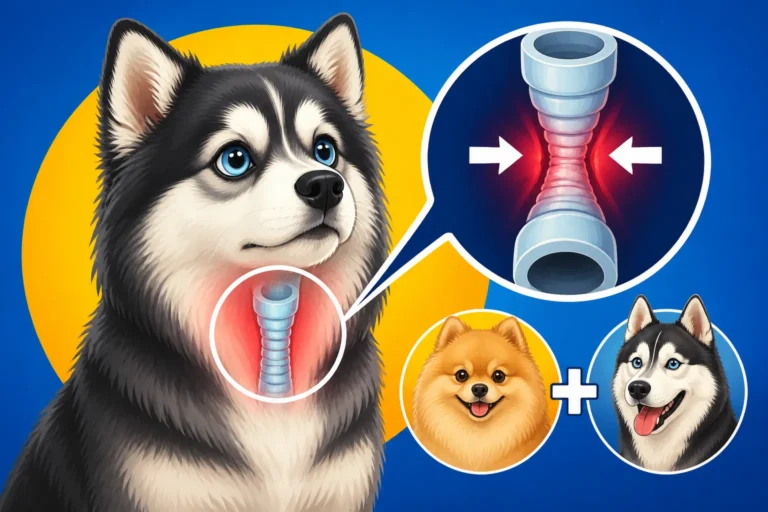
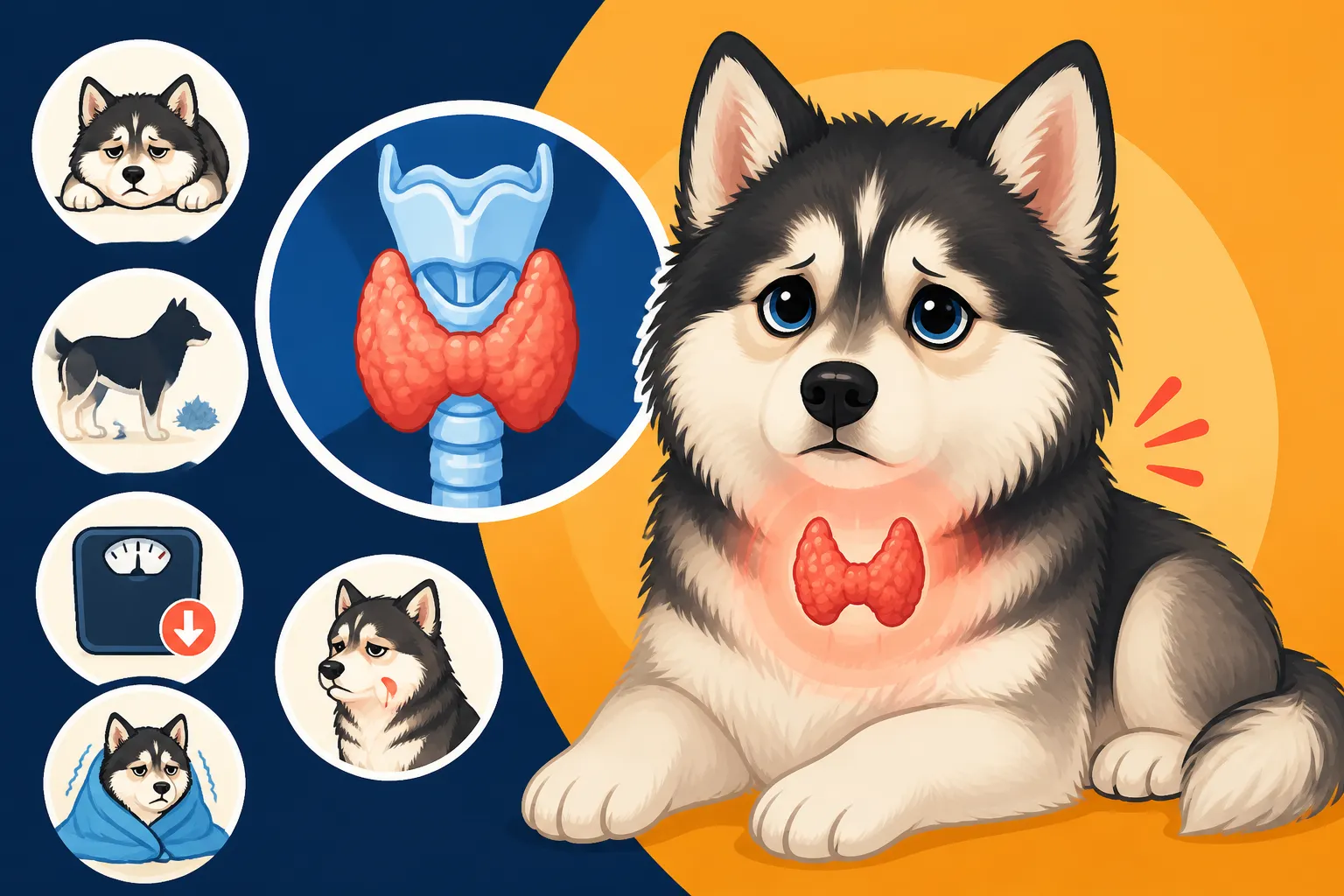
Hypothyroidism is one of those conditions that can sneak up on you, gradually altering your Pomsky's health and demeanor without immediate alarm bells ringing. At its core, hypothyroidism means your dog's thyroid gland, a small but mighty butterfly-shaped gland located in their neck, isn't producing enough thyroid hormones. These hormones, primarily thyroxine (T4) and triiodothyronine (T3), are crucial for regulating metabolism in every cell of the body. Think of them as the orchestrators of your dog's internal rhythm, controlling everything from energy levels and body temperature to skin health and hair growth. When the thyroid gland fails to produce sufficient hormones, the entire system can slow down, leading to a cascade of often subtle, yet concerning, changes.
Pomskies, being a delightful mix of Siberian Husky and Pomeranian, inherit genetic predispositions from both sides of their family tree. While Huskies are generally known for a hardy constitution, Pomeranians, like many small breeds, can be prone to certain endocrine issues. Hypothyroidism isn't as prevalent in Pomskies as some other conditions, but it's certainly a concern, especially if there's a family history in their parent breeds. The most common cause in dogs is autoimmune thyroiditis, where the body's immune system mistakenly attacks and destroys its own thyroid tissue. Less common causes include idiopathic atrophy of the thyroid gland, where the gland simply shrinks for no apparent reason, or in very rare cases, a tumor. The insidious nature of this disease is what makes it so challenging; symptoms typically develop slowly over months or even years, making early detection difficult without a keen eye and regular veterinary check-ups.
Subtle Shifts in Behavior and Energy Levels
One of the earliest and most commonly overlooked indicators of a failing thyroid in your Pomsky often manifests as a change in their usual zest for life. These aren't always dramatic shifts overnight; rather, they're gradual alterations that you might initially dismiss as your dog "just getting older" or having an off day. However, persistent changes warrant closer investigation.
Unexplained Lethargy and Reduced Activity
Is your once enthusiastic Pomsky now a couch potato? While it’s natural for dogs to slow down a little as they age, a significant and sustained drop in energy levels is a red flag. If your Pomsky, who used to be eager for walks and playtime, now seems reluctant to engage, prefers sleeping over playing, or tires out much quicker than before, it could be a sign. They might lag behind on walks, show little interest in their favorite toys, or simply appear less alert and engaged with their surroundings. This isn't just about physical tiredness; it's a profound systemic slowdown, a direct consequence of their metabolism running at a snail's pace. If you're concerned about your Pomsky's energy levels, it's worth considering The Exercise a Pomsky Needs Every Day and comparing it to their current activity.
Weight Gain Despite No Dietary Changes
Another frustrating symptom that often leaves owners bewildered is inexplicable weight gain. You might be meticulously measuring their food, ensuring they get enough exercise, and yet your Pomsky is steadily packing on the pounds. This isn't just about looking a little chunky; it’s a metabolic issue. With a decreased metabolism, your Pomsky's body isn't burning calories efficiently, leading to fat accumulation even if their caloric intake hasn't increased. It’s easy to blame yourself or assume you’re overfeeding, but if you're certain their diet and activity haven't changed, a failing thyroid should be on your radar. This kind of weight gain often appears soft and "puffy" rather than muscular. If you’re struggling with this, our article on Whether a Pomsky Is Carrying Too Much Weight might offer additional insights, but don't rule out the thyroid.
Cold Intolerance and Mental Dullness
Pomskies have a beautiful double coat, genetically inherited from their Husky parent, which usually makes them quite tolerant to colder weather. So, if your Pomsky, who once loved frolicking in the snow, now shivers indoors, actively seeks out warm spots (like curled up by the heater or under blankets), or seems unusually sensitive to chilly drafts, it could signal hypothyroidism. Their metabolism's slowdown affects their ability to regulate body temperature, making them feel perpetually cold. Coupled with this, some owners report a subtle shift in their Pomsky's cognitive function. They might seem less bright, slower to respond to commands, or less playful and curious than usual. This "mental dullness" isn't dementia; it's a direct reflection of reduced metabolic activity affecting brain function, making them seem more lethargic in thought as well as action.
Overt Physical Manifestations of Thyroid Dysfunction
While the behavioral and energy shifts can be subtle, a failing thyroid often leaves more noticeable physical clues, particularly concerning their skin and coat. These are often the symptoms that finally prompt a vet visit, as they become harder to ignore.
Dry, Brittle, Thinning Coat and Excessive Shedding
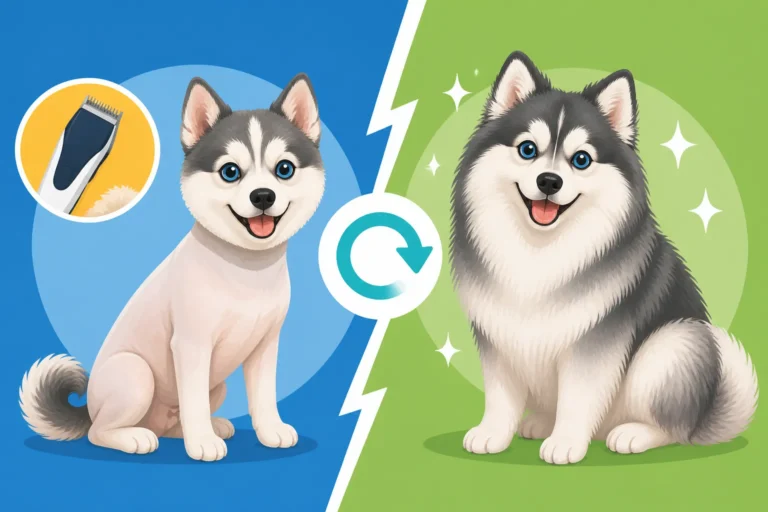
One of the most classic signs of hypothyroidism in a Pomsky is a noticeable deterioration of their luxurious double coat. Instead of being thick, soft, and glossy, the coat might become dry, brittle, and dull. You might notice excessive shedding, even outside of their normal "blowing coat" seasons, or patches where the hair seems to be thinning. This isn't just a cosmetic issue; it's because thyroid hormones are vital for healthy hair follicle function. Without enough hormones, hair growth slows down, follicles become unhealthy, and existing hair becomes fragile and prone to breakage. This can be particularly confusing because conditions like Whether a Pomsky's Coat Loss Is Thyroid or Alopecia X can present with similar symptoms, necessitating careful veterinary diagnosis.
Skin Issues: Hyperpigmentation, Infections, and "Rat Tail"
Beyond the coat, a failing thyroid can wreak havoc on your Pomsky's skin. You might observe several changes:
- Hyperpigmentation: Areas of the skin, especially in the armpits, groin, or on the belly, can become thickened and turn dark (hyperpigmented). This leathery, darkened skin is a tell-tale sign of chronic skin changes.
- Recurrent Skin Infections: A compromised immune system, often a byproduct of hypothyroidism, makes your Pomsky more susceptible to bacterial and yeast infections on the skin. You might notice persistent itching, redness, or a greasy, flaky feel to their skin, leading to repeated trips to the vet for antibiotics or antifungals. If your Pomsky gets frequent skin issues, you might want to consider What a Skin Workup Costs on a Pomsky to get to the root of the problem.
- "Rat Tail": This rather descriptive term refers to hair loss on the tail, sometimes so severe that the tail becomes completely bald, resembling a rat's tail. This can also occur with symmetrical hair loss on the flanks or across the back. The skin might also appear dry and flaky in these areas.
It’s crucial to distinguish these skin problems from other common issues. For instance, sometimes Whether a Pomsky Gets Allergies can cause similar itching and skin irritation, but a full thyroid panel can help differentiate.
Other Less Common but Significant Signs
While less frequently observed, a failing thyroid can also manifest in other ways:
- Slow Heart Rate (Bradycardia): Because thyroid hormones influence heart function, a significantly low heart rate can sometimes be an indicator. Your vet might pick this up during a routine physical exam.
- Neurological Signs: In severe, long-standing cases, some Pomskies might develop neurological symptoms such as weakness, incoordination, or even facial paralysis. These are rare but highlight the pervasive impact of thyroid hormones on the entire body.
- Puffy Face (Myxedema): Though uncommon, severe hypothyroidism can lead to a puffy appearance of the face due to fluid retention, a condition called myxedema. This gives the dog a rather tragic, droopy expression.
Navigating Diagnosis and Treatment for Your Pomsky
If you’ve noticed several of these signs in your Pomsky, it’s absolutely time to schedule an appointment with your veterinarian. Don't wait, as early diagnosis and treatment can significantly improve your Pomsky's quality of life and prevent the progression of more severe symptoms.
When to Consult Your Veterinarian
Any combination of persistent lethargy, unexplained weight gain, noticeable coat changes, or recurrent skin issues should prompt a vet visit. It's helpful to keep a journal of when you first noticed symptoms and how they've progressed. This information can be invaluable for your vet. Many pet insurance providers, like Healthy Paws, emphasize the importance of early detection and will cover diagnostic testing for conditions like hypothyroidism, so it’s always wise to check your policy. Remember, The Screening a Pomsky Should Have Yearly often includes blood work that can catch subtle changes before they become major problems, especially as they enter their senior years.
The Diagnostic Process
Diagnosing hypothyroidism typically involves a blood test. Your vet will usually start with a total T4 (thyroxine) level. However, a low T4 can sometimes be due to other illnesses or medications, a phenomenon known as "euthyroid sick syndrome." Therefore, a more comprehensive panel is often recommended, including:
- Free T4 (fT4): This measures the unbound, biologically active form of T4 and is generally considered more accurate than total T4.
- Thyroid-Stimulating Hormone (TSH): Produced by the pituitary gland, TSH signals the thyroid to produce hormones. In hypothyroidism, TSH levels are often elevated as the pituitary tries to "kick-start" a failing thyroid.
- Thyroid Autoantibodies (TgAA): These tests can detect the presence of antibodies that attack the thyroid gland, confirming an autoimmune cause.
A diagnosis is usually made by evaluating these results in conjunction with your Pomsky's clinical signs. If you're concerned about the costs of these diagnostics, discussing options with your vet and understanding your pet insurance coverage, perhaps with a provider like Healthy Paws, can be very reassuring.
Treatment and Long-Term Management
The good news is that hypothyroidism is typically very manageable with medication. The standard treatment involves daily oral supplementation with synthetic thyroid hormone, levothyroxine (L-thyroxine). This medication is given for the remainder of your Pomsky's life.
Here's what you can expect during treatment:
- Initial Dosage: Your vet will determine an appropriate starting dose based on your Pomsky's weight and the severity of their condition.
- Monitoring and Adjustments: After about 4-8 weeks on medication, your Pomsky will need follow-up blood tests to check their thyroid hormone levels and ensure the dosage is correct. These monitoring appointments are crucial for fine-tuning the treatment, and many pet insurance plans, like those from Healthy Paws, help cover these ongoing costs.
- Improvement Timeline: You'll likely see improvements in energy levels within a couple of weeks. Skin and coat issues take longer to resolve, often several months, as new, healthy hair needs to grow in.
- Prognosis: With consistent medication and regular monitoring, Pomskies with hypothyroidism can live long, healthy, and happy lives. It’s a condition that requires lifelong commitment from owners, but the return on that commitment is a thriving, energetic companion.
Successfully managing a chronic condition like hypothyroidism ensures your Pomsky can enjoy their full potential, often for The Twelve to Fifteen Years a Pomsky Lives.
Thyroid Health Checks for Your Pomsky
Preventative care is always better than reactive care. Given the potential for thyroid issues, especially as your Pomsky ages, proactive health checks can make a world of difference.
The Importance of Regular Veterinary Check-ups
Even if your Pomsky seems perfectly healthy, routine annual or semi-annual veterinary examinations are paramount. During these visits, your vet will perform a thorough physical exam, listen to their heart, palpate their abdomen, and discuss any changes you might have noticed. These regular check-ups provide a baseline for your Pomsky's health, making it easier to spot deviations early on. For a condition that presents with such gradual symptoms, these visits are often the first line of defense. They are also an excellent opportunity to discuss any subtle changes you've observed, even if they don't seem significant to you. Don't hesitate to ask your vet about Whether a Pomsky Needs a Yearly Eye Exam or other specific screenings relevant to their breed mix.
Understanding Blood Work and Senior Panels
As Pomskies approach their senior years (typically around 7-8 years old), your veterinarian might recommend a comprehensive senior blood panel. This panel often includes a full thyroid profile as part of a broader assessment of organ function. While you might initially be hesitant about the cost of these tests, consider them an investment in your Pomsky's long-term health. Knowing about a condition early, such as Whether a Pomsky Gets Hypothyroidism, allows for prompt intervention, potentially preventing more severe and costly health problems down the line. Many owners find that investing in pet insurance, for example, through providers like Healthy Paws, can significantly ease the financial burden of these essential diagnostic and preventative care measures, especially when faced with chronic conditions.
What to Discuss with Your Vet
When you visit your vet, be prepared to discuss:
- Any changes in appetite or water intake: Has your Pomsky become a fussy eater, or are they drinking more than usual?
- Changes in weight: Have they gained or lost weight, and if so, how much and over what period?
- Energy levels: Are they sleeping more, playing less, or seem generally more subdued?
- Coat and skin health: Any dryness, dullness, hair loss, or recurrent skin infections?
- Behavioral changes: Are they more anxious, less interactive, or showing any signs of discomfort?
- Response to temperature: Are they more sensitive to cold than before?
Providing detailed observations will help your vet piece together the puzzle and decide if a thyroid panel is the right next step. Your proactive involvement is key to ensuring your Pomsky receives the best possible care and can bounce back to their happy, healthy self.
| Symptom Category | Potential Hypothyroidism Signs | Normal Pomsky Behavior/Appearance |
|---|---|---|
| Energy & Behavior | Lethargy, increased sleep, reluctance to play, mental dullness, cold intolerance | High energy, playful, alert, enjoys outdoor activity, good cold tolerance (due to double coat) |
| Weight | Unexplained weight gain, puffy appearance despite controlled diet | Lean body condition with good muscle tone, stable weight with proper diet/exercise |
| Coat & Skin | Dry, brittle, thinning coat, excessive shedding, 'rat tail', hyperpigmentation, recurrent skin infections, dull coat | Thick, soft, glossy double coat, sheds seasonally (blows coat), clear skin without lesions |
| Other | Slow heart rate (detected by vet), occasional neurological signs, seeking warmth indoors | Regular heart rate, coordinated movement, comfortable in various temperatures |
It’s important to note that while these signs are suggestive of hypothyroidism, they can also overlap with other health issues. This table serves as a guide for what to watch for, but a definitive diagnosis always requires a professional veterinary assessment and specific blood tests.
Disclaimer
Please remember, the information provided in this article is intended for educational purposes only and should not be considered a substitute for professional veterinary advice. Always consult with a qualified veterinarian for any health concerns or before making any decisions related to your Pomsky's care.