The Twelve to Fifteen Years a Pomsky Lives
One of the most common worries for any Pomsky parent, or soon-to-be parent, is "how long will my furry family member be with me?" It's a question that weighs heavily on our hearts because we know the bond we form with these incredible dogs is profound. You want to give them the longest, happiest, and healthiest life possible, but the reality is that their lifespan can be a bit of a mystery. This comprehensive guide is here to shed light on the typical lifespan of a Pomsky, the genetic gifts and challenges they inherit from their Husky and Pomeranian parents, and all the practical steps you can take to maximize their years by your side.
Understanding the Pomsky Lifespan: What to Expect
When you bring a Pomsky into your home, you're signing up for years of joy, laughter, and a fair bit of mischief. But how many years, exactly? It’s a question that varies, much like with any dog, but there are some general expectations we can discuss. It's tough to face, but understanding the typical range can help you prepare and appreciate every moment.
Average Lifespan: The Big Picture
Generally speaking, a Pomsky can expect to live between 12 and 15 years. This places them squarely in the healthy range for a small to medium-sized dog, often benefiting from what's known as "hybrid vigor"—a concept we’ll delve into more deeply. When you look at their parent breeds, the Siberian Husky typically lives 12-14 years, while the Pomeranian often reaches 12-16 years. So, the Pomsky's average lifespan slots right in there, which is wonderful news for potential owners.
However, this is just an average, a statistical number that provides a good baseline. It doesn't tell the full story of your individual dog. Just like people, every Pomsky is unique, with their own genetic blueprint and life experiences that will ultimately shape how long they thrive. The good news is that 12 to 15 years is a substantial period, offering plenty of time for adventures, snuggles, and becoming an irreplaceable part of your family.
Thinking about this average can also help you mentally prepare for the commitment. A 12 to 15-year commitment means planning for their care, their potential health needs as they age, and ensuring you're ready for the long haul. It's not just a puppy phase; it's a significant portion of your life that you'll be sharing with this energetic, loving companion.
Factors Influencing the Range
So, what makes some Pomskies hit that upper end of the 15-year mark, while others might fall closer to 12? It's a complex interplay of various factors, some within your control and some, unfortunately, not. Genetics, diet, exercise, overall care, and even environmental influences all play a crucial role in shaping their longevity. It's never just one thing, but a combination.
For instance, the quality of their initial breeding and the health screening of their parents can have a huge impact. Responsible breeders strive to minimize hereditary health issues, which can certainly give a Pomsky a head start on a longer, healthier life. Beyond genetics, the daily care you provide—from the food in their bowl to the walks you take—adds up over the years. We often see how consistent, high-quality care truly translates into more vibrant, longer-living dogs.
Even seemingly small decisions, like whether they wear a harness instead of a collar to protect their delicate trachea or how diligently you brush their teeth, contribute to their overall well-being. It’s a holistic approach, where every choice, big or small, helps pave the way for a full and happy life. It’s a lot to think about, but knowing these factors helps you focus your efforts where they matter most.
Dispelling Common Misconceptions
There are a few myths floating around about Pomsky lifespans that we should clear up. One common misconception is that because they are a "designer breed," they automatically have more health problems and thus shorter lives. This isn't necessarily true; in fact, the opposite can sometimes be the case due to hybrid vigor. Another one is that all Pomskies are tiny, delicate creatures, destined for shorter lives. While many are on the smaller side, their robust Husky genetics often contribute to a sturdy constitution.
Some people also worry that an F1 Pomsky, being the first generation, might be less healthy or have a less predictable lifespan than later generations. While F1 Pomskies can have more variability in appearance and temperament, it's not a direct correlation to a shorter lifespan. In fact, many argue that Whether an F1 Pomsky Is Healthier Than an F2 isn't a simple yes or no, as each generation has its own considerations regarding genetic diversity and health predictability.
The important takeaway is not to get caught up in rumors or generalizations. Instead, focus on the individual dog, their lineage if known, and the proactive care you can provide. A well-cared-for Pomsky, regardless of generation or initial size, stands an excellent chance of reaching the upper end of that 12 to 15-year spectrum. It's about being informed and empowered to make the best choices for your specific companion.
Genetic Contributions to Longevity: Husky and Pomeranian Influence
Understanding where a Pomsky gets its genes from is key to predicting potential health predispositions and, by extension, their likely lifespan. They're a truly unique blend, inheriting traits from two distinct breeds: the sturdy Siberian Husky and the spirited Pomeranian. It's like a genetic lottery, with some wonderful wins and a few areas that require extra vigilance. Remember, a Pomsky essentially inherits The Two Opposite Disease Lists a Pomsky Inherits, making breed-specific knowledge vital.
Siberian Husky Lifespan and Common Ailments
Siberian Huskies are known for their resilience and generally robust health, often living between 12 to 14 years. They're bred for endurance and cold climates, which usually translates to a tough constitution. However, they do have their own set of hereditary conditions that can influence a Pomsky's health. Issues such as The Eyes a Pomsky Gets From the Husky, including juvenile cataracts and progressive retinal atrophy, are notable concerns. These eye conditions, while not always life-threatening, can certainly impact their quality of life as they age.
Another area of concern inherited from the Husky side is hip and elbow dysplasia. While often associated with larger breeds, Huskies can be affected, and thus, Pomskies can inherit a predisposition. Hip Dysplasia in a Twenty Pound Pomsky is a serious consideration, and responsible breeders will always screen their parent dogs for these orthopedic issues. If present, these conditions can lead to chronic pain and reduced mobility, potentially impacting their overall well-being and longevity if not managed effectively.
Furthermore, Huskies are also known for certain skin conditions like zinc-responsive dermatosis. This isn't usually life-threatening but can cause significant discomfort. Understanding these Husky-specific predispositions helps owners know what to look out for and how to provide preventative care.
Pomeranian Lifespan and Hereditary Conditions
Pomeranians, being a smaller toy breed, often enjoy a slightly longer lifespan, typically ranging from 12 to 16 years. Their small size often translates to fewer weight-bearing orthopedic issues compared to larger breeds, but they come with their own unique set of genetic challenges that can pass to a Pomsky. The most prominent of these is patellar luxation, or Slipping Kneecaps in a Pomsky. This condition can range from mild to severe, often requiring surgical correction in more advanced cases. It's a common issue that can significantly affect a Pomsky's mobility and comfort throughout their life.
Another significant concern from the Pomeranian lineage is tracheal collapse. This condition, which results in a narrowing of the windpipe, can cause breathing difficulties and a distinctive "honking" cough. The Collapsing Trachea a Pomsky Gets From the Pomeranian is a serious issue that can worsen with age or excitement and, in severe cases, profoundly impact a dog's quality of life. Owners need to be mindful of this risk and take preventive measures like using a harness instead of a neck collar.
Pomeranians can also be prone to dental issues, specifically Dental Crowding in a Pomsky's Small Mouth, which can lead to periodontal disease if not properly managed. While not directly life-limiting, severe dental disease can contribute to systemic health problems. Knowing these Pomeranian predispositions allows Pomsky owners to be proactive with veterinary care and lifestyle adjustments.
The "Hybrid Vigor" Debate in Pomskies
The concept of "hybrid vigor," also known as heterosis, suggests that crossbred animals tend to be healthier and more robust than their purebred parents due to increased genetic diversity. The idea is that by mixing two different gene pools, you reduce the likelihood of inheriting two copies of a problematic recessive gene, which is more common when breeding within a closed purebred line. For Pomskies, this can mean a potentially reduced risk for some of the breed-specific diseases mentioned above.
However, hybrid vigor isn't a guarantee against all health issues. A Pomsky can still inherit any of the health problems present in either parent breed. For example, if both parent breeds carry genes for patellar luxation or certain eye conditions, the Pomsky offspring could still be affected. It's not a magical shield against all genetic diseases; rather, it's a statistical advantage against diseases that might be common in one breed but not the other. This is why thorough health screening of the parent dogs by a reputable breeder is so critically important.
Ultimately, while hybrid vigor can offer a health advantage, it's not a substitute for responsible breeding practices. A well-bred Pomsky from health-tested parents, regardless of whether they are F1, F2, or later generations, will always have a better chance at a long, healthy life than one from parents with unknown health histories. The blend of Husky and Pomeranian genetics certainly creates a fascinating and often healthy dog, but proactive ownership and informed choices remain paramount.
Common Health Challenges That Impact Lifespan
Even with the best breeding and hybrid vigor, Pomskies are not immune to health issues. Understanding the most common challenges they face, and how they might impact their overall lifespan, is crucial for any owner. Being informed allows you to recognize symptoms early and seek timely veterinary intervention, which can make all the difference.
Orthopedic Issues: Knees and Hips
Orthopedic problems are sadly common in many dog breeds, and Pomskies, being a mix of two different sizes, can be susceptible. Patellar luxation, or slipping kneecaps, is a primary concern. This condition occurs when the kneecap (patella) dislocates from its normal groove, causing pain and lameness. It's often inherited from the Pomeranian side, and the severity can vary widely. If left untreated, severe patellar luxation can lead to arthritis and chronic pain, significantly impacting your Pomsky's mobility and quality of life as they age.
Hip dysplasia, though more commonly associated with larger breeds, is another orthopedic issue that Pomskies can inherit from their Siberian Husky lineage. This is a malformation of the hip joint, where the ball and socket don't fit together properly, leading to grinding, pain, and eventual arthritis. While a Pomsky's smaller size might lessen the severity compared to a large dog, it can still cause significant discomfort and mobility issues. Regular exercise, maintaining a healthy weight, and joint supplements can help manage symptoms, but severe cases may require surgery.
Early diagnosis through veterinary examinations and, if necessary, X-rays, is vital for both conditions. Prompt treatment, whether medical or surgical, can prevent the progression of these diseases and help your Pomsky live a more comfortable, active life. Don't let a subtle skip or lameness go unchecked; your vet can often catch these issues before they become debilitating.
Eye Conditions: More Than Just Blue Eyes
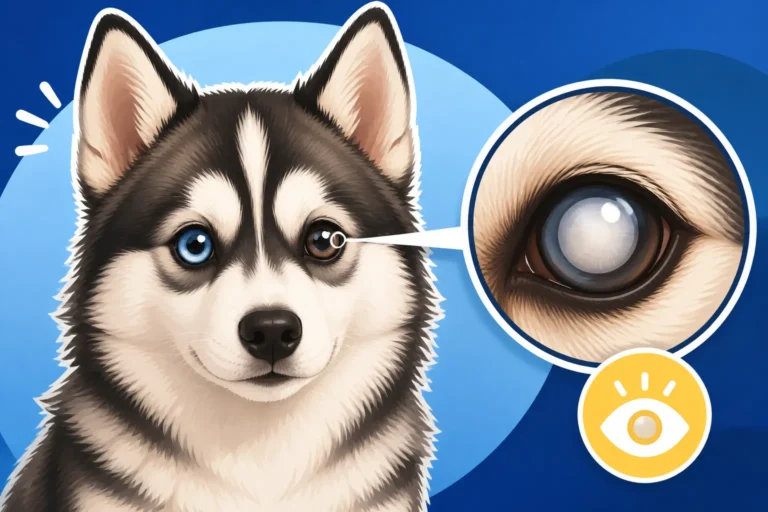
Pomskies are famous for their stunning eyes, often inheriting the captivating blue eyes of the Husky. However, this beauty comes with a potential predisposition to several eye conditions. Juvenile cataracts, which can develop at a young age, and progressive retinal atrophy (PRA), a degenerative disease that leads to blindness, are both concerns stemming from their Husky heritage. While not directly life-threatening, these conditions can severely diminish a Pomsky's quality of life and require careful management or, in some cases, surgical intervention for cataracts.
Corneal dystrophy is another eye condition sometimes seen in Pomskies, characterized by cloudy spots on the cornea. While usually not painful or vision-impairing in its milder forms, it's still something to be aware of. Given these potential issues, it's wise to ensure your Pomsky has Whether a Pomsky Needs a Yearly Eye Exam, especially as they get older, or if you notice any changes in their vision or the appearance of their eyes.
Early detection of eye problems is paramount. A veterinary ophthalmologist can perform specialized tests to diagnose these conditions, and in some cases, treatments or management strategies can be implemented to slow progression or maintain comfort. Regular checks for tearing, redness, squinting, or bumping into furniture can be signs that something is amiss, prompting a trip to the vet.
Other Genetic Predispositions and Concerns
Beyond orthopedics and eyes, Pomskies can inherit a range of other health predispositions from their parent breeds that owners should be aware of. Tracheal collapse, as mentioned, is a significant concern from the Pomeranian side, which can cause chronic coughing and respiratory distress. This condition can worsen over time and be exacerbated by obesity or excitement. Using a harness and managing environmental irritants are key preventive measures.
Skin conditions are also a possibility. From the Husky side, Zinc Responsive Dermatosis in a Pomsky can cause crusting and hair loss, particularly around the eyes, mouth, and pressure points. This condition requires lifelong zinc supplementation and careful monitoring. Additionally, Pomskies with their dense double coats can be prone to hot spots if moisture gets trapped, especially during shedding seasons. These skin issues, while usually manageable, require attentive care to prevent discomfort and secondary infections.
Thyroid conditions, like hypothyroidism, can also occur in Pomskies, affecting their metabolism, coat quality, and energy levels. While often treatable with medication, undiagnosed thyroid issues can lead to a decline in overall health. Regular vet check-ups, including blood work, can help catch these issues early. Being proactive and educated about these potential challenges empowers you to advocate for your Pomsky's health and ensure they receive the best possible care throughout their life.
Preventative Care and Veterinary Visits for a Long Life
When it comes to extending your Pomsky's lifespan and ensuring those years are full of joy and vitality, preventative care is your absolute best friend. It’s not just about reacting when something goes wrong; it’s about proactively shielding them from potential health pitfalls. Consistent veterinary care, much like for humans, is the cornerstone of a long and healthy life.
Regular Check-ups and Vaccinations
Think of your Pomsky's annual vet visit as their yearly physical. These routine check-ups are incredibly important, even if your dog seems perfectly healthy. Your veterinarian can assess their overall condition, listen to their heart and lungs, check their teeth, and palpate their joints for any early signs of issues that might not be obvious to you. These appointments are also a prime opportunity to discuss any changes in behavior, appetite, or activity levels that you might have noticed.
Vaccinations are another critical component of preventative care. Core vaccines protect against common, often life-threatening diseases like distemper, parvovirus, adenovirus, and rabies. Depending on your Pomsky's lifestyle and local risks, your vet might also recommend non-core vaccines for things like kennel cough, leptospirosis, or Lyme disease. Staying up-to-date on these vaccinations shields your Pomsky from preventable illnesses, which can drastically impact their quality of life and longevity.
Beyond vaccines, your vet will guide you on parasite prevention. Regular deworming and monthly treatments for fleas, ticks, and heartworm are non-negotiable. These parasites can transmit serious diseases that compromise your Pomsky's health and shorten their life. Investing in consistent preventative medication is a small price to pay for significant protection, and reputable providers like Healthy Paws often highlight the importance of these routine health measures in maintaining overall wellness.
Early Detection Through Health Screenings
One of the most powerful tools in your arsenal for ensuring a long life for your Pomsky is early detection. Many conditions, if caught and treated in their initial stages, are far more manageable than if they’re allowed to progress unnoticed. This is where regular health screenings come into play, especially as your Pomsky moves out of puppyhood and into adulthood and senior years.
Blood work, including a complete blood count and chemistry panel, can provide a snapshot of your dog's internal organ function, revealing issues like kidney disease, liver problems, or thyroid imbalances before outward symptoms become severe. Urinalysis can detect urinary tract infections or early signs of kidney issues. These tests are often part of The Screening a Pomsky Should Have Yearly for adult dogs. For breeds prone to specific conditions, like patellar luxation or hip dysplasia, your vet might recommend specific orthopedic evaluations or X-rays.
For older Pomskies, these screenings become even more critical. They can help detect age-related conditions like arthritis, diabetes, or even certain cancers when they are most treatable. Partnering with your vet to create a tailored preventative health plan that includes appropriate screenings is one of the most loving things you can do for your companion.
Dental Health: Often Overlooked, Always Important
It might seem minor, but your Pomsky's dental health has a profound impact on their overall well-being and, consequently, their lifespan. Dental disease is incredibly common in dogs, especially smaller breeds prone to Dental Crowding in a Pomsky's Small Mouth. Plaque and tartar buildup can lead to gingivitis, periodontal disease, painful abscesses, and even tooth loss. The bacteria from these infections don't stay confined to the mouth; they can enter the bloodstream and spread to vital organs like the heart, kidneys, and liver, causing serious systemic health problems.
Regular at-home dental care, such as daily tooth brushing with a dog-specific toothpaste, is the gold standard. If your Pomsky isn't keen on brushing, dental chews, water additives, and specialized dental diets can help, though they are usually secondary to brushing. However, even with diligent home care, professional dental cleanings under anesthesia are often necessary. During these procedures, your vet can thoroughly clean below the gumline, remove tartar, extract diseased teeth, and address any other oral issues.
Ignoring dental hygiene is akin to leaving an open wound in your dog's mouth, constantly pumping bacteria into their system. It's a silent threat that can significantly reduce their comfort and shorten their life. Making dental care a priority, from daily brushing to regular professional cleanings, is a simple yet powerful way to contribute to your Pomsky’s long-term health and vitality.
Nutrition and Exercise: Fueling a Long and Healthy Pomsky Life
Just like for us, what our Pomskies eat and how active they are plays an enormous role in their health and how many happy years they spend by our side. It's not just about filling their bowl or taking them for a walk; it's about providing the right fuel and the right amount of activity to support their unique needs. Getting this balance right is crucial for their longevity.
The Right Diet for Optimal Health
Choosing the right food for your Pomsky can feel overwhelming with the sheer number of options out there. However, it's one of the most impactful decisions you'll make for their long-term health. A high-quality, balanced diet provides all the essential nutrients your Pomsky needs to thrive, supporting everything from a shiny coat to strong bones and a robust immune system. Look for foods that list a high-quality protein source (like chicken, lamb, or fish) as the first ingredient, and avoid those with excessive fillers, artificial colors, or preservatives.
Consider your Pomsky's age, activity level, and any specific health conditions when selecting a food. Puppies need formulations for growth, adult dogs need maintenance formulas, and seniors might benefit from diets tailored for their slower metabolism and joint support. Some Pomskies, especially those who inherit a tendency from their Husky side, might benefit from additional zinc supplementation, so Whether a Pomsky Needs Extra Zinc could be a discussion to have with your vet based on their individual needs.
If you're unsure, consult your veterinarian. They can help you navigate the options, explain ingredients, and recommend brands that meet the nutritional standards for a dog of your Pomsky's size and activity level. Remember, consistency is key, and sudden diet changes can cause digestive upset. A well-nourished Pomsky is a strong and healthy Pomsky, better equipped to fight off illness and enjoy a long life.
Maintaining a Healthy Weight
Perhaps one of the most critical factors you can control for your Pomsky's long-term health is maintaining a healthy weight. Obesity is a widespread problem in companion animals and dramatically shortens their lifespan by increasing the risk of a multitude of health issues. Overweight Pomskies are more prone to orthopedic problems like patellar luxation and hip dysplasia (aggravating existing conditions), diabetes, heart disease, respiratory issues, and even certain types of cancer. Carrying extra pounds puts undue strain on their joints, organs, and overall system.
It's easy for us loving pet parents to overindulge with treats or larger-than-necessary portions, especially when those adorable Pomsky eyes are staring up at us. But resisting that urge is an act of love. Stick to recommended feeding guidelines on your dog food bag, measure their food precisely, and factor in any treats when calculating their daily caloric intake. If you're using treats for training, opt for small, low-calorie options or even use a portion of their regular kibble.
Regular weigh-ins at home or at your vet's office can help you monitor their weight, and your vet can show you how to perform a body condition score check to ensure your Pomsky isn't too thin or too heavy. A lean, healthy Pomsky is an active, happy Pomsky, and keeping them at their ideal weight is one of the most impactful ways to add years to their life and improve the quality of those years.
Tailored Exercise for Their Energy Levels
Pomskies are a mix of two active breeds, and they definitely inherited that energy! Adequate exercise is vital for their physical and mental health. It helps maintain a healthy weight, builds strong muscles, keeps their cardiovascular system in top shape, and burns off excess energy, reducing destructive behaviors that can stem from boredom. A lack of sufficient exercise can lead to obesity, lethargy, and a host of behavioral problems.
The amount and type of exercise your Pomsky needs will depend on their size, age, and individual personality. A young, energetic Pomsky might need at least 60-90 minutes of vigorous activity spread throughout the day, including walks, runs, playtime, and mental stimulation. Older Pomskies or those with orthopedic issues will require gentler, shorter walks, and perhaps more mental games. The goal is to provide consistent, appropriate exercise that challenges them without overexerting them.
Activities like brisk walks, securely fenced yard play, fetching, and even canine sports like agility (if their joints allow) can be great for Pomskies. Remember their Husky lineage means they love to explore and can have a strong prey drive, so secure leashes and fenced areas are a must for safety. Engaging them both physically and mentally through training and puzzle toys can also contribute to their overall well-being. A well-exercised Pomsky is a happy, balanced Pomsky, and their physical fitness directly contributes to a longer, healthier life.
Environmental Factors and Lifestyle Choices
Beyond genetics, food, and exercise, the environment in which your Pomsky lives and the lifestyle choices you make for them significantly influence their health and how long they'll be scampering by your side. These factors often get overlooked, but they are crucial for creating a safe, comfortable, and stimulating life that contributes to their longevity.
Climate Considerations and Temperature Regulation
With their dense double coats inherited from their Husky ancestors, Pomskies are naturally well-equipped for colder climates. Their undercoat provides excellent insulation against the chill. However, this same impressive coat can become a liability in warmer temperatures. Pomskies can overheat surprisingly quickly, especially during strenuous activity or prolonged exposure to direct sun. This makes them particularly susceptible to heatstroke, which is a life-threatening emergency.
If you live in a warmer climate, special precautions are absolutely essential. Walks should be scheduled during the coolest parts of the day (early morning or late evening). Providing constant access to fresh, cool water is a must, and shaded areas are critical when outdoors. Never, ever leave your Pomsky in a hot car, even for a few minutes, as temperatures can soar rapidly. Indoor air conditioning is often a necessity during hot summer months to keep them comfortable and safe. Knowing Whether a Pomsky Overheats More Than a Husky is critical for their safety, as their smaller size can sometimes make people underestimate the risk.
Conversely, while they thrive in cold, ensure they aren't exposed to extreme cold for too long without shelter. Their paws can also be sensitive to ice and road salt in winter. Being mindful of the weather and adjusting their outdoor time and activities accordingly is a fundamental part of keeping your Pomsky healthy and extending their life, no matter where you live.
Safe Environments and Preventing Accidents
A significant portion of a dog's lifespan can be cut short by preventable accidents. Pomskies are intelligent, curious, and often possess the escape artist tendencies of a Husky, along with the fearless nature of a Pomeranian. This combination means they need a very secure environment to keep them safe. A securely fenced yard is paramount, not just to prevent them from roaming, but also to protect them from external dangers like traffic or other animals. Be aware that their digging abilities, inherited from the Husky, mean fences need to extend below ground or have a deterrent.
Indoors, puppy-proofing never truly ends with a Pomsky. Keep all household chemicals, medications, toxic plants, and small ingestible objects out of reach. Remember that dogs explore with their mouths, and anything within their reach could become a choking hazard or a cause of poisoning. Electrical cords, reachable human foods (like chocolate, grapes, xylitol), and even certain children's toys can pose serious risks.
Training for good house manners, such as "leave it" and "drop it," can also be lifesaving skills. Furthermore, ensuring they are always on a leash when outside of a secure, fenced area is crucial, given their potential for high prey drive and selective hearing when something interesting catches their eye. A microchip, properly registered, is an essential backup in case they ever do manage to slip away. Proactive safety measures create a secure world for your Pomsky, preventing tragic accidents that could drastically shorten their potential lifespan.
Mental Stimulation and Stress Reduction
A long life isn't just about physical health; it's also about mental well-being. Pomskies are highly intelligent dogs that thrive on mental stimulation. If they become bored or under-stimulated, they can develop stress, anxiety, and destructive behaviors, which can indirectly impact their health. Chronic stress, just like in humans, can weaken the immune system, leading to various physical ailments.
Provide your Pomsky with plenty of opportunities to engage their minds. This includes regular training sessions (they love to learn, even if they can be a bit stubborn!), puzzle toys that dispense treats, interactive games, and rotating their toys to keep things fresh. Even scent work or short agility courses can tap into their natural instincts and provide a fantastic mental workout. These activities not only keep them happy but also strengthen your bond.
Furthermore, a stable and predictable home environment helps reduce stress. Consistent routines, clear boundaries, and a safe space (like a comfortable crate) where they can retreat all contribute to their emotional security. Avoiding prolonged periods of isolation, excessive noise, or chaotic environments can help keep stress levels low. A mentally stimulated, emotionally secure Pomsky is generally a happier, healthier Pomsky, and this well-rounded well-being certainly contributes to them living The Average Age a Pomsky Reaches or even longer.
The Reality of Senior Pomsky Care: Embracing the Golden Years
Watching your energetic, playful Pomsky start to slow down can be bittersweet. It's a natural part of life, and with their potential lifespan stretching to 12-15 years, many owners will experience the joys and challenges of caring for a senior dog. Embracing these golden years means adjusting your care to meet their changing needs, ensuring their comfort, and cherishing every moment.
Recognizing the Signs of Aging
Just like people, dogs show signs of aging gradually, and it's important to recognize these subtle shifts so you can make appropriate adjustments to their care. Typically, Pomskies are considered seniors around the age of 8 or 9 years, although this can vary. You might start noticing them slowing down on walks, sleeping more, or having less enthusiasm for intense play sessions. Their coat might thin or grey, especially around the muzzle, and their eyes might appear a little cloudy.
Behavioral changes can also be indicators. They might become less tolerant of boisterous children or other pets, or they might seem a bit more confused or disoriented at times. Stiffness or difficulty getting up after resting can signal the onset of arthritis or other joint issues. Changes in appetite, increased thirst, or alterations in urination or defecation habits are all signs that warrant a veterinary check-up, as they could indicate underlying health problems.
It's tempting to dismiss these changes as "just old age," but many age-related conditions, such as arthritis, dental disease, or even early cognitive dysfunction, can be managed or treated to significantly improve their comfort and quality of life. The sooner you identify these signs, the sooner you can work with your vet to make their senior years as comfortable and joyful as possible.
Adjusting Care for Senior Pomskies
Once your Pomsky enters their senior years, their care routine will likely need some modifications to suit their evolving needs. Their exercise routine, for example, might shift from long, brisk runs to shorter, more frequent, and gentler walks. Focus on maintaining muscle mass and joint flexibility without overexertion. Supportive orthopedic beds can help ease discomfort from arthritis, and ramps or pet stairs can make it easier for them to access favorite furniture without stressing their joints.
Nutritionally, senior Pomskies often benefit from a diet lower in calories (as their metabolism slows) but potentially higher in fiber or specific joint-supporting supplements like glucosamine and chondroitin. Your vet can recommend a senior-specific food that addresses these changes. Regular grooming becomes even more important, as older dogs might struggle to groom themselves, and their skin can become more fragile.
Perhaps most importantly, increased veterinary visits are often recommended for senior dogs—sometimes twice a year. These visits allow for more frequent health screenings, including comprehensive blood work and urinalysis, to catch age-related diseases early. Maintaining good dental hygiene is also critical, as dental pain can severely impact their appetite and overall health. Providing consistent comfort, patience, and attentive care during these years is paramount.
Making End-of-Life Decisions with Compassion
This is, without a doubt, the hardest part of being a pet parent, but it’s a conversation that every owner must eventually face. While we hope for the full The Twelve to Fifteen Years a Pomsky Lives, there will come a time when their quality of life diminishes, and difficult decisions need to be made. It’s a profound act of love to recognize when your beloved Pomsky is suffering and to consider their comfort above your own grief.
Understanding What Actually Kills Most Pomskies often comes down to chronic conditions like organ failure, severe arthritis that significantly impacts mobility, or advanced cancer. Your veterinarian is your best resource during this challenging time. They can help you assess your Pomsky's pain levels, prognosis, and overall quality of life using objective measures and their professional experience. They can also discuss palliative care options to manage pain and discomfort for as long as possible.
The decision to say goodbye is deeply personal, and there is no single right answer. It’s about evaluating their good days versus bad days, their ability to enjoy activities they once loved, and their overall comfort. Surrounding them with love, peace, and familiar comforts in their final moments is the ultimate act of kindness. While heartbreaking, making compassionate end-of-life decisions ensures that your Pomsky’s long, cherished life concludes with dignity and peace.
Disclaimer
The information provided in this article is for general informational purposes only and is not a substitute for professional veterinary advice. Always consult with a qualified veterinarian for any health concerns or before making any decisions related to your pet's health and treatment.