Whether a Pomsky Gets Hypothyroidism
It's incredibly disheartening when your beloved Pomsky, usually a bundle of playful energy, starts acting a bit "off." You might notice them slowing down, gaining weight inexplicably, or their beautiful double coat losing its luster, and a natural concern arises about their overall health. This comprehensive guide aims to shed light on whether Pomskies are susceptible to hypothyroidism, what symptoms to watch for, and how this condition is managed to ensure your furry friend lives their happiest, healthiest life.
Understanding Hypothyroidism in Dogs
When we talk about hypothyroidism in dogs, we're discussing a condition that impacts the body's entire system. It's not just a minor hiccup; it's a fundamental issue that can significantly affect your Pomsky's well-being. Understanding the basics is the first step toward recognizing and managing it.
What Exactly Is Hypothyroidism?
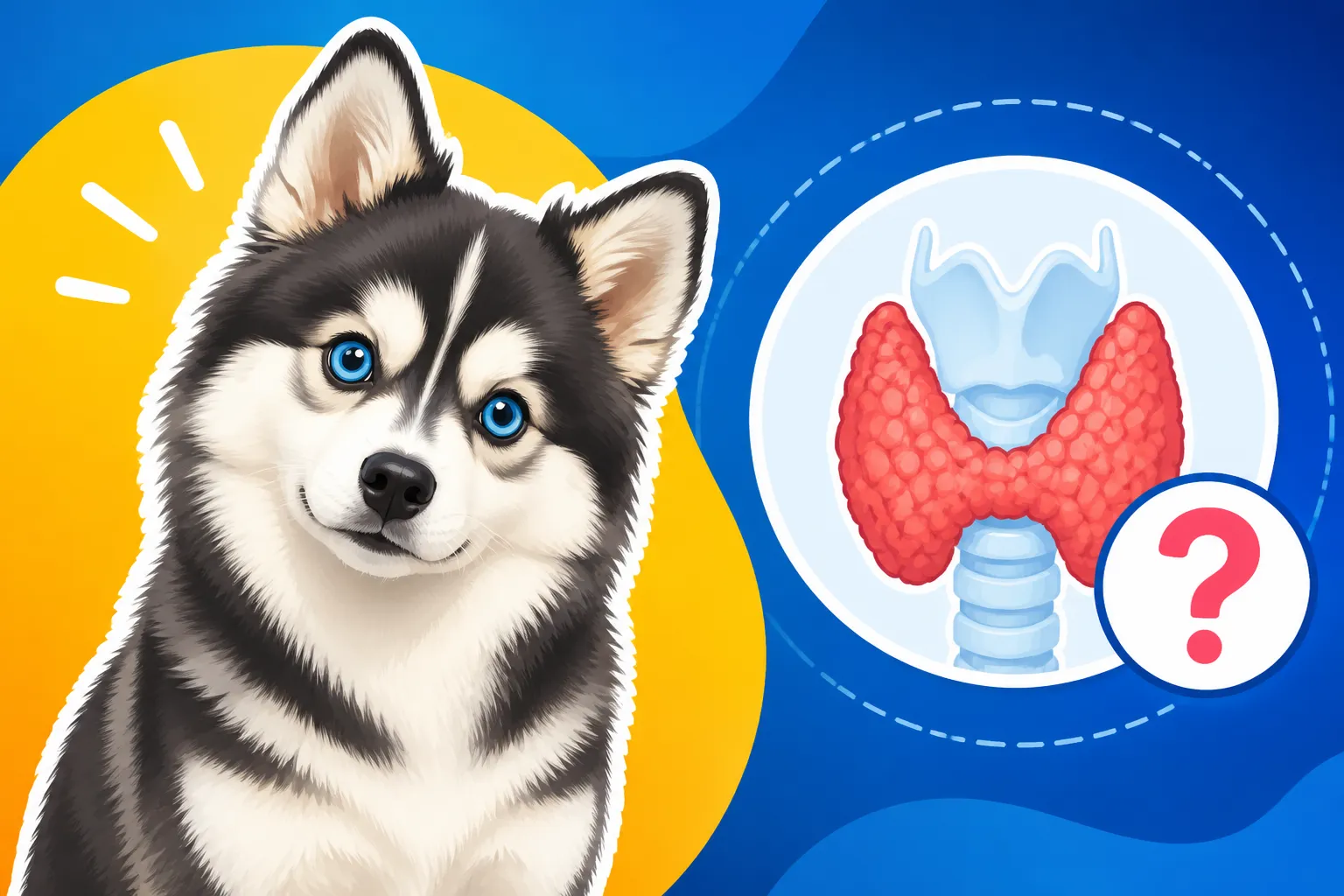
At its core, hypothyroidism is a disorder where your dog's thyroid gland, a small, butterfly-shaped gland located in the neck, doesn't produce enough thyroid hormones. These hormones, primarily thyroxine (T4) and triiodothyronine (T3), are absolute powerhouses, essential for regulating metabolism in every cell of the body. Think of them as the orchestrators of many bodily functions, from how fast food is converted into energy to maintaining body temperature and even influencing skin and coat health.
When the thyroid gland becomes underactive, this delicate balance is thrown completely out of whack. The metabolism slows down, leading to a cascade of noticeable and often frustrating symptoms. Your Pomsky’s body struggles to perform its routine functions efficiently. It's like trying to run a complex machine on half power; everything just grinds to a slower, less effective pace, impacting their energy levels, weight, and overall vitality.
Primary vs. Secondary Hypothyroidism
When a veterinarian discusses hypothyroidism, they're usually referring to primary hypothyroidism, which is by far the most common form found in dogs. In these cases, the problem lies directly with the thyroid gland itself. Often, the immune system mistakenly attacks and destroys the thyroid tissue, a condition known as lymphocytic thyroiditis, or the gland simply atrophies over time. This immune-mediated destruction is often genetic, making it a concern for certain breeds.
Less commonly, a Pomsky might develop secondary hypothyroidism. This form is a bit more complicated because the thyroid gland itself isn't the primary culprit. Instead, the issue originates in the pituitary gland, a small gland at the base of the brain. The pituitary gland produces Thyroid-Stimulating Hormone (TSH), which, as the name suggests, tells the thyroid gland when to get to work and produce T4 and T3. If the pituitary gland isn't sending out enough TSH, the thyroid won't be stimulated to produce its hormones, even if it's perfectly capable of doing so. Very rarely, there's even a tertiary form where the hypothalamus in the brain isn't signaling the pituitary correctly, but this is exceedingly rare in canines.
Common Symptoms You Might See
Recognizing the signs of hypothyroidism can be tricky because many of the symptoms are vague and can overlap with other health issues. However, there are a few classic indicators that should certainly raise a red flag. One of the most common signs you might observe in your Pomsky is inexplicable weight gain. It's not because you've suddenly started giving them more treats; their metabolism is simply too slow to burn off calories effectively, leading to pounds creeping on even with a consistent diet and exercise routine.
Another hallmark symptom is a noticeable lack of energy and general lethargy. Your normally boisterous Pomsky, who loves to play and go for walks, might start spending more time sleeping or showing less enthusiasm for activities they once enjoyed. They might seem sluggish, less responsive, and just generally "slowed down." Beyond that, you might also notice issues with their beautiful double coat or skin. This could manifest as a dry, brittle coat, excessive shedding, or even areas of hair loss, particularly on their flanks or tail. They might also become unusually sensitive to cold temperatures, seeking out warm spots or shivering more easily, as their slowed metabolism struggles to regulate their body heat. If you've also been noticing Signs a Pomsky's Thyroid Has Failed, it's definitely time for a veterinary visit.
Pomskies and the Risk of Hypothyroidism
Understanding how hypothyroidism might affect your Pomsky means looking at the genetic contributions from both parent breeds: the Siberian Husky and the Pomeranian. While designer breeds like the Pomsky often benefit from a concept called "hybrid vigor," it doesn't always completely eliminate the risk of inherited conditions.
Hypothyroidism in Siberian Huskies
Siberian Huskies, the larger of the two parent breeds, are generally considered to be a relatively healthy breed with a good lifespan. When it comes to hypothyroidism, while it's not one of their most notoriously prevalent conditions like it might be for some other large breeds (think Golden Retrievers or Doberman Pinschers), they are not entirely immune. Autoimmune thyroiditis, where the body's immune system attacks its own thyroid gland, has been observed in Huskies.
Owners of purebred Huskies are often diligent about health screening, and while OFA (Orthopedic Foundation for Animals) maintains a voluntary thyroid registry, it's not as common a mandatory screening as, say, hip and eye evaluations. If a Husky parent has a history of hypothyroidism or is a carrier of genes that predispose them to it, there's a possibility that a Pomsky puppy could inherit that predisposition. It’s a factor that good breeders keep in mind when selecting breeding stock.
Hypothyroidism in Pomeranians
On the other side of the genetic coin, we have the spirited Pomeranian. Like Huskies, Pomeranians are generally hardy little dogs. However, they too can occasionally suffer from hypothyroidism. For Pomeranians, the focus tends to be more on issues like Alopecia X and the Pomsky That Loses Its Coat, which can sometimes present with similar coat loss patterns and be confused with thyroid issues. While not a top-tier concern, hypothyroidism can occur in Pomeranians, and just like with Huskies, if a Pomeranian parent has a history of thyroid problems, it could potentially pass on a genetic vulnerability to their Pomsky offspring.
It's important for Pomsky breeders to be aware of the health histories of both parent breeds. This diligence can help mitigate the risks of specific genetic conditions making their way into new generations of Pomskies. Knowing if either parent has had issues can guide what to watch for in your Pomsky.
The Hybrid Vigor Debate and Pomskies
The concept of "hybrid vigor," also known as heterosis, is often touted as a major benefit of designer breeds like the Pomsky. The theory suggests that by crossing two different purebreds, you introduce a wider genetic pool, which can lead to healthier offspring with a reduced incidence of genetic diseases that might be common within a single, more inbred purebred line. In many cases, this can indeed be true, and a Whether an F1 Pomsky Is Healthier Than an F2 often comes up in discussions about hybrid vigor.
However, hybrid vigor isn't a magical shield that makes a Pomsky immune to all inherited conditions. It primarily reduces the risk of recessive genetic diseases where both parents need to carry the gene for the offspring to be affected. If a condition like hypothyroidism has a complex genetic component or if it's common in both parent breeds, even if for slightly different reasons or with different prevalences, a Pomsky could still inherit a predisposition. It essentially dilutes the risk, but doesn't necessarily eliminate it entirely, especially if the particular genetic markers for thyroid issues are widespread in the ancestral lines. Therefore, while a Pomsky might statistically have a lower chance of inheriting some conditions, vigilant monitoring and responsible breeding practices remain crucial.
Recognizing the Signs in Your Pomsky
One of the challenges with diagnosing hypothyroidism is that its symptoms can often be subtle at first, easily mistaken for general aging, a lack of exercise, or even just a “mood.” Knowing what to look for, beyond the obvious, can make all the difference in catching it early.
Subtle Behavioral Changes
Your Pomsky is known for its playful, sometimes mischievous, and often vocal personality. So, when that spark starts to dim, it's worth noting. Hypothyroidism doesn't just impact physical health; it can also affect behavior. You might notice your dog, who once eagerly greeted you at the door, now taking their sweet time, or even staying in their bed. Their usual zest for life might be replaced with a general indifference.
Beyond simple lethargy, some Pomskies might exhibit more nuanced behavioral shifts. This could include increased sleeping throughout the day, being less interested in walks or playtime, or even showing a touch of irritability or anxiety that wasn't there before. While these changes could point to many things, including general aches and pains or boredom, when combined with other physical signs, they paint a clearer picture pointing toward a potential thyroid issue. It's about recognizing when your dog's "normal" has shifted significantly over time.
Coat and Skin Manifestations
A Pomsky's glorious double coat is one of their most defining features, and unfortunately, it's also one of the first places where hypothyroidism often makes its presence known. You might start noticing that their fur feels dry, brittle, or coarse to the touch, losing its natural sheen. Excessive shedding, even beyond the notorious "blowout" periods, can be a symptom, and you might find more fur around the house than usual. It can be hard to tell if Whether a Pomsky's Coat Loss Is Thyroid or Alopecia X just from looking, so a vet visit is essential.
One of the more classic signs is symmetrical hair loss, particularly noticeable on the flanks, chest, or tail, sometimes referred to as a "rat tail." Unlike the patchy, often itchy hair loss seen with allergies or skin infections, hypothyroid hair loss tends to be smooth and non-itchy. Additionally, the skin itself can become dry, flaky, and even thickened, sometimes taking on a leathery texture, especially in areas of chronic hair loss. Recurrent skin infections or a dull, unhealthy appearance to the skin can also be indicators. It’s important to note that other conditions, such as Zinc Responsive Dermatosis in a Pomsky, can also manifest with skin issues, so a thorough diagnostic process is critical.
Other Physical Symptoms
While weight gain, lethargy, and coat problems are primary indicators, hypothyroidism can present with a variety of other physical symptoms that affect different body systems. As mentioned, weight gain is very common, occurring even if your Pomsky isn't eating more. Their slowed metabolism just isn't burning calories efficiently, leading to a steady increase in body fat. This can make Keeping a Pomsky's Weight in Range feel like an uphill battle, despite your best efforts.
Another common symptom is intolerance to cold. Your Pomsky, who might normally enjoy cooler weather, could start shivering more readily, seek out warm spots in the house, or seem generally uncomfortable in ambient temperatures that wouldn't have bothered them before. Their body simply struggles to generate and maintain sufficient heat. Less common but still possible symptoms include a slow heart rate (bradycardia), and in intact dogs, reproductive issues such as irregular heat cycles or infertility. Because these symptoms can mimic so many other conditions, a thorough veterinary workup is absolutely essential to get to the root cause.
Diagnosing Hypothyroidism in Your Pomsky
If you’ve noticed several of the subtle or obvious signs of hypothyroidism in your Pomsky, the next crucial step is a trip to the veterinarian. Accurate diagnosis requires more than just observation; it involves a series of tests to confirm the condition and rule out other possibilities.
Initial Vet Examination and Blood Work
Your veterinarian will start with a comprehensive physical examination, taking note of your Pomsky's body condition, coat quality, skin health, and general demeanor. They'll feel your dog's neck area, listen to their heart, and assess their overall health status. This initial exam provides vital clues that guide further diagnostic steps.
Following the physical, your vet will likely recommend routine blood work. This typically includes a Complete Blood Count (CBC) and a biochemistry panel. While these tests don't directly diagnose hypothyroidism, they can reveal secondary issues associated with it, such as mild anemia or elevated cholesterol levels, which can be suggestive. The key diagnostic tools for hypothyroidism involve specific thyroid hormone tests. The most common initial screening test is a total T4 (TT4) level. If this is low, it’s a strong indicator that further investigation is warranted. However, a single low TT4 isn't always definitive, as certain medications or other illnesses (known as "euthyroid sick syndrome") can also suppress T4 levels, making interpretation a bit complex.
Advanced Thyroid Testing and Interpretation
Because a low total T4 alone can be misleading, especially with a breed like the Pomsky that might have other health quirks, your vet will often recommend more advanced thyroid testing to get a clearer picture. This usually involves a comprehensive thyroid panel, which measures several key hormones and antibodies. These typically include free T4 (FT4), which is the unbound, biologically active form of the hormone, and canine TSH (cTSH), the hormone from the pituitary gland that stimulates the thyroid.
Interpreting these results requires expertise. For instance, a low FT4 combined with a high cTSH is often considered the gold standard for diagnosing primary hypothyroidism. A low FT4 indicates the thyroid isn't producing enough active hormone, and a high cTSH means the pituitary gland is working overtime trying to stimulate a failing thyroid. Additionally, an important part of the panel can be testing for autoantibodies, specifically thyroglobulin autoantibodies (TgAA). The presence of TgAA indicates autoimmune thyroiditis, meaning your Pomsky's immune system is attacking its own thyroid gland, which is a common cause of primary hypothyroidism. Using a reputable veterinary diagnostic lab for these tests, such as one associated with Michigan State University's Animal Health Diagnostic Laboratory, known for its endocrinology expertise, can provide the most accurate and reliable results.
Differentiating from Other Conditions
It’s incredibly important to remember that many symptoms of hypothyroidism, particularly changes in coat and skin, can mimic other conditions. For example, a Pomsky might experience hair loss due to allergies, nutritional deficiencies, or even behavioral over-grooming. As discussed earlier, Whether Cushing's Looks Like Alopecia X in a Pomsky can be another diagnostic challenge, as both conditions can cause symmetrical hair loss and changes in skin quality.
Your veterinarian will need to carefully consider your Pomsky's full clinical picture, ruling out other possible causes before definitively diagnosing hypothyroidism. This might involve additional tests beyond the thyroid panel, such as skin biopsies to differentiate from other dermatological conditions, or tests for Cushing's disease if those symptoms are also present. The goal is to avoid misdiagnosis, ensuring your Pomsky receives the correct and most effective treatment plan. A single low T4 without other corroborating evidence and symptoms should prompt further investigation rather than immediate diagnosis and treatment.
| Symptom Category | Hypothyroidism | Alopecia X (BSD) | Cushing's Disease | Allergies |
|---|---|---|---|---|
| Energy Level | Lethargy, sluggishness | Normal to slightly decreased | Increased thirst/urination, panting | Variable, sometimes restless due to itch |
| Weight | Gain, difficult to lose | Normal | Gain, pot-bellied appearance | Normal to slightly decreased |
| Coat/Hair Loss | Symmetrical, non-itchy, dry/brittle | Symmetrical, non-itchy, often on flanks/tail/trunk | Symmetrical, thin, poor quality | Often itchy, localized or generalized |
| Skin Quality | Dry, flaky, thickened, hyperpigmented | Normal to slightly dry, hyperpigmented | Thin, fragile, poor healing | Red, inflamed, sometimes thickened/infected |
| Cold Tolerance | Increased sensitivity to cold | Normal | Normal | Normal |
| Other Key Signs | Slow heart rate, "tragic" facial expression | "Puppy coat" often persists | Pot-bellied, muscle weakness, increased appetite | Licking paws, ear infections, rubbing face |
Managing Hypothyroidism in Pomskies
Once your Pomsky has received a confirmed diagnosis of hypothyroidism, the good news is that it’s a very manageable condition. Treatment is generally straightforward and, with consistent care, your furry friend can regain their vitality and live a long, happy life.
Treatment Protocol and Medications
The cornerstone of treating canine hypothyroidism is lifelong thyroid hormone replacement therapy. This means your Pomsky will be prescribed a synthetic form of thyroxine, typically levothyroxine, which is essentially the hormone their body isn't producing enough of on its own. This medication comes in pill form and is usually given once or twice a day, every day, for the rest of your dog's life. It's incredibly important to administer the medication consistently at the same time each day, ideally on an empty stomach or with food as directed by your vet, to ensure optimal absorption and effectiveness.
The initial dosage is carefully calculated based on your Pomsky's weight and the severity of their condition. Your veterinarian will start with a specific dose and then adjust it as needed based on follow-up blood tests. It’s not uncommon for the dosage to be fine-tuned in the first few months until the ideal maintenance level is found. Never adjust the dosage yourself, even if you feel your Pomsky is doing much better; always consult your vet, as too much or too little medication can cause problems.
Monitoring and Long-Term Care
Treatment for hypothyroidism is a marathon, not a sprint. Once your Pomsky starts on levothyroxine, you'll need to schedule regular follow-up appointments with your vet for blood tests to monitor their thyroid hormone levels. These tests are crucial to ensure the medication is working effectively and that the dosage is correct. Typically, the first recheck might be a few weeks after starting medication, and then at regular intervals, often every 6-12 months, once a stable dose is achieved. These appointments are often part of The Screening a Pomsky Should Have Yearly anyway.
You should start to see improvements in your Pomsky's symptoms within a few weeks to months. Their energy levels should pick up, they might start to lose any excess weight, and their coat should gradually become healthier and more vibrant. It's important to be patient, as coat regrowth can take several months. In addition to medication, maintaining a balanced diet appropriate for their activity level and ensuring they get regular exercise will further support their overall health and help manage their weight. Having pet insurance, like a plan from Healthy Paws, can be a huge relief when managing the ongoing costs of lifelong medication and regular blood work for conditions like hypothyroidism, making it easier to provide consistent care without financial stress.
Prognosis and Quality of Life
The good news for Pomsky owners facing a hypothyroidism diagnosis is that the prognosis is generally excellent with proper and consistent management. This isn't a condition that should significantly shorten your dog's life or diminish their quality of life, assuming they receive their medication as prescribed and are regularly monitored by a veterinarian. Many Pomskies with hypothyroidism go on to live full, active, and happy lives, enjoying their usual spirited activities. This means they can still enjoy The Twelve to Fifteen Years a Pomsky Lives just like any other Pomsky.
The key to a good outcome lies entirely in owner compliance and regular veterinary oversight. Missing doses, not having regular blood tests, or trying to self-medicate can lead to a return of symptoms and potential secondary health problems. With attentive care, your Pomsky will likely return to their normal self, full of energy and sporting a beautiful coat, reminding you that while a diagnosis can be scary, many conditions are perfectly manageable. It’s peace of mind to know that a company like Healthy Paws can assist with the financial aspects of these long-term treatments, ensuring your Pomsky never misses a beat due to cost concerns.
Preventing and Breeding Considerations
While you can't entirely prevent a genetic predisposition to hypothyroidism, there are steps that responsible breeders and owners can take to minimize risks and ensure the health of Pomskies.
Role of Responsible Breeding
For future Pomsky owners, the journey to finding a healthy puppy starts with choosing a responsible breeder. While hypothyroidism is not always a condition that breeders specifically "test" for in the same way they might for hip or eye issues in parent breeds, a diligent breeder will have a thorough understanding of their breeding stock's health history, including both the Siberian Husky and Pomeranian lines. They should be transparent about any known incidences of thyroid disease in their dogs' pedigrees.
Ideally, breeders should avoid breeding dogs that have been diagnosed with autoimmune thyroiditis, or those who consistently produce offspring with the condition, as this indicates a strong genetic component. While breed-specific testing for thyroid issues isn't mandated by all organizations, reputable breeders understand the importance of overall health screening and transparency. They should be able to provide health clearances for other common conditions in the parent breeds and discuss the general health of their adult dogs. Remember, The Health Tests a Pomsky Breeder Should Show should be a non-negotiable part of your research.
General Health and Wellness Tips
Even if your Pomsky has a genetic predisposition, general health and wellness practices play a significant role in supporting their endocrine system and overall well-being. A balanced, high-quality diet provides the necessary nutrients for all bodily functions, including hormone production. Ensuring your Pomsky maintains a healthy weight is also crucial, as obesity can complicate the diagnosis and management of many health conditions, including endocrine disorders.
Regular, appropriate exercise tailored to your Pomsky's age and activity level helps maintain a healthy metabolism and body condition. Minimizing stress in their environment can also be beneficial, as chronic stress can have wide-ranging impacts on a dog's physiological systems. Most importantly, don't skip those routine veterinary check-ups! These visits allow your vet to catch subtle changes early, long before they become serious problems. Being proactive about your Pomsky's general health creates a strong foundation for a long and healthy life.
When to Seek Veterinary Advice
As an attentive Pomsky owner, your keen observation skills are your best asset. If you notice any combination of the symptoms we've discussed – persistent lethargy, unexplained weight gain, noticeable changes in coat quality or hair loss patterns, or intolerance to cold – it's crucial not to delay seeking professional veterinary advice. While these signs could point to various issues, early diagnosis of hypothyroidism (or any other condition) almost always leads to a better prognosis and more effective treatment.
Don't wait for symptoms to become severe or debilitating. A simple blood test can often provide definitive answers, allowing your vet to formulate a treatment plan promptly. Remember, you know your Pomsky best, and if something just doesn't feel right, trust your instincts and consult your veterinarian. Early intervention means your beloved Pomsky can get back to being their energetic, happy self as quickly as possible.
Disclaimer
This article is intended for informational purposes only and does not constitute veterinary advice. Always consult with a qualified veterinarian for any health concerns or before making any decisions about your pet's health or treatment.