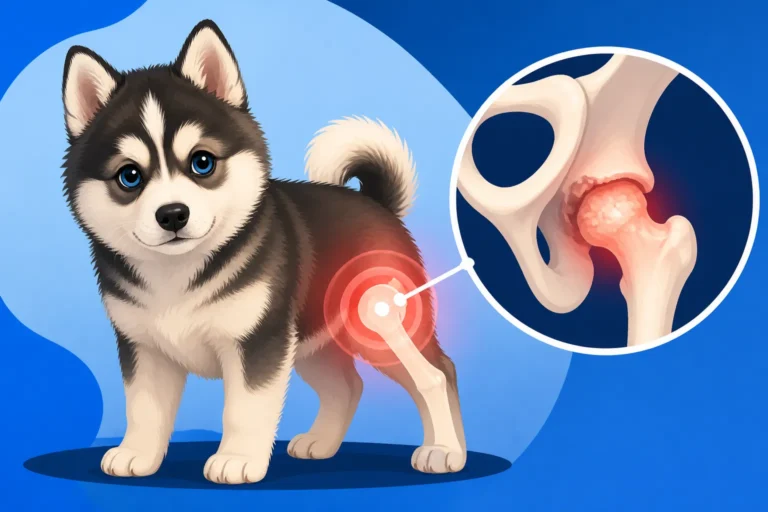
Whether Hybrid Vigor Is Real in a Pomsky
It’s a common hope, isn't it? When you're looking at a delightful crossbreed like a Pomsky, there’s often this idea floating around that mixing two different purebreds somehow guarantees a healthier, more robust dog. The concept of "hybrid vigor" can sound incredibly appealing, suggesting that by bringing together a Siberian Husky and a Pomeranian, you might magically sidestep all the genetic predispositions each parent breed carries. But is this really the case, or is it more complex than a simple genetic upgrade? This guide will dive deep into whether hybrid vigor truly manifests in Pomskies and what you, as a loving owner or prospective owner, really need to know about their health.
Understanding Hybrid Vigor and Its Limitations
The idea of hybrid vigor, also known as heterosis, is a fascinating concept that often gets misinterpreted when applied to designer dogs like the Pomsky. Many people latch onto the term, hoping it means their mixed-breed dog will be inherently healthier and live longer than a purebred. While there's a kernel of truth to the science, the reality for an individual dog, especially a specific crossbreed, is far more nuanced.
What Exactly is Hybrid Vigor?
At its heart, hybrid vigor refers to the increased strength, growth, fertility, and health often observed in offspring resulting from the crossing of two genetically distinct parents. Think about plants or livestock; farmers have used this principle for centuries to create more resilient crops or larger, healthier animals. The scientific explanation is rooted in genetics. Purebred dogs, after generations of selective breeding within a closed gene pool, tend to have a higher degree of homozygosity. This means they often inherit two identical copies of genes from their parents, including genes that might carry recessive traits for certain diseases.
When you cross two distinct purebred lines, like a Siberian Husky and a Pomeranian, you introduce a much wider range of genetic diversity. This increased genetic variation makes it less likely that the offspring will inherit two copies of the same undesirable recessive gene. If a Pomsky inherits one copy of a recessive gene for a disease from its Husky parent, but the corresponding gene from its Pomeranian parent is a healthy dominant one, the disease typically won't manifest. This dilution of recessive genes is the theoretical basis for hybrid vigor, suggesting a reduced risk of diseases prevalent in either parent breed.
How Does Hybrid Vigor Theoretically Apply to Crossbreeds?
In theory, a Pomsky could benefit from hybrid vigor by having a lower incidence of some of the diseases that plague purebred Huskies or Pomeranians. For instance, if Huskies are prone to one specific eye condition, and Pomeranians are prone to a different knee issue, a Pomsky might theoretically have a reduced chance of inheriting the specific combination of genes needed to express either of those conditions. The genetic melting pot could "hide" some of those troublesome recessive genes, leading to a dog that seems to possess the best of both worlds, health-wise.
This is where the allure of designer dogs often comes from: the hope that they might be hardier than their purebred ancestors. It’s an attractive narrative that promises a healthier companion with fewer vet visits, and it fuels much of the demand for these delightful mixes. Owners understandably want to give their pets the best possible start in life, and the idea of a dog with "better" genetics is compelling.
The Caveats and Conditions for True Hybrid Vigor
However, the application of hybrid vigor to specific dog breeds, especially first-generation (F1) crosses like many Pomskies, isn't as straightforward as just mixing two dogs. Firstly, hybrid vigor is most pronounced when the parent lines are genetically very diverse, and ideally, both are very healthy themselves. If one or both parent breeds come from lines with significant health issues, simply mixing them doesn't necessarily erase those problems; it might just create a different combination of predispositions.
Secondly, and critically, hybrid vigor doesn't mean immunity from all diseases. A Pomsky can still inherit dominant genetic conditions, or even complex polygenic diseases (those caused by multiple genes and environmental factors) that affect both parent breeds, or are common across many dog breeds. For example, conditions like epilepsy or certain forms of cancer aren't necessarily "bred out" by crossbreeding. Moreover, some health issues arise simply due to the physical characteristics inherited, such as the potential for Dental Crowding in a Pomsky's Small Mouth if they inherit the Pomeranian's smaller jaw but the Husky's larger teeth. This is why a thorough understanding of The Two Opposite Disease Lists a Pomsky Inherits is so vital for any potential owner.
The Pomsky's Unique Genetic Heritage
To truly understand whether hybrid vigor is a "real" thing for Pomskies, we need to look closely at the genetic contributions from each parent breed: the Siberian Husky and the Pomeranian. Both breeds are beloved for distinct reasons, but like all purebreds, they come with their own set of hereditary health concerns.
Unpacking the Siberian Husky Lineage
Siberian Huskies are known for their athleticism, stunning blue eyes, and thick double coats. They are generally considered a hardy breed, but they do have specific genetic predispositions that owners should be aware of. Eye conditions are a notable concern; Huskies can be prone to juvenile cataracts, progressive retinal atrophy (PRA), and corneal dystrophy. Additionally, orthopedic issues like Hip Dysplasia in a Twenty Pound Pomsky can occur, though perhaps less frequently than in some larger breeds. They are also known for certain autoimmune disorders and sometimes have zinc-responsive dermatosis. Understanding these potential issues helps explain what genetic baggage a Pomsky might inherit from its Husky side.
Exploring the Pomeranian Lineage
Pomeranians, with their fluffy coats and spunky personalities, bring a different set of genetic considerations to the Pomsky mix. Due to their small size, they are particularly prone to conditions affecting the musculoskeletal system. Slipping Kneecaps in a Pomsky, medically known as patellar luxation, is very common in Pomeranians. Another significant concern for this breed is The Collapsing Trachea a Pomsky Gets From the Pomeranian, which can cause a distinctive honking cough and breathing difficulties. Dental problems are also prevalent in smaller breeds, often due to overcrowding in their tiny mouths. Other issues can include Alopecia X (also known as Black Skin Disease) and occasionally heart conditions.
| Parent Breed | Common Health Concerns (Examples) |
|---|---|
| Siberian Husky | Eye conditions (e.g., juvenile cataracts, progressive retinal atrophy, corneal dystrophy), hip dysplasia, hypothyroidism, zinc-responsive dermatosis. |
| Pomeranian | Patellar luxation (slipping kneecaps), tracheal collapse, dental disease, Alopecia X, heart conditions (e.g., Patent Ductus Arteriosus), Legg-Calve-Perthes disease. |
| Pomsky (Potential) | Inherits potential for any of the above, though hybrid vigor might reduce the likelihood of recessive conditions if proper breeding is followed. |
The F1 Cross and its Genetic Lottery
When a Pomsky is an F1 cross, meaning a direct offspring of a purebred Siberian Husky and a purebred Pomeranian, the genetic outcome is often described as a "lottery." This is because the exact blend of traits from each parent is highly unpredictable. You might get a Pomsky that inherits the Husky's eyes, the Pomeranian's small stature, and a mix of health predispositions from both.
The theory of hybrid vigor suggests that in an F1 cross, there's a good chance that harmful recessive genes from one parent might be masked by dominant, healthy genes from the other. For example, if the Husky parent carries a recessive gene for an eye condition, and the Pomeranian parent carries a dominant healthy gene for eye development, the Pomsky offspring might not develop the eye condition. However, the reverse is also true; a Pomsky could inherit less desirable traits or predispositions from either side. This is why discussions around Whether an F1 Pomsky Is Healthier Than an F2 are so common, as later generations aim for more predictability.
The critical factor is that the parents themselves must be healthy and thoroughly health-tested. A breeder who haphazardly crosses two un-screened dogs, even if they are purebreds, is not truly leveraging any potential health benefits of hybrid vigor. Instead, they are simply gambling with the puppies' health, potentially doubling the chances of inheriting issues if both parents carry different recessive genes.
Is Hybrid Vigor a Guaranteed Reality for Pomskies?
The promise of a healthier dog due to hybrid vigor is enticing, but for Pomskies, it's not a guaranteed reality. The truth lies in a more nuanced understanding of genetics, breeding practices, and the individual puppy. While the potential for reduced incidence of certain specific recessive conditions exists, it’s not a blanket immunity, nor does it override the importance of responsible breeding.
The Blurry Lines of "Healthier"
When we talk about a Pomsky being "healthier" due to hybrid vigor, what exactly do we mean? It doesn't mean they'll never get sick or that they are immune to all the genetic conditions of their parent breeds. Instead, it suggests a reduced likelihood of inheriting diseases tied to specific recessive genes. For example, if both parent breeds carry distinct recessive conditions, the F1 cross might be less likely to express either of those specific conditions.
However, many common canine health issues are not purely recessive. Conditions like allergies, certain cancers, or even the general susceptibility to common infections are often polygenic (influenced by multiple genes) or heavily impacted by environmental factors, diet, and lifestyle. Hybrid vigor does little to mitigate these types of health challenges. So, while a Pomsky might avoid a specific Husky eye condition, it could still develop Whether a Pomsky Gets Allergies or other common ailments. It’s crucial not to mistake a potential genetic advantage for invincibility.
Inheriting Recessive Traits from Both Sides
Here’s where the "lottery" aspect really comes into play: a Pomsky can inherit recessive traits from both parent breeds. For example, if the Husky parent carries a gene for a particular eye problem, and the Pomeranian parent carries a gene for patellar luxation, the Pomsky could inherit both of these genes. While the hybrid vigor might prevent the expression of the recessive gene if only one copy is present, it doesn't prevent the gene from being passed down. If a Pomsky inherits two copies of a specific problematic recessive gene (one from each parent), even if the parents are different breeds, that condition can still manifest.
Furthermore, some conditions are not purely recessive. For example, patellar luxation in Pomeranians has a strong genetic component, but it's often polygenic, meaning multiple genes contribute, and there are environmental influences too. Simply crossing with a Husky doesn't guarantee the Pomsky won't get The Age a Pomsky's Kneecap First Slips if the genetic predisposition from the Pomeranian side is strong enough. The result is often a unique combination of potential risks, rather than a complete elimination of them.
The Importance of Responsible Breeding
Ultimately, the biggest factor influencing a Pomsky's health isn't just the concept of hybrid vigor, but the absolute necessity of responsible breeding practices. A truly responsible Pomsky breeder goes far beyond simply crossing a Husky and a Pomeranian. They actively health test both parent dogs for the known genetic conditions prevalent in their respective breeds. This includes:
- Orthopedic Evaluations: For both patellas (kneecaps) and hips. This addresses concerns like Slipping Kneecaps in a Pomsky and Hip Dysplasia in a Twenty Pound Pomsky.
- Eye Exams: Comprehensive evaluations by a veterinary ophthalmologist to check for conditions like those mentioned in The Eyes a Pomsky Gets From the Husky.
- Cardiac Screenings: Especially important for the Pomeranian side, to check for heart murmurs or other issues.
- Genetic Testing: Specific DNA tests for known hereditary diseases where applicable.
When breeders carefully select parents who are clear of these genetic predispositions, they are doing far more to ensure a healthy litter than simply relying on hybrid vigor. They are actively trying to stack the genetic deck in favor of health, rather than just hoping for the best. Without these screenings, buying a Pomsky is a significant gamble, regardless of the theoretical benefits of hybrid vigor. This is why prospective owners should always ask to see The Health Tests a Pomsky Breeder Should Show.
Practical Health Considerations for Pomsky Owners
Whether hybrid vigor gives your Pomsky a slight edge or not, proactive health management is absolutely critical for any Pomsky owner. These dogs are still dogs, and they can and will face health challenges throughout their lives. Being prepared and understanding how to best support their health from puppyhood through their senior years is paramount.
Proactive Health Screening is Non-Negotiable
Even with the hope of hybrid vigor, don't ever skip out on regular veterinary check-ups for your Pomsky. These routine visits are your first line of defense against potential health issues. Your vet can perform physical exams, listen to their heart, check their joints, and generally monitor their growth and development. Early detection of issues like patellar luxation or even nascent The Collapsing Trachea a Pomsky Gets From the Pomeranian can make a huge difference in management and outcome.
Furthermore, as your Pomsky ages, specific screenings might become more important. For instance, yearly eye exams, sometimes referred to as a Whether a Pomsky Needs a CAER Exam, are highly recommended given the ocular predispositions of Huskies. If you've adopted a Pomsky whose parentage isn't fully known, DNA testing services can help identify potential genetic predispositions, giving you and your vet a roadmap for proactive monitoring. It's about being informed and prepared, rather than just reacting to problems as they arise.
Daily Care and Lifestyle for a Healthy Pomsky
A Pomsky's overall health isn't just about their genes; it's also profoundly influenced by their daily care and lifestyle. Providing a high-quality diet appropriate for their age and activity level is foundational. This means consulting your vet or a canine nutritionist to ensure they're getting all the necessary nutrients without overfeeding. Obesity, for example, can exacerbate joint issues like patellar luxation and put undue strain on their heart and respiratory system, regardless of genetic predispositions.
Regular exercise is another critical component. Pomskies often inherit a good amount of energy from both the Husky and Pomeranian sides. Adequate mental and physical stimulation helps maintain a healthy weight, builds strong muscles to support joints, and reduces boredom-related destructive behaviors that can also impact physical health. Their double coat also requires consistent grooming to prevent matting and skin issues, ensuring that potential problems like Hot Spots Under a Pomsky's Undercoat are avoided. Don't forget routine dental care at home, as Dental Crowding in a Pomsky's Small Mouth can make them prone to plaque buildup and gum disease.
Financial Planning for Potential Health Issues
Let's be realistic: even the healthiest dog can face unexpected accidents or illnesses. While the hope of hybrid vigor is nice, it doesn't negate the financial responsibility of pet ownership. From routine vaccinations and parasite prevention to potential emergency surgeries or chronic disease management, vet bills can add up quickly.
Many Pomsky owners find peace of mind through pet insurance. Providers like Healthy Paws offer comprehensive coverage that can help offset the costs of unexpected illnesses or injuries. It's an investment in your peace of mind and your dog's well-being, ensuring you can make medical decisions based on what's best for your Pomsky, not just your wallet. Thinking ahead about potential costs for things like What Fixing a Pomsky's Kneecap Costs or ongoing medication is simply smart planning. Consider it part of your long-term commitment to your furry family member. Even if you choose not to opt for insurance, setting aside a dedicated emergency fund for your Pomsky's health is a wise decision. Knowing that you're prepared for whatever comes your way, regardless of genetic lottery outcomes, allows you to enjoy your amazing Pomsky to the fullest.
Disclaimer
This article is for general informational purposes only and does not constitute professional advice. Laws, prices and regulations vary by location and change over time. Consult a qualified professional for guidance on your specific situation.