Whether a Pomsky Needs Extra Zinc
It’s truly disheartening when your beloved Pomsky starts showing signs of skin trouble – perhaps patches of hair loss, crusty areas around their face, or persistent itchiness that just won't quit. You worry, you Google, and you wonder if it’s something serious, especially with their mixed heritage. One common question that pops up for Pomsky parents, often because of their Husky lineage, is whether their furry friend might need extra zinc. This comprehensive guide will delve deep into the world of zinc for your Pomsky, exploring its importance, potential deficiencies, and how to know if supplementation is the right path, always with your vet by your side.
The Vital Role of Zinc in Your Pomsky's Health
Zinc isn't just some obscure mineral; it's an absolute powerhouse nutrient that plays a crucial role in almost every aspect of your Pomsky's health. Think of it as a tiny, yet mighty, conductor orchestrating countless bodily functions. Without adequate zinc, things can quickly go awry, often manifesting in ways that are hard to miss.
Why Zinc is Non-Negotiable for Canine Well-being
From the tip of their adorable nose to the wag of their fluffy tail, zinc is at work. It's intimately involved in cell division, which means it’s critical for growth, healing, and maintaining healthy tissues throughout their body. This tiny element also supports immune function, helping your Pomsky fight off infections and stay robust. Imagine your dog's immune system as a tiny army; zinc is one of its most vital generals, ensuring everything runs smoothly. Without enough of it, that army can be weakened, leaving your Pomsky more susceptible to illness.
Moreover, zinc is essential for proper thyroid function, which regulates metabolism, and for healthy vision and taste perception. Ever notice how a dog with low zinc might seem a bit "off" or lose interest in their food? It could be because their sense of taste isn't as sharp. It’s not just about what they eat, but how their body utilizes everything, and zinc is a key player in nutrient metabolism. So, when you're looking at your playful Pomsky, remember that behind those bright eyes and energetic barks, a complex ballet of nutrients, including zinc, is constantly underway to keep them feeling their best.
Essential Functions of Zinc in Your Dog's Body
Let’s get a little more specific about just how many hats zinc wears. One of its most visible roles is in maintaining a healthy skin and coat. We're talking about that beautiful double coat your Pomsky has, which is one of their defining features. The Pomsky That Carries a Husky Coat at Twenty Pounds needs zinc to keep that coat glossy, strong, and growing properly. When zinc levels are low, skin cells struggle to regenerate, leading to a dull coat, hair loss, and various dermatological issues.
Beyond the aesthetics, zinc is a cofactor for over 300 enzymes, meaning these critical proteins can’t do their jobs without it. These enzymes are involved in digestion, nerve function, and DNA synthesis. It also plays a significant role in antioxidant defense, protecting cells from damage caused by free radicals, which are byproducts of normal metabolism that can contribute to aging and disease. For a growing puppy, zinc is indispensable for bone development and overall growth. It's even involved in wound healing, ensuring that any scrapes or cuts your adventurous Pomsky gets can mend quickly and effectively. Without sufficient zinc, these processes slow down, and your dog’s overall vitality can take a hit.
Dietary Sources of Zinc for Pomskies
For most dogs, a high-quality, balanced commercial dog food should provide sufficient zinc. Look for reputable brands that list a named meat source (like beef, lamb, or chicken) as the primary ingredient. These are excellent natural sources of zinc. Organ meats, such as liver, are particularly rich in zinc, as are seafood like oysters (though not a common dog food ingredient!). Eggs and certain grains like oats and brown rice also contribute, though plant-based zinc can sometimes be less bioavailable to dogs.
However, it's not always about the amount of zinc present in the food; it's about how much your Pomsky's body can absorb. Sometimes, even if a food contains adequate zinc, other ingredients can interfere with its absorption. For example, high levels of phytates (found in some plant-based ingredients) or calcium can bind to zinc, making it less available for your dog's body to use. This is a critical distinction, especially when we start talking about conditions like Zinc Responsive Dermatosis. Understanding these dietary nuances is the first step in figuring out Whether a Pomsky Needs Extra Zinc beyond what their regular meals offer.
Understanding Zinc Responsive Dermatosis in Pomskies
Zinc Responsive Dermatosis (ZRD) is a condition that, while not exclusive to Pomskies, is certainly something every Pomsky owner should be aware of, given their genetic makeup. It's a frustrating ailment for both dogs and their owners, often leading to chronic skin problems if not properly identified and managed.
The Husky Link: A Genetic Predisposition to Zinc Issues
This is where your Pomsky's Husky heritage really comes into play. Siberian Huskies, Alaskan Malamutes, and certain other Nordic breeds are known to have a genetic predisposition to ZRD. This isn't usually because there's not enough zinc in their diet; rather, it's a problem with how their bodies process and absorb zinc from their food. There are generally two types of ZRD:
- Type I ZRD: This is the most common form in Nordic breeds like Huskies (and thus Pomskies). It's an inherited metabolic defect where the dog's intestines simply can't absorb zinc effectively, even if the diet contains plenty. It’s like having a perfectly good pump, but the pipes leading to it are clogged.
- Type II ZRD: This type is less common in Pomskies but can occur in rapidly growing puppies or dogs on diets high in calcium or phytates, which interfere with zinc absorption. This is more of a dietary issue that can often be resolved with changes to their food.
Because a Pomsky is a cross between a Pomeranian and a Husky, they can inherit this Husky predisposition. It's not a given that every Pomsky will develop ZRD, but the risk is significantly higher than in many other breeds. If you notice persistent skin issues, especially around the face and pressure points, ZRD should definitely be on your vet’s radar. It’s a classic example of how their mixed breed genetics can lead to specific health considerations.
Recognizing the Early Signs and Symptoms
ZRD often presents with distinct skin lesions, usually in areas of friction or pressure. The most common places to look for these signs are around the eyes, nose, mouth, ears, and paw pads. You might see:
- Crusty, scaling skin: These lesions can be thick and flaky, resembling dandruff but much more severe. You might notice Whether a Pomsky's Skin Cracks Around the Mouth, leading to discomfort and even pain.
- Hair loss (alopecia): The skin in affected areas may become bald or have very sparse hair. This can sometimes be confused with other forms of hair loss, such as those associated with What Alopecia X Does to a Pomsky's Coat.
- Redness and inflammation: The skin can appear red and irritated, often leading to itching.
- Thickening of the skin (hyperkeratosis): Especially on the paw pads, the skin can become very hard and cracked, making walking painful.
- Lethargy and poor appetite: In more severe cases, your Pomsky might seem generally unwell, lack energy, and show a decreased interest in food.
These symptoms usually start slowly and can worsen over time. It’s crucial not to dismiss them as just "dry skin" or simple allergies. Prompt recognition and veterinary intervention are key to managing the condition and bringing relief to your Pomsky. It's particularly important if Whether a Pomsky's Nose Loses Pigment along with skin changes.
Distinguishing ZRD from Other Skin Conditions
This is where it gets tricky, and why a proper veterinary diagnosis is so important. Many skin conditions can look similar to ZRD, making accurate differentiation critical for effective treatment. For instance:
- Allergies: Your Pomsky could develop Whether a Pomsky Gets Allergies to food or environmental factors, leading to itchy, red skin. However, allergic reactions typically don't cause the specific crusty lesions around the face and joints characteristic of ZRD.
- Bacterial or Fungal Infections: These can cause redness, itching, and hair loss. Often, ZRD-affected skin can secondarily become infected due to the compromised skin barrier, complicating the picture.
- Mange: Mites can cause intense itching, hair loss, and scabbing. A skin scraping is usually needed to diagnose mange.
- Other nutritional deficiencies: While less common, deficiencies in other vitamins or minerals can also manifest as skin problems.
- Hypothyroidism: An underactive thyroid can lead to a dull coat and hair loss, but typically not the specific crusting patterns of ZRD. Signs a Pomsky's Thyroid Has Failed can be different from ZRD symptoms.
Because of this overlap, attempting to self-diagnose and treat ZRD with over-the-counter supplements without a vet's guidance can be dangerous and ineffective. It might delay the correct diagnosis, allowing the underlying problem to worsen. A veterinarian will perform a series of tests to rule out other conditions and confirm ZRD, ensuring your Pomsky receives the most appropriate and beneficial care.
Diagnosing Zinc Deficiency and Related Conditions
When you suspect your Pomsky might be struggling with a zinc-related issue, the first and most critical step is a thorough consultation with your veterinarian. They are your best resource for navigating these complex health concerns.
The Importance of a Thorough Veterinary Examination
When you bring your Pomsky in with symptoms suggestive of ZRD, your vet won't just look at their skin and immediately assume zinc deficiency. They’ll start with a comprehensive physical examination, carefully checking all affected areas of the skin, coat, and paw pads. They’ll also ask you detailed questions about your Pomsky's diet, any supplements you might be giving, their living environment, and when the symptoms first appeared. This initial conversation is vital, as it provides valuable clues that can help narrow down the possibilities.
During this examination, your vet will be looking for the characteristic lesions of ZRD but also noting anything that points away from it. They might also check your Pomsky’s overall body condition, listen to their heart and lungs, and palpate their abdomen to get a full picture of their health. Remember, the symptoms of ZRD can be subtle at first, and a skilled vet knows exactly what to look for to ensure nothing is missed. This initial visit is the foundation upon which all further diagnostic steps are built, ensuring a thoughtful and targeted approach to your Pomsky's care.
Diagnostic Tests for Zinc Deficiency and Absorption Issues
Diagnosing ZRD isn't always straightforward. A simple blood test for zinc levels can be misleading because serum zinc levels don't always reflect the amount of zinc available to the tissues, especially in Type I ZRD where the issue is absorption. Here's a rundown of common diagnostic tools:
- Skin Biopsy: This is often considered the gold standard for diagnosing ZRD. A small tissue sample from an affected skin area is taken and sent to a veterinary pathologist. Under the microscope, ZRD has specific histological features, such as parakeratotic hyperkeratosis, which are very characteristic. A skin biopsy can also rule out other conditions like pemphigus or lupus, which might have similar outward appearances. What a Skin Workup Costs on a Pomsky can be a concern for many owners, but it's often the most definitive way to get answers.
- Response to Zinc Supplementation Trial: In some cases, especially if a biopsy is inconclusive or not immediately feasible, your vet might recommend a therapeutic trial of zinc supplementation. If your Pomsky's skin condition dramatically improves with zinc, it strongly suggests ZRD. However, this should only be done under strict veterinary supervision, as incorrect dosing can lead to problems.
- Blood Tests: While not always definitive for ZRD, blood tests can be used to rule out other systemic illnesses, such as thyroid disorders (Whether a Pomsky Gets Hypothyroidism) or liver disease, that might contribute to skin issues. They can also check for secondary infections.
- Skin Scrapings and Cytology: These tests look for parasites (like mites causing mange) or secondary bacterial/yeast infections that often accompany compromised skin. Your vet will gently scrape the skin or press a slide to it to collect samples for microscopic examination.
It’s a process of elimination and confirmation. The goal is to arrive at an accurate diagnosis so your Pomsky can get targeted treatment and feel comfortable again.
Interpreting Test Results and Next Steps
Once the diagnostic tests are back, your veterinarian will carefully interpret the results to provide a definitive diagnosis. If the skin biopsy confirms ZRD, or if a zinc trial yields positive results, the next steps will focus on treatment and ongoing management.
- Confirming ZRD: If ZRD is confirmed, your vet will explain which type they suspect your Pomsky has and why. This understanding dictates the treatment plan. They'll also discuss the prognosis, which is generally very good with consistent treatment, although it often requires lifelong management.
- Ruling Out Other Conditions: If ZRD is ruled out, your vet will then shift focus to the other conditions identified or suspected. For example, if allergies are indicated, they might discuss dietary elimination trials or environmental management. If a bacterial infection is present, antibiotics would be prescribed.
- Developing a Treatment Plan: For confirmed ZRD, the primary treatment involves zinc supplementation. This isn't a one-size-fits-all approach. Your vet will recommend a specific type of zinc, a precise dosage, and a schedule. They'll also discuss monitoring for side effects and how to track progress. They might also recommend a specific diet, especially if a Type II ZRD is suspected, to ensure maximum zinc absorption and minimal interference from other nutrients. This plan might also include managing any secondary infections that have developed.
It’s a journey, and having a good relationship with your vet is paramount. Don’t hesitate to ask questions and ensure you understand every step of the process. Managing a chronic condition like ZRD requires diligence, but with proper care, your Pomsky can live a comfortable, happy life.
When and How to Supplement Zinc for Your Pomsky
Deciding to supplement zinc for your Pomsky is not a decision to take lightly or make on your own. It absolutely requires veterinary guidance to ensure safety and efficacy. Over-supplementation can be just as problematic, if not more so, than a deficiency.
Types of Zinc Supplements and Their Bioavailability
When your vet determines that your Pomsky needs zinc supplementation, they'll often recommend specific forms. Not all zinc is created equal when it comes to absorption in dogs. The goal is to provide a highly bioavailable form, meaning it's easily absorbed and utilized by the body. Common types include:
- Zinc Sulfate: This is a very common and generally effective form, often available over-the-counter, but again, do not administer without vet guidance.
- Zinc Gluconate: Another widely used and well-absorbed form, often found in human supplements, but dosages for dogs differ significantly.
- Zinc Methionine: This is a chelated form, meaning the zinc is bound to an amino acid (methionine). Chelated forms are often considered more bioavailable and may be better tolerated by some dogs, potentially causing less gastrointestinal upset. Brands like Zymox (though more known for skin topicals, they have some supplements) or specific veterinary lines often offer chelated zinc.
Your vet will choose the type and form that they believe will work best for your individual Pomsky, taking into account their specific condition, tolerance, and other medications. It's about finding the right balance to effectively address the deficiency without causing new issues. Remember, the focus is on absorption and utilization, not just the raw amount of zinc.
Safe Dosing and Administration Guidelines
This is perhaps the most critical section regarding zinc supplementation. Zinc toxicity is a serious concern, especially with long-term, unmonitored use. Signs of zinc overdose can include vomiting, diarrhea, lethargy, anemia, and even liver or kidney damage. This is why following your vet's instructions precisely is non-negotiable.
- Precise Dosage: Your vet will calculate the exact dosage based on your Pomsky's weight, the severity of their condition, and the specific form of zinc being used. They might start with a higher "loading dose" to get zinc levels up quickly, then transition to a lower maintenance dose. Do NOT adjust this dose yourself.
- Administration with Food: Zinc supplements can sometimes cause an upset stomach, including nausea and vomiting. To minimize this, vets often recommend giving the supplement with food. It’s also important to avoid giving zinc at the same time as certain other medications or supplements, like iron or calcium, as they can interfere with absorption. Your vet will provide specific instructions.
- Long-term Commitment: ZRD, particularly Type I, is usually a lifelong condition. This means your Pomsky will likely need zinc supplementation for the rest of their life. This is a commitment, and understanding this upfront is essential.
- Regular Monitoring: Your vet will schedule follow-up appointments to monitor your Pomsky's response to treatment and to check for any adverse effects. They might re-evaluate zinc levels periodically.
When considering the ongoing costs of lifelong medication and veterinary visits for conditions like ZRD, having a robust pet insurance plan can be a huge help. Companies like Healthy Paws can assist with the financial burden of chronic health management, allowing you to focus on your Pomsky's well-being without constant financial stress. Always discuss with your vet What a Zinc Supplement Costs a Pomsky Owner and the overall financial implications, which insurance can often mitigate.
Monitoring Progress and Adjusting Treatment
Once your Pomsky starts on zinc supplementation, the journey isn't over. Monitoring their progress is vital to ensure the treatment is effective and to make any necessary adjustments.
- Clinical Improvement: The first thing you and your vet will look for is improvement in their skin condition. Are the crusts reducing? Is the redness lessening? Is the hair starting to regrow? This can take several weeks or even a couple of months, so patience is key. Take photos to track progress, as subtle changes can be hard to remember day-to-day.
- Side Effects: Keep a close eye on your Pomsky for any signs of gastrointestinal upset, like vomiting or diarrhea, especially after giving the supplement. If these occur, contact your vet immediately. They may need to adjust the dosage or switch to a different form of zinc.
- Follow-up Appointments: Regular follow-up visits with your vet are crucial. During these appointments, your vet will reassess your Pomsky's skin, discuss their general health, and potentially run further tests. The Screening a Pomsky Should Have Yearly might include blood work to monitor overall health and ensure no other issues are developing.
- Dosage Adjustments: Based on your Pomsky's response and any test results, your vet may adjust the zinc dosage. This could mean reducing it to a maintenance level once the initial symptoms are under control, or increasing it if the condition doesn't improve sufficiently. Never change the dosage on your own.
This ongoing partnership with your vet is what ensures the best possible outcome for your Pomsky. It’s about fine-tuning the treatment to meet their unique needs and ensuring they remain comfortable and healthy throughout their life.
Proactive Measures and Long-Term Management
For Pomskies predisposed to zinc deficiency issues, or those already diagnosed with ZRD, managing their health proactively is crucial. It’s not just about treating symptoms but creating an environment and diet that support their well-being in the long run.
Diet Adjustments and Food Considerations
If your Pomsky has been diagnosed with ZRD, or if your vet suspects a predisposition, dietary considerations become paramount. While Type I ZRD is an absorption issue not typically resolved by diet alone, certain dietary choices can still support overall health and potentially minimize interference with zinc absorption.
- High-Quality Commercial Diets: Ensure your Pomsky is on a premium dog food that uses high-quality, digestible ingredients. Avoid foods with excessive fillers or questionable meat by-products, as these may contain ingredients that are less digestible or interfere with nutrient absorption.
- Avoiding Interference: If your vet suspects a Type II ZRD (often diet-induced), they might recommend avoiding diets excessively high in calcium, as high calcium levels can inhibit zinc absorption. Similarly, diets very high in plant-based ingredients might contain phytates that bind zinc. However, most well-formulated commercial foods balance these components. Never make drastic dietary changes without consulting your vet, as creating imbalances can lead to other issues.
- Specific Recommendations: Your vet might have specific brand recommendations or even suggest a therapeutic diet designed for skin sensitivities or absorption issues. For example, some prescription diets are formulated to be highly digestible and ensure optimal nutrient uptake. Discussing Whether Diet Fixes a Pomsky's Zinc Problem with your vet is crucial, as often it's a combination of diet and supplementation.
- Monitoring Food Intake: Huskies, and by extension some Pomskies, can be notoriously picky eaters or have varied appetites. Ensure your Pomsky is consistently eating enough to meet their nutritional needs.
Remember, diet is one piece of the puzzle, and for genetic ZRD, it usually complements, rather than replaces, direct zinc supplementation.
Regular Check-ups and Ongoing Veterinary Care
Living with a Pomsky with ZRD means a commitment to ongoing veterinary care. Regular check-ups are not just for dosage adjustments; they are also essential for monitoring their overall health and catching any secondary issues early.
- Scheduled Follow-ups: Your vet will likely recommend regular follow-up appointments, especially in the initial months after diagnosis and treatment initiation. These visits allow them to assess how well your Pomsky is responding, check for any recurrence of symptoms, and monitor for side effects of supplementation.
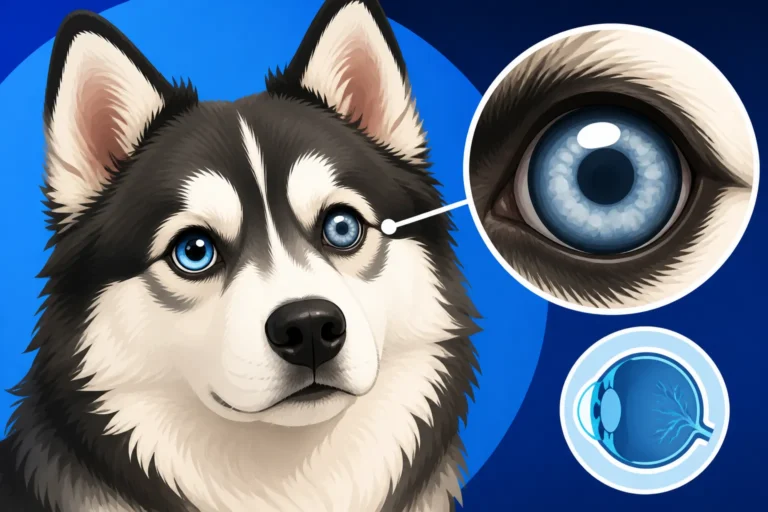
- General Health Monitoring: Beyond ZRD, these check-ups are crucial for their general health. Your vet will perform a full physical exam, checking their teeth (Pomskies can be prone to Dental Crowding in a Pomsky's Small Mouth), eyes (The Eyes a Pomsky Gets From the Husky), and joints (Slipping Kneecaps in a Pomsky). Catching any other potential health issues early, like Hip Dysplasia in a Twenty Pound Pomsky, is always the best approach.
- Blood Work: Periodically, your vet might recommend blood tests to check your Pomsky's zinc levels, ensure that zinc isn't building up to toxic levels, and monitor their kidney and liver function. They might also check for other nutrient deficiencies or imbalances that could impact skin health.
- Addressing Concurrent Issues: Because ZRD compromises the skin barrier, secondary bacterial or yeast infections are common. Regular vet visits allow for early detection and treatment of these infections, preventing them from becoming more severe and making your Pomsky even more uncomfortable. Having pet insurance like Healthy Paws can significantly ease the financial strain of these frequent visits and potential additional treatments.
Lifestyle Factors and Overall Skin Health
While zinc supplementation and veterinary care are paramount, a holistic approach to your Pomsky’s well-being includes attention to their daily lifestyle and general skin health practices.
- Grooming: A Pomsky's double coat is magnificent but requires diligent care. Regular brushing, especially with an undercoat rake, helps maintain skin health by removing dead hair and distributing natural oils. This also allows you to regularly inspect their skin for any new lesions or changes. Be gentle, particularly around areas previously affected by ZRD. Ensure you are familiar with The Undercoat Rake a Pomsky Owner Lives With.
- Bathing: While not a cure for ZRD, appropriate bathing with a veterinary-recommended shampoo can help soothe irritated skin, remove scales, and manage secondary infections. Avoid harsh shampoos that can strip natural oils, further drying out the skin. Your vet can recommend medicated or moisturizing shampoos if needed.
- Environmental Management: Protect your Pomsky from harsh environmental elements. Excessive sun exposure can worsen skin conditions, especially on areas with hair loss, potentially leading to sunburn. Consider light, protective clothing if your Pomsky has significant bald patches and enjoys being outdoors in sunny weather.
- Stress Reduction: Stress can impact overall health and sometimes exacerbate skin issues. Providing a consistent routine, plenty of exercise (The Exercise a Pomsky Needs Every Day), mental stimulation, and a loving, stable environment can contribute to your Pomsky’s well-being.
- Patience and Consistency: Managing a chronic condition like ZRD requires patience and consistency. There will be good days and bad days, but sticking to the treatment plan, communicating openly with your vet, and being observant of your Pomsky's condition will lead to the best long-term outcomes. Many pet owners find comfort knowing that a significant portion of their veterinary bills for chronic conditions could be reimbursed by their Healthy Paws policy, giving them peace of mind to provide the best care.
By combining veterinary-prescribed zinc supplementation, a supportive diet, regular professional care, and thoughtful home management, your Pomsky with zinc absorption issues can lead a happy, comfortable life, full of zest and that signature Pomsky sass!
Table: Key Differences Between Dietary Zinc and Supplementation for Pomskies
To help clarify why a supplement might be needed even with a "good" diet, here’s a quick overview:
| Feature | Dietary Zinc | Zinc Supplementation (Vet-Prescribed) |
|---|---|---|
| Source | Natural foods (meat, organs, grains) in regular diet | Concentrated form (sulfate, gluconate, methionine) |
| Primary Goal | General health maintenance, adequate intake | Therapeutic treatment for diagnosed deficiency/ZRD |
| Absorption Rate | Varies, can be inhibited by other dietary components | Formulated for high bioavailability, bypassing absorption issues |
| Required For | Most dogs without underlying absorption problems | Pomskies with ZRD (Type I & sometimes Type II) |
| Risk of Toxicity | Very low with balanced commercial diets | Moderate to high if unsupervised or overdosed |
| Veterinary Oversight | Generally not required for basic diet choice | Absolutely essential for diagnosis, dosage, monitoring |
| Common Use Case | All healthy Pomskies | Pomskies showing specific ZRD symptoms or confirmed cases |
This table underscores why you cannot simply increase dietary zinc and expect it to resolve ZRD. The issue for many Pomskies is not a lack of zinc in the food, but their body's inability to extract and utilize it.
Disclaimer
The information provided in this guide is for informational purposes only and does not constitute veterinary medical advice. Always consult with a qualified veterinarian for any health concerns or before making any decisions about your Pomsky's diet, supplements, or medical treatment. Self-diagnosing or self-treating can be harmful to your pet.