Whether a Pomsky’s Nose Loses Pigment
It's quite startling, isn't it, when you look at your beloved Pomsky one day and notice that their once perfectly black or dark nose has started to fade or even turn pink? This change, often unexpected, can immediately send a wave of worry through any pet parent, making you wonder if something serious is amiss with your furry companion. Rest assured, this guide is here to walk you through the common reasons why a Pomsky's nose might lose pigment, helping you understand when it's just a normal quirky trait and when it might warrant a trip to the vet.
Understanding Why a Pomsky's Nose Changes Color
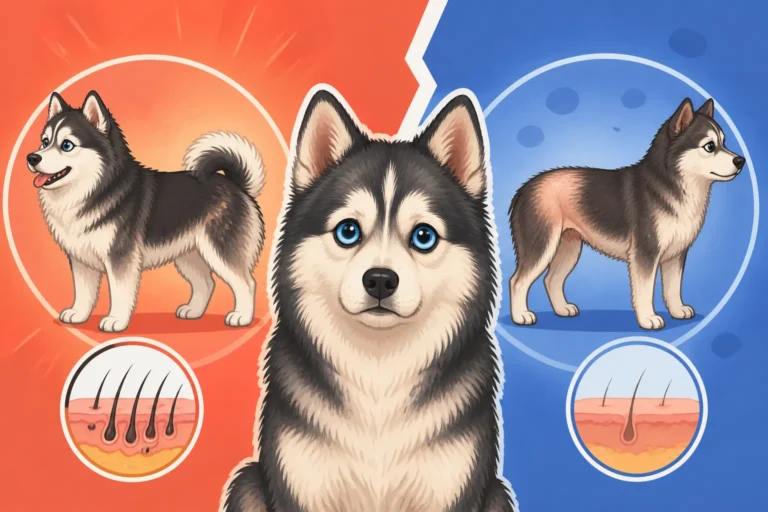
The pigment in your Pomsky's nose is called melanin, just like in human skin. When this melanin production decreases or stops in certain areas, you see a change in color, typically from black to pink or brown. This isn't always a sign of trouble, but it’s definitely something to keep an eye on, as the causes can range from completely harmless to indicative of an underlying health concern. It's important for Pomsky owners to understand these various possibilities, especially given their mixed heritage from two breeds that can sometimes exhibit these traits.
Seasonal Depigmentation or "Snow Nose"
One of the most common and entirely benign reasons for a Pomsky's nose to lose its dark pigment is something affectionately known as "snow nose." This phenomenon is particularly prevalent in breeds like the Siberian Husky, one of the Pomsky's parent breeds, and it's something many owners will encounter.
Typically, snow nose manifests as a gradual fading of the black pigment on the nose, often starting from the center and spreading outwards. It usually occurs during the colder, darker winter months when dogs, like us, get less sunlight exposure. As spring and summer arrive, many Pomskies will see their nose pigment return to its original dark color, only for the cycle to potentially repeat the following winter. It’s a fascinating, natural response to environmental factors, and while it might look a little different, it causes no discomfort or health issues for your dog. Think of it as a seasonal tan, but in reverse! The exact mechanism isn't fully understood, but it's believed to be related to the activity of tyrosinase, an enzyme involved in melanin production, which can be affected by sunlight and temperature.
Genetic Conditions Affecting Pigment
Beyond the seasonal shift, there are a few genetic conditions that can lead to nose depigmentation in Pomskies. These are usually less common but important to be aware of.
Vitiligo
Vitiligo is a condition that results in patches of skin and hair losing their pigment, and it can certainly affect the nose as well. Unlike snow nose, vitiligo isn't seasonal; once the pigment is lost due to vitiligo, it typically doesn't return. It's an autoimmune condition where the body's immune system mistakenly attacks and destroys melanocytes, the cells responsible for producing pigment. While it can be visually striking, presenting as stark white patches on the nose, around the eyes, or on other areas of the body, vitiligo in dogs is generally considered a cosmetic condition. It doesn't usually impact their overall health or well-being, though a vet can confirm the diagnosis to rule out other, more serious causes.
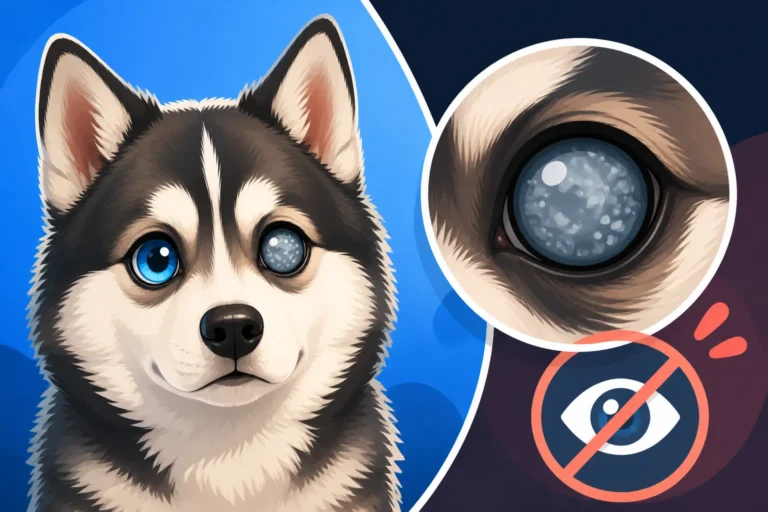
If you suspect your Pomsky has vitiligo, it’s a good idea to chat with your vet. They might suggest a biopsy to confirm the diagnosis, differentiating it from other potential issues. For most dogs, living with vitiligo simply means having a unique, multi-colored appearance. However, if your Pomsky gets The Eyes a Pomsky Gets From the Husky, it's good to keep track of any changes in eye pigment too, though vitiligo primarily affects skin and hair.
Autoimmune Diseases
Certain other autoimmune diseases, beyond vitiligo, can also cause depigmentation of the nose and surrounding tissues. These are often more serious and come with additional symptoms. For example, some forms of discoid lupus erythematosus (DLE) can affect the nose, causing not just pigment loss but also crusting, ulceration, and bleeding. Pemphigus is another autoimmune skin condition that can lead to blistering and crusting, sometimes accompanied by depigmentation.
If your Pomsky's nose is not just losing color but also appears sore, cracked, or has lesions, it’s critical to get veterinary attention promptly. These conditions require proper diagnosis and often specific medical treatment to manage the inflammation and prevent secondary infections. This is where pet insurance, like a policy from Healthy Paws, can be incredibly helpful, as diagnostic tests and ongoing treatment for autoimmune conditions can quickly become costly. Understanding The Two Opposite Disease Lists a Pomsky Inherits can help prepare you for potential health issues that might arise from their mixed heritage.
Trauma, Infection, or Irritation
Sometimes, a seemingly innocent loss of nose pigment can stem from something as straightforward as an injury, infection, or chronic irritation. Think about all the places your Pomsky's nose goes daily – digging in the yard, sniffing through bushes, bumping into furniture.
Cuts, Scrapes, and Abrasions
A minor cut or scrape on your Pomsky's nose can temporarily or even permanently disrupt the melanocytes in that area. As the skin heals, the new tissue might not produce pigment as effectively, leaving a pinkish scar or faded patch. This is often localized to the area of injury. If your Pomsky enjoys digging or exploring rough terrain, they might be more prone to these small traumas. Keep an eye on any open wounds on the nose, cleaning them gently and preventing infection to ensure optimal healing. Sometimes, if the trauma is deep, the pigment might never fully return, leaving a small, tell-tale pink spot.
Fungal or Bacterial Infections
Infections, both fungal and bacterial, can also affect the skin of the nose, leading to inflammation and, sometimes, pigment loss. For instance, ringworm, a common fungal infection, can cause circular patches of hair loss and skin irritation, which might include depigmentation if it occurs on the nose. Similarly, bacterial skin infections (pyoderma) can manifest with crusts, pus, and redness, and once the infection clears, the affected skin might temporarily or permanently lose its pigment.
If you notice any unusual textures, discharge, or discomfort on your Pomsky's nose accompanying the color change, it's a good idea to consult your veterinarian. They can perform tests to identify the type of infection and prescribe appropriate antifungal or antibiotic treatments. Remember that Hot Spots Under a Pomsky's Undercoat can also be a sign of skin irritation or infection, and while not directly on the nose, they indicate a predisposition to skin issues.
Allergies and Irritants
Chronic irritation from allergies or contact with certain materials can also affect nose pigmentation. If your Pomsky has environmental allergies, they might constantly rub or scratch their face, including their nose, which can lead to localized trauma and subsequent pigment loss. Some dogs can also be sensitive to plastic food and water bowls, developing a condition called "plastic dish nasal dermatitis," which can cause fading of pigment and irritation. Switching to stainless steel or ceramic bowls can often resolve this issue.
Observing your Pomsky's behavior and environment can provide clues. Are they excessively rubbing their nose? Have you recently introduced a new cleaner or type of bowl? Even something as simple as a harsh soap used during bathing could potentially irritate the sensitive skin of the nose. It's similar to how some dogs experience Whether a Pomsky's Skin Cracks Around the Mouth due to irritation or dietary issues.
Dietary Deficiencies and Thyroid Issues
While less common as a sole cause, nutritional deficiencies, particularly zinc, and certain hormonal imbalances like hypothyroidism, can also play a role in nose depigmentation.
Zinc Deficiency
Zinc is a vital trace mineral involved in numerous bodily functions, including skin and immune health. A deficiency in zinc can manifest as various skin issues, and sometimes, depigmentation of the nose can be one of the signs. Certain breeds, including Siberians, are more prone to zinc-responsive dermatosis, a condition where dogs either don't absorb zinc effectively or have a higher requirement for it. If your Pomsky's nose is fading along with other symptoms like crusting around the eyes or mouth, hair loss, or dull coat, it might be worth investigating a zinc deficiency.
This condition is often managed with zinc supplementation under veterinary guidance. However, it's crucial not to supplement zinc without professional advice, as too much can also be harmful. You might be wondering, Whether a Pomsky Needs Extra Zinc? It's not uncommon for Pomskies to inherit a predisposition to zinc issues from their Husky side, so this is a legitimate concern for many owners. If this is the case, your vet can recommend the proper dosage and form of supplement.
Hypothyroidism
Hypothyroidism, a condition where the thyroid gland doesn't produce enough thyroid hormone, can affect various body systems, including skin and coat health. While depigmentation of the nose isn't a primary or common symptom of hypothyroidism, it can sometimes be seen in conjunction with other more classic signs, such as lethargy, weight gain, hair loss (especially on the flanks and tail), and a dull, dry coat.
If your Pomsky is exhibiting a cluster of these symptoms along with nose pigment loss, your vet might suggest a thyroid panel to check their hormone levels. Hypothyroidism is easily managed with daily oral medication, and once regulated, many of the associated symptoms, including potential skin and pigment issues, tend to improve significantly. Healthy Paws can also help cover the costs of diagnosing and managing chronic conditions like hypothyroidism, offering peace of mind.
Distinguishing Harmless Changes from Concerning Ones
It can be tough to tell if your Pomsky's fading nose is just a cute quirk or something you need to worry about. The key often lies in careful observation of the pattern of change and whether there are any accompanying symptoms. This is where your keen eye as a pet parent truly comes into play.
Observing Patterns and Onset
The way the pigment loss appears and develops can offer significant clues. Think of yourself as a detective, gathering evidence to help your vet.
Gradual, Seasonal Fading
If your Pomsky's nose starts to lighten subtly as the days get shorter in fall and winter, and then gradually darkens again with the return of spring and summer sunlight, you're almost certainly dealing with "snow nose." This cyclical pattern is the hallmark of seasonal depigmentation and is generally nothing to fret over. It’s a very common occurrence in many Northern breeds, and since the Siberian Husky is a parent breed, it’s a genetic trait many Pomskies carry. Documenting these changes with photos throughout the year can be incredibly helpful for your vet to confirm this diagnosis and ease your concerns. You'll simply have a "winter nose" and a "summer nose" Pomsky!
Permanent or Patchy Loss
If the pigment loss is more abrupt, occurs in distinct patches, or doesn't resolve with seasonal changes, then it points away from snow nose. Vitiligo, for instance, often appears as stark white patches that remain year-round. These patches might grow over time but won't typically regain their dark color. Similarly, pigment loss due to trauma might be confined to a specific area of injury and remain faded. Keeping a journal with dates and observations of when you first noticed the change, how quickly it progressed, and its exact location can provide invaluable information for your vet's assessment.
Texture and Lesions
Beyond color, pay close attention to the texture and overall health of the skin on your Pomsky's nose. This is perhaps the most critical indicator of whether the pigment change is harmless or a sign of something more serious.
Smooth and Healthy Skin
If your Pomsky's nose is simply lighter in color but remains smooth, moist, and free of any crusts, cracks, or sores, it's generally a good sign. This healthy texture, despite the color change, strongly suggests a benign cause like snow nose or even vitiligo, which typically doesn't cause physical discomfort. Your Pomsky should not be bothered by the change, and you shouldn't see them pawing at their nose or showing any signs of pain. It simply looks different.
Crusting, Sores, or Discomfort
Any changes in texture are a red flag. If the depigmented area of your Pomsky's nose becomes dry, crusty, cracked, bleeding, ulcerated, or appears sore to the touch, it's time for a vet visit. These symptoms are not associated with benign conditions like snow nose or vitiligo and instead point towards issues like infection, autoimmune disease (such as discoid lupus), or a severe contact dermatitis. You might also notice your Pomsky rubbing their nose more, licking it excessively, or even showing signs of pain when you try to examine it. These are all indicators that something more than just a cosmetic change is happening and requires professional medical attention. Sometimes, even Dental Crowding in a Pomsky's Small Mouth can lead to discomfort around the muzzle area, which could, in rare cases, exacerbate or complicate skin issues.
Management and Prevention Strategies
While some causes of nose depigmentation are simply genetic or environmental and can't be completely prevented, there are definitely steps you can take to support your Pomsky's overall skin health and, in some cases, help manage or even prevent certain types of pigment loss.
Sun Protection and Moisturizing
Just like our skin, a Pomsky's depigmented nose can be more vulnerable to sun exposure, especially if it's turned pink.
Protecting from Harmful UV Rays
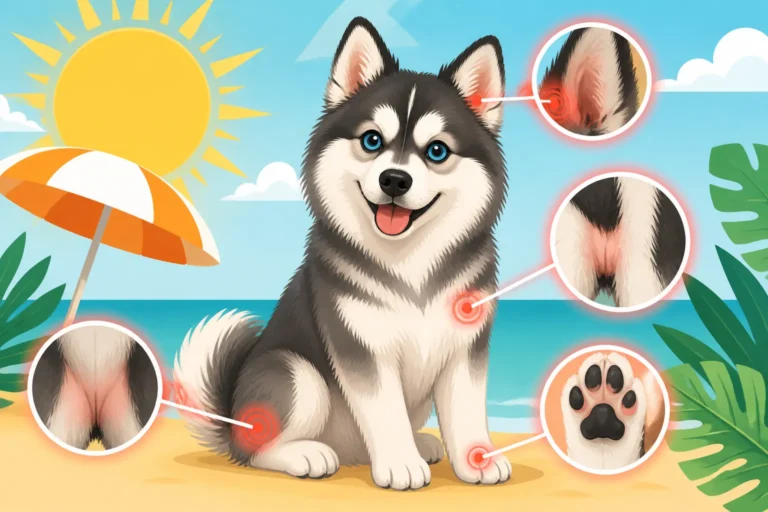
If your Pomsky has developed a pink nose, particularly due to snow nose or vitiligo, it becomes more susceptible to sunburn. Just a few hours of intense sun exposure can cause a painful burn, which can then lead to further irritation, peeling, and even increase the risk of skin cancer over time. When your Pomsky is going to be spending extended time outdoors, especially during peak sun hours (10 AM to 4 PM), consider applying a pet-safe sunscreen to their nose. Look for products specifically formulated for dogs, ideally those without zinc oxide, which can be toxic if ingested, or PABA. Brands like Epi-Pet Sun Protector or My Dog Nose It! are often recommended. Alternatively, limiting their sun exposure during these hours can be a simpler solution, opting for early morning or late evening walks instead.
Keeping the Nose Moisturized
A dry, cracked nose, regardless of pigment, is uncomfortable and can be more prone to issues. Keeping your Pomsky's nose soft and supple can help maintain its overall health. There are many excellent pet-safe balms and moisturizers available, often containing ingredients like shea butter, coconut oil, or specialized waxes. Products such as those from Burt's Bees or Natural Dog Company (Snout Soother) are popular choices. Apply a small amount to your Pomsky's nose daily, especially before bed. This not only helps with comfort but can also protect the delicate skin from environmental irritants. While it won't bring back lost pigment from conditions like vitiligo or snow nose, a healthy, moisturized nose is always a happier nose!
Dietary Support and Supplements
A balanced diet is fundamental for overall health, including skin and coat quality. Sometimes, specific dietary adjustments or supplements can play a role in maintaining pigment or addressing underlying issues.
Ensuring a Balanced Diet
Ensure your Pomsky is eating a high-quality, complete, and balanced dog food that meets all their nutritional requirements. A diet rich in essential fatty acids (Omegas 3 and 6) can significantly contribute to healthy skin and a shiny coat. Many premium dog foods already contain these, but you can also add supplements like fish oil. If you're concerned about Whether a Pomsky's Diet Needs More Zinc Than Most, consult with your vet. A deficiency in various nutrients, while not always causing depigmentation directly, can certainly make the skin less resilient and more prone to problems.
Targeted Supplements
If your vet has diagnosed a specific deficiency, like zinc-responsive dermatosis, they might recommend a zinc supplement. As mentioned earlier, indiscriminate supplementation can be dangerous, so always follow your veterinarian's specific instructions regarding dosage and type of zinc. For general skin health, fish oil supplements (containing EPA and DHA) can be beneficial for many Pomskies, helping to reduce inflammation and support the skin barrier. Remember that Whether a Pomsky Needs Its Glands Emptied is also a part of overall care, and while unrelated to nose pigment, highlights the various maintenance aspects of Pomsky ownership.
Regular Monitoring and Veterinary Check-ups
The best approach for any health concern, including changes in nose pigment, is consistent monitoring and regular veterinary care.
Documenting Changes
Get into the habit of routinely checking your Pomsky's nose. Take clear, well-lit photos of their nose every few months, especially if you notice a change. Note the date of each photo and any observations, such as "started to lighten for winter" or "crusting noticed." This visual diary can be incredibly helpful for your vet to track the progression of any depigmentation and make an accurate diagnosis. It removes the guesswork and provides objective evidence of the changes over time.
When to Seek Professional Advice
While snow nose is typically harmless, it's always a good idea to mention any pigment changes to your veterinarian during your Pomsky's routine check-ups. They can confirm if it's just snow nose or if further investigation is warranted.
However, certain signs absolutely warrant an immediate veterinary visit:
- Sudden onset or rapid progression of pigment loss.
- Any discomfort, pain, itching, or bleeding associated with the nose.
- Development of crusts, sores, ulcers, blisters, or scabs on or around the nose.
- Loss of appetite, lethargy, or other systemic signs of illness accompanying the nose changes.
These symptoms could indicate an underlying infection, autoimmune disease, or even a localized tumor, all of which require prompt diagnosis and treatment. Pet insurance, such as Healthy Paws, can be a great investment here, helping to alleviate the financial stress of unexpected vet visits, diagnostics like biopsies, and long-term treatment plans. It means you can focus on your Pomsky's health without worrying about the bill. For more general insights into their overall health, consider learning about Whether an F1 Pomsky Is Healthier Than an F2, as genetic predispositions can sometimes influence skin conditions.
Differentiating Nose Pigment Issues
Here's a quick reference table to help you distinguish between common nose pigment issues in your Pomsky:
| Condition | Typical Appearance | Associated Symptoms | Is it concerning? | Action to Take |
|---|---|---|---|---|
| Snow Nose | Gradual fading (black to pink/brown), often central | None | Generally no | Monitor, protect from sun, consider moisturizing |
| Vitiligo | Distinct, permanent white/pink patches | None | Generally no (cosmetic) | Vet confirmation, sun protection |
| Trauma/Injury | Localized pink scar or patch | History of injury, possibly initial bleeding/scab | Only if infected or severe | Clean wound, monitor healing, vet if severe |
| Infection (Fungal/Bacterial) | Pink patches, crusting, discharge, redness | Itching, pain, scratching, rubbing | Yes | Vet visit for diagnosis and treatment |
| Allergies/Irritation | Fading, redness, mild crusting, inflamed skin | Itching, rubbing, sneezing, pawing at face | Yes, if chronic or severe | Identify irritant, vet for allergy management |
| Zinc-Responsive Dermatosis | Fading, crusting around nose, eyes, mouth | Dry, flaky skin, hair loss, lethargy (rare) | Yes | Vet visit for diagnosis and zinc supplementation |
| Autoimmune Disease (e.g., DLE) | Severe depigmentation, crusting, ulcers, bleeding | Pain, discomfort, rubbing, systemic illness | Yes, potentially serious | Immediate vet visit for diagnosis and treatment |
Conclusion: When to Embrace the Pink and When to Seek Help
Seeing your Pomsky's nose lose its pigment can be a concerning experience, but as we've explored, it's often a completely benign, even charming, characteristic like snow nose. Many Pomsky owners learn to love their dog's seasonal pink snout! However, being vigilant and knowing the signs that indicate a more serious underlying issue is paramount.
The key takeaway is to observe carefully: Is it just a color change, or are there other symptoms like discomfort, crusting, or bleeding? A healthy, smooth, depigmented nose is usually nothing to lose sleep over. But any signs of irritation, pain, or systemic illness warrant a prompt consultation with your veterinarian. They are your best resource for accurate diagnosis and ensuring your Pomsky lives a happy, healthy life, pink nose or otherwise. Taking proactive steps like providing sun protection and a quality diet, and having a good pet insurance plan from providers like Healthy Paws, means you're well-equipped to handle whatever comes your way.
Disclaimer
This article is intended for informational purposes only and does not constitute veterinary advice. Always consult with a qualified veterinarian for any health concerns or before making any decisions about your pet's health or treatment.