Hot Spots on a Pomsky in Summer
There’s nothing quite as alarming for a Pomsky owner as discovering a hot spot, especially when the summer heat is in full swing. One moment your fluffy companion is romping happily, and the next, you notice a moist, red, irritated patch that seems to have appeared out of nowhere and is growing at an alarming rate. It’s a painful, itchy nightmare for your dog, and a source of deep worry for you, but understanding why these nasty lesions appear and how to tackle them is key to a happier, healthier summer for your Pomsky.
Why Pomskies Are Prone to Hot Spots in Summer
Pomskies are gorgeous, intelligent dogs, but their stunning double coats, a legacy from both their Siberian Husky and Pomeranian parents, can be a bit of a double-edged sword when it comes to summer skin health. The very thing that makes them so resilient in colder climates can become a perfect storm for skin issues like hot spots when temperatures and humidity climb.
The Double Coat Dilemma
Let's talk about that magnificent Pomsky coat. It's designed to protect them from harsh weather, featuring a dense, fluffy undercoat for insulation and a coarser outer layer of guard hairs that repel water and dirt. In winter, this is fantastic for keeping them warm. But in summer, especially in humid conditions, that thick undercoat can trap heat and moisture right against their skin. It’s like wearing a heavy wool sweater in July—it’s just too much. This creates an environment where bacteria, which are naturally present on the skin, can multiply rapidly when given a warm, moist place to thrive.
Imagine your Pomsky has been playing outside, maybe even taken a quick dip in a kiddie pool. If that dense undercoat doesn't dry completely and quickly, particularly in areas where air circulation is poor, you're setting the stage for a hot spot. The problem is compounded if the coat is matted or packed with dead hair, preventing air from reaching the skin at all. Proper grooming is crucial to managing The Pomsky That Carries a Husky Coat at Twenty Pounds and ensuring their skin can breathe.
Humidity, Water, and Allergies
Summer activities often involve water, whether it's a swim at the lake, a splash in the backyard, or even just getting caught in a summer shower. While it might seem refreshing, if your Pomsky's coat isn't dried thoroughly down to the skin afterward, that trapped moisture beneath the guard hairs and in the undercoat becomes a bacterial playground. The humidity in the air during summer also plays a huge role; it slows down the natural drying process, keeping your Pomsky’s skin damp for longer.
Beyond just dampness, summer brings a surge of environmental allergens. Pollen from trees, grasses, and weeds are everywhere, and many Pomskies can be quite sensitive to them. When a Pomsky experiences Whether a Pomsky Gets Allergies, they often become itchy, leading to excessive scratching, licking, and chewing. This self-trauma breaks the skin barrier, allowing bacteria to enter and quickly establish an infection, which is essentially what a hot spot is—a localized bacterial skin infection.
Common Triggers and Locations
Hot spots, medically known as acute moist dermatitis, rarely appear without a trigger. While the thick coat and summer conditions are predisposing factors, something usually kicks off the intense itch-scratch cycle. Flea bites are a huge culprit, especially in summer when flea populations explode. Even one bite on a flea-allergic Pomsky can cause severe itching that quickly escalates into a hot spot. Other insect bites, like mosquito or spider bites, can also initiate the problem.
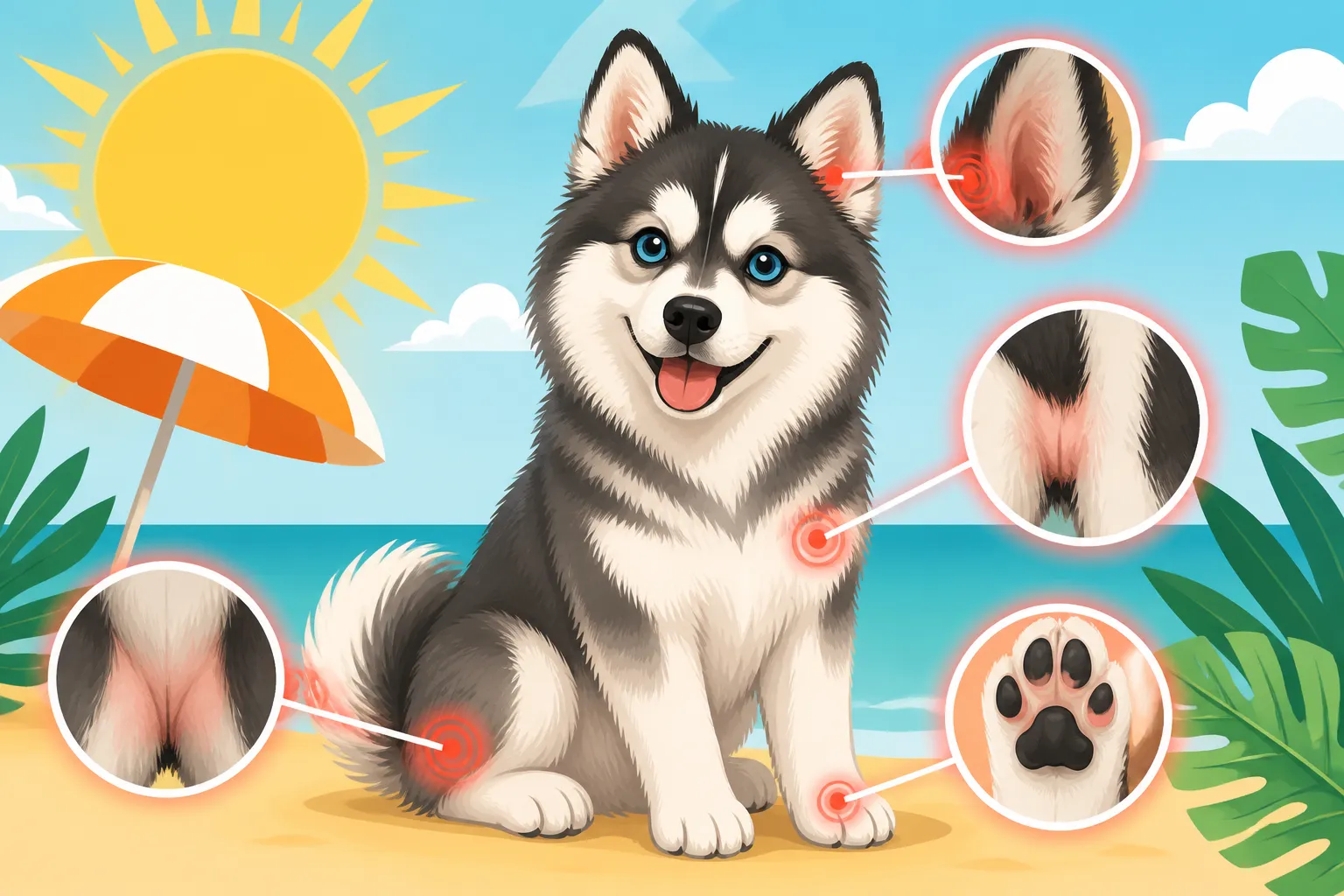
Matted fur, as mentioned, creates pockets of moisture and irritation. If your Pomsky isn't groomed regularly, particularly during shedding season—which can feel like Whether a Pomsky Blows Its Coat Twice a Year sometimes!—mats can form behind the ears, under the legs, or on the rump, leading to perfect conditions for hot spots. Additionally, boredom or stress can cause some Pomskies to compulsively lick or chew, turning a minor itch into a full-blown lesion. Common areas to find these include the neck, especially under collars, the rump and hind legs from sitting on damp ground, and the cheeks or under the ears, where they can easily scratch or rub.
Recognizing and Preventing Hot Spots
Catching a hot spot early can save your Pomsky a lot of discomfort and you a lot of worry (and potentially, vet bills!). These lesions can escalate incredibly quickly, going from a small red patch to a significant problem almost overnight. Knowing what to look for and, more importantly, how to prevent them, is crucial for any Pomsky parent.
Spotting the Signs Early
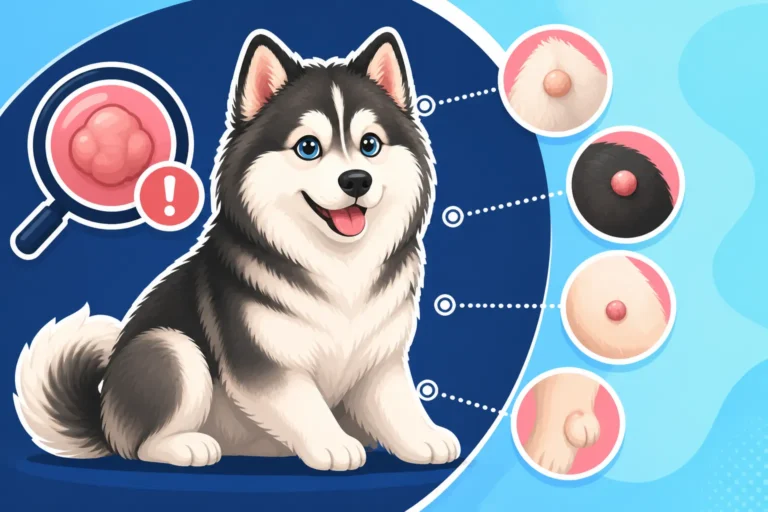
A hot spot typically presents as a red, moist, inflamed, and often oozing lesion on the skin. You might first notice your Pomsky incessantly licking, chewing, or scratching a particular area. When you part their fur, you'll see the tell-tale signs: matted hair stuck to the weeping lesion, sometimes with pus or crusting. The surrounding skin might also be red and swollen. These spots can be incredibly painful to the touch, and your dog might react defensively if you try to examine them.
The speed at which hot spots develop is often what catches owners off guard. A small irritation in the morning can easily become a large, raw wound by the evening if your Pomsky is determined to scratch or lick it. The hair loss over the lesion is also a key indicator, as the persistent licking pulls the fur out, and the inflammation causes hair follicles to release their hold. Don't mistake a small, slightly damp patch for nothing—act quickly.
Proactive Summer Care for Pomskies
Prevention truly is the best medicine when it comes to hot spots, especially with a double-coated breed like a Pomsky. Your grooming routine during the warmer months needs to be particularly diligent.
Firstly, regular brushing is non-negotiable. Aim for several times a week, if not daily, paying special attention to areas prone to matting. You'll need to use an undercoat rake to get deep down and remove all that dead, trapped undercoat. This helps improve air circulation to the skin, preventing moisture build-up and reducing matting. If you haven't yet, invest in The Undercoat Rake a Pomsky Owner Lives With. A slicker brush and a metal comb are also indispensable tools for keeping their coat free of tangles and ensuring you reach all layers.
Secondly, thorough drying is absolutely essential after any water exposure—baths, swims, or even just heavy dew. Towel drying alone is rarely enough for a Pomsky's dense double coat. A high-velocity force dryer is a game-changer; it literally blows the water out of the undercoat, ensuring the skin gets completely dry. This is an investment, but it's invaluable for preventing hot spots and keeping their coat healthy. Learn more about Drying a Pomsky to the Skin to ensure you're doing it right. If you're wondering Whether a Force Dryer Is Essential for a Pomsky, the answer is almost always yes, especially if they love water or live in a humid climate.
Finally, consistent flea and tick prevention is paramount. These parasites are far more active in summer, and a single flea bite can trigger the intense itching that leads to a hot spot. Talk to your vet about the best year-round preventative for your Pomsky. Also, if your Pomsky has known seasonal allergies, work with your veterinarian to manage them effectively during peak allergy season. This might involve special shampoos, dietary changes, or medications to reduce the initial itch.
Environmental Management
Beyond grooming, your Pomsky's environment plays a significant role in preventing hot spots. Always ensure your Pomsky has access to plenty of shade and cool spots, especially if they spend time outdoors. On hot, humid days, limit strenuous outdoor exercise to cooler parts of the day and keep a close eye on them for signs of overheating. Consider providing cooling mats or elevated beds that allow for better airflow.
Avoid letting your Pomsky lie on damp ground for extended periods. If they get wet, dry them off as thoroughly as possible immediately. Lastly, don't underestimate the power of mental and physical stimulation. A bored or anxious Pomsky might resort to obsessive licking or chewing, turning a minor irritation into a hot spot. Ensure your Pomsky gets adequate exercise—a good guideline is The Exercise a Pomsky Needs Every Day—and engage them with puzzle toys or training sessions to keep their minds active.
Treating Hot Spots Safely at Home and When to See the Vet
Finding a hot spot on your Pomsky can be distressing, but with prompt action, many minor cases can be managed at home. However, it's critical to know when it's time to call in the professionals. Ignoring a rapidly progressing hot spot can lead to deeper infections and a much more complicated, painful situation for your dog.
First Aid Steps for Minor Hot Spots
If you discover a small, relatively minor hot spot, you can often begin treatment at home immediately. The absolute first and most crucial step is to clip the hair away from and around the lesion. This might feel counterintuitive, especially if you're worried about how your Pomsky will look, but it’s vital. The matted, wet hair traps moisture and bacteria, preventing the hot spot from healing and often making it worse. Use blunt-nosed scissors or, ideally, electric clippers with a #10 blade to carefully shave the fur around the inflamed area, creating a wide margin of healthy skin. This allows air to get to the wound and makes it much easier to clean and apply treatments.
Once the area is clipped, gently clean the hot spot. Use a mild antiseptic solution, such as a diluted chlorhexidine solution (available at pet stores or from your vet), or even just warm water and a gentle, dog-safe antibacterial soap. Pat the area dry with a clean cloth or paper towel. Avoid scrubbing, as this can irritate the skin further.
After cleaning and drying, you can apply a vet-approved topical treatment. Over-the-counter options might include sprays or creams containing hydrocortisone to reduce inflammation and itching, or a topical antibiotic ointment. Always ensure any product you use is safe for dogs and cannot be easily licked off. This brings us to the next critical step: preventing your Pomsky from licking or chewing the area. An Elizabethan collar (E-collar), often called a "cone of shame," is usually necessary. They might hate it, but it's vital for healing. Your Pomsky’s saliva introduces more bacteria and keeps the wound moist, creating a vicious cycle.
Keep the area as dry and aired out as possible, and continue to clean and treat it according to product instructions or your vet's advice. Regular check-ins for improvement are key.
When a Vet Visit is Essential
While some minor hot spots can be managed at home, there are many situations where a trip to the veterinarian is absolutely necessary. Don't hesitate to seek professional help if:
- The hot spot is large, deep, or rapidly worsening despite your immediate home care efforts. If it's growing significantly in size within hours, it needs professional attention.
- Your Pomsky is showing signs of severe pain, limping, lethargy, or has a fever. These could indicate a more serious underlying infection or systemic issue.
- The hot spot is oozing pus, bleeding heavily, or smells foul. These are clear signs of a deeper bacterial infection that likely requires oral antibiotics.
- You've tried home treatment for 24-48 hours, and there's no improvement, or it appears to be getting worse.
- You can't determine the underlying cause or suspect it might be something more than just superficial irritation, like a severe allergic reaction or a foreign body embedded in the skin.
Your vet might prescribe oral antibiotics to clear the infection, stronger anti-inflammatory medications to reduce pain and swelling, or specialized topical treatments. They can also help identify and address the root cause, which is crucial for preventing recurrence. Remember, unexpected vet visits can be costly, but pet insurance from providers like Healthy Paws can be a lifesaver, helping to cover the costs of diagnosis and treatment for conditions like hot spots.
Here's a quick guide to help you decide:
| Feature | Minor Hot Spot (Home Treatment) | Severe Hot Spot (Vet Visit Recommended) |
|---|---|---|
| Appearance | Small (coin-sized), superficial, mild redness, slight oozing | Large (palm-sized or more), deep, intense redness, heavy oozing, pus, swelling |
| Pain Level | Mild discomfort, occasional licking | Significant pain, constant licking/chewing, reluctance to be touched |
| Rate of Growth | Slow progression, stable | Rapidly expanding, grows overnight |
| Underlying Cause | Known minor irritation (e.g., bug bite, mild mat) | Unknown, severe allergies, deep infection, multiple spots |
| Associated Signs | Localized to one area | Fever, lethargy, loss of appetite, spreading infection, other skin issues |
| Treatment Goal | Dry, clean, prevent licking, heal superficial wound | Systemic antibiotics, stronger anti-inflammatories, identifying root cause |
Long-Term Management and Preventing Recurrence
Treating an active hot spot is only half the battle. For long-term success, especially with a breed like a Pomsky that's naturally predisposed to these skin woes, you really need to get to the bottom of why they're happening and implement a year-round prevention strategy. It's about being proactive, not just reactive.
Addressing the Root Cause
Hot spots are almost always a symptom, not the primary disease itself. They're your Pomsky's skin telling you something is amiss. One of the most common underlying causes, especially during summer, is allergies. These could be environmental allergies to pollen, grass, or mold, which can make your Pomsky incessantly itchy. Working with your veterinarian to identify and manage these allergies is paramount. This might involve allergy testing, immunotherapy, or specific anti-itch medications during peak seasons.
Food allergies or sensitivities can also manifest as skin issues. If you suspect Whether a Pomsky Reacts to Its Food, your vet might recommend a food elimination diet trial to pinpoint any problematic ingredients. Flea allergy dermatitis is another major culprit, where even a single flea bite can set off a massive reaction. Ensuring year-round, effective flea and tick control is a non-negotiable part of hot spot prevention for any Pomsky. Don't let your guard down even when the weather cools, as fleas can still be present indoors.
Sometimes, hot spots can stem from behavioral issues. A bored, anxious, or stressed Pomsky might resort to obsessive licking, a self-soothing behavior that can quickly turn into a hot spot. Ensuring your Pomsky gets adequate mental and physical stimulation, consistent training, and a stable routine can help reduce stress-related licking.
Ongoing Grooming and Skin Health
A commitment to diligent grooming is not just for summer; it’s a year-round responsibility for Pomsky owners. Their double coat needs consistent attention to remain healthy. Regular brushing, at least 3-4 times a week, is essential to remove dead undercoat, prevent mats, and promote air circulation. During seasonal "coat blows," when they shed profusely, daily brushing and professional deshedding treatments are highly recommended.
Beyond brushing, a high-quality diet plays a vital role in maintaining skin and coat health. Look for dog foods rich in omega-3 and omega-6 fatty acids, which support a healthy skin barrier. You might also consider supplements like fish oil, which can reduce inflammation and improve skin hydration. Always discuss any dietary changes or supplements with your vet to ensure they're appropriate for your specific Pomsky's needs.
Regular vet check-ups are also part of long-term skin health management. Your vet can spot potential issues early, recommend preventative strategies, and adjust treatment plans as needed. Having a good pet insurance plan, like those offered by Healthy Paws, can provide peace of mind, knowing that you're prepared for any unexpected vet bills related to allergies, skin conditions, or other health concerns that might arise throughout your Pomsky's life. Prevention is key, but having a safety net for when things go wrong is invaluable.
Disclaimer
Please remember that the information provided in this article is for general informational purposes only and is not a substitute for professional veterinary advice. Always consult with a qualified veterinarian for any health concerns or before making any decisions related to your Pomsky's health or treatment plan.