Hip Dysplasia in a Pomsky
It's truly heartbreaking to see your bouncy, playful Pomsky start to show signs of discomfort, especially when it comes to something as fundamental as walking or running. Many of us worry about our furry friends developing joint problems, and the thought of them being in pain is enough to send any loving dog parent into a spin. This comprehensive guide is here to walk you through everything you need to know about hip dysplasia in Pomskies, from understanding what it is and how to spot it, to exploring treatment options and preventive measures, helping you ensure your beloved companion lives their happiest, most comfortable life.
Understanding Hip Dysplasia in Pomskies
Hip dysplasia is one of those veterinary terms that sounds intimidating, and it’s a condition that can cause significant concern for dog owners. While often associated with larger breeds, it's a condition that can absolutely affect Pomskies, who carry the genetic blueprints of both the robust Siberian Husky and the petite Pomeranian. At its core, hip dysplasia is a developmental disorder where the hip joint doesn't form correctly, leading to instability, abnormal wear, and eventually, painful degenerative joint disease.
Understanding the Anatomy: Hip Joint Basics
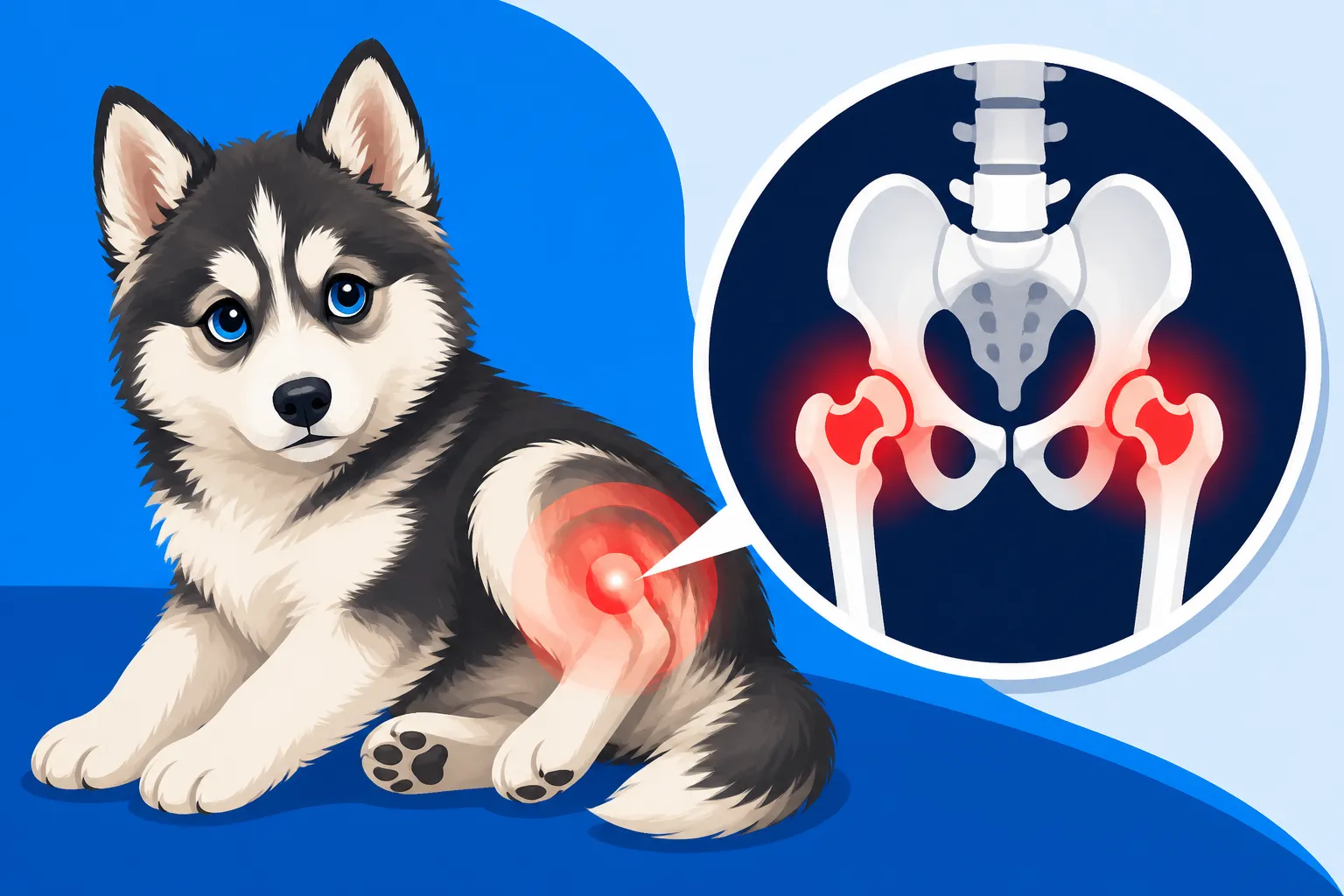
To truly grasp hip dysplasia, it helps to visualize a healthy canine hip. Think of it as a perfectly engineered ball-and-socket joint. The "ball" is the head of the femur, your dog's thigh bone, and it fits snugly into the "socket," which is a cup-shaped indentation in the pelvis called the acetabulum. This seamless fit, cushioned by smooth cartilage and lubricated by synovial fluid, allows for effortless, pain-free movement, whether your Pomsky is doing zoomies in the yard or gracefully leaping onto the sofa to cuddle.
In a Pomsky with hip dysplasia, this intricate design goes awry. The socket might be too shallow, or the femoral head might be malformed – perhaps flattened or not perfectly spherical. This improper fit causes the joint to be loose, or "lax," rather than tight and secure. Every time your Pomsky moves, this laxity causes the ball and socket to grind against each other, leading to microscopic damage to the cartilage. Over time, the body attempts to stabilize this unstable joint by laying down extra bone, which sounds helpful but actually results in painful bony spurs and a further breakdown of the joint, culminating in osteoarthritis. This is a progressive condition, meaning it almost always worsens over time if left unaddressed.
Genetic Predisposition: Husky and Pomeranian Influence
When we talk about Pomskies, we're discussing a hybrid breed, and that means they can inherit traits, both good and challenging, from both parent breeds. Both Siberian Huskies and Pomeranians, despite their vast size difference, have a known genetic predisposition to hip dysplasia, although it’s much more commonly associated with larger breeds like the Husky. The genetics of hip dysplasia are complex, involving multiple genes, so it's not a simple "yes" or "no" inheritance. However, the risk is absolutely present in Pomskies.
Responsible breeders understand this genetic lottery and take extensive measures to minimize the risk. They should be transparent about the health screenings of their breeding stock, often using certifications from organizations like the Orthopedic Foundation for Animals (OFA) or PennHIP to assess hip health. These screenings help breeders make informed decisions to reduce the likelihood of passing on the genetic markers for hip dysplasia. It’s a vital step, as environmental factors like diet and exercise can also influence the expression of the disease. When you're looking for a puppy, it’s imperative to ask about The Health Tests a Pomsky Breeder Should Show to feel confident about your choice.
How It Manifests in a Smaller Dog Like a Pomsky
It’s easy to think that because Pomskies are smaller than a full-sized Siberian Husky, hip dysplasia won’t be as much of a problem for them. While their lighter body weight might mean the onset of severe clinical signs could be delayed, or appear less dramatic than in a very large breed, the underlying pain and degenerative changes are just as real and impactful. A Pomsky who is typically around twenty pounds and carries a dense Husky coat can still experience profound discomfort and mobility issues from compromised hips.
The manifestations can often be subtle, making it tricky for owners to identify early on. You might not see a dramatic limp right away. Instead, you might notice a slight stiffness after they've been lying down for a while, a reluctance to jump up for a toy they once loved, or perhaps a changed way of running, sometimes called a "bunny hop," where both back legs move together. These nuanced changes can be easily dismissed as just being a bit tired or a quirk of their personality, but they are often early indicators of a problem brewing beneath the surface. Being highly observant of your Pomsky's everyday movements and behaviors is crucial for early detection.
Recognizing the Signs and Symptoms of Hip Dysplasia
Spotting hip dysplasia in your Pomsky can be challenging because dogs are incredibly stoic and often try to hide their pain. However, being attuned to both subtle and more obvious changes in their physical capabilities and behavior can make a significant difference in getting them the help they need sooner rather than later.
Subtle Early Warning Signs
Sometimes, the earliest signs of hip dysplasia are so faint that they're easy to miss, especially in a dog as spirited as a Pomsky. You might observe a slight decrease in their enthusiasm for activities they once loved, like chasing a ball or going for long walks. Perhaps they seem a bit hesitant or take a moment longer to settle into a run. One common, though often overlooked, sign is a "bunny hop" gait, where your Pomsky uses both hind legs simultaneously to propel themselves forward, almost like a rabbit. This isn't just cute; it's a compensatory mechanism to avoid putting full weight on a painful hip.
Another subtle indicator could be a shift in their muscle development. Dogs with hip dysplasia often redistribute their weight to their front limbs, leading to stronger shoulders and chest muscles, but noticeably reduced muscle mass in their hindquarters. If you regularly feel your Pomsky's legs, you might notice that their rear thighs feel less muscular or even slightly atrophied compared to their front. They might also appear stiff when getting up after a nap, or be reluctant to climb stairs or jump onto furniture, actions that were once second nature. Regularly assessing these small changes can give you a critical head start.
Obvious Clinical Lameness and Pain
As hip dysplasia progresses and arthritis sets in, the signs typically become much more pronounced and difficult to ignore. You'll likely see a clear, undeniable lameness or limp, which might be intermittent at first but tends to become more consistent. This lameness is often worse after periods of rest, such as first thing in the morning, or following strenuous exercise. Your Pomsky might struggle visibly when trying to stand up from a lying position, perhaps letting out a soft groan or showing obvious effort.
Pain is a central feature at this stage. Your Pomsky might yelp or flinch if you touch their hip area, or they might become defensive if you try to manipulate their hind legs. Their range of motion in the hips will noticeably decrease, making activities like stretching, playing tug, or even squatting to relieve themselves uncomfortable. They might hold their tail lower or carry themselves in a stiff, guarded manner. It's truly heartbreaking to witness your once agile Pomsky struggle with basic movements. When these more obvious signs emerge, a veterinary visit is not just recommended, but essential. If you're observing a persistent limp, wondering Whether a Limping Pomsky Needs Films is a completely valid concern that your vet will want to address with imaging.
Behavioral Changes to Watch For
The chronic pain associated with hip dysplasia can also lead to significant changes in your Pomsky's behavior. A once happy-go-lucky and outgoing dog might become withdrawn, preferring to spend more time alone or resting rather than engaging with family. They might show increased irritability or even snap when approached or touched in a sensitive area, purely as a response to pain and fear. This isn't a personality flaw; it's a pain response.
You might also notice a decrease in appetite, or conversely, weight gain due to reduced activity. Carrying extra weight, unfortunately, puts even more strain on already damaged joints, creating a vicious cycle that exacerbates the pain. Some Pomskies might display anxiety, restlessness, or difficulty finding a comfortable position to lie down. They might seem less interested in training or mentally stimulating games. Recognizing that these shifts in temperament and routine are likely rooted in physical discomfort rather than mere "stubbornness" or "aging" is key to providing compassionate and effective care.
Diagnosing Hip Dysplasia in Your Pomsky
Getting an accurate diagnosis is the critical first step in managing hip dysplasia effectively. It’s a process that combines your veterinarian’s clinical expertise with specialized imaging techniques to confirm the presence and severity of the condition.
Initial Veterinary Examination
Your diagnostic journey will always begin with a thorough check-up at your veterinarian's office. During this visit, your vet will perform a comprehensive physical examination, carefully observing your Pomsky’s gait as they walk, looking for any abnormalities or signs of discomfort. They will meticulously palpate your Pomsky's hips and hind legs, feeling for any instability, grinding, or obvious pain response in the joints. They might also perform specific orthopedic maneuvers, such as the Ortolani test, which assesses joint laxity by gently positioning the leg to feel for the "clunk" that indicates a loose femoral head in the socket.
It’s incredibly helpful for you to provide your vet with a detailed history of your observations at home. Note down when you first noticed changes, what activities seem to trigger or worsen the discomfort, and any behavioral shifts you've seen. This information is invaluable in helping your vet pinpoint the problem and guide their diagnostic approach. Don't hold back any details, no matter how minor they seem, as they contribute to building a complete clinical picture of your Pomsky's health.
The Role of X-rays: What They Show
While a physical examination can raise strong suspicions, X-rays are the definitive tool for diagnosing hip dysplasia. These radiographs provide a clear, internal view of your Pomsky's hip joints, allowing the veterinarian to assess the bone structure, the fit of the ball and socket, and the presence of any degenerative changes. On an X-ray, your vet will look for signs of joint laxity (looseness), shallow acetabula, flattening of the femoral head, and the tell-tale bony changes of arthritis, such as osteophytes (bone spurs) or increased bone density (sclerosis).
To obtain clear and accurate X-rays of the hips, your Pomsky will almost certainly need to be sedated or anesthetized. This ensures they are completely relaxed and still, allowing for precise positioning, which is crucial for diagnostic quality images. Without sedation, muscle tension can obscure the true condition of the joint, leading to misleading results. Once the images are captured, your veterinarian, or a board-certified veterinary radiologist, will meticulously evaluate them to determine the grade of hip dysplasia and the extent of any associated arthritis. This imaging provides the concrete evidence needed to formulate an effective treatment plan. It’s important to note that for official certifications like OFA, dogs are typically X-rayed at two years of age, but preliminary X-rays to assess early development can be done earlier, so asking When a Pomsky's Hips Can Be X Rayed can yield varying answers depending on the purpose.
Orthopedic Evaluations: OFA and PennHIP
For breeders and owners who want the most comprehensive and standardized assessment of hip health, specialized orthopedic evaluations are invaluable. The two primary methods recognized in North America are the Orthopedic Foundation for Animals (OFA) and PennHIP. Both contribute significantly to the understanding and reduction of hip dysplasia in breeding lines.
- OFA Certification: The OFA evaluates hip radiographs typically taken when a dog is 24 months (two years) of age or older. These X-rays are submitted to OFA and reviewed by three independent, board-certified veterinary radiologists. They grade the hips based on several conformational traits and the presence of degenerative joint disease, assigning a score ranging from Excellent, Good, or Fair (considered passing) to Borderline, Mild, Moderate, or Severe (indicating dysplasia). An OFA certification helps breeders select dogs with structurally sound hips, reducing the risk of passing on the predisposition.
- PennHIP Evaluation: PennHIP, developed at the University of Pennsylvania, offers a different, more quantitative approach. It can be performed on dogs as young as 16 weeks (four months) old. This method involves taking three specific radiographic views, one of which (the "distraction view") precisely measures hip laxity – the amount of looseness in the joint. This measurement, known as the Distraction Index (DI), is highly predictive of whether a dog will develop hip dysplasia. A lower DI indicates tighter hips and a lower risk. PennHIP provides a percentile ranking of the dog's hips compared to others in its breed, offering a clear objective measure of hip health. While both OFA and PennHIP aim to improve hip health, they provide different types of information, with PennHIP often considered more sensitive for early detection of laxity.
Managing and Treating Hip Dysplasia in Pomskies
Receiving a hip dysplasia diagnosis for your Pomsky can be daunting, but it's crucial to remember that there are many effective strategies to manage the condition and ensure your furry friend maintains a good quality of life. The best approach often depends on the severity of the dysplasia, your Pomsky's age, and your family’s resources.
Conservative Approaches: Pain Management and Physical Therapy
For many Pomskies, especially those with mild to moderate hip dysplasia or in the early stages, conservative management is often the initial and sometimes the long-term solution. This strategy focuses on alleviating pain and inflammation, and supporting overall joint health without surgery. Your vet will likely prescribe Non-Steroidal Anti-Inflammatory Drugs (NSAIDs) such as carprofen, meloxicam, or galliprant, which are excellent for reducing both pain and inflammation, allowing your Pomsky to move more comfortably. Other pain relief medications, like gabapentin, might also be used in conjunction with NSAIDs, particularly for chronic pain.
Physical therapy is a cornerstone of conservative management. This can involve a tailored regimen of controlled exercises, often including hydrotherapy (swimming or underwater treadmill sessions), which allows for low-impact muscle strengthening. Therapeutic massage, stretching exercises, and even acupuncture can also be highly beneficial. The goal is to strengthen the muscles surrounding the hip joint, providing greater stability and support, while simultaneously improving range of motion and reducing stiffness. It's especially important to consider appropriate Exercise for an Old Pomsky if the condition progresses with age, as continuing to move is vital, but high-impact activities should be avoided. You might also ask your vet Whether Joint Supplements Help a Pomsky as part of this conservative plan.
Surgical Interventions: When and What Options
When conservative measures are no longer sufficient to control pain or maintain an acceptable quality of life, surgical intervention becomes a vital consideration. There are several surgical options, each with specific indications and ideal patient profiles.
- Juvenile Pubic Symphysiodesis (JPS): This is a preventive surgery performed on very young puppies, typically between 10 and 20 weeks of age. It involves surgically fusing a growth plate in the pelvis, which then alters the growth of the pelvis, causing the hip socket to rotate and deepen over time, thereby improving the fit of the femoral head. It’s a minimally invasive procedure aimed at preventing severe hip dysplasia in high-risk puppies before arthritis develops.
- Triple Pelvic Osteotomy (TPO) / Double Pelvic Osteotomy (DPO): These procedures are generally performed on younger dogs, usually under a year old, who have significant hip laxity but minimal to no arthritic changes. They involve cutting the pelvic bone in multiple places and then rotating the acetabulum (socket) to achieve better coverage of the femoral head. This creates a more stable, functional joint, and with the proper post-operative care, these dogs can often achieve excellent long-term outcomes.
- Femoral Head Ostectomy (FHO): The FHO is a salvage procedure that can be performed on dogs of any age, and it’s often a very good option for smaller breeds like Pomskies. The surgery involves removing the femoral head (the "ball" of the joint). The body then forms a "false joint" of scar tissue where the femoral head once was. While it doesn't create a perfect anatomical joint, it eliminates the painful bone-on-bone rubbing. Many small dogs adapt remarkably well to an FHO, becoming pain-free and regaining good function, though their gait may be slightly altered.
- Total Hip Replacement (THR): This is the gold standard surgical treatment for severe hip dysplasia with advanced arthritis. Similar to human hip replacements, the damaged femoral head and acetabulum are replaced with prosthetic implants. THR offers the best chance for restoring near-normal hip function and eliminating pain. However, it is the most invasive and expensive procedure, requiring specialized veterinary orthopedic surgeons and intensive post-operative care. The substantial costs associated with these advanced surgeries are often why many owners consider pet insurance, with plans from providers like Healthy Paws often proving to be invaluable.
Lifestyle Adjustments for a Dysplastic Pomsky
Beyond direct medical or surgical treatments, making thoughtful adjustments to your Pomsky’s daily environment and routine can significantly enhance their comfort and mobility. The most critical lifestyle adjustment is maintaining a lean, healthy body weight. Even a few extra pounds can place tremendous stress on already compromised hip joints, accelerating arthritic progression and increasing pain. Your vet can help you determine your Pomsky’s ideal weight and create a feeding plan if weight loss is needed.
Consider modifying your home environment to be more joint-friendly. Provide orthopedic dog beds that offer superior support and cushioning, alleviating pressure on aching joints. Brands like Big Barker or even simpler memory foam options can make a world of difference, especially as your Pomsky enters their senior years and Arthritis in a Pomsky at Ten becomes a real possibility. Use ramps or steps to help your Pomsky access furniture or get into and out of vehicles, eliminating the need for strenuous jumps that can jar their hips. For example, understanding Whether a Pomsky Should Jump Off Furniture is key to preventing further injury. On hard, slippery floors, lay down non-slip rugs or runners to provide better traction and reduce the risk of slips and falls. Finally, adjust their exercise routine: opt for shorter, more frequent walks on softer surfaces like grass or dirt trails, and avoid high-impact activities that cause excessive jarring or twisting motions. The goal is to maximize their comfort and preserve their mobility for as long as possible.
Preventing and Mitigating the Risk of Hip Dysplasia
While hip dysplasia has a strong genetic component, there are numerous proactive steps you can take, both before bringing a Pomsky home and throughout their life, to prevent or mitigate the severity of the condition. Being informed and diligent is your best defense.
Choosing a Reputable Pomsky Breeder
This is undoubtedly the single most crucial step in preventing hip dysplasia. A responsible, ethical Pomsky breeder will prioritize the health of their dogs above all else. This means they will conduct thorough health screenings on all their breeding stock, and this must include official hip evaluations from organizations like the Orthopedic Foundation for Animals (OFA) or PennHIP. They should be able to provide clear, verifiable documentation of these certifications for both the mother and father of any litter. They understand that Whether an Untested Pomsky Litter Is Worth Buying is a critical question, and their answer will always be no, emphasizing transparency.
A reputable breeder won't just tell you their dogs have "good hips"; they will show you the certificates. They should also be knowledgeable about hip dysplasia, happy to discuss the health history of their lines, and answer all your questions thoroughly. Beyond hips, they will screen for other conditions common in Pomskies, such as Slipping Kneecaps in a Pomsky or eye conditions. Avoiding breeders who cannot or will not provide health clearances, or those who breed without proper veterinary oversight, is essential. These backyard breeders or puppy mills significantly increase your risk of bringing home a puppy with a genetic predisposition to this painful condition.
Nutritional Support and Weight Management
Proper nutrition plays a fundamental role in healthy skeletal development, particularly during a Pomsky’s crucial growth phases. Feeding a high-quality, balanced diet formulated for your Pomsky’s specific life stage – puppy, adult, or senior – is vital. For puppies, it’s especially important to avoid overfeeding or diets that promote overly rapid growth, as this can place excessive stress on developing joints before they are fully mature. Always consult your veterinarian for guidance on the best dietary choices and portion sizes for your growing Pomsky, as Keeping a Pomsky's Weight in Range from a young age can prevent future problems.
For adult Pomskies, maintaining an ideal body weight is perhaps the most powerful environmental factor you can control to prevent or manage hip dysplasia. Every extra pound your Pomsky carries puts additional strain on their hip joints, accelerating the breakdown of cartilage and the progression of arthritis. Regularly monitor your Pomsky's weight and body condition score, and if they start to become overweight, work with your vet to implement a gradual weight loss plan. This might involve reducing portion sizes, switching to a lower-calorie food, or increasing their controlled, low-impact exercise. Many pet insurance providers, including Healthy Paws, recognize the importance of preventive care and often cover the costs of vet visits where weight management and nutritional advice are provided.
Appropriate Exercise and Joint Care
Exercise is a critical component of a healthy lifestyle for any dog, but it needs to be carefully managed for Pomskies, particularly those predisposed to hip issues. For puppies, the key is controlled and appropriate exercise. Avoid high-impact activities like repetitive jumping, long runs on hard surfaces, or intense agility training while their growth plates are still open. Instead, focus on short, frequent walks, gentle play on soft grass, and supervised swimming. Over-exercising a puppy can put undue stress on developing joints and exacerbate any underlying laxity.
For adult Pomskies, a consistent routine of moderate, regular exercise is essential for building and maintaining strong muscles around the hip joints, which provides crucial support and stability. Activities like brisk walks, hiking on varied terrains, and swimming are excellent low-impact options. Always be mindful of your Pomsky's comfort level; if they show signs of pain or stiffness after an activity, adjust accordingly. Proactive joint care can also include the strategic use of joint supplements containing ingredients like glucosamine, chondroitin, and MSM, which can help support cartilage health and reduce inflammation. However, always discuss any supplement regimen with your vet to ensure it’s suitable for your Pomsky's individual needs and health status.
Here’s a comparison of different approaches to managing hip dysplasia in Pomskies:
| Approach | Description | Ideal For | Pros | Cons |
|---|---|---|---|---|
| Conservative | Pain relief medications (NSAIDs), joint supplements, controlled exercise, weight management, physical therapy (e.g., hydrotherapy). | Mild to moderate dysplasia, older dogs, or initial management. | Non-invasive, often effective in managing pain and improving mobility. | Does not correct the underlying structural defect, may worsen over time. |
| JPS (Juvenile Pubic Symphysiodesis) | Minimally invasive surgery in very young puppies (10-20 weeks) to alter pelvic growth, deepening the hip socket. | Puppies at high risk of developing hip dysplasia, no existing arthritis. | Prevents severe dysplasia, less invasive than other surgeries. | Must be done within a very narrow age window. |
| TPO/DPO (Pelvic Osteotomy) | Surgical procedure for younger dogs (typically under 1 year) with hip laxity but no arthritis, involves cutting and rotating the pelvis. | Younger dogs with significant hip laxity, no degenerative changes. | Corrects structural defect, preserves the native hip joint. | Invasive, complex surgery, requires strict recovery protocol, moderate expense. |
| FHO (Femoral Head Ostectomy) | Surgical removal of the femoral head; the body forms a "false joint" of scar tissue. | Smaller breeds like Pomskies, moderate to severe arthritis, budget constraint. | Eliminates bone-on-bone pain, often restores good function, less complex than THR. | May result in altered gait, limb may appear shorter, not a perfectly normal joint. |
| THR (Total Hip Replacement) | Replacement of the damaged ball and socket with prosthetic implants. | Severe dysplasia with advanced arthritis, all dog sizes. | Restores near-normal hip function, effectively eliminates pain, excellent long-term outcome. | Most invasive and expensive surgery, requires specialized surgeon, significant recovery, potential complications. |
This table illustrates the wide range of options available, each tailored to different stages of the disease and individual circumstances. Your veterinarian will be your best guide in navigating these choices for your Pomsky.
Disclaimer
Please remember that this article provides general information and guidance based on common knowledge about Pomsky health. It is not a substitute for professional veterinary advice. Always consult with a qualified veterinarian for accurate diagnosis, treatment recommendations, and personalized care tailored to your Pomsky’s specific health needs.