Whether a Pomsky Should Jump Off Furniture
It’s a scenario many Pomsky owners know all too well: you turn your back for a second, and suddenly, your adorable fluffball has launched themselves off the back of the sofa, or perhaps taken a daring leap from your bed. While their agility can be impressive, this habit often leaves us with a knot of anxiety in our stomachs. The truth is, while jumping might seem like harmless fun for your energetic Pomsky, it carries significant risks for their delicate joints and overall health. This guide is here to unravel why this seemingly innocent behavior can be problematic and, more importantly, how you can safeguard your Pomsky from potential injuries.
The Allure of Heights and the Hidden Dangers
Pomskies are truly unique little characters, inheriting a fascinating blend of traits from their Siberian Husky and Pomeranian parents. This mix often means they're not just intelligent and energetic, but also remarkably curious – and sometimes, a little too daring for their own good.
Why Pomskies Love to Be Up High
Think about it: Huskies are known for their athleticism and boundless energy, often exploring their environment with a confident, almost mischievous spirit. Pomeranians, on the other hand, might be small, but they carry a huge personality, often seeking out high vantage points to survey their kingdom and feel like they’re part of the action. When you blend these two, you get a Pomsky who often feels a magnetic pull towards higher ground. They love being able to see everything that's going on, whether it's gazing out the window from the back of the sofa or simply feeling closer to their favorite humans on the bed. For many Pomskies, jumping onto furniture is also a way to get attention, a playful invitation to engage, or simply a burst of zoomies that ends with them launching themselves onto a soft surface. This innate desire to be up high, coupled with their energy, makes furniture an irresistible playground.
The Immediate Risks of Jumping Down
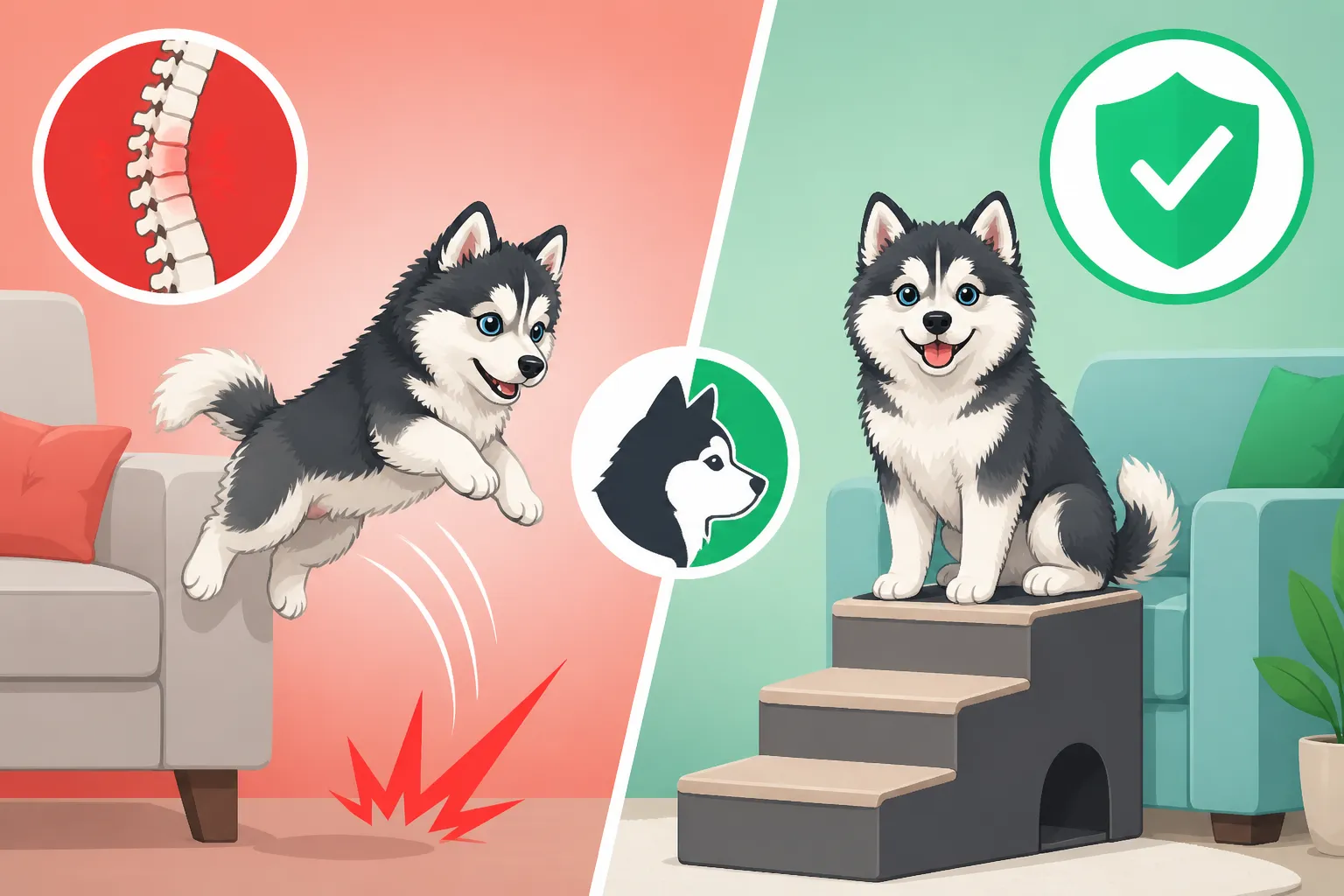
While getting onto the furniture might be less of an issue, it's the descent that often poses the most immediate dangers. A Pomsky, especially a young, exuberant one or an older dog with less agility, can misjudge a landing. They might land awkwardly, twist a limb, or even collide with something nearby. This can lead to a whole host of acute injuries, from sprains and strains in their paws, wrists, elbows, or shoulders, to more serious concerns like fractures. A hard landing can also impact their spine or neck, potentially causing muscle strains or even disc issues over time. We've all seen that sudden yelp or awkward shuffle after a pet takes a bad tumble. It's a stark reminder that even a short drop can have painful consequences, sometimes leading to concussions if they hit their head or suffer from a jarring impact.
Understanding the Long-Term Impact on Joints
Beyond the immediate, obvious injuries, the repetitive stress of jumping on and off furniture can have a cumulative and often insidious effect on your Pomsky's joints over their lifespan. It's not just about that one bad jump; it's about the hundreds, if not thousands, of impacts their little bodies absorb.
Patellar Luxation and Jumping
One of the most common orthopedic concerns in smaller breeds like Pomeranians (and consequently, Pomskies) is patellar luxation, more commonly known as "slipping kneecaps." This condition means the kneecap (patella) dislocates or moves out of its normal groove. When a Pomsky repeatedly jumps, especially with force, the impact and torsion on their knee joints can significantly exacerbate an existing patellar luxation or even contribute to its development. The sudden stress of landing can cause the kneecap to pop out, leading to pain, limping, and an uneven gait. Over time, this constant slippage can wear down the cartilage and bone, leading to chronic pain and arthritis. If you're concerned about your Pomsky’s gait, understanding the different Patellar Luxation Grades in a Pomsky can be really helpful in discussions with your vet. Preventing unnecessary jumping is a key strategy in managing or delaying the progression of this painful condition.
Hip Dysplasia and Spinal Stress
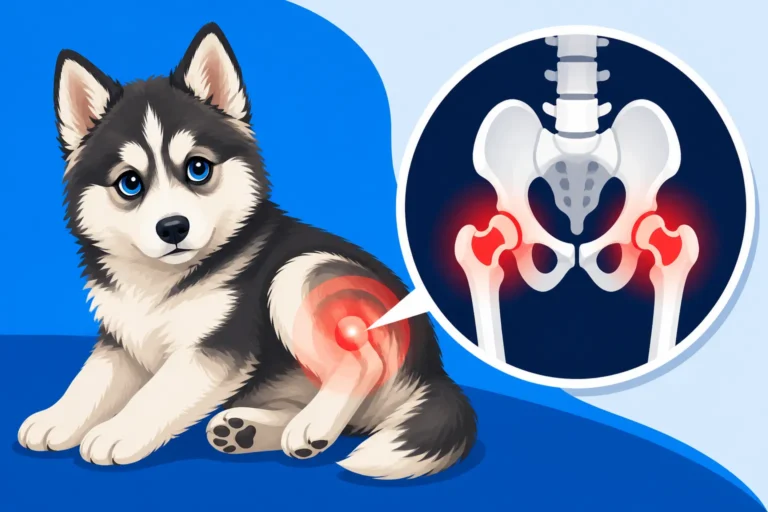
While hip dysplasia is often associated with larger breeds, it can absolutely affect a Pomsky, particularly due to their Husky lineage. This condition involves the abnormal formation of the hip socket, leading to instability and degenerative joint disease. While jumping doesn't cause hip dysplasia, the repeated jarring impact of landing can put immense strain on already compromised hip joints, accelerating the onset and severity of pain and arthritis. Imagine the force of impact on a joint that isn't perfectly formed; it's like banging a loose door hinge over and over. Furthermore, the spine, particularly in a breed that can sometimes have a longer back relative to its leg length (another potential Pomeranian trait), can also suffer from the shock absorption of jumping. This spinal stress can lead to disc problems or nerve compression over time, manifesting as back pain, stiffness, or even neurological symptoms. If you have a larger Pomsky, understanding Hip Dysplasia in a Twenty Pound Pomsky is particularly vital.
Arthritis and Wear-and-Tear
The most pervasive long-term consequence of repetitive jumping, even if your Pomsky never suffers a dramatic injury, is the accelerated wear-and-tear on their joints, leading to premature arthritis. Every time they land, tiny micro-traumas occur within the joint cartilage. Over years, these add up, causing the cartilage to degrade, bones to rub against each other, and inflammation to set in. This process is silent and insidious, often only becoming apparent when your Pomsky starts showing signs of stiffness, reluctance to move, or pain, especially as they get older. It’s a sad reality that while we want our dogs to be comfortable and active, our everyday living spaces, full of enticing jump-able furniture, can inadvertently contribute to their discomfort later in life. Integrating joint supplements early in life can sometimes help support cartilage health, so it’s worth discussing Whether Joint Supplements Help a Pomsky with your veterinarian, especially if your pup is a persistent jumper.
Assessing Your Pomsky's Individual Risk Factors
Every Pomsky is an individual, and while the general risks of jumping off furniture apply to all, certain factors can significantly increase or decrease your dog's personal vulnerability. Understanding these elements can help you tailor your preventative strategies.
Age and Development
A Pomsky puppy, with its boundless energy and clumsy coordination, is particularly at risk. Their growth plates are still open, meaning the ends of their bones are softer and more susceptible to injury than mature bone. A bad fall or repetitive jumping can damage these growth plates, potentially leading to long-term orthopedic issues or even affecting how their bones develop. It's like building a house with soft foundations. On the other end of the spectrum, senior Pomskies also face elevated risks. As dogs age, their joints naturally start to degenerate, cartilage thins, and muscle mass supporting the joints can decrease. This makes them more prone to sprains, fractures, and exacerbates existing conditions like arthritis. Even if your older Pomsky still wants to jump, their body might not be able to handle the impact anymore. You'd be surprised how much Arthritis in a Pomsky at Ten can impact their ability to navigate household obstacles safely.
Size, Weight, and Build
While all Pomskies are generally considered small to medium-sized dogs, there's a significant range in their adult weight and build. A smaller, more delicate Pomsky, weighing closer to the Pomeranian end of the spectrum, might seem agile but could have more fragile bones and joints more susceptible to injury from impact. Conversely, a larger, stockier Pomsky might have more bone density, but if they carry extra weight, that puts significantly more strain on their joints with every jump. Consider that a Pomsky can weigh anywhere from 10 to 35 pounds; the impact force on a 35-pound dog landing from a 2-foot height is vastly different than on a 10-pound one. Keeping your Pomsky at a healthy weight is paramount for joint health, regardless of their size. If you're curious about typical ranges, you can learn more about What a Pomsky Actually Weighs.
Underlying Health Conditions
Beyond age and size, any existing health conditions your Pomsky might have will dramatically influence their jumping risk. For instance, if your Pomsky has already been diagnosed with patellar luxation or hip dysplasia, even a small jump can cause pain or further damage. Neurological conditions that affect coordination or balance, even subtly, can make them more prone to missteps. Conditions that affect bone density or strength, though less common, would also put them at a much higher risk for fractures. This is why regular veterinary check-ups are so crucial, not just for general wellness but also to identify any hidden vulnerabilities. It's important to remember that Pomskies can inherit a combination of predispositions from both parent breeds, and understanding The Two Opposite Disease Lists a Pomsky Inherits can help you be proactive about their health. Insurance providers like Healthy Paws are great for covering unexpected medical conditions, providing peace of mind when these genetic predispositions surface.
Practical Strategies to Keep Your Pomsky Safe
It’s clear that we need to be proactive about preventing our Pomskies from turning our furniture into a personal obstacle course. The good news is, there are many effective strategies you can implement to protect their precious joints without completely sacrificing their joy of being near you.
Creating a Furniture-Free Zone or Access Control
One of the most straightforward ways to prevent jumping is to limit access to tempting furniture. This doesn't mean banishing your Pomsky from the living room; it means thoughtful management. Consider using baby gates to block off rooms where furniture is particularly high or where you can’t supervise them closely. If there’s a specific piece of furniture they love to jump on and off (like your high bed or a tall armchair), you can make it less appealing. Drape a thick blanket or throw over it when you’re not using it, or place a few soft, large pillows on the landing spot to absorb impact. Training a reliable "off" command is also invaluable. Start with positive reinforcement, luring them off with a treat, and rewarding them heavily when all four paws are on the floor. Consistency is key, and every family member needs to be on board to reinforce this behavior.
Ramps and Steps: A Small Investment for Big Protection
This is where proactive intervention truly shines. Ramps and steps are fantastic tools that allow your Pomsky to safely access their favorite elevated spots without the jarring impact of jumping. Think of them as miniature staircases or gentle slopes designed specifically for pets. There’s a wide variety available, from carpeted ramps that provide good grip to foldable steps that can be easily stored. When choosing, consider the height of your furniture, the space available, and your Pomsky’s preference. Some dogs take to ramps instantly, while others prefer steps. Introduce them slowly with treats and praise, making it a positive experience. Lure them up and down, rewarding them at each step or halfway point on the ramp. This small investment can make a massive difference in preserving their joint health over the years, and many owners find that Whether a Pomsky Should Use Steps to the Couch becomes a non-negotiable part of their daily routine once they see the benefits.
Training Alternatives for High Places
Beyond physical barriers, you can also train alternative behaviors. Instead of allowing them to jump up and down freely, teach your Pomsky to wait to be picked up. This works particularly well for smaller Pomskies. Use a cue like "up" or "pick up," and only lift them when they offer the desired behavior (e.g., sitting patiently). Similarly, when they want to get down, teach them to wait for you to gently lower them. This requires consistency and patience, but it establishes a routine that prioritizes their safety. Reward them lavishly with high-value treats and verbal praise for choosing the safe option. If they try to jump, gently redirect them to the ramp or steps, or physically block the jump and encourage the "wait to be picked up" behavior. Over time, they’ll learn that safe access to high places is always available, and they’ll be less likely to take risky leaps.
Environmental Modifications and Lifestyle Adjustments
Beyond direct intervention with furniture, creating a safer overall environment and maintaining your Pomsky’s physical condition are equally important in mitigating the risks associated with jumping and general joint health.
Non-Slip Surfaces and Safe Landing Zones
Consider the surfaces your Pomsky is landing on when they do jump. Hardwood floors, tile, and laminate can be incredibly slippery, making an already risky maneuver even more dangerous. A Pomsky trying to land on a slick surface might splay their legs, twist a joint, or lose their footing, leading to a nasty fall. Placing non-slip rugs, carpet runners, or even strategically placed yoga mats in high-traffic areas or around furniture can provide much-needed traction. This gives them a more secure landing spot, reducing the chance of slips and strains. Similarly, ensure that the areas immediately surrounding your furniture are clear of clutter or objects that could cause them to stumble or hit themselves if they misjudge a jump. A clear, grippy landing zone is a simple yet effective modification to boost their safety.
Weight Management and Muscle Strengthening
Maintaining a healthy weight is arguably one of the most critical factors in preventing joint problems in any dog, and Pomskies are no exception. Every extra pound your Pomsky carries puts additional stress on their joints, amplifying the impact of every jump, run, and even just walking. It's like asking someone to carry a heavy backpack all day – it wears them down faster. Work with your vet to determine your Pomsky's ideal weight and feeding plan. Furthermore, strong, well-conditioned muscles act as natural shock absorbers and provide crucial support for joints. Regular, appropriate exercise, such as controlled walks, swimming (if your Pomsky enjoys it), or structured play, helps build and maintain this muscle mass without over-stressing their joints. Avoid high-impact activities, especially with puppies or older dogs, and focus on consistent, moderate movement. If you're struggling with your Pomsky's physique, there’s great information on Keeping a Pomsky's Weight in Range that can offer practical advice.
Regular Vet Check-ups and Early Intervention
Never underestimate the power of regular veterinary care. Annual check-ups are not just for vaccinations; they’re an opportunity for your vet to assess your Pomsky’s overall health, including their musculoskeletal system. They can identify subtle signs of joint pain, stiffness, or early stages of conditions like patellar luxation or hip dysplasia before they become severe. Early detection means you can implement management strategies sooner, potentially slowing progression and improving your Pomsky’s quality of life. Be open with your vet about your Pomsky's habits, especially if they are avid jumpers. They can offer tailored advice, recommend preventative measures, or suggest supplements if appropriate. Having a good pet insurance plan, like those offered by Healthy Paws, can also provide immense peace of mind. Knowing that you're covered for unexpected diagnostic tests, medications, or even surgeries relating to joint issues, allows you to make decisions based on your Pomsky's health needs, not just your wallet.
What to Do If an Injury Occurs
Even with the most diligent preventative measures, accidents can happen. If your Pomsky takes a bad jump or lands awkwardly, knowing how to react calmly and effectively can make a significant difference in their outcome and comfort.
Recognizing the Signs of Injury
A Pomsky in pain might not always cry out dramatically. Sometimes the signs are subtle, and it's up to us as their guardians to be observant. Look for changes in their normal behavior: are they limping, even slightly? Are they reluctant to put weight on a particular leg? Do they whine or yelp when touched in a specific area, or when trying to move? Swelling, tenderness to the touch, or visible deformity (though rare and usually very serious) are clear indicators. They might also become withdrawn, lose their appetite, or show a general malaise. Don’t dismiss a sudden refusal to jump on the sofa as stubbornness; it could be a sign that they are in pain. Any sudden change in gait, reluctance to climb stairs, or unusual vocalization after a jump warrants immediate attention.
First Aid and Immediate Steps
If you suspect your Pomsky has injured themselves, the first and most crucial step is to keep them calm and limit their movement. Gently try to restrict them to a small, comfortable, and safe area, like their crate or a quiet room, to prevent further injury. Avoid trying to manipulate the affected limb or joint yourself, as this can cause more pain or damage. Do not administer any human pain medication without veterinary guidance, as many common over-the-counter drugs are toxic to dogs. Your immediate priority is to contact your veterinarian or an emergency veterinary clinic. Describe exactly what happened and the symptoms you're observing. They will advise you on the best course of action, whether it's bringing your Pomsky in immediately or monitoring them for a short period. Staying calm yourself will help your Pomsky remain calmer too.
Veterinary Care and Recovery
Once at the vet, they will conduct a thorough examination, which may include palpating the affected area, observing your Pomsky's gait, and likely performing diagnostic imaging such as X-rays to assess for fractures, dislocations, or other soft tissue injuries. Depending on the diagnosis, treatment could range from pain management and strict rest to bracing, physical therapy, or even surgery for more severe injuries like fractures or significant ligament tears. Recovery can be a lengthy process, often requiring careful management of activity, medication, and possibly rehabilitation exercises. It's incredibly important to follow your veterinarian's instructions precisely, even if your Pomsky seems to be feeling better. Rushing recovery can lead to re-injury or chronic problems. This is another area where having comprehensive pet insurance, such as Healthy Paws, can be incredibly beneficial, helping to cover the often-substantial costs of diagnostics, specialist consultations, and long-term recovery plans.
Summary of Pomsky Jumping Risks and Prevention
| Risk Factor | Potential Injuries / Issues | Preventative Actions |
|---|---|---|
| Acute Impacts | Sprains, strains, fractures, concussions, bruising | Limit access, teach "off," use ramps/steps |
| Patellar Luxation | Worsening of existing condition, new onset, chronic pain | Avoid jumping, manage weight, vet check-ups |
| Hip Dysplasia | Accelerated progression, increased pain | Avoid jumping, weight management, appropriate exercise |
| Spinal Stress | Disc issues, nerve compression, back pain | Reduce impact, use ramps/steps, core strengthening |
| Premature Arthritis | Chronic pain, stiffness, reduced mobility | All of the above, joint supplements (vet-approved) |
| Slippery Surfaces | Slips, falls, twists, more severe impacts | Non-slip rugs, clear landing zones |
| Age (Puppy/Senior) | Growth plate damage, fragile bones, reduced agility | Strict supervision, mandatory ramps/steps, gentle handling |
| Overweight Pomsky | Increased joint strain, higher injury risk | Strict diet, controlled exercise, weight monitoring |
Disclaimer
This article is intended for informational purposes only and does not constitute professional veterinary advice. Always consult with a qualified veterinarian for any health concerns or before making any decisions related to your Pomsky's medical care.