Arthritis in a Pomsky at Ten
Watching your spirited Pomsky, who once zoomed around with boundless energy, begin to slow down can be heartbreaking. It’s tough to see them struggle with simple movements they used to do with ease, like jumping on the couch or bounding up the stairs. If your beloved Pomsky is hitting the big one-zero, you might start noticing these subtle shifts, and it often points to arthritis. This comprehensive guide is here to walk you through understanding, managing, and creating the best possible life for your ten-year-old Pomsky grappling with the realities of arthritis.
Recognizing the Subtle Signs of Arthritis in Your Ten-Year-Old Pomsky
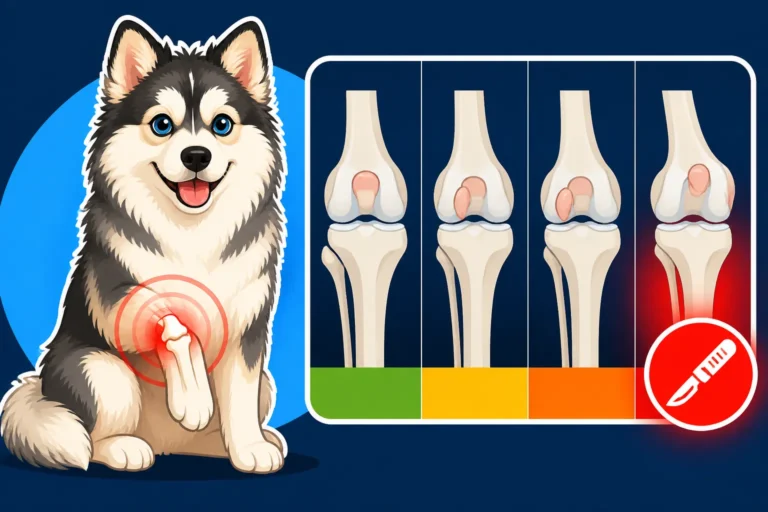
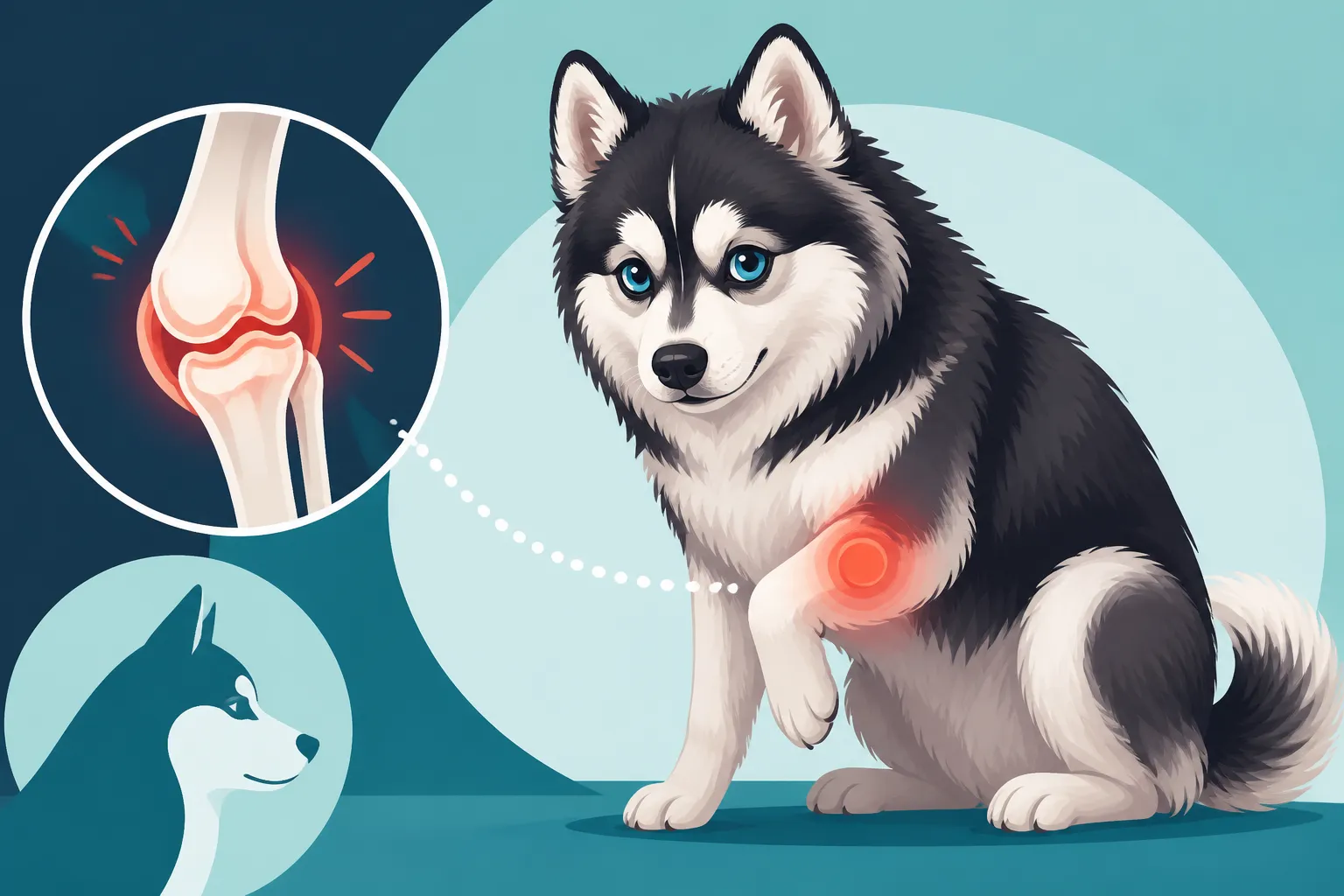
Arthritis, or osteoarthritis, is a progressive and degenerative joint disease that often creeps up slowly, making it easy to miss in its early stages. It’s essentially the wear and tear on cartilage within the joints, leading to pain, inflammation, and reduced mobility. For our energetic Pomskies, a blend of Siberian Husky and Pomeranian, this can manifest differently than in a larger breed, often starting as a minor inconvenience before becoming more pronounced.
The Gradual Changes in Movement and Activity
One of the first things you might notice isn't a sudden limp, but a general reluctance. Your Pomsky might hesitate before jumping into the car, or you might find them taking the long way around furniture instead of leaping over it. Think about their morning routine: do they seem stiffer when they first wake up from a nap or after a long night's sleep? That initial stiffness often works itself out with a few minutes of movement, but it's a significant red flag.
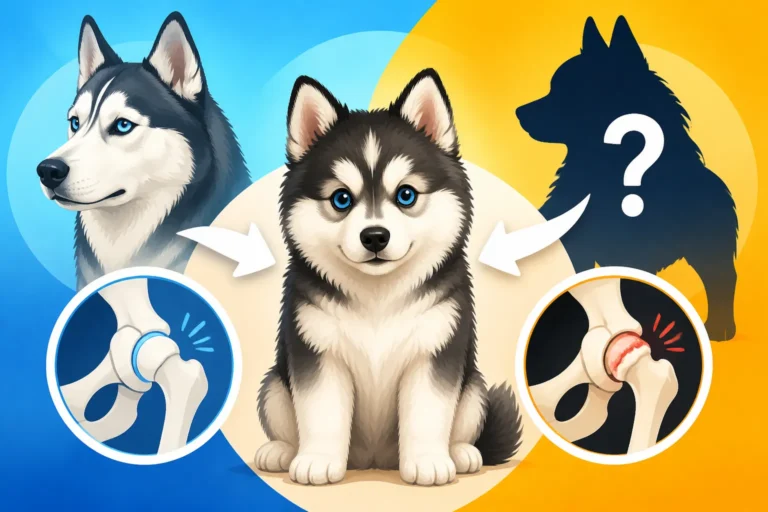
You might observe a subtle change in their gait during walks. Perhaps a slight head bob, a less fluid trot, or even a slight bunny-hopping motion with their hind legs to alleviate pressure on a sore hip or knee. They might start lagging behind on walks, a stark contrast to their usual enthusiastic pace. Activities they once loved, like chasing a ball or wrestling with another dog, might be met with less enthusiasm or they might quit sooner than usual. It’s not laziness; it’s pain. Even if your Pomsky has been fortunate enough to avoid more acute orthopedic issues like Slipping Kneecaps in a Pomsky or Hip Dysplasia in a Twenty Pound Pomsky in their younger years, arthritis is a different beast that comes with age.
Behavioral Shifts and Pain Indicators
Pain doesn't always show up as a direct yelp. Often, it manifests as changes in behavior. An otherwise sweet-natured Pomsky might become irritable or even snap if touched in a painful area. Imagine someone constantly poking your sore knee; you’d get defensive too! They might start excessively licking or chewing at specific joints – a common self-soothing behavior that indicates discomfort. This isn’t a grooming habit; it's a sign of localized pain.
Look closely at their habits. Are they sleeping more than usual, or conversely, struggling to find a comfortable position and frequently shifting? Changes in appetite can also be a subtle indicator of chronic pain. Some dogs withdraw, seeking quiet corners away from the hustle and bustle, while others might become more clingy, seeking reassurance. You might even hear subtle groans or whimpers when they stretch or try to get comfortable. These small behavioral cues are your Pomsky's way of telling you they’re hurting, and it’s important to pay attention.
Physical Examination at Home
While your vet is the ultimate expert, you can do some gentle at-home checks. Carefully and gently run your hands over your Pomsky’s joints – hips, knees, elbows, shoulders. Is any joint warm to the touch? Swollen? Does your Pomsky flinch or pull away when you press gently? You might also notice muscle atrophy, especially in their hind legs, as they try to shift weight away from painful areas, causing those muscles to waste away. Observe their posture when they stand; a hunched back or a constant shifting of weight can indicate discomfort. Remember, early detection and regular vet check-ups, which should be part of The Screening a Pomsky Should Have Yearly, are crucial for managing arthritis effectively and maintaining your senior Pomsky's quality of life.
Navigating a Diagnosis and Treatment Plan for Your Senior Pomsky
Once you suspect arthritis, the next step is a visit to your veterinarian. This isn't just about getting a diagnosis; it's about developing a tailored plan to manage your Pomsky's comfort and mobility as they age.
The Veterinary Examination and Diagnostics
When you bring your Pomsky to the vet with concerns about arthritis, the appointment will likely involve a thorough orthopedic examination. Your vet will watch your Pomsky walk and trot (a "gait analysis"), manipulate their joints through their range of motion, and feel for any crepitus (a grinding sensation) or pain responses. Don't be surprised if they ask for X-rays. These images are invaluable for confirming the presence of arthritis, assessing the severity of joint degeneration, and ruling out other conditions that can mimic arthritic pain. They can show bone spurs, narrowing of joint spaces, and other structural changes that indicate osteoarthritis. Before prescribing any long-term medications, your vet will also likely recommend blood work to check your Pomsky's kidney and liver function, ensuring they can safely metabolize and excrete the drugs.
Pharmaceutical Approaches to Pain Management
Managing arthritic pain often involves a multi-modal approach, with medication playing a key role. Non-Steroidal Anti-Inflammatory Drugs (NSAIDs) are a cornerstone of treatment. Medications like carprofen (Rimadyl), meloxicam (Metacam), or galliprant are commonly prescribed to reduce inflammation and alleviate pain. It's vital to follow your vet's dosing instructions precisely, as misuse can lead to serious side effects. Regular monitoring with blood tests is essential to ensure these medications aren't negatively impacting your Pomsky's organs over time.
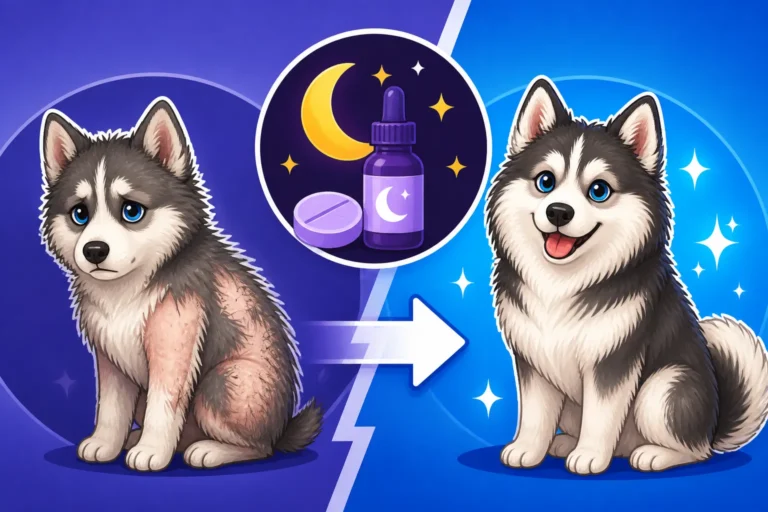
For neuropathic pain, which can sometimes accompany arthritis, drugs like gabapentin may be added. This medication can also act as a mild sedative, which can be beneficial for anxious or restless senior dogs. Amantadine is another medication sometimes used in conjunction with NSAIDs for chronic pain modulation, especially when the pain has become more centralized. In some severe cases, or when NSAIDs aren't tolerated, corticosteroids might be considered, but these come with their own set of risks and side effects, and are typically reserved for short-term use or specific situations.
Complementary Therapies and Lifestyle Adjustments
Beyond pharmaceuticals, a wealth of complementary therapies can significantly improve your Pomsky's comfort. Joint supplements containing ingredients like glucosamine, chondroitin, and MSM can help support cartilage health and reduce inflammation. Popular options like Cosequin and Dasuquin are often recommended by vets. Omega-3 fatty acids, found in fish oil, are powerful natural anti-inflammatories and are highly beneficial.
Acupuncture, performed by a certified veterinary acupuncturist, can help relieve pain and improve mobility by stimulating nerve points. Chiropractic care can address spinal misalignments that may contribute to or worsen joint pain. Hydrotherapy, or water therapy, provides a low-impact way for your Pomsky to exercise, strengthen muscles, and improve range of motion without putting stress on their painful joints. Therapeutic laser treatments can reduce pain and inflammation at a cellular level. Finally, maintaining a healthy weight is absolutely critical. Excess pounds put immense strain on already compromised joints. If your Pomsky is carrying extra weight, implementing strategies for Getting Weight Off an Overweight Pomsky will be one of the most impactful things you can do for their comfort.
Making Your Home a Haven for an Arthritic Pomsky
As our Pomskies age and their joints ache, their environment plays an enormous role in their daily comfort and overall well-being. Think of it as creating a personalized spa designed just for them.
Enhancing Comfort and Accessibility
One of the most immediate and impactful changes you can make is upgrading their sleeping arrangements. Invest in an orthopedic dog bed, ideally with memory foam, that provides excellent support and evenly distributes their weight, taking pressure off painful joints. Beds That Suit an Arthritic Pomsky are a game-changer. These beds aren't just a luxury; they're a necessity for a good night's sleep and easier mornings.
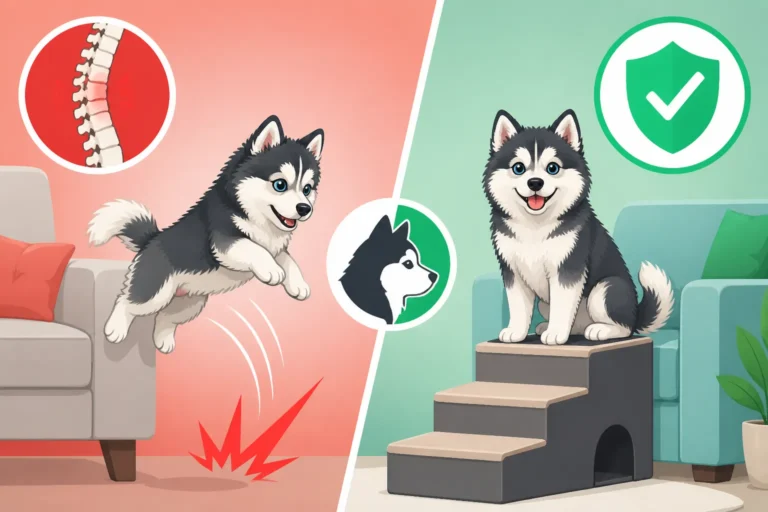
Consider their access to favorite spots. If they used to jump onto the couch or your bed, those leaps can now be agonizing. Installing ramps or pet stairs allows them to reach elevated surfaces without straining their joints. This is particularly important for avoiding injuries and maintaining their independence. Remember the internal link for Whether a Pomsky Should Use Steps to the Couch. If you have hardwood, tile, or laminate floors, these can be treacherous for an arthritic dog, leading to slips and falls that exacerbate pain or cause new injuries. Lay down non-slip rugs or runners in high-traffic areas. Raised food and water bowls can also make a significant difference, preventing them from having to bend down uncomfortably to eat and drink. If you have a pet door, ensure it's easy for them to navigate without painful maneuvers.
Tailoring Exercise and Daily Routines
While your Pomsky might not be able to bound through a long hike like they used to, exercise is still incredibly important. The key is moderation and consistency. Instead of one long, strenuous walk, aim for shorter, more frequent strolls throughout the day. This keeps their joints mobile, muscles strong, and prevents stiffness without overdoing it. Think about Exercise for an Old Pomsky – it's about quality, not quantity.
Before any activity, even a short walk, a gentle warm-up can be beneficial. This could be a slow walk around the yard or gentle massage of their limbs. Similarly, a cool-down period after activity helps prevent stiffness. Avoid high-impact activities like vigorous jumping, running on hard surfaces, or prolonged, intense play sessions. Focus on gentle range-of-motion exercises, perhaps guided by a physical therapist or your vet, to keep their joints flexible. Consistency is key here; a little bit of movement every day is far better than sporadic bursts of activity that lead to soreness.
Emotional Support and Quality of Life
Living with chronic pain isn't just physically taxing; it's emotionally draining. Your Pomsky needs your understanding and patience more than ever. Maintain mental stimulation with puzzle toys, scent games, or gentle training sessions that don't put strain on their body. This keeps their mind sharp and engaged.
Spend plenty of quiet cuddle time, offering gentle massages and reassuring words. Understand their limits and respect them; don't force them into activities they're clearly uncomfortable with. It's about maintaining their dignity and focusing on their comfort. As your Pomsky reaches their senior years, which can often stretch past The Average Age a Pomsky Reaches into a dignified old age, the focus shifts to ensuring their quality of life remains high. This means cherishing every moment and knowing when it's time to make difficult decisions, something we discuss in Knowing When an Old Pomsky Has Had Enough.
Proactive Steps for Long-Term Arthritic Care
Managing arthritis in a ten-year-old Pomsky is a marathon, not a sprint. It requires ongoing dedication, vigilance, and a strong partnership with your veterinary team.
Regular Veterinary Monitoring
Once your Pomsky has an arthritis diagnosis, regular veterinary check-ups become even more crucial. These visits allow your vet to assess the progression of the disease, make necessary adjustments to medication dosages, and explore new treatment options. They'll monitor your Pomsky's pain levels, mobility, and overall comfort. If your Pomsky is on long-term NSAIDs, routine blood work to monitor kidney and liver function is paramount to catch any potential side effects early. These check-ups are also an opportunity to discuss emerging therapies or innovative ways to support their joint health, ensuring you're always providing the best care possible.
The Role of Nutrition and Supplements
Nutrition plays a significant role in managing arthritis. Your vet might recommend a specialized diet formulated for senior dogs or those with joint issues. These diets often contain higher levels of omega-3 fatty acids, glucosamine, and chondroitin. Ensuring your Pomsky stays well-hydrated is also important for overall health and joint lubrication. While we discussed supplements earlier, it's worth revisiting their importance. Not all supplements are created equal, and your vet can guide you toward reputable brands and appropriate dosages for your Pomsky's specific needs. A balanced diet, rich in high-quality protein and essential nutrients, underpins all other therapies for an old Pomsky.
Financial Planning for Senior Pet Care
Let's be realistic: managing chronic conditions like arthritis can add up. The costs of ongoing medications, prescription foods, supplements, regular vet visits, and potentially physical therapy or specialized equipment like ramps and orthopedic beds, can become substantial over time. It’s a fact of life for many pet owners, and it’s okay to acknowledge the financial strain.
This is where planning ahead can really make a difference. Some pet owners find that setting aside a dedicated savings fund for senior pet care helps alleviate the pressure. Others look into pet insurance. While most pet insurance policies won't cover pre-existing conditions like arthritis if it's already diagnosed, some, like Healthy Paws, offer comprehensive plans that might cover future conditions or related issues. It's always worth exploring your options and understanding the terms, particularly given the unique health considerations discussed in articles like Insuring a Pomsky Against Two Parent Breeds. Having a financial strategy in place can give you peace of mind and allow you to focus on what truly matters: providing your beloved Pomsky with the most comfortable and happy golden years possible.
Comparing Common Joint Supplements for Pomskies with Arthritis
Here's a quick look at some of the most common joint supplements and what they offer:
| Supplement Component | Primary Benefit | How It Helps Your Pomsky | Common Examples / Brands |
|---|---|---|---|
| Glucosamine | Cartilage repair & maintenance | Helps build and repair cartilage, reduces breakdown. | Cosequin, Dasuquin, VetriScience |
| Chondroitin | Cartilage elasticity & fluid retention | Enhances cartilage elasticity, improves joint fluid. | Cosequin, Dasuquin, Nutramax |
| MSM (Methylsulfonylmethane) | Anti-inflammatory, pain relief | Natural pain reliever, reduces inflammation. | VetriFlex, Zesty Paws |
| Omega-3 Fatty Acids (EPA & DHA) | Potent anti-inflammatory | Reduces systemic inflammation, supports joint health. | Fish oil supplements (e.g., Nordic Naturals), specific joint diets |
| Hyaluronic Acid (HA) | Joint lubrication | Improves joint fluid viscosity, acts as a shock absorber. | Legend, specific oral supplements |
| Green Lipped Mussel | Natural anti-inflammatory, joint support | Contains omega-3s, glucosamine, chondroitin, vitamins. | K9 Power Joint Strong, Super Snouts |
Disclaimer
The information provided in this guide is for general informational purposes only and is not intended as a substitute for professional veterinary advice. Always consult with a qualified veterinarian for any health concerns or before making any decisions about your Pomsky's medical care or treatment plan.