Beds That Suit an Arthritic Pomsky
Watching your beloved Pomsky slow down, struggling with stiffness or reluctance to settle into a comfortable spot, is one of the hardest parts of having an aging companion. That little skip in their step might be replaced by a hesitant gait, and getting up from a nap can look like a genuine effort. This guide is all about finding the perfect haven for your arthritic Pomsky, a bed that truly cradles their aching joints and gives them the restful sleep they deserve.
The Unspoken Struggle: Why a Regular Bed Just Won't Do for an Arthritic Pomsky
It’s easy to assume any soft dog bed will do the trick, especially when your Pomsky has always been happy curled up on the rug or a fluffy cushion. But when arthritis sets in, those seemingly innocent surfaces become sources of discomfort, even pain. Your Pomsky isn't just seeking softness anymore; they're looking for genuine support and pressure relief that traditional beds simply can't offer. The reality is, an arthritic dog feels every bump and hard surface more acutely than ever before.
Imagine lying on a thinly padded mattress when your back is out – that's often what a standard dog bed feels like to a Pomsky grappling with joint inflammation. Their smaller size means pressure points are more concentrated, and without proper cushioning, these areas can become incredibly sore. This isn't just about fleeting discomfort; it can impact their overall well-being, their mood, and even how much they want to move during the day.
The frustrating part for many Pomsky owners is that their dog often tries to hide their pain. They might not yelp or whimper, but you'll notice subtle changes in their behavior. It’s heart-wrenching to see them pace, circle endlessly before lying down, or shift positions frequently throughout the night. These are all clear signals that their current sleeping arrangement isn't meeting their needs, and a thoughtful upgrade is overdue.
The Science Behind Joint Pain and Sleep Quality
Arthritis, or osteoarthritis, is a progressive disease where the cartilage cushioning the joints wears down, leading to bone-on-bone friction, inflammation, and pain. For a Pomsky, whose joints are already susceptible to conditions like Slipping Kneecaps in a Pomsky or Hip Dysplasia in a Twenty Pound Pomsky, this can be particularly debilitating. When they lie down, gravity presses their body weight onto their joints – elbows, hips, shoulders, and spine.
On a firm, unsupportive surface, these pressure points receive no relief. Instead, they bear the brunt of the dog's weight, exacerbating inflammation and reducing blood flow to the affected areas. This sustained pressure can lead to stiffness, discomfort, and even nerve pain, making it difficult for your Pomsky to achieve deep, restorative sleep. Just like humans, dogs need adequate rest for tissue repair and overall health. Poor sleep compounds pain, creating a vicious cycle that leaves your Pomsky feeling stiff and sore, particularly after a long period of inactivity.
A good orthopedic bed works by distributing their body weight evenly, reducing direct pressure on inflamed joints. It acts like a supportive cloud, cradling their body contours and promoting better circulation. This isn't just about comfort; it's about providing a therapeutic environment that aids in their recovery and reduces morning stiffness, helping them get up and move more easily to start their day.
Telltale Signs Your Pomsky's Current Bed Isn't Cutting It
Sometimes, it’s hard to tell if your Pomsky is truly uncomfortable or just being picky. But with an arthritic dog, specific behaviors can serve as glaring red flags that their bed isn't cutting it anymore. If you've noticed any of these, it's a strong indicator that an orthopedic upgrade should be on your shopping list.
One of the most common signs is an increased reluctance to lie down, especially after exercise or a long walk. They might stand for a long time, pacing in circles, as if trying to "sculpt" the perfect spot before finally collapsing with a groan. You might also notice them trying to create a nest out of blankets or pillows, piling them up in an attempt to find a softer, more supportive surface than what their existing bed provides. This isn't just cute nesting; it's an instinctive attempt to relieve pressure.
Another clear sign is stiffness or limping after waking up. If your Pomsky takes a while to "warm up" after a nap, struggles to stand, or seems particularly sore first thing in the morning, their bed is likely contributing to the problem. They might lick at their joints more frequently, or even whine softly when shifting positions. Observe where they choose to sleep – are they opting for the cold, hard floor instead of their bed? Sometimes, the coolness of the floor temporarily reduces inflammation, but it offers no real support for their joints long-term.
Essential Features to Look for in an Orthopedic Dog Bed
Choosing an orthopedic bed isn't just about finding the most expensive option or the one that looks prettiest. It's about understanding the specific materials and design elements that genuinely provide therapeutic benefits for your Pomsky's aching joints. Think of it as investing in their quality of life, ensuring every nap and night's sleep contributes to their comfort, not detracts from it.
The market is flooded with options, and it can be overwhelming to sift through them all. You'll see terms like "orthopedic," "supportive," and "therapeutic" thrown around, but it's crucial to look beyond the labels and dig into the actual construction and materials. A truly effective orthopedic bed will have features specifically designed to counteract the negative effects of arthritis, offering a haven of relief for your furry friend.
Remember that what works for one dog might not be perfect for another. Consider your Pomsky's size, weight, usual sleeping positions, and specific areas of discomfort. A smaller Pomsky might not need the extreme density a giant breed requires, but they still need robust support that won't flatten out over time.
Memory Foam: The Gold Standard for Joint Support
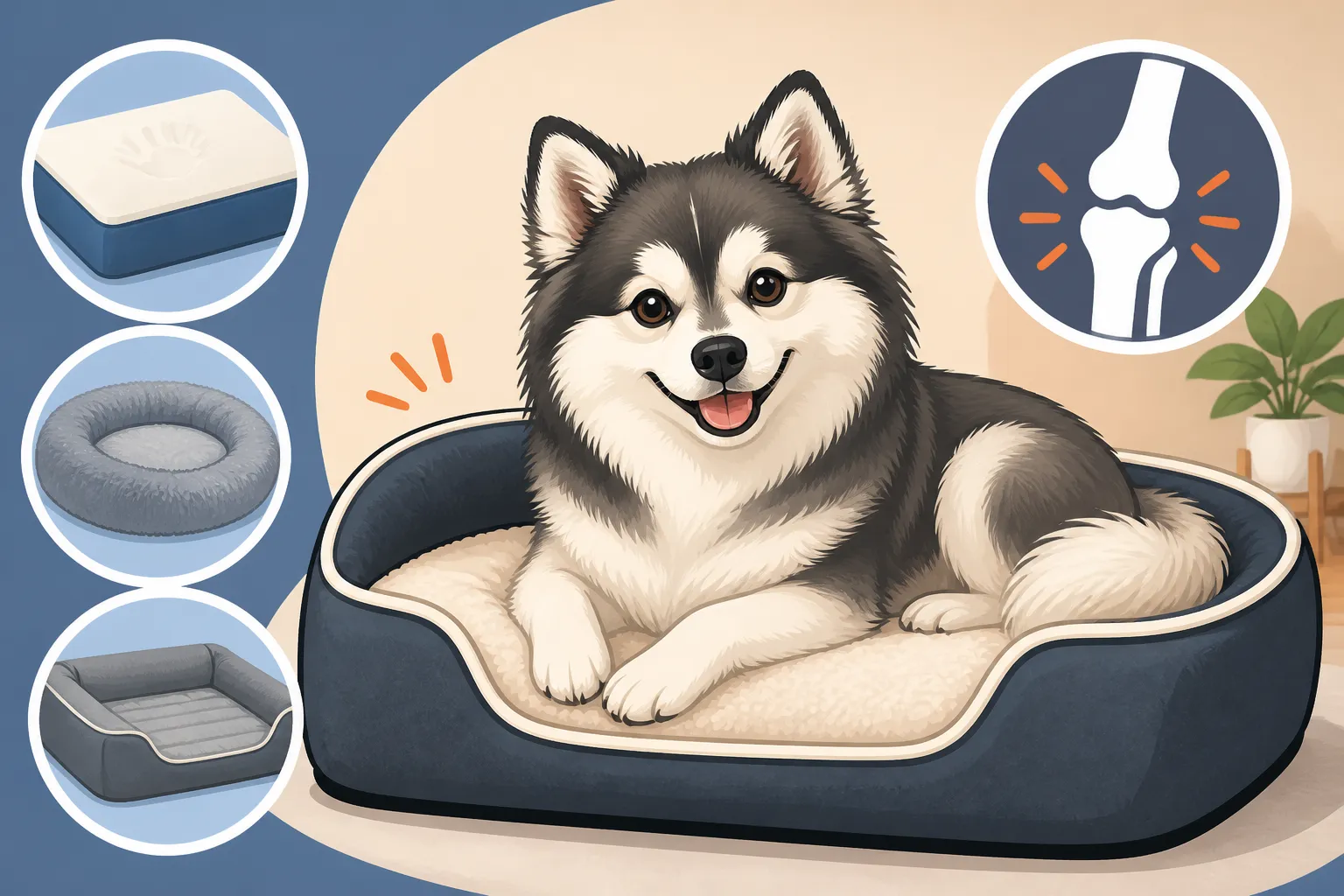
When it comes to orthopedic dog beds, memory foam is truly the gold standard, and for good reason. It's not just a buzzword; it's a material engineered to conform to your Pomsky's body, distributing weight evenly and relieving pressure points. This is drastically different from standard foam or fiberfill, which compresses under weight and quickly loses its supportive properties, often creating painful indentations that offer no relief.
High-quality memory foam cradles your Pomsky, allowing their hips, shoulders, and spine to sink in just enough to be supported without bottoming out. This even distribution helps to reduce strain on inflamed joints, improves circulation, and encourages a deeper, more restorative sleep. When evaluating memory foam beds, look for descriptions of density. Denser foam provides better support and lasts longer without flattening. Some beds feature multiple layers: a firmer base layer for foundational support, topped with a softer memory foam layer for plush comfort.
Brands like those found on Chewy or Amazon often specify the type and density of memory foam used. Don't be shy about checking reviews, especially those from other owners with senior dogs or those with known joint issues. A good memory foam bed will rebound to its original shape quickly once your Pomsky gets up, ensuring consistent support night after night. Investing in a quality memory foam bed can truly transform your arthritic Pomsky's comfort.
Bolsters and Edges: More Than Just a Headrest
While the core cushioning is vital, the design of the bed's edges, often called bolsters, plays a surprisingly significant role in an arthritic Pomsky's comfort. These raised sides offer more than just a place to rest their head; they provide crucial structural support and a sense of security, especially for older dogs who might feel more vulnerable.
Many dogs, including Pomskies, love to curl up against something. For an arthritic dog, a bolster can act as a natural pillow, supporting their head and neck in an elevated position that can alleviate strain on their spine and airways. This is particularly beneficial for dogs who tend to sleep in a curled position or like to lean against something. The bolster gives them a stable surface to brace against when getting up, providing a bit of leverage that can make the transition from lying to standing less painful.
Additionally, bolsters create a feeling of being denned, which can be immensely comforting for dogs. This sense of enclosure helps them feel safe and secure, potentially reducing anxiety and promoting deeper sleep. Look for beds with bolsters that are firm enough to offer support but still soft enough to be comfortable. Some beds have bolsters on all four sides, while others might have them on three sides with one open end, catering to different sleeping preferences. Consider your Pomsky's preferred sleeping position – do they like to curl into a tight ball, or do they stretch out? This will help you decide on the ideal bolster configuration.
Waterproof Liners and Easy-Clean Covers: Practicalities for Senior Dogs
Let's be realistic: as dogs age, accidents can happen. Whether it's a little incontinence, a bit of drool, or a messy paw from an outdoor adventure, an arthritic Pomsky's bed needs to be practical to maintain. This is where waterproof liners and easily removable, washable covers become non-negotiable features. Without them, a quality orthopedic bed can quickly become unsanitary and uncomfortable, negating all its therapeutic benefits.
A waterproof liner, typically made from a durable, liquid-resistant material, acts as a crucial barrier between the memory foam core and any spills or accidents. This protects the expensive interior from odors, bacteria, and permanent stains, extending the life of the bed significantly. Without a liner, even a small accident can seep into the foam, making it impossible to truly clean and eventually leading to unpleasant smells and potential mildew.
The outer cover should be easily removable, ideally with a durable zipper, and machine washable. This allows for regular cleaning, keeping the bed fresh and hygienic. Look for fabrics that are soft and comfortable against your Pomsky's skin but also tough enough to withstand frequent washing. Some premium brands, often available through retailers like Amazon or Chewy, offer covers made from orthopedic-grade fabrics that are both durable and easy to care for, standing up to the demands of daily use by a senior dog. Prioritizing these practical features will save you a lot of headache and ensure your Pomsky always has a clean, comfortable place to rest.
Exploring Different Orthopedic Bed Styles for Your Pomsky
Once you understand the core features, it's time to consider the different styles of orthopedic beds available. What works best often comes down to your Pomsky's specific needs, their size, your living environment, and even their personality. A tiny Pomsky with severe arthritis might benefit from a very different bed than a slightly larger, less severely affected one. Let’s break down the common types and what each offers.
Think about how your Pomsky moves around the house, especially when they are tired or stiff. Do they struggle to get onto higher surfaces? Do they seek out warmth, or are they always looking for a cool spot? These observations will guide you towards the most suitable bed style. The goal is to maximize their comfort and minimize any effort or pain associated with getting in and out of their bed.
Remember that this is a long-term investment in their well-being. Don't be afraid to try different styles if the first one isn't a perfect fit. Sometimes, a combination of features from different beds might be exactly what your Pomsky needs to get truly comfortable.
Raised Beds vs. Floor Beds: Weighing the Accessibility and Airflow
When choosing a bed for an arthritic Pomsky, the height of the bed off the floor can be a critical factor, bringing both benefits and potential drawbacks.
Floor Beds (Traditional Orthopedic Memory Foam Beds):
These are the most common type of orthopedic beds, typically resting directly on the floor. Their primary advantage is accessibility; your Pomsky can simply walk onto or off the bed without having to step up or jump. For a dog with severely painful joints, this can be a huge relief, eliminating any unnecessary strain. High-quality floor beds still offer excellent insulation from cold floors and robust memory foam support. They also tend to have more generous surface area for sprawling. However, they can be warmer as they don't allow for much air circulation underneath, which might be a consideration if your Pomsky tends to overheat, especially given their double coat. Keeping an Old Pomsky Cool in Summer can be a challenge, and a floor bed might hold heat more.
Raised Beds (Elevated Cots):
Often resembling a trampoline, these beds feature a fabric sleeping surface stretched over a frame, lifting your Pomsky several inches off the ground. The main benefit is superior airflow underneath, which can be wonderful for temperature regulation, keeping your Pomsky cooler in warmer climates or during summer months. The elevation can also reduce pressure on joints by distributing weight more evenly across the taut fabric surface, although the support mechanism is different from memory foam. The primary drawback for an arthritic Pomsky is accessibility. Even a slight step up might be difficult or painful for some dogs. You might need to consider a small ramp or stairs, which adds another layer of complexity.
Here's a quick comparison:
| Feature | Floor Bed (Orthopedic Memory Foam) | Raised Bed (Elevated Cot) |
|---|---|---|
| Accessibility | Easiest, no stepping required | Requires stepping up, potentially difficult for severe arthritis |
| Support Type | Conforming memory foam, pressure point relief | Even weight distribution via taut fabric |
| Temperature | Can retain heat, insulates from cold floor | Excellent airflow, cooling, less insulation |
| Security | Often bolstered, feels like a "den" | Open design, less "den-like" feel |
| Durability | High-quality foam lasts years, covers replaceable | Frame and fabric need to be sturdy, fabric can sag |
| Cleaning | Removable, washable covers; waterproof liner key | Fabric surface can be wiped, sometimes machine washable |
Ultimately, consider your Pomsky's mobility. If they struggle with any elevation, a high-quality orthopedic floor bed is probably the safest and most comfortable choice. If they can manage a slight step and tend to get warm, a raised bed might offer good airflow benefits.
Heated and Cooling Beds: Adding an Extra Layer of Comfort
Sometimes, a basic orthopedic bed, no matter how good, just isn't quite enough. For an arthritic Pomsky, adding temperature control can provide an extra layer of therapeutic comfort that makes a world of difference, especially as they get older.
Heated Beds:
The warmth from a heated dog bed can be incredibly soothing for stiff, achy joints. Heat helps to increase blood flow, relax muscles, and reduce pain perception. Many senior Pomskies with arthritis benefit immensely from a gentle, consistent warmth, particularly during colder months or in drafty homes. Look for heated beds with safety features like automatic shut-offs, chew-resistant cords, and low voltage operation. Some options are plug-in, while others might use self-warming materials that reflect your dog's body heat. A self-warming mat can even be placed on top of an existing orthopedic bed for an added boost of warmth without needing electricity. Brands available on Chewy or Amazon often offer a range of heated mat options.
Cooling Beds:
While heat is great for stiffness, some arthritic dogs experience inflammation that can feel hot or prefer a cooler surface. A cooling bed works differently, often using gel or water-filled inserts, or specialized fabrics designed to dissipate heat. These can be particularly beneficial after a gentle walk or during warm weather when your Pomsky might be experiencing increased inflammation and discomfort. They help reduce swelling and provide a refreshing sensation. However, ensure the cooling element is durable and puncture-resistant, especially if your Pomsky has a habit of "digging" or kneading their bed before settling.
The choice between heated and cooling, or even a combination, depends entirely on your individual Pomsky. Does an old Pomsky feel the cold more? Do they seek out sunbeams or cold tile? Observing their natural preferences will guide you to the right choice. Some owners even have both, offering a heated bed in one spot and a cooling mat in another, allowing their Pomsky to choose based on how they feel that day.
Considering Your Pomsky's Sleep Style: Curler vs. Sprawler
Believe it or not, your Pomsky's preferred sleeping position should heavily influence the type of orthopedic bed you choose. Dogs, just like humans, have sleep styles, and a bed that accommodates these tendencies will be far more comfortable and effective.
The "Curler" Pomsky:
Many Pomskies love to curl up in a tight little ball, often with their nose tucked under their tail. This position often indicates a need for security and warmth. For these dogs, a bed with strong, supportive bolsters on all sides is ideal. The bolsters provide a cozy, den-like enclosure that makes them feel safe, while also offering a place to rest their head or brace their back. Round or oval beds are often perfect for curl-ups, as they conform to the natural shape of their body in this position. The raised edges also prevent them from rolling off the bed if they become restless or stiff during sleep.
The "Sprawler" Pomsky:
Other Pomskies are natural sprawlers, stretching out completely on their side, back, or belly, often with their limbs extended. For these dogs, ample surface area is paramount. A large, rectangular orthopedic mattress without restrictive bolsters might be the best choice. While some sprawl-sleepers still appreciate a low bolster to lean against, a fully enclosed bed might feel too confining. The key is to ensure their entire body, from nose to tail, is fully supported by the memory foam, without any part hanging off the edge. Make sure the bed is big enough that even when fully stretched, they aren't forced into a cramped position.
If your Pomsky changes positions frequently, or seems to do both, a larger rectangular bed with bolsters on three sides might be a good compromise, offering both space to stretch and a supportive edge to lean on. Observing The Signs a Pomsky Is Getting Old might also include changes in their sleeping habits, so pay close attention to how they settle in these days.
Cultivating the Ultimate Sleep Environment for Your Arthritic Pomsky
Getting the right bed is a huge step, but it's not the only piece of the puzzle. Creating an entire sleep environment that caters to your arthritic Pomsky's needs involves considering placement, routine, and ongoing maintenance. Think of it as designing a personal sanctuary where they can truly relax and recuperate without added stress or discomfort.
Every detail, from where the bed sits to how often it’s cleaned, contributes to their overall well-being. This comprehensive approach ensures that the investment you make in a quality orthopedic bed is fully realized, providing maximum benefit for your beloved companion. It’s about anticipating their needs and making their golden years as comfortable and stress-free as possible.
Remember, your Pomsky relies on you to recognize their changing needs. By proactively adjusting their environment, you can significantly improve their daily comfort and happiness.
Thoughtful Placement and Enhanced Accessibility
Where you place your Pomsky's new orthopedic bed is almost as important as the bed itself. For an arthritic dog, ease of access and minimizing barriers are key.
Firstly, consider temperature. Avoid placing the bed in drafty hallways or directly under a cold window in winter, as cold can exacerbate joint stiffness. Similarly, in summer, avoid direct sunlight or overly warm spots where they might overheat. If your home has hard floors, consider an anti-slip mat underneath the bed to prevent it from sliding when your Pomsky tries to get on or off, which could lead to a painful stumble.
Secondly, think about accessibility to their favorite resting spots. If your Pomsky loves to be near you in the living room during the day, but sleeps in the bedroom at night, they might need two dedicated orthopedic beds. It's often easier and less painful for them to have multiple comfortable spots rather than navigate stairs or long distances to a single bed. If they enjoy spending time on the couch or your bed but struggle to jump up, consider adding a pet ramp or sturdy steps. This small addition can prevent further injury and allow them to continue enjoying those cherished elevated spots without pain. A platform like the kind you can find on Amazon can make getting onto a taller bed much easier.
Lastly, consider their privacy and security. While many Pomskies love being in the thick of family life, an older, arthritic dog might appreciate a quieter, less trafficked spot for deep sleep, where they won't be easily startled or disturbed. A cozy corner where they can observe but aren't constantly in the way of foot traffic can be ideal for truly restorative rest. This is especially important for an older Pomsky who might be experiencing sensory changes, such as Whether an Old Pomsky Goes Deaf, making them more vulnerable to being startled.
Routine and Consistency: Promoting Peaceful Sleep
Dogs thrive on routine, and for an arthritic Pomsky, a consistent sleep schedule and predictable environment are even more crucial. Their bodies are working harder, and minimizing stress and maximizing restful periods can have a significant impact on their overall comfort and well-being.
Establishing a consistent bedtime and wake-up routine helps regulate their internal clock. This means trying to take them out for their last potty break around the same time each evening, and then guiding them to their bed. Before bed, a short, gentle massage can help relax stiff muscles and prepare them for sleep. Avoid vigorous play or stimulating activities close to bedtime, as this can make it harder for them to settle down.
The environment around their bed should also be consistent. Dimming the lights, reducing noise levels, and ensuring a comfortable ambient temperature signal that it's time to rest. If you typically leave a nightlight on or have soft background noise, keep it consistent. This predictability reassures your Pomsky and makes it easier for them to transition into sleep. The Birthday a Pomsky Counts as Senior is a good milestone to really start thinking about these comfort adjustments.
Remember that an arthritic dog might need more sleep and more frequent naps throughout the day. Don't push them to stay awake if they're showing signs of fatigue. Provide easy access to their orthopedic bed at all times, allowing them to rest whenever their body tells them to. A consistent, calm routine supports not only their physical health but also their mental and emotional well-being, which is vital when managing chronic pain.
Regular Maintenance and When to Replace Your Pomsky's Bed
Even the best orthopedic bed won't last forever, and regular maintenance is crucial to ensure it continues to provide the support and hygiene your arthritic Pomsky needs. Neglecting the bed can quickly diminish its therapeutic benefits and even become a source of discomfort.
Firstly, adhere to a regular cleaning schedule. As mentioned earlier, choose a bed with a removable, machine-washable cover and a waterproof liner. Wash the cover frequently, perhaps weekly or bi-weekly, to remove hair, dander, dust, and any allergens. The waterproof liner can be wiped down with a pet-safe cleaner as needed. This not only keeps the bed fresh but also prevents the build-up of odors and bacteria, which is especially important for older dogs. Always follow the manufacturer's washing instructions to prolong the life of the cover.
Secondly, regularly inspect the memory foam core. Over time, even high-density memory foam can start to show signs of wear, especially in high-pressure areas like where your Pomsky's hips or shoulders rest. Look for permanent indentations or areas where the foam has lost its springiness and no longer rebounds fully. If you can feel the floor through the bed when your Pomsky is lying on it, or if they start avoiding their bed again, it's a strong indicator that the foam has broken down.
A good quality orthopedic bed should last for several years, but factors like your Pomsky's weight, how often they use the bed, and how well it's maintained can influence its lifespan. When the bed no longer provides adequate support and comfort, it's time to replace it. Think of it as replacing your own mattress when it's no longer supportive. While it's an investment, providing consistent, high-quality support is paramount for Knowing When an Old Pomsky Has Had Enough and ensuring their comfort during their senior years. Don't compromise on their comfort just to squeeze a little more life out of a worn-out bed.
Disclaimer
This article is for general informational purposes only and does not constitute professional advice. Laws, prices and regulations vary by location and change over time. Consult a qualified professional for guidance on your specific situation.