The Signs a Pomsky Is Getting Old
It's a bittersweet journey watching our beloved Pomskies grow from mischievous puppies into distinguished seniors. One day they're bouncing off the walls, and the next you notice a subtle slowing down, a touch of grey around the muzzle. It can be heartbreaking, even a little scary, wondering what these changes mean and how best to support them. This guide is here to walk you through the common signs that your Pomsky is entering their golden years, helping you understand what to look for and how to ensure their comfort and happiness every step of the way.
Recognizing the Physical Shifts of an Aging Pomsky
Just like us, our Pomskies show their age through their physical bodies. These changes can be gradual, sometimes so subtle you might not notice them at first glance, but they accumulate over time and are important markers of their aging process.
Changes in Coat and Skin Health
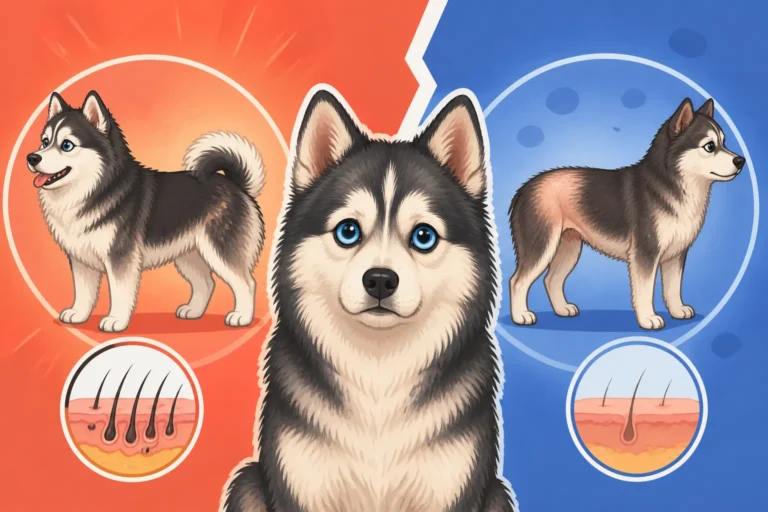
One of the first things many Pomsky owners observe as their furry friend ages is a shift in their beautiful double coat. That vibrant, thick fur that used to shed in glorious clouds now might seem a bit different. You might start noticing patches of grey, particularly around their muzzle, eyebrows, and sometimes even their paws. This isn't just a cosmetic change; the texture of their fur can become coarser or, conversely, much softer and thinner. The once dense undercoat might not be quite as robust.
Beyond the color and texture, the overall health of their skin can also change. Older Pomskies can develop drier skin, which might lead to more flaking or a duller appearance to their coat. Their skin might lose some of its elasticity, making them more prone to skin tags or benign fatty lumps (lipomas). While most of these lumps are harmless, it's always wise to have any new growths checked by your vet, just to be safe. Grooming routines might need adjusting too; less vigorous brushing might be preferred if their skin becomes more sensitive, but consistent, gentle brushing is still crucial to prevent matting and stimulate blood flow. It's a natural part of the process, but seeing What Changes in an Old Pomsky's Coat can still make you feel a little wistful for their puppy days.
Mobility and Joint Concerns
The boundless energy of a young Pomsky is legendary, but as they age, you'll inevitably notice a slowdown. The most common physical complaint in aging dogs is joint pain and reduced mobility. You might see them hesitate before jumping onto the couch, or take a moment longer to get up after a nap. Climbing stairs might become a slow, deliberate act, or they might start avoiding them altogether.
This stiffness often points to conditions like arthritis, a degenerative joint disease that causes pain and inflammation. While Pomskies are generally sturdy, they can inherit predispositions from their parent breeds. For example, Slipping Kneecaps in a Pomsky (patellar luxation) is a concern from the Pomeranian side, and conditions like Hip Dysplasia in a Twenty Pound Pomsky can surface from the Husky lineage. You might observe a slight limp, especially after a long walk or first thing in the morning. They might not want to play as long, or their once enthusiastic zoomies might become short, gentle trots. Creating a more accessible home environment with ramps or steps can make a huge difference in their comfort. If you suspect your Pomsky is experiencing pain, a vet visit is essential to discuss pain management options, which can include medication, supplements, and physical therapy. Many pet owners find that an insurance plan, like those offered by Healthy Paws, can significantly ease the financial burden of managing chronic conditions like arthritis as their dogs age.
Dental and Oral Health Deterioration
Dental health is often overlooked in younger dogs but becomes increasingly critical as Pomskies get older. Over the years, plaque and tartar can build up, leading to periodontal disease, which is inflammation and infection of the gums and supporting structures of the teeth. This can manifest as extremely bad breath, redness or bleeding of the gums, loose teeth, or even abscesses.
You might notice your aging Pomsky having trouble eating, perhaps dropping food more often, favoring one side of their mouth, or showing less interest in harder kibble or chews. Untreated dental disease is not just painful; the bacteria from infected gums can travel through the bloodstream and affect vital organs like the heart, kidneys, and liver, exacerbating other age-related health issues. Regular dental check-ups and cleanings, even for older dogs, are incredibly important. Discuss with your vet the best approach for your senior Pomsky, as anesthesia risks need to be carefully considered. Addressing Dental Disease in a Pomsky's Crowded Mouth proactively throughout their life can pay huge dividends in their comfort and overall health as they age.
Behavioral and Cognitive Changes in Senior Pomskies
Aging isn't just about the physical; it profoundly impacts a Pomsky's mind and emotional state. These behavioral and cognitive shifts can sometimes be the most challenging for owners to navigate.
Shifts in Energy Levels and Sleep Patterns
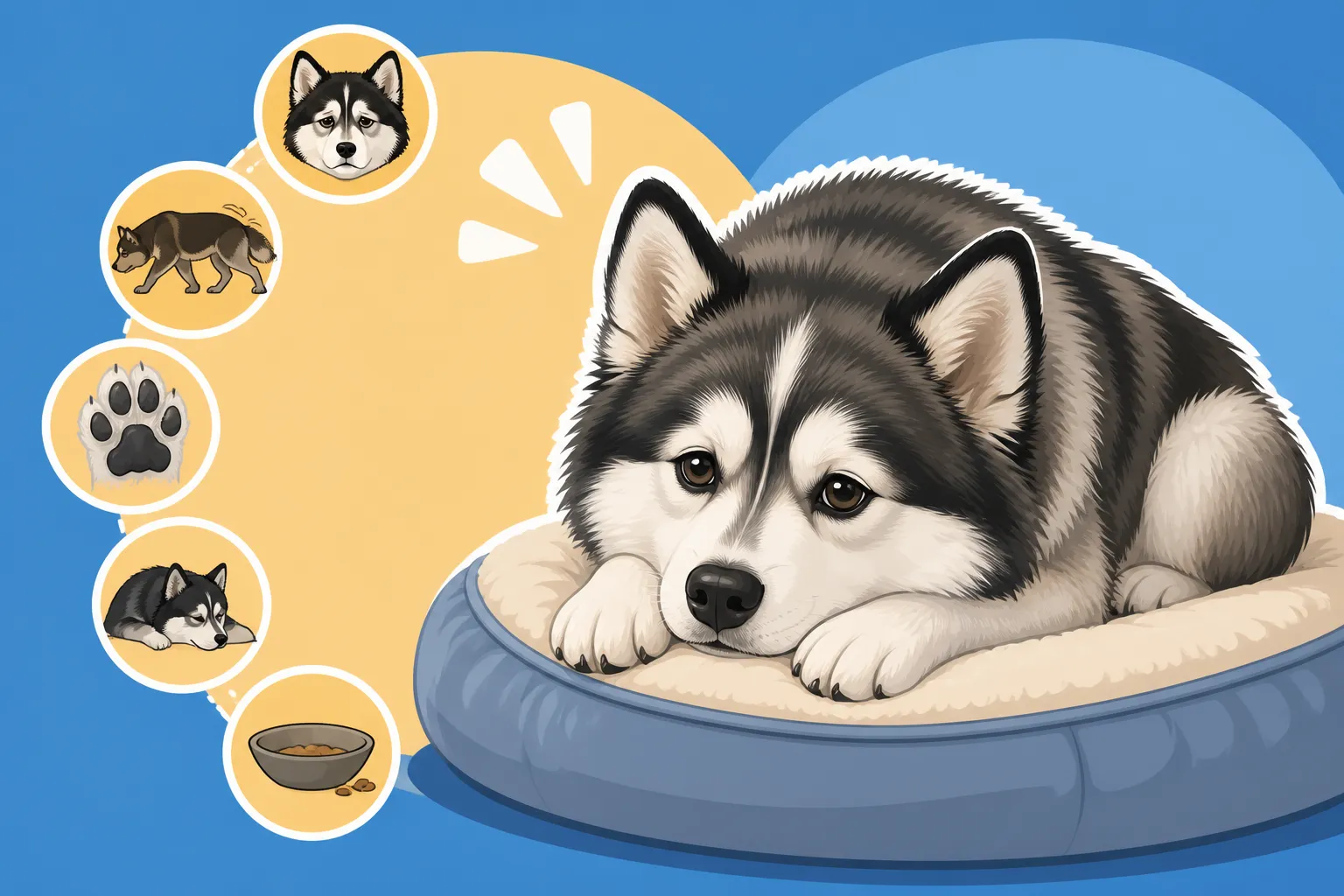
The energetic whirlwind that once was your Pomsky will likely begin to wind down. They'll spend more time sleeping, often seeking out quiet, comfortable spots for longer naps throughout the day. Their bursts of playful energy might become shorter, and they might be less enthusiastic about long walks or intense games of fetch. This reduced energy is normal and simply means their bodies need more rest.
However, sometimes sleep patterns can become disrupted. You might find your senior Pomsky becoming restless at night, pacing, whining, or seeming unable to settle down. They might wake up more frequently or seem disoriented in the dark. This can be frustrating, especially if it disrupts your own sleep, but it's important to remember it's not willful disobedience. It could be due to discomfort, increased need to urinate, or even early signs of cognitive decline. Establishing a consistent, calming bedtime routine and ensuring they have ample opportunities for potty breaks before bed can sometimes help.
Cognitive Dysfunction Doggy Dementia
Perhaps one of the most heartbreaking aspects of an aging Pomsky is the onset of Cognitive Dysfunction Syndrome (CDS), often referred to as "doggy dementia." This condition affects their memory, learning, and awareness. It’s not just "getting old"; it's a measurable decline in cognitive function.
Signs of CDS can include disorientation (getting lost in familiar rooms, staring blankly at walls, or having trouble navigating around furniture), changes in social interactions (becoming withdrawn or more irritable), and alterations in their sleep-wake cycle. They might forget once-learned commands, struggle with house-training, or seem less responsive to their name. You might even find them pacing aimlessly or getting stuck behind furniture. While there's no cure, early recognition and veterinary intervention can help manage symptoms and improve their quality of life. There are dietary changes, supplements, and even medications that can help support brain health in senior dogs. When looking into these treatments, having robust pet insurance like Healthy Paws can be a real game-changer, allowing you to explore all available options without financial strain.
Changes in Social Interaction and Temperament
Just as their bodies and minds change, an aging Pomsky's personality and social behaviors can also shift. Some senior Pomskies become more withdrawn, preferring quiet solitude to the bustling activity of a household. They might become less tolerant of boisterous children or other pets, simply seeking peace. A gentle growl or a quick snap might be their way of saying "leave me alone," when they once would have tolerated much more.
Conversely, some Pomskies can become more clingy, seeking constant reassurance and physical contact. This might stem from anxiety, sensory decline making them feel less secure, or even just a deeper bond with their human companions. They might follow you from room to room or become anxious when you leave. It's crucial to respect these changes in temperament. Provide them with a safe, quiet space they can retreat to, and be patient and understanding if they seem less like their old selves. It's tough, but sometimes understanding Knowing When an Old Pomsky Has Had Enough is about recognizing these subtle shifts in their emotional well-being and adapting to them with kindness and empathy.
Health and Sensory Declines to Watch For
Beyond the more obvious physical and behavioral changes, aging also brings a heightened risk of various health conditions and sensory impairments. Regular veterinary check-ups become even more crucial as your Pomsky gets older.
Vision and Hearing Loss
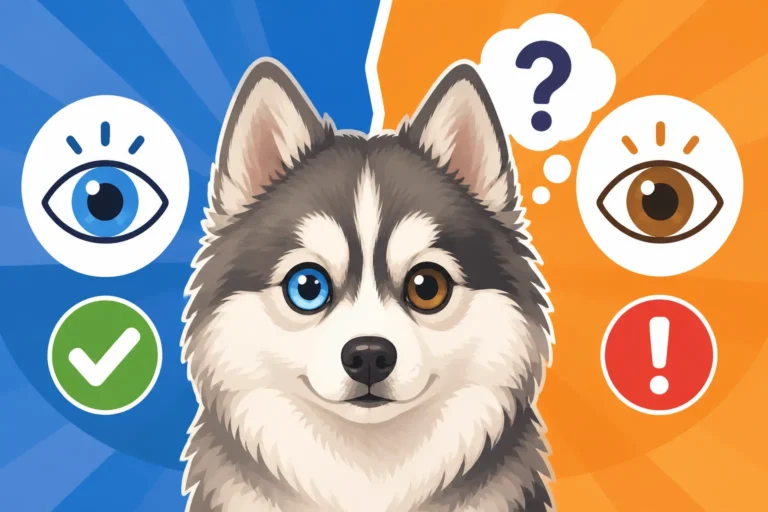
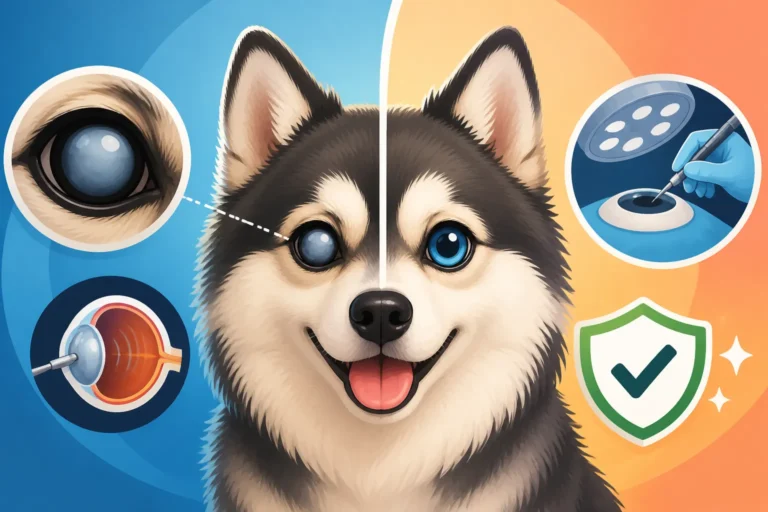
It’s not uncommon for senior Pomskies to experience a decline in their senses, particularly vision and hearing. A common visual change is lenticular sclerosis, where the lenses of their eyes appear cloudy or bluish, but their vision is often only mildly affected. However, true cataracts can also develop, leading to more significant vision impairment or even blindness. This is especially relevant given the Husky heritage, which can sometimes be prone to certain eye conditions. For example, The Juvenile Cataracts a Pomsky Gets From the Husky is a condition typically seen earlier in life, but other forms of cataracts can develop with age.
You might notice your Pomsky bumping into furniture, hesitating to go down stairs, or becoming more wary in unfamiliar environments. Similarly, hearing loss can be a slow, creeping process. They might stop responding to their name, ignore the doorbell, or startle easily if approached from behind. You might wonder Whether an Old Pomsky Goes Deaf. Adapting your communication (using hand signals, stomping your foot to create vibrations) and ensuring their environment is safe and consistent can help them navigate these changes with confidence. Don't move furniture around, and always approach them gently to avoid startling them.
Organ Function and Internal Health Issues
As Pomskies age, their internal organs also start to show wear and tear, making them more susceptible to various health problems. Conditions such as kidney disease, liver issues, heart disease, and diabetes become more prevalent. You might observe changes in their appetite – either increased hunger or a decrease, unexplained weight loss or gain, or excessive thirst and urination. These are all critical signs that warrant immediate veterinary attention.
A persistent cough, increased panting, or a decreased tolerance for exercise could point to Whether a Pomsky Gets Heart Disease or issues like a The Honking Cough of a Pomsky With a Bad Trachea, a condition inherited from the Pomeranian side. Regular senior blood work and urine tests, often part of The Screening a Pomsky Should Have Yearly, are vital for detecting these issues early, often before outward symptoms become severe. Early detection can allow for better management and treatment, significantly improving their quality of life and potentially extending their lifespan. This is where comprehensive pet insurance from providers like Healthy Paws truly shines, helping cover the costs of these essential diagnostic tests and long-term treatments. You might also ask Whether a Pomsky Develops Diabetes as they age, another condition regular screenings can catch.
Incontinence and Potty Habits
One of the more challenging aspects of senior dog care can be changes in potty habits and the onset of incontinence. Your once perfectly house-trained Pomsky might start having accidents indoors, especially when sleeping or after waking up. This can be distressing for both of you, but it’s rarely out of spite. It could be due to a weakening bladder sphincter, cognitive decline leading to forgetfulness, or an underlying medical condition like a urinary tract infection, kidney disease, or even arthritis making it difficult to get outside quickly enough.
It's important to rule out medical causes first with a vet visit. Once other issues are addressed, management strategies can include more frequent potty breaks, especially before bed and first thing in the morning. Doggy diapers or belly bands can be lifesavers for managing accidents indoors and protecting your home. Providing easy access to outdoor areas and being understanding and patient are key. This isn't a behavior issue; it's a health issue that your senior Pomsky can't control.
Here's a quick look at some of the common signs your Pomsky is getting older and what they might mean:
| Category | Common Signs | Potential Underlying Causes | What You Might Notice |
|---|---|---|---|
| Physical | Grey muzzle, dull coat, thinning hair | Natural aging, hormonal changes | More shedding, less soft fur, dry skin |
| Stiffness, difficulty moving | Arthritis, joint pain, Slipping Kneecaps in a Pomsky | Slow to get up, reluctance to jump, limping after rest | |
| Increased dental tartar, bad breath | Periodontal disease | Dropping food, pain when eating, pawing at mouth | |
| Behavioral/Cognitive | More sleeping, less active | Reduced energy, pain | Longer naps, less interest in walks, ignoring toys |
| Disorientation, confusion | Cognitive Dysfunction Syndrome (CDS) | Staring at walls, getting stuck, forgetting commands, house accidents | |
| Changes in social interaction | Pain, anxiety, CDS, sensory loss | Increased irritability, seeking solitude, clinginess | |
| Sensory | Cloudy eyes, bumping into objects | Lenticular sclerosis, The Juvenile Cataracts a Pomsky Gets From the Husky | Hesitation in new places, not seeing treats tossed, dilated pupils |
| Not responding to sounds | Hearing loss | Startling easily, ignoring doorbell, difficulty waking | |
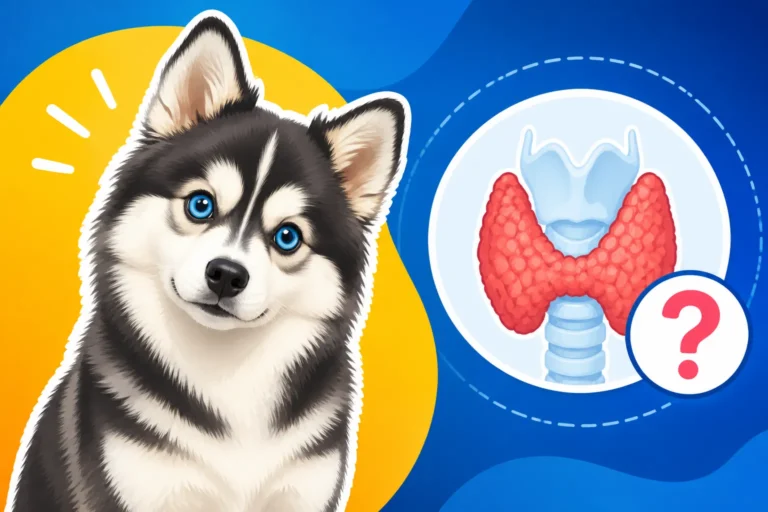
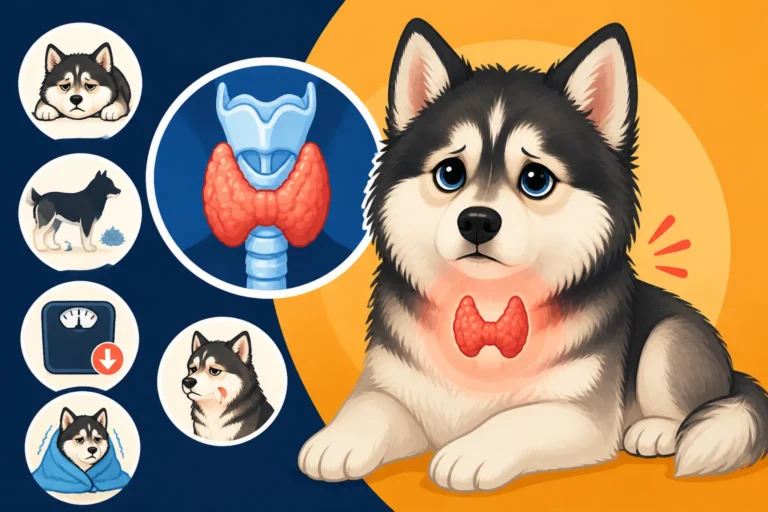
| Internal Health | Increased thirst/urination, weight changes | Kidney disease, diabetes, thyroid issues | More frequent potty breaks, changes in eating habits, noticeable body condition loss |
| Coughing, panting | Heart disease, collapsing trachea | Exercise intolerance, restlessness, The Honking Cough of a Pomsky With a Bad Trachea | |
| Incontinence | Weak bladder, neurological issues, UTIs | Wet spots after sleeping, leaking urine, sudden accidents |
Disclaimer
The information provided in this guide is for general informational purposes only and is not a substitute for professional veterinary advice. Always consult with a qualified veterinarian regarding any health concerns or before making any decisions about your Pomsky's medical care.