Whether a Pomsky Outlives a Husky
It's natural to wonder about the lifespan of your beloved Pomsky, especially when you're comparing it to the parent breeds. We all want our furry family members to be with us for as long as possible, and understanding the factors that contribute to a Pomsky's longevity, particularly in relation to the robust Siberian Husky, is a huge part of responsible pet ownership. This guide will delve into what you can realistically expect for your Pomsky's years, and how their mixed heritage plays a vital role.
Understanding Lifespan in Mixed Breeds Like the Pomsky
When you bring a Pomsky into your life, you're embracing a beautiful mix of two distinct breeds: the Siberian Husky and the Pomeranian. This combination often leads to questions about health and longevity that aren't always straightforward. Unlike purebreds with well-documented genetic histories, mixed breeds can present a broader spectrum of possibilities.
The Hybrid Vigor Debate and Pomskies
There's a fascinating concept in the dog world known as "hybrid vigor," or heterosis. The idea is that mixing two different purebred lines can result in offspring that are healthier and more genetically robust than either parent breed. This is because crossing different gene pools can reduce the likelihood of inheriting two copies of a recessive gene for a specific genetic disease. Think of it like this: if both parent breeds have a predisposition to different issues, a mix might inherit neither or only one, rather than having a concentrated risk from a single lineage.
For Pomskies, this theory suggests they might benefit from a broader genetic makeup, potentially leading to fewer hereditary health problems than if they were purebred Huskies or Pomeranians. However, it's not a guarantee. The degree of hybrid vigor can vary wildly, and a poorly bred Pomsky can still inherit a host of issues. The first generation (F1 Pomskies) are often cited as potentially having the most hybrid vigor, but even later generations can benefit. For more insight, you might want to read our article on Whether an F1 Pomsky Is Healthier Than an F2.
Parent Breed Lifespans: Husky vs. Pomeranian
To truly understand a Pomsky's potential lifespan, we need to look at its foundational components. The average lifespan for a Siberian Husky is typically between 10 to 14 years. These are generally very healthy, active dogs with a good genetic foundation, although they can be prone to certain issues like hip dysplasia and eye conditions.
On the other end of the spectrum, the Pomeranian, being a smaller breed, often enjoys a longer life. Pomeranians usually live for 12 to 16 years, with many reaching the upper end of that range or even beyond with good care. Small breeds, as a general rule, tend to live longer than larger breeds. This is a common biological trend across many species, though the exact reasons are still being fully explored.
When you blend these two, the Pomsky's expected lifespan typically falls somewhere in between or leans towards the longer end due to the Pomeranian's genetic influence. Owners often report Pomskies living between 12 and 15 years, which is a fantastic range for a companion animal.
Genetic Influence on Pomsky Longevity
The genetic makeup of a Pomsky is a true mosaic, pulling traits and predispositions from both its Husky and Pomeranian ancestry. This means that your Pomsky could inherit the strong, resilient health traits of a Husky, the longevity of a Pomeranian, or unfortunately, a combination of genetic vulnerabilities from both. It's a bit like a genetic lottery, which is why responsible breeding is so incredibly important.
For example, a Pomsky might inherit the double-thick coat from the Husky, which requires diligent grooming to prevent skin issues, or the more delicate tracheal structure from the Pomeranian, which can lead to respiratory problems. Understanding these potential influences helps owners be proactive about their dog's health. We've compiled a comprehensive guide on The Two Opposite Disease Lists a Pomsky Inherits that provides a much deeper dive into these genetic considerations. The key is to be aware of what could come up and work closely with your veterinarian to establish a preventative care plan tailored to your dog's unique genetic blend.
Factors That Influence a Pomsky's Lifespan
While genetics lay the groundwork, a Pomsky's lifespan isn't solely determined by what they inherit. Environmental factors, lifestyle choices, and the quality of care they receive play an enormous role. Think of it as nurturing the potential they're born with.
Breeding Practices and Health Screening
This is arguably one of the most critical factors influencing a Pomsky's long-term health. A reputable breeder will meticulously health test their parent dogs for conditions common to both Huskies and Pomeranians. This includes screening for hip dysplasia and patellar luxation, which are joint issues that can significantly impact a dog's quality of life and longevity if left untreated. For instance, knowing that both parent breeds can carry genes for certain conditions allows breeders to make informed decisions that reduce the risk in their puppies.
When breeders prioritize health, they're not just preventing immediate problems; they're investing in the future well-being and extended lifespan of the puppies they produce. Asking a breeder about the health clearances of their breeding stock, including OFA (Orthopedic Foundation for Animals) certifications for hips and elbows, and eye clearances from the Canine Eye Registry Foundation (CERF) or similar organizations, is crucial. If you're concerned about orthopedic issues, our article Hip Dysplasia in a Twenty Pound Pomsky offers valuable information, as does our piece on Slipping Kneecaps in a Pomsky. Responsible breeding sets the stage for a long, healthy life.
Nutrition and Weight Management
What you feed your Pomsky, and how much, directly impacts their health and longevity. A high-quality diet that is appropriate for their age, activity level, and size is essential. Avoid cheap fillers and opt for dog foods with real meat as the primary ingredient. Just like with humans, obesity in dogs is a major health concern, leading to a host of problems such as diabetes, joint issues, heart disease, and a significantly reduced lifespan.
Portion control is key, and it's important not to overfeed treats, no matter how much those expressive Pomsky eyes beg! Regular monitoring of your Pomsky's weight and body condition score with your vet can help you adjust their diet as needed. A lean body mass is associated with a longer, healthier life. If you're struggling to maintain your Pomsky's ideal weight, or are just curious about dietary needs, you'll find helpful advice in our guide Keeping a Pomsky's Weight in Range. Remember, every calorie counts, and a balanced diet is a cornerstone of good health.
Exercise and Mental Stimulation
Pomskies are intelligent, energetic dogs that inherit a strong desire for activity from both their Husky and Pomeranian sides. They need consistent physical exercise to burn off energy, maintain a healthy weight, and keep their muscles and joints strong. Daily walks, playtime in a secure yard, or even dog sports like agility can fulfill their physical needs. A bored, under-exercised Pomsky is more prone to destructive behaviors and can develop anxiety or other stress-related issues that can indirectly impact health.
Beyond physical activity, mental stimulation is equally important for these smart cookies. Puzzle toys, training sessions, and interactive games keep their minds sharp and engaged. A dog that is both physically and mentally stimulated is generally happier, more balanced, and less prone to stress, all of which contribute positively to their overall health and lifespan. Without proper outlets, their mental well-being can suffer, potentially leading to chronic stress which has physiological consequences over time.
Preventative Veterinary Care
Regular veterinary check-ups are non-negotiable for a long and healthy life. These routine visits, typically once a year for adult dogs and more frequently for puppies and seniors, allow your vet to catch potential health issues early, often before they become serious or untreatable. Vaccinations protect against common diseases, and regular parasite control (for fleas, ticks, and heartworms) prevents a host of debilitating conditions.
Your vet will perform a thorough physical examination, discuss any concerns you might have, and recommend appropriate screenings based on your Pomsky's age and genetic background. For instance, they might recommend specific blood tests or imaging. Investing in pet insurance, such as a policy from Healthy Paws, can be a game-changer when unexpected illnesses or accidents occur, allowing you to make medical decisions based on what's best for your Pomsky without the added stress of crushing financial burden. Many owners find peace of mind knowing they can afford top-tier care if their furry friend ever needs it. If you're curious about what a yearly health screening should entail, check out The Screening a Pomsky Should Have Yearly.
Common Health Concerns and Their Impact on Longevity
While hybrid vigor can offer some protection, Pomskies are still susceptible to health conditions found in their parent breeds. Being aware of these can help you be vigilant and proactive.
Hereditary Conditions from Huskies
From their Husky lineage, Pomskies can potentially inherit a few conditions that require attention. Eye problems are fairly common in Huskies, including juvenile cataracts, which can appear in young dogs and may lead to vision impairment if not treated. Another concern is progressive retinal atrophy (PRA), a degenerative eye disease that eventually leads to blindness. While often not painful, blindness can significantly impact a dog's quality of life, especially if it develops suddenly. It's a good idea to monitor your Pomsky's eyes and have them checked regularly by your vet. For a deeper dive into these specific issues, explore The Eyes a Pomsky Gets From the Husky and Whether a Pomsky Gets Progressive Retinal Atrophy.
Orthopedic issues like hip and elbow dysplasia, while more prevalent in larger dogs, can also be passed down. These conditions affect the proper formation of the joints, leading to arthritis, pain, and reduced mobility. Early diagnosis and management, including weight control, joint supplements, and sometimes surgery, can significantly improve a dog's comfort and extend their healthy, active years. Being informed about these potential issues helps you detect symptoms early and seek timely veterinary care.
Hereditary Conditions from Pomeranians
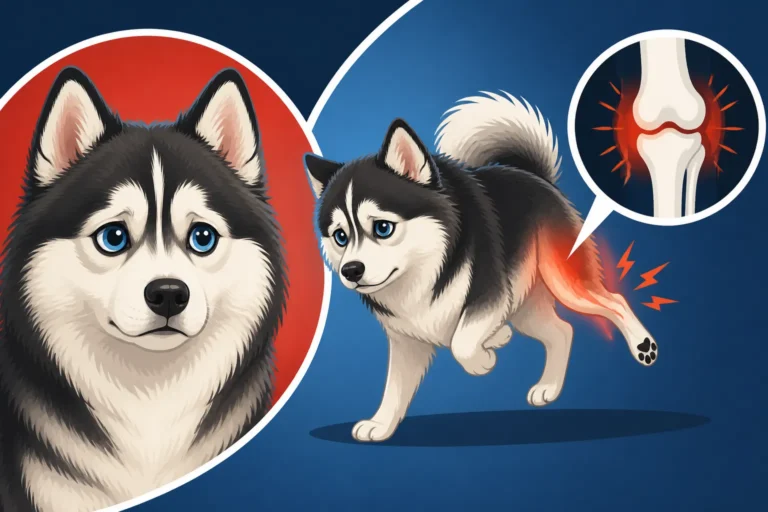
The Pomeranian side of the family brings its own set of potential health predispositions. Patellar luxation, or "slipping kneecaps," is a common orthopedic issue in small breeds. This can range from mild, intermittent skips to severe lameness, and may require surgical correction to prevent further joint damage and arthritis. Left untreated, it can cause chronic pain and mobility issues.
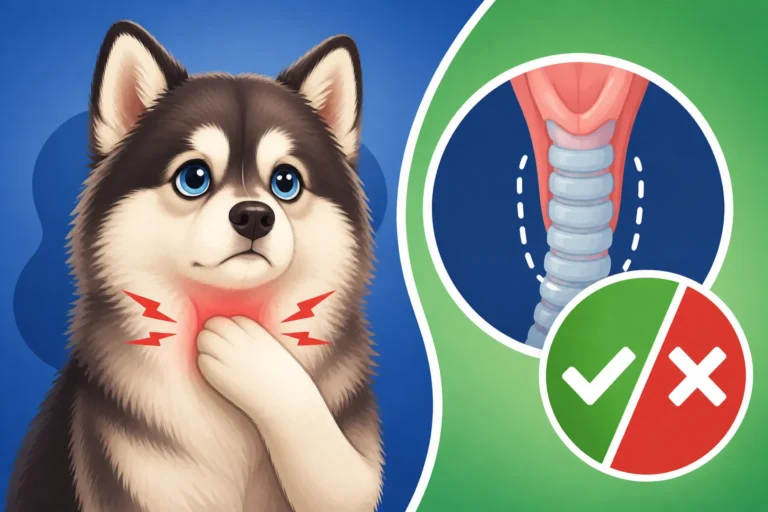
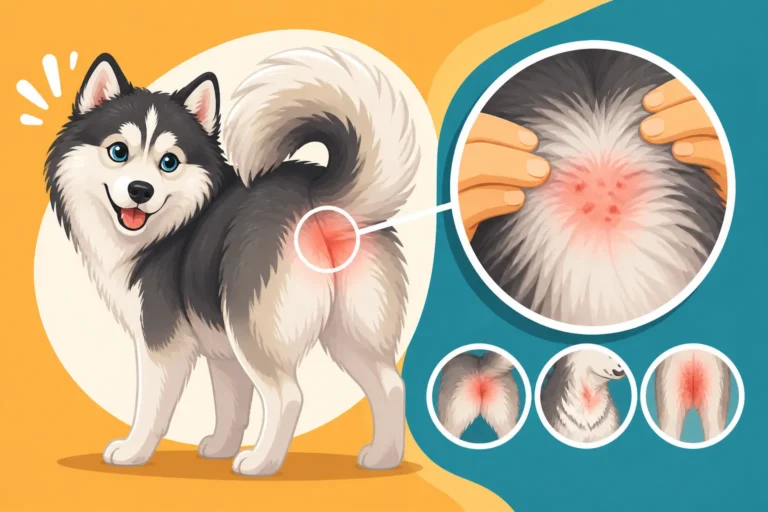
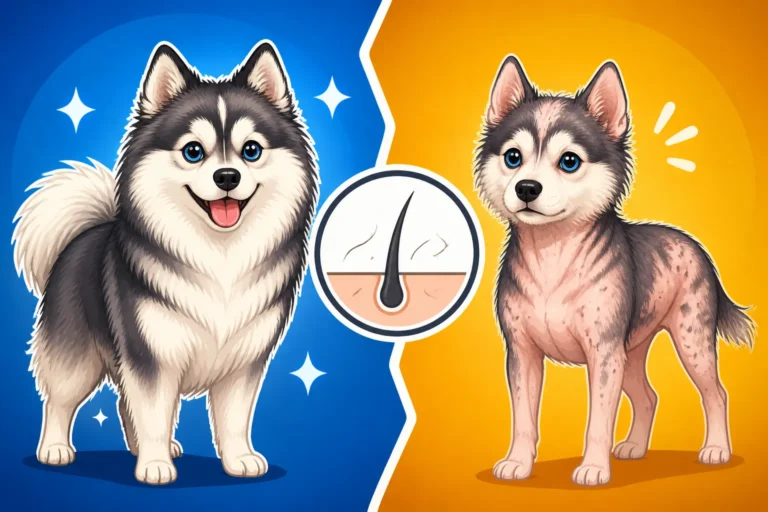
Another concern is a collapsing trachea, where the cartilage rings in the windpipe weaken, causing a characteristic "honking" cough. This condition is often exacerbated by excitement, exercise, or pulling on a collar. Using a harness instead of a collar can help manage symptoms, and in some severe cases, medical or surgical interventions might be necessary. You can learn more about this in our article The Collapsing Trachea a Pomsky Gets From the Pomeranian. Additionally, Pomeranians are prone to dental disease due to their small, crowded mouths, which Pomskies can inherit. Good dental hygiene from a young age is crucial to prevent painful infections and tooth loss, which can impact overall health. This includes brushing teeth, dental chews, and professional cleanings. Don't underestimate the impact of oral health on overall well-being; our guide Dental Crowding in a Pomsky's Small Mouth provides excellent tips. Finally, a less common but visually striking condition, Alopecia X, or "black skin disease," causes hair loss and skin darkening, which some Pomskies may inherit. While not life-threatening, it requires diligent skin care. Our article Alopecia X and the Pomsky That Loses Its Coat delves into this condition specifically.
The Impact of Size and Structure
The unique size and structural combination in a Pomsky can sometimes introduce challenges. For instance, a Pomsky might have a Husky-sized digestive system and appetite but a Pomeranian-sized mouth and throat. This blend of characteristics can potentially lead to digestive quirks or dental challenges that require a careful approach to feeding and oral care.
Furthermore, the skeletal structure can be a mix of both. While hybrid vigor can reduce the incidence of certain problems, it doesn't eliminate the possibility entirely. For example, a Pomsky with the larger bone structure of a Husky but the more delicate joints of a Pomeranian could, in rare cases, experience joint issues. It's truly a mixed bag, and attentive observation, combined with regular veterinary check-ups, is the best way to monitor for any developing structural or physiological issues that might impact their comfort and longevity. Many pet parents find that having a robust pet insurance plan, like those offered by Healthy Paws, helps cover these unexpected and sometimes costly issues.
Comparing Pomsky vs. Husky Lifespans
Now, let's get to the heart of the matter: does a Pomsky typically outlive a Husky? Given all the information we've discussed, the answer is generally yes, a Pomsky tends to have a slightly longer average lifespan than a purebred Siberian Husky.
Average Lifespan Expectations
As established earlier, a Siberian Husky typically lives between 10 to 14 years. A Pomsky, benefiting from the longer lifespan genetics of the Pomeranian and potentially hybrid vigor, generally lives for 12 to 15 years. This isn't a dramatic difference, but it does indicate that your Pomsky has a good chance of being with you for those extra precious years. The "designer dog" status of Pomskies means that responsible breeders often emphasize health, which further contributes to these positive outcomes.
It's important to view these as averages. Some Huskies will live to 16, and some Pomskies might only live to 10 or 11 due to unforeseen circumstances or specific health challenges. However, based on the statistical tendencies of their parent breeds and the general rule that smaller dogs live longer than larger dogs, the Pomsky usually edges out the Husky in terms of years.
Quality of Life Over Quantity
While aiming for a long lifespan is admirable, focusing on the quality of those years is equally, if not more, important. A Pomsky living 12 happy, active, and healthy years is far more desirable than one living 15 years plagued by chronic pain or illness. Your role as an owner in providing excellent care directly influences this quality of life.
This means providing a balanced diet, consistent exercise, mental enrichment, regular veterinary care, and a loving, stable home environment. Addressing health concerns promptly, managing chronic conditions effectively, and ensuring your Pomsky is comfortable and happy will maximize the joy and companionship you share. Remember, a comprehensive pet insurance plan from providers like Healthy Paws can truly alleviate the financial strain that comes with maintaining a high quality of life for your furry friend through various health challenges. Ultimately, every year with your Pomsky is a gift, and focusing on their well-being ensures those years are full of joy and vitality.
Here's a quick comparison of the typical lifespans and common health considerations for these breeds:
| Feature | Siberian Husky | Pomeranian | Pomsky (Mixed) |
|---|---|---|---|
| Typical Lifespan | 10-14 years | 12-16 years | 12-15 years |
| General Size | Medium-Large | Toy | Small-Medium (Variable) |
| Common Health Issues | Hip/Elbow Dysplasia, Eye Conditions (Cataracts, PRA), Hypothyroidism | Patellar Luxation, Collapsing Trachea, Dental Disease, Alopecia X, Heart Disease | Mix of both parent breeds' predispositions; potential for hybrid vigor |
| Exercise Needs | High | Moderate-High | Moderate-High |
| Grooming Needs | High (sheds heavily) | High (dense double coat) | High (dense double coat) |
| Dental Care Importance | Moderate | High | High |
| Dietary Sensitivity | Can be prone to zinc deficiency | Can be prone to hypoglycemia as puppies | Variable; may inherit sensitivities |
In conclusion, while the Siberian Husky is a resilient breed, the Pomsky typically enjoys a slightly longer average lifespan, leaning into the longevity often seen in smaller breeds like the Pomeranian. However, genetics are only one piece of the puzzle. The most significant factor in how long and how well your Pomsky lives will always be the dedication you show through responsible care, nutrition, exercise, and preventative veterinary attention. With the right commitment, your Pomsky can truly thrive and be a cherished companion for many wonderful years.
Disclaimer
Please remember that the information provided in this guide is for educational purposes only and should not replace professional veterinary advice. Every dog is an individual, and health outcomes can vary. Always consult with a qualified veterinarian for any health concerns or before making any decisions about your Pomsky's care.