Whether a Pomsky Gets Epilepsy From Either Parent
One of the most heart-wrenching concerns for any Pomsky parent is the thought of their beloved companion facing a serious health condition. When you bring a new puppy home, you dream of a long, healthy life together, and discovering that a genetic illness like epilepsy might be lurking in their lineage can be incredibly frightening. This guide aims to thoroughly explore whether epilepsy is a condition inherited by Pomskies from their Siberian Husky or Pomeranian parents, and what you can do to understand and manage this complex neurological disorder.
Understanding Canine Epilepsy
Epilepsy is a condition that, for many dog owners, conjures up images of dramatic, uncontrollable seizures. While this is certainly one manifestation, the reality is far more nuanced, and understanding it is the first step in protecting your furry friend.
What is Epilepsy in Dogs?
In the simplest terms, canine epilepsy is a chronic neurological disorder characterized by recurrent, unprovoked seizures. These seizures are essentially temporary disturbances of normal brain function, caused by abnormal, excessive electrical activity in the brain. They can manifest in many ways, from full-body convulsions that are hard to miss, to subtle changes in behavior that can be easily overlooked if you're not attuned to your dog.
There are different types of epilepsy, broadly categorized. Idiopathic epilepsy, also known as primary epilepsy, is the most common form and has no identifiable cause other than a suspected genetic predisposition. This means there's no tumor, infection, or structural brain abnormality to point to; the brain itself is simply prone to misfiring. Then there's symptomatic epilepsy, or secondary epilepsy, where seizures are a symptom of an underlying brain disease, such as a tumor, stroke, head injury, or inflammation. Finally, reactive seizures are triggered by metabolic issues outside the brain, like liver disease, kidney failure, low blood sugar, or toxin ingestion. It's the idiopathic form that often has a direct link to genetics and breed lines.
Seizures themselves can look quite different from dog to dog, and even from episode to episode in the same dog. A "grand mal" or generalized seizure involves the entire body, with loss of consciousness, paddling of limbs, jaw chomping, and sometimes loss of bladder or bowel control. These are usually what people picture. However, focal or partial seizures affect only one part of the brain and can result in more localized symptoms, like twitching a single limb, facial tics, or strange, repetitive behaviors such as fly-biting or staring blankly. The key is that they are recurrent and unprovoked – not a one-off event caused by something obvious like a sudden loud noise.
The Genetic Component of Canine Epilepsy
The idea of a dog inheriting a tendency towards seizures is a heavy one, and unfortunately, genetic predisposition is a very real factor in canine epilepsy, particularly the idiopathic form. Certain breeds are indeed known to have a higher incidence of this condition, suggesting that specific genes or combinations of genes play a significant role. For instance, breeds like Beagles, German Shepherds, Labrador Retrievers, Golden Retrievers, and Border Collies are often cited as having higher rates of idiopathic epilepsy. This doesn't mean every dog in these breeds will develop it, but the genetic lineage certainly increases the odds.
When we talk about genetic components, it’s not always a simple dominant or recessive gene at play. Often, it’s a polygenic trait, meaning multiple genes, along with environmental factors, contribute to the dog's susceptibility. This complexity makes breeding out the condition incredibly difficult, as carriers may not show symptoms themselves but can pass on the genes. Responsible breeders strive to understand their lines and avoid breeding individuals with a history of epilepsy, but even with the best intentions, it can pop up unexpectedly.
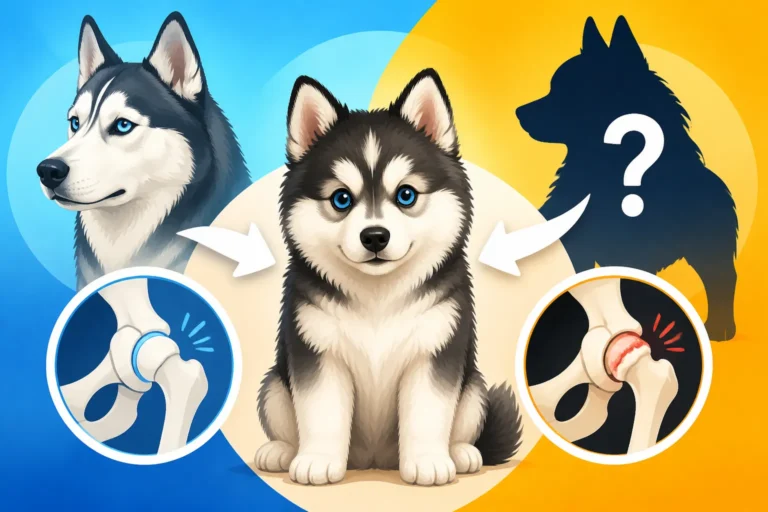
For a Pomsky, this becomes particularly relevant because they are a hybrid breed. They inherit a mix of genes from both the Siberian Husky and the Pomeranian. This unique genetic blending means they could potentially inherit predispositions from either side, or sometimes, the mix might even offer a phenomenon called "hybrid vigor," where the offspring is healthier than either parent due to increased genetic diversity. However, hybrid vigor doesn't guarantee immunity from inherited conditions; it simply means the risk for some single-gene recessive disorders might be lower if both parent breeds don't carry the same problem gene. When it comes to complex, polygenic conditions like epilepsy, the picture can be less clear.
Epilepsy in Pomsky Parent Breeds
To truly understand a Pomsky's potential for developing epilepsy, we need to look closely at the health history and genetic predispositions of its parent breeds: the Siberian Husky and the Pomeranian.
Siberian Husky and Epilepsy Risk
Siberian Huskies are generally known for being robust, healthy dogs with a relatively long lifespan. However, like many purebreds, they do have a list of inherited conditions they can be prone to, and sadly, epilepsy is one of them. While not as prevalent as in some other breeds like the Beagles or German Shepherds, idiopathic epilepsy has been documented in Siberian Huskies. The seizures typically begin between six months and three years of age, though they can sometimes manifest later.
For Husky owners, the concern is very real. Seizures can range from mild and infrequent to severe and debilitating. While researchers are continually working to identify the specific genetic markers responsible, it's a slow process. Breeders often rely on health clearances and a thorough knowledge of their dogs' pedigrees, seeking to avoid breeding animals from lines where epilepsy has appeared. This due diligence is crucial because, even if a Husky parent doesn't show symptoms, they could be a carrier of the genes that predispose their offspring to the condition. This means that a Pomsky could absolutely inherit a predisposition for epilepsy from its Husky parent.
Beyond idiopathic epilepsy, Huskies can also be susceptible to other neurological issues that might cause seizures, such as certain metabolic disorders or brain abnormalities, though these are less commonly genetically inherited as primary epilepsy. When evaluating a Pomsky puppy, understanding the health of the Husky parent, especially regarding any history of neurological issues or seizures, is a critical part of due diligence.
Pomeranian and Epilepsy Risk
Pomeranians, those delightful fluffballs, also have their share of breed-specific health concerns. Unfortunately, epilepsy, including idiopathic epilepsy, is also observed in Pomeranians. In fact, some studies and veterinary reports suggest Pomeranians might have a slightly higher predisposition to idiopathic epilepsy compared to Siberian Huskies, though definitive population-wide statistics can be hard to pin down for all breeds. Seizures in Pomeranians can sometimes be mistaken for other conditions due to their small size, such as hypoglycemia (low blood sugar), which can also cause seizure-like episodes, especially in puppies. However, true idiopathic epilepsy presents as recurrent seizures without an underlying cause.
The age of onset in Pomeranians is often similar to other breeds, typically presenting in young to middle-aged dogs. As with Huskies, careful breeding practices are paramount. A responsible Pomeranian breeder will be transparent about any history of epilepsy in their lines and will undertake extensive health testing. Prospective Pomsky owners need to inquire about the health history of both parent breeds to get a complete picture.
The challenge with smaller breeds like Pomeranians is that a seizure can look more dramatic and be more distressing for both the dog and the owner. Owners often wonder if their small Pomsky puppy might crash on blood sugar, and while that's a valid concern for puppies, actual epilepsy is a different long-term battle. Given that both parent breeds carry a risk, albeit to varying degrees, it underscores the importance of thorough background checks on a Pomsky puppy's lineage.
How Parentage Influences Pomsky Health
The beauty and challenge of the Pomsky lies in its hybrid nature. When you cross two different breeds, you’re essentially blending two distinct genetic pools, each with its own strengths and weaknesses. The concept of "hybrid vigor" often comes up, suggesting that mixed-breed dogs are generally healthier than their purebred counterparts because they benefit from a wider gene pool, reducing the likelihood of inheriting two copies of a problematic recessive gene from closely related parents. While this can be true for some conditions, it's not a blanket guarantee for every inherited disease.
For epilepsy, which is often polygenic (influenced by multiple genes) and can even have environmental triggers, hybrid vigor doesn't necessarily eliminate the risk. If both the Husky and Pomeranian lines carry genes predisposing them to epilepsy, a Pomsky could still inherit these genes from either or both parents. The expression of these genes might be unpredictable, leading to a dog with a lower or higher susceptibility than a purebred, or even the same level. Therefore, when considering Whether an F1 Pomsky Is Healthier Than an F2, it's less about the generation and more about the specific health history of the individual parent dogs and their ancestral lines.
What this means for a Pomsky owner is that you can't assume your Pomsky is automatically free from epilepsy just because it's a hybrid. You still need to do your homework on the health screenings and history of the parent dogs. Breeders should be open about any known health issues in their breeding stock and extended pedigrees. Knowing the specific conditions prevalent in The Two Opposite Disease Lists a Pomsky Inherits from its parents gives you a better idea of what to watch out for.
Identifying and Managing Epilepsy in Your Pomsky
Discovering your Pomsky might be experiencing seizures is a daunting moment. The first step is always to remain calm, observe, and then seek veterinary help. Early identification and consistent management are key to maintaining a good quality of life for your dog.
Recognizing Seizure Symptoms
It’s easy to panic when you think your dog is having a seizure, but observing the event as accurately as possible can be immensely helpful for your veterinarian. Seizures are typically divided into three phases:
- Pre-ictal phase (aura): This can occur minutes or hours before a seizure. Your Pomsky might seem anxious, seek attention, hide, appear restless, or stare blankly. They might whine or pace. These subtle changes are easy to miss, but once you know your dog has epilepsy, you might start to notice patterns.
- Ictal phase (the seizure itself): This is the actual seizure activity. It can last from a few seconds to several minutes. For a generalized seizure, you’ll see your Pomsky collapse, lose consciousness, stiffen, and then make paddling motions with their legs. They might drool excessively, chew their tongue, or lose bowel or bladder control. For a focal seizure, it might be more subtle: twitching a specific muscle group, head bobbing, fly-biting, or showing unusual aggression or fear. It’s crucial to time the seizure if you can, as duration is important for your vet. Do not try to hold your dog's tongue or put your hands in their mouth; they could accidentally bite you.
- Post-ictal phase: This occurs immediately after the seizure and can last from minutes to hours, or even days. Your Pomsky might appear disoriented, confused, restless, temporarily blind, or extremely tired. They may wander aimlessly, pace, or eat and drink excessively. They might also appear uncharacteristically aggressive or withdrawn. This phase is just as important to describe to your vet as the seizure itself.
Keeping a detailed log of any suspected seizure activity, including date, time, duration, symptoms, and post-seizure behavior, will be invaluable to your vet. This log can help distinguish between true epilepsy and other conditions like fainting or behavioral issues.
Diagnosis and Treatment Options
If you suspect your Pomsky is having seizures, your first call should always be to your veterinarian. Diagnosing epilepsy can be a multi-step process, as the vet needs to rule out other potential causes of seizures. This usually begins with a thorough physical examination and a detailed neurological workup.
Blood tests are a common first step, looking for metabolic issues like liver or kidney disease, hypoglycemia (especially important to rule out in smaller breeds or puppies, as discussed in Whether a Pomsky Puppy Crashes on Blood Sugar), or electrolyte imbalances that could be causing reactive seizures. Urinalysis might also be performed. If these tests come back normal, your vet might recommend advanced diagnostics like an MRI of the brain to check for structural abnormalities such as tumors, inflammation, or strokes. A cerebrospinal fluid (CSF) tap might also be done to rule out infections or inflammatory diseases.
If all these tests come back normal, and your Pomsky experiences recurrent seizures, a diagnosis of idiopathic epilepsy is often made. Treatment for idiopathic epilepsy typically involves anti-epileptic drugs (AEDs) like phenobarbital, potassium bromide, levetiracetam (Keppra), zonisamide, or gabapentin. The goal of medication is not necessarily to eliminate seizures entirely, but to reduce their frequency, severity, and duration, improving your Pomsky's quality of life. Finding the right medication and dosage can be a process, often involving careful monitoring of blood levels and side effects. For dogs with epilepsy, ongoing vet care and regular check-ups are essential, adding to What a Pomsky's Vet Bills Look Like. It’s also wise to consider pet insurance from providers like Healthy Paws, which can help cover the significant costs associated with diagnostics and long-term medication for chronic conditions.
Living with an Epileptic Pomsky
Receiving an epilepsy diagnosis for your Pomsky can feel overwhelming, but many dogs with epilepsy live long, happy, and fulfilling lives with proper management. The key is consistent medication, careful monitoring, and a proactive approach to their care.
One of the most important aspects is strict adherence to the medication schedule. Missing doses can lead to breakthrough seizures or even clusters of seizures, which are harder to control. Keeping a log of seizures (date, time, duration, severity, and any changes in medication) is incredibly helpful for your vet to adjust treatment plans effectively. Understanding What Triggers Seizures in a Pomsky can also help; some dogs might be sensitive to stress, certain noises, or even changes in routine.
You might need to make some adjustments at home to ensure your Pomsky's safety during a seizure. This could involve padding sharp furniture edges, keeping them off high places where they could fall, or ensuring they don't have access to stairs unsupervised. A secure, comfortable space where they can recover quietly after a seizure is also beneficial. Regular exercise is still important for their overall health, but intense activities that lead to overheating should be approached with caution.
Considering pet insurance like Healthy Paws from the moment you get your puppy is a really smart move, especially if you're worried about potential inherited conditions like epilepsy. Policies vary, but good ones can help immensely with the cost of chronic conditions. Learning Whether an Epileptic Pomsky Can Be Managed effectively often comes down to dedication from the owner and a strong partnership with your veterinary team. While the diagnosis is scary, remember that you're not alone, and with the right care, your Pomsky can continue to be a cherished member of your family.
Here's a quick overview of epilepsy considerations for Pomsky parent breeds:
| Characteristic | Siberian Husky | Pomeranian | Pomsky (Hybrid) |
|---|---|---|---|
| Known Epilepsy Risk | Documented, moderate incidence | Documented, moderate incidence | Can inherit risk from either parent |
| Typical Onset Age | 6 months – 3 years | Young to middle age | Varies, often similar |
| Primary Concern | Idiopathic epilepsy | Idiopathic epilepsy, hypoglycemia in pups | Idiopathic epilepsy, other neurological issues |
| Genetic Predisposition | Yes, specific lines | Yes, specific lines | Depends on parentage; hybrid vigor not a complete shield |
| Management | AEDs, veterinary oversight | AEDs, veterinary oversight | AEDs, lifelong vet care |
| Insurance Benefit | High, for chronic conditions | High, for chronic conditions | High, for chronic conditions |
Health Screening and Responsible Breeding
When choosing a Pomsky, it's natural to want to ensure you're bringing home the healthiest puppy possible. This is where responsible breeding practices and understanding health screenings become absolutely critical.
The Role of Health Testing in Parent Breeds
For any purebred dog, and especially for hybrid designer breeds like the Pomsky, comprehensive health testing of the parent animals is non-negotiable. This isn't just about screening for a single condition, but evaluating the overall genetic health of the breeding stock. While there isn't a specific "epilepsy test" that definitively tells you if a dog will develop the condition or is a carrier, responsible breeders do everything in their power to reduce the risk.
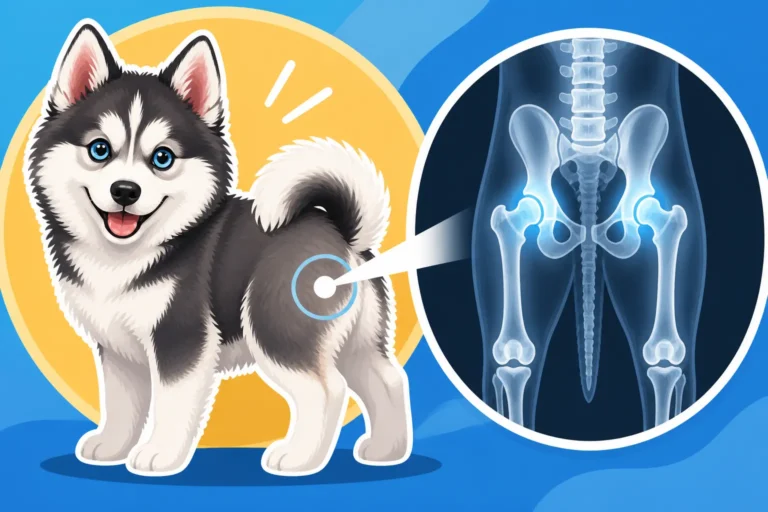
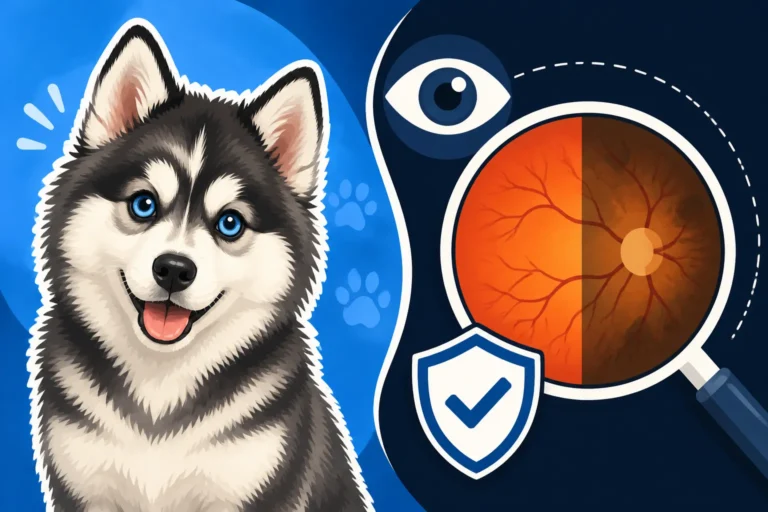
This involves looking at the extended pedigree for any history of seizures. Good breeders will be transparent about their lines and will share information about the health of the parent dogs and even grandparents. They should also perform other relevant health tests recommended for their breeds by organizations like the Orthopedic Foundation for Animals (OFA) or the Canine Eye Registry Foundation (CERF). These might include screenings for hip and elbow dysplasia, eye diseases like The Juvenile Cataracts a Pomsky Gets From the Husky or Whether a Pomsky Gets Progressive Retinal Atrophy, and patellar luxation – all issues common in one or both parent breeds. While these don't directly test for epilepsy, a breeder committed to thorough health testing for all known issues is generally more reputable and trustworthy.
Remember that a lack of an identified epileptic dog in a pedigree doesn't guarantee a pup will be seizure-free, but it significantly reduces the likelihood, especially when paired with strong, healthy lines. Always ask for proof of health clearances, not just a breeder's word. This due diligence is part of the extensive work that should go into finding your new family member.
Questions for a Pomsky Breeder
Engaging with a potential Pomsky breeder should involve asking a lot of questions. Don't be shy; a good breeder will welcome your inquiries and be just as keen to ensure their puppies go to knowledgeable homes. Beyond asking about the typical size, temperament, and The Pomsky That Carries a Husky Coat at Twenty Pounds, dive deep into health specifics.
Here are some key questions to ask, particularly concerning neurological health and epilepsy:
- "Do you have a health guarantee, and what does it cover?" (A good guarantee should cover genetic health issues for at least a year or two).
- "Can I see the health clearances for both the mother (Husky) and father (Pomeranian)?" Look for certifications for hips, elbows, eyes, and any other breed-specific tests.
- "Is there any history of seizures, epilepsy, or other neurological conditions in your breeding lines, on either the Husky or Pomeranian side?" A truthful breeder will be upfront about this, even if it’s a difficult conversation.
- "What steps do you take to prevent genetic diseases, including epilepsy, in your puppies?" They should describe their selection process for breeding dogs, including pedigree research and health testing.
- "What is your protocol if a puppy develops a genetic health issue after going home?" This shows their commitment beyond the sale.
- "Can I speak to some references from previous litters?" Talking to other owners can provide invaluable insight.
A reputable breeder will not only have answers but will also be asking you questions about your living situation and experience with dogs. Be wary of breeders who rush the process, offer unusually low prices (which might indicate cut corners on health testing or breeding practices), or are unwilling to discuss health history in detail. Investing in a puppy from a responsible breeder is one of the best ways to set yourself up for a happy and healthy journey, helping to keep The Full Cost of Fourteen Years With a Pomsky more predictable.
Proactive Care for Your Pomsky's Health
Beyond genetics, providing a nurturing environment and consistent care plays a massive role in your Pomsky's overall well-being. Thinking ahead about potential health challenges can make a big difference.
General Health Maintenance and Prevention
Maintaining your Pomsky’s general health is paramount, regardless of any specific predispositions. This includes a high-quality diet appropriate for their age and size, regular veterinary check-ups (including The Screening a Pomsky Should Have Yearly), and an appropriate exercise regimen. A well-balanced diet supports brain health, and keeping your Pomsky at a healthy weight can prevent other issues that might complicate neurological conditions.
Vaccinations and parasite control are also crucial. While not directly related to preventing inherited epilepsy, illness can stress a dog's system and, in some cases, even trigger seizures in a predisposed individual. Keeping their environment safe and free from toxins is also important, as exposure to certain chemicals can cause reactive seizures. Don't forget their dental health, as Dental Crowding in a Pomsky's Small Mouth can lead to painful issues if not addressed. Good general health practices build resilience.
Consider discussing joint supplements with your vet, especially as your Pomsky ages or if they show signs of mobility issues, which can impact overall comfort and well-being. Even if your Pomsky doesn't develop epilepsy, maintaining robust health reduces the likelihood of other health problems.
The Value of Pet Insurance
Let's be realistic: vet bills can add up, especially if your Pomsky develops a chronic condition like epilepsy or other inherited issues. This is where pet insurance can be a game-changer. Companies like Healthy Paws offer policies that can significantly ease the financial burden of unexpected illnesses or accidents. Imagine the peace of mind knowing that a large percentage of your diagnostic tests, medications, and specialist visits will be reimbursed.
When researching pet insurance, it’s essential to understand what is covered and what isn’t. Look for policies that cover hereditary and congenital conditions, which would include most forms of epilepsy. Also, check their stance on chronic conditions and how premiums might change as your Pomsky ages. Some policies might exclude pre-existing conditions, so enrolling your Pomsky when they are young and healthy is often the best strategy. Even for other issues like Slipping Kneecaps in a Pomsky or Hip Dysplasia in a Twenty Pound Pomsky, having a good insurance plan can be invaluable. It's an investment in your Pomsky's long-term health and your financial security as a pet parent. Having a plan in place from the start can prevent you from facing difficult decisions purely based on cost, allowing you to focus on your Pomsky's recovery and well-being.
Disclaimer
This article is intended for informational purposes only and does not constitute veterinary advice. Always consult with a qualified veterinarian for any health concerns or before making any decisions about your pet's medical care.