Whether a Pomsky’s Upright Ears Stay Clean
It’s a common misconception that just because your Pomsky has those adorable, alert, upright ears that stand proud like their Husky ancestors, they’re somehow immune to ear problems. Many of us think those open, airy ears will just naturally stay clean, unlike the floppy, moisture-trapping ears of other breeds. But the truth is, Pomskies are absolutely not exempt from ear issues, and ignoring their ear health can lead to painful, expensive problems down the road. This guide will walk you through everything you need to know about keeping your Pomsky’s ears healthy, from daily checks to recognizing when it's time to call the vet.
The Reality of Upright Ears in Pomskies
When you first see a Pomsky puppy with those perfectly perked ears, it’s easy to assume they’re designed to stay cleaner than floppy ears. After all, they allow for better airflow, right? While there's some truth to that, it's not a complete picture, and many Pomsky owners overlook crucial aspects of ear care because of this assumption.
Understanding Pomsky Ear Anatomy
A Pomsky's ear structure is a fascinating blend of its two parent breeds, the Siberian Husky and the Pomeranian. Both breeds typically boast upright, triangular ears that are set high on the head. This "pricked" ear type means the ear canal is more exposed to the air, which theoretically helps prevent moisture buildup that can lead to yeast and bacterial growth. The ear canal itself, however, still has a vertical and a horizontal section, forming an L-shape that can trap debris and moisture deep inside. The visible part of the ear, the pinna, might be open, but the crucial internal structures are still vulnerable.
Furthermore, many Pomskies have a dense double coat, just like their Husky lineage, and this thick fur extends into and around the ear canal. This fur can sometimes obscure early signs of irritation or infection, and it can also trap shed hair, dirt, and even tiny parasites. So, while the external appearance suggests an open, self-cleaning mechanism, the reality is a bit more complex. It's not just about the ear standing up; it's about the entire environment created by their fur and the shape of the internal canal.
Why Upright Ears Aren't a Free Pass for Cleanliness
It’s true that breeds with floppy ears, like Cocker Spaniels or Basset Hounds, are often more prone to ear infections because their ear flaps seal off the canal, creating a warm, moist, dark environment that's perfect for pathogens to thrive. Upright ears do offer better ventilation, which is a definite advantage. However, this doesn't mean they are self-cleaning or immune to problems.
For instance, environmental factors still play a huge role. If your Pomsky loves to dig, run through tall grass, or roll around outside – and many do – those upright ears are perfectly positioned to collect dirt, seeds, pollen, and other foreign bodies. A gust of wind might blow debris right into the canal. Plus, Pomskies, like all dogs, produce ear wax. While a healthy amount is normal and protective, excessive wax buildup can still occur, creating a sticky environment that traps dirt and acts as a breeding ground for bacteria, regardless of how "open" the ear appears. The external appearance can be deceiving; the real action happens deeper inside, where debris can accumulate unnoticed until a problem arises.
Common Ear Issues Pomskies Face
Even with their well-ventilated ears, Pomskies are susceptible to a range of ear problems. It's vital for every owner to be aware of these potential issues so you can spot them early and get your furry friend the help they need. Ignoring these signs can lead to chronic discomfort and more complicated treatments.
Allergies and Skin Conditions
One of the biggest culprits behind ear problems in Pomskies, and indeed many breeds, is allergies. Dogs can suffer from environmental allergies (atopy) to things like pollen, dust mites, or mold, or food allergies to certain proteins in their diet. When a Pomsky has allergies, the ears are often one of the first places to show symptoms. You might notice redness, inflammation, and intense itching inside the ear flap and down into the canal. This constant scratching and head shaking can then break the skin barrier, allowing secondary bacterial or yeast infections to take hold. If your Pomsky is constantly licking its paws, it could be a sign of underlying allergies manifesting in multiple ways, including in their ears.
Even if you don't see overt discharge initially, the persistent irritation caused by allergies creates an ideal environment for problems. The skin inside the ear becomes compromised, making it easier for normal flora to overgrow and cause issues. Sometimes, these skin conditions can even extend to areas like the armpits or groin, or present as Hot Spots Under a Pomsky's Undercoat. It’s a cascading effect: allergies lead to inflammation, inflammation leads to itching, and itching leads to infection. Diagnosing and managing allergies can be a long road, often requiring collaboration with your veterinarian.
Foreign Bodies and Irritants
Despite their upright ears, Pomskies are still prone to getting foreign bodies lodged in their ear canals. This is especially true for active dogs who love to explore grassy fields or wooded areas. Foxtails, grass awns, small seeds, or even tiny twigs can easily make their way into the ear canal. Once inside, these objects can cause intense pain, irritation, and inflammation. They can even migrate deeper, potentially perforating the eardrum and leading to more serious infections.
A Pomsky with a foreign body in its ear will often show very sudden and dramatic signs of discomfort. They might suddenly start shaking their head violently, pawing at their ear incessantly, or tilting their head to one side. Unlike a slow-building infection, the onset of symptoms can be quite abrupt. Dust, dirt, or even chemical irritants from grooming products that aren't dog-specific can also cause irritation, though usually less severe than a lodged foreign body. It's why vigilance during and after outdoor activities is so crucial, as something seemingly innocuous could be a serious threat.
Yeast and Bacterial Infections
Even with excellent ventilation, yeast and bacterial infections are common reasons why a Pomsky might get ear infections. Yeast, particularly Malassezia pachydermatis, is a normal inhabitant of a dog's skin and ears. However, when conditions in the ear change – perhaps due to allergies, excessive moisture from swimming or bathing, or an underlying systemic issue – yeast can overgrow, leading to a foul-smelling, waxy discharge, often brownish in color. This is frequently accompanied by intense itching.
Bacterial infections, on the other hand, can be primary or secondary to another issue like allergies or yeast overgrowth. They often present with a yellowish or greenish discharge, severe redness, swelling, and pain. Some bacterial infections can be quite aggressive and require specific antibiotics, which can only be prescribed by a vet after a proper diagnosis. Without treatment, both yeast and bacterial infections can become chronic, causing damage to the ear canal and potentially leading to deafness. Therefore, recognizing the early signs and addressing them promptly is key to preventing a minor irritation from escalating into a full-blown ear infection in your Pomsky.
Essential Ear Care for Your Pomsky
Proactive care is the best defense against ear problems. Just because your Pomsky's ears stand up doesn't mean you can ignore them. Regular inspections and, when necessary, gentle cleaning are fundamental to maintaining their ear health and preventing discomfort.
Performing Weekly Ear Checks
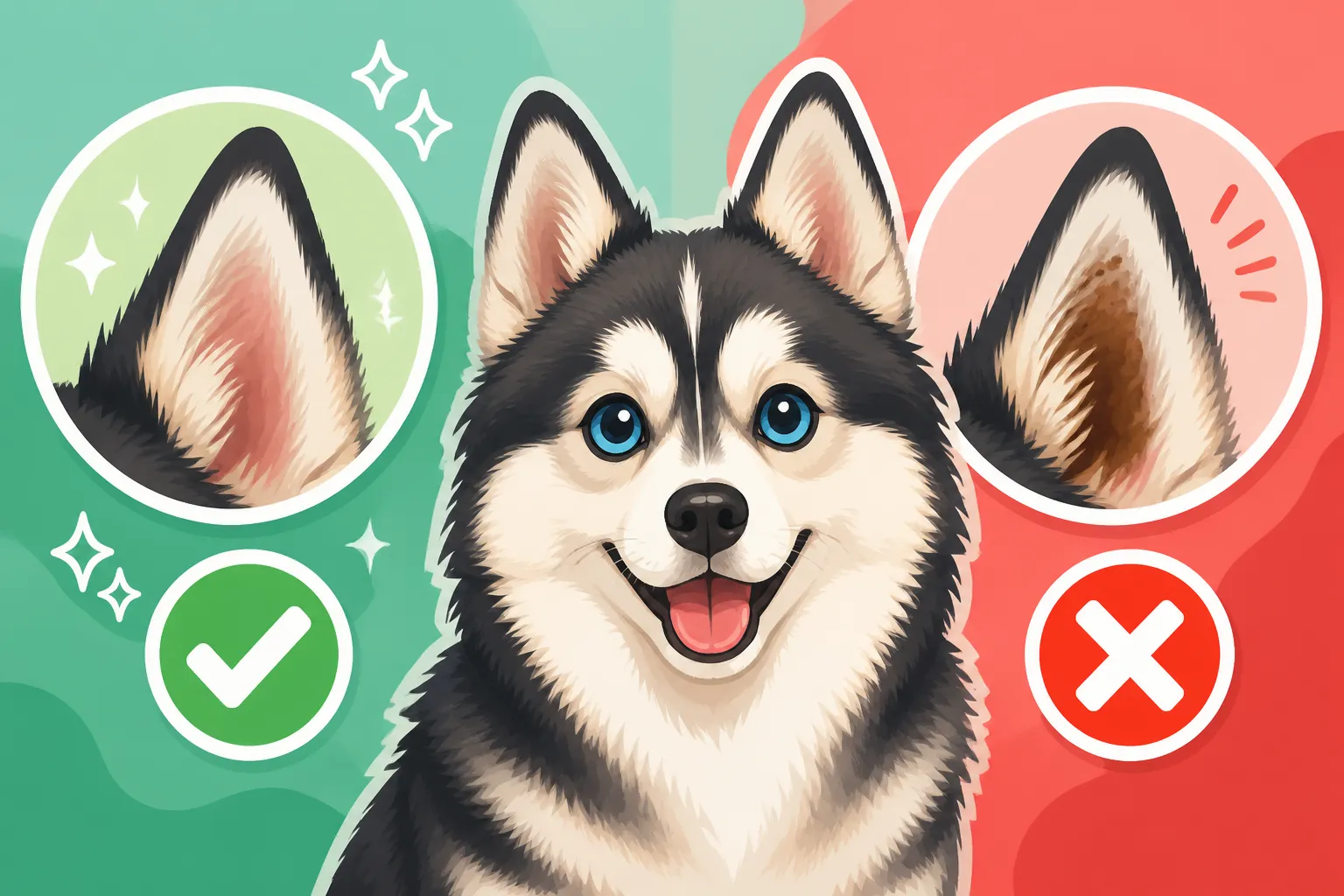
Make it a habit to check your Pomsky’s ears at least once a week, and more frequently if they've been swimming, hiking, or rolling around in dusty or grassy areas. This isn't just a quick glance; it's a thorough visual and olfactory inspection. Gently lift the ear flap and look inside. What you’re looking for is any change from the normal healthy state. A healthy ear canal should be clean, pale pink, and free of any strong odor. There might be a small amount of light brown earwax, which is normal.
During your check, pay attention to:
- Color: Is the skin inside the ear red, inflamed, or excessively pale?
- Odor: Do you detect any yeasty, sweet, or foul smell? A healthy ear should have almost no odor.
- Discharge: Is there any dark brown, black, yellow, or green discharge? Is it waxy, pus-like, or flaky?
- Swelling: Is the ear flap or canal swollen or thickened?
- Hair: Is there excessive hair growing deeply within the canal that might be trapping debris?
- Behavioral Cues: Does your Pomsky flinch, whine, or pull away when you touch their ear? Are they shaking their head more than usual, scratching at their ears, or rubbing their head against furniture?
These weekly checks are your first line of defense, allowing you to catch minor issues before they become major problems. Early detection often means simpler and less invasive treatment.
Safe Ear Cleaning Techniques
If you notice a small amount of wax or dirt, or if your vet has recommended regular cleaning due to a predisposition to issues, you can clean your Pomsky’s ears at home. It’s crucial to use a dog-specific ear cleaning solution recommended by your veterinarian. Never use cotton swabs, hydrogen peroxide, or rubbing alcohol, as these can be irritating or push debris deeper into the ear canal, potentially damaging the eardrum.
Here's a simple, safe method for cleaning:
- Gather your supplies: You'll need a vet-approved ear cleaning solution and plenty of cotton balls or gauze pads. Have some treats ready for positive reinforcement.
- Position your Pomsky: Find a quiet, comfortable spot where your Pomsky is relaxed. You might need someone to help hold them gently, especially if they’re not used to ear cleaning.
- Apply solution: Gently hold the ear flap up and carefully squirt a generous amount of the cleaning solution directly into the ear canal until it's almost full. Don't touch the nozzle to the ear to avoid contamination.
- Massage the base: Gently massage the base of the ear for 20-30 seconds. You should hear a squishing sound, which means the solution is breaking up the wax and debris.
- Allow shaking: Stand back and let your Pomsky shake their head vigorously. This helps dislodge the loosened debris. Expect some solution and gunk to fly out – this is normal!
- Wipe clean: Use a clean cotton ball or gauze pad to gently wipe away any visible solution and debris from the outer ear flap and the uppermost part of the ear canal. Only clean what you can see; never insert anything deep into the ear canal. Repeat with fresh cotton balls until no more debris comes out.
Remember, the goal is to clean out the ear, not in. Regular, gentle cleaning, when needed, can prevent buildup and maintain a healthy ear environment.
Getting Your Pomsky Used to Ear Handling
For many dogs, having their ears touched is a sensitive matter. Since ear checks and cleaning are essential, it’s vital to get your Pomsky comfortable with ear handling from a young age. Start with short, positive sessions, associating ear touches with high-value treats and praise.
Here's how to gradually introduce ear handling:
- Gentle touches: Begin by simply touching your Pomsky's ear flaps for a second or two, then immediately give a treat and praise. Do this several times a day.
- Increase duration: Gradually increase the length of time you touch their ears. Move from just the flap to gently lifting it and looking inside for a few seconds. Always reward calm behavior.
- Mimic cleaning: Once they're comfortable with touches, gently massage the base of their ear, mimicking the motion you’d use during cleaning. Still, plenty of treats and praise!
- Introduce tools: Let them see and smell the ear cleaning solution bottle. Dab a tiny bit on a cotton ball and let them investigate, then reward. You don't have to clean at this stage, just build positive associations.
- Practice frequently: Consistency is key. Even if their ears are perfectly clean, a quick touch-and-treat session every few days will reinforce their comfort and make actual cleaning much less stressful for both of you.
This desensitization process is invaluable. A dog that tolerates ear handling makes routine care, and potentially veterinary examinations, much easier and less traumatic. Taking these steps can significantly reduce the stress associated with Teaching a Pomsky to Be Brushed as well, as many of the same principles apply to grooming tasks.
When to Seek Veterinary Attention
While routine care can prevent many issues, some problems require professional veterinary intervention. Knowing when to make that call can save your Pomsky from prolonged pain and prevent minor issues from becoming severe.
Recognizing Signs of Infection
Sometimes, despite your best efforts, an ear infection can still develop, or an underlying issue might become apparent. It’s crucial to recognize the definitive signs that warrant a trip to the veterinarian. These signs often go beyond just a little wax or dirt.
Look out for any of the following:
- Persistent Head Shaking or Pawing: If your Pomsky is constantly shaking their head, scratching intensely at their ear, or rubbing their head on the floor or furniture, it's a strong indicator of discomfort and likely an infection.
- Strong, Unpleasant Odor: A healthy ear should be relatively odorless. A distinctly yeasty, sweet, or foul smell emanating from the ear is a hallmark sign of infection.
- Redness and Swelling: Significant redness, warmth, or swelling of the ear flap or within the ear canal indicates inflammation, often due to infection.
- Excessive Discharge: Any discharge that is dark brown, black, yellow, or greenish, and is profuse, pus-like, or has an unusual texture, is a clear sign of trouble.
- Pain or Sensitivity: If your Pomsky vocalizes, flinches, snaps, or recoils aggressively when you try to touch their ear, they are likely in pain.
- Changes in Balance or Hearing: In severe or deep-seated infections, your Pomsky might tilt their head persistently, lose balance, or appear to have difficulty hearing from the affected side.
If you observe any of these symptoms, don't attempt to treat it yourself with home remedies. A veterinarian needs to diagnose the specific type of infection (bacterial, yeast, or both) and prescribe the appropriate medication. Self-treating can worsen the problem or mask symptoms, making diagnosis harder.
Veterinary Diagnosis and Treatment
When you bring your Pomsky to the vet for ear issues, they will perform a thorough examination. This typically involves using an otoscope to look deep into the ear canal and check the eardrum. They might also take a swab of the ear discharge for cytology, which involves examining the sample under a microscope to identify whether yeast, bacteria, or mites are present, and which specific types. This diagnostic step is critical because different types of infections require different medications. For instance, an antibiotic won't help a yeast infection, and an antifungal won't clear a bacterial one.
Treatment will depend on the diagnosis but often includes:
- Thorough Cleaning: The vet might perform a professional deep ear cleaning to remove accumulated debris and prepare the ear for medication.
- Medicated Ear Drops/Ointments: These are typically topical solutions containing antibiotics, antifungals, anti-inflammatories, or a combination thereof. You will usually need to administer these at home for a specified period.
- Oral Medications: In severe or chronic cases, or if there's a systemic component, oral antibiotics, antifungals, or anti-inflammatory drugs might be prescribed.
- Addressing Underlying Causes: If allergies are suspected, the vet will discuss strategies for diagnosis and management, which might include dietary changes, environmental controls, or allergy medications. This is important because without addressing the root cause, ear infections are likely to recur.
It’s crucial to follow your veterinarian’s instructions precisely and complete the full course of medication, even if your Pomsky's ears appear to improve quickly. Stopping treatment prematurely can lead to a relapse or antibiotic resistance. Regular follow-up appointments may also be necessary to ensure the infection has completely cleared. These vet visits can contribute to your overall What a Pomsky's Vet Bills Look Like, so considering pet insurance from providers like Healthy Paws can be a smart move for managing unexpected health costs.
Chronic Ear Problems and Management
Some Pomskies, particularly those with persistent allergies or specific anatomical predispositions, might suffer from chronic or recurrent ear infections. This can be incredibly frustrating for both the dog and the owner. If your Pomsky's ear problems keep coming back, it’s time for a more in-depth investigation by your vet, which might include referrals to a veterinary dermatologist.
Management of chronic ear issues often involves:
- Allergy Management: This is paramount. If environmental allergies are the cause, strategies might include antihistamines, immunotherapy (allergy shots or oral drops), or specialized diets if food allergies are at play. You might be interested in learning Whether a Pomsky Gets Allergies for more in-depth information.
- Regular Preventative Cleaning: Your vet might recommend a specific ear cleaning regimen, possibly using a medicated cleaner, to help prevent flare-ups.
- Dietary Changes: For food-sensitive Pomskies, a prescription hypoallergenic diet or a novel protein diet may be necessary.
- Surgery: In very rare, severe, and intractable cases where the ear canal has become irreversibly damaged and medical management fails, a Total Ear Canal Ablation (TECA) might be considered. This is a complex surgical procedure that removes the entire ear canal, and is usually a last resort for chronic, painful ear disease.
Living with a Pomsky prone to chronic ear issues requires patience, diligence, and a strong partnership with your veterinary team. Early detection, consistent care, and addressing the underlying causes are the cornerstones of keeping your beloved Pomsky comfortable and healthy. Pet insurance plans, such as those offered by Healthy Paws, can be particularly beneficial for dogs with chronic conditions, helping to alleviate the financial burden of ongoing treatments, tests, and medications. While routine vet visits and preventative care are part of responsible pet ownership, serious or chronic health problems can quickly lead to substantial expenses. Understanding What Insuring a Pomsky Runs Monthly can help you budget for comprehensive care throughout your Pomsky's life, ensuring you’re prepared for whatever comes their way.
| Feature | Healthy Pomsky Ear | Ear Infection/Problem |
|---|---|---|
| Appearance | Clean, pale pink, no swelling, minimal hair | Redness, swelling, crusting, excessive hair growth |
| Odor | Neutral or very faint, mild scent | Foul, yeasty, sweet, or musty odor |
| Discharge | Minimal light brown wax | Dark brown, black, yellow, green, or bloody discharge; waxy, pus-like, or flaky |
| Behavior | Calm when ears are touched, no head shaking/pawing | Head shaking, pawing at ear, rubbing head, pain on touch, whining |
| Temperature | Normal skin temperature | Warm to the touch |
| Hearing/Balance | Normal | Head tilt, loss of balance, apparent hearing loss |
Disclaimer
This guide is intended for informational purposes only and is not a substitute for professional veterinary advice. Always consult with a qualified veterinarian regarding any health concerns or before making any decisions about your Pomsky's care.