Whether a Pomsky Gets Allergies
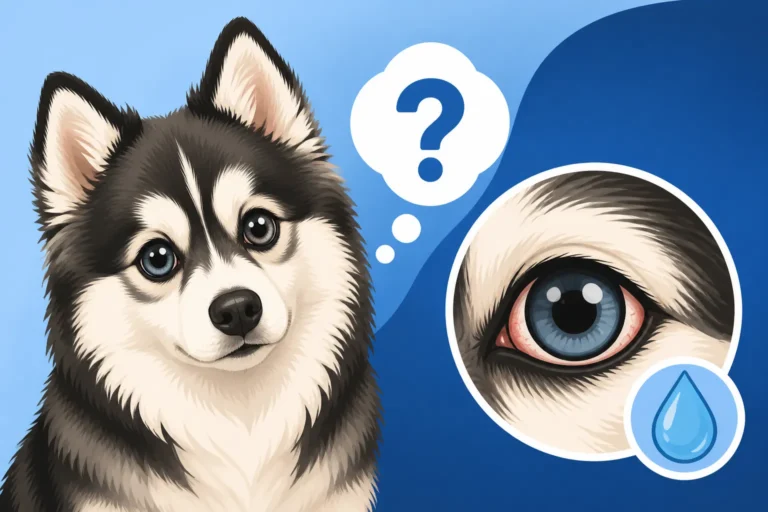
It’s incredibly frustrating when your beloved Pomsky starts scratching constantly, licking their paws raw, or developing irritated skin. You see their discomfort, and it pulls at your heartstrings, leaving you to wonder what on earth is going on and, more importantly, how to make it stop. This guide will delve into the world of Pomsky allergies, explaining why these charming dogs can be prone to them, what symptoms to look for, and how to effectively manage these pesky issues.
Understanding Pomsky Allergies: A Common Frustration
Bringing a Pomsky into your life is an absolute joy, filled with their quirky personalities and boundless energy. However, it can also come with its unique set of challenges, and allergies are certainly high on that list for many owners. It’s disheartening to watch your furry friend suffer from persistent itchiness, red skin, or ear infections, knowing they can’t tell you exactly what’s bothering them. This struggle is a very real part of Pomsky ownership for many.
The Overlap of Parent Breeds in Allergy Predisposition
Pomskies inherit traits from both their Siberian Husky and Pomeranian parents, and unfortunately, this can include a predisposition to certain health issues, allergies being one of them. While neither parent breed is notoriously the most allergic dog out there, both can certainly suffer from them, and when you combine genetics, you sometimes see an amplification of these tendencies. Huskies, for example, can experience environmental allergies, manifesting as skin irritation or itching. Pomeranians, with their dense coats and sometimes sensitive skin, can also contend with various skin issues that often have an allergic component. This genetic blend means your Pomsky might have a higher chance of developing sensitivities to things in their environment or diet, making them more susceptible to persistent itching or dermal problems. It's not a guarantee, of course, but it's a common observation among owners.
Common Symptoms That Point to an Allergy Problem
Spotting allergies in your Pomsky often boils down to keen observation. Unlike humans who might sneeze or get watery eyes, canine allergies frequently present as dermatological issues. The most tell-tale sign is incessant scratching, often focused on their ears, face, armpits, or groin. You might notice your Pomsky constantly licking their paws, which can lead to red, irritated skin between their toes, or even hot spots – those painful, raw lesions that appear seemingly overnight. If you start to see your Pomsky excessively licking its paws, it's a strong indicator that something is amiss, and often it points directly to an allergic reaction. Beyond the obvious scratching, pay attention to repeated ear infections, often signaled by head shaking, ear scratching, a foul odor from the ears, or a discharge. Some Pomskies might develop general redness or a rash on their belly or inner thighs. In rarer cases, gastrointestinal upset like vomiting or diarrhea can be a sign, though skin issues are far more common. Keep an eye out for any changes in their coat or skin texture too; sometimes, it can present as flaky skin or excessive shedding beyond their normal blowing of coat.
The Frustration of Misdiagnosed or Unidentified Allergies
The journey to an allergy diagnosis for your Pomsky can often feel like a frustrating maze, and many owners experience a long period of trial and error. You go to the vet, they treat for fleas, maybe a bacterial infection, and while those treatments might offer temporary relief, the underlying itching returns with a vengeance once the medication runs out. This cycle is incredibly demoralizing. Sometimes, symptoms are subtle, or they overlap with other conditions, making a clear diagnosis elusive. For instance, sometimes skin crusting around the mouth could be a sign of a more complex issue, potentially even something like Zinc Responsive Dermatosis in a Pomsky, which needs to be ruled out before settling on an allergy diagnosis. The sheer variety of potential allergens and the way different dogs react means there’s no one-size-fits-all answer, leading to multiple vet visits, different medications, and a constant worry that you're not getting to the root of the problem. This prolonged uncertainty can be one of the most stressful aspects of dealing with a Pomsky's allergies.
Unpacking the Different Types of Allergies in Pomskies
When we talk about allergies in Pomskies, it’s not a single condition but rather a blanket term for several types of hypersensitivity reactions. Each type has its own triggers and often requires a slightly different approach to management. Understanding these distinctions is crucial for effective treatment and providing relief to your furry companion.
Environmental Allergies: The Scourge of Pollen and Dust
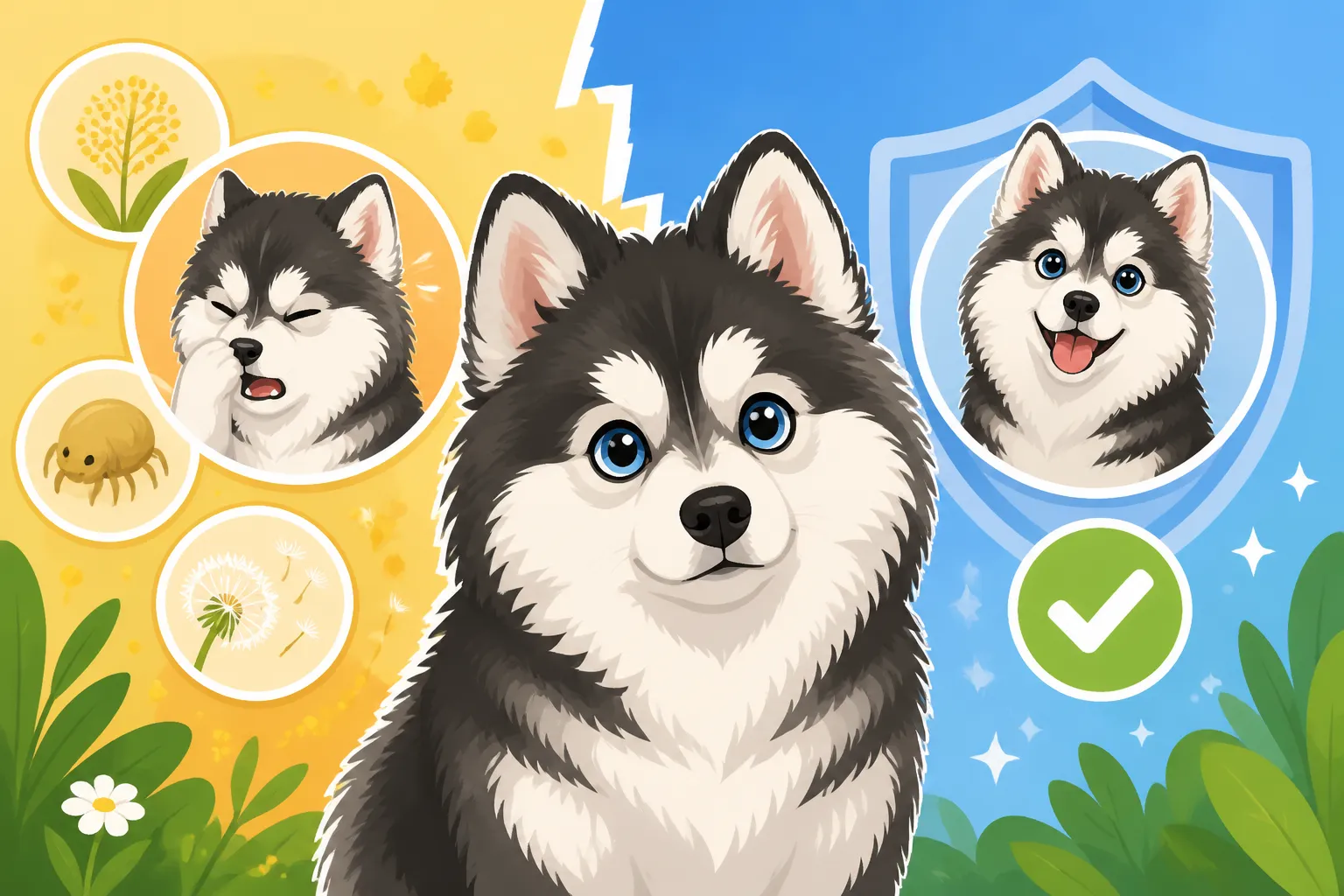
Environmental allergies, often referred to as atopic dermatitis, are by far the most common type of allergy seen in dogs, and Pomskies are no exception. Just like people can be allergic to pollen, dust mites, or mold, so too can our dogs. These allergens are inhaled or absorbed through the skin, triggering an immune response that primarily manifests as intense itching. Think about it: your Pomsky rolls in the grass at the park, or snuggles into a dusty rug at home, and their immune system goes into overdrive. This can lead to red, inflamed skin, especially in areas like their paws, ears, armpits, and groin. You might notice them rubbing their face on the carpet or constantly scratching behind their ears. This type of allergy often has seasonal patterns, flaring up during spring and summer when pollen counts are high, or worsening indoors during winter when dust mites are more prevalent. It’s a constant battle with invisible irritants that are almost impossible to completely avoid.
Food Allergies and Sensitivities: What's on Their Plate?
Food allergies and sensitivities are another significant category, though less common than environmental allergies. The distinction between an allergy and a sensitivity is important: a true food allergy involves an immune response, while a sensitivity is more of an intolerance without an immune system component, though symptoms can overlap. In Pomskies, common culprits often include proteins like chicken, beef, dairy, wheat, and soy. The symptoms of food allergies can be tricky because they often mimic environmental allergies, showing up as skin issues such as itching, rashes, or ear infections. However, food allergies are also more likely to cause gastrointestinal signs like vomiting, diarrhea, or excessive gas. It’s a difficult puzzle to solve because your Pomsky might have been eating the same food for months or even years before developing a reaction, making it hard to connect the dots. The good news is that once identified, managing food allergies usually involves a strict dietary change. If you suspect Whether a Pomsky Reacts to Its Food, a carefully managed elimination diet is typically the next step.
Contact Dermatitis: When Their Skin Reacts
Contact dermatitis is less common but can be very acute and distressing. This occurs when your Pomsky’s skin directly touches an irritating substance or allergen, leading to a localized reaction. Imagine them lying on a freshly treated lawn, walking through certain plants, or reacting to a new shampoo or cleaning product. The skin in the area of contact will become red, itchy, sometimes bumpy, and even blistered. Unlike environmental allergies that typically cause generalized itching, contact dermatitis usually has a distinct pattern corresponding to where the skin came into contact with the irritant. For instance, if they walk through an irritant, their paw pads and lower legs might be affected. If they lay on a chemical-treated carpet, their belly might show the reaction. It’s vital to be vigilant about what your Pomsky comes into physical contact with, especially if you’ve recently changed household products or they’ve been in a new environment. This type of allergy requires identifying and removing the offending agent to resolve the symptoms.
Diagnosing Allergies in Your Pomsky: The Detective Work
Pinpointing the exact cause of your Pomsky's allergies can be a complex and often lengthy process. It requires patience, meticulous observation, and a close working relationship with your veterinarian. It’s not always a straightforward path, but with diligent effort, you can often find the answers needed to provide your Pomsky with much-needed relief.
The Role of Your Veterinarian in Allergy Diagnosis
Your veterinarian is your primary partner in the quest to diagnose your Pomsky's allergies. Their first step will usually be to rule out other potential causes of itching and skin irritation, as many conditions can mimic allergy symptoms. This often includes checking for fleas and other parasites, as well as bacterial or yeast infections, which are often secondary invaders when the skin barrier is compromised by allergies. Sometimes, if a Pomsky has itchy ears, it could be a simple ear infection, but recurrent infections often point to an underlying allergy. Understanding How Often a Pomsky's Ears Should Be Cleaned can help manage secondary issues, but won't solve the core allergy. Your vet will take a detailed history, asking about diet, environment, the seasonality of symptoms, and any previous treatments. This initial consultation is crucial for narrowing down the possibilities and creating a diagnostic plan. They might prescribe antibiotics or antifungals to clear up any secondary infections first, allowing them to better assess the underlying allergic reaction.
Allergy Testing Options: Intradermal vs. Blood Tests
Once other causes are ruled out, your vet might suggest allergy testing to identify specific environmental triggers. There are two main types:
- Intradermal Skin Testing (IDST): This is often considered the gold standard for diagnosing environmental allergies. It's usually performed by a veterinary dermatologist. Your Pomsky will need to be sedated, and a small area on their side will be shaved. Tiny amounts of various allergens (like pollens, dust mites, molds) are then injected just under the skin. The dermatologist then observes the skin for reactions, similar to a human allergy test. A red, raised wheal indicates a positive reaction to a specific allergen. This test is highly sensitive and can pinpoint the exact environmental triggers.
- Serum (Blood) Allergy Testing: This is a less invasive option where a blood sample is taken and sent to a specialized laboratory. The lab tests for antibodies against a panel of common environmental allergens. While convenient, the accuracy of blood tests can sometimes be debated among veterinary professionals, and results may not always correlate perfectly with clinical signs. However, for many owners and vets, it offers a good starting point and can guide environmental management and potential immunotherapy.
It’s important to discuss the pros and cons of each test with your vet to decide which is the best approach for your Pomsky, considering factors like cost, invasiveness, and your dog's specific symptoms.
The Elimination Diet: A Food Allergy Essential
If food allergies are suspected, an elimination diet is the most reliable diagnostic tool. This isn't a simple food switch; it's a carefully controlled process that requires strict adherence. The principle is to feed your Pomsky a novel protein source (one they've never eaten before, like duck, venison, or rabbit) and a novel carbohydrate (like potato or sweet potato) for at least 8-12 weeks. During this time, absolutely no other treats, table scraps, flavored medications, or chew toys are allowed. This meticulous approach ensures that any previous allergens are completely out of their system.
Phase 1: Strict Novel Diet
For the full 8-12 weeks, your Pomsky will eat only the prescribed novel diet. This can be challenging, especially if your Pomsky is used to varied treats or scavenging. It's essential to ensure every member of the household, and even visitors, understands the strict rules.
Phase 2: Reintroduction (Provocation)
If symptoms improve significantly on the novel diet, your vet will then guide you through reintroducing single ingredients from their old diet, one at a time, for about a week each. For example, you might reintroduce chicken. If the itching or gastrointestinal upset returns, you’ve likely identified a trigger. If there’s no reaction, you move on to the next ingredient. This methodical reintroduction allows you to pinpoint the specific food allergens your Pomsky reacts to. It’s a demanding process, but it’s often the only way to truly confirm and identify food sensitivities.
| Allergy Type | Common Symptoms | Typical Triggers | Diagnostic Method (Primary) | Key Management Focus |
|---|---|---|---|---|
| Environmental Allergy | Itchy skin (paws, ears, armpits, groin), recurrent ear infections, skin redness/rashes, excessive licking | Pollen, dust mites, mold, grasses, trees | Intradermal Skin Test (IDST) / Blood Test | Allergen avoidance, symptom relief, immunotherapy |
| Food Allergy | Itchy skin (can be generalized), recurrent ear infections, gastrointestinal upset (vomiting, diarrhea, gas) | Chicken, beef, dairy, wheat, soy, corn | Elimination Diet | Dietary change to novel/hydrolyzed protein |
| Contact Dermatitis | Localized skin irritation (redness, bumps, itching) at contact site | Plants, cleaning products, topical medications, certain materials | History & Physical Exam | Identify and remove offending agent |
Managing Pomsky Allergies: A Multi-faceted Approach
Once your Pomsky's allergies are diagnosed, the focus shifts to management. This often involves a combination of strategies, tailored to your dog's specific needs and the type of allergy they have. There’s no magic bullet, but a consistent, multi-faceted approach can significantly improve their quality of life.
Environmental Management and Symptom Relief
For Pomskies with environmental allergies, minimizing exposure to triggers is key, though rarely entirely possible. If pollen is a culprit, wiping down your Pomsky’s paws and coat with a damp cloth after outdoor excursions can help remove allergens before they’re absorbed. You can read more about The Pomsky That Carries a Husky Coat at Twenty Pounds and how its dense fur can trap allergens. Regular bathing with a hypoallergenic or medicated shampoo can also wash away allergens and soothe irritated skin. Consider using air purifiers in your home, especially in rooms where your Pomsky spends a lot of time, to reduce airborne dust mites and pollen. Washing their bedding frequently in hot water also helps.
For symptom relief, your vet might recommend antihistamines, though their effectiveness varies among dogs. Topical treatments like anti-itch sprays or medicated wipes can provide localized relief for irritated skin, especially for areas like their paws where Whether a Pomsky Licks Its Paws is a common symptom. Omega-3 fatty acid supplements can also help improve skin barrier health and reduce inflammation, working from the inside out. For severe flare-ups, a short course of corticosteroids might be prescribed to quickly reduce inflammation and itching, but these are generally not a long-term solution due to potential side effects.
Dietary Changes and Novel Proteins
If your Pomsky has been diagnosed with a food allergy, the solution lies squarely in their diet. This means a lifelong commitment to feeding them a food that does not contain their identified allergens. This could be a commercial diet formulated with a novel protein source (like venison, rabbit, or fish) that your Pomsky has never been exposed to before. Alternatively, a hydrolyzed protein diet might be recommended. In these diets, the proteins are broken down into such tiny pieces that the immune system doesn't recognize them as allergens.
It's crucial to be incredibly diligent about what your Pomsky eats. This includes all treats, chews, and even flavored medications. Many owners find it challenging to stick to a strict hypoallergenic diet, especially when their Pomsky has a discerning palate. Always read ingredient labels carefully, as even small amounts of an allergen can trigger a reaction. If you're considering giving your Pomsky any supplements, such as Whether a Pomsky Needs Extra Zinc, always check with your vet and ensure it doesn't contain any hidden allergens. A consistent, controlled diet is the cornerstone of managing food allergies and can lead to a dramatic improvement in your Pomsky's symptoms.
Medications and Immunotherapy: When to Consider Them
When environmental management and dietary changes aren't enough, or for severe cases, your vet might suggest medical interventions.
- Apoquel and Cytopoint: These are two commonly used medications for canine atopic dermatitis. Apoquel (oclacitinib) is an oral medication that works by targeting specific pathways involved in the itch response, providing rapid relief for many dogs. Cytopoint is an injectable monoclonal antibody that targets and neutralizes a key protein involved in sending itch signals to the brain. It's given every 4-8 weeks and is very safe with minimal side effects, making it a popular choice. Both offer targeted relief from itching without the broader side effects of steroids.
- Immunotherapy (Allergy Shots/Drops): This is the only treatment that can potentially "cure" environmental allergies, rather than just manage symptoms. After allergy testing identifies specific triggers, a custom-made serum containing tiny amounts of those allergens is formulated. This serum is then administered to your Pomsky, either as injections at home or as oral drops, gradually desensitizing their immune system to the allergens. It's a long-term commitment, usually taking 6-12 months to see significant results, and requires consistent administration. However, for many dogs, it offers substantial, lasting relief and can dramatically reduce the need for other medications. Your vet can advise if immunotherapy, often a significant but worthwhile investment, is suitable for your Pomsky's specific allergy profile.
Preventing Allergies and Supporting Skin Health
While you can't entirely prevent a genetic predisposition to allergies, there are proactive steps you can take to support your Pomsky's skin health and potentially reduce the frequency or severity of allergic flare-ups. A holistic approach focusing on diet, grooming, and environmental control can make a real difference.
Proactive Measures for Allergy-Prone Pomskies
Maintaining a healthy gut microbiome is increasingly understood to play a role in overall immune health, which in turn can influence allergy responses. Consider incorporating probiotics into your Pomsky's diet, especially if they've been on antibiotics or have sensitive stomachs. A high-quality diet rich in Omega-3 fatty acids (from sources like fish oil) is also vital, as these fats are known for their anti-inflammatory properties and their role in maintaining a healthy skin barrier. A strong skin barrier is your Pomsky's first line of defense against environmental allergens.
Regular flea and tick prevention is absolutely non-negotiable. Even a single flea bite can trigger an intense allergic reaction in a flea-allergic dog, causing widespread itching and Hot Spots Under a Pomsky's Undercoat. Preventing these parasitic infestations can eliminate a common source of intense irritation and prevent misdiagnosis of other allergies. Beyond immediate relief, keeping your Pomsky generally healthy and stress-free contributes to a robust immune system that is better equipped to handle environmental challenges.
Grooming and Coat Care as an Allergy Defense
Given that many Pomskies have dense, double coats inherited from their Husky lineage, grooming plays a crucial role in allergy management. Regular brushing, especially during shedding seasons when Whether a Pomsky Blows Its Coat Twice a Year is a common concern, helps remove loose hair, dander, and trapped environmental allergens. Using an undercoat rake can effectively get deep into their dense fur to remove debris.
Bathing can be a double-edged sword: too frequent or harsh bathing can strip natural oils, but strategic bathing can be incredibly beneficial. For environmental allergies, bathing your Pomsky with a gentle, hypoallergenic shampoo at least weekly (or as advised by your vet) can physically wash away pollens, dust mites, and other irritants from their coat and skin. This can significantly reduce their overall allergen burden. Always ensure you rinse thoroughly and dry their double coat completely to prevent moisture-related skin issues like yeast infections, which can often be a secondary problem when Whether a Pomsky Gets Yeast in Its Coat due to allergies. Regular professional grooming can also be an excellent investment, as groomers have specialized tools and expertise to properly manage a Pomsky's unique coat while being mindful of skin sensitivities. For example, a thorough deshedding treatment can physically remove a lot of the accumulated irritants.
The Long-Term Commitment to Allergy Management
Living with a Pomsky who has allergies is a marathon, not a sprint. It requires ongoing vigilance and adaptation. What works one year might need adjustment the next, as allergies can evolve over time. This long-term commitment extends to consistent vet check-ups, especially for flare-ups or changes in symptoms. Keep a detailed log of your Pomsky’s symptoms, diet, and any treatments you're administering; this information is invaluable for your vet.
It also means being prepared for the financial aspect of managing a chronic condition. Allergy medications, specialized foods, and vet visits can add up. This is where pet insurance can be a real lifesaver. Many owners find that policies from providers like Healthy Paws can significantly offset the costs of ongoing allergy treatments, diagnostic tests, and specialized veterinary care. When looking at Insuring a Pomsky Against Two Parent Breeds, it's worth checking policy details carefully to understand coverage for chronic conditions like allergies. Knowing What Insuring a Pomsky Runs Monthly and what it covers can provide immense peace of mind, allowing you to prioritize your Pomsky's health without constantly worrying about the bill. Patience and persistence are your greatest allies in ensuring your allergic Pomsky can still live a comfortable, happy life.
Disclaimer
Please remember that this guide offers general information and is not a substitute for professional veterinary advice. If you suspect your Pomsky has allergies or any other health concerns, always consult with a qualified veterinarian for an accurate diagnosis and personalized treatment plan.