Whether a Pomsky Licks Its Paws
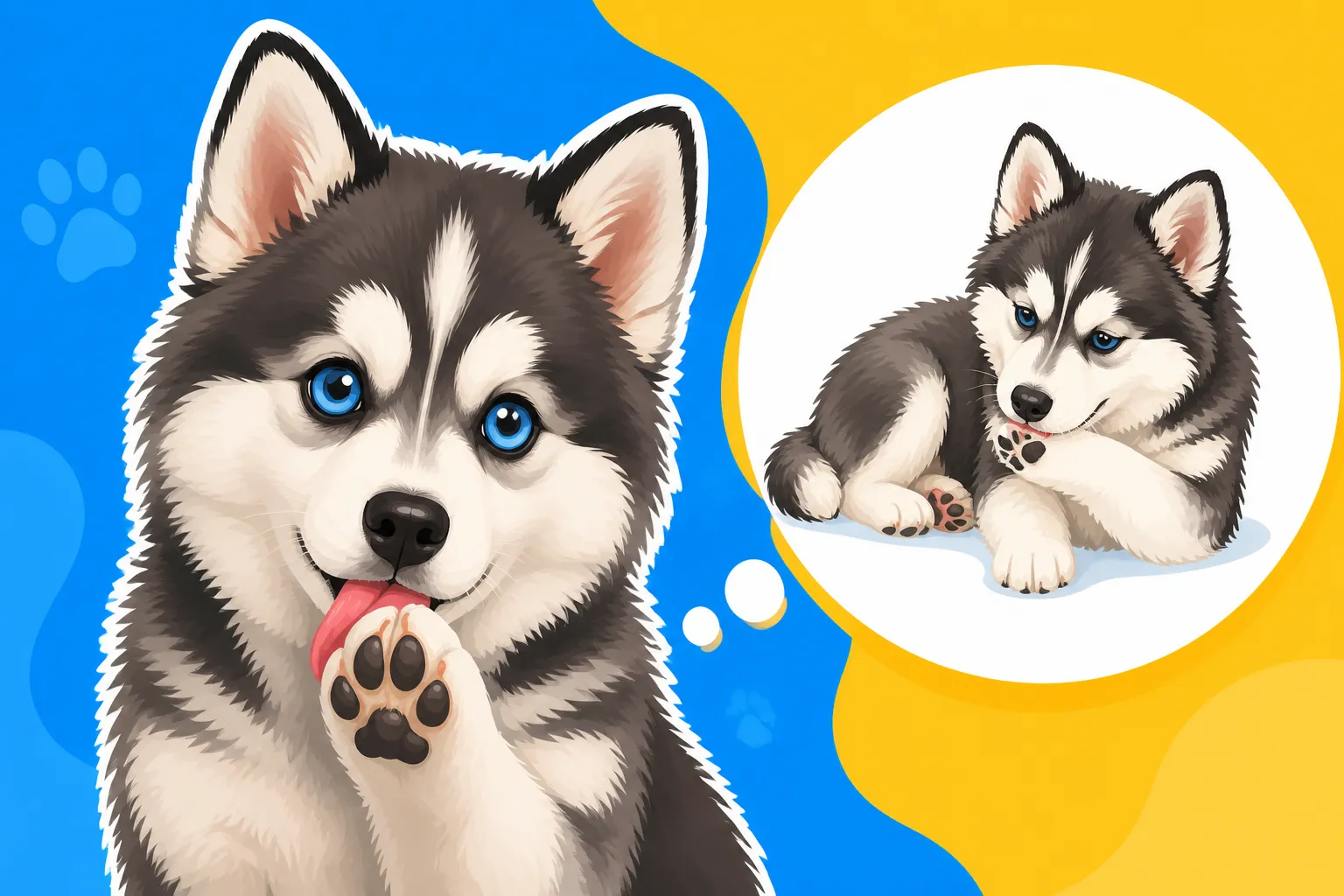
It's a common, often heartbreaking sight: your beloved Pomsky relentlessly licking their paws, sometimes to the point of irritation or even raw, inflamed skin. You watch them do it, feeling helpless as they can't seem to stop themselves, leaving you worried and wondering what on earth could be causing such distress. This guide is here to unravel the mystery behind why your Pomsky might be excessively licking their paws and offer actionable steps to bring them much-needed relief and comfort.
Why Pomskies Lick Their Paws: Common Causes
Paw licking isn't just a quirky habit; it's often a dog's way of telling us something is wrong. Because Pomskies inherit traits from both the Siberian Husky and the Pomeranian, they can be susceptible to a range of issues that manifest as paw licking. Understanding these common culprits is the first step toward helping your furry friend.
Allergies: The Itch You Can't See
Just like people, Pomskies can suffer from allergies, and one of the most common ways these manifest is through itchy skin, often concentrated on their paws. Imagine having an itch you can't scratch with your hands, so you resort to licking the affected area. That's precisely what many allergic dogs do. These allergies can be environmental, like pollen, dust mites, or mold, which are often seasonal and cause more intense licking during certain times of the year. Your Pomsky might be picking up allergens on their paws during walks, bringing them inside, and then licking them as a reaction.
Beyond environmental factors, food allergies or sensitivities are another major player. Certain ingredients in their kibble or treats, often proteins like chicken, beef, or dairy, can trigger an immune response that results in widespread itching, including the paws. It's frustrating because the solution isn't always obvious, and it can take some detective work to pinpoint the exact allergen. The incessant licking can lead to secondary issues like bacterial or yeast infections, creating a vicious cycle where the licking itself perpetuates the problem, as explored further in discussions about Whether a Pomsky Gets Allergies.
Contact dermatitis is another allergic reaction, though typically more localized. This happens when your Pomsky's paws come into direct contact with an irritating substance. Think about walking through freshly treated grass, encountering harsh cleaning chemicals on the floor, or even stepping on an abrasive surface. The skin on their paw pads or between their toes might react with redness, swelling, and intense itching, leading to an immediate and focused licking spree on the affected paw. It’s their instinctive reaction to try and 'clean' or soothe the irritation.
Pain or Injury: A Silent Plea
Sometimes, the reason for paw licking is much simpler and more immediate: pain. Dogs are incredibly stoic, and they often try to hide discomfort, but persistent licking of a single paw can be a dead giveaway that something hurts. Your Pomsky might have stepped on a sharp object, like a thorn, a piece of glass, or even a tiny stone that's now lodged uncomfortably between their paw pads. Small cuts, abrasions, or puncture wounds can be easily missed if you're not meticulously inspecting their paws regularly.
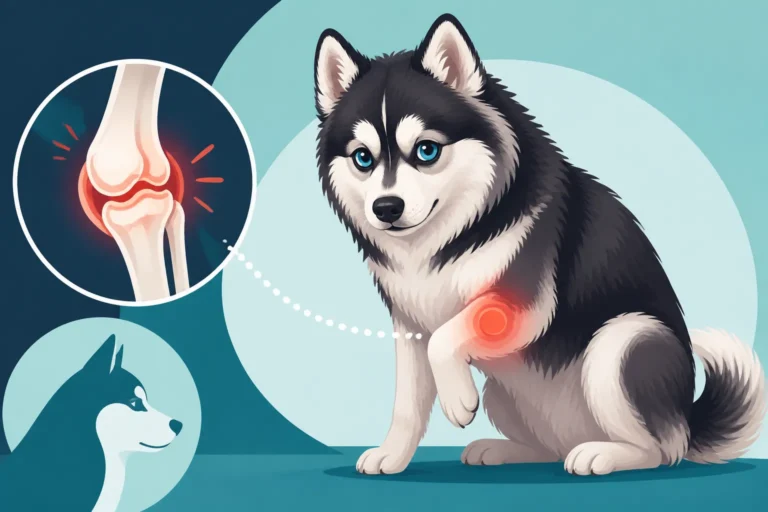
Beyond acute injuries, underlying orthopedic issues can also lead to paw licking. Conditions like arthritis, a sprain, or even a subtle dislocation can cause chronic pain in a paw or leg, prompting your Pomsky to lick the area in an attempt to self-soothe. This is especially true for older Pomskies, where joint discomfort can become a daily reality, making Exercise for an Old Pomsky a delicate balance. Sometimes, the pain isn't directly in the paw itself but radiating from higher up the leg, yet the paw is the easiest place for them to reach and lick. Even something as seemingly benign as a chipped nail or an ingrown nail can cause significant discomfort and persistent licking. It’s always worth considering if an issue like Whether a Pomsky Should Jump Off Furniture too often could contribute to joint stress over time.
A foreign body embedded deep within the paw, perhaps a persistent foxtail or a splinter, can be incredibly irritating and painful, leading to localized swelling and relentless licking. These can be particularly insidious because they can migrate deeper into the tissue, potentially causing abscesses if not addressed. Even insect stings or bites, especially from ants or bees, can cause sharp pain and swelling, making your Pomsky focus intensely on licking the affected paw to alleviate the immediate sting and itch.
Boredom, Stress, and Anxiety: Emotional Triggers
It’s easy to overlook the emotional side of paw licking, but sometimes, it’s not about physical discomfort at all. For intelligent and active breeds like Pomskies, chronic boredom can lead to displacement behaviors, and obsessive paw licking is a classic example. If your Pomsky isn't getting enough mental stimulation or physical exercise – perhaps they're left alone for long stretches, or The Exercise a Pomsky Needs Every Day isn't being met – they might turn to repetitive actions to occupy themselves. Licking offers a sensory input that can become a habit, almost a self-pacifying mechanism.
Anxiety and stress are also huge contributors. Pomskies can be sensitive souls, and changes in their environment, separation anxiety, loud noises (like thunderstorms or fireworks), or even tension within the household can trigger stress behaviors. Paw licking can be a coping mechanism, a way for them to release nervous energy or comfort themselves in times of emotional distress. This is similar to how some people bite their nails when anxious. Understanding their emotional state is crucial, as simply telling them to stop won't address the underlying feeling that drives the behavior, which also relates to broader topics like Whether a Pomsky Needs a Job to feel fulfilled.
Sometimes, this anxious licking can escalate into obsessive-compulsive disorder (OCD) if left unaddressed. What starts as occasional licking due to boredom or mild stress can become a compulsive behavior that is difficult to break, even when the original trigger is removed. The constant licking can then lead to skin irritation, infections, and granulomas, further compounding the problem and making it a medical issue in its own right. It's a tricky cycle to break, and often requires a multi-faceted approach involving environmental changes, enrichment, and sometimes even behavioral modification techniques.
Digging Deeper: Identifying the Root of the Problem
When your Pomsky starts licking their paws, it's natural to feel a bit overwhelmed. There are so many potential causes! But don't despair. With a bit of careful observation and systematic investigation at home, you can often gather crucial clues that will help you, and eventually your veterinarian, pinpoint the exact issue. This detective work is key to finding the right solution.
A Home Investigation: What to Look For
Your first step should be a thorough visual and tactile inspection of your Pomsky’s paws. Gently spread their toes and examine the skin between the pads. Are there any visible cuts, scrapes, splinters, thorns, or other foreign objects? Look for redness, swelling, or any signs of irritation like pustules or crusting. Sometimes, a tiny burr or a foxtail can be nestled deep within the fur, causing immense discomfort. Check their nail beds carefully for any signs of a broken or ingrown nail. Don’t forget to check the pads themselves for any cracks, peeling, or abnormal textures. Any discharge or foul odor could indicate an infection, possibly related to Whether a Pomsky Gets Yeast in Its Coat.
Next, think about the timing. Is the licking seasonal? If it happens predominantly in spring or fall, environmental allergies are a strong suspect. Does it happen after walks in certain areas? This could point to contact dermatitis from grass, chemicals, or specific plants. Consider their diet: have you recently changed their food or treats? A new ingredient could trigger a food sensitivity. Even Whether a Pomsky Needs Extra Zinc in their diet can impact skin health, as zinc deficiency can sometimes lead to skin issues around the paws. Reflect on any recent changes in your household routine, stress levels, or even the amount of exercise and mental stimulation your Pomsky is receiving. Any significant shifts could be contributing to anxiety or boredom-related licking.
Another critical aspect of your home investigation is to note which paw or paws your Pomsky is licking. If it’s consistently just one paw, the cause is highly likely to be localized pain or injury in that specific paw or leg. If it's all four paws, or changes frequently between them, then a systemic issue like allergies, widespread skin irritation, or behavioral causes (boredom, anxiety) are more probable. This detail alone can help narrow down the possibilities significantly. Pay attention to how intense the licking is, and if it’s accompanied by chewing or nibbling, which often points more strongly towards an itch rather than just pain.
Keeping a Paw Licking Journal
One of the most valuable tools you can create is a detailed paw licking journal. This isn't just about noting when your Pomsky licks; it's about documenting the context. Start by recording the date and time of each significant licking episode. How long did it last? Which paw (or paws) were involved? What was your Pomsky doing immediately before and after the licking started? Were they resting, just come in from outside, or were they left alone for a while?
In your journal, also keep track of environmental factors. Note the weather, what plants are blooming, and where you walked your Pomsky that day. Document any new foods, treats, or even household cleaning products you've used. If you're administering any topical treatments or making dietary changes, record these as well and observe if there's any correlation with a decrease or increase in licking. This systematic approach helps create a timeline and highlights patterns that might otherwise go unnoticed. This detailed record will be invaluable when you speak to your vet, offering them a comprehensive picture of the situation. For complex issues, a good record can save time and help pinpoint the issue faster, potentially reducing overall costs, which is something many pet parents think about when considering What a Pomsky's Vet Bills Look Like.
Beyond just the licking, note any other symptoms your Pomsky might be exhibiting. Are they limping or favoring a leg? Is their coat dull or losing patches? Are they scratching other parts of their body? Is their appetite normal, or are they more lethargic than usual? These seemingly unrelated details can all be pieces of the puzzle. For example, excessive scratching coupled with paw licking might scream "allergies," while a subtle limp points to pain. The more information you meticulously gather, the better equipped your vet will be to make an accurate diagnosis. Remember, this isn't just about recording what you see, but also considering what your Pomsky might be experiencing emotionally or physically.
Practical Solutions for Persistent Paw Licking
Once you have a better idea of why your Pomsky is licking their paws, you can start implementing practical solutions at home. Some issues might be resolved with simple changes, while others might require a more holistic approach. The key is to be consistent and patient, as finding the perfect solution often involves a bit of trial and error.
Environmental Adjustments and Enrichment
If environmental allergies are suspected, minimizing exposure to allergens is crucial. After walks, especially during high pollen seasons, gently wipe your Pomsky's paws with a damp cloth or a specialized paw wipe. This helps remove pollen, dust, and other irritants before they can be licked off. Consider using dog booties if walking through areas with known irritants, like freshly treated lawns or very hot pavement. Regular vacuuming and cleaning with pet-safe products indoors can also reduce dust mites and mold spores that might be contributing to their itch.
For boredom or anxiety-driven licking, increasing mental and physical enrichment is paramount. Pomskies are intelligent and active dogs who thrive on having a "job." Ensure they're getting adequate exercise daily – not just a quick potty break, but a good walk or playtime that truly tires them out, as discussed in The Exercise a Pomsky Needs Every Day. Introduce puzzle toys, snuffle mats, or interactive feeders that challenge their minds and keep them engaged. Regular training sessions, even just 10-15 minutes a day, can provide mental stimulation and reinforce positive behaviors. Giving them appropriate outlets for their energy can significantly reduce the need for self-soothing behaviors like paw licking, tying into the idea of Whether a Pomsky Needs a Job.
If separation anxiety is a factor, gradually desensitizing your Pomsky to your absence and creating a calming environment can help. This might involve leaving them with high-value puzzle toys, playing calming music, or using pheromone diffusers like Adaptil. Some owners find that crating their Pomsky when they leave, after proper crate training, provides a sense of security. The goal is to make alone time less stressful and less likely to trigger anxious behaviors.
Dietary Changes and Supplements
For suspected food allergies or sensitivities, a dietary elimination trial is often the most effective way to identify the culprit. This involves switching your Pomsky to a novel protein diet (one they've never eaten before, like duck or venison) or a hydrolyzed protein diet (where the proteins are broken down so small their immune system doesn't react). You'll feed only this new food for 8-12 weeks, with no other treats, table scraps, or flavored medications. If the paw licking resolves, you can then slowly reintroduce old ingredients one by one to pinpoint the allergen. This process requires dedication, but it’s often worth it to identify what’s causing the chronic itch.
Beyond identifying allergens, certain supplements can support overall skin health and reduce inflammation. Omega-3 fatty acids, found in fish oil, are renowned for their anti-inflammatory properties and can significantly improve skin and coat health. Probiotics can also be beneficial, as a healthy gut microbiome plays a crucial role in immune function and can sometimes mitigate allergic responses. Your vet might also recommend specific vitamins or minerals if a deficiency is suspected; for example, some skin issues can stem from a zinc deficiency, which might lead to questions like Whether a Pomsky Needs Extra Zinc. Always consult your veterinarian before adding any new supplements to your Pomsky’s diet to ensure they are appropriate and correctly dosed.
Even if a full food allergy isn't present, ensuring your Pomsky is on a high-quality, balanced diet can improve their skin barrier health and resilience. Look for foods with recognizable ingredients, healthy fats, and good sources of vitamins and minerals. Sometimes, switching to a higher quality food, even if not specifically a novel protein, can make a difference simply by providing better overall nutrition for skin and coat, leading to less dryness and irritation that might prompt licking.
Topical Treatments and Paw Care
Good paw hygiene is foundational. Regularly clean your Pomsky's paws, especially after walks, to remove dirt, allergens, and irritants. If they have long hair between their paw pads, carefully trimming it can prevent matting, which can cause discomfort, trap debris, and make it harder to keep the area clean. This is part of general grooming that also includes lessons on Teaching a Pomsky to Be Brushed. Keeping nails trimmed prevents them from growing too long and causing pain or altering their gait, which can lead to compensatory licking.
For irritated or inflamed paws, your vet might recommend topical treatments. These can include medicated shampoos or paw soaks (e.g., with Epsom salts or diluted apple cider vinegar, but only under vet guidance), antibiotic ointments for bacterial infections, or antifungal creams for yeast infections. Barrier balms or waxes can also protect paw pads from harsh surfaces, preventing cracks and dryness. However, it's crucial to ensure any topical product is safe if licked, as your Pomsky will undoubtedly try to lick it off.
Sometimes, a physical barrier is needed to break the licking cycle. Elizabethan collars (e-collars or "cones of shame") are the classic solution, though not always popular with dogs. Softer, inflatable collars or recovery suits can be more comfortable alternatives while allowing the paws to heal without constant licking. While these don't solve the underlying problem, they provide a necessary pause in the licking, allowing medications or natural healing processes to take effect without interference. This temporary measure is often vital for controlling a spiraling problem that leads to issues like Hot Spots Under a Pomsky's Undercoat.
When to Call the Vet: Red Flags and Medical Intervention
While home remedies and environmental adjustments can go a long way, there are definitely times when professional veterinary intervention is non-negotiable. Ignoring persistent paw licking can lead to more severe health issues, so knowing when to seek expert help is crucial for your Pomsky’s well-being.
Signs That Warrant Immediate Attention
If you notice that your Pomsky’s paw licking is becoming obsessive, to the point where they are creating raw, broken skin, or developing open sores, it's time to call the vet immediately. These open wounds are prime targets for secondary bacterial or fungal infections, which can quickly worsen and become much harder to treat. You might see pus, crusting, or a strong, foul odor emanating from the paws. These are clear indicators of an active infection that needs prompt medical attention and likely a course of antibiotics or antifungals.
Another major red flag is if the paw licking is accompanied by other symptoms of pain or distress. This could include limping, an unwillingness to put weight on a particular paw, swelling that’s visible even without spreading the toes, or intense sensitivity when you try to examine the paw. If your Pomsky cries out, snaps, or recoils when you touch their paw, it suggests significant discomfort that warrants a professional diagnosis. General signs of illness, such as lethargy, loss of appetite, fever, or changes in behavior alongside the paw licking, also indicate a need for urgent veterinary care. Prompt action can make all the difference in preventing complications.
Persistent licking that doesn't respond to any of your home interventions or seems to be getting worse is also a sign that it’s time to consult your veterinarian. If you’ve tried environmental changes, dietary adjustments, and consistent paw hygiene for a reasonable period (say, a week or two), and your Pomsky is still intensely licking, it means the underlying cause is likely more complex or severe than you can address on your own. Don't feel like you've failed; you've simply gathered valuable information that your vet can now use.
Diagnostic Steps Your Vet Might Take
When you bring your Pomsky to the vet for paw licking, expect a thorough examination. Your veterinarian will typically start with a detailed physical exam, paying close attention to all four paws, checking for foreign bodies, injuries, swelling, redness, and signs of infection. They'll also check for pain responses and assess your Pomsky’s gait to see if there are any underlying orthopedic issues. They will likely review your paw licking journal, which can provide a timeline and crucial context. This initial assessment helps them narrow down the possibilities and decide on the next diagnostic steps.
Depending on their initial findings, your vet might recommend several tests. A cytology (microscopic examination of a skin swab or scraping) from the affected paw can quickly identify the presence of yeast, bacteria, or mites, which are common causes of itching and infection. If a foreign body is suspected but not visible, X-rays might be taken to look for embedded objects or rule out bone injuries or arthritis. In cases of suspected allergies, your vet might discuss options for allergy testing (either blood tests or intradermal skin tests) or guide you through a strict elimination diet, if you haven’t already done so. Sometimes, a full What a Skin Workup Costs on a Pomsky can be involved.
For behavioral licking, your vet might explore your Pomsky’s daily routine, home environment, and social interactions to identify potential stressors. They might suggest a referral to a veterinary behaviorist for a more in-depth assessment and behavioral modification plan. In some severe cases of anxiety or compulsive disorders, medication might be prescribed alongside behavioral therapy. Remember that seeking veterinary care is an investment in your Pomsky's health and happiness. Reputable pet insurance providers, like Healthy Paws, often cover diagnostic tests and treatments for medical conditions like chronic allergies, infections, and injuries that cause paw licking, providing peace of mind during these sometimes costly investigations. Discussing treatment options and costs with your vet and understanding your pet insurance coverage from providers like Healthy Paws can help you make informed decisions.
No matter the cause, persistent paw licking is a sign your Pomsky needs help. With careful observation, consistent home care, and timely veterinary intervention, most cases can be successfully managed, bringing much-needed relief to your beloved companion. Don't hesitate to reach out to your vet; they are your best partner in getting to the bottom of this frustrating problem. Knowing that your Healthy Paws policy can assist with unexpected vet bills can ease the financial burden of getting your Pomsky back to comfortable paws.
Disclaimer
This article is intended for informational purposes only and does not constitute medical advice. Always consult with a qualified veterinarian for any health concerns or before making any decisions about your Pomsky's medical care or treatment plan.