Whether an Epileptic Pomsky Can Be Managed
Finding out your beloved Pomsky is experiencing seizures can be incredibly frightening and isolating. One moment they're playing, full of life, and the next they're convulsing, unresponsive, and you feel utterly helpless. It's a terrifying experience that leaves many Pomsky parents wondering if their furry companion can still lead a happy, fulfilling life. This comprehensive guide is here to reassure you that, yes, an epileptic Pomsky can absolutely be managed, and we'll walk through exactly how to navigate this challenging journey together.
Understanding Epilepsy in Your Beloved Pomsky
Epilepsy in dogs, much like in humans, is a chronic neurological disorder characterized by recurrent, unprovoked seizures. It's not a single disease but rather a symptom of abnormal electrical activity in the brain. When you see your Pomsky suddenly collapse, twitch, or appear disoriented, it’s a manifestation of this electrical storm. The unpredictability is often the hardest part for owners to cope with, leaving a constant worry hovering over their daily lives. But understanding what’s happening is the first step toward regaining some control.
What Causes Seizures in Pomskies?
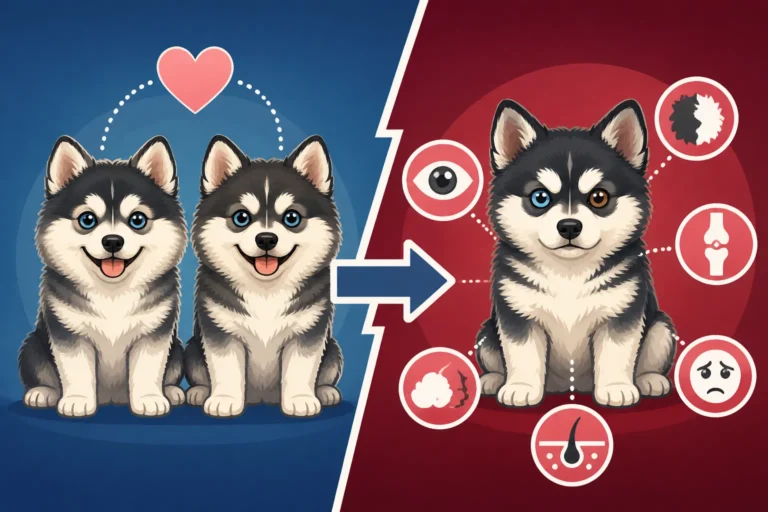
The causes of seizures in dogs can be quite varied, but when we talk about true epilepsy, we're often looking at what's called "idiopathic epilepsy." This means there's no identifiable underlying cause, such as a brain tumor or infection, and it's suspected to have a genetic component. For Pomskies, being a mixed breed of Siberian Husky and Pomeranian, they can inherit predispositions from either side of their family tree. While research is ongoing, certain breeds are known to have higher incidences of epilepsy, suggesting a genetic link. It's a tough pill to swallow when you realize your dog's condition might just be a roll of the genetic dice, something completely out of your control. Many owners wonder Whether a Pomsky Gets Epilepsy From Either Parent, trying to trace back if this predisposition came from the Husky's independent spirit or the Pomeranian's spirited energy.
Beyond idiopathic epilepsy, seizures can also be symptomatic of other issues. Structural problems within the brain, like tumors, cysts, or inflammation, can trigger them. Metabolic disorders, such as severe liver or kidney disease, or even conditions like low blood sugar (hypoglycemia), can also manifest as seizures. Head trauma, exposure to toxins (like certain pesticides or even some household cleaners), and infections such as distemper or meningitis are other potential culprits. This is why a thorough diagnostic process is so crucial – your vet needs to rule out all these possibilities to arrive at an accurate diagnosis of epilepsy. It’s not just about stopping the seizures; it’s about understanding why they’re happening.
Differentiating Epilepsy from Other Conditions
It’s easy to jump to conclusions when you see your Pomsky seize for the first time, but it’s important to remember that not all seizure-like activity is epilepsy. There are several other conditions that can mimic a seizure, which is why your vet will perform a comprehensive workup. For instance, a sudden drop in blood sugar, especially in younger or smaller Pomskies, might look a lot like a seizure. You might hear stories of puppies "crashing" due to low glucose, and it’s important to know that Whether a Pomsky Puppy Crashes on Blood Sugar can be a very real concern, especially with smaller breeds.
Beyond metabolic issues, cardiac events can sometimes be mistaken for seizures. If your Pomsky has an underlying heart condition, they might suddenly collapse or faint, a phenomenon known as syncope. This can often be accompanied by involuntary muscle movements, making it hard to distinguish from a true seizure. Your vet might want to investigate Whether a Pomsky Gets Heart Disease to rule out any cardiac causes. Furthermore, behavioral issues like narcolepsy or even extreme excitement can sometimes cause a dog to momentarily lose control, though these are typically much less severe and shorter in duration than actual seizures. The key is careful observation and clear communication with your veterinarian to help them pinpoint the exact nature of these unsettling episodes.
Recognizing and Responding to Seizures in Your Pomsky
One of the most empowering things you can do as a Pomsky owner facing epilepsy is to become an expert observer. Learning to recognize the subtle cues before a seizure, understanding the different types of seizures, and knowing how to respond effectively can make a significant difference in both your dog's safety and your peace of mind. It transforms you from a helpless bystander into an active participant in their care.
Types of Seizures You Might Witness
Seizures aren't a one-size-fits-all event; they can present in various ways. The most commonly recognized type is the generalized seizure, often referred to as a "grand mal" seizure. This is the dramatic one we often picture: your Pomsky might collapse, lose consciousness, paddle their legs, salivate excessively, chew their tongue, and possibly lose bladder or bowel control. These usually last from a few seconds to a few minutes. It's an incredibly distressing sight, and it’s during these moments that many owners feel the most overwhelmed.
Then there are focal seizures, sometimes called partial seizures. These are more localized and might affect only one part of the body. Your Pomsky might twitch an ear, blink rapidly, or experience tremors in one limb. Sometimes, these focal seizures can progress into generalized seizures, making them harder to distinguish. Another type is cluster seizures, which refers to multiple seizures occurring within a 24-hour period, with the dog regaining consciousness between episodes. This is particularly concerning as it indicates a more severe form of epilepsy and often requires immediate veterinary attention. Finally, status epilepticus is a medical emergency where a seizure lasts for more than five minutes or multiple seizures occur without the dog ever fully recovering consciousness in between. If your Pomsky experiences this, it’s critical to seek emergency vet care immediately. Understanding these distinctions helps you accurately describe the events to your vet, aiding in diagnosis and treatment.
What to Do During a Seizure
When your Pomsky has a seizure, it's natural to panic, but the most important thing is to stay calm and ensure their safety. First and foremost, protect them from injury. If they are near stairs, sharp furniture, or water, gently move them to a safe, open space on the floor. Don't try to hold them down or restrain their movements; you could get accidentally bitten, and it won't stop the seizure. Resist the urge to put your hands near their mouth – they cannot swallow their tongue, and you risk a severe bite. Just like any of us, a Pomsky experiencing a seizure is completely unaware of their surroundings.
Your main job is to time the seizure. This detail is incredibly important for your vet. Note when it starts and when it ends. You can use your phone's stopwatch function or simply note the clock. If you can, discreetly record a video. This footage can be invaluable for your vet to understand the nature of the seizure, especially if it's a focal one or has unusual characteristics. After the seizure, the immediate post-seizure period, known as the "post-ictal phase," is crucial. Your Pomsky will likely be disoriented, confused, possibly temporarily blind, and might pace or act strangely. Talk to them calmly, gently reassure them, and keep them away from anything that could cause further stress or injury. Dim the lights and keep the environment quiet.
Post-Seizure Care and Observation
The period immediately following a seizure can be just as unsettling as the seizure itself. Your Pomsky may be confused, wobbly, restless, or unusually hungry or thirsty. This post-ictal phase can last from a few minutes to several hours, or even a full day. During this time, continue to keep them in a safe, quiet environment. Offer small amounts of water, and once they seem more settled, a small, easily digestible meal. Avoid overstimulating them with loud noises, bright lights, or excessive handling. Give them space to recover at their own pace.
It's also essential to observe any lasting effects. Are they still disoriented? Are they walking straight? Any residual weakness or changes in behavior? Documenting these observations in a seizure log will be incredibly helpful for your veterinary team. This ongoing record allows them to track the frequency, duration, and severity of seizures, as well as the effectiveness of any medication. Many pet parents find great comfort in having a structured approach to this challenging time, knowing that every piece of information helps manage their Pomsky's condition more effectively.
Navigating Diagnosis and Treatment Options
Getting a definitive diagnosis and establishing an effective treatment plan for an epileptic Pomsky can feel like a marathon, not a sprint. It often involves multiple vet visits, diagnostic tests, and a period of trial and error with medications. But with patience and a dedicated veterinary team, successful management is absolutely within reach.
The Diagnostic Journey
When your Pomsky experiences a seizure, the first thing your veterinarian will do is perform a thorough physical and neurological exam. They'll ask you for detailed information about the seizure event itself – what it looked like, how long it lasted, what happened before and after, and if your Pomsky has had any previous episodes. This initial information is critical, as discussed above. Then, they'll likely recommend a series of diagnostic tests to rule out other potential causes for the seizures. These often include blood tests to check organ function (liver, kidneys), electrolytes, and blood sugar levels. A full thyroid panel might also be run, as Signs a Pomsky's Thyroid Has Failed can sometimes include neurological symptoms, though rarely seizures directly.
If these initial tests come back normal, your vet might suggest advanced diagnostics. This is where it can get a bit more involved and costly. An MRI (Magnetic Resonance Imaging) of the brain is often the gold standard for ruling out structural abnormalities like tumors, cysts, or inflammation. A CSF (cerebrospinal fluid) tap might also be performed to check for infections or inflammatory conditions affecting the brain and spinal cord. While these tests can be expensive, they are crucial for differentiating idiopathic epilepsy from other treatable conditions. It’s a significant investment, but understanding the precise cause is fundamental to effective treatment. Owners often grapple with What a Pomsky's Vet Bills Look Like in these scenarios, as advanced diagnostics can quickly add up.
Conventional Medical Management
Once idiopathic epilepsy is diagnosed, the cornerstone of management is usually anticonvulsant medication. The goal isn't necessarily to eliminate seizures entirely, but to reduce their frequency, severity, and duration, thereby improving your Pomsky's quality of life. The most common medications include phenobarbital, potassium bromide, Levetiracetam (Keppra), and Zonisamide. Your vet will start with one medication, often phenobarbital or potassium bromide, and adjust the dosage based on your Pomsky's response and any side effects.
It’s important to understand that finding the right medication and dosage is often a process of trial and error. Your Pomsky might experience side effects like sedation, increased thirst, or increased hunger, especially in the initial stages of treatment. These side effects often diminish over time as their body adjusts. Regular blood tests will be needed to monitor drug levels in their system and check for any adverse effects on their liver or other organs. Never stop or change your Pomsky's medication without consulting your vet, as this can trigger severe rebound seizures. This ongoing commitment to medication and monitoring is a long-term part of The Screening a Pomsky Should Have Yearly and ensuring your Pomsky's health.
Complementary Therapies and Lifestyle Adjustments
While medication is paramount, complementary therapies and lifestyle adjustments can play a supportive role in managing an epileptic Pomsky. Diet is one area many owners explore. Some veterinarians suggest a ketogenic diet or a diet rich in medium-chain triglycerides (MCTs) for dogs with epilepsy, as these can provide an alternative energy source for the brain and potentially reduce seizure activity. Brands like Purina Pro Plan Veterinary Diets Neurocare are specifically formulated for neurological support. Always discuss any significant dietary changes with your vet to ensure it's appropriate for your Pomsky's overall health.
Beyond diet, some owners investigate supplements like CBD oil, melatonin, or certain vitamins, although scientific evidence for their effectiveness in canine epilepsy is still emerging and results can vary greatly. If you’re considering supplements, always consult your vet first, as some can interact negatively with prescribed medications or have unintended side effects. Managing stress is another key factor, as stress can sometimes be What Triggers Seizures in a Pomsky. Maintaining a consistent routine, providing plenty of mental and physical stimulation (without overdoing it, especially if Whether a Pomsky Overheats More Than a Husky is a concern), and creating a calm home environment can all contribute to a more stable state for your Pomsky.
| Seizure Type | Description | Typical Duration | Key Observations |
|---|---|---|---|
| Generalized (Grand Mal) | Loss of consciousness, body stiffens, leg paddling, drooling, vocalization, potential loss of bladder/bowel control. | Seconds to 3 minutes | Entire body affected, dog unresponsive, full recovery takes time. |
| Focal (Partial) | Localized twitching (face, limb), behavioral changes (fly-biting, tail chasing), dilated pupils, confusion. | Seconds to 1-2 minutes | Only part of the body affected, consciousness may be altered but not fully lost. |
| Cluster Seizures | Two or more seizures within a 24-hour period, with recovery between episodes. | Varies | Repeated episodes, often escalating in severity or frequency. |
| Status Epilepticus | Seizure lasting >5 minutes OR multiple seizures without full recovery of consciousness. | >5 minutes | Medical emergency, requires immediate veterinary intervention. |
Living a Full Life with an Epileptic Pomsky
Managing epilepsy in your Pomsky is about more than just medication; it’s about integrating their condition into your daily life in a way that prioritizes their safety, well-being, and overall quality of life. It’s an ongoing commitment that brings its own unique set of joys and challenges.
Creating a Safe and Supportive Environment
Your home environment plays a crucial role in preventing injury and reducing stress for an epileptic Pomsky. Think about potential hazards during a seizure. Are there sharp corners they could hit? Is there a risk of falling down stairs? Consider placing soft rugs in areas where they spend a lot of time, especially if they have frequent seizures. For stairs, you might consider baby gates or teaching them to use a ramp or dog steps to minimize accidental falls. Just as you’d child-proof a home, dog-proofing for a seizing dog is equally important.
A consistent routine helps tremendously. Dogs thrive on predictability, and an epileptic Pomsky especially benefits from regular feeding times, walks, and medication schedules. This stability can help reduce anxiety and potentially fewer triggers for seizures. Make sure they have a comfortable, quiet "safe space" where they can retreat if they feel unwell or need to recover after an episode. Understanding What a Pomsky Needs Daily goes beyond just food and exercise; it includes emotional and environmental stability, especially when managing a chronic condition.
Monitoring and Record-Keeping for Effective Management
One of the most powerful tools in managing an epileptic Pomsky is a detailed seizure log. This isn’t just a nice-to-have; it’s essential for your vet to make informed decisions about medication adjustments. Your log should include:
- Date and Time: When the seizure started and ended.
- Duration: How long it lasted.
- Description: What exactly happened (e.g., paddling, drooling, vocalization, loss of bladder control, specific limb twitching).
- Severity: Your subjective assessment (mild, moderate, severe).
- Post-ictal period: How long it took your Pomsky to recover and any lingering effects.
- Possible Triggers: Anything unusual that happened before the seizure (e.g., stress, loud noises, change in routine, missed medication).
This log allows you and your vet to identify patterns, evaluate medication effectiveness, and make necessary adjustments to their treatment plan. It’s also incredibly helpful for you to visually track their progress and see the positive impact of your efforts. Consistent communication with your veterinary team is key – don't hesitate to reach out with questions or concerns, especially if you notice changes in seizure activity.
Financial and Emotional Support for Pet Parents
Let’s be honest: managing a chronic condition like epilepsy comes with its own set of financial and emotional burdens. The cost of diagnostics, medications, and regular vet check-ups can add up quickly. This is where pet insurance can be a lifesaver. Companies like Healthy Paws offer coverage for chronic conditions, which can significantly ease the financial strain. While you'll still pay a monthly premium and meet your deductible, having a portion of those recurring vet bills covered can make all the difference in providing your Pomsky with the best possible care throughout The Twelve to Fifteen Years a Pomsky Lives. When considering pet insurance, researching policies that cover hereditary or chronic conditions is essential, as some might have exclusions related to mixed breeds or pre-existing conditions. For more on this, you might look into Insuring a Pomsky Against Two Parent Breeds to understand how policies handle their unique genetics.
Emotionally, it's okay to feel overwhelmed, anxious, or even sad. Witnessing your Pomsky have a seizure is traumatic. Seek support from online communities, local pet epilepsy groups, or even just talking to friends and family who understand. Remember that you are doing an incredible job, and your Pomsky relies on your strength and dedication. Focus on the good days, on the moments of joy and connection you share. With proper management, many epileptic Pomskies go on to live long, happy, and fulfilling lives, enjoying all the love and companionship they bring to their families.
Disclaimer
This article is intended for informational purposes only and does not constitute medical advice. Always consult with a qualified veterinarian for any health concerns or before making any decisions about your Pomsky's care.