Insuring a Pomsky Against Two Parent Breeds
Bringing a Pomsky into your life is an absolute joy, but it also comes with a unique set of considerations, especially when it comes to their health and the financial protection that pet insurance offers. Many new Pomsky parents find themselves scratching their heads, wondering how to insure a breed that’s still quite new and carries genes from two very different parents, each with their own common ailments. This comprehensive guide will walk you through everything you need to know about insuring your beloved Pomsky, from understanding policy types to navigating genetic predispositions and choosing the right coverage.
Understanding Why Pomsky Insurance Can Be Tricky
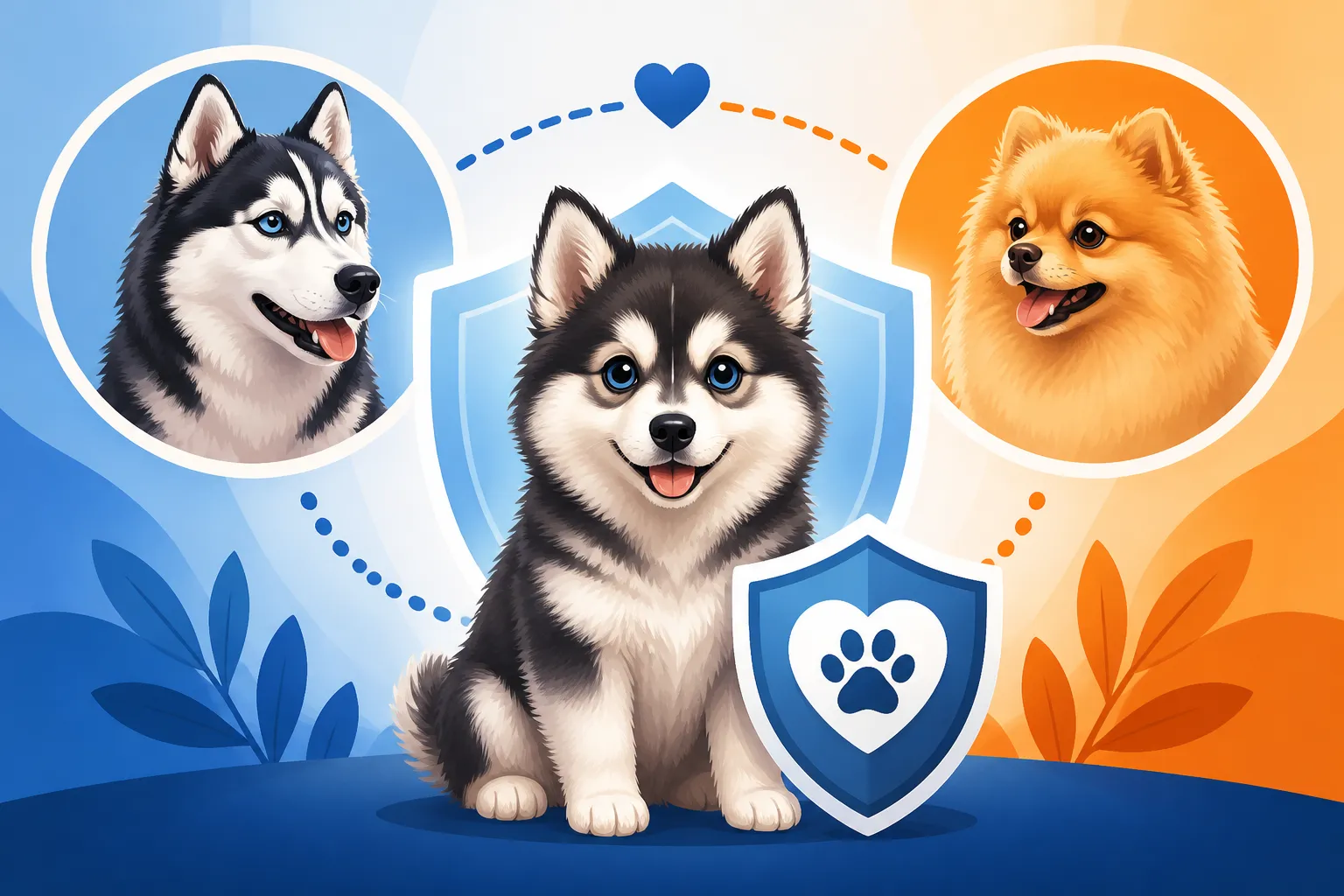
The journey to insuring a Pomsky often begins with a slight head-scratcher. Unlike purebred dogs with decades of documented health data, the Pomsky is a relatively modern crossbreed, a blend of the Siberian Husky and the Pomeranian. This unique genetic cocktail is part of their charm, but it also presents a fascinating challenge for pet insurance providers who rely on breed-specific statistics to assess risk and set premiums.
The Mixed-Breed Conundrum for Insurers
For insurance companies, mixed breeds can be a bit of a wild card. While some might argue that hybrid vigor makes them inherently healthier, Pomskies actually inherit a complex blend of potential health issues from both sides of their family tree. Insurers typically have extensive databases on purebreds, detailing common conditions like hip dysplasia in Huskies or patellar luxation in Pomeranians. When these two lists merge in a Pomsky, it creates a broader spectrum of possibilities. This means that while your Pomsky might avoid some of the specific ailments of a purebred, they could also be susceptible to a wider range of conditions, making it harder for an insurer to pinpoint their risk profile.
Furthermore, the lack of a standardized breed recognition means that many general insurance algorithms might not have a specific "Pomsky" category. They might categorize your dog as a "mixed breed," which can sometimes lead to different premium structures compared to well-established purebreds. It’s not necessarily worse, but it certainly isn't as straightforward as insuring, say, a Labrador Retriever or a Golden Retriever, where the health risks are more precisely mapped out. You're effectively insuring against The Two Opposite Disease Lists a Pomsky Inherits, which requires a broader approach.
Genetic Predispositions from Both Sides
One of the biggest concerns for Pomsky owners is understanding the genetic baggage their furry friend might carry. Huskies are known for conditions like certain eye diseases, including juvenile cataracts and progressive retinal atrophy, while Pomeranians are predisposed to issues like collapsing tracheas, dental problems, and luxating patellas. Your Pomsky, being a mix, can potentially inherit any of these.
Imagine the frustration of seeing your bouncy Pomsky suddenly start skipping on a leg, only to find out it's a Slipping Kneecaps in a Pomsky issue inherited from the Pomeranian side, or hearing that tell-tale honking cough that points to The Collapsing Trachea a Pomsky Gets From the Pomeranian. These aren't just minor inconveniences; they can lead to costly diagnostic tests, medications, and even surgery. Pet insurance aims to mitigate these financial shocks. Without knowing exactly which genes will express themselves, it’s vital to have comprehensive coverage that doesn't exclude conditions commonly found in either parent breed.
The "Designer Dog" Factor
The term "designer dog" often carries a certain allure, but it can sometimes complicate matters for insurance. Because Pomskies gained popularity quickly, sometimes the breeding practices weren't always as rigorous as those in established purebred lines, at least in the early days. While reputable breeders conduct extensive health testing on parent dogs to minimize genetic risks, not all breeders are created equal. This variability in breeding practices means that the health predictability of individual Pomskies can differ significantly.
Some insurers might view "designer breeds" with a touch more caution, especially if there's less standardized health data compared to breeds with long-established health registries and breed clubs. This isn't to say your Pomsky is inherently unhealthy, but it highlights the importance of thorough research when choosing a breeder and, consequently, an insurance policy. A good breeder will provide The Health Tests a Pomsky Breeder Should Show, which can be invaluable when discussing coverage with an insurer, demonstrating a proactive approach to your dog's health.
Types of Pet Insurance Coverage Available
Navigating the world of pet insurance can feel like trying to solve a puzzle, especially with all the different types of policies out there. For a Pomsky, understanding what each coverage type entails is crucial to ensure you're getting the protection your unique dog needs without overpaying for things you don't.
Accident-Only Policies
As the name suggests, accident-only policies provide coverage exclusively for injuries and emergencies resulting from accidents. Think broken bones from a tumble, ingesting a foreign object (which, let's be honest, many curious Pomskies might attempt), or injuries sustained during an unexpected encounter. These policies typically cover diagnostic fees, X-rays, emergency treatments, hospitalization, and even surgery if it's accident-related.
The main advantage of accident-only coverage is its affordability. Premiums are generally much lower than comprehensive plans, making it an attractive option for budget-conscious owners. However, it’s vital to understand its limitations. If your Pomsky develops a chronic illness like allergies, a condition like Zinc Responsive Dermatosis in a Pomsky, or hereditary problems such as luxating patellas, this policy won't cover those veterinary costs. It's a safety net for sudden, unforeseen mishaps, but it leaves you exposed to the often-significant expenses associated with illnesses, which can be particularly concerning given the Pomsky's dual breed heritage.
Accident and Illness Coverage
This is the most popular and comprehensive type of pet insurance, and for good reason. Accident and illness policies cover a wide array of medical conditions, including both unexpected accidents and a multitude of illnesses—hereditary, chronic, and acute. This means if your Pomsky gets into a scuffle, develops a urinary tract infection, needs surgery for a luxating patella, or is diagnosed with a long-term condition like hypothyroidism, this type of policy is designed to help.
Within this category, you'll often find variations in what's included. Most plans cover diagnostics (blood tests, imaging), prescription medications, specialist visits, emergency care, and surgeries. Some may also include coverage for alternative therapies like acupuncture or chiropractic care if recommended by a vet. For a Pomsky, with the potential for health issues from both Huskies (like The Eyes a Pomsky Gets From the Husky) and Pomeranians (like Dental Crowding in a Pomsky's Small Mouth), this comprehensive coverage is often the wisest choice. It provides peace of mind against the unknown health challenges that a mixed breed might face over The Twelve to Fifteen Years a Pomsky Lives.
Wellness Plans and Add-ons
Beyond accident and illness, many providers offer wellness plans or optional add-ons. These are generally separate from your core insurance policy and are designed to cover routine and preventive care. This includes things like annual vet check-ups, vaccinations, flea and tick prevention, heartworm medication, and routine dental cleanings.
While not strictly insurance against unexpected events, wellness plans can be incredibly beneficial for managing predictable costs. For a Pomsky, especially a puppy, the initial year involves multiple vet visits for vaccinations and preventative care. As they age, regular check-ups become crucial for early detection of issues like Hip Dysplasia in a Twenty Pound Pomsky or monitoring conditions like Alopecia X and the Pomsky That Loses Its Coat. Some plans also cover spaying or neutering, which can be a significant cost for What Neutering a Pomsky Costs. When considering providers like Healthy Paws or Chewy's various pet health offerings, check if they provide integrated wellness options or if it's a separate package. These plans aren't usually subject to deductibles or reimbursement percentages like standard insurance; instead, they often offer a set allowance for specific services or flat discounts.
Common Health Concerns to Consider When Insuring a Pomsky
One of the most compelling reasons to invest in robust pet insurance for your Pomsky is the combined genetic lottery they draw from their Siberian Husky and Pomeranian parents. Each breed brings its own set of potential health predispositions, and a Pomsky can inherit a mix of these, making their health profile quite diverse and sometimes unpredictable.
Husky-Related Health Issues
From their Siberian Husky lineage, Pomskies can inherit a predisposition to certain conditions, many of which can be costly to diagnose and manage. Eye conditions are particularly prevalent in Huskies. These can include juvenile cataracts, which can appear quite early in life, or progressive retinal atrophy, a condition that can lead to blindness over time. Imagine the stress of dealing with diminishing eyesight in your playful pup, and the subsequent specialist vet visits and potential treatments. Insurance can be a true lifesaver for such scenarios.
Another concern from the Husky side is hip dysplasia. While perhaps more common in larger breeds, even a Pomsky that ends up on the larger side (say, twenty pounds or more) can be susceptible to this debilitating joint condition, which can require long-term pain management or even expensive surgeries. Autoimmune issues, although less common, also exist within the Husky lines, adding another layer of potential concern. When looking at policies, it's wise to consider providers that have good coverage for hereditary conditions, especially those impacting the eyes and joints.
Pomeranian-Related Health Issues
The Pomeranian side of your Pomsky's family tree brings its own distinct list of health considerations, often relating to their smaller stature. Perhaps one of the most well-known is patellar luxation, or "slipping kneecaps." This condition, where the kneecap dislocates, can range from mild (Grade 1) to severe (Grade 4) and may require surgical correction to prevent arthritis and improve mobility. The unexpected cost of such surgery can be thousands of dollars, making insurance invaluable.
Another common Pomeranian ailment is a collapsing trachea, which manifests as a distinctive honking cough. This condition affects the windpipe and can be exacerbated by excitement or exercise. While some cases can be managed with medication, severe cases may require complex surgical intervention. Dental issues are also widespread in small breeds due to their crowded mouths, leading to premature tooth decay and gum disease, often requiring frequent dental cleanings under anesthesia. Considering Dental Crowding in a Pomsky's Small Mouth is crucial for long-term health planning. Lastly, Alopecia X, also known as Black Skin Disease, can cause significant coat loss and skin issues, impacting the dog's comfort and appearance. Dealing with Alopecia X and the Pomsky That Loses Its Coat can involve ongoing veterinary care and specialized treatments.
Joint Issues and Patellar Luxation
Let's dive a little deeper into joint issues, as they are a significant concern with Pomskies, drawing from both parent breeds. As mentioned, patellar luxation is a major hereditary concern from the Pomeranian side. It’s not just an inconvenience; a persistently luxating patella can lead to chronic pain, lameness, and the early onset of arthritis. The diagnostic process often involves physical examination and X-rays, followed by discussions about management, which can range from pain relief and joint supplements to surgical repair. Post-operative care, including physical therapy, also adds to the expense.
While not as common as in true large breeds, Pomskies with significant Husky genetics or those that grow larger than expected can also be at risk for hip dysplasia. This developmental orthopedic condition affects the hip joints, leading to instability and degenerative joint disease. Signs might include a reluctance to jump, lameness, or a "bunny hop" gait. Early diagnosis through X-rays is key, and treatment can involve medication, physical therapy, or even total hip replacement in severe cases. Given these potential orthopedic challenges, it's paramount to ensure your insurance policy offers robust coverage for hereditary and congenital conditions, especially those affecting the joints. Looking for policies from providers like Healthy Paws that cover hereditary conditions as long as they aren't pre-existing is a smart move.
Navigating Pre-Existing Conditions and Waiting Periods
Understanding the nuances of pre-existing conditions and waiting periods is perhaps one of the most critical aspects of choosing a pet insurance policy for your Pomsky. These terms can significantly impact what your policy will and won't cover, potentially leaving you with unexpected bills if you're not fully informed.
Defining Pre-Existing Conditions
A "pre-existing condition" generally refers to any illness or injury that your Pomsky showed symptoms of, or was diagnosed with, before your insurance policy's start date or during its waiting period. This is a universal exclusion across virtually all pet insurance providers, and it's where many pet owners encounter frustration. For example, if your Pomsky has a persistent cough before you enroll in a policy, and is later diagnosed with The Collapsing Trachea a Pomsky Gets From the Pomeranian, that condition would likely be considered pre-existing and therefore excluded from coverage.
The tricky part for Pomskies, given their genetic blend, is conditions that might develop later but have an underlying genetic cause present from birth. Some hereditary conditions might not manifest symptoms until a dog is several years old. If a condition is hereditary but not showing symptoms and not diagnosed before policy inception, it should be covered by most reputable plans. However, if a breeder's health records indicate a puppy was treated for a specific issue, even if minor, that might later be flagged as pre-existing. It's crucial to be transparent with your chosen insurer (like Healthy Paws or similar companies) about your dog's full health history, and to review the policy's definition of "pre-existing" very carefully.
Understanding Waiting Periods
Waiting periods are another standard feature of pet insurance policies. These are specific durations of time that must pass after your policy's enrollment date before coverage for certain conditions begins. There are typically different waiting periods for accidents and illnesses:
- Accident Waiting Period: This is usually quite short, often 1-3 days. This means if your Pomsky has an accident two days after your policy begins, it would be covered.
- Illness Waiting Period: This is generally longer, commonly 14 days, but can sometimes be up to 30 days. This period is in place to prevent owners from signing up for insurance only after their pet has already fallen ill.
- Orthopedic Waiting Periods: Many policies, especially those covering conditions like Slipping Kneecaps in a Pomsky or Hip Dysplasia in a Twenty Pound Pomsky, will have extended waiting periods for orthopedic issues, sometimes 6 months or even a year. This is particularly important for Pomskies, given their predisposition to these types of joint problems from both parent breeds.
If your Pomsky develops an illness or a joint issue during the respective waiting period, it will likely be considered pre-existing and therefore won't be covered by that policy. This is why it's always recommended to enroll your Pomsky in pet insurance as early as possible, ideally when they are a healthy puppy. This strategy ensures that most conditions won't be classified as pre-existing, and you can get through the waiting periods while your pup is still young and generally robust.
What to Look for in a Policy Regarding These Terms
When comparing policies for your Pomsky, pay close attention to the fine print regarding pre-existing conditions and waiting periods. Here’s what to look for:
- Clear Definitions: Ensure the policy clearly defines what constitutes a "pre-existing condition." Some may differentiate between curable and incurable conditions, offering potential coverage for curable pre-existing conditions after a symptom-free period.
- Short Waiting Periods: Opt for policies with the shortest possible waiting periods, especially for accidents and illnesses. Be particularly vigilant about orthopedic waiting periods; some providers may allow you to waive or shorten them with a vet exam showing no existing conditions.
- Hereditary vs. Pre-Existing: Confirm that hereditary conditions (like those inherited from the Husky or Pomeranian) are covered, provided they are not symptomatic or diagnosed before or during the waiting period. Many top providers, including Healthy Paws and some plans offered via Chewy, excel in this area.
- Medical Record Review: Understand if and when the insurer reviews your Pomsky's medical records. Some do it at enrollment, others when you submit your first claim. Knowing this can help you prepare any documentation needed.
By proactively understanding and addressing these aspects, you can significantly reduce the risk of future claim denials and ensure your Pomsky has the comprehensive health coverage they deserve from day one.
How Pomsky Breeders Influence Insurance Decisions
The breeder you choose for your Pomsky plays a surprisingly significant role not just in your dog's initial health, but also in the ease and cost of obtaining pet insurance. Reputable breeders are a goldmine of information and practice, and their diligence can translate directly into peace of mind for you and more straightforward insurance claims.
The Importance of Health Clearances
A good breeder is transparent about the health of their breeding dogs. They will perform health clearances on both the Siberian Husky dam (mother) and the Pomeranian sire (father) before breeding. These clearances are specific tests designed to screen for genetic conditions prevalent in each parent breed. For instance, reputable Husky breeders will typically have their dogs screened for eye conditions like cataracts and glaucoma through OFA (Orthopedic Foundation for Animals) or CERF (Canine Eye Registration Foundation) certifications. Pomeranian breeders will screen for luxating patellas, cardiac issues, and potentially thyroid problems.
When you purchase a Pomsky puppy, your breeder should provide you with documentation of these parent health clearances. This documentation is invaluable for a couple of reasons. Firstly, it indicates that your puppy comes from a line where known hereditary issues have been actively screened against, thus potentially reducing your puppy's risk of developing them. Secondly, if an insurer sees that your Pomsky's parents had all relevant health clearances, it can sometimes be viewed favorably. It demonstrates a responsible start and might make it easier to argue that a condition, if it arises, wasn't "pre-existing" in the lineage due to negligence. This information can be crucial if you ever need to make a claim for a hereditary condition.
Genetic Testing and Pedigree Information
Beyond physical health clearances, some advanced breeders might also engage in genetic testing for their breeding stock. DNA tests can identify carriers of specific genetic diseases before symptoms appear. For example, some tests can screen for conditions like von Willebrand's disease or certain eye conditions at a genetic level. While not universally available for every single potential ailment in both parent breeds, these tests add another layer of assurance.
For Pomskies, pedigree information, even if it's not a traditional AKC pedigree, can still be helpful. If the breeder can provide a multi-generational health history for their breeding lines, noting any instances of specific diseases like The Collapsing Trachea a Pomsky Gets From the Pomeranian or Hip Dysplasia in a Twenty Pound Pomsky, this information allows you to make a more informed decision. While pet insurance policies generally do not offer discounts based on this information, it empowers you as the owner to choose a policy with comprehensive hereditary coverage. When discussing your Pomsky with potential insurers, particularly smaller or newer ones, being able to articulate the health background can aid in ensuring you get suitable coverage without unfair exclusions.
Timing Your Insurance Purchase
This point cannot be stressed enough: the timing of your insurance purchase directly relates to your breeder's practices. The best time to insure your Pomsky is as early as possible, ideally before they even come home or within the first few weeks. Why? Because of those pesky waiting periods and pre-existing condition exclusions we just talked about.
If your Pomsky develops even a minor sniffle or a slight limp before you enroll in insurance and get past the waiting periods, that condition could be deemed pre-existing. Imagine bringing home your adorable Pomsky puppy, and a week later, they start with a persistent cough. If you don't have insurance yet, or you're still in the illness waiting period, that cough and any related diagnosis (like the aforementioned tracheal issues) won't be covered. By insuring early, you maximize the chances that any health issue that arises, whether it's an accident or an illness, will be covered as long as it wasn't present or symptomatic before the policy started. A good breeder will often advise you on this and sometimes even provide a short-term, introductory insurance policy for the first few weeks, giving you a buffer to secure your long-term plan. Remember, even a minor issue like a puppy bout of diarrhea could, technically, be noted in records and potentially complicate future claims if it recurs and is deemed chronic.
Comparing Pet Insurance Providers for Pomskies
Choosing the right pet insurance provider for your Pomsky can feel like a daunting task with so many options out there. It’s not just about the cheapest premium; it’s about finding a policy that truly fits the unique needs and potential health predispositions of your mixed-breed companion.
Key Factors to Evaluate in a Policy
When you’re sifting through different pet insurance companies, keep these critical factors in mind, especially for a Pomsky:
- Coverage for Hereditary and Congenital Conditions: This is paramount for a Pomsky. Both Huskies and Pomeranians have known genetic predispositions. Ensure the policy explicitly states that it covers hereditary conditions, provided they aren't pre-existing (i.e., diagnosed or symptomatic before the policy starts or during the waiting period). Some plans might be vague, so ask directly.
- Annual Limits: This is the maximum amount the insurer will pay out in a policy year. Options typically range from $5,000 to unlimited. For a Pomsky, given the potential for complex issues like orthopedic surgeries or chronic conditions that require ongoing medication and specialist visits, an unlimited annual limit or a very high one offers the best peace of mind. Consider What a Pomsky's Vet Bills Look Like when thinking about these limits.
- Deductibles: This is the amount you pay out-of-pocket before your insurance coverage kicks in. Deductibles can be annual (once per year, regardless of the number of claims) or per-condition (for each new illness or injury). Lower deductibles mean higher premiums, and vice-versa. For a Pomsky, consider your budget and risk tolerance. If you prefer paying less upfront, a higher deductible might suit you.
- Reimbursement Levels: This is the percentage of the eligible vet bill that the insurance company will reimburse you after you've met your deductible. Common options are 70%, 80%, or 90%. A higher reimbursement level means you pay less out-of-pocket. Providers like Healthy Paws are known for their high reimbursement options, which can be a huge benefit when facing significant veterinary costs.
- Exclusions: Always read the exclusions carefully. Are there specific conditions that are never covered? Are there geographic restrictions? Are routine wellness items excluded (unless you opt for a separate wellness package)? Ensure that conditions common in Pomskies are not on an exclusion list.
- Customer Service and Claims Process: A great policy is useless if the claims process is a nightmare. Look for providers with good customer reviews regarding ease of filing claims, quick reimbursement times, and helpful customer service. This is where researching companies like Healthy Paws, or checking reviews for pet insurance options available through Chewy or even Ollie (some food brands partner with insurance providers), can be really beneficial.
Real-World Scenarios and Coverage Examples
Let's imagine a couple of scenarios to make this more concrete for your Pomsky:
Scenario A: The Unexpected Tumble. Your energetic Pomsky, just six months old, takes an awkward jump off the couch and starts yelping. A trip to the emergency vet reveals a fractured paw.
- With Accident-Only Policy: This would likely be covered, assuming the waiting period for accidents has passed. You'd pay the deductible, and the policy would reimburse a percentage of the remaining vet bill.
- With Accident & Illness Policy: Same as above, but you also have the added security that if that tumble exacerbated an underlying, undiagnosed joint issue, the illness portion of the policy might kick in for ongoing care (provided it wasn't pre-existing).
Scenario B: The Mysterious Cough. Your two-year-old Pomsky develops a persistent, honking cough. After diagnostics, the vet diagnoses The Collapsing Trachea a Pomsky Gets From the Pomeranian.
- With Accident-Only Policy: Not covered. This is an illness. You'd be responsible for 100% of the diagnostic and treatment costs.
- With Accident & Illness Policy: This would be covered, assuming the condition wasn't diagnosed or symptomatic before your policy's waiting period was over. The policy would help with vet visits, X-rays, medications, and potentially even surgery.
Scenario C: The Crusty Nose. Your Pomsky starts developing crusty, flaky skin around their nose and mouth. Your vet diagnoses Zinc Responsive Dermatosis in a Pomsky.
- With Accident-Only Policy: Not covered. This is an illness.
- With Accident & Illness Policy: Covered, assuming no pre-existing issues. This might involve long-term zinc supplementation, which could be ongoing, and the policy would help with those recurring costs.
Here's a quick comparison of common policy types:
| Feature | Accident-Only Policy | Accident & Illness Policy | Wellness Plan Add-on |
|---|---|---|---|
| Coverage Scope | Accidents (e.g., fractures, cuts) | Accidents + Illnesses (e.g., cancer, allergies, infections) | Routine care (e.g., vaccines, annual exams) |
| Typical Cost | Lowest Premiums | Moderate to High Premiums | Additional Monthly Fee |
| Deductible Applicable | Yes | Yes | Usually No (flat allowance/discount) |
| Reimbursement | Yes (e.g., 70-90%) | Yes (e.g., 70-90%) | Not applicable (set benefits) |
| Best For | Budget-conscious, basic safety net | Comprehensive peace of mind | Managing predictable routine costs |
| Pomsky Suitability | Limited due to genetic risks | Highly Recommended | Excellent for proactive health management |
Customizing Your Policy for Optimal Protection
Many providers allow you to customize your policy by choosing your deductible, reimbursement percentage, and annual limit. For your Pomsky, it's about finding that sweet spot where you feel financially secure without breaking the bank on monthly premiums.
Consider your personal financial situation and your Pomsky's specific health profile (if known). If your breeder provided solid health clearances for the parents, you might feel slightly less anxious about certain hereditary conditions, but it's still prudent to cover them. If your Pomsky is from an F1 generation, remember that Whether an F1 Pomsky Is Healthier Than an F2 is a common question, with F1s often having more unpredictable traits. This unpredictability might warrant higher coverage.
Don't shy away from calling different insurance companies. Ask specific questions about Pomsky coverage, hereditary conditions common to both Huskies and Pomeranians, and their stance on orthopedic waiting periods. Some companies are more flexible or have different rating systems for mixed breeds. By being proactive and asking the right questions, you can tailor a policy that offers robust protection against the unique health journey your Pomsky might take.
The Long-Term Financial Picture of Insuring a Pomsky
Deciding on pet insurance isn't just about the immediate cost; it's about understanding the long-term financial commitment and the value it provides over your Pomsky's lifetime. A Pomsky can live The Twelve to Fifteen Years a Pomsky Lives, and during that time, vet visits are inevitable, from routine check-ups to unforeseen emergencies and age-related conditions.
Monthly Premiums and Deductibles
Your monthly premium is the recurring payment you make to keep your Pomsky's policy active. This cost is influenced by several factors: your dog's age, breed (or mixed-breed status), location, chosen deductible, reimbursement level, and annual limit. Generally, younger dogs have lower premiums because they are less likely to have pre-existing conditions or develop age-related illnesses. As your Pomsky ages, expect premiums to gradually increase to reflect the higher risk of health issues.
The deductible is the amount you pay out of pocket before your insurance company starts reimbursing you. Let's say you have a $500 annual deductible. If your Pomsky has a vet bill of $2,000 for a sudden illness, you'd pay the first $500, and then your insurance would cover a percentage of the remaining $1,500. Choosing a higher deductible will lower your monthly premiums, but it means you'll pay more upfront if your Pomsky needs significant veterinary care. Conversely, a lower deductible means higher monthly premiums but less out-of-pocket when a claim arises. It's a balance you need to strike based on your personal financial comfort.
Reimbursement Levels and Annual Limits
After meeting your deductible, the reimbursement level determines what percentage of the eligible vet bill the insurer pays. Common options are 70%, 80%, or 90%. For instance, with an 80% reimbursement level on that $1,500 remaining bill (from the example above), the insurer would pay $1,200 ($1,500 x 0.80), and you would be responsible for the remaining $300. Higher reimbursement levels mean lower out-of-pocket costs at the time of service, but they also come with higher monthly premiums.
The annual limit is the maximum amount your insurance company will pay out in a policy year. This can range from a few thousand dollars to unlimited. For a Pomsky, especially with their potential for hereditary and chronic conditions from both parent breeds, a high or unlimited annual limit is often recommended. Imagine a scenario where your Pomsky needs surgery for a luxating patella followed by extensive physical therapy, or develops a chronic condition like diabetes that requires ongoing medication and monitoring. These costs can quickly exceed a low annual limit. Having a higher limit means you won't suddenly be left footing the entire bill if your Pomsky has a particularly challenging year.
The Value Beyond the Monthly Cost
While the monthly premium might seem like an added expense, the true value of pet insurance for a Pomsky often becomes clear during an unexpected crisis. Without insurance, a major medical event like an emergency surgery for an ingested foreign object or ongoing treatment for a serious illness like cancer could easily run into thousands of dollars, putting immense financial strain on your family. Many pet owners, faced with such costs, are forced to make heartbreaking decisions based on their budget rather than their pet's best interest.
Pet insurance acts as a financial buffer, allowing you to prioritize the best possible veterinary care for your Pomsky without having to worry as much about the immediate cost. It empowers you to say "yes" to specialist consultations, advanced diagnostics, or life-saving treatments that you might otherwise hesitate over. Companies like Ollie, which often focus on high-quality pet food, also recognize the importance of overall pet wellness, which extends to having sound financial plans for health. Ultimately, investing in a robust pet insurance policy is an investment in your peace of mind and your Pomsky's long-term health and well-being, ensuring they can lead a happy, healthy life regardless of the bumps in the road.
Disclaimer
This article is for general informational purposes only and does not constitute professional advice. Laws, prices and regulations vary by location and change over time. Consult a qualified professional for guidance on your specific situation.