The Two Opposite Disease Lists a Pomsky Inherits
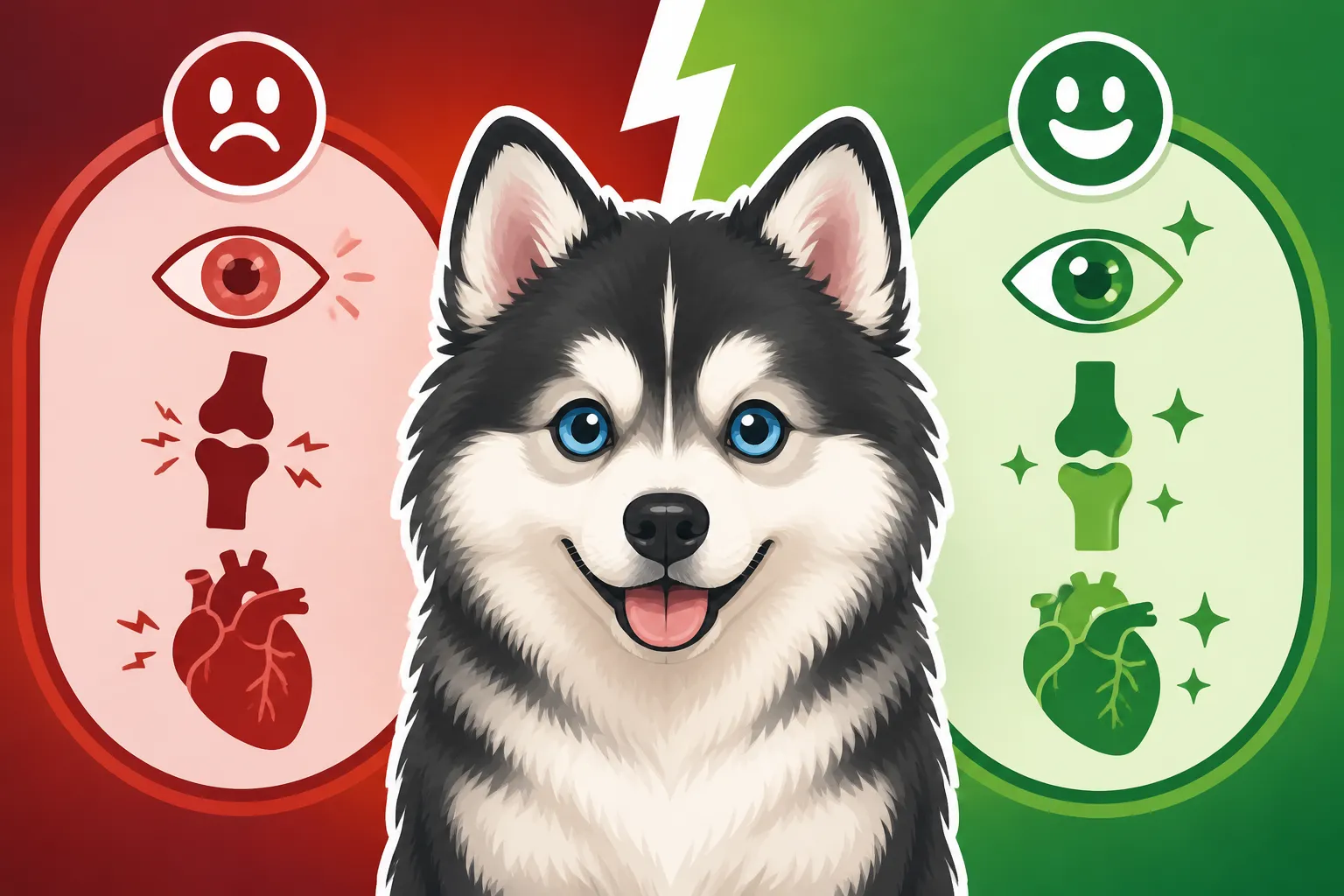
Bringing a Pomsky into your life is incredibly exciting, but many new owners quickly realize that navigating their health can feel like walking a tightrope between two very different canine worlds. You're not just getting a cute, fluffy companion; you're inheriting a unique blend of genetic predispositions from both the stoic Siberian Husky and the spirited Pomeranian. This guide will walk you through the distinct, and sometimes conflicting, disease lists your Pomsky might face, helping you understand what to look for and how to be the best advocate for their long-term well-being.
Understanding the Pomsky's Genetic Tapestry
When you welcome a Pomsky, you're embracing a fascinating genetic lottery. On one paw, you have the robust, active Siberian Husky, known for its endurance and generally fewer breed-specific health issues compared to some purebreds. On the other paw, there's the dainty Pomeranian, a toy breed with its own set of concerns often related to its smaller size and refined features. The hope with any hybrid, including the Pomsky, is often "hybrid vigor," where the mixing of genes from two distinct populations might lead to a stronger, healthier offspring with fewer inherited problems. However, this isn't a guaranteed shield. Your Pomsky can, and often does, inherit vulnerabilities from both sides of their family tree, meaning they could potentially face a wider array of issues than a purebred dog.
The Husky Influence: Robustness and Specific Vulnerabilities
Siberian Huskies are celebrated for their athleticism and hardiness, traits that many Pomsky owners hope their companion will inherit. They are, after all, bred for pulling sleds across vast, icy landscapes. This background means they generally boast strong musculoskeletal systems and a keen sense of vitality. Yet, even these magnificent dogs aren't immune to genetic predispositions. Huskies are known for certain eye conditions, specific types of skin issues, and occasionally, hip problems, especially if lines aren't carefully screened.
For example, many Husky-derived Pomskies may inherit a predisposition for certain eye conditions like juvenile cataracts or progressive retinal atrophy. These aren't just minor annoyances; they can seriously impact a dog's vision and quality of life. Owners might initially dismiss changes in their Pomsky's eyes as age-related, but understanding the Husky's genetic legacy means being proactive with eye exams and recognizing early signs. Furthermore, while not as prevalent as in some larger breeds, hip dysplasia can still be a concern. This joint condition can cause pain and mobility issues, and it's something breeders should screen for diligently in their Husky parent stock before breeding.
The Pomeranian Legacy: Small Dog Issues and Delicate Systems
Then there's the Pomeranian side of the family, bringing with it the unique challenges and predispositions associated with toy breeds. Pomeranians, with their compact size and delicate bone structure, are unfortunately prone to a different set of ailments. These often revolve around their tiny stature, leading to issues with knees, teeth, and sometimes, even their windpipes. It's a stark contrast to the Husky's more robust constitution, making the Pomsky a truly unique genetic combination.
The most notorious issue from the Pomeranian lineage is patellar luxation, more commonly known as "slipping kneecaps." This condition can range from a minor skip in their step to severe lameness, and it's a very real concern for Pomskies. We'll delve deeper into this shortly, but it highlights how the Pomsky can inherit a delicate joint structure despite potentially having a larger build than a purebred Pom. Another significant concern is dental health. Small dogs often have crowded mouths, leading to a higher incidence of dental disease, which can impact overall health if left unchecked. Finally, the Pomeranian's delicate respiratory system can sometimes mean a predisposition to a collapsing trachea, a condition that can cause a distinctive honking cough and breathing difficulties.
Common Orthopedic Concerns from Both Sides
Orthopedic issues are a prime example of how a Pomsky can inherit a "double whammy" of potential problems. They can face the knee issues common in smaller breeds while simultaneously carrying the risk of hip problems more typical in larger dogs. It’s enough to make any diligent owner’s head spin! It’s not about fear-mongering, but about being informed so you can work with your vet to give your Pomsky the best shot at comfortable mobility throughout their The Twelve to Fifteen Years a Pomsky Lives.
Patellar Luxation: The Pomeranian's Slipping Kneecaps
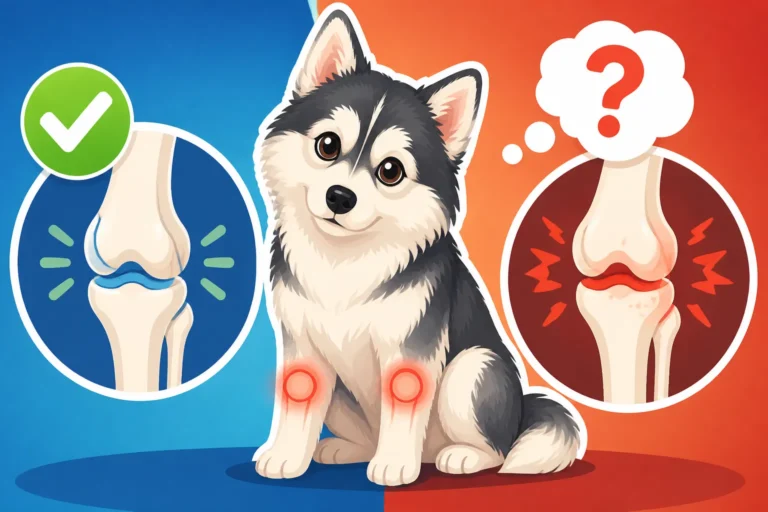
Patellar luxation is arguably one of the most common orthopedic conditions inherited from the Pomeranian side. Imagine your Pomsky's kneecap (patella) as a small, almond-shaped bone that's supposed to glide smoothly in a groove at the end of the thigh bone (femur). In dogs with patellar luxation, this kneecap periodically pops out of that groove, either to the inside (medial luxation) or outside (lateral luxation) of the leg. This can cause pain, lameness, or a characteristic "skip" in your dog's gait where they might pick up their leg for a few steps before putting it back down.
The severity of patellar luxation is graded from 1 to 4. A grade 1 might mean it only slips occasionally and doesn't cause much discomfort, while a grade 4 means the kneecap is permanently dislocated, often leading to severe lameness and arthritis. For a Pomsky, this can be particularly debilitating because, while they might be smaller than a Husky, they still often retain a high energy level, making movement with a luxating patella painful and difficult. Depending on the grade, surgical correction might be recommended to alleviate pain and prevent further joint damage. You can read more about the specific grades in our guide, Patellar Luxation Grades in a Pomsky.
Hip Dysplasia: The Husky's Larger Joint Predisposition
While often associated with larger breeds, hip dysplasia is a significant concern that Pomskies can inherit from their Siberian Husky lineage. This condition involves the abnormal development of the hip joint, where the ball (femoral head) and socket (acetabulum) don't fit together perfectly. Instead of a smooth, congruent fit, there's looseness, leading to grinding, pain, and eventually degenerative joint disease (arthritis). It’s a progressive condition, meaning it often worsens over time.
For a Pomsky, especially those on the larger end of the size spectrum, the risk of developing hip dysplasia is very real. Early signs might include a reluctance to jump, difficulty getting up, a "bunny hop" gait, or decreased activity levels. Many breeders screen their parent dogs for hip dysplasia through X-rays evaluated by organizations like the Orthopedic Foundation for Animals (OFA) or PennHIP. It’s crucial for potential owners to inquire about these health clearances for both parents. Understanding Hip Dysplasia in a Twenty Pound Pomsky is vital for ensuring your Pomsky's long-term comfort and mobility.
Legg-Calve-Perthes Disease: A Small Breed Hip Concern
As if patellar luxation and hip dysplasia weren't enough, some Pomskies might also face a condition called Legg-Calve-Perthes Disease (LCPD), primarily inherited from the Pomeranian side, as it's typically seen in toy and small breed dogs. LCPD is a devastating condition affecting the femoral head (the "ball" part of the hip joint). Essentially, the blood supply to the femoral head is interrupted, causing the bone to die and eventually collapse. This leads to severe pain, lameness, and muscle atrophy in the affected leg.
Unlike hip dysplasia, which is a developmental condition, LCPD is often an insidious process that can start manifesting in puppies between 5 to 8 months of age. Owners might notice their Pomsky puppy suddenly showing signs of limping or pain in one of their hind legs. The precise cause isn't fully understood, but a genetic component is strongly suspected. Diagnosis typically involves X-rays, and treatment often requires surgery, specifically a femoral head ostectomy (FHO), where the head of the femur is removed to alleviate pain. The body then forms a "false joint" with scar tissue. While it sounds drastic, dogs can recover well with physical therapy.
Eye Health: A Blend of Husky and Pomeranian Inherited Conditions
The eyes are often a striking feature of a Pomsky, especially those mesmerizing blue eyes some inherit from their Husky parent. However, this beauty also comes with a responsibility to understand the various eye conditions they can inherit from both sides, some of which can severely impact their vision. A Pomsky's eyes can be a window into their genetic background, revealing predispositions that require careful monitoring. If you've ever wondered about The Eyes a Pomsky Gets From the Husky, you'll know there's a lot to consider.
Juvenile Cataracts and Progressive Retinal Atrophy from the Husky Line
From the Siberian Husky, Pomskies can inherit a predisposition to several eye conditions, with juvenile cataracts and Progressive Retinal Atrophy (PRA) being among the most concerning. Juvenile cataracts are exactly what they sound like: the lens of the eye becomes cloudy at a young age, sometimes as early as 6 months to 6 years old. Unlike typical "senior" cataracts, these can progress quickly and significantly impair vision, sometimes leading to blindness. In some cases, surgical removal of the cataract can restore vision.
Progressive Retinal Atrophy (PRA) is a group of degenerative diseases affecting the retina, the light-sensitive tissue at the back of the eye. It's an inherited condition that causes the cells in the retina to gradually deteriorate, leading to night blindness initially, and eventually full blindness over time. There is no cure for PRA, but genetic testing is available for certain forms of PRA in Huskies, allowing responsible breeders to screen their breeding stock. Understanding the hereditary nature of these conditions is crucial for Pomsky owners. Our detailed guide, The Juvenile Cataracts a Pomsky Gets From the Husky, offers more insights.
Corneal Dystrophy: A Shared Potential
Corneal dystrophy is another eye condition that can affect Pomskies, and interestingly, it has been noted in both Siberian Huskies and Pomeranians, suggesting a shared potential for inheritance. The cornea is the clear outer layer at the front of the eye. Corneal dystrophy involves non-inflammatory, often bilateral, opacities within the cornea that can cause varying degrees of vision impairment. There are different types, but the most common one seen in Huskies is typically epithelial or stromal, forming a crystalline-like haze.
This condition is usually slowly progressive and may not always lead to severe vision loss, but in some cases, it can cause discomfort or visual disturbances for your Pomsky. It's not typically painful unless secondary complications arise, such as corneal ulcers. While there's no specific treatment to reverse corneal dystrophy, managing any discomfort and preventing secondary infections is key. Regular veterinary eye exams, especially with a veterinary ophthalmologist, can help monitor the condition and ensure your Pomsky's comfort.
Other Ocular Concerns: Glaucoma and Dry Eye
Beyond these specific conditions, Pomskies can also be susceptible to other general ocular issues, some of which have breed predispositions. Glaucoma, for instance, is a painful condition characterized by increased pressure within the eye, which can lead to damage of the optic nerve and eventual blindness if not treated promptly. While primary glaucoma (inherited) is more common in some breeds, it's a concern that any dog owner should be aware of. Early signs can include a red, painful eye, dilated pupil, or cloudy cornea.
Dry eye, or keratoconjunctivitis sicca (KCS), is another condition where the eyes don't produce enough tears, leading to dryness, irritation, and potential corneal damage. It can affect any breed but is sometimes seen in Pomeranians. Symptoms include frequent blinking, thick discharge, and a dull, dry appearance to the eye. Both glaucoma and dry eye require veterinary intervention, emphasizing the need for regular eye checks and promptly addressing any changes you notice in your Pomsky's vision or eye appearance.
Respiratory and Dental Challenges
The size disparity between the Husky and Pomeranian parents can also lead to unique challenges when it comes to a Pomsky's respiratory system and dental health. A small airway structure combined with the potential for higher exercise demands means careful attention is needed for breathing, and the typical small-breed dental crowding needs proactive management.
Collapsing Trachea: A Pomeranian Predisposition
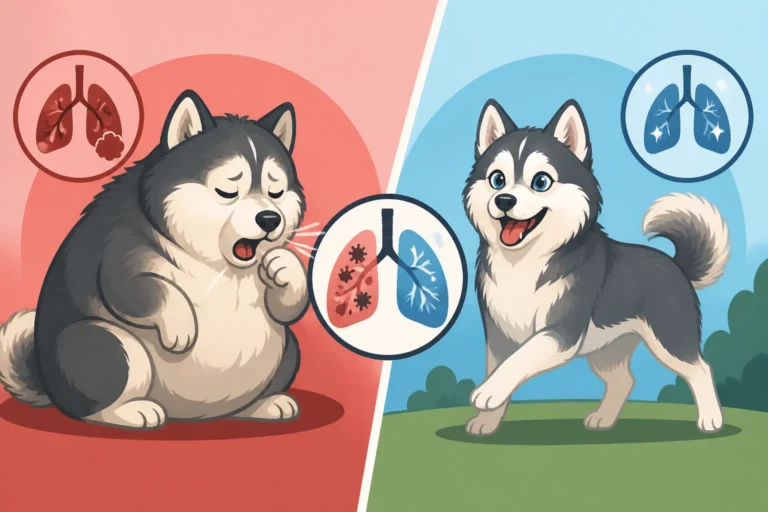
One of the most concerning respiratory issues a Pomsky can inherit from its Pomeranian side is a collapsing trachea. The trachea, or windpipe, is a tube made of cartilage rings that carries air to and from the lungs. In dogs with a collapsing trachea, these rings weaken and flatten, making it difficult for air to pass through. This often leads to a distinctive, harsh, dry cough that sounds like a goose honking. It can worsen with excitement, exercise, or when pulling on a collar.
For a Pomsky, this can be particularly problematic because while they might be smaller, many still possess the energetic drive of their Husky ancestors. This means they often want to run and play, but a collapsing trachea can severely limit their activity and quality of life. Owners might notice their Pomsky tiring easily, struggling to breathe, or turning blue in severe cases. Using a harness instead of a collar is crucial to avoid putting pressure on the windpipe. Our guide on The Honking Cough of a Pomsky with a Bad Trachea provides more in-depth information. Medical management, including cough suppressants and anti-inflammatories, can help, and in severe cases, surgery might be considered.
Dental Crowding and Disease: Small Mouth, Big Problems
Small breeds, including Pomeranians, are notoriously prone to dental issues, and this predisposition often carries over to Pomskies. Their small mouths simply don't have enough space for all 42 adult teeth, leading to overcrowding, rotation, and malocclusion (improper bite alignment). When teeth are crowded, it creates nooks and crannies where food particles and bacteria can accumulate, leading to plaque and tartar buildup at an accelerated rate.
This isn't just about bad breath. Untreated dental disease can lead to painful gum inflammation (gingivitis), periodontal disease (infection and inflammation of the structures supporting the teeth), tooth loss, and even systemic health problems as bacteria from the mouth can enter the bloodstream and affect organs like the heart, kidneys, and liver. For a Pomsky, regular dental care is non-negotiable. This includes daily brushing, dental chews, and professional veterinary dental cleanings under anesthesia. Sometimes, retained deciduous (puppy) teeth might need to be extracted if they don't fall out on their own, as they can exacerbate crowding. Read more about this in Dental Crowding in a Pomsky's Small Mouth.
Skin and Coat Issues: More Than Just Shedding
The Pomsky's stunning double coat, a blend of Husky plushness and Pomeranian fluff, is undeniably one of its most attractive features. However, it also brings with it a unique set of skin and coat challenges that owners need to be prepared for. Beyond the expected, and sometimes overwhelming, shedding seasons, Pomskies can be prone to specific dermatological conditions that require careful attention and management.
Alopecia X: The Mystery of Coat Loss
Perhaps one of the most disheartening skin conditions a Pomsky owner might encounter is Alopecia X, sometimes referred to as Black Skin Disease or Coat Funk. This condition is particularly prevalent in Pomeranians and can certainly affect Pomskies, especially those who carry more Pomeranian genes or traits. Alopecia X is characterized by progressive hair loss, often starting on the flanks, hind legs, and tail, eventually leading to bald patches and sometimes a darkening (hyperpigmentation) of the skin in affected areas. The guard hairs are usually the first to go, leaving behind a sparse, dull undercoat or bare skin.
What makes Alopecia X so frustrating is its "X" factor – the cause is not fully understood. It's a non-inflammatory, non-itchy hair loss, meaning it doesn't typically bother the dog physically, but it can be a significant cosmetic concern for owners. It's not life-threatening, but it can be indicative of an underlying hormonal imbalance or simply a genetic predisposition. Ruling out other conditions like hypothyroidism or Cushing's disease is essential before a diagnosis of Alopecia X is made. While there's no single cure, various treatments have been tried with varying degrees of success, including melatonin supplementation, neutering/spaying, or specific medications. Our article Alopecia X and the Pomsky That Loses Its Coat delves deep into this enigmatic condition.
Zinc-Responsive Dermatosis: A Nutritional Link
Another skin condition that Pomskies can inherit, primarily from their Siberian Husky lineage, is zinc-responsive dermatosis. Huskies are genetically predisposed to a condition where they either have difficulty absorbing zinc from their diet or have a higher requirement for it than other breeds. Zinc is a vital trace mineral involved in numerous bodily functions, including skin health, immune function, and metabolism. When a dog is deficient in zinc, even if their diet contains adequate amounts, it can manifest in significant skin problems.
Symptoms typically include crusting, scaling, and hair loss, particularly around the eyes, mouth, chin, ears, and pressure points like the elbows and hocks. The skin can become thickened and red, and secondary bacterial or yeast infections are common due to the compromised skin barrier. For a Pomsky with this condition, dietary supplementation with zinc is usually necessary, and often lifelong. It's not something that can be fixed by simply switching dog food, as it's an absorption issue. A veterinarian will diagnose this through skin biopsies and response to supplementation. You can learn more about this specific issue in Zinc Responsive Dermatosis in a Pomsky.
Allergies and Hot Spots: Common Canine Skin Woes
Beyond breed-specific conditions, Pomskies are also susceptible to general canine skin issues like environmental allergies (atopy) and food allergies, which can lead to uncomfortable hot spots. Given their dense double coats, allergies can be particularly challenging to manage. Allergic reactions can cause intense itching, leading to excessive scratching, licking, and chewing. This self-trauma often breaks the skin barrier, creating moist, painful, inflamed lesions known as hot spots (acute moist dermatitis). These spots can appear seemingly overnight and grow rapidly.
Identifying and managing allergies often involves a multi-pronged approach, including dietary changes for food allergies, antihistamines, topical treatments, medicated shampoos, and sometimes, more advanced immunomodulating drugs for environmental allergies. Preventing hot spots means keeping the coat clean and dry, especially after baths or swims, and addressing any underlying itching promptly. The thick undercoat of a Pomsky can trap moisture and heat, creating a perfect breeding ground for these skin irritations. Regularly grooming your Pomsky, especially during shedding seasons, helps to improve skin ventilation and detect issues early.
Metabolic, Endocrine, and Other Systemic Conditions
While the visible orthopedic and dermatological issues often get the most attention, Pomskies can also inherit predispositions to more internal, systemic health problems affecting their metabolism, hormones, and neurological function. These conditions might be less obvious initially but can have profound effects on their overall health and quality of life.
Hypothyroidism and Adrenal Gland Disorders
Both Siberian Huskies and Pomeranians have documented predispositions to certain endocrine (hormonal) disorders, which can then be passed on to their Pomsky offspring. Hypothyroidism, a condition where the thyroid gland doesn't produce enough thyroid hormone, is one such example. This can lead to a wide range of non-specific symptoms, including weight gain, lethargy, a dull or thinning coat, dry skin, and intolerance to cold. It often mimics other conditions, including Alopecia X, making a proper diagnosis crucial. Fortunately, hypothyroidism is usually easily managed with lifelong thyroid hormone supplementation. You can explore Whether a Pomsky Gets Hypothyroidism for more details.
Adrenal gland disorders, while less common than hypothyroidism, can also be a concern. Specifically, some Pomeranians are predisposed to atypical Cushing's disease or adrenal hyperplasia, conditions that involve imbalances in the adrenal hormones. Symptoms can be similar to typical Cushing's, such as increased thirst and urination, ravenous appetite, hair loss, and a pot-bellied appearance. These conditions require careful diagnosis and management, often involving specialized medications.
Epilepsy: Neurological Concerns
Epilepsy, a neurological disorder characterized by recurrent seizures, is a frightening condition for any pet owner to witness, and unfortunately, it can be an inherited concern for Pomskies. While seizures can be caused by various factors like toxins, head trauma, or metabolic imbalances, idiopathic epilepsy (where no underlying cause can be found) is often genetic. Both parent breeds, Huskies and Pomeranians, have reported incidences of epilepsy, meaning a Pomsky could inherit this predisposition.
Seizures can manifest in different ways, from full-body convulsions (grand mal seizures) to more subtle focal seizures involving twitching or strange behavior. They are often unpredictable and can be distressing for both the dog and the owner. While there's no cure for inherited epilepsy, it can often be managed with anti-epileptic medications to reduce the frequency and severity of seizures, allowing the dog to live a good quality of life. Regular veterinary care and a detailed log of seizure activity are essential for management. For more information, consider reading Whether a Pomsky Gets Epilepsy.
Heart Conditions: A Potential for Both Parent Breeds
Heart health is another area where a Pomsky could potentially inherit vulnerabilities from either parent breed. Pomeranians, as a small breed, can sometimes be predisposed to conditions like mitral valve disease (MVD), a degenerative condition of the heart valves that can lead to congestive heart failure. While less common in Huskies, some lines can carry a predisposition to certain congenital heart defects or dilated cardiomyopathy.
Monitoring your Pomsky for any signs of heart trouble, such as a persistent cough, exercise intolerance, lethargy, or fainting spells, is important. Regular veterinary check-ups should include listening to the heart for murmurs, which can be an early indicator of a developing heart condition. If a heart murmur is detected, further diagnostics like X-rays, ECG, and echocardiograms might be recommended by a veterinary cardiologist to determine the severity and the best course of action. Early detection and management can significantly improve the prognosis for many heart conditions.
Proactive Health Management and Breeder Responsibility
Given the potentially broad spectrum of inherited health issues a Pomsky can face, proactive health management is absolutely essential. This isn't just about reacting to problems as they arise; it's about making informed choices from the very beginning and partnering with your veterinarian throughout your Pomsky's life. Being prepared means being aware of the costs and commitment involved, and perhaps considering pet insurance from a reputable provider like Healthy Paws, which can help mitigate the financial impact of unexpected health challenges.
The Importance of Health Testing and Reputable Breeders
This cannot be stressed enough: the single most impactful decision you make regarding your Pomsky's future health is choosing a reputable breeder. A responsible breeder will prioritize the health of their breeding stock by conducting comprehensive genetic and physical health screenings. For a Pomsky, this means testing both the Husky parent and the Pomeranian parent for conditions known to affect their respective breeds.
Here’s what you should expect a responsible breeder to screen for:
- Orthopedic Evaluations: OFA (Orthopedic Foundation for Animals) or PennHIP certifications for hips and elbows in Huskies, and OFA patella evaluations for both Huskies and Pomeranians.
- Ocular Examinations: Eye certifications by a veterinary ophthalmologist (e.g., through OFA or CERF) to screen for conditions like juvenile cataracts, PRA, and corneal dystrophies.
- Cardiac Screening: Auscultation by a veterinarian and potentially echocardiograms for heart health, especially on the Pomeranian side for conditions like MVD.
- Thyroid Function Tests: Especially important for Huskies.
- Genetic Testing: Where available for specific inherited conditions (e.g., certain forms of PRA).
A reputable breeder will be transparent about these test results, willing to discuss them with you, and will offer a health guarantee for their puppies. They will be passionate about the breed's health, not just about producing cute puppies. Understanding Whether an F1 Pomsky Is Healthier Than an F2 often comes down to the health testing of the parents, regardless of generation.
Nutritional Support and Lifestyle for a Healthy Pomsky
Beyond genetics, daily care plays a massive role in your Pomsky's health. Providing a high-quality, balanced diet appropriate for their age, size, and activity level is foundational. Avoid overfeeding, as excess weight puts undue strain on joints, exacerbates conditions like patellar luxation and hip dysplasia, and contributes to other health issues like diabetes. A Pomsky's metabolism can be quite active, but their smaller size means calorie control is key.
Regular, appropriate exercise is also crucial. While they inherit the Husky's love for activity, it must be tailored to their size and any potential orthopedic vulnerabilities. For a Pomsky prone to knee or hip issues, high-impact activities might need to be modified. Providing mental stimulation through training and puzzle toys is just as important as physical exercise to keep their intelligent minds engaged and prevent boredom-related destructive behaviors. Maintaining a clean living environment and a consistent grooming routine for their dense double coat can also prevent skin issues and help you spot any problems early.
The Role of Regular Veterinary Care and Insurance
Even with the best genetics and daily care, your Pomsky will need consistent veterinary attention. Regular check-ups allow your vet to monitor their growth, development, and overall health, catching potential issues before they become serious. This includes vaccinations, parasite prevention, and routine dental examinations. As your Pomsky ages, these visits become even more critical, allowing for early detection of age-related conditions.
Considering pet insurance is a wise decision for any Pomsky owner. Given the potential for inheriting conditions from two different breed lists, the costs of diagnosing and treating orthopedic, ophthalmic, or endocrine issues can quickly add up. Companies like Healthy Paws offer various plans that can help cover these unexpected veterinary expenses, giving you peace of mind that you can make medical decisions based on what's best for your Pomsky, not just your wallet. Researching policies early on, before any conditions arise, is always the smartest approach.
Here’s a quick overview of some common inherited conditions:
| Condition | Primary Parent Predisposition | Type of Issue | Key Symptoms | Management/Treatment |
|---|---|---|---|---|
| Patellar Luxation | Pomeranian | Orthopedic | Skipping gait, lameness, pain | Pain management, anti-inflammatories, surgery (severe) |
| Hip Dysplasia | Siberian Husky | Orthopedic | Reluctance to move, lameness, "bunny hop" gait | Pain management, anti-inflammatories, surgery (FHO/THR) |
| Legg-Calve-Perthes | Pomeranian | Orthopedic | Sudden hind leg lameness, pain, muscle atrophy | Surgery (FHO), physical therapy |
| Juvenile Cataracts | Siberian Husky | Ocular | Cloudy lens, vision loss (young age) | Surgery to remove cataracts |
| Progressive Retinal Atrophy | Siberian Husky | Ocular | Night blindness progressing to total blindness | No cure, genetic testing for prevention |
| Corneal Dystrophy | Both (Husky/Pomeranian) | Ocular | Crystalline haze on cornea, mild vision impairment | Monitoring, pain relief for secondary issues |
| Collapsing Trachea | Pomeranian | Respiratory | Honking cough, difficulty breathing | Harness use, cough suppressants, anti-inflammatories, surgery |
| Dental Crowding | Pomeranian | Dental | Bad breath, pain, tooth loss, systemic disease | Daily brushing, dental chews, professional cleanings |
| Alopecia X | Pomeranian | Skin & Coat | Progressive hair loss, hyperpigmentation | Rule out other conditions, melatonin, neutering/spaying |
| Zinc-Responsive Dermatosis | Siberian Husky | Skin & Coat | Crusting, scaling, hair loss around face/pressure points | Lifelong zinc supplementation |
| Hypothyroidism | Siberian Husky | Endocrine | Lethargy, weight gain, dull coat, skin issues | Lifelong thyroid hormone supplementation |
| Epilepsy | Both (Husky/Pomeranian) | Neurological | Recurrent seizures | Anti-epileptic medication |
Disclaimer
This guide is intended for informational purposes only and should not be taken as professional veterinary advice. Always consult with a qualified veterinarian for any health concerns or before making any decisions about your Pomsky's care.