The Juvenile Cataracts a Pomsky Gets From the Husky
It's incredibly disheartening to watch your beloved Pomsky, still so young and full of life, start developing cloudy eyes or bumping into furniture, knowing that something isn't quite right. When these changes point to something like juvenile cataracts, it adds a layer of anxiety, especially when you consider the genetic influences from their Husky heritage. This comprehensive guide aims to shed light on juvenile cataracts in Pomskies, exploring their origins, how to spot them, what treatment entails, and how to ensure your furry friend continues to lead a happy, fulfilling life despite this challenging condition.
Understanding Juvenile Cataracts in Young Pomskies
When we talk about cataracts, most people immediately think of older dogs, perhaps a senior Golden Retriever with hazy eyes. But "juvenile cataracts" are a distinct and particularly concerning issue because they develop much earlier in a dog's life, often before they even reach full maturity. This isn't just a cosmetic change; it's a structural alteration to the lens of the eye that impedes light from reaching the retina, ultimately affecting vision, sometimes severely.
The Inner Workings of Your Pomsky's Eyes
To really grasp what a juvenile cataract means, it helps to understand a bit about how a dog's eye works normally. Imagine the eye as a sophisticated camera. The lens is like the camera's lens – it needs to be perfectly clear and precisely shaped to focus light onto the retina at the back of the eye, which is like the camera's film or digital sensor. This focused light then sends signals to the brain, forming the images your dog sees. The lens itself is composed of layers of protein and water, arranged in a very specific, orderly way to maintain its transparency. It's a marvel of natural engineering, allowing your Pomsky to chase squirrels, find their favorite toys, and navigate their world with ease.
How Cataracts Form and Their Impact on Vision
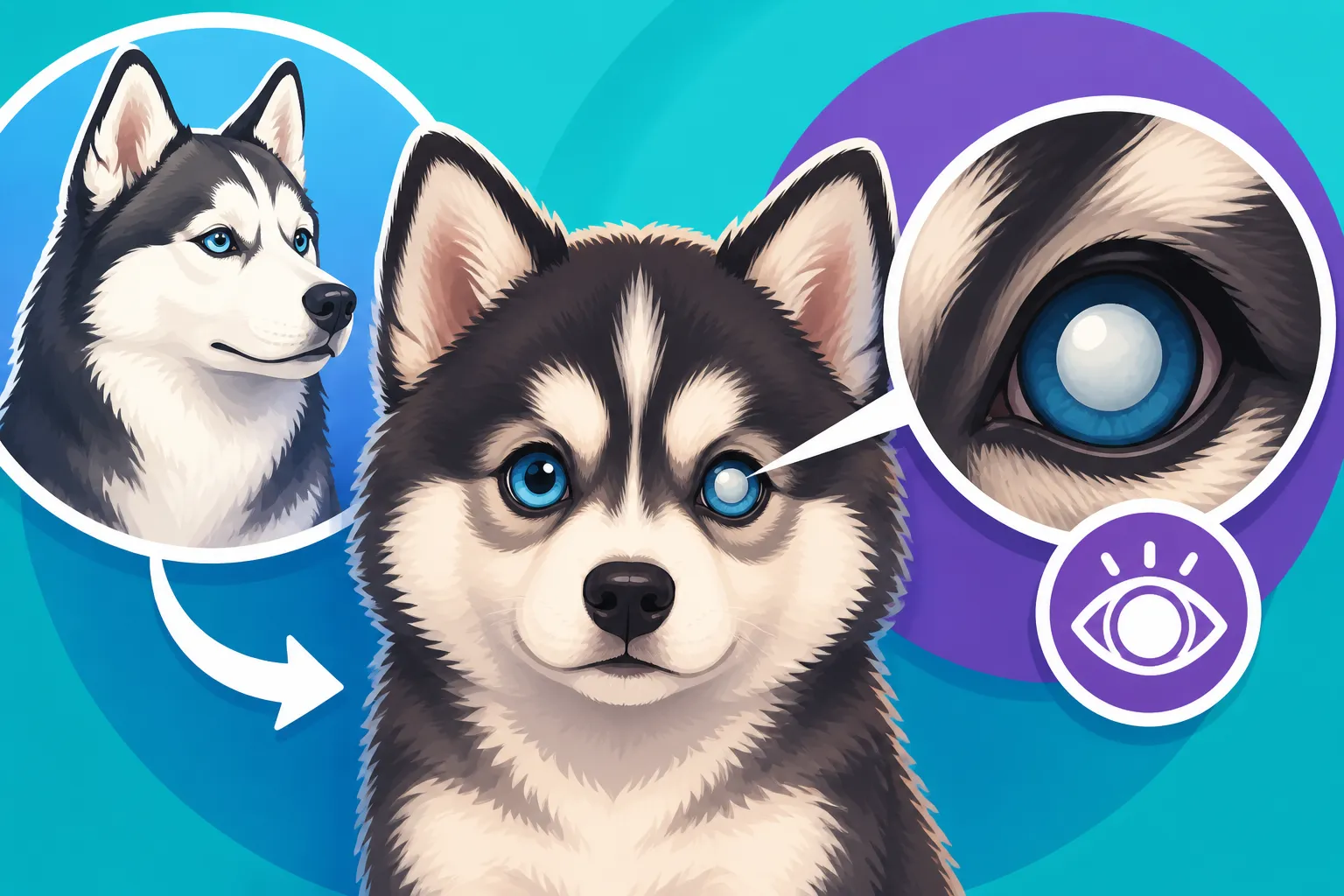
A cataract is essentially an opacity or cloudiness that develops within this normally clear lens. Instead of light passing through unimpeded, it's scattered or blocked by these cloudy areas. When a cataract forms, it's usually because the proteins within the lens start to clump together or break down in a disorganized fashion. Think of it like a window pane turning frosted or foggy – suddenly, the view isn't so clear anymore. With juvenile cataracts, this process begins early, sometimes even before a puppy's eyes are fully mature, which is typically around 6-8 weeks of age. This early onset means that a young Pomsky's developing visual system might be significantly impacted, potentially leading to amblyopia (lazy eye) if not addressed, as the brain doesn't receive clear visual input during critical developmental stages. The severity can range from a tiny, almost imperceptible spot to a complete clouding of the entire lens, which can render a dog functionally blind.
Why "Juvenile" Matters in Pomskies
The term "juvenile" isn't just a descriptor for age; it often points to a different underlying cause than age-related cataracts. While older dogs develop cataracts as a natural part of aging, juvenile cataracts in Pomskies are far more likely to be genetic. This is a critical distinction for Pomsky owners and prospective buyers alike, as it means the condition isn't just bad luck, but potentially an inherited trait passed down from one or both parents. These can appear as early as a few weeks old or emerge over the first few years of life, typically before the age of six. The impact on a young, otherwise healthy dog can be profound, affecting their ability to learn, play, and interact with their environment, making early detection and intervention all the more vital.
The Husky Connection How Genetics Predispose Pomskies
The majestic Siberian Husky is undeniably a key ingredient in the Pomsky's charming appeal, bringing striking looks and an energetic personality. However, with those desirable traits also come certain genetic predispositions, and juvenile cataracts are one of the most significant eye conditions inherited from the Husky side of the family. Understanding this genetic link is crucial for any Pomsky owner or future owner.
Siberian Huskies and Their Genetic Predisposition
Siberian Huskies are known to carry a genetic mutation that causes juvenile cataracts. This isn't a rare occurrence; it's a recognized inherited condition within the breed. Several studies have identified specific genetic markers associated with these early-onset cataracts in Huskies. It's not always simple, though; sometimes the genetics are complex, involving more than one gene, or genes that only express themselves under certain conditions. This makes accurate genetic screening incredibly important for breeders who are striving to produce healthy puppies. When a breeder works diligently to screen their parent dogs, they can significantly reduce the risk of passing on these problematic genes.
Inheriting Cataracts in Pomskies
Since a Pomsky is a direct cross between a Siberian Husky and a Pomeranian, they naturally inherit a blend of genes from both parents. If the Husky parent carries the gene for juvenile cataracts, there's a significant chance the Pomsky puppy will inherit it too. Often, this is an autosomal recessive trait, meaning a puppy needs to inherit a copy of the faulty gene from both parents to develop the condition. However, some forms can be dominant or polygenic, making the inheritance pattern more complex to predict.
This genetic lottery means that even if a Pomsky doesn't immediately show signs of cataracts, they could still be a carrier, potentially passing the gene to their offspring if bred themselves. This is why understanding the full genetic background of both parents is paramount when acquiring a Pomsky. If you're looking into buying a puppy, knowing the health history of both the Husky and Pomeranian lines is just as important as knowing Whether an F1 Pomsky Is Healthier Than an F2.
The Importance of Responsible Breeding and Health Clearances
For responsible Pomsky breeders, genetic screening for juvenile cataracts should be a non-negotiable part of their pre-breeding health clearances. This involves genetic tests, if available for specific mutations, and most importantly, regular ophthalmological examinations by a board-certified veterinary ophthalmologist. These specialists can detect even subtle signs of cataracts or other inherited eye diseases that might not be obvious to a general vet or a breeder. The Orthopedic Foundation for Animals (OFA) and the Canine Eye Registration Foundation (CERF, now part of OFA Eye Certification Registry or CAER) provide databases for these health clearances, allowing prospective buyers to verify the health status of a puppy's parents. A breeder who can provide valid, up-to-date CAER certificates for both parent dogs offers a much higher assurance that they are doing their part to minimize the risk of juvenile cataracts. Without these screenings, you're essentially rolling the dice, and the heartbreak of a young dog losing its sight can be immense. For more details on what screenings to expect, read up on The Screening a Pomsky Should Have Yearly.
Recognizing the Signs of Juvenile Cataracts
Detecting juvenile cataracts early in your Pomsky can make a world of difference for their long-term vision and quality of life. Unlike some conditions that present with obvious pain or behavioral changes, cataracts can be sneaky, developing gradually and sometimes being difficult to spot without close inspection. Knowing what to look for and when to act is key.
Subtle Early Indicators to Watch For
It's easy to miss the very first signs of a cataract, especially if it's small or located in the periphery of the lens. Often, the earliest indicator isn't a cloudy eye, but rather subtle behavioral shifts. You might notice your Pomsky hesitating when going down stairs or jumping off furniture that they used to tackle with no problem. They might seem a little more clumsy in dim lighting or at dusk, bumping into objects they usually navigate around effortlessly. Perhaps they startle more easily when approached from the side, indicating a potential loss of peripheral vision.
Another sign can be a slight reluctance to play games that involve tracking fast-moving objects, like a frisbee or a ball. They might not follow the object as accurately, or they might seem to lose it entirely. Pay attention to how they interact with their environment and other pets. Are they less confident? Do they rely more on scent or sound? These subtle cues, though not definitive proof of cataracts, warrant a closer look and a discussion with your veterinarian.
Visible Cloudiness and Behavioral Changes
As cataracts progress, they typically become more noticeable. You might start to see a bluish-gray or whitish haze developing within the pupil of your Pomsky's eye. It might look like a cloudy marble rather than the clear, sparkling window it once was. This cloudiness can start small, perhaps a pinprick, and then gradually expand to cover the entire lens.
Beyond the physical appearance of the eye, behavioral changes will likely become more pronounced as your Pomsky's vision deteriorates. They might become more anxious or clingy, especially in unfamiliar environments, because they can't see clearly. They may be less inclined to explore new places or interact with new people or dogs. You might observe them holding their head in a particular way to try and catch light in an area of their lens that is still clear. In more advanced cases, they might exhibit classic signs of blindness, such as bumping into walls, furniture, or even missing their food bowl. It's a heartbreaking thing to witness, and at this stage, immediate veterinary attention is crucial.
When to Consult a Veterinarian
Any time you notice any change in your Pomsky's eyes or vision, it's time to schedule a visit to your vet. Don't wait until the cloudiness is undeniable or they're bumping into everything. Early detection is paramount for juvenile cataracts. Your general veterinarian can perform an initial eye examination, but for suspected cataracts, they will almost certainly refer you to a board-certified veterinary ophthalmologist.
An ophthalmologist has specialized equipment and expertise to thoroughly examine the intricate structures of the eye. They can differentiate between cataracts and other conditions that might cause eye cloudiness, such as corneal dystrophy, which can present similarly. They'll assess the size, location, and density of any cataracts, and importantly, evaluate the health of the retina to determine if surgery is a viable option. For a young dog like a Pomsky, time can be of the essence, as untreated cataracts can lead to secondary problems like glaucoma or lens luxation. It’s important to stay proactive with your Pomsky's health, including understanding The Eyes a Pomsky Gets From the Husky and being aware of potential issues.
Diagnosis and Treatment Options for Juvenile Cataracts
Once you suspect your Pomsky might have juvenile cataracts, the next step is diagnosis and exploring treatment options. This can feel overwhelming, but with the right veterinary team, you can make informed decisions to help your furry companion.
The Ophthalmological Examination
A definitive diagnosis of juvenile cataracts requires a comprehensive eye exam by a board-certified veterinary ophthalmologist. This isn't just a quick peek; it's a detailed investigation into every part of your Pomsky's eyes. The ophthalmologist will typically perform several tests:
- Ophthalmoscopy: Using specialized scopes, they'll look directly into your dog's eye, examining the lens for any opacities. They'll assess the size, shape, and location of the cataracts.
- Slit Lamp Biomicroscopy: This allows for a magnified, three-dimensional view of the lens and other anterior structures of the eye, helping to determine the maturity and precise characteristics of the cataract.
- Pupil Dilation: Eye drops are used to dilate the pupils, giving the ophthalmologist a much better view of the entire lens and the back of the eye (retina).
- Electroretinography (ERG): This test measures the electrical activity of the retina in response to light. It's crucial because if the retina isn't functioning properly, cataract surgery might not restore vision, making the procedure less beneficial.
- Ocular Ultrasound: If the cataracts are very dense and prevent a clear view of the back of the eye, an ultrasound can be used to assess the retina and check for any other abnormalities behind the lens.
This thorough examination helps the ophthalmologist determine the extent of vision loss, whether other eye conditions are present, and ultimately, if your Pomsky is a good candidate for surgical intervention.
Surgical Intervention: When and Why
For most cases of juvenile cataracts that significantly impair vision, surgical removal is the only effective treatment to restore sight. This procedure is similar to cataract surgery in humans and is performed by a veterinary ophthalmologist. The most common technique is phacoemulsification, where a small incision is made in the eye, and a specialized probe uses ultrasonic waves to break up the cloudy lens, which is then aspirated out. Often, an artificial intraocular lens (IOL) is then implanted to restore proper focusing ability.
The decision to proceed with surgery is a significant one, weighing the risks of anesthesia and potential complications against the benefits of restored vision. Surgery is generally recommended sooner rather than later for juvenile cataracts because prolonged presence of a cataract can lead to secondary problems like glaucoma (increased pressure in the eye) or uveitis (inflammation), which can make surgery more complicated or even prevent a successful outcome. Additionally, for young dogs, restoring sight early can prevent behavioral issues and improve their overall quality of life. The cost of such a procedure can be substantial, often ranging from $2,500 to $4,000 per eye, sometimes more, so discussing this with your vet and looking into pet insurance options like Healthy Paws is advisable. For insights into surgical suitability, refer to Whether Cataract Surgery Suits a Pomsky.
Non-Surgical Management and Support
While surgery is the primary treatment for vision-impairing cataracts, there are situations where it might not be an option, such as if the dog has other health issues that make anesthesia risky, or if the retina is severely damaged. In these cases, or for very small, non-progressive cataracts that don't significantly affect vision, non-surgical management focuses on supportive care.
This might include regular eye drops to manage inflammation or prevent secondary complications like glaucoma. However, it's crucial to understand that eye drops do not dissolve cataracts or restore lost vision. Their role is purely supportive. The main focus will shift to helping your Pomsky adapt to their reduced or lost vision. This involves creating a safe, consistent environment, avoiding rearranging furniture, and using verbal cues. While not ideal, it's a way to ensure they remain comfortable and safe. Having robust pet insurance from providers like Healthy Paws can also help manage the costs of ongoing supportive care, even if surgery isn't pursued.
Living with a Pomsky with Cataracts
Finding out your young Pomsky has juvenile cataracts can be a heavy blow. The thought of your vibrant, playful companion losing their sight is heartbreaking. However, many Pomskies with cataracts, even those with significant vision impairment, can lead incredibly happy and fulfilling lives with the right support, adaptations, and your unwavering love.
Adapting the Home Environment for Visual Impairment
Whether your Pomsky has undergone surgery to restore vision or is learning to cope with limited sight, adapting your home environment is crucial for their safety and confidence. Dogs thrive on routine and predictability, and this becomes even more important for a visually impaired dog.
Start by keeping furniture and belongings in consistent places. Resist the urge to frequently rearrange your living space. If you do need to move something, guide your Pomsky around it a few times to help them learn the new layout. Creating clear pathways, free of clutter and tripping hazards, is also essential. Consider using different textures of mats or runners to mark important areas, like the path to their food bowl, water, or the door to the yard. For instance, a rubber mat at the water bowl might help them locate it by feel.
Baby gates can be invaluable for blocking off stairs or dangerous areas, preventing falls. For Pomskies with partial vision, good lighting can make a huge difference. Ensure well-lit areas, but avoid harsh glares that can cause discomfort. At night, consider night lights in hallways or rooms your Pomsky frequents. This consistent and thoughtful approach will reduce anxiety and help your Pomsky navigate their world with greater independence.
Maintaining Mental and Physical Stimulation
A common misconception is that visually impaired dogs can't enjoy life to the fullest, but nothing could be further from the truth! Their other senses become heightened, and with a little creativity, you can ensure they remain mentally stimulated and physically active.
Focus on activities that engage their powerful sense of smell and hearing. Scent games are fantastic; hide treats around the house and encourage them to sniff them out. Puzzle toys filled with kibble or treats can provide hours of engagement, using their brains and noses to solve challenges. Verbal cues become incredibly important – teach them words like "step up," "step down," "wait," and "obstacle" to help them navigate during walks or inside the home. Positive reinforcement and consistent training are key.
Physical exercise is still vital for a Pomsky. Leash walks are still very much on the table, but perhaps choose quieter routes with fewer unexpected obstacles. A longer leash, like a 15-foot line, can give them more freedom to explore scents safely in an open park area, always under your close supervision. Engaging in activities like nose work classes or even just regular "sniffaris" in your backyard can provide immense mental enrichment. Remember, a tired Pomsky, even one with limited vision, is a happy Pomsky.
Long-Term Care and Monitoring
Whether your Pomsky has had cataract surgery or is living with untreated cataracts, ongoing veterinary care and vigilant monitoring are essential. For those who undergo surgery, post-operative care is critical and typically involves a strict regimen of eye drops for several weeks or even months to prevent infection and control inflammation. Regular follow-up appointments with the veterinary ophthalmologist are necessary to monitor healing, check intraocular pressure, and ensure there are no complications. Even years down the line, an annual eye check-up is a good idea.
For Pomskies living with cataracts without surgical intervention, monitoring for secondary complications like glaucoma is crucial. Changes in eye color, increased redness, excessive tearing, or signs of pain (like squinting or rubbing their eyes) warrant immediate veterinary attention. Your regular vet can help manage any discomfort and monitor overall eye health, but an ophthalmologist may still be needed for specialized assessments. Remember, managing chronic conditions can accrue significant vet bills, so having reliable pet insurance like Healthy Paws can be a tremendous financial relief for long-term care needs. Keep reading about Whether a Pomsky Needs a Yearly Eye Exam to ensure you're on top of all necessary check-ups.
Preventing Juvenile Cataracts and Responsible Breeding
The idea of preventing a heartbreaking condition like juvenile cataracts in your Pomsky is incredibly appealing. While not every case can be avoided, responsible breeding practices and informed choices by prospective owners play a massive role in minimizing the risk and working towards healthier generations of Pomskies.
Pre-Breeding Health Clearances
The cornerstone of preventing inherited diseases like juvenile cataracts lies squarely with the breeder. Responsible breeders commit to rigorous health testing of their breeding dogs before they ever produce a litter. For Pomskies, this means both the Siberian Husky and Pomeranian parents should undergo comprehensive health screenings relevant to their respective breeds.
Specifically for eyes, both parent breeds should have annual eye examinations performed by a board-certified veterinary ophthalmologist. These exams are certified through organizations like the Orthopedic Foundation for Animals (OFA) Eye Certification Registry (CAER). A clean CAER certificate indicates that the dog was free of observable inherited eye diseases, including cataracts, at the time of the exam. Since some juvenile cataracts can develop later in life but still before maturity, yearly checks are vital. Furthermore, if genetic tests for specific cataract-causing mutations are available for either parent breed, those tests should also be performed. Breeders should be transparent and readily provide these health certificates and genetic test results to potential buyers. If a breeder cannot or will not provide this documentation, it should be a major red flag.
The Importance of Pedigrees and Genetic Testing
Beyond individual health clearances, responsible breeding involves a deep understanding of pedigrees and the genetic history of the breeding lines. A good breeder doesn't just look at the immediate parents but also delves into the health of grandparents and other close relatives. If there's a history of juvenile cataracts popping up in a particular line, even if the direct parents are clear, it's a sign that those genes might be present and could surface in future generations.
Genetic testing, where available, can directly identify carriers of specific cataract-causing mutations. If a dog is a carrier but doesn't express the disease, they might still pass the faulty gene to their offspring. By testing, breeders can make informed decisions, for example, by only breeding a carrier dog to a dog that is certified clear (non-carrier) of the mutation, thus preventing the disease from manifesting in the puppies. This meticulous approach helps reduce the incidence of genetic diseases over time. This kind of careful planning also addresses questions like Whether Breeding Pomsky to Pomsky Concentrates Faults.
Choosing a Reputable Pomsky Breeder
As a prospective Pomsky owner, your choice of breeder is perhaps the most significant step you can take to mitigate the risk of your puppy developing juvenile cataracts or other inherited health issues. A reputable breeder will:
- Be transparent about health testing: They will willingly provide OFA/CAER certificates and genetic test results for both parent dogs, explaining what they mean.
- Have a strong understanding of genetics: They should be knowledgeable about the health concerns in both Siberian Huskies and Pomeranians and how these might affect their Pomsky puppies.
- Offer a health guarantee: A reputable breeder will typically offer a health guarantee against specific genetic conditions, including juvenile cataracts, for a certain period.
- Allow you to meet the parents: Observing the parent dogs can give you insights into their health, temperament, and eye clarity.
- Prioritize the health and welfare of their dogs: They won't breed dogs too young, too often, or without proper care.
Avoid breeders who cut corners on health testing, cannot provide verifiable paperwork, or seem more interested in making a quick sale than ensuring the lifelong health of their puppies. While a higher price might reflect the investment a reputable breeder makes in health testing and care, remember that The Fifteen Hundred to Five Thousand a Pomsky Costs is only the initial cost. Investing in a puppy from health-tested parents can save you immense heartache and significant veterinary expenses down the line, possibly even covering major issues with an insurance plan like Healthy Paws.
Table of Juvenile Cataract Grades and Treatment Considerations
Understanding the severity of cataracts can help guide treatment decisions. While specific grading systems can vary slightly, here's a general overview:
Cataract Grade Description Impact on Vision Treatment Consideration of a Pomsky. So, what about an F2 Pomsky? An F2 is a second-generation Pomsky, meaning both of its parents are F1 Pomskies. This allows for a bit more predictability in terms of appearance and temperament compared to a first-generation (F1) Pomsky, which is a direct cross between a Husky and a Pomeranian. The goal with F2 breeding is often to refine traits and produce puppies that are more consistently medium-sized with desirable Husky-like features like blue eyes and markings, but in a more compact package. The hope is to also solidify the health traits, but this doesn't guarantee the absence of inherited conditions. This generation can still show a lot of variation, as the genetic mix from the original grandparent breeds is still quite diverse.
A multi-gen Pomsky is essentially any Pomsky beyond the F2 generation—so F3, F4, and so on. In these later generations, breeders are typically aiming for even greater consistency in terms of size, appearance, and temperament. The idea is that by repeatedly breeding Pomsky to Pomsky, with careful selection for desired traits and comprehensive health screening, the genetic outcomes become more predictable. This can lead to puppies that more reliably fit the "miniature Husky" look that many prospective owners desire. However, it's also important to note that as you narrow down the gene pool, there's a risk of inadvertently concentrating undesirable traits or health issues if breeders aren't incredibly diligent with their health testing and genetic screening. Maintaining genetic diversity while striving for consistency is a delicate balance. The hope is always to achieve a true-breeding line for The Twelve to Fifteen Years a Pomsky Lives.
Disclaimer
This article is intended for informational purposes only and does not constitute veterinary advice. If you have concerns about your Pomsky's health, please consult with a qualified veterinarian or a board-certified veterinary ophthalmologist. Early diagnosis and treatment are crucial for the best possible outcome for any health condition.