Whether Cataract Surgery Suits a Pomsky
Seeing your beloved Pomsky struggle with vision, bumping into furniture, or losing their spark because of cloudy eyes can be incredibly heartbreaking. It’s natural to wonder what can be done and if a complex procedure like cataract surgery is truly a viable, safe, and beneficial option for your small companion. This comprehensive guide is here to walk you through everything you need to know about Pomsky cataract surgery, helping you understand the process, the considerations, and whether it’s the right choice for your furry family member.
Understanding Cataracts in Pomskies
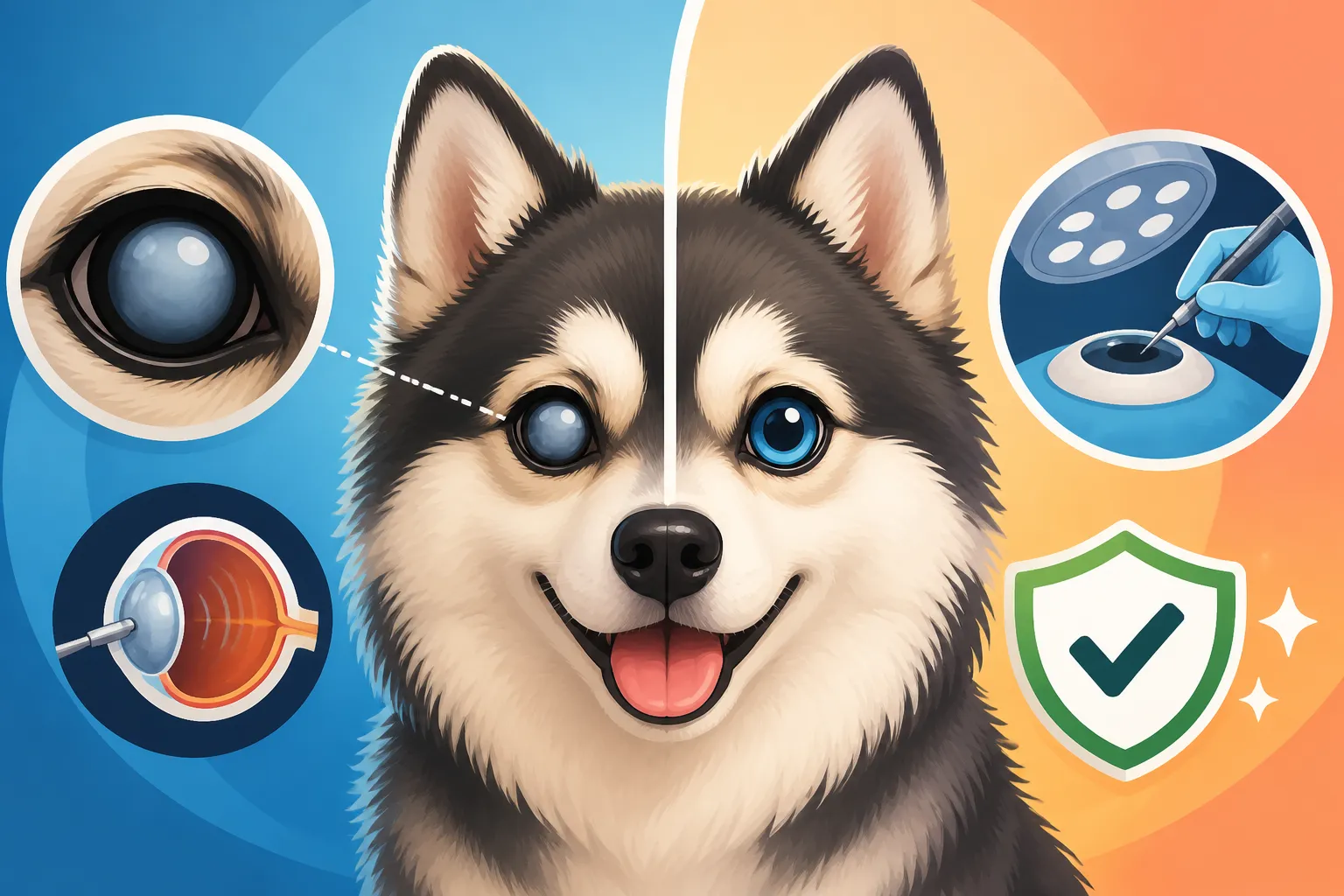
When we talk about cataracts, we're talking about a clouding of the eye's natural lens, which sits right behind the iris (the colored part of the eye). This lens, normally clear, helps focus light onto the retina, allowing for sharp vision. When a cataract develops, it's like looking through a foggy window, making it difficult for light to pass through and eventually leading to significant vision impairment or even blindness.
What are Cataracts and Why Do Pomskies Get Them?
Cataracts aren't just one thing; they can vary in their cause, size, and how quickly they develop. For Pomskies, there are a few primary reasons why these cloudy obstructions might form. One significant factor is genetics. Because Pomskies are a mix of Siberian Husky and Pomeranian, they can inherit predispositions to certain eye conditions from either parent breed. Huskies, for instance, are known to be susceptible to hereditary cataracts, including a form known as The Juvenile Cataracts a Pomsky Gets From the Husky, which can appear in dogs as young as a few months old. If your Pomsky's Husky lineage carries this trait, even though they're a mixed breed, the risk is there.
Beyond genetics, age is a common culprit. Just like in humans, older dogs can develop age-related cataracts. This usually happens gradually, and while it's a natural part of aging for some dogs, it can still significantly impact their quality of life. Trauma to the eye, certain diseases like diabetes, or even nutritional deficiencies can also lead to cataract formation, though these are less common as primary causes in Pomskies compared to genetic or age-related factors. Understanding the root cause can sometimes influence the treatment approach, but often, the goal remains the same: restoring clear vision.
Identifying the Signs of Cataracts in Your Pomsky
Recognizing cataracts in their early stages can be tricky, as dogs are incredibly adaptable and often hide their vision loss for a while. However, as the cataracts progress, you might start noticing some tell-tale signs. The most obvious, of course, is a visible cloudiness or bluish-gray haze within the pupil of their eye. This often starts small and peripheral, slowly growing to cover more of the lens. You might see this more clearly when your Pomsky is in bright light or looking directly at you.
Behavioral changes are also key indicators. Your Pomsky might start hesitating when navigating familiar spaces, especially in low light. They might bump into furniture, misjudge distances when jumping on or off the couch, or seem more clumsy than usual. You might notice they're less eager to play fetch or chase moving objects, or they might become more anxious in new environments. Sometimes, they might even startle more easily when approached from their blind side. If you observe any of these changes, it's crucial to schedule a visit with your veterinarian or a veterinary ophthalmologist right away to get a proper diagnosis. Early intervention can sometimes make a difference in treatment outcomes. It's not uncommon for owners to first notice these issues during their regular The Screening a Pomsky Should Have Yearly appointments.
Deciding if Surgery is the Right Path for Your Pomsky
When your Pomsky is diagnosed with cataracts, the thought of surgery can be overwhelming. It’s a big decision, and there are many factors to weigh, from your dog’s overall health to the financial commitment involved. This isn't a "one size fits all" situation, and what's right for one Pomsky might not be for another.
Candidacy for Cataract Surgery
Before any discussion of surgery, a thorough evaluation by a board-certified veterinary ophthalmologist is absolutely essential. They will perform a comprehensive eye exam, which includes specialized tests to assess the health of the retina, measure intraocular pressure, and determine the exact type and maturity of the cataracts. This helps them confirm that the vision loss is, in fact, due to cataracts and not another underlying condition like Corneal Dystrophy in a Pomsky or Whether a Pomsky Gets Progressive Retinal Atrophy.
Beyond the eyes themselves, your Pomsky's overall health is paramount. Blood work, a urinalysis, and often a cardiac evaluation will be conducted to ensure they are healthy enough to undergo general anesthesia. While anesthesia procedures have become incredibly safe, especially for specialized surgeries, there are always inherent risks, and these risks can be slightly higher for smaller breeds like Pomskies. Understanding Whether Anesthesia Is Riskier on a Small Pomsky is a valid concern for many owners. If your Pomsky has other health issues, such as heart disease or diabetes, these will need to be well-managed before surgery can be considered. The ophthalmologist will only recommend surgery if they believe your Pomsky has a good chance of successful recovery and a significant improvement in their quality of life.
Quality of Life Considerations
Surgery isn't just about restoring sight; it's about improving your Pomsky's overall well-being. Not all cataracts require immediate surgery, and some dogs adapt remarkably well to vision loss, especially if it's gradual. Consider your Pomsky's personality and lifestyle. Is your dog generally active and playful, or more of a couch potato? An active dog might benefit more from restored vision than one who is mostly content lounging.
For some dogs, particularly those that are older or have other health issues, the stress and recovery of surgery might outweigh the benefits. If a Pomsky can still navigate their home safely, respond well to verbal cues, and enjoy their daily routine without excessive anxiety or fear due to blindness, then conservative management might be a suitable alternative. On the other hand, if your Pomsky is bumping into things constantly, showing signs of distress, or has lost their zest for life due to severe vision impairment, then surgery could be truly life-changing. It's a deeply personal decision, made in consultation with your vet, focusing on what will truly make your Pomsky happier and healthier in the long run. The ultimate goal is always their comfort and happiness, whether that involves sight or skilled navigation without it.
Financial Aspects and Insurance Coverage
Let's be real: veterinary specialty procedures like cataract surgery are a significant financial investment. The cost can vary widely depending on your geographic location, the veterinary ophthalmologist's fees, the complexity of the case, and whether one or both eyes are being treated. Generally, you can expect the cost to range from several thousand dollars per eye. This typically includes the pre-operative evaluations, the surgery itself, the anesthetic monitoring, and the extensive post-operative medications and follow-up visits. For a more detailed breakdown, you might want to look into What a Pomsky's Vet Bills Look Like.
This is where pet insurance can be an absolute lifesaver. Many responsible Pomsky owners invest in comprehensive pet insurance plans, like those offered by Healthy Paws. If you have a plan in place before the cataract diagnosis and it's not considered a pre-existing condition, your policy could potentially cover a substantial portion of the surgical costs. It’s crucial to understand your specific policy's deductible, reimbursement percentage, and annual limits. If you're considering insurance, or even if you already have it, contacting your provider (like Healthy Paws) as soon as you suspect an issue can help you understand your coverage and plan financially. Without insurance, it's wise to have a dedicated emergency fund or be prepared to discuss payment plans with your veterinary clinic. Remember, investing in pet insurance early on, especially considering What Insuring a Pomsky Runs Monthly, can provide immense peace of mind for unexpected health issues down the road. It’s always good to be prepared for Setting Money Aside for a Pomsky's Vet Bills.
Here's a quick comparison of considerations:
| Factor | Surgical Management (Cataract Surgery) | Non-Surgical Management (Living with Blindness) |
|---|---|---|
| Goal | Restore or significantly improve vision | Improve quality of life despite vision loss |
| Cost | Significant upfront cost (thousands per eye), ongoing medication/check-ups | Potentially lower medical costs, but requires home adaptations and care |
| Recovery | Intensive post-op care (drops, E-collar, restricted activity) for weeks | No physical recovery from surgery, but mental adaptation for the dog |
| Risks | Anesthesia, post-op complications (infection, glaucoma, retinal detachment) | Less risk of medical complications; risk of injury from bumping into things |
| Commitment | High commitment to medication schedule and follow-up vet visits | High commitment to maintaining a consistent home environment, training |
| Ideal Candidate | Otherwise healthy, good temperament, vision loss significantly impacts QoL | Older/unhealthy dogs, good temperament, adapts well to vision loss, owner can provide safe environment |
The Cataract Surgery Process and Recovery
Once the decision for surgery has been made, understanding what to expect during the procedure and the crucial recovery period can help you feel more prepared and less anxious. It's not just a quick fix; it's a journey that requires dedication from both you and your Pomsky.
What to Expect on Surgery Day
On the day of surgery, your Pomsky will typically need to be fasted from food and water for a specific period before their appointment, as advised by the veterinary team. When you arrive at the specialist clinic, they'll perform final pre-anesthetic checks, which may include another quick physical exam and blood pressure measurement. The veterinary ophthalmology team is highly specialized and will use state-of-the-art equipment and techniques. The procedure itself is called phacoemulsification, which involves using an ultrasonic probe to break up the cloudy lens into tiny fragments, which are then suctioned out. In most cases, an artificial intraocular lens (IOL) is implanted to replace the natural lens, helping to restore clear vision.
This is a delicate microscopic surgery, typically lasting 60-90 minutes per eye, performed by a veterinary ophthalmologist with an experienced support team. Your Pomsky will be under general anesthesia the entire time, with continuous monitoring of their heart rate, breathing, and oxygen levels. The surgical team will keep you updated, and usually, you can pick your Pomsky up later the same day, though sometimes an overnight stay for monitoring is recommended, especially if both eyes are done simultaneously.
Recovery at Home: A Critical Period
The recovery period at home is arguably the most critical phase for a successful outcome. It requires immense dedication and patience from you. Your Pomsky will come home wearing an Elizabethan collar (the dreaded "cone of shame") to prevent them from rubbing or scratching their eyes, which is absolutely vital for healing. This cone usually needs to stay on for several weeks, even when they're sleeping.
You'll be given a strict schedule of eye drops and possibly oral medications (anti-inflammatories, antibiotics). Administering eye drops multiple times a day for weeks or even months is often the most challenging part for owners, but consistency is key to preventing complications like inflammation or infection. Your Pomsky’s activity will also need to be severely restricted – no jumping, running, roughhousing, or stairs for several weeks to prevent injury or increased intraocular pressure. This means leash walks only, and quiet time in their crate or a contained space. Regular follow-up appointments with the ophthalmologist will be scheduled to monitor healing and adjust medications as needed. This intensive care can be exhausting, but it’s a temporary sacrifice for your Pomsky’s long-term vision.
Potential Risks and Long-Term Outlook
While cataract surgery has a high success rate (often 80-90% for restoring functional vision), it's important to be realistic about potential risks and complications. No surgery is without them. Immediately after surgery, common complications include inflammation (uveitis), which is managed with eye drops, and increased intraocular pressure. More serious, though less common, complications can include glaucoma (a painful condition that can lead to permanent blindness if not managed), retinal detachment, or persistent infection. These usually require further treatment, sometimes including additional surgery.
Long-term, most Pomskies who undergo successful cataract surgery enjoy significantly improved vision and a much better quality of life. However, even with an IOL implant, their vision may not be 100% perfect, and they might still need a little extra time to adjust to bright lights or low-light conditions. Lifelong monitoring of their eye health, including regular veterinary check-ups and potentially continued use of certain eye drops, may be necessary. The goal is to catch any emerging issues early and maintain the positive results of the surgery.
Life After Cataract Surgery: Maintaining Eye Health and Adaptation
Bringing your Pomsky home after cataract surgery marks the beginning of a new chapter. It's a time for healing, adaptation, and continued vigilance to ensure their newly restored vision lasts a lifetime.
Maintaining Eye Health Post-Surgery
The journey doesn't end when the cone comes off. Maintaining your Pomsky's eye health after surgery is crucial for preventing future complications and ensuring their vision remains clear. This often involves a regimen of daily eye drops, particularly anti-inflammatory drops, which may continue for months or even be necessary long-term for some dogs to manage internal eye inflammation. It's vital to stick to this schedule diligently, even if your Pomsky seems perfectly fine, as discontinuing medication prematurely can lead to issues.
Regular follow-up visits with the veterinary ophthalmologist are also non-negotiable. Initially, these might be weekly, then monthly, and eventually yearly, depending on your Pomsky's individual needs. During these visits, the specialist will check intraocular pressure, assess for any signs of inflammation or glaucoma, and ensure the artificial lens is stable. These routine checks are akin to Whether a Pomsky Needs a Yearly Eye Exam for overall health, but focused specifically on their precious vision. Early detection of any problem can make all the difference in successful management.
Adapting to New Vision
Most Pomskies, once healed, adapt remarkably well to their restored vision. It's often heartwarming to see them regain their confidence, eagerness to play, and ability to navigate their world without hesitation. They might need a little time to adjust to the nuances of seeing again, especially if they've been blind for a while. Their brains need to recalibrate to process visual information. You might notice them reacting more to sudden movements or sounds they previously ignored.
To help them adjust, maintain a consistent environment at home. Avoid moving furniture around too much in the initial weeks. Continue using verbal cues and praise to encourage them. While they can see, they still appreciate the comfort of your voice and guidance. Encourage gentle play and outdoor time on a leash in safe, familiar areas. Watching your Pomsky rediscover the world through their eyes again is an incredibly rewarding experience, confirming that all the hard work and financial investment were truly worth it.
Alternative Management for Non-Surgical Cases
For some Pomskies, cataract surgery simply isn't an option. This could be due to advanced age, underlying health conditions that make anesthesia too risky, financial constraints, or the cataracts being a secondary symptom of an irreversible condition like severe retinal degeneration where surgery wouldn't restore vision anyway. In these cases, the focus shifts to helping your Pomsky thrive while blind or severely vision-impaired.
Creating a safe, consistent home environment is paramount. Avoid rearranging furniture, keep pathways clear, and block off potential hazards like stairs or pools. Use scent markers or textured mats to indicate important areas, like their food bowl or exit doors. Teach verbal cues for "step up," "watch out," "stop," or "find your bed." You can also invest in halo vests or bumper collars that help prevent head collisions. Most dogs adapt wonderfully to blindness, relying more on their other heightened senses like smell and hearing. Their bond with you, their trusted human, becomes even more critical. With patience, understanding, and proactive adjustments, a blind Pomsky can lead a full, happy, and confident life. For more on living with a vision-impaired Pomsky, you might want to read Whether a Pomsky Goes Blind From Cataracts to understand the journey.
Disclaimer
This article is for general informational purposes only and does not constitute professional advice. Laws, prices and regulations vary by location and change over time. Consult a qualified professional for guidance on your specific situation.