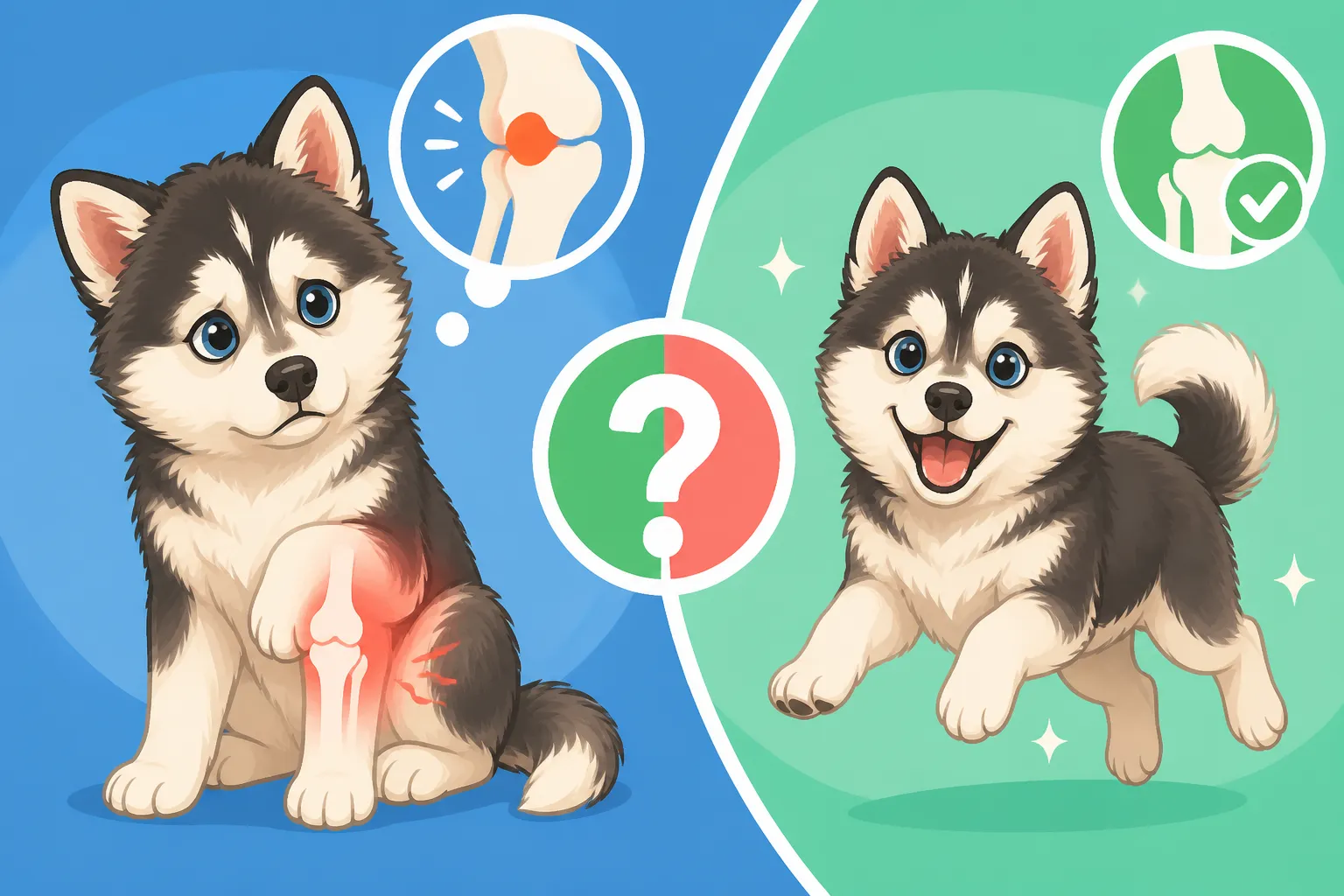
Whether a Pomsky’s Kneecap Needs Operating
It's heartbreaking to see your bouncy, playful Pomsky suddenly skip or hold up a back leg, leaving you wondering what just happened. If your vet has mentioned patellar luxation – or 'slipped kneecap' – you're probably wrestling with the big question: does my beloved Pomsky really need surgery? This comprehensive guide is here to walk you through the complexities of patellar luxation in Pomskies, helping you understand when an operation might be the best path forward, what alternatives exist, and what to expect every step of the way.
Understanding Patellar Luxation in Pomskies
Discovering your Pomsky has a condition like patellar luxation can be incredibly worrying, especially when you see them limping or refusing to put weight on a leg. This condition is far more common in smaller breeds, and with the Pomeranian being one half of your Pomsky's genetic makeup, it's definitely something many owners encounter. It's not your fault, nor is it a sign you're doing something wrong; it's often an anatomical predisposition.
What Exactly is a Slipped Kneecap?
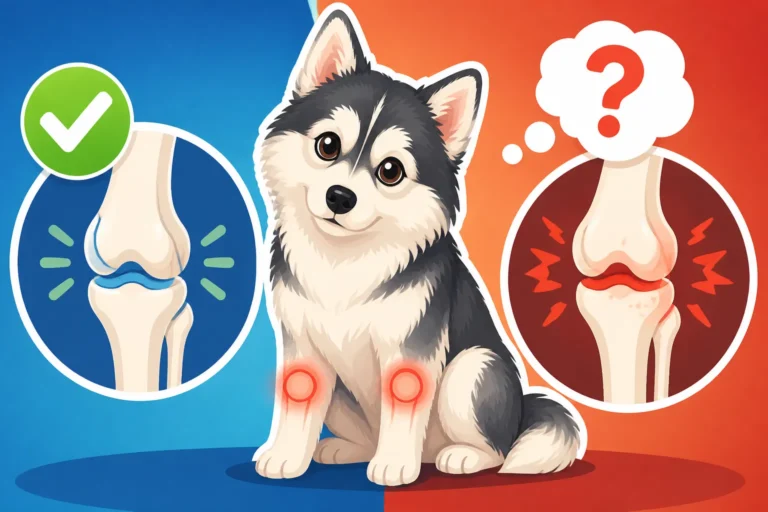
At its simplest, patellar luxation refers to the kneecap (patella) slipping out of its normal groove on the thigh bone (femur). Imagine a train running smoothly on its tracks; patellar luxation is like that train jumping off the tracks. For your Pomsky, this means the kneecap, which usually sits at the front of the knee joint, can pop out either towards the inside (medial luxation, most common) or the outside (lateral luxation) of the leg. This movement can be painful, cause lameness, and, over time, lead to more severe orthopedic issues.
The mechanics behind this can be complex, involving the alignment of the femur, tibia, and patella itself. When these bones aren't perfectly aligned, the patella is more prone to slipping. Sometimes, the groove in the femur where the kneecap sits, called the trochlear groove, isn't deep enough, making it easier for the patella to dislocate. Other times, the attachment point of the patellar ligament on the tibia might be misaligned, pulling the kneecap out of place. It's a delicate balance of structures, and even a slight deviation can cause significant issues. For a deeper dive into how this all works, you might find our guide on Slipping Kneecaps in a Pomsky particularly enlightening, as it explains the anatomical details that contribute to this common problem.
The Role of Genetics and Breed Predisposition
It’s easy to feel guilty when your dog develops a health condition, but patellar luxation is largely genetic. In Pomskies, this predisposition primarily comes from the Pomeranian side of their family tree, as small breeds are overwhelmingly more susceptible. While Huskies generally don't have a high incidence of patellar luxation, the Pomeranian's genetic legacy is strong in this regard. This means that even if your Pomsky looks more like a miniature Husky, they still carry the genetic blueprint for certain small-breed ailments.
Responsible breeders often screen their breeding dogs for patellar luxation, but even with careful screening, there's no guarantee that a puppy will be entirely free of the condition. It’s a polygenic trait, meaning multiple genes are involved, making it tricky to predict or completely eradicate. Understanding this genetic component helps you realize that it's an unfortunate roll of the dice, not a reflection of your care. It also highlights the importance of asking breeders about the orthopedic health history of their breeding lines.
Decoding Patellar Luxation Grades in Your Pomsky
Vets use a grading system to describe the severity of patellar luxation, and this is crucial for determining the best course of action. It's a system from Grade 1 to Grade 4, with each grade indicating how often and how easily the kneecap slips out of place. This isn't just a clinical formality; it directly impacts your Pomsky's comfort, mobility, and the long-term health of their knee joint.
Here’s a breakdown of what each grade generally means:
| Grade | Description | Clinical Signs | Potential Treatment |
|---|---|---|---|
| Grade 1 | The patella can be manually luxated (pushed out of the groove) but spontaneously returns to its normal position. The trochlear groove is almost normal in depth. | Often asymptomatic, or very occasional skipping steps. Your Pomsky might show no signs at all, and it's only discovered during a routine vet check. You might notice a very subtle "skip" in their gait now and then, but they usually shake it off quickly. | Conservative management (weight control, supplements, controlled exercise), regular monitoring. Surgery is rarely recommended unless it progresses or causes pain. |
| Grade 2 | The patella spontaneously luxates (slips out) occasionally or can be manually luxated. It remains luxated for a short period but can be manually repositioned or pops back in with extension of the stifle. The trochlear groove is often shallow. | Intermittent lameness, often described as a "skip" or holding the leg up for a few steps before running normally again. This is often "The Skip That Means a Pomsky's Knee Has Gone". Discomfort might be apparent, especially after vigorous play. Arthritis can start to develop. | Conservative management may be tried first, but surgery is often considered, especially if symptoms are frequent, painful, or worsening. The goal is to prevent further joint damage. |
| Grade 3 | The patella is permanently luxated (out of the groove) but can be manually repositioned within the groove. However, it immediately luxates again once released. The trochlear groove is very shallow or flattened. | Persistent lameness, a crouching gait, or bowing of the leg. Your Pomsky will likely be uncomfortable and may struggle with normal activities. The kneecap often feels like it's never in the right place, leading to chronic pain and significant arthritis. | Surgical correction is highly recommended to improve comfort, restore function, and prevent severe osteoarthritis. Non-surgical options are generally ineffective for long-term management. |
| Grade 4 | The patella is permanently luxated and cannot be manually repositioned into the groove. The trochlear groove is absent or completely flat. Severe skeletal deformities are usually present. | Severe, constant lameness, often walking with a continuous crouch, or the leg is held up most of the time. The leg may appear bowed or twisted. This is a debilitating condition causing significant pain and loss of mobility. | Surgery is definitely required, often involving more complex reconstructive procedures. Prognosis may vary depending on the extent of bone deformities and how long the condition has been present. |
It's vital to have your vet accurately assess your Pomsky's grade to determine the best plan. Our article on Patellar Luxation Grades in a Pomsky provides even more detailed information to help you understand your vet's diagnosis.
When Surgical Intervention Becomes Necessary
The decision to put your Pomsky through surgery is never easy. It's a huge commitment, both emotionally and financially, and you want to be sure it's truly the best thing for your furry friend. Many factors come into play, and it’s a conversation you’ll have extensively with your veterinarian and potentially a specialist.
Assessing the Severity and Impact on Quality of Life
The primary driver behind considering surgery is the impact the luxation has on your Pomsky's quality of life. A Grade 1 luxation that only occasionally skips with no pain might not warrant surgical intervention, especially if it doesn't bother your dog. However, if your Pomsky is consistently limping, crying out in pain, or unable to enjoy their normal playful activities, then surgery moves higher up the list of considerations. You know your dog best. Are they refusing walks, reluctant to jump on the couch (even if they should be using steps anyway, as discussed in Whether a Pomsky Should Use Steps to the Couch), or just generally less enthusiastic than usual? These are critical observations.
Your vet will assess not just the grade but also the frequency of luxation and the presence of pain and early signs of osteoarthritis. Even a lower grade luxation that is constantly popping in and out can cause significant wear and tear on the joint cartilage over time, leading to painful arthritis. This cumulative damage is often a strong argument for early surgical intervention, aiming to preserve joint health before irreversible changes set in.
Factors Influencing the Decision for Surgery
Beyond the grade itself, several factors help determine if surgery is the right call for your Pomsky:
- Clinical Signs and Pain Level: Is your Pomsky showing clear signs of pain, such as yelping, reluctance to move, or holding the leg up for extended periods? The presence of pain is a major indicator that intervention is needed.
- Frequency of Luxation: How often does the kneecap slip? If it's a daily occurrence, even with a lower grade, the constant friction and instability can lead to progressive arthritis and pain.
- Impact on Mobility: Is your Pomsky's ability to walk, run, and play being significantly hampered? If they can't enjoy a good walk or play session because of their knee, their overall well-being is compromised.
- Age and Activity Level: Younger, more active Pomskies with higher-grade luxations are often better candidates for surgery, as it can prevent long-term damage and allow them a full, active life. An older Pomsky with mild, stable luxation might be managed conservatively, especially if they have other health issues that make anesthesia risky.
- Presence of Other Orthopedic Issues: Sometimes, patellar luxation can occur alongside other conditions like Hip Dysplasia in a Twenty Pound Pomsky or even cranial cruciate ligament tears. Addressing the patellar luxation might be part of a larger orthopedic plan.
- Owner's Willingness and Resources: Surgery requires commitment to post-operative care, rehabilitation, and financial investment. It's a big decision that needs to be made considering your personal circumstances, though pet insurance like Healthy Paws can certainly help mitigate some of the financial worries.
Generally, Grade 1 luxations are often managed conservatively, while Grades 3 and 4 almost always require surgery. Grade 2 is where the decision becomes more nuanced, often hinging on the frequency of luxation, the level of pain, and the dog's age and activity. For specific guidance on which grades typically warrant surgical intervention, our post Which Patella Grade Needs Surgery in a Pomsky offers further clarity.
The Age a Pomsky's Kneecap First Shows Problems
It's common for patellar luxation to manifest early in a Pomsky's life, often becoming noticeable when they are puppies or young adults. You might observe a subtle skip around 4-6 months of age, or it could be later as they become more active. The genetic components are present from birth, but the actual slipping might only become apparent as the dog grows and puts more stress on their joints.
Sometimes, the signs are so subtle that owners don't realize anything is amiss until a vet performs a thorough orthopedic exam during a routine check-up. The age of onset can sometimes influence the severity and progression, with early onset potentially leading to more significant changes over time if left unaddressed. It’s important to remember that just because you haven't seen signs doesn't mean it's not developing. Regular vet check-ups are key to catching these issues early. You can learn more about this specific timeline by reading The Age a Pomsky's Kneecap First Slips.
Exploring Surgical Options for Patellar Luxation
If surgery is deemed necessary for your Pomsky's kneecap, your vet or an orthopedic specialist will discuss the various techniques available. The goal of all these procedures is to stabilize the kneecap, keep it within its groove, and prevent it from slipping again, thereby reducing pain and preventing further joint damage.
Common Surgical Techniques Explained
There isn't a one-size-fits-all surgery for patellar luxation; the specific technique or combination of techniques chosen will depend on the underlying anatomical issues identified in your Pomsky. A board-certified veterinary surgeon will evaluate X-rays and perform a thorough examination to determine the precise abnormalities.
Some of the most common surgical approaches include:
- Trochlear Widening/Deepening (Trochleoplasty): This is one of the most fundamental aspects of many patellar luxation surgeries. If your Pomsky's trochlear groove (the "track" where the kneecap sits) is too shallow, the surgeon will deepen it. This can be done by removing a wedge or block of bone and cartilage, deepening the groove, and then replacing the bone (wedge trochleoplasty) or by simply deepening the groove directly (chondroplasty or rasping trochleoplasty). The idea is to create a secure channel for the patella.
- Tibial Crest Transposition: Often, the patellar ligament, which connects the kneecap to the shin bone (tibia), isn't attached in the correct spot on the tibia. This misalignment pulls the kneecap out of its groove. In this procedure, the surgeon cuts a small section of the tibia where the ligament attaches (the tibial crest), moves it to a more appropriate position, and then reattaches it with pins or sutures. This corrects the pull on the kneecap, allowing it to track straight.
- Lateral Imbrication: This technique involves tightening the joint capsule and fascia on the side opposite the luxation. For medial luxation (kneecap slips inward), the lateral (outer) side of the joint capsule is tightened. This creates tension that helps pull the kneecap back into alignment and resist inward movement. This is often used in conjunction with other techniques.
- Medial Release: If the tissues on the side of the luxation (e.g., medial side for medial luxation) are too tight and pulling the kneecap out, the surgeon may release or cut these tissues to reduce tension and allow the kneecap to sit properly in the groove.
Often, a combination of these techniques is used to achieve the best possible outcome. For instance, a Pomsky might have a shallow trochlear groove and a misaligned tibial crest, requiring both trochleoplasty and tibial crest transposition. The surgeon's expertise lies in identifying the specific issues and applying the right corrective measures.
Potential Risks and Benefits of Surgery
Like any surgical procedure, patellar luxation correction comes with potential risks, but also significant benefits that can drastically improve your Pomsky's life.
Benefits:
- Pain Relief: The most immediate and profound benefit is the reduction or elimination of pain associated with the luxation.
- Improved Mobility and Function: A stable kneecap allows for normal movement, enabling your Pomsky to walk, run, and play without limitations.
- Prevention of Arthritis: By stabilizing the joint, surgery helps prevent or slow down the progression of osteoarthritis, which can be debilitating in the long run.
- Enhanced Quality of Life: Ultimately, a pain-free, mobile Pomsky is a happier Pomsky, able to enjoy all the activities they love.
Risks:
- Anesthesia Risks: While generally safe, any anesthesia carries a small risk, especially for smaller dogs. Your vet will conduct thorough pre-surgical screening to minimize these risks.
- Infection: As with any incision, there's a risk of post-operative infection, which requires antibiotics.
- Implant Complications: If pins or wires are used, they can sometimes break, migrate, or cause irritation, potentially requiring removal.
- Reluxation: Though uncommon, the kneecap can sometimes reluxate even after surgery, especially if the underlying anatomical issues were severe or if there's significant trauma during recovery. This might necessitate a second surgery.
- Limited Range of Motion: In some cases, scar tissue can lead to a slight reduction in knee flexibility.
- Cost: Surgical costs can be substantial, including the surgery itself, anesthesia, hospitalization, pain medication, and post-operative rehabilitation. It's wise to discuss all potential costs upfront. Pet insurance providers, such as Healthy Paws, are often a lifesaver for owners facing these unexpected expenses, covering a significant portion of surgical and rehabilitation fees.
It’s a balancing act, and your vet will help you weigh these factors carefully to make the most informed decision for your unique Pomsky.
What to Expect from a Veterinary Orthopedic Specialist
When your regular veterinarian diagnoses patellar luxation, especially if it's Grade 2 or higher, they might recommend a consultation with a board-certified veterinary orthopedic specialist. This isn't a slight against your general practitioner; it's a testament to their commitment to providing the best care. Orthopedic specialists have advanced training and experience in complex bone and joint surgeries.
During a specialist consultation, you can expect:
- Comprehensive Examination: The specialist will perform a detailed physical and orthopedic examination, often feeling your Pomsky's knees, hips, and spine to check for other issues.
- Diagnostic Imaging: This will almost certainly include X-rays, often of both knees and sometimes the hips, to evaluate bone alignment, trochlear groove depth, and any signs of arthritis. In some complex cases, a CT scan might be recommended.
- Detailed Discussion: The specialist will explain the findings, discuss all available treatment options (surgical and non-surgical), outline the recommended surgical plan if applicable, and provide a clear prognosis. They will also detail the estimated costs and the recovery timeline.
- Personalized Plan: They'll work with you to develop a tailored treatment plan that addresses your Pomsky's specific needs, considering their age, activity level, and the severity of their condition.
Choosing to see a specialist means you're getting expert advice and access to the most advanced surgical techniques, maximizing the chances of a successful outcome for your Pomsky.
Non-Surgical Management and Supportive Care
Surgery isn't always the first or only answer for every Pomsky with a slipping kneecap. For some dogs, particularly those with Grade 1 or mild Grade 2 luxation, or those for whom surgery isn't an option due to age or other health concerns, non-surgical management can play a vital role in keeping them comfortable and mobile. The goal here is to reduce inflammation, minimize pain, and support joint health through various lifestyle modifications and supplements.
Weight Management and Exercise Modifications
One of the simplest yet most impactful things you can do for a Pomsky with patellar luxation is to ensure they maintain a healthy weight. Extra pounds put unnecessary stress on all joints, especially compromised knees. Even a slight reduction in weight can significantly alleviate pressure and reduce pain. Work with your vet to determine an ideal weight for your Pomsky and create a diet plan to achieve it.
Exercise needs to be carefully managed. High-impact activities like jumping (as detailed in Whether a Pomsky Should Jump Off Furniture), sudden starts and stops, or running on slippery surfaces should be avoided or severely limited. These movements can exacerbate luxation and cause further damage. Instead, focus on controlled, low-impact exercises:
- Leashed Walks: Regular, moderate walks on even ground are excellent for building muscle strength around the knee joint without putting excessive strain on it.
- Swimming: If your Pomsky enjoys it, swimming is a fantastic non-weight-bearing exercise that strengthens muscles without joint impact.
- Short, Frequent Play Sessions: Instead of one long, intense play session, break it up into several shorter, calmer periods.
- Avoid Stairs: Minimizing stair use, or using pet ramps, can reduce wear and tear on sensitive joints, echoing advice found in Whether Stairs Damage a Pomsky's Knees.
The key is consistency and moderation, aiming to build supportive musculature without overloading the joint.
Supplements and Physical Therapy
A range of supplements can support joint health, though they won't cure patellar luxation. These generally aim to reduce inflammation and promote cartilage health. Common ingredients include:
- Glucosamine and Chondroitin: These are building blocks for cartilage and are believed to help repair and maintain joint integrity, reducing the progression of arthritis.
- Omega-3 Fatty Acids (Fish Oil): Known for their anti-inflammatory properties, Omega-3s can help reduce pain and swelling in arthritic joints.
- MSM (Methylsulfonylmethane): Another compound thought to have anti-inflammatory and pain-relieving effects.
- Green-Lipped Mussel: A natural source of glucosamine, chondroitin, and Omega-3s, also known for its anti-inflammatory properties.
Always consult your vet before starting any supplements to ensure they are appropriate for your Pomsky and won't interact with any other medications. Our guide, Whether Joint Supplements Help a Pomsky, offers more comprehensive information on this topic.
Physical therapy (rehabilitation) is another powerful non-surgical tool. A certified canine rehabilitation therapist can develop a program specifically for your Pomsky, which might include:
- Therapeutic Exercises: Specific exercises to strengthen the muscles supporting the knee.
- Underwater Treadmill: Similar to swimming, this allows for muscle building with reduced weight-bearing stress.
- Massage and Stretching: To improve flexibility and reduce muscle tension.
- Laser Therapy or Therapeutic Ultrasound: To reduce pain and inflammation and promote healing.
These therapies can significantly improve comfort and function, sometimes delaying or even preventing the need for surgery in milder cases. Many pet insurance plans, like those offered by Healthy Paws, recognize the value of these therapies and include coverage for them.
Considering Braces or Other External Supports
While not as common for patellar luxation as for other knee injuries, some dogs might benefit from external support devices like knee braces. These braces are designed to provide stability to the joint and prevent or reduce the frequency of the kneecap slipping. However, their effectiveness can vary significantly depending on the individual dog and the specific design of the brace.
A custom-fitted brace is usually more effective than an off-the-shelf option, as it's designed to conform perfectly to your Pomsky's leg anatomy. The challenge with braces for patellar luxation can be ensuring they are comfortable enough for long-term wear while still providing adequate support without restricting necessary movement. They are often considered for dogs who are not surgical candidates, or as a temporary measure while awaiting surgery. Always consult your vet or an orthopedic specialist if you're considering a brace for your Pomsky, as incorrect fitting or usage could do more harm than good.
The Journey Through Recovery and Rehabilitation
If your Pomsky does undergo kneecap surgery, the post-operative period is just as crucial as the surgery itself. It’s a dedicated journey of healing and rehabilitation, requiring patience and meticulous care from you. This phase is critical for ensuring a successful outcome and preventing complications.
Immediate Post-Operative Care at Home
When your Pomsky comes home from surgery, they’ll likely be groggy from anesthesia and will have an incision site that needs diligent care. Your vet will provide detailed instructions, but here’s what you can generally expect:
- Strict Confinement: This is paramount. For the first several weeks, your Pomsky will need to be strictly confined to a small, safe space – typically a crate or a small room. No running, jumping, playing, or climbing stairs. Leashed potty breaks are often the only permitted outdoor activity, and even those must be calm and controlled. This restriction prevents stress on the healing joint and allows the tissues to mend properly.
- Pain Management: Your Pomsky will be sent home with pain medication and possibly anti-inflammatory drugs. Administer these exactly as prescribed, even if your dog seems to be feeling better. Pain control is vital for comfort and to prevent them from overusing the leg too soon. Don't be afraid to communicate with your vet if you feel your Pomsky is still in pain.
- Incision Site Care: You'll need to monitor the incision for signs of redness, swelling, discharge, or any opening. Keep it clean and dry. Your Pomsky will likely need to wear an E-collar (cone of shame) to prevent them from licking or chewing at the stitches, which can introduce infection or pull the incision open.
- Comfort and Hygiene: Ensure your Pomsky has a comfortable, clean, and warm place to rest. They might need help getting up and down initially, and you may need to assist them with hygiene, especially if they’re still unsteady.
This initial period is tough, seeing your active Pomsky confined, but it’s a temporary sacrifice for their long-term health. Stick to the vet’s instructions religiously!
Physical Rehabilitation and Exercise Progression
Once the initial healing phase is over (usually around 2-4 weeks post-op), your vet or a rehabilitation specialist will guide you through a gradual exercise program. This isn't about letting them run wild; it's about carefully rebuilding strength and range of motion.
- Controlled Exercises: This might start with gentle passive range of motion exercises (moving the leg for them) and progress to controlled standing, slow walks, and specific therapeutic exercises designed to strengthen the muscles around the knee.
- Underwater Treadmill: As mentioned, this is often a cornerstone of rehabilitation. The buoyancy of the water supports their weight, allowing them to exercise and build muscle without stressing the recovering joint.
- Duration: Rehabilitation can last several weeks to months, gradually increasing intensity and duration. Consistency is key. Skipping sessions or pushing too hard too soon can set back recovery or even lead to complications.
- Professional Guidance: Working with a certified canine rehabilitation therapist is highly recommended. They have the expertise to design a safe and effective program, monitor progress, and adjust exercises as needed. This specialized care, while an additional cost, is often invaluable for a full recovery, and reputable pet insurance providers like Healthy Paws often cover these rehabilitation therapies.
It’s a marathon, not a sprint, but seeing your Pomsky regain full use of their leg makes every effort worthwhile.
Monitoring for Complications and Long-Term Healing
Even with the best care, it’s important to be vigilant for potential complications during recovery and throughout your Pomsky’s life.
- Infection: Keep an eye on the surgical site for any signs of infection even after the initial healing.
- Reluxation: Though the goal of surgery is to prevent this, there's always a small chance the kneecap could slip again, especially with severe original luxation or inadequate post-op restriction. Watch for signs of limping or skipping returning.
- Implant Issues: If pins or wires were used, they can occasionally loosen, migrate, or cause irritation. Your vet might take follow-up X-rays to check their position. Sometimes, these implants need to be removed in a second, less invasive procedure once the bone has healed.
- Arthritis Progression: While surgery aims to prevent severe arthritis, some level of degenerative joint disease may still occur, especially if the luxation was long-standing or severe. Long-term management might include joint supplements, anti-inflammatory medications, and maintaining ideal weight.
- Luxation in the Other Knee: It's unfortunately not uncommon for dogs to develop patellar luxation in the opposite knee, as discussed in Whether Both of a Pomsky's Knees Go. If one knee is affected, the other often bears more weight and stress, increasing its risk. Be observant for any signs in the "good" leg.
Regular follow-up appointments with your vet are essential to monitor healing, assess joint stability, and address any concerns. Long-term healing involves a commitment to appropriate exercise, weight management, and possibly continued joint support throughout your Pomsky's life.
Long-Term Prognosis and Preventing Recurrence
After all the worry, the surgery, and the dedicated recovery period, you'll naturally want to know what the future holds for your Pomsky. The good news is that the prognosis for surgical correction of patellar luxation is generally excellent, especially when performed by an experienced orthopedic surgeon.
What is the Success Rate of Patellar Surgery?
For most Pomskies, surgical correction of patellar luxation significantly improves their quality of life. Success rates are typically very high, often ranging from 80% to 95%, depending on the original grade of luxation, the specific surgical techniques used, and the diligence of post-operative care. Many dogs return to full, pain-free activity.
However, it's important to have realistic expectations. While surgery aims to prevent arthritis, some dogs, particularly those with higher-grade luxations or pre-existing joint changes, may still develop some degree of osteoarthritis over time. This doesn't mean the surgery failed; it means the progression was slowed or minimized, and their pain was alleviated. The goal is to provide stability and comfort, not necessarily to restore the joint to its perfectly pristine, pre-disease state, which isn't always possible after anatomical changes have occurred. Regular monitoring for signs of arthritis and proactive management (supplements, controlled exercise, pain medication if needed) will be part of their ongoing care.
Managing Bilateral Luxation
It's not uncommon for patellar luxation to affect both knees (bilateral luxation), especially in breeds predisposed to the condition. If your Pomsky has luxation in both knees, the approach to surgery can vary. Sometimes, a surgeon will operate on the more severely affected leg first, allowing it to recover before addressing the second leg a few months later. This staged approach allows your Pomsky to regain some stability on one leg before undergoing the trauma and recovery of the second surgery.
In some rare cases, if both luxations are less severe (e.g., bilateral Grade 2), a specialist might consider operating on both knees simultaneously, though this is a more intensive recovery for the dog and is only done in specific circumstances. The decision will be based on the individual dog's condition, the severity of luxation in each leg, and the surgeon's preference. Understanding that your Pomsky might eventually need surgery on both knees is a practical consideration, as discussed in detail in Whether Both of a Pomsky's Knees Go. Planning for this possibility, both emotionally and financially, can help manage future stress. Again, having a robust pet insurance plan like Healthy Paws in place before such issues arise can make managing these multiple surgeries much more feasible.
Lifelong Care and Proactive Measures
Even after successful surgery, lifelong care is essential to maintain your Pomsky's knee health. This includes:
- Maintaining Ideal Body Weight: This remains critical. Regularly check your Pomsky's weight and body condition score with your vet.
- Controlled Exercise: Continue with regular, moderate, low-impact exercise. Avoid activities that involve excessive jumping, twisting, or sudden stops that could stress the knee.
- Joint Supplements: Many vets recommend continuing joint supplements containing ingredients like glucosamine, chondroitin, and Omega-3 fatty acids for the rest of your Pomsky's life to support cartilage health.
- Regular Veterinary Check-ups: Annual or bi-annual check-ups allow your vet to monitor the knee joint, assess for any signs of arthritis, and address any new concerns promptly.
- Environment Modifications: Continue to use ramps or steps for access to furniture and vehicles, especially if your Pomsky has a tendency to jump, as this can still put strain on any knee, even a surgically repaired one. Consider non-slip rugs on hard floors to prevent slips and falls.
- Early Intervention for Any New Lameness: If you notice any return of limping, skipping, or discomfort, don't hesitate to contact your vet immediately. Early intervention can prevent minor issues from becoming major problems.
By committing to these proactive measures, you can give your Pomsky the best chance at a long, active, and comfortable life, free from the pain of a slipping kneecap. It's a journey, but a rewarding one that ensures your beloved companion stays happy and healthy for years to come.
Disclaimer
This guide is intended for informational purposes only and does not constitute veterinary advice. Always consult with a qualified veterinarian or a board-certified veterinary orthopedic specialist for any health concerns or before making any decisions regarding your Pomsky's medical care. Individual outcomes can vary.