Whether a Pomsky’s Post Clipping Alopecia Is Different
It’s truly heartbreaking to see your beautiful, fluffy Pomsky come back from the groomer looking… well, patchy, or with a coat that just doesn't seem right. Many of us have experienced that sinking feeling when a well-intentioned trim turns into a coat catastrophe, leaving us wondering if our Pomsky will ever look the same again. This guide tackles the often-distressing phenomenon of post-clipping alopecia, specifically discussing if and how it affects our beloved Pomskies differently, and what you can do about it.
Understanding Post-Clipping Alopecia in Double-Coated Breeds
When you own a Pomsky, you quickly learn about their magnificent double coat. It's a hallmark of their Husky and Pomeranian heritage, providing insulation against both cold and heat. But this very feature makes them incredibly susceptible to a condition called post-clipping alopecia, often referred to as "clipper baldness." It's not just a minor aesthetic issue; it's a disruption of a finely tuned biological system.
What Happens When a Double Coat Is Shaved
A Pomsky’s double coat consists of two distinct layers: a soft, dense undercoat and a longer, coarser outer coat, known as guard hairs. The undercoat acts as a thermal regulator, keeping them warm in winter and cool in summer by trapping air. The guard hairs protect the undercoat and skin from moisture, dirt, and UV radiation. When this intricate system is shaved down, especially with clippers that cut beneath the guard hairs into the undercoat, several problems can arise.
First, the natural growth cycle of the hair follicles is severely disrupted. Instead of shedding old hair and growing new hair in a predictable cycle, the follicles can go into a prolonged resting phase. This means that after the initial shave, the hair simply doesn't regrow, or it comes back incredibly slowly and unevenly. The guard hairs, which are slower to grow, are often the most affected, leading to a coat that might come back as just fuzzy undercoat, lacking the protective and aesthetic qualities of the original. This is why it’s so crucial to understand why a Pomsky must never be shaved. The balance of the coat is delicate, and once it's compromised, recovery can be a long and frustrating journey.
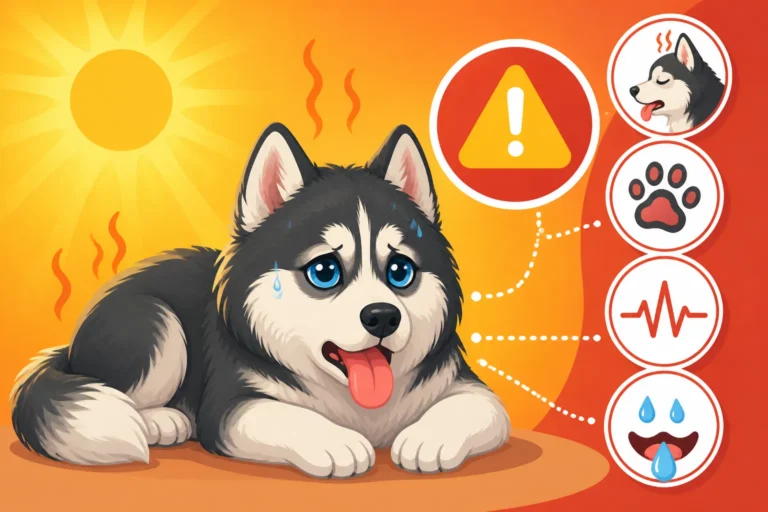
Second, the skin beneath the coat can become vulnerable. Without the protective barrier of the guard hairs, the skin is exposed to the elements, leading to potential sunburn, dryness, and even increased risk of skin infections. The original purpose of the double coat is to protect the dog, and when that protection is removed, the skin is left defenseless. It’s a common misconception that shaving a double-coated dog helps them stay cooler in summer; in reality, it often does the opposite by removing their natural insulation and increasing their risk of overheating.
The Difference Between Shaving and Shedding
It's easy to confuse the idea of shaving with natural shedding, but they are fundamentally different processes with vastly different outcomes for a double coat. Natural shedding is a controlled, cyclical process where dead hair is released from the follicle, making way for new growth. This process is essential for maintaining a healthy coat and skin. During their biannual "coat blow," as discussed in whether a Pomsky blows its coat twice a year, a significant amount of undercoat is shed, but the guard hairs typically remain, protecting the new undercoat coming in. This is where an undercoat rake a Pomsky owner lives with becomes invaluable, as it helps remove the dead undercoat without damaging the guard hairs.
Shaving, on the other hand, is an abrupt, artificial removal of both layers of the coat. It bypasses the natural shedding cycle entirely. Instead of hair follicles naturally transitioning through growth phases, shaving forces them into a state of shock, often leading to telogen arrest, where the follicles remain in a resting phase for an extended period. This is why regrowth is so unpredictable and often incomplete. The hair that does grow back might be sparse, brittle, or completely different in texture and color from the original coat. The natural density and insulation of the coat, which is vital for a Pomsky that carries a Husky coat at twenty pounds, can be permanently altered.
Is a Pomsky's Post-Clipping Alopecia Truly Unique?
When a Pomsky experiences post-clipping alopecia, it can feel incredibly specific to your dog, but in many ways, their struggle is shared by many other double-coated breeds. However, the unique genetic blend of the Siberian Husky and Pomeranian does play a role in how it manifests and the owner's expectations.
The Husky and Pomeranian Influence
Pomskies inherit their dense double coat from both of their parent breeds. Siberian Huskies are renowned for their incredibly thick, insulating coats designed for Arctic temperatures, while Pomeranians boast a fluffy, stand-off double coat that gives them their distinctive appearance. This combination means that Pomskies are particularly susceptible to the issues arising from shaving. Their hair follicles are intrinsically programmed for a robust, multi-layered growth pattern.
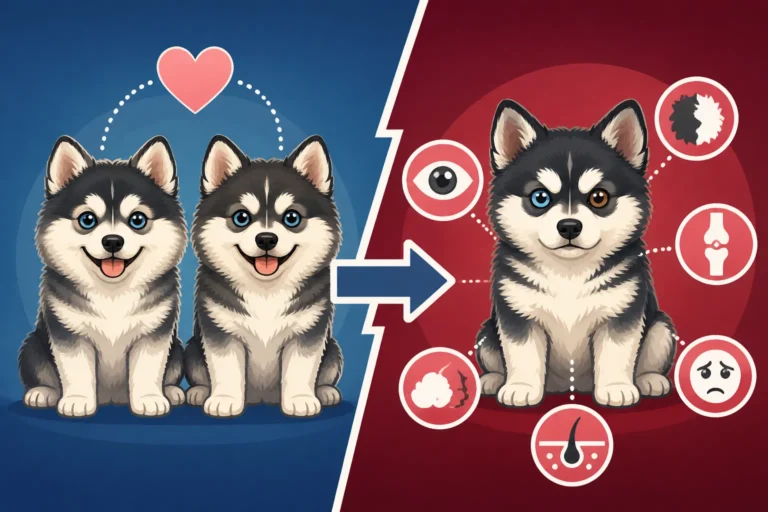
The guard hairs from the Husky side are typically stronger and more resistant, but if compromised, their regrowth can be notoriously slow. From the Pomeranian side, there's a predisposition in some lines to a condition called Alopecia X and the Pomsky that loses its coat, or Black Skin Disease, which can mimic or be exacerbated by clipping. While post-clipping alopecia is distinct from Alopecia X, some Pomskies might have an underlying genetic sensitivity that makes them even more prone to prolonged or incomplete regrowth after being shaved. This is why owners often worry whether a Pomsky's coat loss is thyroid or Alopecia X after a bad trim, as discerning the cause is crucial for appropriate treatment.
The sheer volume of fur a Pomsky carries means that when shaved, the difference is dramatic, and the recovery process can be extensive. Their genetic blueprint simply isn't designed for a short coat, and interfering with it can lead to long-term issues. Understanding the three Pomsky coat types – standard, wooly, and short-coated – can also help set expectations, though all double coats are vulnerable to clipping damage. Even the "short-coated" variety still possesses a functional double coat that should not be shaved.
Similarities to Other Double-Coated Dogs
While a Pomsky's heritage might make them particularly prone to post-clipping alopecia, the phenomenon isn't unique to them. Many other double-coated breeds, such as Samoyeds, Alaskan Malamutes, Australian Shepherds, Golden Retrievers, and even some smaller Spitz breeds like Pomeranians themselves, can suffer from this condition. The underlying mechanism is the same: the trauma to the hair follicles from shaving disrupts their natural growth cycle, leading to prolonged telogen (resting) phases.
The frustration is universal among owners of these breeds. You'll hear countless stories of once-glorious coats that never fully recovered, becoming patchy, discolored, or thin. This shared experience underscores that it's a physiological response common to dogs with this specific coat structure, rather than a peculiarity of the Pomsky alone. The varying degrees of severity and recovery time often depend on individual dog genetics, age, overall health, and the extent of the initial shave. For instance, a young, healthy Pomsky might recover faster than an older one or one with underlying skin issues. If you have pet insurance like Healthy Paws, discussing any unusual skin or coat changes with your vet is always a good idea, as they can help rule out other conditions.
| Coat Loss Condition | Key Characteristics | Commonly Affects Pomskies | Trigger |
|---|---|---|---|
| Post-Clipping Alopecia | Patchy, slow, or no regrowth after shaving; coat often grows back duller or fuzzier. | Yes | Shaving/Clipping |
| Alopecia X (BSD) | Gradual, symmetrical hair loss, often starting on flanks/thighs; skin can blacken. | Yes | Genetic predisposition, hormonal imbalances |
| Hypothyroidism | Symmetrical hair loss, dry/brittle coat, lethargy, weight gain. | Yes | Thyroid hormone deficiency |
| Cushing's Disease | Thinning coat, pot-bellied appearance, increased thirst/urination, skin pigmentation. | Less Common, but possible | Adrenal gland overproduction of cortisol |
| Seasonal Flank Alopecia | Symmetrical hair loss on flanks, usually in winter; can regrow in summer. | Less Common, but possible | Unknown, possibly hormonal/photoperiod sensitive |
This table helps illustrate that while post-clipping alopecia is a specific condition, other issues can cause coat loss in Pomskies, and some, like Alopecia X, are genetic predispositions relevant to their Pomeranian lineage.
Recognizing and Managing Post-Clipping Alopecia
The realization that your Pomsky’s coat isn't growing back properly after a shave can be quite distressing. It’s important to understand the signs and, crucially, what steps you can take to help your furry friend recover and prevent future occurrences. Patience is truly a virtue here, as coat regrowth can be a very slow process.
Signs Your Pomsky Has Post-Clipping Alopecia
The most obvious sign of post-clipping alopecia is, of course, the lack of hair regrowth in the areas that were shaved. You might notice:
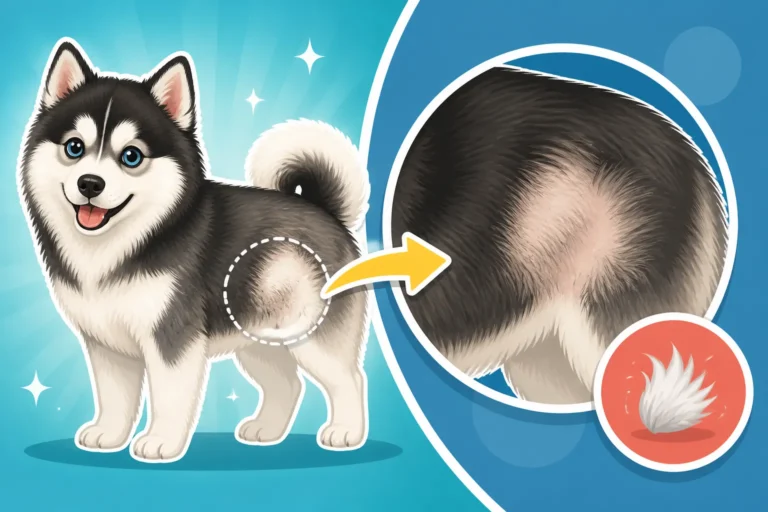
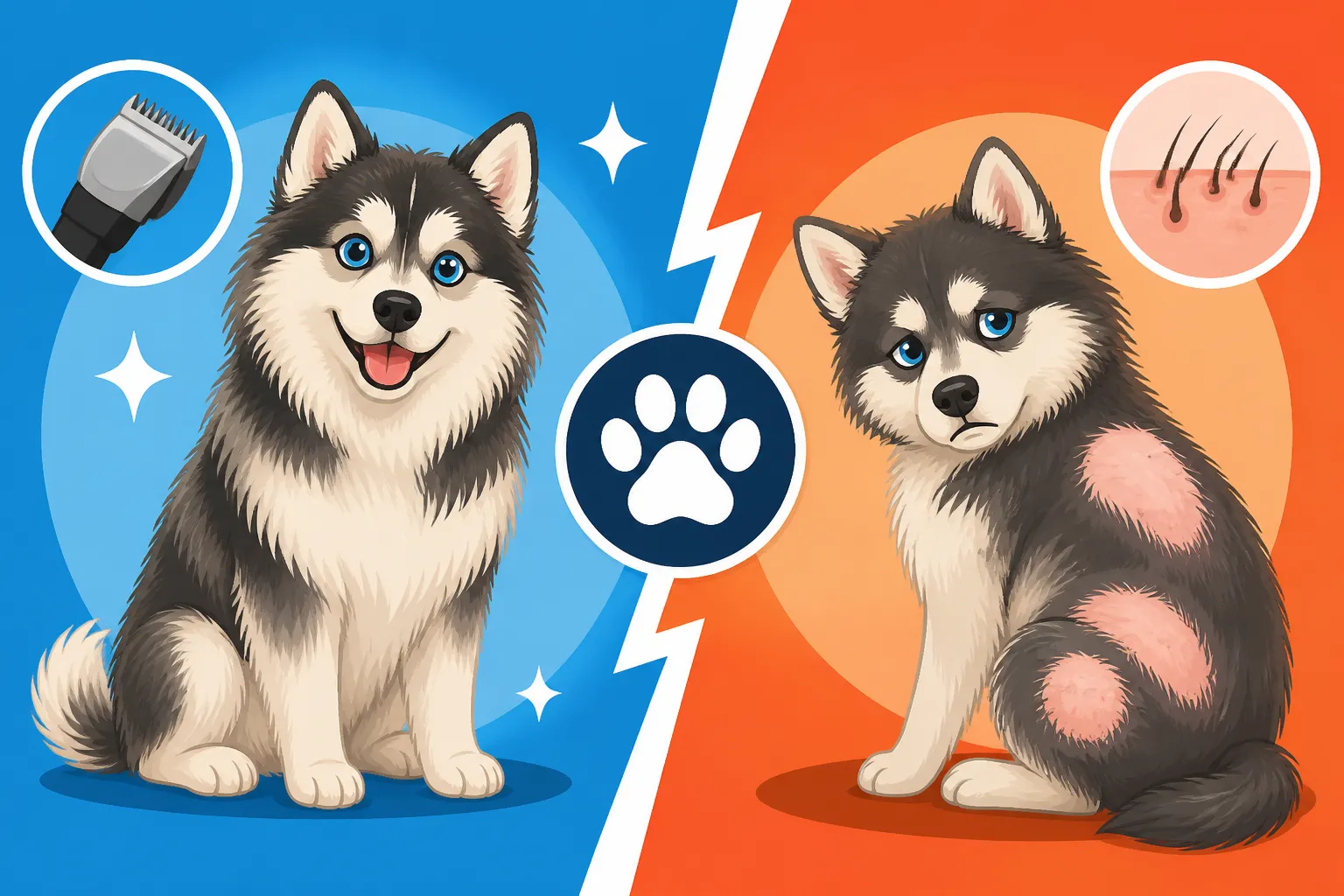
- Patchy or Uneven Regrowth: Instead of a uniform return of fur, you might see bald spots or areas where the hair is growing back very slowly, creating an uneven, moth-eaten appearance. The hair might come in at different lengths and textures.
- Altered Coat Texture: The new hair growth might be noticeably softer, finer, and fuzzier than the original guard hairs. It might also lack the characteristic stiffness and sheen of a healthy Pomsky coat. This is because the undercoat often recovers faster, and the delicate guard hairs struggle to return.
- Discoloration or Hyperpigmentation: The skin in the shaved areas might appear darker or blacker than the surrounding skin. This hyperpigmentation can be temporary or, in some cases, persistent, resembling the skin changes seen in Alopecia X.
- Prolonged Baldness: While a regular shave might see some regrowth within a few weeks, with post-clipping alopecia, the baldness can persist for months, sometimes even over a year. Owners often wonder whether a Pomsky's coat comes back after a shave, and the answer, while usually yes, is that it can take a very long time.
- Underlying Skin Issues: Due to the loss of the protective outer coat, the exposed skin might become dry, flaky, irritated, or even prone to sunburn. Always monitor for any signs of discomfort or secondary infections.
These signs usually become apparent a few weeks to a couple of months after the clipping, once it becomes clear that normal hair growth isn't resuming. It can be especially noticeable on the flanks, back, and neck, which are common areas for shaving in an attempt to "cool" the dog down.
Steps to Encourage Coat Regrowth
If your Pomsky is suffering from post-clipping alopecia, there are several things you can do to support coat regrowth, though it's essential to remember that it often requires time and patience.
- Consult Your Veterinarian: First and foremost, a vet visit is crucial to rule out other underlying medical conditions that might be causing or exacerbating the hair loss, such as hypothyroidism or severe allergies. Your vet can confirm the diagnosis of post-clipping alopecia and suggest any supportive treatments. They might recommend specific supplements or topical treatments. This is where having comprehensive pet insurance like Healthy Paws can be incredibly helpful for covering diagnostic tests and potential medications.
- Gentle Grooming: Avoid any further harsh grooming. Instead, focus on gentle brushing with appropriate tools like a soft slicker brush or a wide-toothed comb to stimulate circulation without irritating the skin. Regular, gentle grooming can help promote blood flow to the follicles, encouraging them to exit their resting phase.
- Nutritional Support: Ensure your Pomsky is on a high-quality diet rich in Omega-3 and Omega-6 fatty acids, which are vital for skin and coat health. Supplements like fish oil (salmon oil, cod liver oil) can be beneficial. Some vets might recommend specific supplements, such as what melatonin does for a Pomsky with Alopecia X, although this is more often associated with Alopecia X, it can sometimes be trialed for general coat regrowth support under veterinary guidance.
- Protect the Skin: While the coat regrows, protect your Pomsky's exposed skin from sun and extreme temperatures. A light dog-safe sunscreen can be applied to very thin areas, and protective clothing (like a light dog shirt) might be considered for walks in sunny weather. In colder climates, a dog jacket would be essential.
- Patience and Time: This is perhaps the hardest part. Coat regrowth for post-clipping alopecia can take anywhere from six months to two years, and in some severe cases, full recovery may never occur. Continue with consistent care and positive reinforcement. Many owners see improvements over time, but it’s a marathon, not a sprint.
Preventing Future Incidents
The best way to deal with post-clipping alopecia is to prevent it from happening in the first place. This means a fundamental shift in how you approach grooming for your Pomsky.
- Educate Your Groomer: Always inform your groomer that your Pomsky is a double-coated breed and explicitly state that the coat should never be shaved or clipped down to the skin. Instead of shaving, request a de-shedding treatment. A good groomer who understands double coats will know how to perform a proper blowout with a high-velocity dryer and use appropriate tools to remove dead undercoat without damaging the guard hairs. This will help with the extensive shedding that comes with whether a Pomsky sheds all year as well.
- Proper Home Grooming: Invest in the right tools, such as the undercoat rake a Pomsky owner lives with, a slicker brush, and a comb. Regular line brushing at home, especially during shedding seasons, will help manage the loose undercoat and prevent matting, eliminating any perceived need for shaving. Proper grooming can also prevent hot spots under a Pomsky's undercoat.
- Regular Baths: Regular bathing with a good quality shampoo and conditioner, followed by thorough drying with a high-velocity dryer, can help loosen and remove dead undercoat, keeping the coat healthy and reducing shedding. Just be sure to dry to the skin to prevent moisture-related skin issues.
- Avoid Misinformation: Don't fall for the myth that shaving a double-coated dog cools them down. Their coat is naturally insulating. Removing it actually impairs their ability to regulate their body temperature. Always prioritize their natural protective coat. If you're concerned about your Pomsky overheating more than a Husky, focus on providing shade, water, cooling mats, and walking during cooler parts of the day, rather than shaving their coat.
- Be Prepared for the Grooming Bill: Professional de-shedding services can sometimes be more expensive than a simple shave, but they are an investment in your Pomsky’s long-term coat health. Factor in the grooming bill on a double coated Pomsky when considering their overall care.
By being proactive and informed, you can protect your Pomsky’s precious double coat and ensure it remains healthy and beautiful for years to come.
Disclaimer
The information provided in this article is for general informational purposes only and does not constitute veterinary advice. Always consult with a qualified veterinarian for any health concerns or before making any decisions related to your pet's medical care.