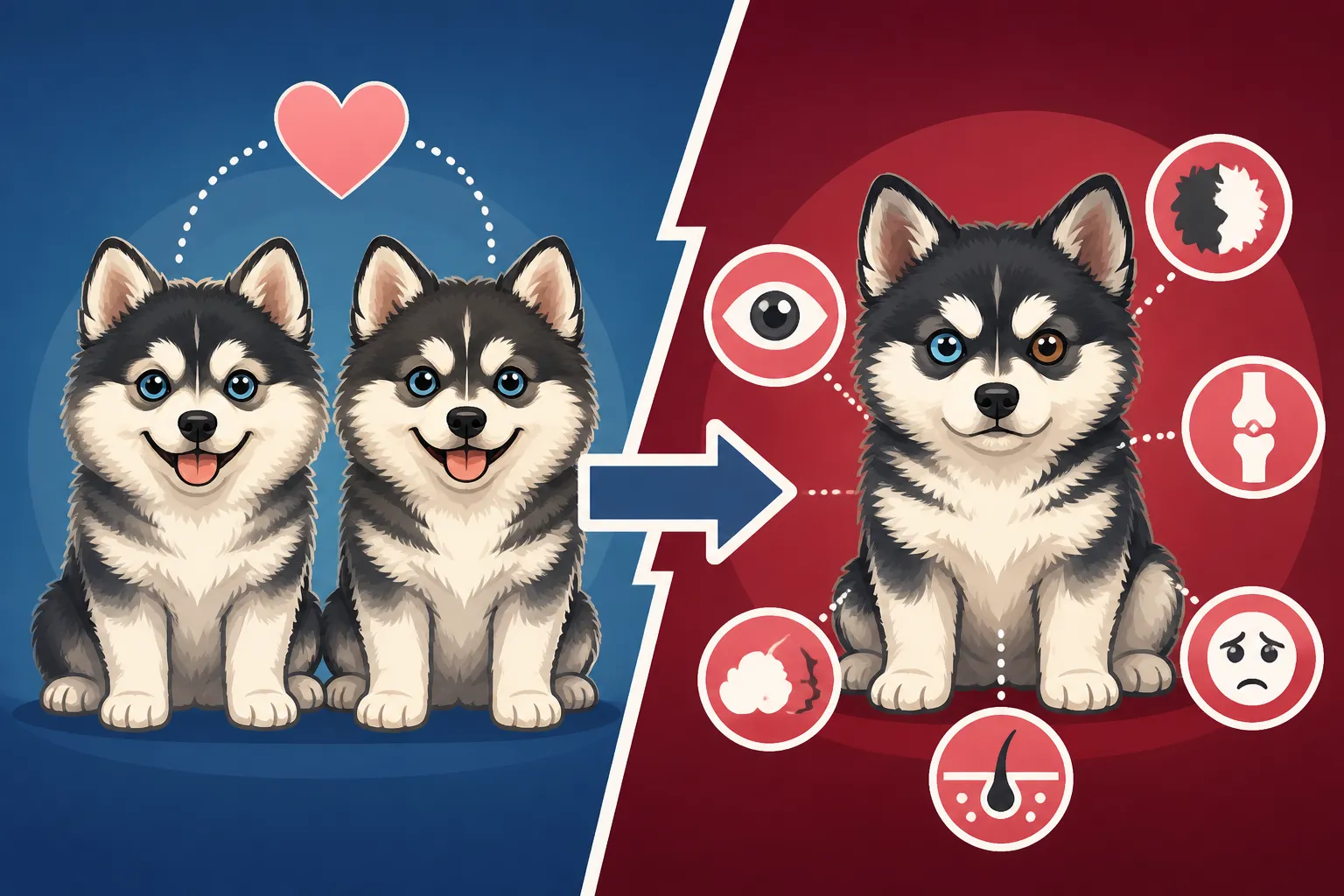
Whether Breeding Pomsky to Pomsky Concentrates Faults
It’s a common, heartbreaking frustration for many hopeful Pomsky owners: you fall in love with the idea of a miniature Husky, maybe even seeing pictures of an adorable F1, only to realize that predicting what a Pomsky will look like, or more importantly, what health issues it might face, isn't always straightforward. When breeders then decide to breed two Pomskies together, questions naturally arise about whether this practice simply concentrates and magnifies potential genetic faults. This guide will dive deep into the genetic realities of multi-generational Pomsky breeding, helping you understand the nuances, risks, and what responsible breeders are doing to ensure healthy, happy pups.
Understanding the Pomsky's Hybrid Vigor Myth
When we talk about hybrid breeds, the term "hybrid vigor" often pops up, and it’s a concept that many misunderstand, especially concerning the F1 Pomsky. It's not a magical shield against all genetic ailments, and certainly doesn't guarantee permanent health benefits in subsequent generations.
The Initial Appeal of the F1 Cross
The first generation, or F1, Pomsky is a direct cross between a purebred Siberian Husky and a purebred Pomeranian. These are often the dogs that capture everyone's attention with their striking looks and varied personalities. The appeal is understandable; you get a charming blend of two distinct breeds. The idea behind hybrid vigor, or heterosis, is that when you cross two unrelated purebred lines, the offspring can sometimes exhibit increased health and vitality compared to their purebred parents. This happens because undesirable recessive genes that might be present in a single purebred line are less likely to be paired up with another copy of that same gene from a different purebred line. Essentially, the diverse genetic pool from two distinct breeds can "mask" some of those recessive traits.
However, this initial boost in health isn't a guaranteed, everlasting solution. For many F1 Pomskies, this genetic diversity does offer a broader genetic base, potentially reducing the likelihood of certain breed-specific diseases from one parent breed combining with another copy from the same breed. But it's crucial to remember that both Huskies and Pomeranians come with their own list of potential health concerns, and while hybrid vigor might reduce the expression of some, it doesn't eliminate the presence of these genes in the F1 Pomsky's DNA. This means the F1 still carries genes for health issues from both sides, even if they don't manifest.
Why Hybrid Vigor Isn't a Permanent Genetic Fix
The notion that hybrid vigor is a permanent genetic fix for subsequent generations is a common misconception. While an F1 Pomsky might benefit from increased genetic diversity, this effect tends to diminish significantly, or even disappear, when you breed two F1 Pomskies together to create F2 puppies, or when you breed F2 to F2, and so on. Think of it like shuffling two distinct decks of cards (the parent breeds). The first time you combine them, you get a unique mix. But if you then take two of those mixed decks and shuffle them together, the unique combinations start to become more predictable, and the chances of certain cards (or genes) pairing up increase.
In an F1 Pomsky, recessive genes from the Husky are less likely to pair with a recessive gene from the Pomeranian if they relate to different conditions. However, when two F1 Pomskies, who both carry a mix of these genes, are bred, the likelihood of two copies of the same undesirable recessive gene meeting in their offspring dramatically increases. This is why when people ask Whether an F1 Pomsky Is Healthier Than an F2, the answer isn't always a simple yes or no. The genetic lottery becomes more complex in subsequent generations, making responsible breeding even more critical to avoid concentrating health issues. This loss of hybrid vigor means breeders must be exceptionally diligent in health screening their breeding stock, even more so than with purebreds, to prevent passing on an accumulation of undesirable traits.
The Genetic Realities of Breeding Pomsky to Pomsky
When a breeder decides to breed two Pomskies together, they are entering a different genetic landscape than with an F1 cross. The idea isn't necessarily to create problems, but the genetic mechanics involved mean there's a higher potential for certain issues to surface if not managed incredibly carefully.
Unmasking Recessive Genes and Shared Traits
Breeding two F1 Pomskies, or even later generations (F2 to F2, F3 to F3, and so on), significantly changes the genetic odds. Both parents in this scenario are already a blend of Husky and Pomeranian genetics. This means they both carry a wide array of genes from both original purebred lines. When they reproduce, there's a much greater chance that two copies of the same recessive gene, inherited from the original Husky or Pomeranian ancestors, will combine in the offspring. It's like having a bag of marbles, half red and half blue. If you draw one red and one blue, it’s an F1. But if you put those back and then try to draw two reds from a bag that already has a mix, the chances of getting two reds become higher the more red marbles you have in the mixed bag.
Consider the health conditions each original breed carries. The Husky, for example, is known for certain eye conditions like juvenile cataracts, while the Pomeranian can be prone to things like luxating patellas. A Pomsky inherits genetic predispositions from The Two Opposite Disease Lists a Pomsky Inherits. When you breed two F1 Pomskies, an F1 carrying a gene for juvenile cataracts from its Husky side might breed with another F1 Pomsky also carrying that gene. Suddenly, the chances of their puppies inheriting two copies of that recessive gene, leading to the actual expression of juvenile cataracts, are much higher than in an F1 cross where one parent was a purebred Pomeranian (who wouldn't carry the Husky-specific eye gene). This "unmasking" of recessive genes is one of the primary concerns when breeding Pomsky to Pomsky without careful genetic screening.
The Concentration of Specific Health Concerns
Beyond simply unmasking recessive genes, breeding Pomsky to Pomsky can also lead to a concentration of specific health concerns, especially those that are either common to both parent breeds or are related to the physical attributes that are now being combined and potentially exacerbated. Let's look at a few common examples that breeders and owners need to be aware of:
One of the most talked-about concerns is Dental Crowding in a Pomsky's Small Mouth. Pomeranians are known for having small mouths with teeth that often don't fit perfectly, leading to dental issues like retained deciduous teeth, malocclusions, and early periodontal disease. Huskies, while having larger mouths, can also have issues. When you combine these, especially in a smaller Pomsky, you can end up with a crowded mouth that becomes a breeding ground for plaque and tartar. In a multi-generational Pomsky breeding, if both parents have any degree of dental crowding, their offspring are highly likely to inherit and potentially exhibit an even more severe form of this condition. This means increased vet bills for dental cleanings, potential extractions, and discomfort for the dog.
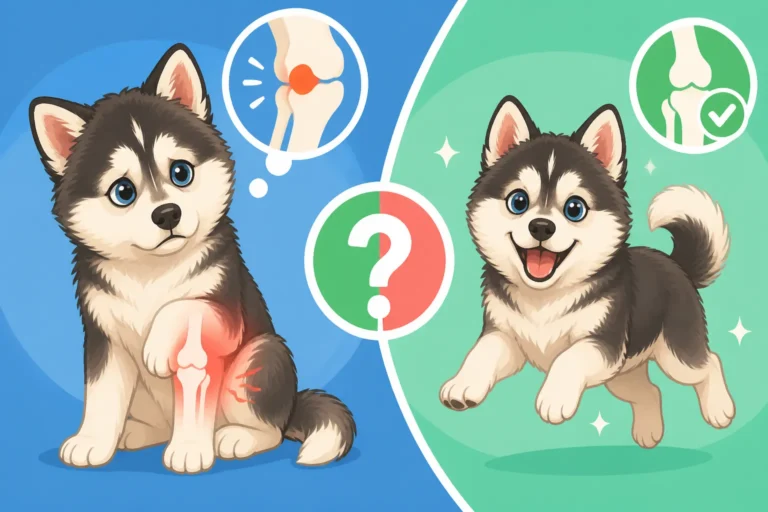
Another significant issue is Slipping Kneecaps in a Pomsky, medically known as patellar luxation. This condition is prevalent in smaller breeds like the Pomeranian, where the kneecap can slip out of place, causing pain and lameness. While less common in Huskies, a larger dog, it’s still a concern if the genetic predisposition comes through the Pomeranian line. In a Pomsky-to-Pomsky breeding, if both parents have even a mild form of patellar luxation (which can be genetic), their puppies face a heightened risk of inheriting it, potentially in more severe grades. Imagine a Pomsky pup born with Grade 3 luxation, requiring surgery early in life, simply because its parents carried those genes, and they combined in a less-than-ideal way. This isn't just a physical fault; it's a quality-of-life issue that good breeders actively try to minimize.
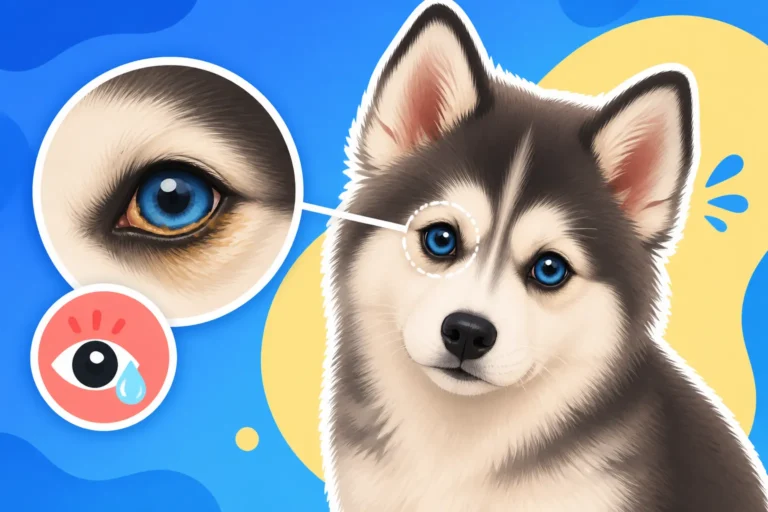
Finally, we must consider eye conditions. Huskies are known for certain ocular problems, including certain types of cataracts and progressive retinal atrophy, while Pomeranians also have their own set of potential eye issues. Since The Eyes a Pomsky Gets From the Husky can include these predispositions, breeding two Pomskies together without clear genetic screening means there's a greater chance of passing on multiple eye issues. A real-life scenario might involve an F2 Pomsky developing early-onset cataracts that could have been avoided had the breeding pair been thoroughly screened for these specific genetic markers. This concentration of specific faults is why diligent health testing and careful selection are not just recommendations, but absolute necessities in multi-generational Pomsky breeding.
Navigating Predictability and Responsible Breeding
The journey from an F1 Pomsky to later generations like F2s and beyond is where the vision of a "mini Husky" can become quite blurred. Predictability, both in looks and temperament, becomes a much trickier game, highlighting the critical role of responsible breeding practices.
The Challenge of Predicting Appearance and Temperament
One of the biggest draws of the Pomsky is the hope of a miniature Siberian Husky aesthetic – those striking blue eyes, the thick double coat, the curled tail, and the distinctive facial mask. However, the further you move past the F1 generation by breeding two Pomskies together, the less predictable these traits become. In an F1, you have a direct mix of two purebreds, which can result in a fairly wide range of appearances, but often leaning towards one parent or the other. When you breed two F1s, their puppies (F2s) can inherit an even more diverse array of traits, essentially pulling from a much larger genetic grab bag that has already been mixed once. This means you might see an F2 Pomsky that looks overwhelmingly like a Pomeranian, or one that’s a closer resemblance to a Husky, or something entirely different. The “mini Husky” look that so many aspire to is less likely to consistently appear in later generations without very intentional and selective breeding. This is why when discussing Whether a Multigen Pomsky Is More Predictable, the answer often points to careful selection, not automatic genetic consistency.
The same variability applies to temperament. Huskies are known for their independent, sometimes stubborn, and vocal nature, while Pomeranians can be feisty, confident, and more inclined to bark. In multi-generational Pomskies, predicting which personality traits will dominate can be a gamble. You might get a Pomsky with intense prey drive from its Husky lineage, or one with the territorial barking tendencies of a Pomeranian. Without careful selection for desired temperament traits in the breeding pair, there's no guarantee that the offspring will inherit the "best" of both worlds. This unpredictability makes it challenging for breeders to promise a specific look or personality, underscoring why ethical breeders prioritize health and temperament over purely aesthetic goals.
The Crucial Role of Health Testing and Screening
Given the genetic complexities of breeding Pomsky to Pomsky, rigorous health testing and screening of breeding stock are not just beneficial, they are absolutely non-negotiable for responsible breeders. It's the only way to genuinely minimize the risk of concentrating genetic faults. Any reputable breeder should be transparent about the health clearances of both parent Pomskies, providing verifiable documentation.
These health tests typically follow recommendations from organizations like the Orthopedic Foundation for Animals (OFA) and the Canine Health Information Center (CHIC), which establish health testing protocols for various breeds and crosses. For Pomskies, this usually includes:
- OFA Hip and Elbow Evaluations: To screen for hip and elbow dysplasia, common in many breeds and potentially present in the Husky lineage.
- OFA Patella (Knee) Evaluations: Crucial for smaller breeds like the Pomeranian, as patellar luxation can cause significant lameness.
- OFA or CERF Eye Examinations: To check for inherited eye diseases like juvenile cataracts or progressive retinal atrophy, both of which can originate from the Husky side. Regular examinations by a board-certified veterinary ophthalmologist are key.
- Cardiac Evaluations: To screen for heart conditions.
- Thyroid Panel: To rule out conditions like hypothyroidism.
Breeders should also be performing genetic DNA tests to screen for conditions where specific genetic markers are known, such as certain eye diseases or blood disorders. When looking for a puppy, it's vital to ask The Health Tests a Pomsky Breeder Should Show. Without these comprehensive tests, a breeder is essentially breeding blind, increasing the chances of producing puppies with serious, inherited health problems. Owners should also consider how they will manage unexpected health challenges. Services like Healthy Paws pet insurance can provide a safety net for those unforeseen vet bills, whether for a routine check-up or something more serious, knowing that even with the best breeding, life happens. This proactive approach to health, from the breeder's screening to the owner's insurance, creates a comprehensive plan for a Pomsky's well-being. A visit to the vet for What a Skin Workup Costs on a Pomsky or addressing other genetic issues can quickly become expensive, making financial preparedness essential.
Why Experienced Breeders Focus on Multi-Generational Crosses
It might seem contradictory, but experienced and ethical Pomsky breeders often do focus on multi-generational crosses (F2, F3, etc.) because it allows them to select for desired traits and health over several generations, moving beyond the initial unpredictability of the F1. Their goal isn't to simply multiply Pomskies, but to stabilize the breed in terms of health, temperament, and appearance. This is a far cry from a "backyard breeder" who might simply breed any two Pomskies together without thought or testing.
Responsible breeders in multi-generational programs utilize a rigorous selection process. They’re not just picking the prettiest puppy; they’re carefully choosing breeding stock based on comprehensive health clearances, stable temperaments, and conformation that aligns with the developing Pomsky standard (as set by organizations like the International Pomsky Association). They understand that the diminishing hybrid vigor in later generations means they must step in to make informed genetic choices. By carefully monitoring the health outcomes of previous litters and meticulously screening parent dogs, they aim to reduce the incidence of inherited diseases, rather than concentrating them. For example, if a specific line shows a tendency towards patellar luxation, that line would be carefully managed or removed from the breeding program, regardless of how cute the dogs might be. This deliberate, long-term commitment to improving the breed distinguishes an ethical multi-generational breeder from those simply looking to make a quick profit.
Mitigating Risks: What Owners and Breeders Can Do
Understanding the complexities of Pomsky-to-Pomsky breeding is the first step. The next is taking action, both as a prospective owner and as a responsible breeder, to ensure the health and well-being of these wonderful dogs.
Due Diligence When Choosing a Pomsky
For prospective Pomsky owners, the responsibility to do your homework cannot be overstated. It's easy to get swept away by adorable puppy pictures, but the real effort comes in scrutinizing the breeder and their practices. Don't be shy about asking tough questions – a reputable breeder will welcome them.
Start by asking about the specific generation of the puppy (F1, F2, F3, etc.) and what that means for predictability in size, coat, and temperament. Crucially, demand to see comprehensive health clearances for both parent dogs. These should be official documents, like OFA certificates for hips, elbows, and patellas, and CERF/OFA eye certifications. If a breeder gives you excuses or can't provide verifiable paperwork, walk away. Remember, Whether an Untested Pomsky Litter Is Worth Buying is a resounding no, because the risks of inheriting serious health problems become astronomical. You're not just buying a cute puppy; you're investing in a healthy companion for potentially The Twelve to Fifteen Years a Pomsky Lives.
Beyond health, inquire about the temperament of the parent dogs and how the puppies are socialized. Ask about their environment – are they raised in a clean, stimulating home, or are they kept in outdoor kennels? A good breeder will be an open book, eager to share details about their program, and will likely have a waiting list, indicating demand for their well-bred puppies. They should also ask you plenty of questions to ensure their puppy is going to a suitable home, as this shows a genuine care for their dogs' welfare, not just a sale.
Supporting a Pomsky's Lifelong Health
Bringing a Pomsky into your home is a long-term commitment, and while good breeding provides a strong foundation, ongoing care is paramount for their lifelong health. Proactive measures can make a significant difference in preventing or managing potential issues that may arise, regardless of genetic predispositions.
Regular veterinary check-ups are non-negotiable. Establish a relationship with a veterinarian you trust, who understands the unique characteristics and potential health concerns of the Pomsky breed. These routine visits allow for early detection of any emerging health issues, from dental problems to joint concerns. Beyond vet visits, appropriate nutrition plays a vital role. Feed a high-quality, balanced diet suitable for your Pomsky's age, size, and activity level. Consulting your vet on the best food choices can help maintain a healthy weight, which is crucial for joint health, especially given the potential for conditions like patellar luxation or hip dysplasia.
Consistent, appropriate exercise is also essential. Pomskies are energetic dogs, inheriting a drive from both Huskies and Pomeranians. Daily walks, playtime, and mental stimulation will help keep them physically fit and mentally content, reducing the likelihood of boredom-induced destructive behaviors or weight gain. Being active together also strengthens your bond.
Finally, prepare for the unexpected. Even the healthiest, most well-bred Pomsky can face unforeseen health challenges or accidents. This is where pet insurance can be an invaluable asset. Companies like Healthy Paws offer coverage for accidents, illnesses, and emergency care, helping to alleviate the financial burden of unexpected veterinary bills. Having a plan for Setting Money Aside for a Pomsky's Vet Bills is a wise decision, as veterinary costs can quickly escalate. Whether it's a sudden injury or the long-term management of a chronic condition, Healthy Paws can provide peace of mind, ensuring you can make decisions based on your Pomsky's health needs, not just your wallet. After all, ensuring What Fourteen Years With a Pomsky Comes To is a journey that requires both love and practical preparation.
Comparing Pomsky Generations: A Quick Look
To help visualize the differences and considerations when looking at F1 versus later-generation Pomskies, here's a helpful table summarizing key aspects:
| Feature | F1 Pomsky (Husky x Pomeranian) | F2/Multi-Gen Pomsky (Pomsky x Pomsky) |
|---|---|---|
| Genetic Diversity | High (from two distinct purebred lines) | Moderate to lower (genes are already mixed, increasing homozygosity) |
| Hybrid Vigor | Potentially present (often seen as increased vitality/health) | Diminished or absent (genetic benefits of first cross are reduced) |
| Predictability (Looks) | Moderate (wide range, but usually clear Husky/Pomeranian traits) | Low (can vary greatly, less consistent "mini Husky" appearance) |
| Predictability (Temperament) | Moderate (mix of parent breeds, can lean either way) | Low (more diverse blend, can be less consistent than F1) |
| Risk of Concentrating Faults | Lower (due to wider genetic pool) | Higher (if not rigorously managed with health testing and selection) |
| Breeding Goal | Create the initial cross, test for viability | Stabilize breed traits, improve health, achieve consistency |
| Ethical Breeder Practice | Health test purebred parents, focus on safe breeding | Extensive health testing of Pomsky parents, careful selection, lineage tracking |
Disclaimer
The information provided in this guide is for general informational purposes only and does not constitute professional veterinary advice. Always consult with a qualified veterinarian regarding your Pomsky's health and specific medical conditions. Breeding decisions should always be made in consultation with experienced, ethical breeders and veterinary professionals.