The Eyes a Pomsky Gets From the Husky
That undeniable sparkle in your Pomsky's eyes is often one of their most captivating features, especially those striking blue ones that scream "Husky mix!" But beyond the breathtaking beauty, these eyes, inherited directly from their Siberian Husky lineage, can also carry a predisposition to certain health conditions. It's a common concern for many Pomsky owners, wondering if those gorgeous peepers are truly healthy. This guide will meticulously break down the specific eye issues your Pomsky might face, drawing heavily from the genetic contributions of their Husky parent, and equip you with the knowledge to recognize, manage, and prevent potential problems.
Understanding the Husky Influence on Pomsky Eyes
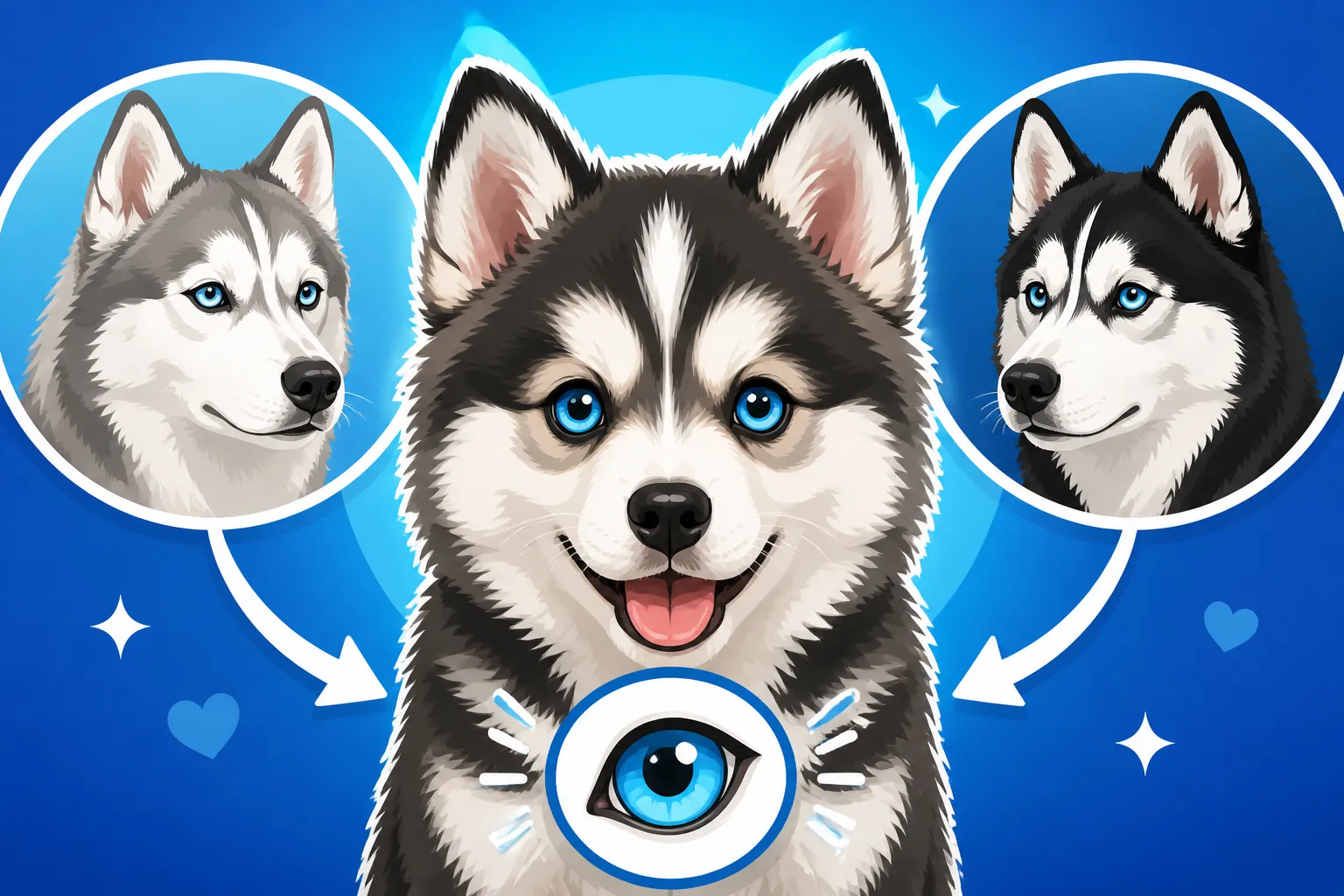
When you look into your Pomsky's eyes, you're not just seeing an adorable face; you're looking at a fascinating blend of genetics, primarily from the Siberian Husky side, especially when it comes to those iconic blue eyes or heterochromia (two different colored eyes). Owners are naturally drawn to these unique traits, but it’s crucial to understand that with the beauty comes the potential for inherited predispositions to certain eye conditions. The Husky's genetic blueprint for eye health plays a huge role in what your Pomsky might experience.
The Genetics Behind Husky Eye Color and Structure
Siberian Huskies are famous for their piercing blue eyes, brown eyes, parti-colored (one blue, one brown), or bi-colored (two colors within one eye) eyes. This isn't just a random occurrence; it's rooted in their specific genetic makeup. While eye color in many breeds is determined by melanin production, blue eyes in Huskies are often linked to a gene variant near the ALX4 gene, which is separate from the merle gene found in other breeds. This means their blue eyes don't inherently come with the same associated health risks that blue eyes in merle-patterned dogs might. Beyond color, the overall structure of the Husky eye – its size, shape, and internal components – also forms the foundation for your Pomsky's ocular anatomy. This genetic inheritance is a double-edged sword: it gives us those stunning eyes we love, but it also passes on any vulnerabilities prevalent in the Husky breed.
Understanding this genetic background is more than just a fun fact; it's a vital part of responsible Pomsky ownership. Many prospective owners are so fixated on getting a blue-eyed Pomsky that they might overlook the health implications. A good breeder will understand these genetic predispositions and will perform proper health screenings on their breeding stock to minimize the risk of passing on known conditions. Without this understanding, you're essentially playing a genetic lottery, hoping your Pomsky inherits only the beauty and none of the potential problems.
How Husky Traits Manifest in Pomsky Eyes
It’s truly a roll of the dice as to which traits your Pomsky will inherit from each parent, and eye characteristics are no exception. You might see a Pomsky with the deep brown, almond-shaped eyes of a Pomeranian, or more commonly, the striking blue or bi-colored eyes that are a hallmark of the Husky. Often, Pomskies will have an eye shape that’s a mix, perhaps a bit rounder than a Husky’s but larger than a Pomeranian’s. The way their eyelids sit, the depth of their eye sockets, and even the thickness of their eyelashes can all be influenced by their Husky heritage.
These physical traits aren't just cosmetic; they can sometimes have implications for eye health. For example, some Pomskies might inherit larger eyes from their Husky parent, which could theoretically make them more susceptible to injury or certain types of glaucoma if the drainage angle is compromised. Conversely, a Pomsky with slightly deeper-set eyes might be better protected from external irritants. It's a spectrum of possibilities, and observing your individual Pomsky's eye structure can give you clues about potential susceptibilities.
Why Predictability is a Challenge with Pomsky Eye Inheritance
One of the biggest frustrations for Pomsky owners and breeders alike is the inherent unpredictability of crossbreeds, particularly when it comes to specific traits like eye health. Unlike purebreds where certain genetic diseases might have clear inheritance patterns, a Pomsky is a mix, meaning they can inherit any combination of traits from both parents. This means even if a Husky parent is clear of a certain condition, the Pomsky could still carry a gene from the Pomeranian side that, when combined with Husky genes, leads to an issue.
It’s not as simple as saying "blue eyes mean this" or "brown eyes mean that." The blend is complex, and genetic expression can be incredibly varied. This is why a reputable breeder is so important; they understand that testing both parent breeds for common genetic conditions, including those affecting the eyes, is absolutely paramount. Without this due diligence, you’re often left wondering what lurking health issues might manifest as your beloved puppy grows, adding a layer of anxiety that no pet owner wants to experience.
Common Eye Conditions Inherited from Huskies
Siberian Huskies are generally a healthy breed, but like all purebreds, they have certain genetic predispositions. Many of these relate to their eyes, and unfortunately, these can be passed directly down to their Pomsky offspring. Being aware of these common conditions is the first step in proactive care for your Pomsky, allowing you to catch potential issues early and seek veterinary attention.
Overview of Hereditary Ocular Diseases
When we talk about hereditary ocular diseases in Pomskies, we're primarily looking at conditions that have been identified in Siberian Huskies for generations. These aren't just random occurrences; they are often tied to specific gene mutations that breeders strive to screen for. The most well-known include juvenile cataracts, corneal dystrophy, and progressive retinal atrophy, among others. These conditions can range from relatively benign and manageable to severely debilitating, potentially leading to blindness if left untreated.
The challenge with hereditary conditions is that they don't always show up immediately. Some might manifest in puppyhood, while others only become apparent as your Pomsky matures. This delayed onset can make it difficult to identify problems early, especially if a breeder hasn't conducted thorough health screenings. It emphasizes the importance of understanding the family history of your Pomsky's Husky parent and maintaining regular veterinary check-ups throughout your dog's life.
When to Be Concerned About Your Pomsky's Eyes
As a loving Pomsky owner, you're usually the first to notice if something seems off. When it comes to their eyes, any subtle change should prompt a closer look and, if it persists, a call to your vet. You should be especially vigilant for signs such as cloudiness in the eye, squinting, excessive tearing or discharge, redness, visible pain (like rubbing at their eyes or sensitivity to light), or any change in how they navigate their environment, which might indicate vision impairment.
For instance, if your Pomsky, who usually bounds through the house with confidence, starts bumping into furniture or hesitates on stairs, it could be a subtle sign of vision loss. Or, if one of their eyes suddenly appears hazy or develops a bluish-white film, that's a clear red flag. Don't dismiss these changes as "just allergies" or "they ran into something." Prompt veterinary assessment can be critical for preserving their sight and managing any discomfort. Regular observation, even just during your daily cuddle sessions, can make a huge difference.
The Importance of Breeder Health Screening
This cannot be stressed enough: a responsible Pomsky breeder will thoroughly health test their breeding stock, particularly the Husky parent, for common hereditary eye conditions. This includes specific examinations and sometimes genetic testing to identify carriers of certain diseases. The Orthopedic Foundation for Animals (OFA) and the Canine Eye Registration Foundation (CAER, formerly CERF) provide certifications that can give you peace of mind. A breeder should be able to provide clear documentation of these screenings for both parents.
If a breeder seems hesitant to provide these records or dismisses eye health as "not a big deal" for a crossbreed, that's a serious red flag. Reputable breeders invest in these tests because they care about the long-term health and well-being of their puppies. Choosing a puppy from parents with clear eye health certifications significantly reduces the risk of your Pomsky developing these inherited conditions down the line, saving you emotional distress and potentially significant veterinary costs. Always ask to see proof of The Health Tests a Pomsky Breeder Should Show.
Juvenile Cataracts in Pomskies
Juvenile cataracts are one of the most common hereditary eye conditions seen in Siberian Huskies, and therefore, a significant concern for Pomsky owners. Unlike age-related cataracts that develop in senior dogs, juvenile cataracts appear much earlier in life, sometimes even before a puppy is a year old, and can lead to severe vision impairment or blindness if not addressed.
What are Juvenile Cataracts and Their Onset Age?
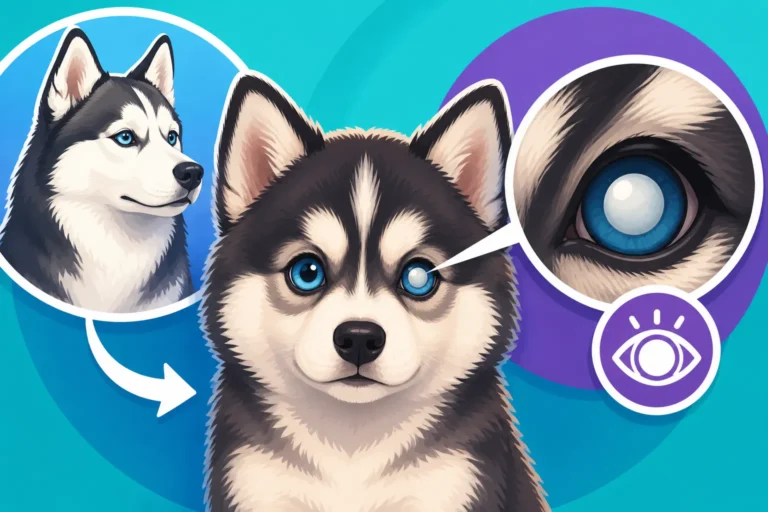
Juvenile cataracts involve the clouding of the lens of the eye, obstructing the passage of light and making vision blurry or completely opaque. In Pomskies, these are typically inherited from their Husky parent. The term "juvenile" signifies that they develop relatively early in the dog's life, usually between 6 months and 6 years of age. Some forms are present even earlier, detectable in puppies as young as three months, while others can progress slowly over several years. It's not always a sudden onset; sometimes it begins as a small, barely noticeable opacity that gradually expands.
It's a distressing thought for any owner to imagine their young pup losing its sight. This is why understanding The Age Juvenile Cataracts Show in a Pomsky is so important. If you notice any cloudiness, even a tiny speck, in your young Pomsky's eye, it warrants immediate veterinary attention. Don't wait for it to get worse. Early diagnosis by a veterinary ophthalmologist can help determine the type and severity of the cataract and discuss potential management.
Recognizing the Signs of Cataracts in Your Pomsky
The most obvious sign of cataracts is a visible cloudiness or bluish-white opacity within the pupil of your Pomsky's eye. This isn't just a reflection; it's a change within the lens itself. However, the signs aren't always so clear-cut, especially in the early stages. You might notice your Pomsky bumping into objects, particularly in dimly lit environments, or becoming hesitant to jump off furniture or navigate stairs. They might also show signs of discomfort, like squinting, increased tearing, or rubbing at their eyes more frequently.
Behavioral changes can also be indicators. A dog with worsening vision might become more clingy, anxious, or even irritable because they can't see as well. They might be startled more easily or have trouble locating toys or treats. If you suspect any vision loss, you can test them subtly by moving objects in their periphery or observing their reactions to light and shadows. Catching these early signs is crucial because cataracts, if left to fully mature, can sometimes lead to secondary complications like glaucoma due to inflammation, making the problem even more severe.
Treatment Options and Prognosis for Affected Pomskies
The good news is that for many Pomskies affected by juvenile cataracts, treatment is available, often involving surgical intervention. Cataract surgery for dogs is quite advanced and involves removing the clouded lens and, in many cases, implanting an artificial intraocular lens to restore vision. The success rate for this surgery is generally very high, significantly improving the dog's quality of life. However, it is a specialized procedure performed by a board-certified veterinary ophthalmologist and can be costly, making a pet insurance plan like one from Healthy Paws a valuable asset.
Not all cataracts require immediate surgery. Small, non-progressive cataracts might simply be monitored. However, for those that significantly impair vision, surgery is often the best path to restore sight and prevent secondary complications. The prognosis after successful surgery is generally excellent, allowing your Pomsky to live a full and visually unhindered life. Without intervention, however, Whether a Pomsky Goes Blind From Cataracts is a very real possibility. It's a significant decision, and discussing all options with your vet and a specialist is paramount to ensure the best outcome for your furry companion. Understanding Whether Cataract Surgery Suits a Pomsky involves considering their overall health and temperament for recovery.
Corneal Dystrophy in Pomskies
Another eye condition that Pomskies can inherit from their Husky lineage is corneal dystrophy. This isn't just one condition but a group of hereditary disorders that affect the cornea, the transparent outer layer of the eye. While it can sound alarming, understanding the different types and their potential impact is key to managing your Pomsky's eye health.
Types of Corneal Dystrophy and Their Appearance
Corneal dystrophy in Pomskies, much like in Huskies, typically manifests in a few different forms. The most common is epithelial or stromal corneal dystrophy. Epithelial dystrophy affects the outermost layer of the cornea and often appears as small, white, or grayish-white spots on the corneal surface, sometimes giving the eye a slightly cloudy or rough texture. Stromal dystrophy, affecting the middle layer, appears as more defined, usually symmetrical, white or gray opacities deeper within the cornea, often in a circular or oval pattern. Endothelial dystrophy, though less common in Huskies/Pomskies, affects the innermost layer and can lead to corneal edema (swelling) and a generalized hazy appearance.
What you might actually see are these various forms of cloudiness, usually non-painful unless secondary issues like corneal ulcers develop. It's often symmetrical, affecting both eyes, which is a hallmark of a hereditary condition. The appearance of these lesions can vary greatly, from subtle flecks to more prominent cloudy patches. Knowing What Corneal Dystrophy Looks Like in a Pomsky can help you differentiate it from other issues like cataracts or injuries, ensuring you seek the correct diagnosis.
Impact on Vision and Progression
For many Pomskies with corneal dystrophy, especially the stromal type, the impact on vision is surprisingly minimal or non-existent in the early stages. The opacities might look concerning to you, but they often don't obstruct the central visual axis enough to cause significant problems. Your dog might navigate perfectly well, showing no signs of discomfort or vision loss. However, this isn't always the case, and some forms or severe cases can progress to affect vision more substantially.
For example, severe or widespread epithelial dystrophy can sometimes lead to recurrent corneal erosions, which are painful ulcers on the surface of the eye. While the dystrophy itself might not be painful, these secondary erosions certainly are. It's critical to understand that while many cases are benign, ignoring any corneal changes is never a good idea. The progression of corneal dystrophy can vary widely from dog to dog, and regular monitoring by a veterinary ophthalmologist is recommended to track changes and prevent complications. It's important to know Whether Corneal Dystrophy Blinds a Pomsky as this is a primary concern for owners, and thankfully, it rarely leads to complete blindness.
Managing Corneal Dystrophy in Your Pomsky
Management for corneal dystrophy in Pomskies largely depends on the type and severity of the condition. For most cases where vision is not significantly impacted and there's no discomfort, active treatment isn't always necessary. The focus shifts to careful monitoring for any changes in the opacities or the development of secondary problems like corneal ulcers. Your vet might recommend artificial tears or lubricating ointments to keep the corneal surface moist, especially if there's any dryness or predisposition to irritation.
If recurrent erosions or discomfort become an issue, then more active treatment, such as topical medications (antibiotics if infection is present, or anti-inflammatory drugs), or even surgical procedures to promote corneal healing, might be considered. In very rare, severe cases where vision is significantly impaired and causes welfare issues, surgical removal of corneal lesions might be discussed, but this is far less common. The key is consistent veterinary oversight to ensure your Pomsky remains comfortable and any potential progression is identified early. Being prepared for these possibilities, perhaps through pet insurance with a provider like Healthy Paws, can alleviate the financial stress if active management or surgery becomes necessary.
Progressive Retinal Atrophy PRA and Pomskies
Progressive Retinal Atrophy (PRA) is a particularly heartbreaking hereditary eye disease because it inevitably leads to blindness. While not as prevalent in Huskies as some other conditions, certain forms of PRA can affect the breed and, by extension, their Pomsky offspring. It's a condition every Pomsky owner should be aware of, especially if their dog's lineage isn't fully transparent.
Understanding the Degenerative Nature of PRA
Progressive Retinal Atrophy isn't just one disease; it's a blanket term for a group of genetic disorders that cause the gradual degeneration of the photoreceptor cells (rods and cones) in the retina. These cells are responsible for detecting light and transmitting visual information to the brain. In dogs, PRA is typically an inherited condition, and the specific genetic mutations vary between breeds. For Huskies, and thus Pomskies, a form known as XLPRA (X-linked Progressive Retinal Atrophy) has been identified, though other genetic forms can also occur.
The devastating nature of PRA lies in its progression. It starts subtly, often affecting night vision first (rods), making your Pomsky hesitant in dim light. Over time, it advances to affect day vision (cones), ultimately leading to complete blindness. The degeneration is irreversible, meaning there is currently no cure to halt or reverse the process. This makes early genetic testing and responsible breeding practices incredibly important to reduce the incidence of this cruel disease in Pomsky lines.
Symptoms and Stages of Vision Loss
The signs of PRA in a Pomsky often begin subtly, which can make early detection challenging. Owners might first notice their dog's reluctance to go out at night or into dimly lit rooms. They might start bumping into objects in low light conditions, or seem more clumsy after dusk. As the disease progresses, day vision also deteriorates, leading to more obvious signs of blindness regardless of lighting. You might observe your Pomsky hesitating when approaching stairs, appearing disoriented in new environments, or struggling to find toys or food bowls.
Another classic sign of PRA is dilated pupils, even in bright light, as the dog tries to let in as much light as possible to compensate for diminishing vision. The eyes might also develop a "tapestal shine," where the back of the eye reflects light unusually brightly when illuminated. Knowing Whether a Pomsky Gets Progressive Retinal Atrophy means being vigilant for these signs, especially as your dog ages, even if they are still relatively young. A diagnosis typically involves an ophthalmic exam and often an electroretinogram (ERG) to assess retinal function.
Coping with Vision Impairment and Supporting Your Pomsky
While there's no cure for PRA, a diagnosis doesn't mean your Pomsky can't still live a happy, fulfilling life. Dogs are incredibly adaptable, and with some adjustments and your loving support, they can navigate blindness remarkably well. The key is consistency and creating a safe, predictable environment. Don't rearrange furniture unnecessarily, keep pathways clear, and maintain a consistent routine for feeding and walks. Using scent cues or different textured mats can help them identify specific areas.
Verbal cues become even more important, and you can teach new commands like "step up" or "stop" to help them avoid obstacles. Enrichment toys that engage their sense of smell and hearing, like puzzle feeders or squeaky toys, can keep them mentally stimulated. Regular, leashed walks in familiar areas are still important for exercise and mental well-being. Most importantly, showering them with love and reassurance will help them feel secure as they adjust to their new way of seeing the world through their other senses. Many dogs with PRA continue to thrive with dedicated owners.
Glaucoma and Uveodermatologic Syndrome Less Common but Serious Concerns
While cataracts and corneal dystrophy are more frequently discussed hereditary eye conditions for Pomskies with Husky parentage, there are other, albeit less common, serious ocular issues to be aware of. Glaucoma and Uveodermatologic Syndrome (UDS) are two such conditions that, while rare, demand immediate attention due to their potential for rapid and severe consequences.
Glaucoma: Pressure and Pain in the Eye
Glaucoma is an incredibly painful and potentially blinding condition characterized by increased pressure within the eye. This pressure damages the optic nerve and retina, leading to irreversible vision loss. While primary glaucoma (hereditary) is not as common in Huskies as some other breeds, they can still be affected, and thus, Pomskies are also at risk. Secondary glaucoma, which develops as a result of another underlying eye condition (like severe inflammation or advanced cataracts), is also a possibility.
The signs of glaucoma can come on rapidly and include a red, painful-looking eye, squinting, excessive tearing, a dilated pupil that doesn't react to light, and a cloudy or bluish appearance to the cornea. The eye might also appear noticeably larger or swollen. If you ever see these signs, especially sudden onset, treat it as an emergency. Immediate veterinary attention is crucial, as the window for preserving vision in a glaucomatous eye can be very short. Knowing Whether a Pomsky Gets Glaucoma is about understanding the potential for both primary and secondary forms and reacting quickly to symptoms.
Uveodermatologic Syndrome: A Rare Autoimmune Condition
Uveodermatologic Syndrome (UDS), sometimes referred to as Vogt-Koyanagi-Harada (VKH) syndrome, is a much rarer but very serious autoimmune disease that can affect several breeds, including Siberian Huskies. In UDS, the dog's immune system mistakenly attacks its own melanocytes—the cells responsible for pigment—in various parts of the body, including the eyes, skin, and even the brain. When it affects the eyes, it causes severe inflammation of the uvea (the pigmented middle layer of the eye), known as uveitis, which can lead to vision loss, glaucoma, or retinal detachment.
Beyond the eyes, UDS also typically causes depigmentation of the skin, especially around the nose, lips, eyelids, and paw pads. The hair might also turn white in patches. This syndrome is extremely painful and vision-threatening, and because it's immune-mediated, it often requires lifelong immunosuppressive therapy. While rare, being aware that Whether a Pomsky Gets Uveodermatologic Syndrome is a possibility, albeit remote, underscores the importance of seeking expert veterinary opinion for any unusual cluster of eye and skin changes.
Immediate Veterinary Attention for These Conditions
For both glaucoma and UDS, immediate and specialized veterinary care is absolutely paramount. Glaucoma is a true ocular emergency; every hour that passes with elevated intraocular pressure can mean irreparable damage to the optic nerve and permanent vision loss. If you suspect your Pomsky has glaucoma, you need to get them to an emergency vet or a veterinary ophthalmologist immediately. They will use a tonometer to measure the eye pressure and initiate treatment to lower it as quickly as possible.
Similarly, UDS requires prompt diagnosis and aggressive treatment to control the autoimmune response and minimize damage. This often involves potent anti-inflammatory drugs and immunosuppressants, managed by both a general veterinarian and a veterinary ophthalmologist. Delaying treatment for either of these conditions can have devastating consequences for your Pomsky's vision and overall well-being. This is another area where investing in pet insurance, perhaps with Healthy Paws, can make a huge difference, ensuring you can afford the immediate and intensive care these critical conditions demand.
The Myth of Blue Eyes and Poor Vision in Pomskies
It's a common old wives' tale that blue-eyed dogs have poorer vision or are more prone to blindness. For Pomskies, with their highly sought-after blue eyes from their Husky heritage, this can cause unnecessary worry for owners. Let's clear up this persistent myth and understand the true relationship between eye color and ocular health in these beautiful dogs.
Debunking the Blue Eye Vision Myth
Let's get this straight right off the bat: generally speaking, blue eyes in a Pomsky (or any dog breed) do not inherently mean they have worse vision or are more susceptible to blindness. The blue color in a Husky's eye, which is then passed to a Pomsky, is usually due to a lack of pigment in the iris's superficial layer, allowing the underlying blue stromal fibers to show through. This is a purely aesthetic genetic trait, typically unrelated to the functional components of the eye that are responsible for vision.
Many Pomskies with stunning blue eyes have perfect 20/20 canine vision. The myth often stems from associations with blue eyes in other breeds where blue eyes are sometimes linked to deafness or other issues, particularly in dogs with the merle gene. However, the genetic mechanism for blue eyes in Huskies is different from the merle gene. Therefore, the common concern Whether Blue Eyed Pomskies See Worse is largely unfounded based on eye color alone. Rest assured, your blue-eyed Pomsky can likely see just as well as their brown-eyed siblings.
Eye Color as a Genetic Trait, Not a Flaw
Think of eye color as a fascinating genetic lottery. Just like humans have different hair and eye colors, dogs do too. In Huskies, and by extension Pomskies, the genes responsible for eye color are distinct from those governing ocular health and function. A blue eye is simply a variation in pigmentation, a beautiful one at that, and not a defect. It's a natural expression of their genetic code, a characteristic trait that makes them so unique and draws so many admirers.
The fascination with blue eyes often overshadows a deeper understanding of responsible breeding. Owners should be more concerned about whether the breeding parents had clear health certifications for their eyes, regardless of color, rather than solely fixating on the aesthetic of blue eyes. A Pomsky with brown eyes from genetically clear parents is far less likely to develop health issues than a blue-eyed Pomsky from un-tested parents. Focus on health, not just hue.
When Eye Color Could Indicate Other Issues
While blue eyes themselves aren't a problem, there are rare exceptions where eye color or patterns can be associated with other genetic issues. For instance, if a Pomsky were to inherit a merle gene from a less reputable breeding lineage (which should not be present in true Pomsky breeding, as neither Huskies nor Pomeranians carry merle), then blue eyes in conjunction with a merle coat pattern could be associated with an increased risk of vision and hearing problems. However, this is not inherent to the typical Husky-derived blue eye.
Another situation where eye appearance might be a clue is heterochromia, where a dog has two different colored eyes (e.g., one blue, one brown) or two colors within a single iris. Again, in Huskies and Pomskies, this is usually just a charming genetic variation and not an indicator of poor vision. The real concern would arise if one blue eye developed a sudden cloudiness or redness, irrespective of its original color, as that would point to a new problem. So, while Whether One Blue Eye Means Anything in a Pomsky is a common query, it typically signifies genetic uniqueness rather than a health risk in this breed.
Proactive Eye Care and Early Detection for Your Pomsky
Even with the best genetics, proactive eye care is crucial for your Pomsky's lifelong health. Regular at-home checks combined with professional veterinary examinations form the cornerstone of early detection and management for any potential eye issues. As their owner, you're the front line of defense, and your vigilance can make all the difference.
Essential Routine Eye Checks at Home
Making routine eye checks a part of your daily or weekly grooming ritual is incredibly beneficial. It allows you to become familiar with what your Pomsky's healthy eyes look like, making it easier to spot subtle changes. Look for clarity: the whites of their eyes should be white (or a very pale pink), and the cornea (the clear surface) should be perfectly transparent. The pupils should be the same size and react equally to light. Check for any excessive tearing, discharge (clear is okay in small amounts, but yellow, green, or thick discharge is not), redness, swelling, or squinting.
Gently wipe away any sleep crust or debris with a soft, damp cloth, always wiping away from the corner of the eye. Take note if your Pomsky is rubbing their eyes more than usual or showing sensitivity to light. If you wear glasses, consider taking them off for a close look at their eyes to catch small details. Catching a problem early, like a tiny speck of cloudiness or persistent redness, before it escalates, can prevent more serious complications down the line and save your Pomsky discomfort.
The Importance of Regular Veterinary Eye Exams
Even if your Pomsky's eyes look perfectly healthy to you, regular professional veterinary examinations are non-negotiable. Your general veterinarian will perform a basic eye exam during annual check-ups, looking for common issues and signs of disease. However, for a more thorough assessment, especially if there are concerns or if your Pomsky comes from a lineage with known eye issues, a referral to a board-certified veterinary ophthalmologist is highly recommended. These specialists have advanced equipment and expertise to detect subtle problems that a general vet might miss.
An ophthalmologist can perform specific tests like a Schirmer tear test (to check for dry eye), fluorescein staining (to detect corneal ulcers), tonometry (to measure intraocular pressure for glaucoma), and a thorough examination of the retina and lens. They can also conduct a full Whether a Pomsky Needs a CAER Exam, which is a comprehensive eye screening often done for breeding dogs but beneficial for any Pomsky to establish a baseline of eye health. Most reputable breeders would have already had their breeding stock screened, so continuing this routine throughout your Pomsky's life, even just a Whether a Pomsky Needs a Yearly Eye Exam with your regular vet, is a responsible approach to their well-being.
Choosing a Breeder Who Prioritizes Eye Health
This point circles back to the very beginning of your Pomsky journey: breeder selection. A truly responsible and ethical Pomsky breeder will prioritize the health of their puppies above all else, which includes rigorous screening for hereditary eye conditions in both parent dogs. They should be transparent about their breeding practices, openly discuss any known health issues in their lines, and provide verifiable health clearances.
When you're looking for a Pomsky puppy, don't be afraid to ask detailed questions about the eye health history of both the Siberian Husky and Pomeranian parents. Ask to see certificates for OFA eye clearances or CAER exams. A breeder who dismisses these concerns or claims that "mixed breeds don't have those problems" is not one you want to work with. Choosing a breeder who actively works to minimize the risk of hereditary eye diseases is the single most effective way to start your Pomsky's life with the best possible chance of clear, healthy vision. It’s an investment in their future health and your peace of mind, often meaning fewer unexpected vet bills that pet insurance from Healthy Paws can help cover.
Understanding Common Pomsky Eye Conditions
To help visualize the range of conditions a Pomsky might inherit from its Husky side, here’s a summary of the most common issues, their primary characteristics, and typical age of onset. This table can serve as a quick reference when you're monitoring your Pomsky's eye health.
| Condition | Description | Primary Symptoms | Typical Age of Onset | Prognosis (Untreated) |
|---|---|---|---|---|
| Juvenile Cataracts | Clouding of the eye's lens, obstructing light. | Visible cloudiness in pupil, vision impairment (especially in dim light), clumsiness. | 6 months to 6 years (can be earlier or later depending on type) | Can lead to complete blindness. |
| Corneal Dystrophy | Inherited disorder causing opacities (white/gray spots or haziness) on the cornea. | White/gray spots on cornea, sometimes a hazy appearance. Rarely painful unless secondary ulcers. | Usually early adulthood (1-4 years), can be seen in puppies. | Varies; often minimal vision impact, rarely leads to blindness. |
| Progressive Retinal Atrophy | Degeneration of photoreceptor cells in the retina, leading to gradual vision loss. | Night blindness first, then day blindness, dilated pupils, clumsiness. | Early to mid-adulthood (2-6 years), can vary by specific form. | Irreversible blindness. |
| Glaucoma | Increased fluid pressure within the eye, damaging optic nerve and retina. | Red, painful, cloudy eye; squinting; dilated pupil; eye may appear enlarged. | Any age, often sudden onset. | Rapid, irreversible blindness if not treated immediately. |
| Uveodermatologic Syndrome | Autoimmune disease causing inflammation of the eye (uveitis), and depigmentation of skin/hair. | Red, painful eyes; vision loss; white hair/skin around face/paws. | Typically young to middle-aged adults. | Severe vision loss or blindness, requires lifelong management. |
Disclaimer
The information provided in this article is for educational and informational purposes only and does not constitute veterinary advice. Always consult with a qualified veterinarian or a veterinary ophthalmologist for any health concerns or before making any decisions about your Pomsky's health and treatment.