The Age Juvenile Cataracts Show in a Pomsky
One of the trickiest things about owning a Pomsky, or any mixed breed really, is trying to anticipate what health quirks they might inherit from either side of their family tree. When it comes to their eyes, many prospective and current Pomsky owners worry about conditions that can emerge early in life, and juvenile cataracts are definitely on that list. It's truly heartbreaking to imagine your energetic little pup facing vision challenges so young. This guide aims to shed light on exactly what juvenile cataracts are, how early they typically manifest in a Pomsky, and what you can do to manage this condition, offering both practical advice and a bit of comfort for navigating such a difficult diagnosis.
Understanding Juvenile Cataracts in Pomskies
When we talk about cataracts, we're referring to a clouding of the eye's lens, which normally works like a clear window to focus light onto the retina. When it becomes opaque, light can't pass through properly, leading to blurry vision or even blindness. "Juvenile" simply means these cataracts develop in young dogs, typically before they reach six years of age, sometimes even as early as a few months old. It’s a distinct category from age-related cataracts that naturally occur in senior dogs, and it often carries a genetic component that we need to be particularly aware of with Pomskies.
The frustrating part about juvenile cataracts is that they can sometimes seem to appear out of nowhere, or progress quite rapidly, leaving owners scrambling to understand what’s happening to their beloved companion. It’s not just a fuzzy lens; it impacts their ability to navigate their world, play, and interact, which can be distressing for both dog and owner. Understanding the underlying causes and typical progression is the first step in addressing this challenge.
The Husky Connection to Juvenile Cataracts
Pomskies are a cross between the Siberian Husky and the Pomeranian. While both breeds have their own predispositions, the Husky side is the primary contributor to juvenile cataracts. Siberian Huskies are known to be genetically predisposed to a few specific eye conditions, and hereditary cataracts are one of the most prominent concerns. This means that a Pomsky puppy often inherits this genetic lottery from their Husky parent or grandparent.
It's not just a general risk; there are specific genetic markers identified in Huskies associated with these early-onset cataracts. If your Pomsky's Husky lineage carries these genes, the likelihood of them developing juvenile cataracts significantly increases. This is why responsible breeders emphasize the importance of genetic testing and OFA eye certifications (specifically, the CAER exam) for both parent breeds before breeding. Without this careful screening, breeders are essentially rolling the dice, and unfortunately, it's the puppies and their future families who bear the brunt of that gamble. You might be interested in knowing more about The Eyes a Pomsky Gets From the Husky and the other inherited conditions.
How Early Can Pomskies Show Signs?
Juvenile cataracts in Pomskies can manifest at various ages, but generally, they begin to appear when the dog is still quite young. We’re often talking about puppies as early as six months old, sometimes up to two or three years of age. It's rare to see them first develop past the age of six if they are indeed classified as "juvenile" cataracts. The onset can be gradual or surprisingly swift, and the progression varies greatly from one dog to another.
For some Pomskies, it might start as a tiny, almost imperceptible clouding in one eye that slowly progresses over months or even years. For others, both eyes can develop noticeable opacities within a matter of weeks, leading to a much faster decline in vision. This variability makes it hard to give an exact "age" but certainly flags the period from puppyhood through young adulthood as the critical window for initial signs to emerge. If a Pomsky shows signs of clouding in their eyes, especially during this developmental period, it warrants immediate veterinary attention.
Recognizing the Early Warning Signs
Spotting juvenile cataracts early can make a significant difference in how you manage the condition and support your Pomsky. Unlike other health issues where symptoms might be more overt, eye problems can often be subtle initially. Pomskies are generally resilient and can adapt surprisingly well to gradual vision loss, which means you might not notice a problem until it's quite advanced. Therefore, being vigilant and knowing what to look for is absolutely crucial for their well-being. Regular check-ups, including thorough eye examinations, are invaluable, especially since Whether a Pomsky Needs a Yearly Eye Exam is a common question.
Subtle Changes in Your Pomsky's Eyes
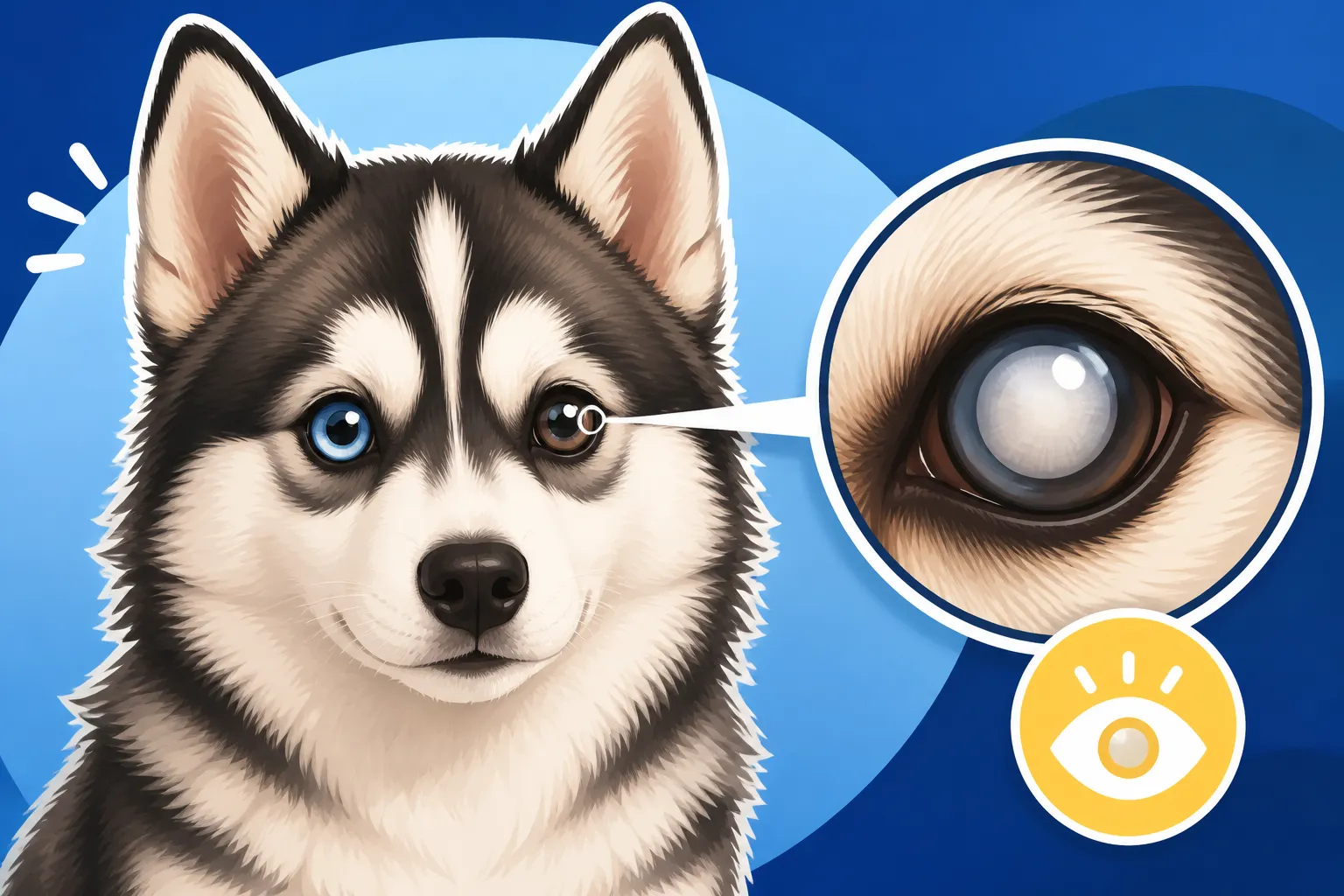
The most direct sign of cataracts is a visible change in the appearance of your Pomsky's eyes. You might start noticing a hazy or cloudy appearance in the pupil area, which is normally dark. This cloudiness can range from a faint, bluish-gray film to a dense, milky white opacity. It might affect the entire lens or just a small portion of it, sometimes appearing as a tiny speck at first.
Beyond the actual cloudiness, pay attention to how light reflects off their eyes. Healthy eyes have a clear, bright sparkle. With cataracts, the light might seem duller or reflect differently, almost like a dull pearl. Sometimes, you might notice one eye looking different from the other if the cataracts are progressing unevenly. These subtle visual cues are your first line of defense in detecting potential problems. A good trick is to observe your Pomsky's eyes in different lighting conditions – sometimes natural daylight reveals clouding more easily than artificial light.
Behavioral Clues to Vision Impairment
As the cataracts progress and vision is affected, your Pomsky will likely start exhibiting behavioral changes. These can be particularly telling, especially if the visible changes in their eyes are still very minor. They might become more hesitant to jump on or off furniture, or they might start bumping into objects, especially in dimly lit rooms or unfamiliar environments. You might notice them moving more slowly, using their nose more often to navigate, or becoming startled more easily if you approach them from their blind side.
Their confidence might wane, especially at night or in new places. A Pomsky who once bounded through the house might now stick close to walls or refuse to go into dark corners. Playing fetch might become harder as they struggle to track moving objects. These behavioral shifts are their way of telling you something is amiss. It’s important to remember that these aren't signs of disobedience or stubbornness, but rather an indication that their world is becoming a lot less clear. If you notice your Pomsky suddenly becoming clumsier or more anxious, especially around obstacles, it's time to get their eyes checked.
Diagnosis and Management Options
If you suspect your Pomsky might be developing juvenile cataracts, the next step is a professional diagnosis. Early intervention and ongoing management are key to maintaining their quality of life, and in some cases, preserving their vision. It can feel overwhelming to navigate a potential diagnosis, but remember that many resources and veterinary specialists are available to guide you through the process. It's also worth investigating options like pet insurance from providers like Healthy Paws, which can help mitigate the financial stress associated with specialized treatments for conditions like juvenile cataracts.
Veterinary Diagnosis of Juvenile Cataracts
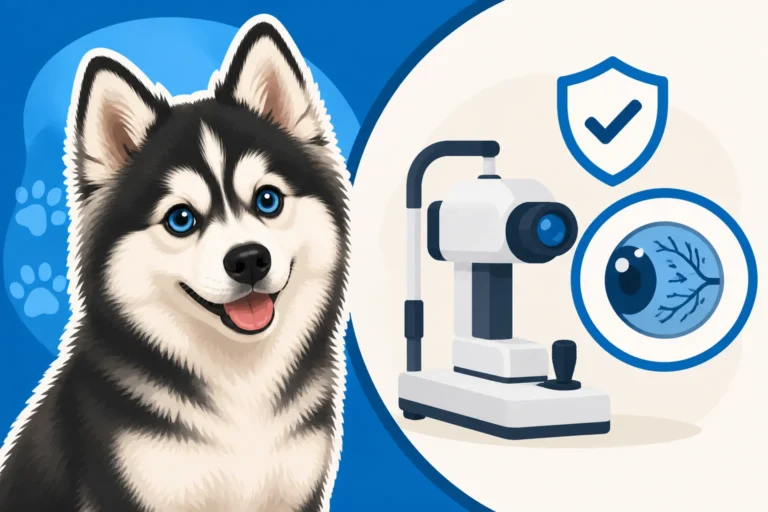
The diagnosis of juvenile cataracts is typically made by a veterinary ophthalmologist, a specialist in animal eye health. A regular vet can often identify initial signs, but a specialist has the advanced equipment and expertise to confirm the diagnosis, assess the severity, and determine the best course of action. They will perform a comprehensive eye exam, which usually includes shining a light into the eye to examine the lens, retina, and other structures. They might also use dilating eye drops to get a better view of the entire lens.
Sometimes, further tests are needed to rule out other conditions that can cause similar symptoms, such as Corneal Dystrophy in a Pomsky or glaucoma. These could include electroretinography (ERG) to assess retinal function, or ocular ultrasound. Once a diagnosis is confirmed, the ophthalmologist will grade the cataracts (incipient, immature, mature, hypermature) and discuss the prognosis and treatment options tailored to your Pomsky's specific situation. This detailed evaluation is crucial because not all cataracts are created equal, and their progression can vary widely.
Living with a Pomsky's Juvenile Cataracts
A diagnosis of juvenile cataracts doesn't mean the end of a happy, fulfilling life for your Pomsky, even if vision loss occurs. Many dogs adapt incredibly well to impaired vision or even blindness, especially if the loss is gradual. Your role shifts to supporting their adaptation and creating a safe, consistent environment. This might involve keeping furniture in consistent locations, using scent markers or different textures on floors to help them navigate, and always speaking to them before touching them to avoid startling them.
Establishing clear verbal cues for directions ("step up," "watch out") can also be incredibly helpful. Ensure their familiar spaces are free of sharp objects or tripping hazards. Maintaining a predictable routine and providing plenty of mental stimulation through puzzle toys and scent games can keep them engaged and confident. For many owners, investing in a good pet insurance policy, such as one from Healthy Paws, provides invaluable peace of mind, knowing that the costs associated with regular check-ups, medications, or even potential surgeries are more manageable.
When to Consider Surgical Intervention
For some Pomskies, surgical intervention might be an option to restore or significantly improve their vision. Cataract surgery for dogs is similar to human cataract surgery, involving the removal of the clouded lens and, in many cases, replacement with an artificial intraocular lens (IOL). This procedure is highly specialized and performed by veterinary ophthalmologists. The decision to pursue surgery depends on several factors, including the dog's overall health, the severity and maturity of the cataracts, the presence of other eye conditions, and the owner's financial capabilities and commitment to post-operative care.
Not all Pomskies are candidates for surgery, and success rates can vary. Post-operative care is intensive, often involving multiple eye drops administered several times a day for weeks or months. However, for suitable candidates, cataract surgery can dramatically improve their quality of life, allowing them to see clearly again. It's a significant investment, both emotionally and financially, but for many families, the joy of seeing their Pomsky navigate the world with restored sight is priceless. This is where a robust pet insurance plan can be a lifesaver, as What Cataract Surgery Costs on a Pomsky can be substantial. Understanding Whether a Pomsky Goes Blind From Cataracts and Whether Cataract Surgery Suits a Pomsky are important considerations discussed in detail elsewhere.
Table: Typical Onset & Progression of Juvenile Cataracts
Here's a quick overview of what to expect regarding the age of onset and progression of juvenile cataracts in Pomskies.
| Characteristic | Description |
|---|---|
| Typical Onset Age | Generally between 6 months and 3 years old. Rarely seen after 6 years of age if genetic juvenile cataracts. |
| Initial Appearance | Often starts as a small, hazy spot or "ice chip" in the lens, sometimes more noticeable in one eye than the other. |
| Progression Rate | Highly variable. Can be slow (over years) or rapid (over weeks to months). Can affect one eye or both simultaneously. |
| Impact on Vision | Ranges from mild blurring (incipient cataracts) to complete blindness (mature cataracts). Adaptation to gradual loss is common. |
| Genetic Basis | Strong genetic component, predominantly inherited from the Siberian Husky parent. Responsible breeders screen for this. |
| Management | Regular veterinary ophthalmologist check-ups. Environmental modifications. Potential surgery for suitable candidates. Medication to manage inflammation if present. |
Final Thoughts for Pomsky Owners
Discovering that your young Pomsky might have juvenile cataracts can be an incredibly worrying experience. It’s natural to feel a mix of sadness, frustration, and a strong desire to do everything you can for your furry family member. Remember that you’re not alone in this journey. With careful observation, prompt veterinary care from a specialist, and a loving, supportive home environment, many Pomskies with juvenile cataracts continue to live wonderfully full and happy lives. Proactive care, including early screening by breeders and regular check-ups for your Pomsky, remains the best defense against conditions like these.
Disclaimer
The information provided in this article is for general informational purposes only and is not a substitute for professional veterinary advice. Always consult with a qualified veterinarian or veterinary ophthalmologist for any health concerns or before making any decisions related to your Pomsky's health and treatment.