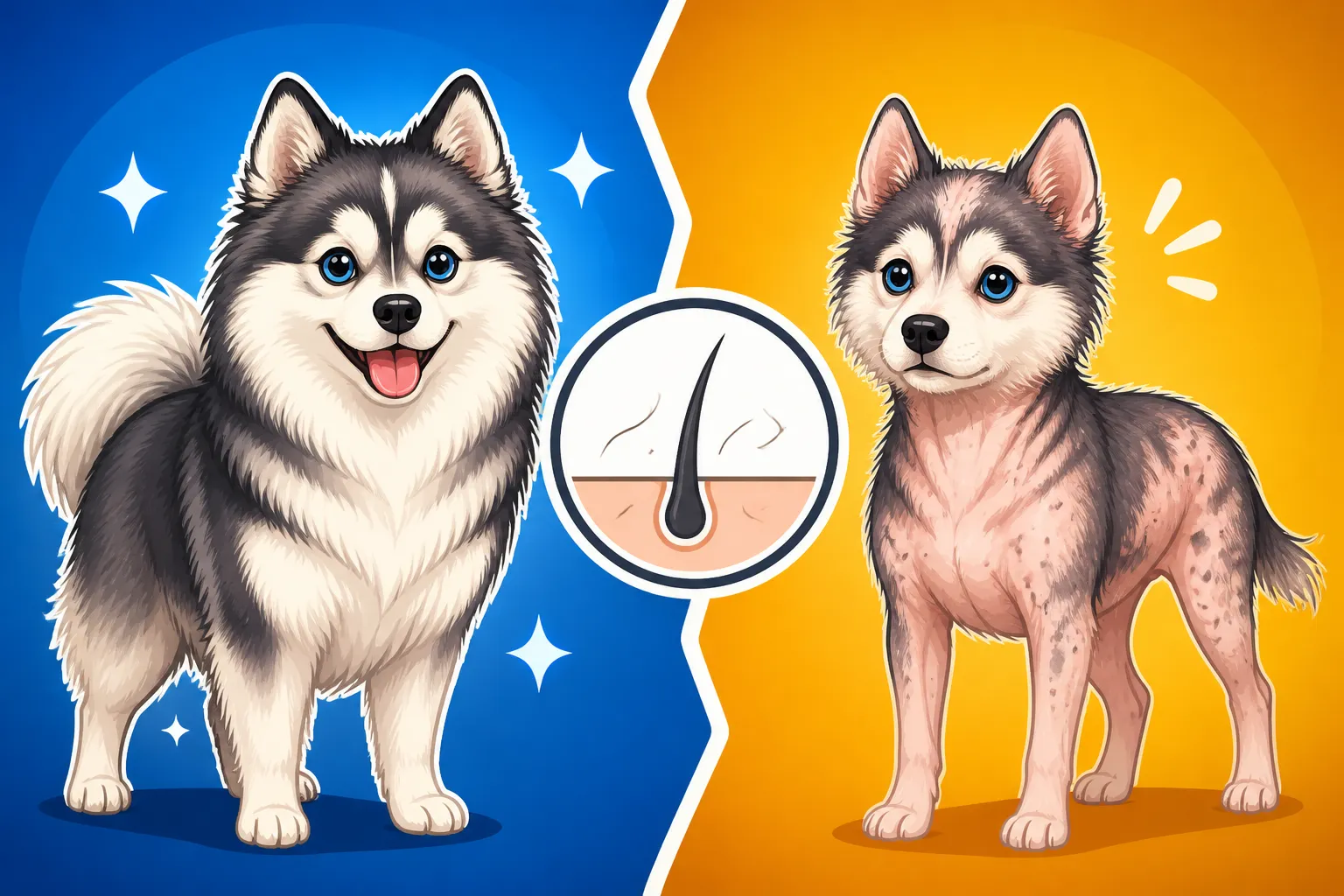
Alopecia X and the Pomsky That Loses Its Coat
There’s nothing quite as heart-wrenching as watching your beloved Pomsky, with their glorious double coat, start to lose their fur. You start noticing sparse patches, the once fluffy tail looks thin, and the beautiful, dense fur that first captivated you is simply… gone. This isn't just a cosmetic issue; it's a profound concern for any devoted pet parent, leaving you wondering what's happening to your furry family member and if there's anything you can do. This guide is here to shed light on Alopecia X, a frustrating and often misunderstood condition that can affect Pomskies, helping you understand its nature, diagnosis, and management, so you can navigate this challenge with confidence and compassion.
Understanding Alopecia X in Pomskies: More Than Just Hair Loss
Alopecia X is one of those conditions that sounds scary, but it's really just a descriptor for hair loss of unknown origin. When your vet says "Alopecia X," what they're essentially saying is, "We've ruled out all the common causes of hair loss, and this is what we're left with." It's frustrating because it doesn't pinpoint a specific disease with a straightforward cure, but it's crucial to understand that it’s primarily a cosmetic condition. It rarely impacts a Pomsky's overall health or lifespan, which can be a huge relief amidst the worry.
What Exactly is Alopecia X?
Alopecia X, often referred to as Black Skin Disease, Coat Funk, or Adrenal-related Alopecia, is a non-inflammatory skin condition characterized by progressive hair loss. It typically affects double-coated breeds, where the luxurious guard hairs gradually disappear, leaving a soft, cottony undercoat that eventually falls out too, exposing darkened skin. It's not painful, itchy, or contagious, which is why dogs with Alopecia X usually remain happy and healthy in every other way. The "X" in its name signifies its idiopathic nature – meaning the exact cause is unknown. Researchers believe it's linked to an imbalance in adrenal hormones or a dysfunction in hair follicle cycles, but it’s not related to serious adrenal diseases like Cushing’s.
It’s easy to feel defeated when your vet tells you they've ruled out everything else and landed on Alopecia X. It feels like a non-answer. But it's actually an important step, as it means you're no longer chasing symptoms of more serious, treatable conditions. The focus then shifts to managing the cosmetic aspect and ensuring your Pomsky's skin remains healthy and protected. This condition requires a patient approach, as what works for one Pomsky might not work for another.
Why Pomskies Are Prone to Alopecia X
Pomskies, being a delightful mix of Siberian Husky and Pomeranian, inherit traits from both breeds, and unfortunately, this can include genetic predispositions to certain conditions. Both Pomeranians and Huskies are known to be affected by Alopecia X, making Pomskies particularly susceptible. Pomeranians are, in fact, one of the breeds most commonly associated with this condition, which is why it's often linked to the "Pomeranian gene pool" or a similar genetic component.
The beautiful double coat that makes Pomskies so striking is also a key factor. Breeds with dense undercoats and longer guard hairs seem more prone. The exact genetic markers are still being studied, but it's widely believed to be an inherited trait. So, if you have a Pomsky showing signs, it’s not a reflection of your care; it's likely something they were predisposed to from birth. Understanding this can help alleviate any self-blame you might be feeling when faced with your Pomsky's changing coat.
Differentiating Alopecia X from Other Skin Conditions
One of the most crucial, and often prolonged, steps in diagnosing Alopecia X is meticulously ruling out other medical conditions that can cause similar hair loss. This is why a thorough veterinary workup is absolutely essential. For instance, hypothyroidism, an underactive thyroid gland, can lead to symmetrical hair loss, often accompanied by lethargy, weight gain, and a dull coat. Your vet will perform blood tests to check thyroid hormone levels, and if low, thyroid medication can often resolve the hair loss.
Another condition often considered is hyperadrenocorticism, or Cushing’s Disease, which involves an overproduction of cortisol by the adrenal glands. This can also cause symmetrical hair loss, thin skin, a pot-bellied appearance, and increased thirst and urination. Specific tests are needed to diagnose Cushing’s. It's incredibly important to differentiate Alopecia X from these conditions because their treatments are vastly different. While Alopecia X is mostly cosmetic, conditions like hypothyroidism and Cushing’s require medical intervention for your dog's overall health and well-being. Knowing Whether a Thyroid Test Rules Out Alopecia X in a Pomsky and Whether Cushing's Looks Like Alopecia X in a Pomsky is vital information for any concerned owner.
Recognizing the Signs: Early Indicators of Coat Loss
Spotting the early signs of Alopecia X can be tricky because it often starts subtly, and you might initially dismiss it as normal shedding or a seasonal coat change. However, there are characteristic patterns and changes that, once you know what to look for, can help you identify it sooner rather than later. The journey of coat loss can be gradual, sometimes over months or even years, making it a slow-motion transformation that can catch you off guard.
The Initial Patches and Texture Changes
Typically, the hair loss associated with Alopecia X begins in specific areas of the body. You might first notice thinning hair or bald patches on your Pomsky's flanks, often on both sides, or around their hindquarters. The tail is another common starting point, with the once-plume-like tail becoming progressively sparser, often referred to as a "rat tail." The hair around the perineum and inner thighs can also be affected early on. It’s not usually a sudden, dramatic bald patch that appears overnight. Instead, it’s a thinning that you might only notice when bathing or grooming your Pomsky.
Before the hair completely disappears, you might observe a change in the texture of the coat. The coarse, protective guard hairs, characteristic of a healthy Pomsky double coat, might become noticeably softer, almost cottony or woolly. This softer undercoat remains for a while, but then it too starts to fall out, leaving the skin exposed. It’s a progressive loss, often moving from the hindquarters and flanks upwards, affecting the chest and sometimes even the neck, but rarely the head or legs. Understanding The First Bald Patch on a Pomsky can help you recognize these initial subtle shifts. For many owners, it's the beautiful, stiffer guard hairs that seem to diminish first, a phenomenon that makes you wonder Whether the Guard Hairs Go First on a Pomsky.
Symmetrical Hair Loss Patterns
One of the hallmarks of Alopecia X is its distinct pattern of symmetrical hair loss. This means that if your Pomsky is losing hair on one flank, they’ll likely be losing it in a similar way on the other flank. The balding areas tend to mirror each other across the body. This symmetry is a crucial diagnostic clue for veterinarians, as it helps distinguish Alopecia X from other types of hair loss, such as those caused by skin infections, parasites, or allergic reactions, which often result in more irregular or itchy patches.
While the hair loss is symmetrical, it's typically non-itchy and non-inflammatory. Your Pomsky won't be scratching, licking, or chewing at these areas in response to the hair loss itself. This lack of irritation is another key indicator that points away from common dermatological issues and towards a condition like Alopecia X. The skin under the affected areas remains smooth and healthy, at least initially, before other changes might occur.
Skin Changes Accompanying Coat Loss
As the hair loss progresses and more skin becomes exposed, you'll start to notice changes in the skin itself. A very common development is hyperpigmentation, where the skin in the balding areas darkens significantly, often turning black or a deep gray. This is why Alopecia X is sometimes referred to as "Black Skin Disease." This darkening isn't a sign of infection or pain; it's a cosmetic change caused by increased melanin production in response to the exposure.
In addition to hyperpigmentation, the skin might also become dry, flaky, or take on a leathery, thickened texture, sometimes described as "elephant skin." This can happen over time as the skin is no longer protected by the double coat and is exposed to the elements. While Alopecia X itself doesn't cause pain or itchiness, this exposed and sometimes dry skin can be more susceptible to secondary issues like minor irritations or infections if not properly cared for. This makes ongoing skin care an important part of managing the condition and ensuring your Pomsky's comfort.
The Journey to Diagnosis: Ruling Out the Alternatives
Getting a definitive diagnosis of Alopecia X can be a long and, at times, frustrating process. Because it's a diagnosis of exclusion, your veterinarian needs to meticulously rule out every other possible cause of hair loss before confirming Alopecia X. This involves a series of tests and examinations, which can feel like a never-ending journey for a concerned owner. It’s vital to be patient and work closely with your vet, and potentially a veterinary dermatologist, to ensure no stone is left unturned.
The Importance of a Thorough Veterinary Workup
When your Pomsky starts losing hair, the first step is always a comprehensive physical examination by your regular veterinarian. They’ll look for obvious culprits like fleas, mites, or fungal infections, which can often be diagnosed with simple skin scrapes or fungal cultures. Beyond that, a thorough veterinary workup will involve various blood tests to check for underlying systemic diseases. This typically includes a complete blood count (CBC) and a biochemistry panel to assess overall organ function and rule out conditions that might lead to hair loss as a secondary symptom.
Crucially, endocrine testing will be performed. This means checking thyroid hormone levels to rule out hypothyroidism and conducting tests to assess adrenal gland function, such as an ACTH stimulation test or low-dose dexamethasone suppression test, to differentiate Alopecia X from more serious conditions like Cushing's disease. As mentioned earlier, knowing Whether a Thyroid Test Rules Out Alopecia X in a Pomsky and Whether Cushing's Looks Like Alopecia X in a Pomsky are key questions your vet will be addressing with these diagnostic procedures. These tests are vital to ensure that you're not missing a treatable condition that could impact your Pomsky's overall health significantly.
Skin Biopsies and Histopathology
Even after extensive blood work, sometimes the picture isn't clear enough, or confirmation is needed. In such cases, your veterinarian might recommend skin biopsies. This involves taking small samples of skin from the affected areas, usually under local anesthesia and sedation, which are then sent to a veterinary pathologist for microscopic examination (histopathology). The pathologist will look for specific changes in the hair follicles and surrounding skin tissue that are characteristic of Alopecia X.
What pathologists typically look for in Alopecia X biopsies are "flame follicles" or "follicular miniaturization" – essentially, hair follicles that are dormant, shrunken, and not producing hair, without significant inflammation. The absence of inflammatory cells helps rule out allergic reactions or infections. This histological pattern is a strong indicator of Alopecia X and can often provide the definitive diagnosis after other conditions have been excluded. It’s a minimally invasive procedure that yields invaluable information for your Pomsky’s care plan.
Why Misdiagnosis is Common and Frustrating
Given the nature of Alopecia X as a diagnosis of exclusion and its similarities to other conditions, misdiagnosis is unfortunately quite common. Owners often go through a lengthy, emotionally draining, and expensive process, visiting multiple vets and specialists, before finally landing on Alopecia X. This can be incredibly frustrating, especially when treatments for other conditions are tried without success, leading to more questions than answers. It’s easy to feel helpless when your Pomsky continues to lose their coat and you're still searching for an explanation.
This highlights the importance of working with a veterinarian who is experienced in dermatology or seeking a referral to a board-certified veterinary dermatologist. These specialists have the expertise and the advanced diagnostic tools to navigate complex skin conditions. They can streamline the diagnostic process, ensuring that the appropriate tests are run in the correct order, and provide the most up-to-date treatment recommendations. Pet insurance providers, such as Healthy Paws, often cover these diagnostic tests and specialist consultations, which can be a huge relief for owners facing these prolonged and costly workups.
Management and Treatment Options: What Actually Helps
Once Alopecia X is diagnosed, the focus shifts to management. It's important to set realistic expectations; there's no guaranteed "cure," and what works for one Pomsky might not work for another. Treatment options aim to stimulate hair regrowth and protect the exposed skin. Many owners try a combination of approaches, often under the guidance of their veterinarian or a veterinary dermatologist. The goal is to improve the cosmetic appearance and ensure the Pomsky's comfort and skin health.
Neutering as a Potential First Step
For intact male (and occasionally female) Pomskies, neutering (or spaying for females) is often recommended as an initial intervention. The theory behind this is that Alopecia X may be linked to an imbalance in sex hormones. In some cases, removing the gonads can lead to a reversal of the hormonal imbalance and subsequent hair regrowth. While it’s by no means a guaranteed solution, many anecdotal reports and some studies suggest it can be effective for a subset of affected dogs.
If neutering is chosen, it's worth noting that any hair regrowth isn't usually immediate. It can take several months, sometimes up to a year, for new hair to appear. And even then, the regrowth might not be a full, dense coat, but rather a softer, more puppy-like fur. It's also important to consider if Whether Neutering Triggers a Pomsky's Coat Loss in the first place, as sometimes the hormonal changes after neutering can be implicated, making the timing a complex consideration. For older Pomskies who develop the condition, owners might also wonder Whether Neutering a Pomsky Late Helps, and while less common, it can still be considered depending on the individual case.
Melatonin Supplementation
Melatonin, a hormone that regulates sleep cycles, is another commonly tried treatment for Alopecia X. While its exact mechanism of action in stimulating hair growth is not fully understood, it's thought to influence the hair follicle cycle. Melatonin is generally considered safe, with minimal side effects, making it a popular choice for owners looking for a relatively low-risk option. It's typically given orally, once or twice daily.
Success with melatonin varies widely. Some Pomskies experience significant hair regrowth, while others show no change at all. For those that do respond, the hair may grow back softer and less dense than their original coat, and the regrowth can take several months to become noticeable. It's important to use a high-quality, pet-safe melatonin supplement and to discuss the appropriate dosage with your vet. Many owners want to know What Melatonin Does for a Pomsky With Alopecia X and more importantly, Whether Melatonin Regrows a Pomsky's Coat, and the honest answer is that it's a "might" rather than a "will," but it's often worth trying.
Other Medications and Therapies
Beyond neutering and melatonin, several other therapeutic avenues exist, though they are often pursued under the guidance of a veterinary dermatologist due to potential side effects or complex administration. These can include:
- Trilostane (Vetoryl): This medication is typically used to treat Cushing's disease, but some dermatologists have seen success in off-label use for Alopecia X, particularly in cases where adrenal hormone imbalances are suspected. However, it requires careful monitoring due to potential side effects.
- Micro-needling: This technique involves using a device with tiny needles to create microscopic punctures in the skin. The idea is to stimulate blood flow and collagen production, which might in turn encourage hair follicle activity. This is a newer, less common approach, and its effectiveness for Alopecia X is still being evaluated.
- Specialized Shampoos and Topicals: While not a cure, certain shampoos and conditioners can help improve the health of the exposed skin, preventing dryness or secondary infections. Products containing ingredients like salicylic acid or benzoyl peroxide might be used to exfoliate and cleanse the skin, though always consult your vet for appropriate products.
- Dietary Supplements: Omega-3 and omega-6 fatty acids can support skin and coat health, and while they won't regrow hair, they can contribute to overall dermal well-being. Additionally, some wonder about specific nutrient deficiencies, leading to questions like Whether a Pomsky Needs Extra Zinc, especially given the link to Zinc Responsive Dermatosis in a Pomsky, though these are distinct conditions, it shows the quest for nutritional solutions.
The key to navigating these options is a close partnership with your veterinary team. They can help you weigh the pros and cons of each treatment, monitor for side effects, and adjust the plan as needed. Having pet insurance like Healthy Paws can provide financial support for these specialized diagnostics, medications, and consultations with dermatologists, making it easier to explore all possible avenues for your Pomsky.
Living with Alopecia X: Practical Care and Emotional Support
Discovering your Pomsky has Alopecia X can be emotionally taxing. You might feel sad about their changed appearance, worried about their comfort, or even guilty, wondering if you could have done something differently. It's crucial to remember that Alopecia X is not your fault, and your Pomsky is still the same loving companion, just with a different look. The primary focus of living with Alopecia X shifts to practical care to protect their skin and ensuring their overall well-being.
Protecting Your Pomsky's Exposed Skin
With less or no fur in affected areas, your Pomsky's skin becomes vulnerable to the elements. The most significant concern is sunburn, especially for Pomskies with lighter skin pigmentation. Just like humans, dogs can get sunburned, leading to pain, redness, peeling, and an increased risk of skin cancer over time. This is particularly relevant if you live in a sunny climate or if your Pomsky enjoys spending time outdoors. It's natural to wonder Whether a Pomsky With Alopecia X Sunburns, and the answer is a resounding yes, sometimes even more severely than expected.
To protect their delicate skin:
- Sun Protection: Invest in pet-safe sunscreen for the exposed areas, reapplying as directed.
- Protective Clothing: Consider lightweight dog shirts or vests, especially for outdoor activities. There are many stylish and comfortable options available that can shield their back and flanks from direct sunlight.
- Shade: Ensure your Pomsky always has access to ample shade when outdoors, particularly during peak sun hours.
- Avoid Peak Sun: Limit walks and outdoor play to early mornings or late evenings when the sun's intensity is lower.
Maintaining Skin Health and Comfort
Even though Alopecia X itself is not typically itchy, the exposed skin can become dry, flaky, or develop secondary issues if not properly cared for. The loss of the protective coat means the skin's natural barrier is compromised, making it more susceptible to environmental irritants and dehydration.
- Moisturizing Baths: Regular baths with a gentle, moisturizing shampoo and conditioner formulated for dogs with sensitive skin can help maintain hydration and remove loose flakes. Avoid harsh shampoos that can strip natural oils.
- Humidifiers: In dry indoor environments, a humidifier can add moisture to the air, which can benefit your Pomsky's skin, especially during winter months when indoor heating can be very drying.
- Dietary Support: Continuing with or adding high-quality omega fatty acid supplements (fish oil, flaxseed oil) to their diet can support skin barrier function and overall skin health from the inside out. Always discuss supplements with your vet.
- Regular Skin Checks: Routinely inspect your Pomsky’s skin for any signs of redness, irritation, bumps, or infection. Early detection of secondary issues allows for prompt treatment. Remember, while Alopecia X is not painful, secondary skin problems can be. It's reassuring to know Whether Alopecia X Hurts a Pomsky directly, but vigilance for secondary issues is still important.
Emotional Impact on Owners and Pets
It’s completely normal to feel a range of emotions when your Pomsky loses their beautiful coat. You might grieve the loss of their former appearance, worry about what others think, or feel a pang of sadness every time you see their bare patches. It's important to acknowledge these feelings and give yourself grace. Your Pomsky’s physical appearance has changed, but their spirit, personality, and capacity for love remain exactly the same.
Your Pomsky, however, is generally unaware of their changed appearance. They don't have human concepts of beauty or self-consciousness. As long as they are not physically uncomfortable or in pain, they will continue to live their happy, normal lives. The most important thing you can do is continue to shower them with love, attention, and regular care. Your emotional well-being also matters, so connect with other owners in online communities or support groups if you feel isolated. Sharing experiences can be incredibly helpful and validating. Focus on their playful antics, their wagging tail, and the joy they bring into your life, rather than fixating on their missing fur.
Breeding Considerations and Long-Term Outlook
When dealing with a genetic condition like Alopecia X, important questions naturally arise regarding breeding and the long-term health implications for affected Pomskies. Understanding the hereditary component is crucial for responsible breeding practices, and it's equally important to know what the future generally holds for a Pomsky living with this condition.
Genetic Implications and Breeding Decisions
While the exact genetic markers for Alopecia X are still under investigation, it is widely accepted to be a hereditary condition. This means that affected Pomskies have inherited a predisposition from their parent breeds. For breeders, this has significant implications. To avoid passing on the trait to future generations, it is strongly recommended that any Pomsky diagnosed with Alopecia X, or any dog that has produced offspring with Alopecia X, should be removed from breeding programs. This is a tough decision for breeders, but it's vital for the health and welfare of the breed.
Potential buyers of Pomsky puppies should always ask breeders about the health history of the parent dogs, specifically inquiring about any instances of Alopecia X in their lines. While not always possible to track perfectly due to the complexity of genetic conditions and the mixed-breed nature of Pomskies, responsible breeders will be transparent about known health issues. It really makes you consider Whether an Affected Pomsky Should Be Bred and raises questions about Whether Alopecia X Runs in Specific Pomsky Lines. Good breeders strive to produce healthy puppies, and making informed breeding decisions based on known conditions is a cornerstone of responsible animal husbandry.
Prognosis and Quality of Life
One of the most reassuring aspects of Alopecia X is that it is primarily a cosmetic condition. It does not typically impact a Pomsky’s overall health, vitality, or lifespan. Affected dogs usually live long, happy, and otherwise healthy lives. They don't experience pain or discomfort directly from the hair loss itself. The main challenges are the aesthetic changes and the need for careful skin protection.
While some treatments can stimulate hair regrowth, it's important to remember that this isn't always permanent, and the regrown hair might be different in texture or density than the original coat. Some Pomskies may have periods of partial regrowth followed by further loss. However, this variability doesn't diminish their quality of life. The prognosis for a Pomsky with Alopecia X is excellent in terms of general health, and with proper skin care, they can continue to thrive. The Twelve to Fifteen Years a Pomsky Lives, for example, is generally unaffected by the presence of Alopecia X.
Supporting Research and Community
Given the ongoing mystery surrounding the exact cause and most effective treatments for Alopecia X, supporting research efforts is invaluable. Veterinary schools and dermatology specialists are continuously working to understand the genetic basis and hormonal pathways involved in this condition. If you have an affected Pomsky, your veterinary dermatologist might be able to inform you about any ongoing studies or trials that your dog could participate in. Contribution to these studies, often through sharing medical history or tissue samples, helps advance our collective knowledge.
Beyond research, connecting with a community of other Pomsky owners dealing with Alopecia X can provide immense emotional support and practical advice. Online forums, social media groups, and breed-specific clubs often have members who have navigated this journey. Sharing experiences, tips for skin care, and even just the emotional validation of knowing you're not alone can make a huge difference. Organizations like Healthy Paws, through their commitment to pet health, often support such communities by making information accessible and by being a reliable insurance partner for diagnostic investigations and ongoing care costs.
Preventing Unnecessary Coat Damage
While Alopecia X is a genetically predisposed condition, there are certain grooming practices that can exacerbate coat problems or even mimic the appearance of hair loss, particularly in double-coated breeds like Pomskies. Understanding how to properly care for their unique fur is essential to maintain its health and integrity, regardless of whether your Pomsky is affected by Alopecia X.
The Dangers of Shaving a Double Coat
This is perhaps one of the most critical pieces of advice for any double-coated dog owner: never shave your Pomsky's coat down to the skin, especially in warm weather. It might seem counterintuitive, as you'd think shaving would help them cool down, but it actually does the opposite and can cause permanent damage. The double coat of a Pomsky is a natural insulator, designed to keep them warm in winter and cool in summer. The outer guard hairs reflect sunlight, while the soft undercoat provides insulation and air circulation.
When you shave a double coat, you strip away this natural protection. This not only exposes their skin to sunburn and increases their risk of overheating, but it can also lead to a condition called "post-clipping alopecia" or "coat funk," which looks very similar to Alopecia X. In many cases, the guard hairs may never grow back properly, or the coat that does return will be patchy, dull, and only consist of the fluffy undercoat, making it prone to matting and less effective at regulating temperature. This is why Whether Shaving Triggers Coat Loss in a Pomsky is such an important question for many owners, and the answer, unfortunately, is often yes. It's also critical to understand Whether a Pomsky's Post Clipping Alopecia Is Different from true Alopecia X, and while the underlying causes differ, the visual outcome can be distressingly similar, and sometimes the coat never fully recovers, making owners wonder Whether a Pomsky's Coat Comes Back After a Shave.
Proper Grooming for Pomsky Coats
Maintaining a Pomsky's beautiful double coat requires consistent, correct grooming to prevent mats, reduce shedding, and promote skin health without causing damage.
- Regular Brushing: This is paramount. Pomskies need regular brushing, ideally several times a week, with a focus on line brushing to get down to the skin and remove loose undercoat. Tools like an undercoat rake, a slicker brush, and a metal comb are essential. This prevents matting, which can lead to skin irritation and hot spots, and helps distribute natural oils.
- Bathing: Bathe your Pomsky only as needed, typically every 4-8 weeks, or when they are visibly dirty. Over-bathing can strip natural oils, leading to dry skin. Use a high-quality shampoo and conditioner specifically designed for dogs.
- Thorough Drying: After a bath, it's crucial to thoroughly dry your Pomsky's double coat down to the skin. A high-velocity pet dryer is highly recommended for this, as it effectively removes excess water and loose hair, preventing moisture from becoming trapped in the undercoat, which can lead to skin issues. Air drying can take too long and potentially encourage bacterial or fungal growth in the dense undercoat.
- Professional Grooming: Consider professional grooming sessions, especially during seasonal "blowouts" when your Pomsky sheds profusely. Professional groomers are equipped with the right tools and expertise to safely and effectively manage a double coat without shaving.
Diet and Environmental Factors
While diet and environment aren't direct causes or cures for Alopecia X, they play a supportive role in overall skin and coat health. A healthy Pomsky with a robust immune system is generally better equipped to handle any health challenges, including skin conditions.
- Balanced Diet: Feed your Pomsky a high-quality, complete, and balanced dog food appropriate for their life stage and activity level. A diet rich in essential fatty acids (Omega-3s and Omega-6s) can significantly contribute to skin and coat health, making it more resilient. Some owners even add supplements like salmon oil or flaxseed oil to boost these nutrients.
- Hydration: Ensure your Pomsky always has access to fresh, clean water. Good hydration is vital for healthy skin and every other bodily function.
- Stress Reduction: Minimize stress in your Pomsky's environment. Chronic stress can sometimes manifest in physical symptoms, including skin and coat issues. A calm, predictable routine, plenty of exercise, and mental stimulation contribute to a happy and less stressed dog.
- Environmental Allergens: While Alopecia X isn't an allergic reaction, managing environmental allergens can prevent secondary skin irritations that might complicate existing skin vulnerability. Regular cleaning of bedding and home environment, and potentially air purifiers, can help.
Taking these proactive steps in grooming and general care can help your Pomsky's coat remain as healthy as possible, even if they are predisposed to conditions like Alopecia X. It’s all about working with their unique physiology rather than against it.
Disclaimer
The information provided in this article is for educational and informational purposes only and does not constitute veterinary advice. Always consult with a qualified veterinarian or veterinary dermatologist for any health concerns or before making any decisions about your Pomsky's medical care or treatment plan.