Whether Melatonin Regrows a Pomsky’s Coat
It's incredibly disheartening to watch your beloved Pomsky, with their usually glorious double coat, start to lose their fur, leaving patchy, often darkened skin behind. This isn't just a cosmetic issue; it can be a source of real worry and frustration for owners who want their furry family member to be comfortable and look their best. When faced with conditions like Alopecia X, many turn to various remedies, and melatonin often comes up as a natural option. This comprehensive guide will explore whether melatonin truly helps regrow a Pomsky's coat when grappling with non-hormonal hair loss, managing your expectations, and outlining what you can realistically expect.
Understanding Alopecia X in Pomskies
Alopecia X, often referred to as Black Skin Disease or coat funk, is a frustrating and somewhat mysterious condition that affects the beautiful coats of breeds like Pomeranians, Huskies, and by extension, Pomskies. It's a diagnosis of exclusion, meaning veterinarians confirm it only after ruling out all other possible causes of hair loss. For Pomsky owners, seeing those luxurious locks disappear can be heartbreaking, especially when there isn't a clear, simple cause or cure.
What Alopecia X Looks Like and Why It's Frustrating
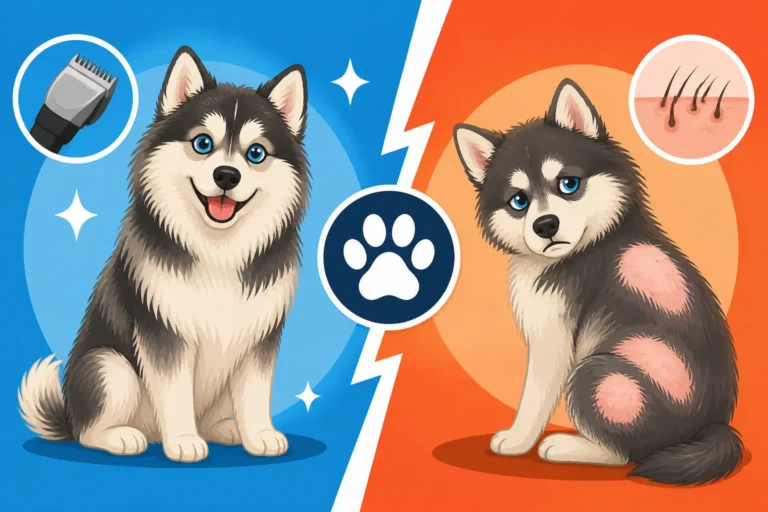
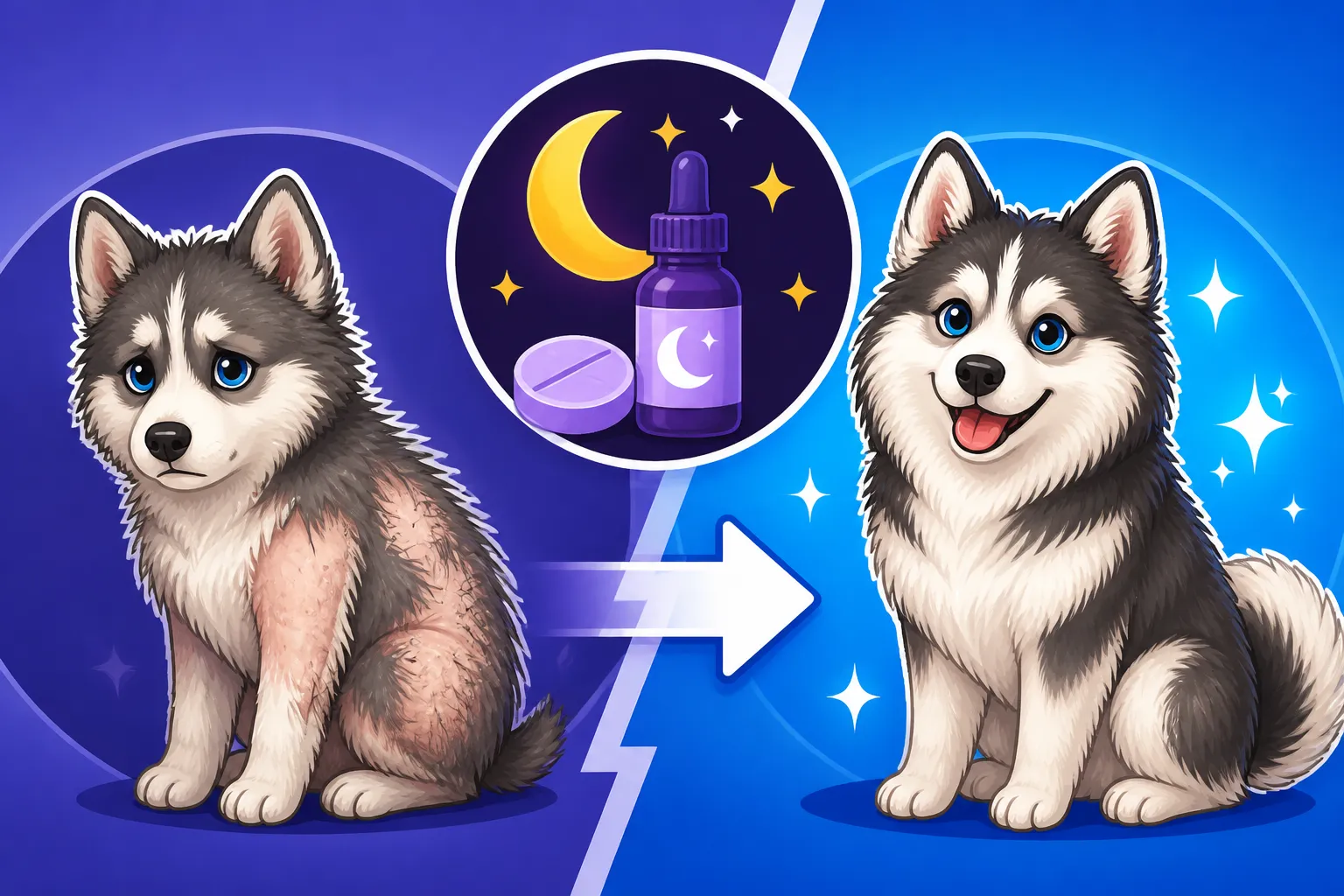
The classic presentation of Alopecia X in Pomskies usually involves a gradual thinning of the coat, often starting on the flanks, hindquarters, and chest. Eventually, the guard hairs – those longer, coarser hairs that give the coat its texture and protection – are lost, leaving behind a sparse, cottony undercoat, or sometimes complete baldness. The skin in affected areas often darkens, becoming hyperpigmented, and can feel dry or leathery. This change in appearance is a huge source of stress for owners. It's not just about aesthetics; it's about seeing your vibrant dog transform, and feeling helpless to stop it. While the condition itself is generally not painful or itchy, the exposed skin can be more susceptible to sunburn and minor irritation, adding another layer of concern. If you’ve ever wondered What Alopecia X Does to a Pomsky's Coat, you know the visual impact can be quite dramatic.
The emotional toll on owners is significant. Many feel embarrassed or judged, or simply sad that their once fluffy companion now looks so different. It’s also common for people to mistake the condition for neglect, or to worry endlessly about their dog's comfort. This frustration is compounded by the fact that Alopecia X typically begins when a Pomsky is relatively young, often between one and five years of age, meaning they live with this condition for much of their lives. For more details on its onset, you might be interested in The Age Alopecia X Starts in a Pomsky. The lack of a definitive cause or universally effective treatment truly makes Alopecia X a challenging condition to manage for dedicated Pomsky parents.
Diagnosing Alopecia X and Ruling Out Other Issues
Before you even consider treatments like melatonin, it is absolutely crucial to get a proper diagnosis from your veterinarian. Alopecia X is a diagnosis of exclusion, meaning other, more serious conditions must be definitively ruled out first. Your vet will likely perform a thorough physical exam and recommend a series of diagnostic tests. These tests can include blood work to check thyroid function, as hypothyroidism can mimic hair loss. If your vet suspects this, you might explore Whether a Thyroid Test Rules Out Alopecia X in a Pomsky. They might also check for elevated cortisol levels to rule out Cushing's disease, another condition that presents with hair loss and skin changes. Understanding Whether Cushing's Looks Like Alopecia X in a Pomsky is key to differentiating these similar-looking problems.
Skin biopsies are also a common diagnostic tool. While not specific to Alopecia X, they can show characteristic changes in the hair follicles that are consistent with the condition and, more importantly, rule out other causes like skin infections, parasites, or immune-mediated diseases. This meticulous diagnostic process is essential because treating the wrong condition can be ineffective, or worse, harmful. Only once other treatable causes of hair loss have been eliminated can a diagnosis of Alopecia X be made, paving the way for discussions about management strategies, including the potential use of melatonin.
The Role of Melatonin in Pomsky Coat Health
Melatonin, a naturally occurring hormone primarily known for regulating sleep cycles, has gained attention in the veterinary world for its potential benefits in treating certain types of alopecia, including Alopecia X in breeds like the Pomsky. Many owners, desperate for solutions, turn to this supplement hoping for a miracle, but it's important to approach it with a clear understanding of its mechanism and limitations.
How Melatonin Might Work for Coat Regrowth
The exact mechanism by which melatonin might promote coat regrowth in dogs with Alopecia X isn't fully understood, which is part of what makes it a somewhat experimental treatment. The prevailing theory suggests that melatonin plays a role in the hair follicle cycle, potentially influencing the growth phase (anagen) and resting phase (telogen). It's thought that in dogs with Alopecia X, the hair follicles get stuck in the resting phase, or have abnormal cycling. Melatonin, being a hormone, could theoretically help reset or stimulate these cycles, nudging the follicles back into an active growth phase. Additionally, melatonin has antioxidant properties, which might contribute to overall skin and coat health, creating a better environment for hair growth.
Some research also suggests a link between melatonin and sex hormones, which are implicated in some forms of Alopecia X (hence the discussion around spaying/neutering). However, it's crucial to understand that melatonin isn't a "cure" for Alopecia X. It's more of a supportive treatment that, in some cases, can trigger partial or temporary hair regrowth. The results are highly variable, and what works for one Pomsky might not work for another. It's certainly not a guarantee that your Pomsky's full, lush coat will return exactly as it was. For many, even a partial regrowth of soft, downy "puppy fur" is a welcome sign of improvement.
Dosing and Administration of Melatonin for Pomskies
If you and your veterinarian decide to try melatonin for your Pomsky's coat loss, determining the correct dosage is paramount. This isn't a one-size-fits-all situation, and your vet will provide guidance based on your dog's weight, overall health, and the specific melatonin product being used. It's often recommended to start with a lower dose and gradually increase it if needed, while monitoring for any side effects. Melatonin for dogs usually comes in tablet, capsule, or liquid forms, and it's best to choose products specifically formulated for pets or human-grade products that are pure melatonin, avoiding those with xylitol or other dangerous additives.
Consistency is key when administering melatonin. It's typically given two to three times a day, often for several weeks or even months before any noticeable results might appear. Don't get discouraged if you don't see immediate changes; hair growth is a slow process. Make sure to discuss the duration of treatment with your vet, as some dogs may need to stay on it long-term to maintain any regrowth. Always follow your vet's instructions carefully, and never exceed the recommended dosage without their approval.
Here’s a general guideline for melatonin dosing, but always consult your veterinarian for precise instructions:
| Pomsky Weight Range | Recommended Melatonin Dose (per administration) | Frequency | Potential Duration of Use |
|---|---|---|---|
| Under 10 lbs | 1 mg | 2-3 times daily | Several months to long-term |
| 10-25 lbs | 3 mg | 2-3 times daily | Several months to long-term |
| 26-50 lbs | 6 mg | 2-3 times daily | Several months to long-term |
Note: This table provides general information. Your veterinarian will tailor the dosage and frequency based on your individual Pomsky's needs and response.
What to Expect When Using Melatonin for Your Pomsky
Embarking on any treatment journey for a condition like Alopecia X requires patience and realistic expectations. Melatonin is not a magic bullet, but for some Pomskies, it can offer some relief and even surprising results. It’s important to understand the spectrum of outcomes and be prepared for potential challenges.
Real-World Experiences and Success Rates
The truth about melatonin and Pomsky coat regrowth is that experiences vary widely. Some owners report remarkable success, seeing a significant portion of their Pomsky's coat return, sometimes with the original texture and color. Others may observe only partial regrowth, often in the form of soft, downy "puppy fuzz" that might not be as dense or robust as the original double coat. Then there are those who see little to no change at all, which can be incredibly frustrating after investing time and effort. This variability is one of the most challenging aspects of Alopecia X management.
When researching or talking to other Pomsky owners, you’ll hear anecdotes across this entire spectrum. It’s important not to compare your Pomsky’s progress directly to another’s, as each dog is an individual. The regrowth, when it occurs, is typically a slow process, often taking several weeks to months to become noticeable. If you're wondering Whether a Pomsky's Coat Grows Back, melatonin can sometimes facilitate it, but it’s rarely a full, quick recovery. Owners often find themselves celebrating small patches of fuzz, which speaks volumes about their dedication and love for their dogs, even if it's not the full coat they once dreamed of.
Potential Side Effects and Considerations
While melatonin is generally considered safe for dogs, especially at appropriate doses, it's not entirely without potential side effects. The most common side effect reported is mild drowsiness or lethargy, given melatonin's primary role in regulating sleep. This usually subsides as your Pomsky adjusts to the supplement or if the dosage is slightly reduced. Less common side effects can include mild stomach upset, such as vomiting or diarrhea. If you notice any of these, especially if they are persistent or severe, contact your veterinarian immediately.
Another crucial consideration is potential interactions with other medications your Pomsky might be taking. Always inform your vet about all supplements and medications, prescription or over-the-counter, that your dog is on. This ensures they can check for any contraindications or adjust dosages accordingly. Furthermore, while melatonin is widely available, always purchase a high-quality product, ideally from a reputable brand, to ensure purity and accurate dosing. Look for products that are free from xylitol, an artificial sweetener that is highly toxic to dogs. Long-term use of any supplement should always be done under veterinary guidance. Ensuring your Pomsky's overall health is paramount, and a good pet insurance plan like those offered by Healthy Paws can help cover the costs of diagnostic tests and vet visits related to conditions like Alopecia X, giving you peace of mind.
Alternative and Complementary Approaches to Pomsky Coat Loss
While melatonin is a popular avenue for many Pomsky owners dealing with Alopecia X, it's just one piece of a broader puzzle. A holistic approach, combining various treatments and supportive care, often yields the best results. It's about finding what works best for your individual dog and continuously adapting the strategy as needed.
Other Medical and Topical Treatments
Beyond melatonin, your veterinarian might discuss other medical interventions. One of the most common recommendations, especially for intact dogs, is spaying or neutering. In some cases, gonadectomy (removal of the reproductive organs) can trigger coat regrowth, although this is not guaranteed and the effect can sometimes be temporary. You might be curious about Whether Neutering Triggers a Pomsky's Coat Loss and how it ties into Alopecia X. For dogs whose Alopecia X is linked to adrenal gland abnormalities, your vet might explore medications like trilostane, which helps to regulate adrenal hormone production. This is usually reserved for cases where specific hormonal imbalances have been identified.
Topical treatments can also play a supportive role. Medicated shampoos, particularly those containing benzoyl peroxide or sulfur, can help to cleanse the skin, remove scales, and prepare the hair follicles for potential regrowth. While these don't directly regrow hair, they create a healthier skin environment. Some vets might suggest topical steroid creams or other compounded solutions, but these should always be used with extreme caution and under strict veterinary supervision due to potential side effects. Remember, consistency with any prescribed topical treatment is as important as with oral supplements.
Supportive Care and Coat Management
Regardless of specific medical treatments, providing excellent supportive care is fundamental for a Pomsky with Alopecia X. This begins with a high-quality, balanced diet. Ensuring your Pomsky receives all necessary nutrients, including essential fatty acids like Omega-3 and Omega-6, can significantly contribute to overall skin and coat health, even if it doesn't directly regrow hair. Sometimes, dietary supplements such as zinc can be beneficial, especially if a zinc deficiency is suspected or diagnosed. If you’re considering this, you might read up on Whether a Pomsky Needs Extra Zinc.
Gentle grooming is also vital. While you can't prevent the hair loss itself, you can minimize skin irritation. Use soft brushes and avoid harsh scrubbing during baths. Because the affected skin is exposed, protecting it from the elements is crucial. Sun protection, such as dog-safe sunscreen or lightweight clothing, is important to prevent sunburn on bald patches, especially if your Pomsky likes to bask in the sun. This is particularly relevant if you're concerned Whether a Pomsky With Alopecia X Sunburns. Regular check-ups with your vet are also important to monitor skin health and adjust treatments. It’s a marathon, not a sprint, and a strong partnership with your vet, potentially supported by a robust pet insurance plan like Healthy Paws, will make navigating this condition much smoother. Staying proactive with your Pomsky's general health, understanding their unique needs, and providing consistent care will make the biggest difference in their quality of life.
Disclaimer
This article is for general informational purposes only and does not constitute professional advice. Laws, prices and regulations vary by location and change over time. Consult a qualified professional for guidance on your specific situation.