Whether a Pomsky With Alopecia X Sunburns
It’s a heartbreaking reality for many Pomsky owners: you’ve got this beautiful, fluffy companion, and then patches of their glorious double coat start to thin or disappear entirely due to Alopecia X. Beyond the cosmetic changes, a pressing concern often arises – is their exposed, delicate skin now susceptible to the harsh glare of the sun? This guide will dive deep into understanding Alopecia X, why it makes your Pomsky prone to sunburn, and how you can effectively protect your cherished companion.
Understanding Alopecia X and Your Pomsky's Vulnerable Skin
Alopecia X, sometimes referred to as Black Skin Disease, Coat Funk, or Pomeranian Alopecia, is a condition that causes progressive hair loss in certain dog breeds, and unfortunately, Pomskies, inheriting traits from their Pomeranian lineage, can be particularly susceptible. It's a frustrating and often perplexing condition, leaving owners worried about their dog's comfort and long-term health.
What is Alopecia X and How it Affects the Skin?
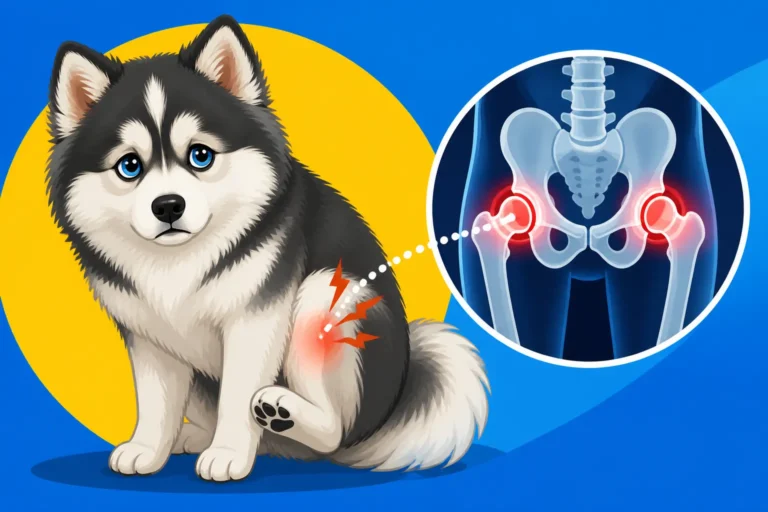
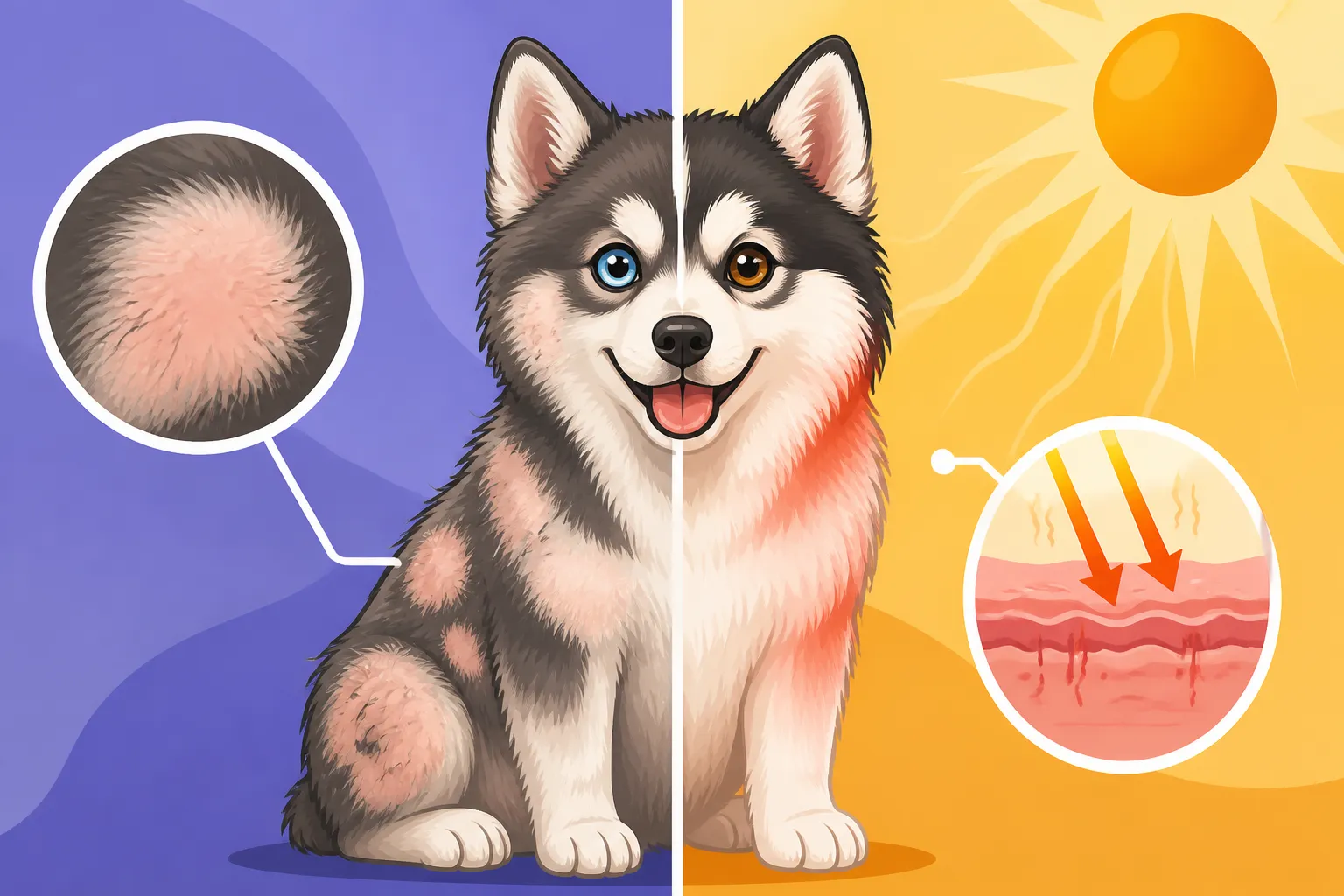
Alopecia X is a non-inflammatory skin disorder characterized by the gradual loss of hair, often starting in the flanks, hindquarters, or areas of friction, eventually spreading to cover much of the body. Unlike typical shedding, the hair simply doesn't regrow, leaving patches of skin completely bare or with only sparse guard hairs. The skin in affected areas can also change; it might become hyperpigmented (darkened), thickened, dry, or even scaly. This isn't just a surface issue; the very structure of the skin changes without the insulating and protective layer of a full coat. If you’ve noticed The First Bald Patch on a Pomsky, it’s crucial to understand what’s happening beneath the surface.
Why Pomskies Are Prone to Alopecia X?
The exact cause of Alopecia X remains a bit of a mystery, but it's widely believed to have a genetic component. Breeds like Pomeranians, Siberian Huskies (though less common than Pomeranians), Alaskan Malamutes, and Samoyeds are frequently affected, and the Pomsky, being a hybrid of the Pomeranian and Husky, inherits this predisposition. It often manifests in young to middle-aged adult dogs, typically between one and ten years old, though The Age Alopecia X Starts in a Pomsky can vary. While often considered a cosmetic issue, the underlying changes mean the skin, which normally enjoys the robust protection of a dense double coat, is now exposed to environmental elements it was never designed to face directly. It's a stark contrast to The Pomsky That Carries a Husky Coat at Twenty Pounds, whose natural defenses are fully intact.
The Direct Impact of Hair Loss on Skin Protection
Imagine losing your thickest, warmest winter coat, and then having to face a blizzard in nothing but a t-shirt. That’s somewhat analogous to what happens when a Pomsky loses its double coat to Alopecia X. The thick, insulating undercoat and the tougher guard hairs of a normal Pomsky coat provide a natural barrier against the elements – not just cold, but also heat, irritants, and crucially, ultraviolet (UV) radiation from the sun. Without this natural shield, the skin is completely exposed. This exposure means the skin's delicate layers are now directly assaulted by UV rays, leading to concerns beyond just warmth, touching upon issues like Whether Alopecia X Hurts a Pomsky due to environmental factors.
The Undeniable Risk of Sunburn for Affected Pomskies
For a Pomsky with a full, healthy double coat, sunburn isn't usually a major concern, at least not in casual daily exposure. Their dense fur is a marvel of natural engineering, designed to keep them comfortable in a range of temperatures and protect their skin. However, once that protective barrier is compromised by Alopecia X, the situation changes dramatically.
How a Double Coat Protects Against UV Rays
A Pomsky's double coat, inherited from both its Husky and Pomeranian parents, is designed for extreme conditions. The soft, dense undercoat provides insulation against both cold and heat, trapping air and regulating body temperature. The longer, tougher guard hairs form an outer layer that sheds water, dirt, and provides a physical barrier against environmental damage, including the sun's harmful UV rays. Think of it as natural, built-in sunscreen and insulation all in one. This incredible natural protection is what makes a typical Pomsky so resilient. The article, What Alopecia X Does to a Pomsky's Coat, further elaborates on this devastating loss of natural protection.
The Vulnerability of Exposed Skin
When Alopecia X causes a Pomsky's coat to thin or disappear, especially across its back, flanks, and belly, that skin loses its primary defense. This exposed skin is remarkably similar to human skin in its vulnerability to the sun. It contains melanocytes that produce melanin, but often not enough to provide significant protection against strong UV radiation. Just like us, prolonged exposure can lead to redness, inflammation, and damage to skin cells. Areas like the nose and ear tips, which naturally have less hair, become even more susceptible, mirroring the challenges seen in conditions like skin crusting around the mouth if not properly moisturized.
Signs of Sunburn on a Pomsky's Skin
Spotting sunburn on your Pomsky isn't always as obvious as it might be on human skin, but there are clear indicators. Initially, you might notice the skin looking redder than usual, particularly in areas that have been directly exposed to the sun. It can also feel warm to the touch and be tender, causing your Pomsky to flinch or show discomfort when touched. In more severe cases, the skin might become inflamed, blister, or even peel, much like a bad human sunburn. Secondary issues can also arise, such as increased itchiness, dryness, or even bacterial infections if the skin barrier is significantly damaged. Regular checks are vital, especially since conditions like Hot Spots Under a Pomsky's Undercoat can also present as skin irritation, though for different reasons.
Essential Strategies for Sun Protection
Protecting a Pomsky with Alopecia X from sunburn requires a proactive and consistent approach. You need to become their guardian against the sun's rays, implementing several layers of defense to keep their delicate skin safe and healthy.
Limiting Sun Exposure During Peak Hours
This is perhaps the simplest and most effective strategy. The sun's UV radiation is strongest between 10 AM and 4 PM. During these hours, it's best to keep your Pomsky indoors or ensure they have access to deep shade. If you must go outside, keep walks short and stick to shaded paths. Early morning or late afternoon outings are ideal. Think about setting up a comfortable, shaded spot in your yard with an umbrella or a dog house, but always supervise to ensure they stay within that protected zone. Even on cloudy days, UV rays can penetrate, so never assume your Pomsky is completely safe just because the sun isn't shining brightly.
Safe Sunscreen Options for Dogs
Yes, dog-specific sunscreen is a thing, and it can be a lifesaver for Pomskies with Alopecia X. It’s crucial, however, to use products formulated specifically for pets, as many human sunscreens contain ingredients like zinc oxide or para-aminobenzoic acid (PABA) that can be toxic if ingested (and dogs will lick it off). Look for broad-spectrum sunscreens that are fragrance-free and waterproof. Apply it generously to all exposed skin, especially the ears, nose, belly, and any bald patches. Reapply frequently, especially after swimming or if your dog has been licking the area. Brands like Epi-Pet and My Dog Nose It! offer good options. Remember, even with sunscreen, it's not an excuse for unlimited sun exposure.
Protective Clothing and Gear
This might sound a bit fancy, but specialized UV-protective clothing for dogs is a fantastic solution. Rash guards, lightweight shirts, and full-body suits made from UV-blocking fabric can provide excellent coverage for their torso and back, the areas most commonly affected by Alopecia X. Look for fabrics with a UPF (Ultraviolet Protection Factor) rating, similar to what you'd find in human athletic wear. For their heads and ears, dog hats or visors can offer some protection, though many dogs aren't keen on wearing them. This gear creates a physical barrier that sunscreen alone sometimes can't match, or at least provides an extra layer of reassurance.
Regular Skin Checks and Veterinary Care
Regularly examining your Pomsky's skin is paramount. Get into the habit of gently parting any remaining fur and looking closely at their skin for any signs of redness, dryness, flaking, or tenderness. If you notice any of these, or if your Pomsky is unusually itchy or uncomfortable, a visit to your veterinarian is in order. They can assess the severity of any sunburn, treat secondary infections, and offer advice on managing the skin changes associated with Alopecia X. Remember, early detection and intervention can prevent minor issues from becoming major problems. Maintaining consistent veterinary check-ups for your Pomsky is crucial for managing chronic conditions. While Alopecia X isn't life-threatening, secondary issues like severe sunburn or skin infections can be. Having a good pet insurance plan, perhaps with a provider like Healthy Paws, can certainly offer peace of mind when unexpected vet bills for skin conditions or other health concerns arise. They can cover diagnostics, medications, and ongoing treatments, which can add up over time. It's always wise to discuss potential long-term care costs with your vet and consider pet insurance options from providers like Healthy Paws or similar to safeguard your Pomsky's health.
Long-Term Care and Monitoring for Skin Health
Managing a Pomsky with Alopecia X goes beyond just preventing sunburn; it involves a holistic approach to their overall skin health. Since their skin is no longer shielded by a full coat, it becomes more susceptible to a myriad of environmental factors, requiring ongoing vigilance and care.
Moisturizing and Barrier Support
The exposed skin of a Pomsky with Alopecia X can become quite dry and flaky due to the lack of natural oils typically distributed by the hair and the exposure to air. Regular moisturizing is essential to maintain skin elasticity and support its natural barrier function. Look for pet-safe moisturizers, balms, or soothing sprays containing ingredients like colloidal oatmeal, aloe vera, or ceramides. Gentle, lukewarm baths with specialized hydrating shampoos can also help. After bathing, always ensure the skin is thoroughly but gently dried, as damp skin can become a breeding ground for bacteria or yeast, leading to issues like Whether a Pomsky Gets Yeast in Its Coat. Consistency is key to keeping their skin comfortable and preventing cracks or irritation.
Nutritional Support for Skin and Coat
While Alopecia X is not directly caused by nutritional deficiencies, a well-balanced diet rich in skin and coat-supporting nutrients can certainly help improve overall skin health and potentially support any remaining hair. Look for high-quality dog foods that list animal protein as the primary ingredient and are fortified with omega-3 and omega-6 fatty acids (like fish oil or flaxseed oil), which are known for their anti-inflammatory properties and ability to support skin barrier function. Biotin, vitamin E, and zinc can also play a role in skin health. Always consult with your vet before introducing any new supplements, as too much of a good thing can sometimes be harmful. While Whether a Pomsky Needs Extra Zinc is more specific to conditions like Zinc Responsive Dermatosis, general skin health benefits from balanced nutrition.
Monitoring for Secondary Skin Issues
Beyond sunburn, Pomskies with Alopecia X are more prone to other dermatological problems. The compromised skin barrier can make them more susceptible to bacterial or fungal infections. Keep an eye out for any persistent redness, pustules, scabs, strong odors, or increased scratching and licking. Hyperpigmentation (darkening of the skin) is also common and, while usually harmless, can sometimes mask other issues. Regularly checking their skin, paying attention to any changes in texture, color, or temperature, is crucial. If you notice anything unusual, don't hesitate to reach out to your vet. Being vigilant can prevent discomfort and more serious health complications, underlining why careful consideration of Insuring a Pomsky Against Two Parent Breeds for comprehensive coverage is so important.
What to Do If Your Pomsky Gets Sunburned
Even with the best precautions, accidents can happen, and your Pomsky might end up with a mild sunburn. Knowing how to react quickly and effectively can minimize their discomfort and prevent further complications.
Immediate First Aid for Mild Sunburn
If you suspect your Pomsky has a mild sunburn (slight redness, warm to the touch, minor tenderness), the first step is to get them out of the sun immediately and keep them in a cool, shaded, indoor environment. You can apply cool (not cold) compresses to the affected areas for 10-15 minutes at a time, several times a day. A pet-safe aloe vera gel (ensure it contains no alcohol or other irritating additives) can also be gently applied to soothe the skin. Avoid any products designed for humans unless specifically approved by your vet, as they might contain toxic ingredients if licked. Keep a close eye on them, and prevent them from licking or scratching the burned areas, which could lead to infection.
When to Seek Veterinary Attention
Not all sunburns can be managed at home. If your Pomsky's sunburn is severe, extensive, blistering, or appears to be causing them significant pain or discomfort, contact your vet immediately. Signs like lethargy, fever, loss of appetite, or persistent vomiting alongside sunburn could indicate heatstroke or a more serious reaction, requiring urgent professional care. Your vet might prescribe pain relief, anti-inflammatory medications, or antibiotics if a secondary infection has set in. They can also offer wound care specific to your dog's condition and provide guidance on how to prevent future occurrences, which can sometimes be covered by a good pet insurance policy from providers like Healthy Paws.
Preventing Recurrence and Long-Term Damage
Once your Pomsky has had a sunburn, their skin becomes even more sensitive and susceptible to future damage. It's a clear warning sign that your current sun protection strategy needs to be re-evaluated and strengthened. This might mean adjusting your outdoor schedule even more strictly, investing in higher UPF-rated clothing, or finding a more effective pet-safe sunscreen. Consistent protection is not just about avoiding immediate discomfort; repeated sunburns can increase the risk of skin cancer and other chronic skin conditions in the long run. Just as you might regularly groom for a normal coat, understanding The Grooming Bill on a Double Coated Pomsky for a healthy one highlights the preventative care needed for affected Pomskies as well.
Comparative Table of Sun Protection Methods
Here's a quick look at common sun protection methods, their benefits, and considerations for your Pomsky with Alopecia X:
| Method | Pros | Cons | Best Use For |
|---|---|---|---|
| Shade/Indoor Time | Most effective, natural, no cost | Limits outdoor activity, requires vigilance | All Pomskies, especially during peak hours |
| Pet-Specific Sunscreen | Direct skin protection, flexible application | Needs frequent reapplication, can be licked off, cost | Exposed skin areas like nose, ears, belly, bald patches |
| UV Protective Clothing | Physical barrier, good coverage, comfortable | Some dogs dislike clothing, may not cover all areas, cost | Torso, back, large areas of hair loss |
| Dog Hats/Visors | Protects face and eyes from direct sun | Many dogs resist wearing them, limited coverage | Head and face, in conjunction with other methods |
| Early/Late Walks | Avoids peak UV, good for exercise | Requires schedule adjustment, still need caution | Daily exercise routine |
Disclaimer
The information provided in this article is for general informational purposes only and is not a substitute for professional veterinary advice. Always consult with a qualified veterinarian for any health concerns or before making any decisions related to your Pomsky's health and treatment.