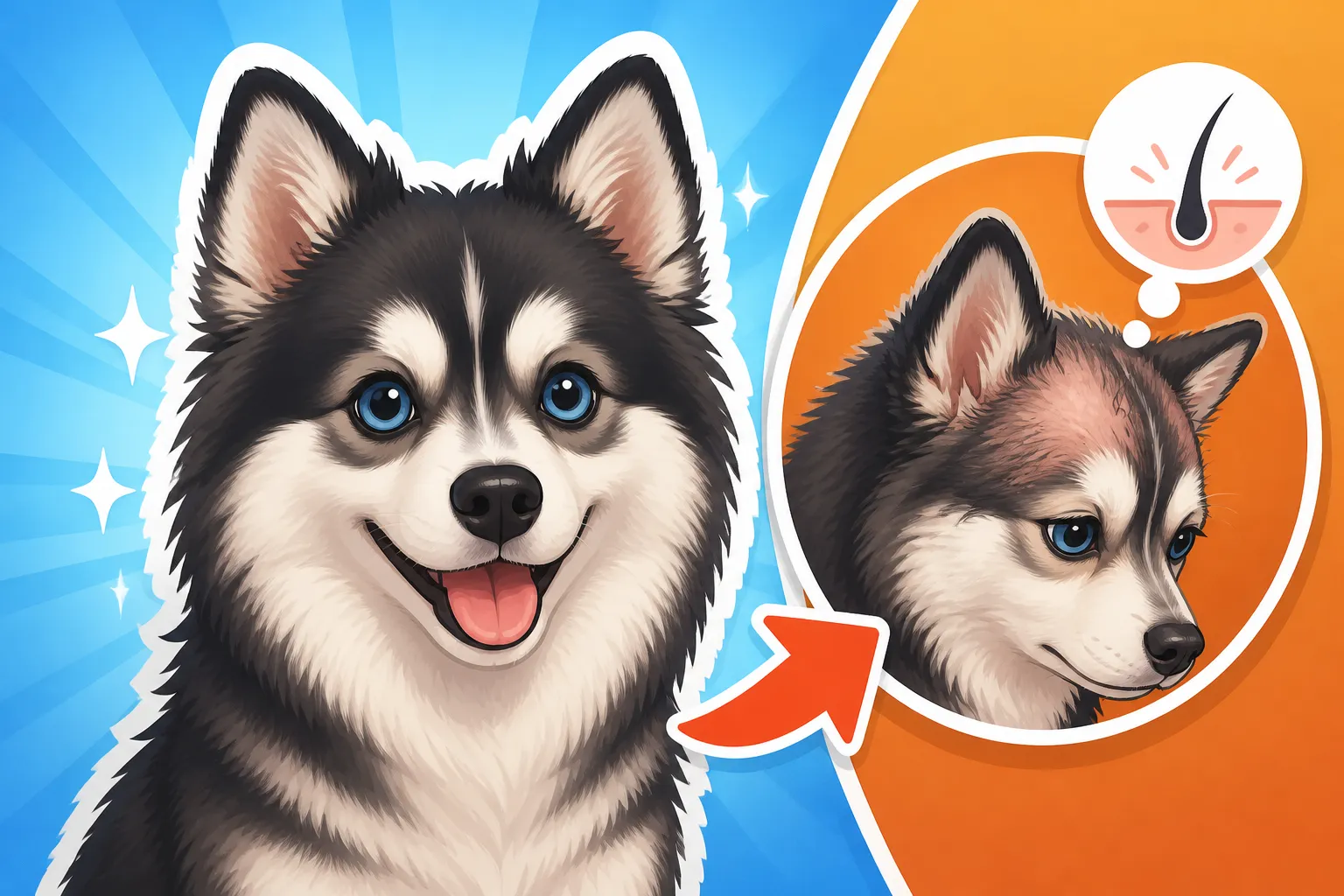
The Age Alopecia X Starts in a Pomsky
It’s incredibly disheartening when you bring home a fluffy Pomsky puppy, envisioning years of soft, thick fur, only to start noticing patches of thinning hair or even complete baldness as they grow. This sudden change can be alarming, confusing, and often, quite upsetting for any devoted dog parent. You might wonder if you did something wrong, or if this is a sign of a more serious underlying health issue. This comprehensive guide is here to shed light on Alopecia X in Pomskies, focusing specifically on when this frustrating condition typically begins and what you, as an owner, need to know to recognize and manage it.
Understanding Alopecia X in Pomskies
Alopecia X, often referred to by a handful of less-than-charming names like Black Skin Disease, Coat Funk, or Adrenal Hyperplasia-Like Syndrome, is a perplexing skin disorder that primarily affects Nordic breeds and their mixes, including our beloved Pomskies. It’s essentially a condition where a dog's hair follicles stop producing hair, leading to progressive baldness and often a darkening of the skin in the affected areas. While it doesn’t usually cause physical discomfort, the cosmetic impact can be quite dramatic, leaving owners feeling helpless and their furry friends looking quite different from the fluffy companions they once were.
This condition isn’t fully understood, which is part of what makes it so frustrating for owners and vets alike. It's often diagnosed by exclusion, meaning veterinarians rule out other known causes of hair loss before landing on Alopecia X. The good news is that, while visually striking, it’s not life-threatening. However, it does require a mindful approach to care and can be a long-term commitment. To truly understand what this condition means for your Pomsky's fur, you might want to read our detailed guide on What Alopecia X Does to a Pomsky's Coat.
What is Alopecia X?
At its core, Alopecia X is a non-inflammatory dermatosis characterized by progressive hair loss. Unlike allergies or infections, there's usually no itching or redness initially, just the hair disappearing. The "X" in its name signifies that the exact cause remains unknown, hence why it's a diagnosis of exclusion. Researchers believe it's likely a complex interplay of genetic predispositions and hormonal imbalances, particularly related to sex hormones and adrenal gland activity, though specific endocrine test results often appear normal.
What makes it unique is that the hair follicles aren’t dead; they're just dormant. They stop moving through their normal growth cycle, getting stuck in a resting phase. This means that while hair production ceases, the follicles themselves are still present, offering a glimmer of hope that hair regrowth might be possible with certain treatments or spontaneous remission, although the latter is rare. It’s this mysterious nature that often leaves owners grasping for answers, especially when their Pomsky starts losing its beautiful coat.
Why Pomskies are Prone to Alopecia X
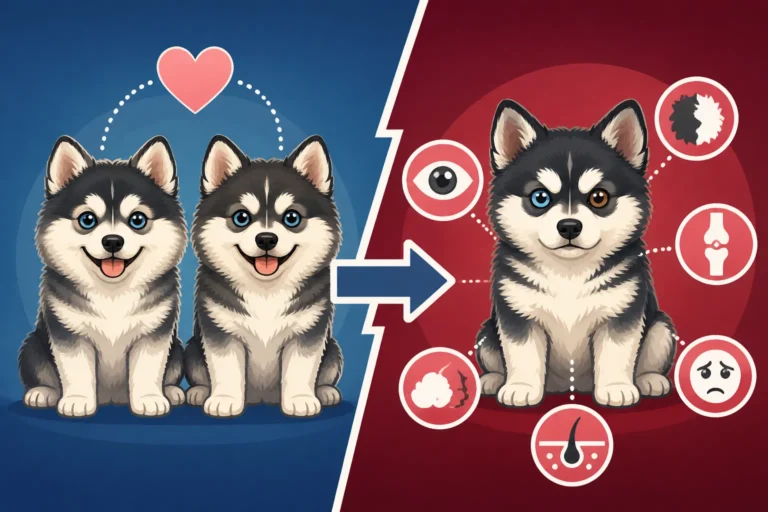
Pomskies inherit their genetic blueprint from two distinct breeds: the Siberian Husky and the Pomeranian. Both parent breeds are known to carry a predisposition for Alopecia X, which naturally makes their offspring, the Pomsky, also susceptible. The Pomeranian, in particular, is highly associated with the condition, with many lines showing a genetic tendency towards it. While not every Pomsky will develop Alopecia X, the presence of these genes from both sides of their lineage significantly increases the likelihood.
This genetic vulnerability is a key factor when considering a Pomsky. Responsible breeders often screen their breeding dogs and are transparent about any instances of Alopecia X in their lines, but even with careful breeding, the condition can sometimes appear unexpectedly. It’s not a reflection of poor care or nutrition; it’s simply a genetic lottery that some Pomskies unfortunately "win." Whether a Pomsky Inherits Alopecia X is a critical read for prospective owners looking to mitigate this risk.
Typical Onset Age for Alopecia X in Pomskies
One of the most common questions owners have when facing this diagnosis is, "When does it usually start?" The truth is, there isn't one single answer, and the variability can be as frustrating as the condition itself. Alopecia X can strike at various stages of a Pomsky's life, from puppyhood to senior years, though certain patterns are more frequently observed. This wide range makes early detection a bit challenging, as some signs might be dismissed as normal puppy coat changes or minor seasonal shedding.
The onset can be gradual, often starting subtly before becoming dramatically evident. This slow progression means that by the time you're truly concerned, your Pomsky might have already lost a significant amount of hair. Keeping a close eye on your Pomsky's coat from a young age is crucial, especially if you're aware of the breed's predisposition to this condition.
The Range of Onset
While Alopecia X can technically appear at any age, it is most commonly diagnosed in young adult dogs, typically between 1 and 5 years of age. This seems to be a peak period for hormonal fluctuations and genetic expressions that might trigger the dormant hair follicles to shut down. However, don't be surprised if you hear stories of earlier or later onset. Some Pomskies might show signs as early as 6-9 months, when their puppy coat is transitioning into their adult coat. This can be particularly confusing, as shedding during this period is normal, masking the early symptoms of Alopecia X.
On the other end of the spectrum, it's not unheard of for older Pomskies, even those beyond 7 or 8 years old, to develop Alopecia X, though this is less common. In these cases, it might be triggered by age-related hormonal shifts or other concurrent health issues that stress the system. The variability underscores why a thorough diagnostic process is essential, regardless of your Pomsky's age, to ensure all other potential causes of hair loss are investigated.
Factors Influencing Early or Late Onset
Several factors can influence when Alopecia X decides to make its unwelcome appearance. Genetics, as mentioned, plays a significant role. If your Pomsky has a stronger genetic predisposition from parents who developed the condition early, there's an increased chance your pup might too. However, genetics isn't the only player.
Hormonal changes are often implicated. Neutering or spaying, for example, is a major hormonal event that some owners report coincides with the onset or worsening of Alopecia X. While neutering doesn't cause Alopecia X, the drastic change in sex hormone levels might act as a trigger in genetically predisposed individuals, effectively "flipping the switch" on the dormant hair follicles. For more on this, check out Whether Neutering Triggers a Pomsky's Coat Loss. Stress, diet, and environmental factors are also sometimes cited as potential contributors, though their exact impact on the onset of Alopecia X is less clear and often anecdotal. It's a complex puzzle, and for many owners, the onset remains an inexplicable mystery.
Recognizing the First Signs of Alopecia X
Identifying Alopecia X early can be tricky because the initial signs are often subtle and can mimic other common doggy ailments or even normal shedding. It’s not like a sudden, dramatic loss of fur overnight. Instead, it’s a gradual process that can unfold over weeks or months, leaving owners to wonder if they’re just being overly worried or if something truly is amiss. The key is to be observant and know what to look for, especially in those prime onset years.
Paying close attention to your Pomsky’s coat texture, density, and skin health can provide valuable clues. Don’t dismiss slight changes as simply "seasonal shedding" if they seem more persistent or concentrated in unusual areas.
Initial Coat Changes
The very first signs of Alopecia X often involve changes in the quality and density of the coat, rather than immediate bald patches. You might notice the guard hairs (the longer, coarser outer coat) becoming duller, coarser, or appearing more sparse. Instead of standing out, they might lie flat against the body. This is often followed by a noticeable thinning of the undercoat, which is typically so dense in Pomskies. The fur might start to feel less plush and more sparse, particularly over the trunk and hindquarters.
One of the tell-tale signs is the loss of primary guard hairs, leaving behind a soft, woolly undercoat that then also thins out. This can give the dog a somewhat "puppy-like" fluffy appearance even in adulthood before that fluff also disappears. You might also notice a loss of hair around the friction points, like the collar area or where their legs rub against their body, but the more distinctive pattern is often symmetrical hair loss on the trunk and flanks. Our article on The First Bald Patch on a Pomsky dives deeper into these initial indicators.
Skin Manifestations
As the hair loss progresses, the skin underneath begins to show changes. The most common skin manifestation is hyperpigmentation, where the skin in the bald areas starts to darken, often turning a grayish, brownish, or even blackish color. This is what leads to one of the condition's common nicknames, "Black Skin Disease." The texture of the skin can also change; it might become dry, flaky, or even feel somewhat leathery or thickened (lichenification) in chronic cases due to exposure and lack of protection from the elements.
While Alopecia X itself is not typically itchy, the exposed skin can become more vulnerable to secondary skin infections (bacterial or yeast) if not properly cared for. These secondary infections can cause itching, redness, and discomfort, further complicating the picture. So, if you notice your Pomsky scratching at bald, darkened skin, it's time for a vet visit, as it might be a secondary issue needing attention. When dealing with unexpected vet visits for skin conditions, having pet insurance like Healthy Paws can be a real lifesaver, helping cover diagnostic tests and ongoing treatments.
Differentiating Alopecia X from Other Coat Issues
Because Alopecia X is a diagnosis of exclusion, it’s absolutely vital to rule out other conditions that cause similar hair loss. This process can be extensive, involving various tests, and might require several vet visits, which can be frustrating and costly. However, accurately identifying the cause is crucial for effective treatment. You don't want to treat Alopecia X if your Pomsky actually has a thyroid issue, for example.
A thorough veterinary examination, often including blood tests, skin biopsies, and sometimes more specialized endocrine testing, will be necessary. This is where a good relationship with your vet and potentially a veterinary dermatologist becomes invaluable.
Ruling Out Hypothyroidism and Cushing's Disease
Two of the most common conditions that mimic Alopecia X are hypothyroidism and Cushing's Disease (hyperadrenocorticism). Both are endocrine disorders that can lead to symmetrical, non-itchy hair loss on the trunk, often with changes in skin pigmentation.
- Hypothyroidism: This occurs when the thyroid gland doesn't produce enough thyroid hormone. Besides hair loss, other signs can include weight gain, lethargy, cold intolerance, and a dull coat. Diagnosing hypothyroidism usually involves a simple blood test to measure thyroid hormone levels. Our guide, Whether a Pomsky's Coat Loss Is Thyroid or Alopecia X, offers a deeper dive into distinguishing these.
- Cushing's Disease: This condition results from an overproduction of cortisol by the adrenal glands. Symptoms can include increased thirst and urination, increased appetite, a pot-bellied appearance, muscle weakness, and thin skin, in addition to hair loss. Diagnosing Cushing's is more complex, involving multiple blood tests (like ACTH stimulation test or low-dose dexamethasone suppression test). You can find more specific information on Whether Cushing's Looks Like Alopecia X in a Pomsky for clarity.
It’s easy to see why these can be confused with Alopecia X, as the visual signs of hair loss are so similar. This is why your veterinarian will perform these tests first to methodically eliminate these treatable conditions before confirming Alopecia X.
Distinguishing from Seasonal Flank Alopecia and Post-Clipping Alopecia
Beyond major endocrine issues, there are other types of alopecia that can affect Pomskies and might be mistaken for Alopecia X:
- Seasonal Flank Alopecia: As the name suggests, this condition causes hair loss primarily on the flanks (sides of the body) and is typically seasonal, often recurring in winter months. The skin in affected areas can also become hyperpigmented. The key difference here is the seasonal pattern and the specific location of hair loss, which tends to be very localized to the flanks, unlike the more generalized trunk involvement often seen in Alopecia X. The hair usually regrows spontaneously in the warmer months.
- Post-Clipping Alopecia: This is a phenomenon where hair fails to regrow normally after being clipped or shaved, especially in double-coated breeds like Pomskies. If your Pomsky's coat was shaved for surgery or grooming, and the hair hasn't grown back for months, it might be post-clipping alopecia. This is a crucial distinction from Alopecia X, which occurs spontaneously. Our post on Whether Shaving Triggers Coat Loss in a Pomsky provides important warnings about this very real risk.
A thorough medical history, including any recent grooming or changes in your Pomsky's environment, combined with diagnostic tests, helps veterinarians pinpoint the exact cause of hair loss. This diagnostic journey can be lengthy and sometimes involves specialized consultations. Having pet insurance, like a plan from Healthy Paws, can significantly reduce the financial stress of these investigations.
Managing Alopecia X in Pomskies
Once Alopecia X is diagnosed, the focus shifts to management. It’s important to manage expectations: there’s no guaranteed "cure," but there are various approaches that can lead to some hair regrowth or at least improve skin health. The treatment journey often involves trial and error, patience, and a commitment to ongoing care.
Remember, the primary goal is to keep your Pomsky comfortable and healthy, even if their coat doesn't return to its original glory. Embracing their unique look becomes part of the journey.
Treatment Approaches and Expectations
One of the most commonly discussed treatments for Alopecia X is melatonin supplementation. Many owners and veterinarians report success with melatonin, which is believed to help reset the hair cycle. It's often given orally, and while it doesn't work for every dog, it’s generally safe with few side effects. Regrowth, if it occurs, can take several months to become noticeable, and consistency is key. To learn more about this specific approach, check out What Melatonin Does for a Pomsky With Alopecia X.
Other approaches can include:
- Specialized Shampoos and Conditioners: Products designed for sensitive skin or those containing ingredients like sulfur or salicylic acid can help improve skin health, reduce flakiness, and prevent secondary infections.
- Neutering/Spaying: While neutering can trigger Alopecia X in some cases, surprisingly, in intact dogs already showing signs, it can sometimes lead to hair regrowth due to the resulting hormonal shift. This is a complex decision that should be discussed thoroughly with your vet.
- Micro-needling: A more recent, experimental approach involves using a micro-needling device to stimulate hair follicles. Some anecdotal evidence suggests it can encourage regrowth, but it's not widely adopted yet.
- Growth Hormone Therapy: This is generally reserved for severe cases and carries more risks, so it's less commonly used.
It's crucial to understand that even with successful regrowth, the hair might not be as thick, long, or vibrant as before. Relapses are also common, meaning hair might grow back and then fall out again. This can be frustrating, but knowing it's a possibility helps manage expectations.
Long-Term Care and Living with Alopecia X
Living with a Pomsky with Alopecia X means ongoing care. The exposed, hyperpigmented skin needs extra attention.
- Sun Protection: Bald areas are highly susceptible to sunburn. Whether a Pomsky With Alopecia X Sunburns is a definite concern, so applying dog-safe sunscreen (like those from Epi-Pet or Espree) to exposed skin, especially during peak sun hours, is vital. Dog apparel, such as lightweight sun shirts, can also provide physical protection.
- Temperature Regulation: With less insulating fur, Pomskies with Alopecia X might be more sensitive to cold weather. Investing in warm sweaters or coats for winter walks is a good idea. Similarly, they might struggle more in extreme heat without their protective double coat, so always ensure they have shade and stay cool.
- Preventing Secondary Infections: Regular bathing with appropriate shampoos and keeping the skin clean can help prevent bacterial or yeast infections that thrive on exposed skin. If you notice redness, itching, or a foul odor, consult your vet promptly.
- Emotional Support: While your Pomsky might not care about their appearance, you might. It's okay to feel sad about the change, but remember your Pomsky is still the same loving companion. Focus on their health and happiness. You may be wondering Whether a Pomsky's Coat Grows Back, and while it can sometimes, preparing for ongoing management is key.
Here’s a quick overview of potential treatments and considerations:
| Treatment / Approach | Description | Typical Outcome | Considerations |
|---|---|---|---|
| Melatonin Supplementation | Oral supplement, believed to reset hair cycle. | Variable; some regrowth, not guaranteed. | Generally safe, inexpensive. Requires consistent daily dosing for months. |
| Neutering/Spaying | Surgical removal of reproductive organs. | Can trigger or induce regrowth (if already present). | Major surgery. Discuss with vet, especially if already showing signs. |
| Specialized Shampoos/Conditioners | Topical treatments for skin health (e.g., sulfur, salicylic acid). | Improves skin health, prevents secondary infections. | Regular use required. Does not induce hair growth, but supports healthy environment for it. |
| Micro-Needling | Using small needles to stimulate follicles. | Experimental; anecdotal reports of regrowth. | Requires specialized equipment/training. Not widely available or proven. |
| Sun Protection / Clothing | Sunscreen or protective shirts. | Prevents sunburn and skin damage. | Essential for bald areas; needs consistent application/use. |
| Moisturizers / Skin Balms | Topical applications for dry, thickened skin. | Improves skin comfort and flexibility. | Use dog-safe products; avoid anything that could be ingested if licked. |
The Emotional Impact on Owners
Discovering your Pomsky has Alopecia X can be quite an emotional rollercoaster. You fall in love with their fluffy, vibrant coat, only to watch it disappear, sometimes leaving behind darkened, bald skin. This can lead to feelings of sadness, guilt, frustration, and even embarrassment, though you certainly have nothing to be ashamed of. It’s a very common human reaction to changes in a beloved pet's appearance, especially when it affects their defining characteristics.
It’s important to acknowledge these feelings and give yourself grace. You’re not alone in experiencing them. Connecting with other Pomsky owners or joining online communities focused on Alopecia X can provide valuable support and shared experiences.
Dealing with the Appearance Change
The aesthetic change can be the hardest part for many owners. Your once-fluffy Pomsky now looks different, and well-meaning but uninformed comments from strangers can sting. "What happened to your dog's fur?" or "Is he sick?" are questions you might hear, and it can feel like you need to constantly explain your dog's condition. Remember, your Pomsky’s worth and your bond with them are not diminished by their coat. They are still the same loving, playful companion inside.
Focus on the positive: Alopecia X doesn't hurt them, doesn't shorten their lifespan, and doesn't affect their personality. Many owners find ways to embrace their Pomsky's unique look, perhaps with stylish dog sweaters or by simply celebrating their individuality. What matters most is that your Pomsky is healthy and happy, and that you provide them with the love and care they need.
Supporting Your Pomsky
While Alopecia X usually doesn't cause physical discomfort, supporting your Pomsky emotionally and physically through their journey is crucial. Ensure they feel loved and confident, despite their changing appearance.
- Routine and Comfort: Maintain a consistent routine, provide plenty of enrichment, and continue with regular exercise and playtime. A happy, well-adjusted dog is a confident dog, regardless of their coat.
- Skin Health and Comfort: Prioritize their skin health with regular vet check-ups. Monitoring their skin for dryness, irritation, or secondary infections is important. Discuss options like What a Skin Workup Costs on a Pomsky with your vet. Ensuring their exposed skin is protected from extreme temperatures and sun will keep them comfortable.
- Unconditional Love: Above all, shower your Pomsky with unconditional love. They look to you for security and affection. Your acceptance of their appearance will reinforce their own confidence. This condition is part of who they are, and with your help, they can live a full, happy life. Breeding decisions are also important; consider Whether an Affected Pomsky Should Be Bred carefully.
Disclaimer
This article is for general informational purposes only and does not constitute professional advice. Laws, prices and regulations vary by location and change over time. Consult a qualified professional for guidance on your specific situation.