How Often a Pomsky’s Teeth Need Scaling
One of the silent struggles many Pomsky parents face isn't just managing their fluffy double coat or their boundless energy, but also keeping their precious smiles healthy. Because of their unique genetic makeup, Pomskies are particularly susceptible to dental issues, often leading to discomfort, bad breath, and even serious health complications if left unchecked. This guide will delve deep into why your Pomsky's teeth need special attention and, most importantly, how often professional dental scaling is truly necessary to ensure they live a long, happy, and healthy life.
Understanding Pomsky Dental Health Challenges
It’s easy to get caught up in the adorable looks and playful antics of a Pomsky, but truly understanding their health needs, especially concerning their oral hygiene, is paramount. Many owners are surprised to learn just how vulnerable this hybrid breed can be to dental problems.
Why Pomskies Are Prone to Dental Issues
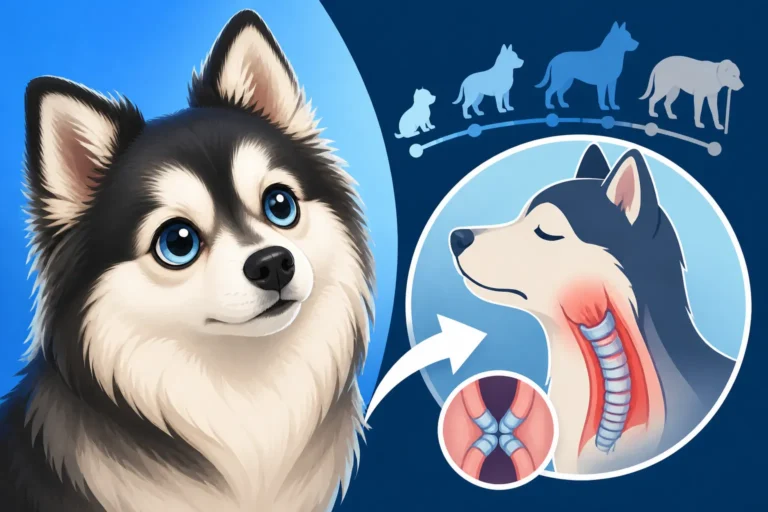
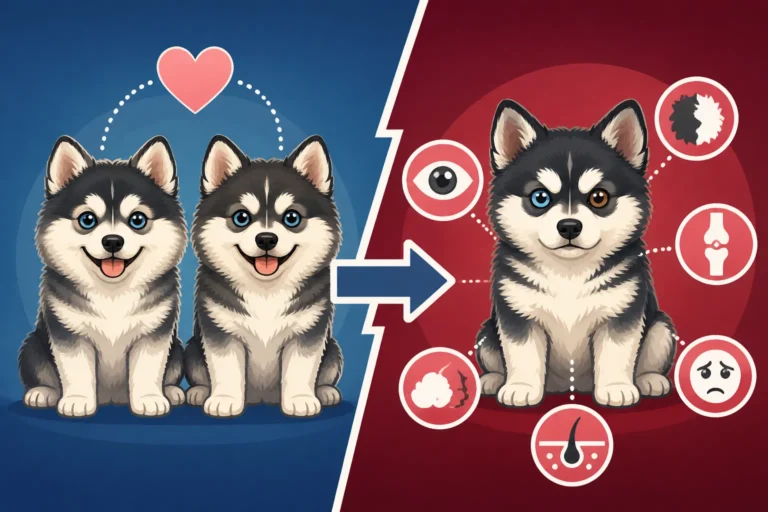
The Pomsky is a charming blend of two distinct breeds: the energetic Siberian Husky and the spirited Pomeranian. While this mix brings out many desirable traits, it also combines genetic predispositions to certain health challenges, and dental issues are high on that list. Pomeranians, being a toy breed, are notoriously prone to severe dental crowding. Their mouths are simply too small for their teeth, leading to misalignment, overlapping, and tight spaces where food particles and bacteria can easily get trapped. This is often described as Dental Crowding in a Pomsky's Small Mouth, a common inherited trait.
When you mix this with the Husky's genetic potential, you can end up with a mouth that has the genetic blueprint for a larger jaw but the actual physical space of a smaller one, or vice-versa, creating an unpredictable landscape for dental health. This crowding isn't just an aesthetic problem; it creates an ideal environment for plaque and tartar to accumulate rapidly. Plaque, a sticky film of bacteria, quickly hardens into tartar (calculus) if not removed. This hardened tartar then irritates the gums, leading to gingivitis, which, if untreated, progresses to periodontal disease – a painful and destructive infection of the tissues supporting the teeth.
Signs Your Pomsky Needs a Dental Cleaning
It's crucial to be vigilant and recognize the subtle, and not-so-subtle, signs that your Pomsky might be in need of a professional dental cleaning. Don't wait for your dog to be in obvious pain, as dogs are masters at hiding discomfort.
The most common and often first noticeable sign is persistent bad breath, often far beyond typical "dog breath." This isn't just unpleasant; it's a clear indicator of bacterial overgrowth in the mouth. Beyond the smell, visually inspect your Pomsky's teeth. Look for a yellowish or brownish buildup, especially on the outside surfaces of their canines and molars. The gumline is another critical area; healthy gums should be pink and firm, not red, swollen, or bleeding. If you notice a red line along the gums or any bleeding when they chew or you gently touch their teeth, it's time for a vet visit.
Behavioral changes can also signal dental pain. Your Pomsky might start dropping food while eating, chewing only on one side of their mouth, or showing a sudden reluctance to eat hard kibble or favorite chews. They might paw at their mouth, excessive drooling could occur, or they might become unusually quiet or withdrawn. Some dogs even become irritable or aggressive when their mouth hurts. Any of these signs warrant immediate veterinary attention, as early intervention can prevent more severe and painful conditions like Dental Disease in a Pomsky's Crowded Mouth.
The Dental Scaling Process for Pomskies
Once you or your vet suspect your Pomsky needs a professional dental cleaning, it’s important to understand what the procedure entails. This isn't just a cosmetic cleanup; it's a thorough medical procedure performed under general anesthesia to ensure safety and effectiveness.
What Happens During a Professional Dental Cleaning
A professional dental cleaning for your Pomsky goes far beyond what you can achieve at home. It begins even before the day of the procedure, with your veterinarian recommending pre-anesthetic bloodwork. This crucial step helps assess your Pomsky's overall health, particularly kidney and liver function, ensuring they can safely metabolize and recover from anesthesia.
On the day of the cleaning, your Pomsky will be carefully anesthetized. This allows the veterinary team to perform a comprehensive and pain-free examination and cleaning. Unlike humans, dogs won't hold still for a deep cleaning, and much of the work needs to happen below the gumline where periodontal disease originates. Once sedated, a trained veterinary technician or veterinarian will meticulously scale away plaque and tartar using specialized ultrasonic and hand instruments. They clean every tooth surface, both above and, critically, below the gumline. After scaling, each tooth is polished to smooth out any microscopic scratches on the enamel, making it harder for plaque to adhere in the future.
The vet will then perform a thorough oral exam, probing around each tooth to measure gum pockets, which can indicate the depth of periodontal disease. Dental X-rays are often taken to assess the health of the tooth roots and jawbone, as much of the disease can hide beneath the gumline, invisible to the naked eye. If any teeth are severely diseased, fractured, or loose, extractions may be performed to alleviate pain and prevent further infection. This entire process is incredibly detailed and forms the bedrock of good oral health for your Pomsky.
The Risks and Benefits of Anesthesia for Small Breeds
It's completely normal for Pomsky owners to feel a knot of anxiety about their small companion undergoing general anesthesia. The thought of Whether Anesthesia Is Riskier on a Small Pomsky is a common and valid concern. While any anesthetic procedure carries inherent risks, modern veterinary medicine has made immense strides in ensuring safety, especially for smaller breeds.
Veterinarians take extensive precautions. Your Pomsky will likely have an intravenous catheter placed to administer fluids throughout the procedure, which helps maintain blood pressure and hydrate organs. During anesthesia, vital signs such as heart rate, respiratory rate, blood pressure, oxygen saturation, and body temperature are continuously monitored by a dedicated veterinary nurse. Specialized equipment, often including warming blankets, helps prevent hypothermia, which small breeds are particularly prone to. Anesthetic protocols are tailored to the individual dog, considering their age, breed, and any pre-existing health conditions.
The benefits of professional dental scaling under anesthesia far outweigh the minimal, carefully managed risks. Untreated dental disease is not just about bad breath or lost teeth; the bacteria from oral infections can enter the bloodstream and travel to major organs like the heart, kidneys, and liver, causing serious systemic health issues. By preventing and treating periodontal disease, you're not just improving your Pomsky's oral comfort but also protecting their overall long-term health and lifespan. Investing in a comprehensive pet insurance plan, such as those offered by Healthy Paws, can also provide peace of mind, covering a significant portion of these essential dental procedures.
Establishing an Optimal Dental Scaling Schedule
There’s no magic number that applies to every Pomsky when it comes to dental scaling. The frequency can vary wildly based on individual factors, making it essential to partner with your veterinarian to create a personalized plan.
Factors Influencing Frequency
Several key factors will influence how often your Pomsky's teeth need professional cleaning:
- Genetics and Oral Anatomy: As discussed, Pomskies often inherit crowded mouths from their Pomeranian side. This predisposition alone can mean faster plaque and tartar accumulation, necessitating more frequent cleanings. Some dogs also have shallower gum pockets or less resilient enamel, making them more susceptible to periodontal disease.
- Age: Generally, younger Pomskies with good home care might need a cleaning every few years. However, as dogs age, their immune systems can weaken, and tartar tends to accumulate faster. An older Pomsky, particularly those past The Birthday a Pomsky Counts as Senior, may require yearly or even bi-annual cleanings.
- Diet: The type of food your Pomsky eats can play a role, though perhaps not as significant as once thought. While hard kibble was historically believed to "clean" teeth, its abrasive action is often minimal. Specialized dental diets, however, are formulated to reduce plaque buildup. Soft or wet food can sometimes contribute to faster plaque accumulation because there’s less mechanical abrasion on the teeth during eating.
- Home Care Routine: This is perhaps the biggest influencer. A Pomsky whose teeth are brushed daily will naturally need professional cleanings less frequently than one with no home care. Regular brushing, using VOHC-approved dental chews, and sometimes water additives can significantly extend the time between veterinary dental procedures.
- Overall Health: Underlying health conditions, especially those affecting the immune system or metabolism, can impact dental health. For example, dogs with diabetes might be more prone to infections, including periodontal disease.
General Guidelines for Scaling Frequency
Given the variables, a general guideline for Pomskies typically ranges from every 1 to 3 years. Many veterinarians will recommend an annual dental check-up, where they can assess the mouth and provide a more precise recommendation for a full cleaning. For Pomskies with excellent home care, a healthy diet, and no particular genetic predispositions, a cleaning every 2-3 years might suffice. However, for those with significant crowding, a history of rapid tartar buildup, or a tendency towards gingivitis, annual cleanings are often recommended.
It's important to understand that this is a proactive measure. Waiting until your Pomsky has severe disease often means more invasive and costly procedures, including multiple extractions. Regular, preventative scaling can help avoid such painful scenarios. During your Pomsky's regular annual health check-ups, often part of The Screening a Pomsky Should Have Yearly, your vet will conduct an oral examination and advise on the most appropriate schedule for your individual dog.
Working with Your Vet to Create a Plan
The best approach is always to consult with your veterinarian. They can conduct a thorough oral examination on your Pomsky and discuss their health history, diet, and your home care routine. Based on this comprehensive assessment, they can recommend a tailored dental care plan.
Don't hesitate to ask questions about the procedure, the estimated cost (understanding What a Pomsky Dental Costs), and any post-procedure care. Discussing your concerns about anesthesia or financial implications is a critical part of this conversation. Many pet insurance plans, like those from Healthy Paws, offer coverage for dental cleanings that are deemed medically necessary, which can be a huge help in managing costs and ensuring your Pomsky gets the care they need. Your vet might also show you how to best care for your Pomsky's teeth at home, empowering you to play an active role in maintaining their oral health between professional cleanings.
Beyond Scaling: Daily Home Dental Care for Pomskies
While professional scaling is crucial, it’s only one part of the equation. What you do at home every day makes an enormous difference in extending the time between vet visits and keeping your Pomsky’s mouth as healthy as possible.
Brushing Your Pomsky's Teeth
This is, without a doubt, the single most effective thing you can do for your Pomsky's dental health. Think of it this way: you brush your teeth every day, right? Your Pomsky's teeth need similar attention. Aim for daily brushing, or at least every other day, to physically remove plaque before it hardens into tartar.
Start slowly and make it a positive experience. Introduce the toothbrush and dog-specific toothpaste (never use human toothpaste, as it contains xylitol and fluoride, which are toxic to dogs). Let your Pomsky lick the toothpaste off the brush first. Then, gently lift their lip and brush just a few teeth, focusing on the outside surfaces where plaque accumulates most. Gradually increase the duration and number of teeth brushed. Lots of praise and a high-value treat afterwards will help your Pomsky associate brushing with good things. It might take time and patience, but it’s a habit worth forming. For a more detailed guide, check out Brushing a Pomsky's Teeth.
Dental Chews and Water Additives
These products can be valuable aids but should never replace brushing or professional cleanings. When choosing dental chews, look for products that have been approved by the Veterinary Oral Health Council (VOHC). This designation means the product has undergone scientific testing and proven to reduce plaque and/or tartar. Popular VOHC-approved chews include Greenies, OraVet Chews, and certain brands of dental treats. They work by providing a mechanical abrasive action as the dog chews, helping to scrape off plaque.
Water additives contain enzymes or other ingredients that help reduce bacteria in the mouth. Simply add the recommended amount to your Pomsky’s drinking water. These can be particularly helpful for dogs who resist brushing. Always introduce any new product slowly and monitor your Pomsky for any digestive upset. Be cautious of extremely hard chews, like bones or antlers, as these can easily fracture teeth, leading to painful emergencies and expensive dental surgery. You can learn more about suitable options in Whether a Pomsky Needs Dental Chews. Many pet insurance plans from providers like Healthy Paws encourage these preventative measures and may even offer wellness plan add-ons that cover such products.
The Role of Diet in Dental Health
While the primary battle against plaque is mechanical (brushing), diet can play a supporting role. Some veterinarians recommend specialized dental diets, which typically feature larger kibble designed to encourage chewing and have a unique texture or coating to prevent plaque from adhering to the tooth surface. These diets are specifically formulated to benefit oral health.
For those considering raw feeding or diets that include raw meaty bones, some proponents argue that the chewing action on these items can help clean teeth. However, raw diets carry their own set of considerations and potential risks, including nutritional imbalances and bacterial contamination, and raw bones can still pose a risk of fracturing teeth. If you're considering a raw diet for your Pomsky, it's essential to do thorough research and discuss it with your veterinarian to ensure it’s balanced and safe. What a Pomsky eats, from standard kibble to specialized diets, has a ripple effect on their overall health, including their teeth. This is especially true when considering Feeding an Old Pomsky or a puppy where you might be monitoring Whether a Pomsky Puppy Crashes on Blood Sugar.
Ultimately, the best diet for your Pomsky's dental health is one that is nutritionally complete and complements a strong foundation of regular home brushing and professional veterinary care. Don't fall for marketing claims alone; always prioritize scientific evidence and your vet's advice. Even if Whether a Pomsky Is a Fussy Eater is a challenge, finding dental-friendly options is important.
Factors Affecting Pomsky Dental Scaling Frequency
| Factor | Impact on Scaling Frequency | General Recommendation |
|---|---|---|
| Oral Anatomy/Genetics | Crowded teeth (common in Pomskies) accelerate plaque/tartar. | May require annual or bi-annual cleanings. |
| Age | Older dogs accumulate tartar faster, higher disease risk. | Annual cleanings often recommended for senior Pomskies. |
| Diet | Soft food, lack of dental-specific kibble. | More frequent cleanings if diet offers no dental benefits. |
| Home Dental Care | Daily brushing significantly reduces plaque/tartar. | Can extend professional cleanings to every 2-3 years. |
| Existing Disease | Presence of gingivitis, periodontal disease, or extractions. | Requires more frequent monitoring and intervention. |
| Individual Health | Systemic diseases affecting immune response or healing. | May necessitate more aggressive dental care schedule. |
Disclaimer
The information provided in this article is for educational purposes only and is not a substitute for professional veterinary advice. Always consult with a qualified veterinarian regarding your Pomsky's specific dental health needs and treatment plans.