Feeding an Old Pomsky
As our beloved Pomskies enter their golden years, many of us start to notice subtle shifts – a bit less zoom around the house, perhaps a longer nap here and there. One of the most common and often frustrating changes is how their relationship with food evolves. What once was a robust appetite might become finicky, or you might worry they're not getting the right nutrients to support their aging bodies. This guide is here to walk you through the nuances of feeding an old Pomsky, helping you navigate their changing dietary needs with confidence and care, ensuring their senior years are as healthy and comfortable as possible.
Understanding the Aging Pomsky's Digestive System
Just like us, our Pomskies' bodies start to slow down and change as they age. What worked for them as a spry three-year-old might not be the best approach when they're hitting double digits. Their digestive system is no exception, and it's often one of the first areas where you'll notice signs of aging. Ignoring these subtle cues can lead to discomfort, nutrient deficiencies, and a general decline in their quality of life.
Why Old Pomskies Eat Less (or Sometimes More)
It's not uncommon for senior Pomskies to experience a decrease in appetite. There are several reasons for this, and it's rarely just one factor at play. Firstly, their metabolism naturally slows down. They're not burning as many calories as they used to, so their body simply doesn't demand as much fuel. Think of it like a car that used to race around the track but now prefers a leisurely Sunday drive – it needs less gas.
Secondly, dental issues can make eating painful. A lifetime of chewing can take its toll, leading to worn teeth, gum disease, or even tooth loss. Imagine trying to eat your favorite crunchy snack with a toothache; it's just not enjoyable. Dental Disease in a Pomsky's Crowded Mouth is a very real concern for this breed. Medications, too, can impact appetite, either by causing nausea or by simply making them feel generally unwell. Some senior Pomskies might also become pickier, having developed strong preferences over the years, or they might struggle with the consistency of their old food. On the flip side, some older dogs might actually become more prone to weight gain if their owners continue to feed them the same amount of food while their activity levels and metabolism decrease. It's a tricky balance to strike, and observation is key.
The Slowing Metabolism and Weight Management
As mentioned, a senior Pomsky's metabolism inevitably decelerates. This means they require fewer calories to maintain their ideal body weight. Continuing to feed them the same portions as their younger, more active selves can quickly lead to unwanted weight gain. And while a few extra pounds might seem harmless, for an older dog, it can exacerbate existing conditions like arthritis or put undue strain on their heart and other organs. Conversely, if an old Pomsky is losing weight unintentionally, it's a huge red flag. This could indicate underlying health issues, malabsorption of nutrients, or simply that they're not consuming enough calories due to discomfort or decreased appetite.
The goal is to find that sweet spot: enough calories to maintain a healthy weight without overburdening their system. Regular weigh-ins and body condition scoring (feeling their ribs, spine, and waist) are crucial here. If you can easily feel their ribs but they're not sticking out, and they have a visible waist when viewed from above, they're likely at a good weight. If you can't feel their ribs without pressing, they might be carrying too much weight. A good veterinarian will help you determine their ideal weight and how to maintain it.
Nutritional Needs Shift as Your Pomsky Ages
Aging brings about specific physiological changes that directly impact nutritional requirements. It's not just about less food; it's about different food. Their bodies become less efficient at absorbing certain nutrients, while the need for others might increase to support organ function and combat age-related decline.
Protein for Muscle Maintenance
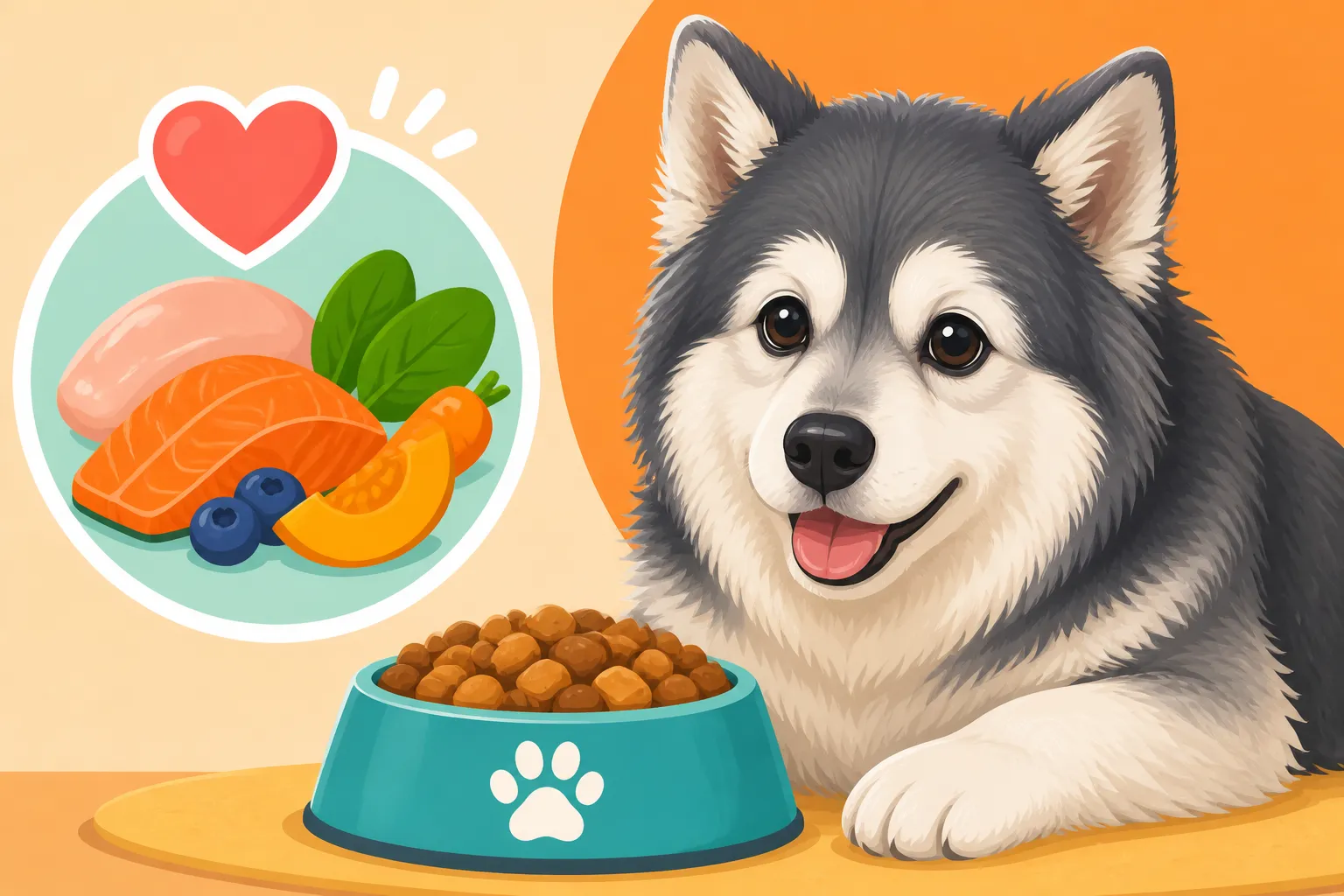
One of the most critical aspects of senior dog nutrition is maintaining muscle mass. As dogs age, they can experience sarcopenia, which is age-related muscle loss. This isn't just about looking frail; strong muscles support joints, aid mobility, and contribute to overall vitality. High-quality, digestible protein is essential to combat this. Many older dog foods actually have higher protein levels than adult formulas, not lower, despite a common misconception. The key is that the protein needs to be highly digestible so their aging digestive system can efficiently use it.
Look for protein sources like chicken, turkey, beef, lamb, or fish, ideally as the first ingredient. While protein is vital, if your Pomsky has pre-existing kidney disease, your vet might recommend a diet with controlled protein levels, as excess protein can sometimes be hard on compromised kidneys. This is why a vet consultation is paramount when making dietary changes for a senior pet.
Fat Content and Calorie Density
While protein needs might increase, fat requirements often decrease for most senior Pomskies, especially if they are less active. Fat is calorie-dense, and if activity levels have dropped, too much fat can quickly lead to weight gain. However, healthy fats, particularly omega-3 fatty acids, remain incredibly important for skin and coat health, reducing inflammation (especially beneficial for joints), and supporting cognitive function. So, it's not about cutting fat entirely, but rather providing the right kind and amount.
Some senior diets will have slightly lower fat content to help manage weight, but they'll often include beneficial fatty acids from sources like fish oil. If your Pomsky is underweight, however, a diet with slightly higher, easily digestible fat might be recommended by your vet to help them put on or maintain crucial weight. It's all about individual needs and what their body is telling you.
Fiber and Digestive Health
An aging digestive system can become a bit sluggish, leading to issues like constipation or irregular bowel movements. Fiber plays a crucial role in promoting healthy digestion and regularity. It also helps dogs feel fuller, which can be beneficial for weight management in those prone to putting on extra pounds.
However, too much fiber can interfere with nutrient absorption, so balance is key. Moderate levels of both soluble and insoluble fiber found in ingredients like beet pulp, rice bran, oats, and various vegetables can be highly beneficial. If your Pomsky is struggling with constipation, a bit more fiber might help, but always introduce new foods or supplements slowly to avoid upsetting their stomach. For a dog that tends to have loose stools, the right balance of fiber can also help firm things up.
Addressing Specific Senior Health Concerns Through Diet
Our older Pomskies are more susceptible to certain health conditions, and nutrition can play a significant supportive role in managing these challenges. A carefully chosen diet can help alleviate symptoms, slow progression, and improve their quality of life. This is where personalized nutrition really shines.
Joint Support Through Diet
Joint pain and stiffness, often due to conditions like arthritis or Slipping Kneecaps in a Pomsky, are incredibly common in older dogs. While diet can't cure these issues, it can certainly help manage the symptoms. Look for senior dog foods that are fortified with joint-supporting ingredients like glucosamine and chondroitin. These compounds are natural building blocks for cartilage and can help reduce inflammation and pain.
Omega-3 fatty acids, particularly EPA and DHA found in fish oil, are also powerful anti-inflammatories that can significantly improve joint comfort. Many senior dog foods will include these, or you can add a high-quality fish oil supplement to their diet. Beyond supplements, keeping your Pomsky at a healthy weight is perhaps the single most important dietary intervention for joint health, as every extra pound puts more strain on their aching joints. Arthritis in a Pomsky at Ten is a real concern, and dietary support is crucial.
Kidney and Heart Health Considerations
As Pomskies age, kidney and heart function can decline. Special diets are often formulated to support these organs. For kidney health, vets often recommend foods with controlled levels of phosphorus and protein. Excessive phosphorus can exacerbate kidney disease, while a moderate, high-quality protein level helps reduce the workload on the kidneys while still maintaining muscle mass. Sodium levels might also be restricted to help manage blood pressure, especially for dogs with heart conditions.
If your Pomsky has been diagnosed with heart disease, a vet might recommend a low-sodium diet to help prevent fluid retention and reduce the burden on their heart. These specialized diets are usually only prescribed by a veterinarian, as getting the balance right is crucial and can vary depending on the stage and severity of the disease. Never make drastic changes to your Pomsky's diet without consulting your vet, especially if they have diagnosed kidney or heart issues. Whether a Pomsky Gets Heart Disease is a topic that can be profoundly impacted by dietary choices in their later years.
Dental Health and Food Consistency
We touched on this earlier, but dental health is such a huge factor for senior dogs that it deserves its own spotlight. Painful teeth or gums can make eating excruciating, leading to reduced appetite or even refusal to eat. If your Pomsky has significant dental issues, hard kibble might become too difficult to chew. In such cases, switching to a softer food, like wet food, or softening their kibble with warm water or broth, can make a huge difference.
Some senior foods are specifically designed with larger, softer kibble that is easier to chew, or have textures that are gentler on sensitive mouths. Even if your Pomsky doesn't have obvious dental problems, regular dental check-ups and cleanings are vital throughout their life, and especially as they age. Consider dental chews designed for senior dogs, or even better, daily toothbrushing with a dog-specific toothpaste, if your Pomsky tolerates it. These small steps can prevent bigger problems down the line and keep them eating comfortably.
Making Mealtime Easier and More Appealing
Sometimes, it's not just what you feed your old Pomsky, but how you feed them. Practical adjustments can make a world of difference in encouraging them to eat and ensuring they get the most from their meals. It’s about creating an inviting and comfortable dining experience for your senior companion.
Adapting Food Presentation and Temperature
An older dog's sense of smell can diminish, and food that once seemed irresistible might lose its appeal. Warming up wet food slightly or adding a little low-sodium chicken or beef broth (check the ingredients to ensure it's plain and dog-safe!) can enhance the aroma and make it much more enticing. Think about how a warm meal smells far more appealing to us than a cold one. For dry kibble, soaking it in warm water for a few minutes can soften it, making it easier to chew and releasing more of its scent.
You might also experiment with elevated food bowls. Bending down can become uncomfortable for dogs with arthritis or neck issues. An elevated bowl can allow them to eat in a more natural, comfortable posture, reducing strain on their joints. You can find many options on platforms like Amazon or Chewy. Sometimes, simply changing the bowl itself – from plastic to ceramic or stainless steel – can make a difference if they have developed a sensitivity or aversion.
Hydration and Adding Moisture to Food
Hydration is crucial for senior dogs, whose kidneys may not be as efficient and who might not drink as much water as they used to. Adding moisture to their food is an excellent way to boost their fluid intake. This can be done by mixing in water, dog-safe broth, or even transitioning to a higher moisture content food, such as canned or fresh dog food. Brands like Ollie offer fresh, human-grade meal options that naturally contain higher moisture.
Always ensure fresh water is available and easily accessible in multiple locations around the house. If your Pomsky struggles to stand for long periods, consider placing water bowls near their resting spots. Some dogs are also enticed by pet drinking fountains, which keep water circulating and fresh. Adequate hydration supports kidney function, helps with digestion, and aids in nutrient absorption, all vital for an aging dog.
Managing Meal Schedules and Treats
As dogs age, their digestive system can become more sensitive, and larger meals might be harder to process. Instead of one or two large meals, consider breaking their daily food allowance into three or four smaller meals throughout the day. This can reduce the load on their digestive system and help prevent blood sugar spikes and crashes, especially if they are prone to Whether a Pomsky Puppy Crashes on Blood Sugar issues, which can sometimes extend into adulthood with other health problems. Consistency is also key; try to feed them at roughly the same times each day.
When it comes to treats, remember that those calories count! Choose healthy, low-calorie options, and factor them into their daily caloric intake, especially if weight management is a concern. Small pieces of plain cooked chicken, carrots, or green beans can make excellent, healthy treats. Avoid highly processed, sugary, or fatty treats. If your Pomsky has specific health conditions, ask your vet about appropriate treat options. Treats are wonderful for bonding and positive reinforcement, but moderation and smart choices are essential for senior health.
When to Consult Your Vet and Diet Choices
You are your Pomsky's best advocate, and recognizing when professional help is needed is part of being a responsible owner. While dietary changes can make a huge positive impact, they should ideally be made in consultation with your veterinarian, especially for senior dogs with existing health conditions.
Recognizing Red Flags and When to Seek Help
It’s important to be vigilant for any changes in your senior Pomsky's eating habits or overall health. Don't dismiss significant appetite loss, sudden weight gain or loss, persistent vomiting, diarrhea, difficulty chewing, or excessive thirst as "just old age." These can be symptoms of underlying medical conditions that require veterinary attention. For instance, The Signs a Pomsky Is Getting Old include many subtle changes, but some are more urgent.
If your Pomsky completely refuses to eat for more than 24 hours, or shows signs of pain while eating, contact your vet immediately. Even more subtle shifts, like a sustained decrease in enthusiasm for food or noticeable changes in stool consistency, warrant a call to your vet. They can perform a thorough examination, including blood work and urinalysis (The Screening a Pomsky Should Have Yearly), to rule out any medical issues that might be impacting their appetite or ability to digest food properly. Early intervention can make a significant difference in managing age-related conditions.
Exploring Commercial Senior Diets
The market is flooded with dog food options, and dedicated "senior" formulas are widely available. These diets are typically formulated with the unique needs of older dogs in mind: controlled calorie content, higher quality protein, appropriate fiber levels, and often fortified with joint supplements like glucosamine and chondroitin, and omega-3 fatty acids. Brands carried by pet retailers like Chewy often have a wide selection of senior-specific foods.
However, not all senior diets are created equal, and what works for one Pomsky might not work for another. Read ingredient labels carefully, prioritizing whole protein sources and avoiding excessive fillers or artificial ingredients. Your vet can provide recommendations based on your Pomsky's specific health profile, breed predispositions, and activity level. Some dogs might thrive on a general senior diet, while others might need a prescription diet tailored to conditions like kidney disease or severe arthritis.
Home-Cooked Options and Supplements
For some senior Pomskies, a home-cooked diet can be a wonderful option, offering greater control over ingredients and palatability, especially for picky eaters or those with multiple sensitivities. However, home-cooked meals must be nutritionally balanced, which is harder than it sounds. Simply feeding cooked chicken and rice long-term can lead to serious nutritional deficiencies. If you're considering a home-cooked diet, work closely with a veterinary nutritionist to develop a balanced recipe tailored to your Pomsky's specific needs.
Supplements, like fish oil for joint health or probiotics for digestion, can also be beneficial, but again, consult your vet before adding any to their routine. Not all supplements are created equal, and some can interact with medications or existing health conditions. Your vet can recommend reputable brands and appropriate dosages. For example, Whether a Pomsky Needs Extra Zinc might be a consideration, but specific guidance is best. Remember, supplements are meant to supplement a balanced diet, not replace essential nutrients.
| Aspect | Young Adult Pomsky Diet | Senior Pomsky Diet (General) | Considerations for Senior Pomsky Diet |
|---|---|---|---|
| Calorie Needs | Higher, due to higher activity and metabolism | Lower, due to decreased activity and slower metabolism | Crucial for weight management; avoid obesity to protect joints and organs. |
| Protein Content | Moderate to high, for muscle growth and maintenance | High-quality, digestible protein, often higher % than adult for muscle retention | Important to combat sarcopenia; controlled for kidney issues. |
| Fat Content | Moderate, for energy and healthy skin/coat | Slightly lower, but with essential Omega-3s for inflammation | Balance is key; higher for underweight, lower for overweight. |
| Fiber Content | Moderate, for general digestive health | Moderate to slightly higher, for digestive regularity and satiety | Helps with constipation and weight management; avoid excess. |
| Joint Support | Usually not specifically added | Often supplemented with Glucosamine, Chondroitin, Omega-3s | Essential for mitigating arthritis and improving mobility. |
| Hydration | Regular water intake | Increased emphasis on moisture in food, constant fresh water access | Supports kidney function and prevents dehydration. |
| Dental Health | Kibble helps clean teeth; regular brushing | Softer options if dental issues exist; dental chews, brushing | Painful teeth can lead to appetite loss; wet food or softened kibble. |
| Meal Frequency | 1-2 meals per day | 2-4 smaller meals per day | Easier on an aging digestive system. |
This article is for general informational purposes only and does not constitute professional advice. Laws, prices and regulations vary by location and change over time. Consult a qualified professional for guidance on your specific situation.